不正当竞争

Search documents
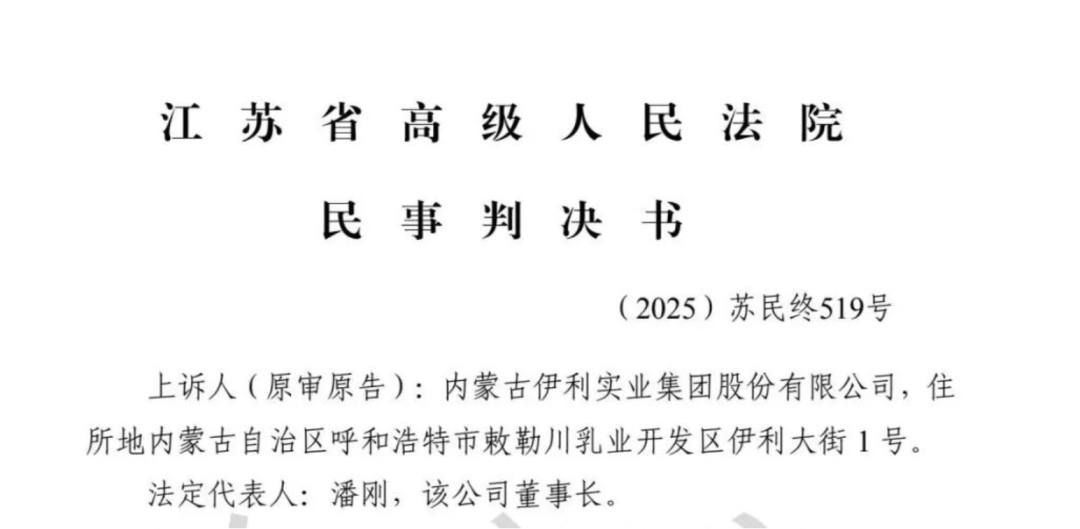
败诉!蒙牛被判不正当竞争,赔偿伊利500万
Guo Ji Jin Rong Bao· 2025-10-10 15:52
Core Viewpoint - The recent court ruling in favor of Yili against Mengniu highlights ongoing competition and branding issues in the dairy industry, particularly regarding packaging similarities that can confuse consumers [1][8]. Legal Dispute Summary - The Jiangsu Provincial High Court ruled that Mengniu's "Selected Pasture" milk packaging closely resembles Yili's "Jindian" packaging, constituting unfair competition. Mengniu is required to cease the infringing behavior and pay Yili 5 million yuan in damages [1][8]. - Yili requested Mengniu to publish a statement in major newspapers to mitigate the negative impact of the infringement [1]. Packaging Similarity Analysis - The packaging of Yili's "Jindian" and Mengniu's "Selected Pasture" is described as "highly similar," particularly in color scheme and layout, which could lead to consumer confusion [3][4]. - A survey indicated that 82.6% of respondents found the packaging similar, and 83.9% believed there was a connection between the two products [4]. Court Findings - The court determined that the similarity in packaging focuses on the main identifying features and overall visual effect rather than a detailed comparison of each side [6]. - The high recognition of Yili's packaging, combined with the similarities and the potential for consumer confusion, led to the conclusion that Mengniu's actions constituted unfair competition [7][8]. Historical Context of Disputes - This is not the first dispute between Yili and Mengniu over packaging. Previous cases include a 2015 ruling where Mengniu was found to have engaged in unfair competition regarding the "Future Star" yogurt [10][12]. - In 2023, Yili also sued Mengniu's subsidiary for similar reasons, resulting in Mengniu changing its packaging and paying compensation [14]. Market Position and Financial Performance - Yili's revenue for the first half of the year was 61.933 billion yuan, a 3.37% increase, while Mengniu's revenue was 41.567 billion yuan, a 6.95% decline, indicating a widening gap between the two companies [15]. - Yili's diverse business structure, including significant revenue from milk powder and ice cream, contrasts with Mengniu's reliance on liquid milk, which has seen a decline in sales [17][18].



“仿冒餐饮帝国”瓦解,靠不正当竞争发不了财 | 新京报快评
Xin Jing Bao· 2025-10-09 14:48
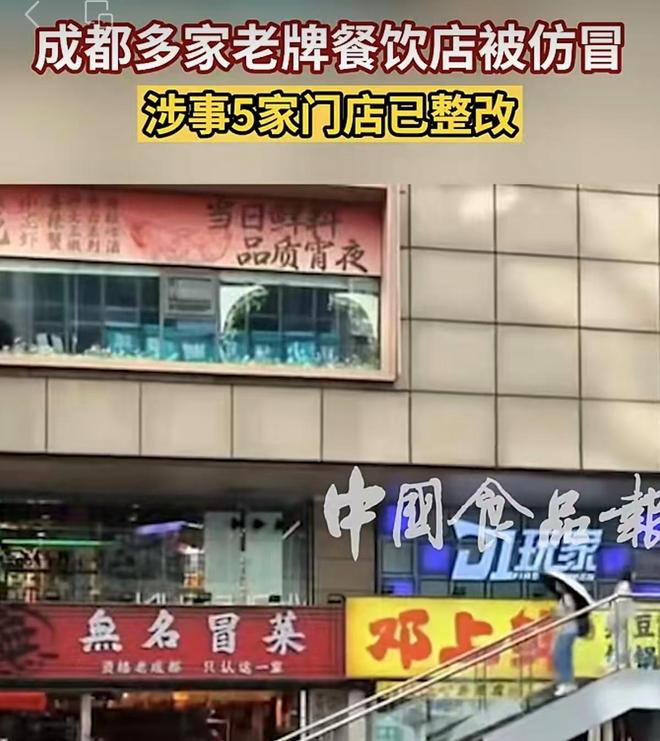
"当时亏了钱,想把钱尽快挣回来,就通过这种方式快速借力。" 说这话的人是颜文伟,由他实际控制的四川无名餐饮管理有限公司及其关联公司通过抢注、仿冒各地老 店商标,迅速成为拥有十余个品牌、数十家门店的"碰瓷专业户"。 ▲颜文伟构建的"仿冒餐饮帝国"正在迅速瓦解。图/食事新闻视频截图 碰瓷者的行为,扰乱市场竞争秩序,损害老店利益,也损害消费者权益,应承担行政责任和民事责任。 行政责任方面,根据反不正当竞争法,监督检查部门可采取责令停止违法行为、罚款等措施,情节严重 的,并处吊销营业执照。 而在民事责任方面,如果老店的合法权益受到损害,可以向人民法院提起诉讼。赔偿数额,按照老店的 实际损失或者碰瓷者获得的利益确定。 在经历媒体连续曝光、监管部门介入、老店联合维权后,颜文伟构建的"仿冒餐饮帝国"正在迅速瓦解。 日前接受红星新闻采访时,他说了这句话。 颜文伟这么说,看似醒悟和忏悔,但这话从一个靠"快速借力"挣了大钱的人嘴里说出来,却颇有些讽刺 意味。 颜文伟接受采访时承认,"借力"方式是不道德和急功近利的。"不道德",从其精心设计的一套程序可见 一斑: 先寻找目标,由专人筛选无商标或可擦边注册商标的高流量老店;再将打包的 ...
“仿冒餐饮帝国”瓦解,靠不正当竞争发不了财
Xin Jing Bao· 2025-10-09 14:45
Core Viewpoint - The article discusses the unethical and illegal practices of a restaurant management company, led by Yan Wenwei, which engaged in trademark squatting and imitation of established brands, leading to its rapid downfall due to media exposure and regulatory intervention [1][2]. Group 1: Unethical Practices - Yan Wenwei's company utilized a systematic approach to identify and exploit unregistered or similar trademarks of popular local restaurants, creating confusion among consumers [1][2]. - The company registered over 500 trademarks, many of which were not used, indicating malicious intent to hoard trademarks [1]. Group 2: Legal Implications - The actions of the company violate trademark laws, which require honesty and integrity in trademark registration and prohibit the use of unfair means to register trademarks already in use by others [1][2]. - The behavior disrupts market competition and harms both the original restaurants and consumers, leading to potential administrative and civil liabilities [3]. Group 3: Regulatory and Market Response - Regulatory bodies can impose penalties, including fines and revocation of business licenses, on companies engaging in such deceptive practices [3]. - Original restaurants can seek legal recourse for damages, with potential compensation up to five million yuan if losses are difficult to quantify [3]. Group 4: Recommendations for Prevention - Businesses need to enhance their awareness of intellectual property rights to protect against trademark squatting, particularly those with established reputations but unregistered trademarks [4][5]. - Trademark approval departments should be vigilant in monitoring for abnormal patterns of trademark registrations to prevent malicious activities [4][5].
“精选牧场”包装侵权“金典”,蒙牛被判赔偿伊利500万
2 1 Shi Ji Jing Ji Bao Dao· 2025-10-09 06:49
Core Viewpoint - The final ruling in the unfair competition dispute between dairy giants Yili and Mengniu has been issued, with the court ordering Mengniu to cease its infringing activities and pay Yili 5 million yuan in damages [1][4]. Group 1: Legal Proceedings - The Jiangsu High Court upheld the original ruling, requiring Mengniu to stop using packaging similar to Yili's "Jindian" brand, which was found to cause consumer confusion [1][4]. - The court determined that the packaging and decoration of Yili's products had gained market recognition and influence, distinguishing them from Mengniu's "Selected Pasture" product [3][4]. - This is not the first time Mengniu has been found guilty of unfair competition against Yili, with a previous case in 2017 resulting in a similar ruling [4]. Group 2: Financial Performance - For the first half of 2025, Mengniu reported a revenue decline of 6.95% to 41.567 billion yuan, with a net profit drop of 16.37% to 2.046 billion yuan [5]. - In contrast, Yili's revenue increased by 3.37% to 61.933 billion yuan, although its net profit decreased by 4.39% to 7.2 billion yuan [5]. - The competitive landscape between the two dairy giants may shift due to Mengniu's declining performance and recent legal setbacks [5].
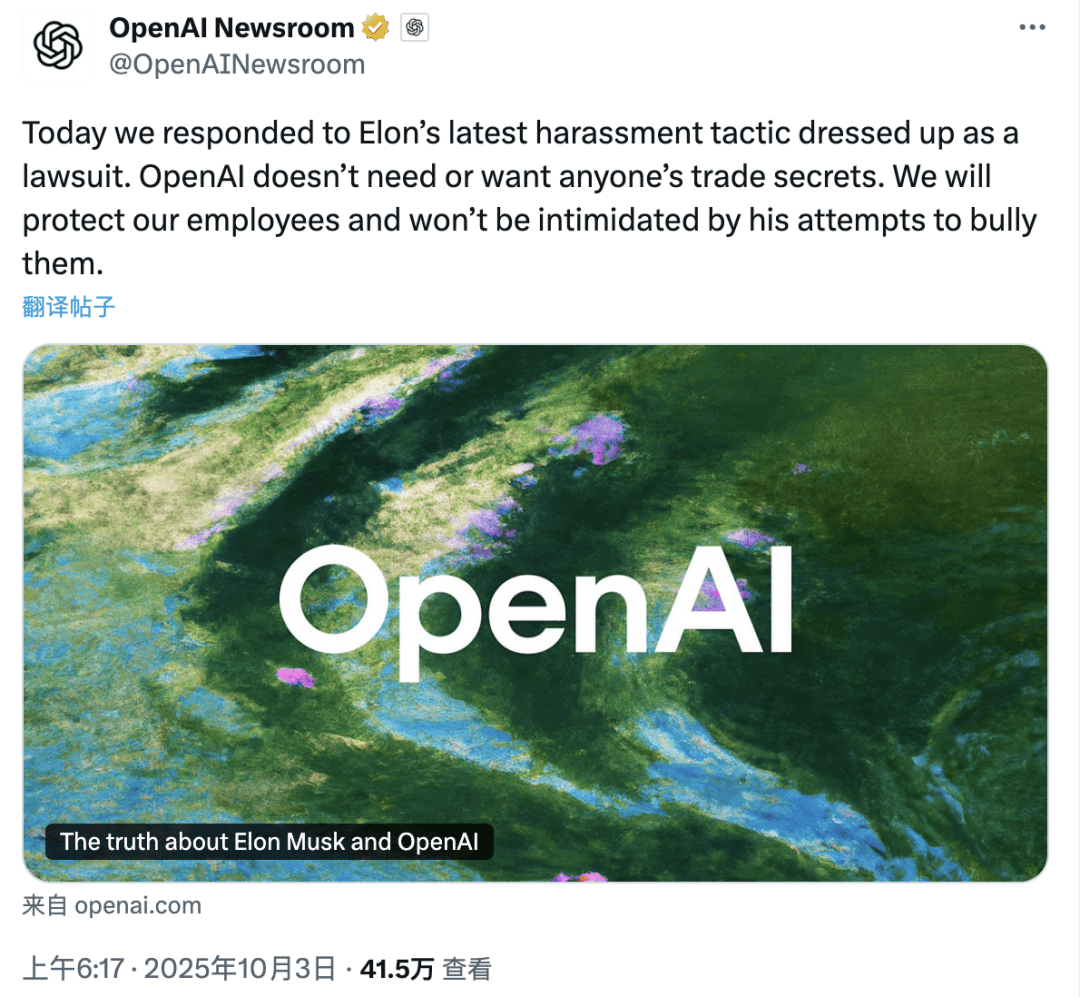
OpenAI强硬回击马斯克窃密诉讼!xAI被指恶意人肉离职员工
Sou Hu Cai Jing· 2025-10-04 04:34
Core Viewpoint - OpenAI has responded strongly to the lawsuit filed by xAI, denying all allegations of trade secret theft and accusing xAI of abusing legal rights to intimidate employees [1][3][4]. Group 1: Allegations by xAI - xAI has made three main allegations against OpenAI: violation of federal trade secret protection laws, intentional interference with xAI's economic relationships with employees, and violation of California's unfair competition laws [4]. - Specific incidents cited include the alleged theft of trade secrets by former xAI engineer Xuechen Li, who is accused of sharing confidential materials during the hiring process with OpenAI [4][5]. - Another engineer, Jimmy Fraiture, is also accused of transferring source code to personal devices during his "garden leave" period, indicating an intent to cover up his actions [5][10]. Group 2: OpenAI's Response - OpenAI has categorically denied all allegations, asserting that Xuechen Li never officially joined the company and did not transfer any confidential information [12][14]. - OpenAI claims that the actions of Fraiture during his garden leave were personal and not directed by OpenAI, and there is no evidence that he transferred any proprietary information [14][15]. - Regarding the unnamed former senior finance executive from xAI, OpenAI stated that the individual left xAI due to refusing to participate in "improper financial operations," and their subsequent hiring was unrelated to any alleged poaching [15][16]. Group 3: Legal Proceedings - OpenAI has filed a motion to dismiss xAI's lawsuit, arguing that the claims are baseless and intended to intimidate current and potential employees [17][18]. - A hearing for this motion is scheduled for November 18, which will address procedural aspects rather than the substantive issues of the case [18].
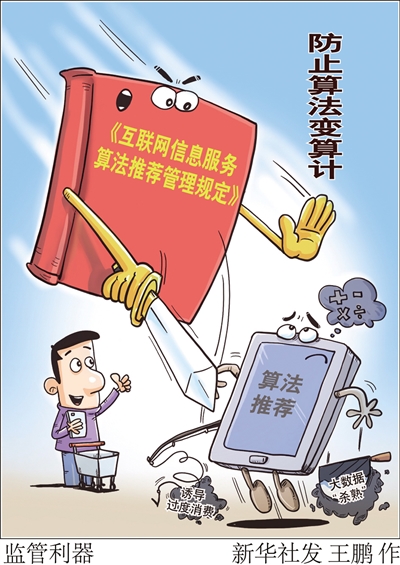
“算法之手”任性改价 住客酒店两头“叫苦” ——部分旅游预订平台“调价助手”问题调查
Xin Hua Wang· 2025-09-30 06:50
Core Viewpoint - The article highlights the manipulation of hotel prices on travel booking platforms, driven by an algorithmic tool called "Price Adjustment Assistant," which undermines the pricing autonomy of small and medium-sized businesses while consolidating the market power of these platforms [2][5][8]. Group 1: Price Fluctuations and Consumer Experience - Consumers have reported erratic price changes on booking platforms, leading to suspicions of unfair practices [3][4]. - Many users feel that the price variations do not align with market demand, and some have expressed frustration over not receiving the expected value for their expenditures [3][4]. - Hotel operators have also experienced unexpected price adjustments made by platforms, which they claim result in financial losses [4][5]. Group 2: Impact on Small and Medium-Sized Businesses - The "Price Adjustment Assistant" tool allows platforms to automatically modify hotel prices without notifying the operators, impacting their business operations [4][5]. - Some hotel owners have reported that their prices are adjusted to be lower than competitors, often without their consent, which can lead to unsustainable business practices [4][6]. - The platforms' commission rates, typically ranging from 10% to 15%, further exacerbate the financial strain on these businesses [6][8]. Group 3: Regulatory Concerns and Market Dynamics - Regulatory bodies have begun to take action against platforms like Ctrip for violating e-commerce laws and engaging in unfair competition practices [5][8]. - The article discusses the dual role of platforms as both arbiters and participants in the market, which creates a conflict of interest and can lead to market chaos [7][8]. - Experts suggest that new regulations aimed at curbing unfair competition will take effect soon, which may help restore balance in the market [8][9]. Group 4: Recommendations for Improvement - Industry experts recommend that regulatory authorities conduct audits of platform algorithms to ensure compliance with market regulations and to understand the extent of data manipulation [9]. - There is a call for platforms to enhance user experience while also addressing the legitimate concerns of small and medium-sized businesses [8][9].

一审落槌,讯兔被判删除全部侵权线上路演会议数据内容!
点拾投资· 2025-09-29 11:01
Core Viewpoint - The article discusses a legal ruling in favor of Jinmen, a leading AI investment research platform, against XunTu Technology for unfair competition, emphasizing the importance of compliance and ethical standards in the securities industry [2][5][10]. Group 1: Legal Ruling Details - The Shanghai Pudong New District People's Court ordered XunTu Technology to immediately cease its unfair competition practices and remove all unauthorized online roadshow meeting data from its platforms [5][6]. - XunTu Technology is required to compensate Jinmen for economic losses of 4 million yuan and reasonable expenses of 100,000 yuan within ten days of the ruling [5][6]. - The court mandated XunTu to publish a statement on its website and app to mitigate the negative impact caused by its actions, with the statement subject to court review [5][6]. Group 2: Court's Key Findings - The court highlighted that all online roadshow meeting data, including audio, transcripts, and AI-generated summaries, must be removed as they were shared without permission [6][10]. - The ruling emphasized that unauthorized copying and public sharing of online roadshow content violate compliance and ethical standards in the securities industry [7][9]. - The court noted that the use of AI technology does not justify unfair competition, as the tools used do not affect the legality of competitive behavior [11][13]. Group 3: Industry Implications - Jinmen's adherence to compliance and ethical standards has established its market position, which is crucial for maintaining competitive advantages in the securities industry [21]. - The article warns other industry players against engaging in similar unfair practices, urging them to respect intellectual property and uphold fair competition [17][20]. - The court's decision serves as a reminder that the duration and extent of infringement will be considered in assessing the severity of competitive misconduct [18][19].

大促在即家电业“反内卷”,协会再发倡议杜绝无序低价竞争
2 1 Shi Ji Jing Ji Bao Dao· 2025-09-29 10:57
Core Viewpoint - The China Household Electrical Appliances Association has issued an initiative to strengthen self-discipline and fair competition in the home appliance industry, aiming to create a fair market environment and eliminate chaotic practices such as disorderly low-price competition and false advertising [1][2]. Summary by Relevant Sections Industry Self-Discipline - The initiative focuses on issues such as excessive low-price competition, commercial defamation, false advertising, and employee rights protection [2]. - It emphasizes principles of fair competition, mutual respect, collaborative sharing, and high-quality development to promote healthy industry growth [2]. - The association has previously issued self-discipline agreements, with the first one dating back to 2011, indicating a long-standing concern for fair competition [2][3]. Market Environment and Trends - The home appliance industry is experiencing intensified competition due to market saturation, particularly in major appliances and kitchen appliances [5]. - According to AVC data, the retail sales of all home appliance categories (excluding 3C) are projected to reach 907.1 billion in 2024, a 6.4% increase year-on-year, marking a new record since 2019 [5]. - The implementation of policies such as "old-for-new" has boosted sales but has also led to increased market anxiety among smaller enterprises, prompting some to engage in excessive low-price competition [5][6]. Sales Pressure and Competition - Recent data indicates a significant decline in the home appliance market since September, with online retail sales dropping by 16.0% year-on-year during a specific monitoring period [6]. - The association's initiative comes at a critical time, as companies are likely to intensify competition during major sales events like National Day and Double Eleven [6]. - The need for the industry to avoid improper competitive behaviors under sales pressure is emphasized to prevent further deterioration of the market environment [6]. Policy Recommendations - Suggestions include optimizing subsidy policies to link them with product quality and enhancing market supervision to address frequent quality issues [7]. - Establishing a blacklist for brands involved in fraudulent activities related to subsidies is also recommended to maintain market integrity [7].
中国家电协会:杜绝无序低价竞争,坚决不搞低于成本价倾销
Guan Cha Zhe Wang· 2025-09-29 09:46
Core Viewpoint - The Chinese home appliance industry is facing severe "involution" characterized by unhealthy competition, particularly in the form of low-price strategies, prompting the China Household Electrical Appliances Association to issue a call for fair competition and high-quality development [3][4]. Group 1: Industry Challenges - The home appliance industry has developed into a highly competitive sector over the past 40 years, particularly excelling in smart appliances in the last decade [3]. - Current challenges include "involution" manifested through vicious low-price competition, misleading marketing practices, and the prevalence of counterfeit products [3][4]. - The association emphasizes that these issues hinder the industry's progress towards high-quality development [3]. Group 2: Association's Initiatives - The China Household Electrical Appliances Association has issued an initiative to promote fair competition, respect, collaboration, and high-quality development within the industry [3]. - Key principles include building strong technological innovation capabilities, respecting intellectual property, and focusing on user needs to ensure high product quality [3][5]. - The initiative also calls for improved pre-sale consultation, installation, and after-sales service to enhance consumer experience [3]. Group 3: Anti-Competition Measures - The association firmly opposes various forms of unfair competition, including below-cost pricing, exaggerated advertising, and counterfeit products [4][5]. - It advocates for strict adherence to laws such as the Anti-Unfair Competition Law and the Anti-Monopoly Law, as well as industry self-regulation [5]. - The association highlights the need for a collaborative industry ecosystem that benefits all parties involved, including small and medium enterprises [5].

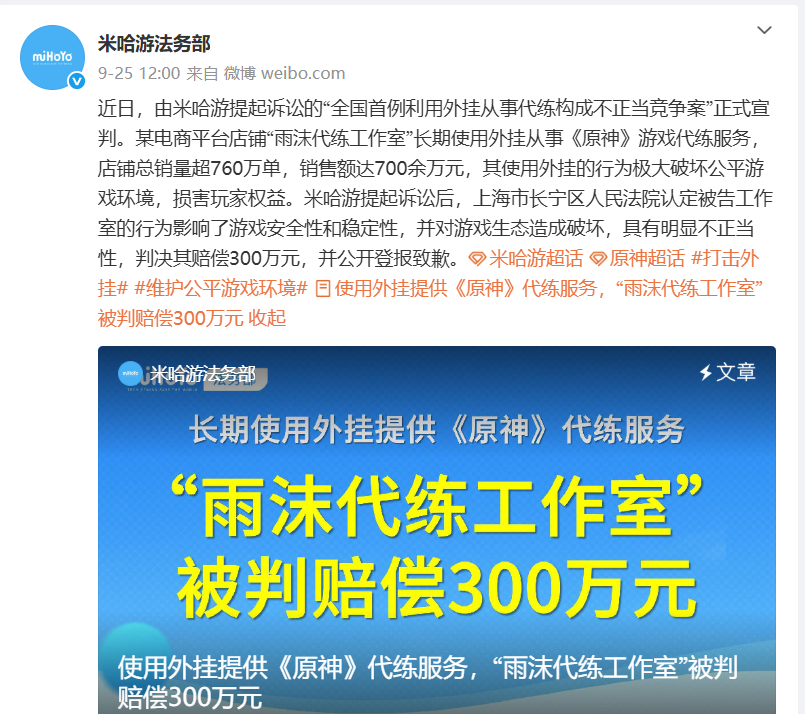
利用外挂从事游戏代练,一工作室被判赔300万
Yang Zi Wan Bao Wang· 2025-09-28 09:17
Core Viewpoint - The case marks the first instance in China where a lawsuit was filed against a game boosting service using cheats, highlighting the legal actions taken by companies to protect their gaming environment and player rights [1][4]. Group 1: Legal Action and Outcome - MiHoYo has successfully sued a game boosting studio for using cheats in its game "Genshin Impact," resulting in a court ruling that the studio must pay 3 million yuan in damages [4]. - The studio's activities included over 7.6 million orders and generated sales exceeding 7 million yuan, which were deemed to disrupt the fair gaming environment [1][4]. Group 2: Impact on Gaming Environment - The court found that the studio's actions hindered the normal operation and service provision of the game, affecting server security and stability, and damaging the game's ecological environment [4]. - MiHoYo's legal action aims to uphold player rights and maintain a fair gaming experience, reflecting the company's commitment to combating unfair competition in the gaming industry [4].