企业数字化转型

Search documents
从个人向商用跨越,华为宣布鸿蒙电脑企业版操作系统开启Beta
Zheng Quan Shi Bao Wang· 2025-12-11 09:55
Core Insights - Huawei's HarmonyOS is expanding into the B2B market with the launch of the HarmonyOS Computer Enterprise Edition, enhancing its ecosystem [1][2] - The new operating system aims to provide smarter, safer, and more efficient office experiences through features like AI assistance and dual-space management [1][2] - The introduction of the Huawei Qingyun HM740 marks a shift in commercial PC competition towards system-level security and intelligent experiences [3] Group 1: Product Launch and Features - Huawei officially launched the HarmonyOS Computer Enterprise Edition and announced the beta version of the HarmonyOS Computer Enterprise Operating System [1] - The HarmonyOS Computer Enterprise Edition is built on the HarmonyOS 6 foundation, featuring enhanced AI capabilities and tools for document management and report generation [1][2] - The "Enterprise Digital Dual Space" feature allows users to switch between secure enterprise and personal spaces, ensuring data protection and compliance [1] Group 2: Deployment and Management - The HarmonyOS Computer Enterprise Edition supports "zero-touch deployment," allowing IT administrators to configure devices with minimal interaction [2] - Traditional deployment of 500 computers takes at least 10 days, while the new method reduces this to just 1 day, significantly improving the deployment experience [2] - The Huawei Qingyun HM740 features a flagship OLED screen and a large 70Wh battery, supporting extensive usage times for video playback and voice meetings [2] Group 3: Ecosystem Growth - The Harmony ecosystem is rapidly expanding, with over 23 million devices running HarmonyOS 5 and more than 30,000 applications and services available [3] - The launch of the HarmonyOS Computer marks Huawei's full entry into the Harmony era, covering a wide range of devices including smartphones, tablets, and smart home products [3]
数据资产供应稳定的供应商
Sou Hu Cai Jing· 2025-12-06 20:22
Group 1 - The importance of stable data asset suppliers is emphasized, as data is crucial for timely and accurate decision-making across various business sectors [1] - In the financial sector, data inaccuracies can lead to investment mistakes, while in manufacturing, delays in production data can affect supply chain efficiency [1] Group 2 - Key criteria for selecting stable suppliers include technical strength, industry experience, and service range [2][4] - Companies like Shenyang Chuanglian Information Technology Co., Ltd. have strong technical teams from prestigious universities, showcasing their capability to ensure stable data supply [4] - Rich industry experience allows suppliers to better address diverse situations, with Chuanglian having deep expertise in blockchain technology and industrial internet [4] Group 3 - Evaluating suppliers can be done through reviewing past successful cases and customer feedback to gauge service quality and stability [5][8] - Successful case studies provide insights into a supplier's performance in similar projects, while customer evaluations offer indirect assessments of reliability [8] Group 4 - Choosing a supplier with stable data asset supply is critical for successful digital transformation, with companies like Shenyang Chuanglian Information Technology being strong candidates due to their technical strength, industry experience, and broad service range [9]


颠覆认知!重金买大模型搞不定业务?高手都在布局这个“老古董”
Sou Hu Cai Jing· 2025-12-05 21:58
Core Insights - Many companies invest heavily in large models but struggle to address practical business issues, revealing that traditional foundational technologies and data governance methods are crucial for cost reduction and efficiency [1][14]. Workflow: Revitalizing Old Concepts - Workflow has evolved from rigid processes to a vital tool for managing AI, acting as a bridge between AI technology and real business needs [3][5]. - The presence of workflow ensures that AI operates within a defined scope, preventing it from making unverified commitments that could lead to significant risks [5][7]. Integration with Existing Systems - AI must be integrated into the complex and mature systems of enterprises; otherwise, it remains an isolated high-performance accessory [9]. - Workflow serves as a "business integrator," embedding AI capabilities into existing standard operating procedures (SOPs) [9][11]. Effective Workflow Implementation - Proper implementation of workflow involves maintaining existing management processes while allowing AI to assist, ensuring compliance with financial management principles [11][13]. - AI operates within the parameters set by the workflow, with decision-making authority retained by management, thus creating an efficient automated processing loop [13][16]. Conclusion - Companies often focus on selecting advanced models and high-end hardware while neglecting workflow design and optimization, which is essential for effective AI application [14][16]. - The essence of workflow lies in operational guidelines, emergency response plans, and cross-departmental collaboration, which are critical for successful AI integration [16].
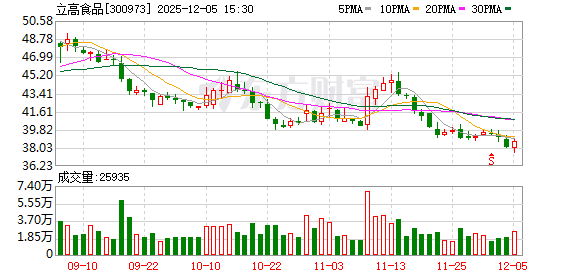
立高食品:公司ERP系统使用用友BIP全模块定制化系统
Zheng Quan Ri Bao· 2025-12-05 12:08
Core Viewpoint - The company has implemented a comprehensive ERP system to enhance operational efficiency and facilitate digital transformation across various business areas [2] Group 1: ERP System Implementation - The company utilizes the customized full-module BIP system from Yonyou, which covers finance, supply chain, marketing, and data services [2] - This ERP system enables efficient collaboration in sales forecasting, planning management, advanced scheduling, procurement execution, and inventory dispatch [2] - The implementation of batch and expiration date management for raw materials and finished goods inventory is currently in effect at the company's factories [2]

MAXHUB智会·领航100计划
2 1 Shi Ji Jing Ji Bao Dao· 2025-12-05 01:21
Core Insights - The rapid development of artificial intelligence has transformed smart meetings from a luxury to a critical starting point for major corporate decisions [1] - MAXHUB is launching the "Smart Meeting Navigation 100 Plan" to create benchmark smart meeting rooms for 100 companies, aiming to enhance digital transformation across various industries [1][3] Group 1: Digital Transformation and Industry Impact - By the end of 2025, the digital office penetration rate in Chinese enterprises is expected to reach 72%, with 85% of companies prioritizing smart meeting rooms for digital upgrades [1] - The "Smart Meeting Navigation 100 Plan" covers sectors such as healthcare, finance, intelligent manufacturing, and energy, collaborating with companies like China Gas Holdings and Shanghai First People's Hospital [1][3] Group 2: Evolution of MAXHUB - MAXHUB has evolved from a "meeting tool" to a "business collaboration partner," responding to the real needs of enterprises for enhanced collaboration capabilities [2][3] - The company aims to address pain points such as system incompatibility and workflow disruptions that hinder collaboration efficiency [3] Group 3: Technological Advancements - MAXHUB is focusing on AI meeting solutions to improve collaboration efficiency, enhancing AI content recording and processing capabilities [4] - The company has developed personalized solutions for various industries, demonstrating the integration of AI into business processes to enhance efficiency and insights [6][8] Group 4: Case Studies and Applications - In the travel industry, MAXHUB's AI meeting tools have improved workflow by automatically generating meeting minutes and extracting trends from discussions [6] - In the manufacturing sector, MAXHUB integrated multiple systems for Fujian Yongrong Holdings, significantly enhancing global operational efficiency [6] - In healthcare, Shanghai First People's Hospital utilizes MAXHUB's technology to optimize patient care and facilitate remote collaboration among experts [7] Group 5: Future Vision - MAXHUB's "Smart Meeting Navigation 100 Plan" is seen as a starting point for further industry engagement, aiming to make every meeting a driver of digital transformation [10] - The company envisions leveraging AI and ecosystem partnerships to continue enhancing collaboration across various sectors [10]
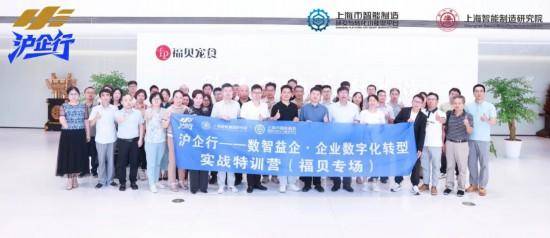
【沪企行】“数智益企·企业数字化转型实战特训营(福贝专场)”活动成功举办
Sou Hu Cai Jing· 2025-12-04 23:10
Core Insights - The event "Digital Transformation Practical Training Camp" was successfully held at the headquarters of Fubei Company, focusing on the challenges faced by small and medium-sized enterprises (SMEs) in digital transformation [1][3] - The initiative aims to provide practical guidance and tools for SMEs to accelerate their digital transformation and achieve high-quality development [3][7] Group 1 - The event was co-hosted by multiple organizations, including the Shanghai SME Development Service Center and Shanghai Jiao Tong University, with over thirty executives from "specialized, refined, distinctive, and innovative" enterprises participating [1][3] - The training camp is part of a series of initiatives designed to support SMEs, transforming abstract concepts of digital transformation into actionable methods and tools [3][5] - Experts from various organizations shared insights on the necessity of digital transformation, its role in reducing costs and increasing efficiency in manufacturing, and practical case studies [5][7] Group 2 - The practical training included hands-on sessions where industry experts used Fubei's "5G fully connected smart factory" as a case study to guide executives in addressing challenges encountered during their own transformation processes [5][6] - Participants had the opportunity to visit Fubei's smart factory and digital exhibition hall, providing a tangible experience of intelligent production scenarios [5][6] - The Shanghai SME Development Service Center plans to continue collaborating with various stakeholders to empower more enterprises in their digital transformation journey [7]
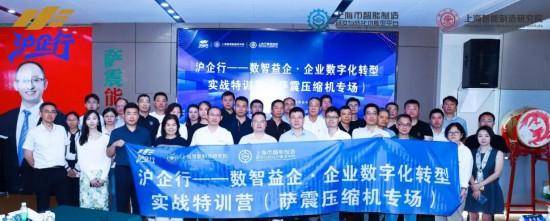
【沪企行】“数智益企·企业数字化转型实战特训营(萨震专场)”活动成功举办
Sou Hu Cai Jing· 2025-12-04 21:26
Core Insights - The event "Digital Transformation Practical Training Camp" was successfully held at the headquarters of Sazhen Compressor Company, focusing on the challenges faced by SMEs in digital transformation [1] - The Shanghai Municipal Government has introduced an implementation plan to accelerate the development of "AI + Manufacturing," emphasizing the necessity of digital transformation for SMEs in the digital economy era [3] - The training camp featured expert insights on AI-driven smart manufacturing and practical strategies for digital transformation, aiming to provide actionable methodologies for participating companies [5][6] Group 1 - The event was co-hosted by multiple organizations, including the Shanghai Small and Medium Enterprises Development Service Center and Shanghai Jiao Tong University, with over thirty executives from "specialized, refined, distinctive, and innovative" enterprises participating [1] - The focus of the training was to address the pain points of SMEs in digital transformation, specifically the issues of not knowing how to transform, being unable to transform, and lacking the courage to transform [1][3] - Experts from various institutions shared their experiences and strategies, breaking down the complexities of digital transformation into understandable and executable methods for enterprises [5][6] Group 2 - The event included a practical session where industry experts analyzed the digital transformation case of Sazhen Compressor, guiding executives through a three-part model of diagnosis, discussion, and guidance [5][6] - Participants had the opportunity to visit Sazhen's smart factory, gaining firsthand experience of intelligent production scenarios [6] - The training camp is part of a broader initiative that has already conducted four sessions, involving over a hundred companies and focusing on enhancing the digital capabilities of "specialized, refined, distinctive, and innovative" enterprises [8]
7 年前放话“18 个月火速弃用 Office”,这家巨头至今未能摆脱微软。网友:打脸了吧
程序员的那些事· 2025-12-02 06:15
Core Viewpoint - The article discusses Airbus's challenging journey to migrate from Microsoft Office to Google Workspace, highlighting the complexities and difficulties faced in this transition despite initial optimism about completing the migration within 18 months [1][6]. Migration Plan - Airbus aimed to eliminate local deployment of Microsoft Office and transition all employees to Google Workspace, viewing this as a strategic decision for digital transformation [3][4]. - The former CEO Tom Enders emphasized the need for modern digital tools to support new collaborative work methods across teams and time zones [4][5]. Challenges in Migration - The initial estimate of 18 months for the migration was overly optimistic, as the number of employees increased from 130,000 to 150,000 during the process, leading to a mixed usage of both Google and Microsoft tools [7][6]. - Key reasons for the inability to fully transition include: - Excel's unmatched capability in handling large datasets, with some financial spreadsheets containing up to 20 million cells, exceeding Google Sheets' processing capacity [8][9]. - Certain teams requiring advanced document management features that Google Workspace currently lacks, such as rigorous change tracking for contracts [10]. - Regulatory and data security constraints preventing sensitive documents from being stored in the cloud, necessitating continued reliance on local solutions [11]. Mixed Usage and Compatibility Issues - The ongoing mixed usage of Google and Microsoft tools has resulted in high costs and compatibility issues, with employees facing challenges related to document format inconsistencies and collaborative conflicts [11][12]. - The digital transformation process is not merely a technical issue but involves reengineering workflows, adjusting responsibilities, and potentially reshaping organizational culture [12]. Public Reaction - The article notes public reactions to Airbus's migration challenges, with some expressing surprise at the scale of data handled and others reflecting on the inertia of employees accustomed to Excel [12][13]. - Criticism arose regarding the decision to switch to another American tech giant, questioning the rationale behind the migration when local solutions were already effective [13].




“18个月火速弃用Office”,7年前立的Flag翻车,这家巨头至今未能完全摆脱微软,现任高管:当初预估得太乐观
3 6 Ke· 2025-11-28 11:34
Core Viewpoint - Airbus's ambitious plan to migrate 130,000 employees from Microsoft Office to Google Workspace has faced significant challenges, leading to a prolonged and complex transition process that remains incomplete after several years [1][6]. Migration Plan - The migration aimed to eliminate local deployment of Office and transition to cloud-based digital tools, marking a new phase in the company's digital transformation [3]. - Former CEO Tom Enders emphasized the need for modern digital tools to support new collaborative work methods and promised employee support and training for the transition [3][5]. Challenges in Migration - The initial estimate of completing the migration within 18 months was overly optimistic, as acknowledged by Airbus's digital transformation executive [6]. - As of now, Airbus has grown from 130,000 to 150,000 employees, with over two-thirds having switched to Google tools, yet many teams still rely on Microsoft software [7]. Reasons for Incomplete Migration - **Excel's Unmatched Capability**: Excel remains essential for handling large datasets, with some financial spreadsheets containing up to 20 million cells, far exceeding Google Sheets' capabilities [8][9]. - **Advanced Document Management Needs**: Teams such as legal and procurement require robust document management features that Google Workspace currently lacks [10]. - **Regulatory and Data Security Constraints**: Certain confidential documents cannot be stored in the cloud, necessitating continued use of local solutions [11]. Current State and Issues - Airbus is currently in a hybrid state, using both Google and Microsoft tools, which has led to increased costs and compatibility issues [11]. - Employees have reported frustrations with document format inconsistencies and collaboration conflicts due to the dual-tool environment [11]. Broader Implications - The migration challenges highlight that transitioning to new software is not merely a technical issue but a complex system-wide endeavor involving process reengineering and cultural shifts [12]. - The experience raises questions about the feasibility of replacing established software ecosystems, especially when existing solutions meet specific operational needs [12][13].

专访彩讯股份高级副总裁汪志新:携手鸿蒙 开启智能办公与企业数智新时代
Zheng Quan Shi Bao Wang· 2025-11-28 09:42
Core Insights - The article discusses the strategic partnership between CaiXun Co., Ltd. and Huawei, focusing on the integration of CaiXun's RichM@il product within the HarmonyOS ecosystem, emphasizing its role in enterprise-level AI applications and collaborative office solutions [1][2][3]. Group 1: Partnership and Product Development - CaiXun has collaborated with Huawei for many years, focusing on the Harmony ecosystem, enterprise AI applications, and collaborative office solutions. The RichM@il email product has received Huawei's technical certifications and is deeply adapted to the Harmony system [2][3]. - RichM@il is positioned as the first key product for CaiXun's entry into the Harmony ecosystem, chosen for its attributes and future potential. It serves as a crucial communication tool in the business world, facilitating cross-system and cross-organization interactions [2][3]. Group 2: Strategic Importance of HarmonyOS - CaiXun's deep involvement in the Harmony ecosystem is seen as essential for ensuring customer data security and aligning with national strategies. The distributed architecture and AI capabilities of HarmonyOS align well with CaiXun's technological pathways for enterprise transformation [3][4]. - The expanding multi-device ecosystem of HarmonyOS presents new opportunities for digital transformation in enterprises, offering a consistent experience across various devices [3][4]. Group 3: Future of Intelligent Office Solutions - The shift towards knowledge-driven intelligent office systems is highlighted, where information will proactively flow based on semantic understanding and contextual judgment, enhancing user experience [4][5]. - RichM@il is evolving from a traditional email tool to a "knowledge asset entry," supporting both individual workflows and enterprise-level intelligent systems [4][5]. Group 4: AI Integration and Service Enhancement - CaiXun is enhancing the synergy between email, enterprise knowledge bases, and intelligent assistants, allowing users to interact with RichM@il through natural language or voice commands via Huawei's voice assistant [5][6]. - The company is building a comprehensive AI service capability, with Rich AICloud and Rich AIBox platforms facilitating the integration of AI capabilities into business processes [5][6]. Group 5: Industry Digital Transformation - CaiXun has over 20 years of experience in the domestic B2B sector, understanding complex organizational structures and business processes. The company aims to create a controllable and governable intelligent system that integrates deeply with business processes [7][8]. - The company is committed to advancing AI applications across various industries, contributing to the modernization of the industrial system and promoting the development of the Harmony ecosystem [7][8].