全屋智能

Search documents
美的推出“精神宝地”解决方案,以科技赋能年轻群体生活场景升级
Huan Qiu Wang· 2025-08-19 12:41
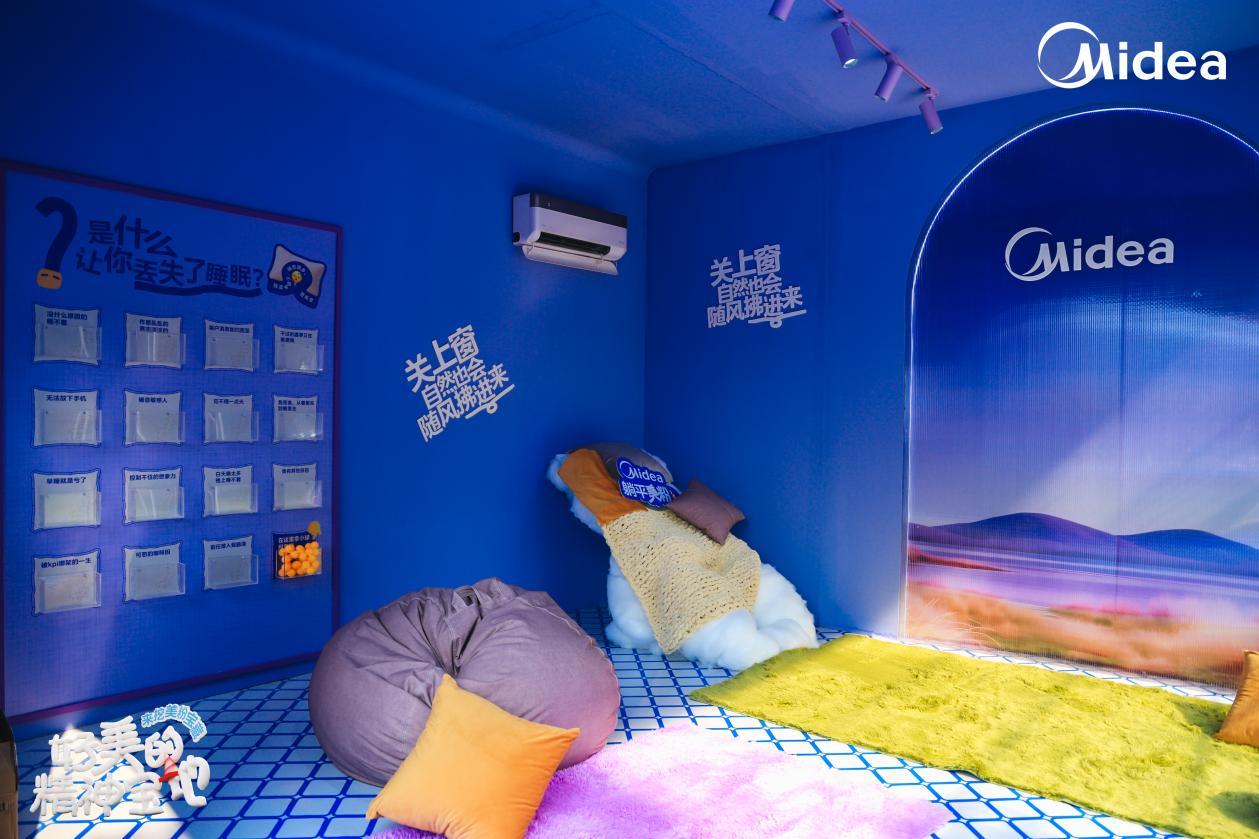
Core Viewpoint - The company aims to redefine the connection between home appliances and young users by addressing emotional needs and creating ideal living spaces through hardware upgrades and a comprehensive smart home ecosystem [1][8]. Group 1: Multi-Scenario Hardware Layout - The company has launched a series of products tailored to meet the functional needs of core family spaces, enhancing user experience from single-function to scenario-based solutions [2]. - Key products include the T6 air purifier with a 20dB silent design and AI temperature and humidity control for bedrooms, a "kitchen cooling" air conditioner designed based on research from 706 kitchens in 22 cities, and a multi-functional cleaning machine for living rooms [2]. Group 2: Emotional Engagement through Rights Service System - The company has introduced a rights service system for its "fans," offering up to 14 benefits, including free appliance cleaning services and personalized birthday gifts, to enhance emotional connections with users [3][4]. Group 3: Smart Home Ecosystem Construction - The company focuses on creating a smart home ecosystem that enables seamless interaction between devices, enhancing user comfort and convenience [6]. - Examples include the T6 air purifier adjusting based on weather forecasts and a refrigerator maintaining food in a "micro-frozen" state [6]. Group 4: Innovation Foundation through Technology R&D and User Co-Creation - Over the past three years, the company has invested over 40 billion yuan in R&D, resulting in more than 90,000 global patents, covering areas such as AI, energy efficiency, and integrated architecture [7]. - The company employs a user-centered product development model, incorporating feedback from a diverse age group to optimize products before market launch [7]. Group 5: Industry Paradigm Shift - The launch of the "spiritual treasure land" solution signifies a shift from mere functional satisfaction to lifestyle proposals, focusing on user experience and emotional needs [8]. - This approach aims to drive the industry towards a dual-driven development model of "function + emotion," moving beyond traditional product sales to empower lifestyle [8].


装修建材板块午盘走弱 晶雪节能股价下跌3.81%
Bei Jing Shang Bao· 2025-08-14 05:37
Group 1 - The renovation and building materials sector experienced a slight decline, closing at 14,604.89 points with a drop of 0.74% [1] - Individual stocks within the sector showed varying degrees of decline, with Jingxue Energy leading the drop at 21.22 CNY per share, down 3.81% [1] - Songlin Technology and *ST Situ also saw declines, closing at 27.92 CNY per share (down 2.95%) and 6.29 CNY per share (down 2.78%) respectively [1] Group 2 - Conversely, Kangxin New Materials led the gains in the sector, closing at 2.57 CNY per share with an increase of 4.05% [1] - Qisheng Technology and Mona Lisa also reported gains, closing at 14.73 CNY per share (up 3.73%) and 10.43 CNY per share (up 3.37%) respectively [1] Group 3 - According to a report by EIU Think Tank, the transaction volume in China's technology market is steadily increasing, with a projected contract transaction volume of 6.8 trillion CNY in 2024, reflecting a year-on-year growth of approximately 11.2% [1] - The robust development of the technology market is providing a stable foundation for the growth of the whole-house smart industry in China, with higher technological maturity driving market prosperity and diversification [1]


装修建材板块午盘拉升 博雅股份股价涨幅4.32%
Bei Jing Shang Bao· 2025-08-11 06:17
Group 1: Market Performance - The renovation and building materials sector experienced a slight increase, closing at 14,604.44 points with a rise of 1.05% [1] - Several stocks in the renovation and building materials sector saw price increases, with Boya Co. leading at 1.69 CNY per share, up 4.32% [1] - Xiong Plastic Technology and Yangzi New Materials followed, closing at 8.82 CNY (up 3.64%) and 4.03 CNY (up 3.60%) respectively [1] - Conversely, Filinger led the decline in the sector, closing at 22.46 CNY per share, down 1.92% [1] - Songlin Technology and Wanli Stone also saw declines, closing at 29.95 CNY (down 1.35%) and 29.43 CNY (down 0.84%) respectively [1] Group 2: Industry Insights - According to a report by EEO Research Institute, the transaction volume in China's technology market is increasing annually, projected to reach 6.8 trillion CNY in 2024, a year-on-year growth of approximately 11.2% [1] - The robust development of the technology market supports the stable growth of China's whole-house smart industry, with higher technology maturity driving market prosperity and diversification [1] - By 2025, the scale of China's smart home market is expected to exceed 1 trillion CNY, with major players in the internet, home appliances, and traditional hardware sectors actively entering the smart home arena [1]
超半数装修建材股下跌 菲林格尔以21.10元/股收盘
Bei Jing Shang Bao· 2025-08-07 07:46
Group 1 - The renovation and building materials sector experienced a slight decline, closing at 14,357.55 points with a drop of 0.37% [1] - Filinger led the decline in the renovation and building materials stocks, closing at 21.10 CNY per share with a decrease of 4.18% [1] - Beijing Lier and Puyang Co. followed with declines of 3.16% and 2.79%, closing at 6.75 CNY and 7.32 CNY per share respectively [1] Group 2 - The report from Yiou Think Tank indicates that the transaction volume in China's technology market is increasing annually, with a projected contract transaction volume of 6.8 trillion CNY in 2024, reflecting a year-on-year growth of approximately 11.2% [1] - The development of the technology market is providing a stable foundation for the growth of the whole-house smart industry in China [1] - By 2025, the smart home market in China is expected to exceed 1 trillion CNY, driven by major players in the internet, home appliances, and traditional hardware sectors entering the smart home arena [1]


家电企业加速发力全屋智能 格力电器产品矩阵全面升级
Zheng Quan Ri Bao· 2025-08-05 04:38
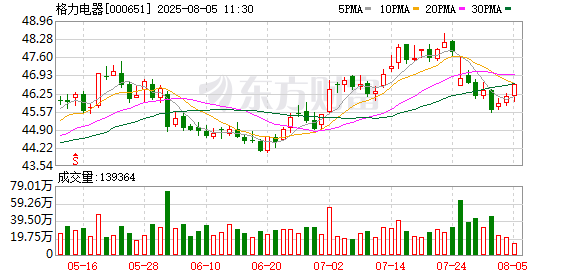
Core Viewpoint - Gree Electric Appliances has launched nine innovative products in the whole-house smart appliance sector, showcasing its latest R&D achievements and marking a comprehensive upgrade of its "Good Appliances Made by Gree" product matrix [2][3]. Group 1: Product Launch and Innovation - Gree Electric Appliances announced the launch of nine new products covering air health, water health, laundry health, and dietary health, indicating a strong push into the whole-house smart appliance market [2]. - The new products include a heat pump washing and drying machine featuring Gree's self-developed three-drive variable frequency system, which integrates variable frequency motors, fans, and compressors for precise control [3]. - A highlight of the new offerings is the photovoltaic home air conditioner, which incorporates AI technology and Gree's self-developed AI energy-saving chip, enhancing its cooling performance [3]. Group 2: Market Trends and Strategic Positioning - The home appliance industry is undergoing a transformation driven by dual factors: the "dual carbon" strategy and consumer upgrades, moving from single smart products to comprehensive health solutions [4]. - Gree Electric Appliances aims to capture the high ground in scenario-based competition by constructing a "data-device-service" triangle model, positioning itself well in the health appliance market [4]. - According to the "2025 China Home Appliance Health Trend White Paper," 83% of consumers are willing to pay a premium for effective health technologies by 2025, indicating a growing market potential [4].

【WAIC对话美的】3-5年内,家电的“主动服务”将成为主流
Guan Cha Zhe Wang· 2025-08-04 11:25
同时,人形机器人新物种"美拉"能通过智慧屏中控屏唤醒整个图灵厨房,实现语音指令开关冰箱门取拿 新鲜水果、制作咖啡等服务,COLMO的AI科技解锁人形机器人更多使用场景,让AI科技赋予未来生活 以想象空间。 COLMO全屋智能负责人尚喆介绍称,COLMO AI HOME构建了AI空气系统、AI水系统、AI烹饪系统、 AI洗护系统、AI能源系统的五大家电系统与AI隐私系统、AI照明系统、AI娱乐系统、AI安全系统及AI 智控系统的五大家居系统,通过覆盖软件到硬件、场景到单品的全维AI能力,深度理解用户需求、自 主协同全屋设备、持续进化服务能力。 需要指出的是,实现一个真正能在复杂家庭环境"可落地"的AI Agent,在泛化能力、安全运行、隐私保 护与用户体验的平衡、多智能体运行等维度所需的技术门槛非常高。 美的方面预计,未来1-2年,AI 技术将在智能家电家居产品中进一步普及,渗透率会继续提升。产品智 能能力会成为一种基础能力出现,同时联动控制变为用户基础需求。未来 3-5 年,基于模型的意图识别 及动态推理能力,会趋于成熟,主动服务会替代响应式服务成为主流。 此外,针对AI与全屋智能相关话题,观察者网现场对话美 ...
卖不动空调的东北今年卖爆了,雷军笑到了最后?
Sou Hu Cai Jing· 2025-07-31 23:32
往年根本卖不动空调的东三省,今夏空调彻底卖爆了。 据京东7月7日至13日周销售数据显示,东北地区空调的销售量暴增,其中吉林省成交额同比增长25倍、辽宁省成交额同比增长10倍、黑龙江省成交额同比 增长6倍,东北三省首次购买空调的用户数同比增长超过60%。 这在以往是不可想象的。因为东三省是出了名的"空调洼地"。作为纬度较高的地区,东北三省居民对空调的需求远不如南方地区大,据官方统计显示, 1981-2010年哈尔滨7月平均气温最高仅为27.8℃。截至2023年,黑吉辽平均每百户家庭空调保有量分别是15.6台、21.5台、65.6台,同期全国居民平均每百 户空调拥有量为145.9台,黑吉辽的空调保有量远低于全国平均水平,尤其黑龙江甚至只有全国平均值的1/10左右。 今年进入7月,东北35℃以上的高温区域不断扩大,高温席卷东北平原。习惯了凉爽天气的东北人在高温下难以适应。就连黑龙江的最北端漠河近期也饱 受高温折磨,在以往的夏天里,漠河的平均气温只有十几度,即使偶尔有高温,也只是在30度左右。但今年罕见地迎来了35度的高温,很多漠河的家庭也 破天荒地装上了空调。 此前,多家媒体集中报道东北高校的学生在操场上睡觉。有视 ...


天气越热,电风扇越“凉”?
3 6 Ke· 2025-07-28 09:58
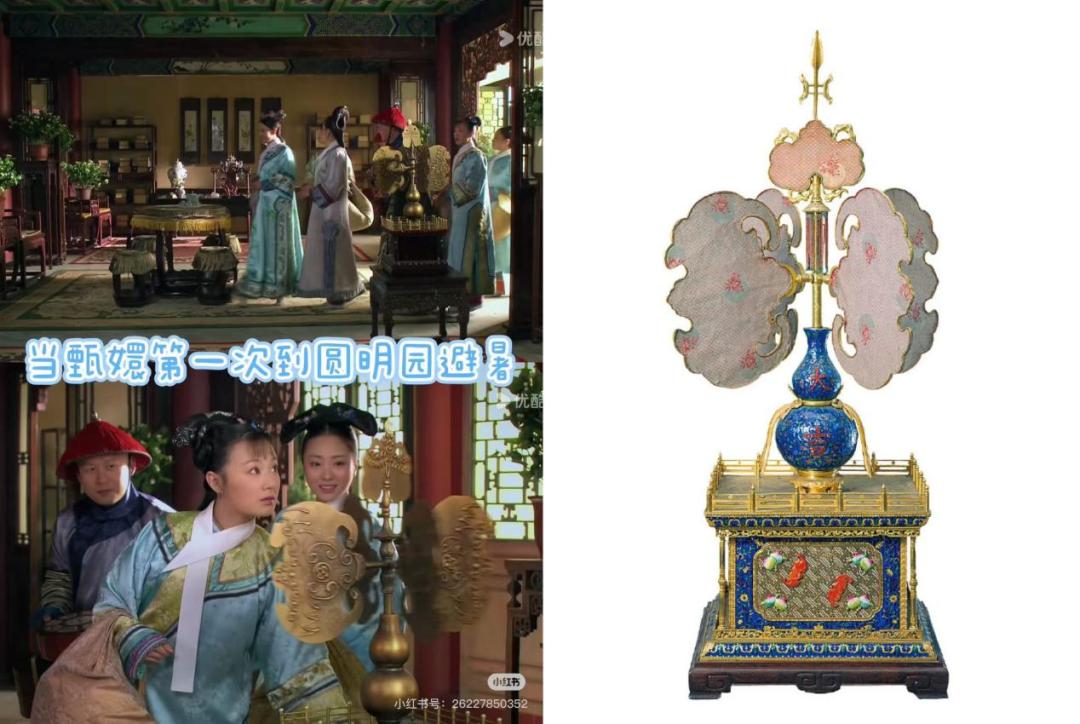
Core Insights - The article discusses the rising demand for electric fans in the context of increasing global temperatures, highlighting the shift in consumer preferences towards cooling solutions that are both effective and cost-efficient [1][16][41] - It emphasizes the technological advancements in electric fans, which have allowed them to remain relevant despite the dominance of air conditioning systems [12][15][36] Industry Overview - The electric fan market in China has seen significant growth, with sales increasing by 26% year-on-year as of May 21, 2023, and a notable rise in average prices by 16% [16][18] - The market is characterized by a seasonal peak from May to July, with the 2025 618 shopping festival reporting a sales revenue of 2.28 billion yuan, marking a 37.59% increase year-on-year [16][20] Technological Advancements - Electric fans have evolved significantly since their inception, with modern designs incorporating features such as DC motors that reduce energy consumption by 30%-50% and lower noise levels to below 30 decibels [12][14] - Innovations like air circulation fans and smart technology integration are redefining the functionality of electric fans, positioning them as year-round air management solutions rather than just summer cooling devices [14][15][40] Market Dynamics - The electric fan market is experiencing a shift towards higher quality products, with consumers increasingly opting for mid-range and high-end models, leading to a decline in the market share of lower-priced options [18][20] - The competitive landscape includes major players like Midea and Gree, which dominate the market with significant online and offline shares, while new entrants focus on niche segments and innovative designs [35][36] Consumer Preferences - A survey indicates that 67% of consumers find natural wind from electric fans more comfortable than air conditioning, with many using both simultaneously to enhance cooling efficiency [27][28] - The demand for electric fans is driven by various factors, including energy efficiency, portability, and the ability to provide localized cooling in areas where air conditioning is insufficient [24][41] Future Outlook - The electric fan market is projected to continue growing, with an expected annual increase of 30% in the segment of air-purifying circulation fans and a 40% increase in sales of silent fans designed for infants [29][40] - As consumer preferences evolve towards health and wellness, the integration of features like air purification and smart technology will be crucial for market players to maintain competitiveness [29][41]
华为爆改酒店业
阿尔法工场研究院· 2025-07-18 11:23
Core Viewpoint - Huawei is expanding into the hotel management sector through its subsidiary Anpu Hotel Management Co., aiming to reshape the hotel industry with its technological expertise and create a comprehensive accommodation ecosystem [4][8][50]. Group 1: Company Overview - Anpu Hotel Management Co. was established by a Huawei affiliate in Guangzhou, marking Huawei's new venture into hotel services [4]. - The company has launched multiple hotel brands, including Anpu Polai, Anpu Yicheng, Anpu Hotel, Anpu Yueting, and Anpu Yiting, catering to various market segments from high-end to budget accommodations [15][19][20]. - Anpu hotels are primarily located in major cities in China and several international markets, including Saudi Arabia, South Africa, and Mexico [12][13]. Group 2: Leadership and Management - Ren Ping, the son of Huawei's founder Ren Zhengfei, serves as a director of Anpu Hotel Management and is also the general manager of its parent company, Shenzhen Huitong Business Co., which is a wholly-owned subsidiary of Huawei [25][26][28]. - The management team has extensive experience in real estate and hotel operations, contributing to the strategic direction of Anpu [30][31]. Group 3: Business Model and Strategy - Anpu's business model differs from traditional hotel chains by focusing on direct ownership and management of properties, primarily serving Huawei employees and affiliates [34][35]. - The hotels are not widely open to the public, with most bookings coming from internal sources, which allows for a more controlled and tailored service experience [35]. - Anpu aims to leverage Huawei's technological capabilities to enhance hotel operations and guest experiences, positioning itself as both an operator and a technology provider [50]. Group 4: Technological Integration - Anpu hotels incorporate advanced smart technologies, such as facial recognition and smart room controls, to improve guest experiences and operational efficiency [40][41]. - Huawei's AI solutions, including the recently launched "Xiao An Butler," are being implemented in Anpu hotels to streamline services and enhance customer interaction [48]. - The introduction of the Star River AI network aims to optimize energy consumption in hotels, achieving energy savings of over 30% through intelligent management systems [49]. Group 5: Market Position and Future Outlook - The hotel industry is undergoing a transformation towards digitalization, and Huawei's entry is seen as a potential disruptor that could redefine industry standards [36][50]. - The success of Anpu in the hotel market will depend on its ability to grow and adapt within the evolving hospitality landscape [55].
给BBA们上了一课后,华为又要爆改酒店业
Sou Hu Cai Jing· 2025-07-17 08:50
Group 1 - Huawei has established Anpu Hotel Management Co., Ltd. in Guangzhou to expand its hotel management and related services, marking a new entry into the hotel service industry [2][4] - The Anpu brand has been developed over 20 years, starting from the first hotel in Shenzhen in 2004, and now includes over 30 hotels and apartments in more than ten cities globally [2][5] - Anpu Hotels operates five sub-brands, including Anpu Polai, Anpu Yicheng, Anpu Hotel, Anpu Yueting, and Anpu Yiting, catering to various market segments from high-end to budget accommodations [7][8][9][10][11][12] Group 2 - Anpu Hotels primarily serves Huawei employees and associated clients, with most properties being self-owned or fully controlled by Huawei, contrasting with traditional hotel management models [16] - The hotels utilize Huawei's advanced technology, including full-home smart systems, to enhance guest experiences and operational efficiency [20][22] - The introduction of AI solutions, such as the AI digital assistant "Xiao An Butler," aims to improve service efficiency and guest interaction within Anpu Hotels [24][25] Group 3 - Huawei's approach to the hotel industry emphasizes digital transformation, with a focus on energy efficiency and smart technology integration, potentially revolutionizing traditional hotel operations [22][26] - The company aims to leverage its technological expertise to create a comprehensive ecosystem in the hospitality sector, similar to its strategies in telecommunications and automotive industries [18][26] - The competitive landscape in the hotel industry is shifting towards ecosystem-based advantages, where collaboration and value creation will determine market leadership [26]