净零排放

Search documents
海外科技周报(25/11/3-25/11/7):期待白宫复工,风险偏好有望修复-20251114
Hua Yuan Zheng Quan· 2025-11-14 00:57
Investment Rating - Investment rating: None [4] Core Insights - The report emphasizes the strategic importance of civil nuclear energy in global energy transition and climate governance, highlighting its current contribution of approximately 9% to global electricity and 23% to low-carbon electricity. It notes that nuclear energy has avoided around 70 billion tons of CO2 emissions over the past 50 years and could potentially reduce an additional 90 billion tons by 2050 if development accelerates [4][16] - The International Atomic Energy Agency (IAEA) predicts a 2.5-fold increase in nuclear power capacity by 2050, positioning it as a core support for achieving "net zero emissions" goals. Currently, there are about 440 operational reactors across 31 countries, with over 60 under construction and 30 more planned [4][16] - The report also highlights the potential applications of innovative technologies such as Small Modular Reactors (SMR) and Advanced Modular Reactors (AMR) in hydrogen production, heating, and non-electric sectors, calling for stronger policy and financial support to drive a new growth cycle in the global nuclear energy industry [4][16] Market Performance Review - During the week of November 3 to November 7, 2025, technology stocks experienced a pullback, with the Hang Seng Tech Index closing at 5837.4, down 1.2%, underperforming the Hang Seng Index by 2.5 percentage points. The Philadelphia Semiconductor Index closed at 6947.4, down 3.9%, also underperforming the Nasdaq 100 and S&P 500 indices [7][9] - The AI energy sector saw declines influenced by earnings reports, with the top five gainers being COHERENT (+17%), 亚舍立科技 (+8%), 艾马克技术 (+8%), 美光科技 (+6%), and 百度集团-SW (+6%). Conversely, the top five decliners included NUSCALE POWER (-32%), DUOLINGO (-26%), ENERGY FUELS (-24%), 超微电脑 (-23%), and CENTRUS ENERGY (-20%) [9][4] Web3 and Cryptocurrency Market - The total market capitalization of cryptocurrencies decreased to $3.37 trillion as of November 7, 2025, down from $3.64 trillion the previous week. The total trading volume for cryptocurrencies was $166.74 billion, accounting for 4.95% of the total market cap [18][24] - The sentiment in the cryptocurrency market is currently in a state of panic, with the Fear and Greed Index at 21, indicating a fear-driven market environment [20] - The report notes that the core assets in the cryptocurrency market experienced significant price declines due to tightening liquidity and expectations of interest rate hikes, with major assets briefly falling below $100,000 [29][30]
前沿观察 | IEA:全球化石燃料需求或持续增长至2050年
Sou Hu Cai Jing· 2025-11-13 16:43
Group 1 - The International Energy Agency (IEA) predicts that global oil and gas demand may continue to grow until 2050, marking a revision of previous expectations for a rapid transition to clean fuels [2][3] - The IEA's current policy scenario indicates that global oil demand will reach 113 million barrels per day by the middle of the century, a 13% increase from 2024 levels [3] - The report highlights a significant increase in liquefied natural gas (LNG) supply, with an expected 50% growth by 2030, driven by rising electricity demand from data centers and artificial intelligence [6] Group 2 - The IEA's report suggests that the goal of limiting global temperature rise to 1.5 degrees Celsius is increasingly unlikely to be achieved, despite commitments from over 190 countries [7] - The report indicates that global LNG market capacity will grow from approximately 5,600 billion cubic meters in 2024 to 10,200 billion cubic meters by 2050 [6] - The IEA's shift away from climate commitment-based scenarios in its analysis reflects challenges in assessing meaningful climate targets due to insufficient submissions from countries [3]

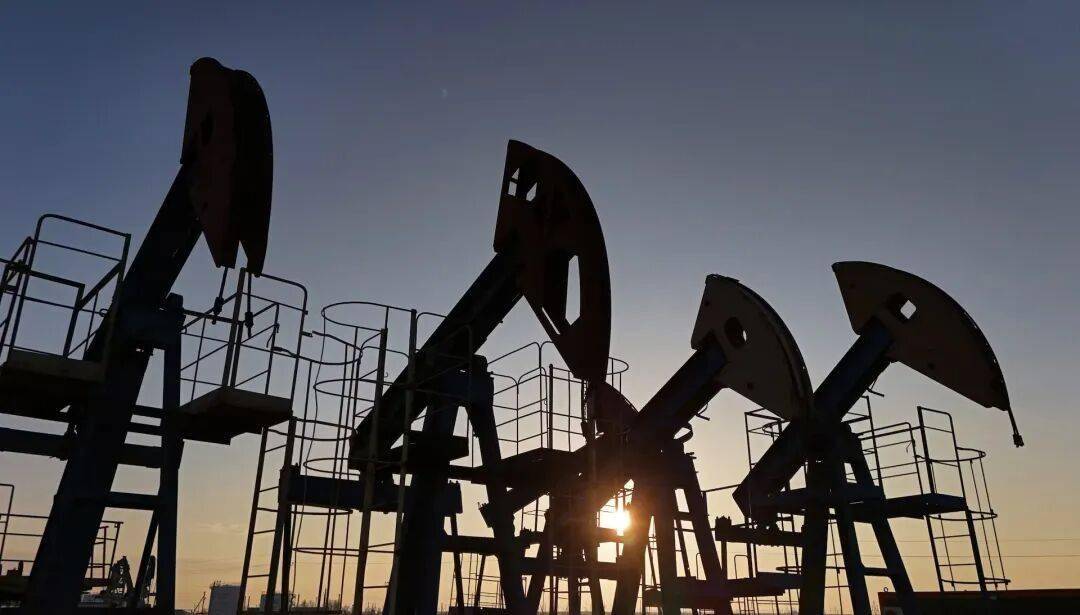
国际能源署:全球约7.3亿人仍无法获得电力供应
Sou Hu Cai Jing· 2025-11-13 08:12
Core Insights - The International Energy Agency (IEA) released the "World Energy Outlook 2025" report, indicating that approximately 730 million people globally still lack access to electricity, highlighting a failure to meet energy accessibility and climate change response targets [1][3] Group 1 - The report emphasizes the increasing climate risks, but achieving net-zero emissions by mid-century could help limit long-term temperature rise to within 1.5°C [3] - The IEA urges countries to accelerate energy diversification and deepen international cooperation to address future uncertainties and risks [3]
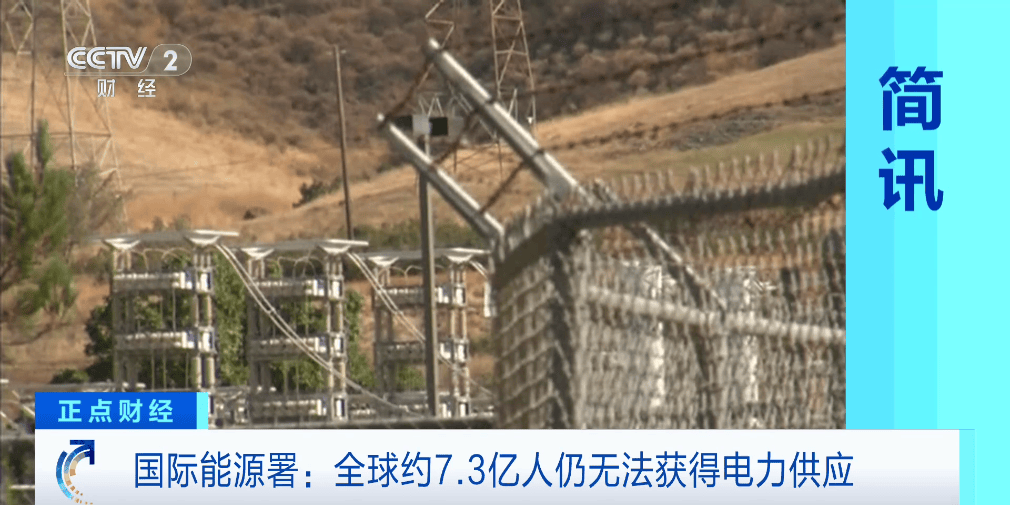
国际能源署:全球约7.3亿人仍无法获电力供应
中国能源报· 2025-11-13 07:04
Core Insights - The International Energy Agency (IEA) released the "World Energy Outlook 2025" report, highlighting that approximately 730 million people globally still lack access to electricity and that climate risks are intensifying [1] - The report indicates that global targets for energy accessibility and climate change response have not been met, but achieving net-zero emissions by mid-century could help limit long-term temperature rise to within 1.5 degrees Celsius [1] Energy Demand Trends - The report forecasts that electricity demand will grow at a rate significantly faster than overall energy consumption, driven primarily by data centers and artificial intelligence, particularly in developed economies and China [1] - Renewable energy, especially solar photovoltaic, is expected to see the fastest growth in demand, with China maintaining its position as the largest renewable energy market globally [1] Nuclear and Fossil Fuels Outlook - A revival in nuclear energy is anticipated, with global nuclear power capacity expected to increase by at least one-third by 2035 [1] - In the short term, global oil and natural gas supplies are projected to be generally sufficient, although geopolitical risks remain a concern [1] Recommendations for Future Energy Strategy - The IEA urges countries to accelerate the diversification of energy structures and deepen international cooperation to address future uncertainties and risks [1]
全球约7.3亿人仍无法获电力供应
Ren Min Ri Bao· 2025-11-12 22:19
Core Insights - The International Energy Agency (IEA) released the "World Energy Outlook 2025" report, highlighting that approximately 730 million people globally still lack access to electricity and that climate risks are increasing [1] - The report indicates that global targets for energy accessibility and climate change have not been met, but achieving net-zero emissions by mid-century could help limit long-term temperature rise to within 1.5 degrees Celsius [1] Energy Demand and Supply Trends - Electricity demand is expected to grow at a rate significantly higher than overall energy consumption, driven primarily by data centers and artificial intelligence, particularly in developed economies and China [1] - Renewable energy, especially solar photovoltaic, is projected to see the fastest growth in demand, with China maintaining its position as the largest renewable energy market globally [1] - Nuclear energy is anticipated to recover, with global nuclear power capacity expected to increase by at least one-third by 2035 [1] - Short-term global oil and natural gas supply is generally sufficient, although geopolitical risks remain a concern [1] Recommendations for Future Action - The IEA urges countries to accelerate the diversification of energy structures and deepen international cooperation to address future uncertainties and risks [1]
国际能源署:全球约7.3亿人仍无法获电力供应
Xin Lang Cai Jing· 2025-11-12 14:23
Core Insights - The International Energy Agency (IEA) report highlights that approximately 730 million people globally still lack access to electricity, while climate risks are intensifying [1] - The report indicates that global energy accessibility and climate change response have not met targets, but achieving net-zero emissions by mid-century could keep long-term temperature rise within 1.5 degrees Celsius [1] - The report discusses future energy trends, noting that electricity demand is expected to grow significantly faster than overall energy use, driven mainly by data centers and artificial intelligence in developed economies and China [1] Energy Demand and Supply - Renewable energy demand, particularly solar photovoltaic, is projected to grow the fastest, with China maintaining its position as the largest renewable energy market globally [1] - Nuclear energy is expected to see a revival, with global nuclear power capacity projected to increase by at least one-third by 2035 [1] - In the short term, global oil and natural gas supply is generally sufficient, although geopolitical risks remain a concern [1] Recommendations and Future Outlook - The IEA calls for countries to accelerate energy diversification and deepen international cooperation to address future uncertainties and risks [1]
每日 1.13 亿桶:国际能源署预测全球油气需求将持续增长至2050年
Sou Hu Cai Jing· 2025-11-12 07:41
Core Insights - The International Energy Agency's World Energy Outlook 2025 emphasizes the urgent need for diversification and cooperation in the face of rising energy risks and demand [1][2][5] Energy Demand and Supply - Global oil and gas demand is projected to continue growing until 2050, diverging from previous expectations of a rapid transition to clean energy, indicating potential challenges in meeting climate goals [5] - Under the Current Policies Scenario, global oil demand is expected to reach 113 million barrels per day by mid-century, a 13% increase from 2024 levels [5] - Overall energy demand is anticipated to rise by 90 exajoules by 2035, a 15% increase from current levels [5] Liquefied Natural Gas (LNG) Market - The report highlights explosive growth in the LNG market, with a surge in final investment decisions for new LNG projects in 2025 [6][11] - Approximately 300 billion cubic meters of new annual LNG export capacity is expected to come online by 2030, increasing global supply by 50% [6][11] Electricity Demand and Transition - The report indicates that the world has entered the "Age of Electricity," with electricity demand growth accelerating across various scenarios [19][25] - Electricity is now the key energy source for sectors accounting for over 40% of the global economy [19] Climate and Emissions - The report warns that global warming is likely to exceed 1.5°C by 2030 across all scenarios, with emissions rising in the Current Policies Scenario and plateauing in the Stated Policies Scenario [35][36] - Only the updated net zero scenario is projected to bring temperatures back below 1.5°C in the long term [36] Renewable Energy Growth - Renewables are expected to grow faster than any other major energy source, led by solar PV, with nuclear capacity also set to increase by at least one-third by 2035 [39][40] - Natural gas is projected to play an increasingly significant role in power generation [39]
能源早新闻丨我国最大储气库“开仓放粮”
中国能源报· 2025-11-11 22:33
Industry News - China's largest gas storage facility has commenced its 13th cycle of gas extraction, injecting over 5 million cubic meters of natural gas into the pipeline to ensure supply for the upcoming winter and spring [2] - The output of recycled non-ferrous metals in China is expected to exceed 20 million tons by the end of 2025, marking a significant increase from 14.5 million tons at the end of the 13th Five-Year Plan, with an average annual growth rate of 7.2% [3] - China's offshore wind power capacity reached a cumulative installed capacity of 44.61 million kilowatts in the first three quarters of this year, maintaining its position as the world's leader for four consecutive years [3] - The world's first commercial supercritical carbon dioxide power generation unit has successfully completed grid debugging, paving the way for full-power operation [3] - A perovskite solar cell with a light-to-electricity conversion efficiency of 27.2% has been developed, significantly enhancing its operational stability and laying a foundation for industrialization [4] - China has made significant progress in the ITER project, with the successful final design review of key diagnostic systems, which is crucial for the manufacturing and delivery of the system [4] - In October, the sales of new energy vehicles in China surpassed 50% of total new car sales for the first time, indicating strong growth in the sector [4] International News - Russia is preparing to transfer nuclear technology to India, indicating a new level of cooperation in the nuclear energy sector, including discussions on small nuclear power plants [5] - Australia has released a net-zero emissions investment guide aimed at attracting international investment to support its net-zero emissions goals, focusing on key technologies and industries [6] Corporate News - Guizhou Energy Group has increased its registered capital from 10 billion RMB to 20 billion RMB, with the addition of Southwest Energy and Mining Group as a shareholder [7]
广汽集团与宁德时代将开展十年长期合作
Zhong Guo Dian Li Bao· 2025-11-11 22:12
Industry News - The National Development and Reform Commission expects a balanced energy supply and demand during the heating season, with national power generation capacity reaching 3.72 billion kilowatts, an increase of 560 million kilowatts year-on-year [3] - China's new energy vehicle sales exceeded 50% of total car sales for the first time in October, with production and sales of new energy vehicles reaching 13.015 million and 12.943 million units respectively from January to October, marking year-on-year growth of 33.1% and 32.7% [3] - A perovskite solar cell with a light-to-electricity conversion efficiency of 27.2% has been successfully developed, significantly enhancing operational stability and laying a foundation for industrial development [3] Company News - The China National Nuclear Corporation has established an internationally advanced quantum radioactive metrology laboratory, marking a significant advancement in quantum radioactive measurement technology in China [5] - State Grid Corporation of China released its first contribution report on implementing the Global Security Initiative, marking its third report on international platforms following previous environmental and development initiative reports [5] - Southern Power Grid has established two new centers focused on electricity market research and financial sharing, aiming to enhance high-quality development and contribute to the construction of a world-class enterprise [7] - The construction of a large-scale floating wind power demonstration project has officially started in Guangdong, marking significant progress in China's floating offshore wind power industry [7] - GAC Group and CATL signed a comprehensive strategic cooperation agreement to deepen collaboration in the new energy sector over the next decade [8] Local News - Zhejiang Province leads the nation in the issuance of green certificates for distributed renewable energy projects, promoting a transparent and collaborative green energy development environment [9] - The State Grid Qinghai Haidong Power Supply Company has completed the electrification of 37 geological disaster relocation sites, benefiting 1,176 relocated households [9] International News - Russia is preparing to transfer nuclear technology to India, indicating a new level of cooperation in the nuclear energy sector [11] - Australia has released a net-zero emissions investment guide to attract international investment for achieving its net-zero emissions goals [13]



澳大利亚发布净零排放投资指南
中国能源报· 2025-11-11 04:38
Core Points - Australia has released a net-zero emissions investment guide titled "Nationally Determined Contribution Investment Blueprint" to attract international investment for achieving its net-zero emissions goals [1][2] - The guide focuses on investment opportunities within Australia's net-zero emissions plan, key technologies in major industry reduction plans, and important industries under the "Future Manufacturing Act" framework [1] - The Australian government emphasizes the need for international cooperation to tackle climate change and aims to leverage its renewable energy, critical mineral resources, skilled workforce, and strong trade relationships to facilitate the global transition to net-zero emissions [1] Summary by Sections Investment Opportunities - The investment guide outlines opportunities related to Australia's net-zero emissions plan and highlights key technologies necessary for significant industry reductions [1] - It aims to provide investors with guidance on important sectors that will play a role in achieving these emissions targets [1] Climate Goals - The Australian government has set a 2035 emissions reduction target of 62% to 70% compared to 2005 levels, responding to international calls for climate goals to be investment-friendly [2] - The guide aligns with the requirements of the Paris Agreement, which mandates countries to set and update their climate action targets every five years [2] International Collaboration - The Australian government stresses the importance of building partnerships with governments, businesses, and investors who share its vision for a sustainable and prosperous net-zero future [1]