夜经济

Search documents
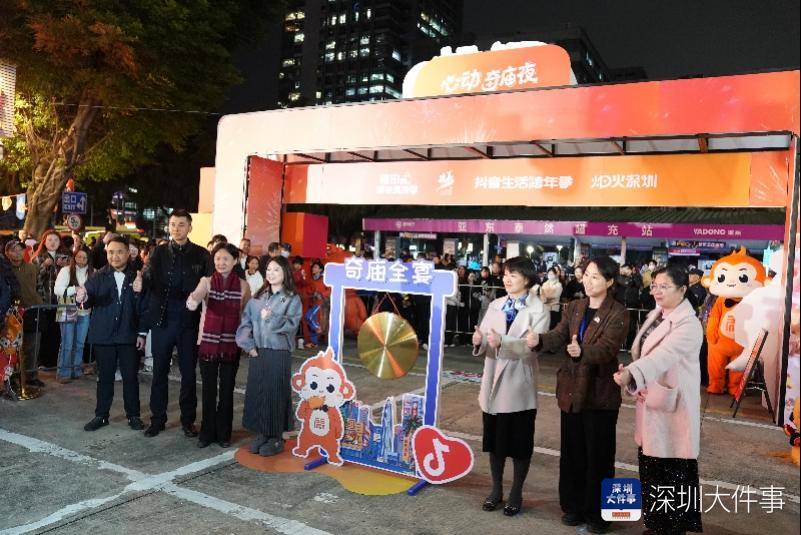
百米长桌共食,点燃夜经济;暖冬消费季再添现象级新场景
Sou Hu Cai Jing· 2025-12-28 05:34
Core Insights - The article discusses the "Futian Warm Winter Consumption Season" in Shenzhen's Futian District, aimed at boosting consumption and revitalizing the night economy through a series of innovative events [1][8]. Group 1: Event Overview - The "Heartfelt Qi Miao Night · Qi Miao Feast" event was launched on December 26, featuring local food vendors and social media influencers to create an immersive night-time consumption experience [1][3]. - The event attracted significant public participation, showcasing a collaborative effort between the government, businesses, and the community to enhance the charm of the district [1][3]. Group 2: Community Engagement - Over 60 long tables were set up for communal dining, allowing citizens and business representatives to share local delicacies, fostering a sense of community and cultural vibrancy [3]. - The event incorporated elements like the "Fuuki" mascot and food influencers to engage younger consumers, blending online and offline experiences to stimulate spending [5][8]. Group 3: Economic Impact - The event achieved over 30 million exposures across various platforms, leading to increased foot traffic and sales for participating merchants, indicating a positive impact on the local economy [8]. - The initiative is seen as a milestone in promoting consumption, economic growth, and job creation, with local representatives praising its effectiveness in enhancing the night economy [8]. Group 4: Future Prospects - The Futian District plans to continue enriching night-time consumption experiences and launching more interactive events to sustain economic vitality and attract younger demographics [8].

通州迎新 湾里如何打造国际商业娱乐综合体
Bei Jing Shang Bao· 2025-12-28 05:19
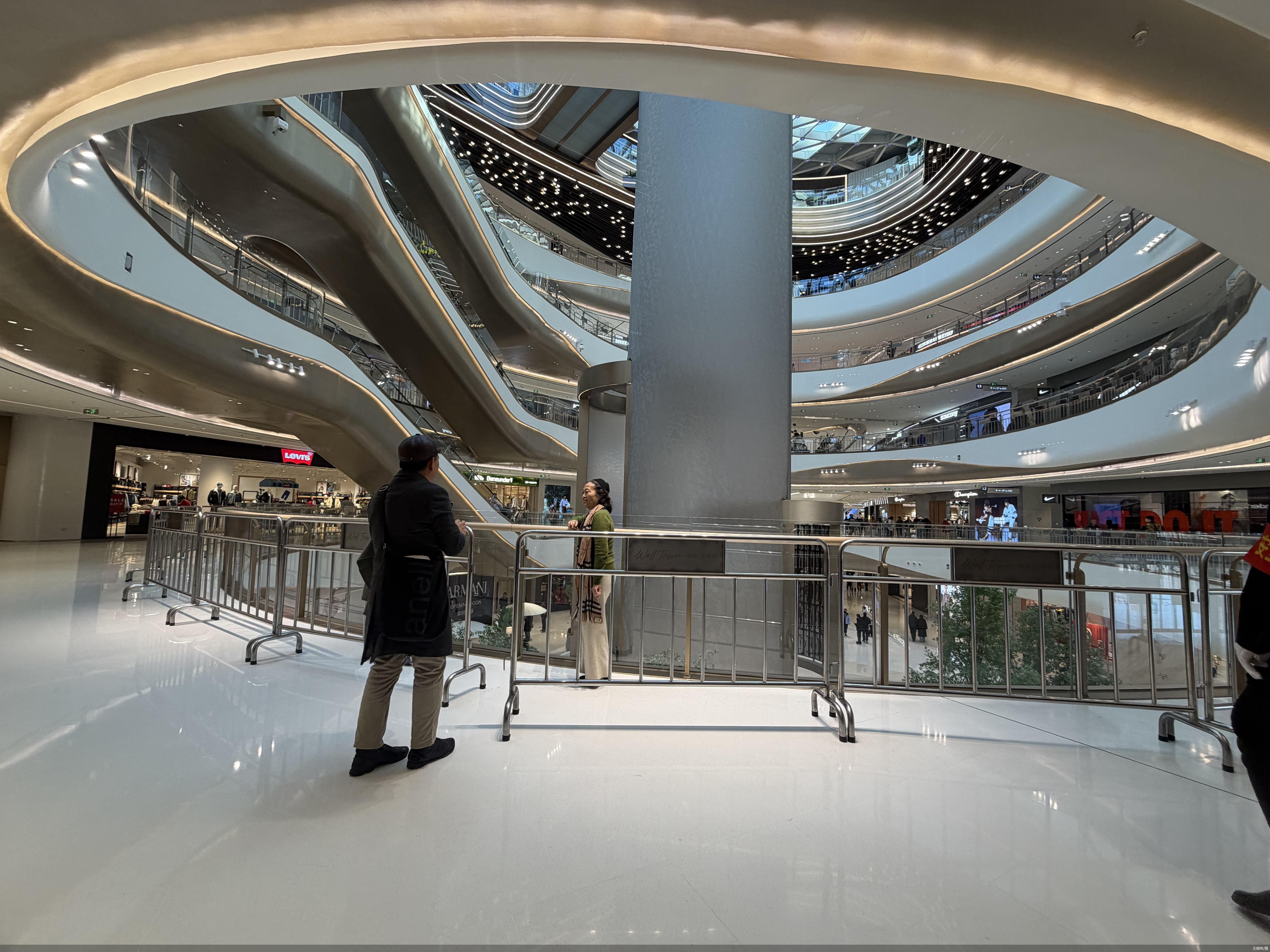
Core Insights - The Bay Area complex in Tongzhou, Beijing, has opened successfully, attracting significant foot traffic with over 160,000 visitors on the first day and more than 250,000 on the second day, indicating strong consumer interest and engagement [1][5][10]. Group 1: Project Overview - The Bay Area complex includes three main components: Wangfujing WellTown, Tingyun Town, and Nuolan Hotel, integrating commercial consumption with accommodation experiences [5][12]. - The total area of Wangfujing WellTown is 187,000 square meters, featuring diverse brands in fashion, dining, and entertainment, while Tingyun Town focuses on creating a multi-scenario cultural vacation community [5][6]. Group 2: Unique Selling Points - The complex hosts over 100 first-store brands, including notable names like Fila's first golf experience store and The North Face's peak experience store, enhancing its appeal to consumers [6][14]. - The introduction of unique retail concepts and flagship stores, such as BADMARKET and VRIL, contributes to the area's attractiveness, filling a consumer gap in the Tongzhou region [6][15]. Group 3: Economic Impact - The Bay Area's proximity to Universal Studios, which attracts over 10 million visitors annually, is expected to enhance the local economy by creating a consumption loop of daytime entertainment and nighttime shopping [10][15]. - The project is seen as a significant step in the integration of industry and urban development in Tongzhou, providing job opportunities and improving social services in the area [12][14]. Group 4: Future Prospects - The Bay Area is positioned to support Beijing's goal of becoming an international consumption center, promoting the integration of cultural, commercial, and tourism sectors [14][15]. - The development is anticipated to enhance the attractiveness of Tongzhou for talent and investment, fostering a positive cycle of industry, consumption, and population growth [13][14].
干字当头抓关键 一心提质谋长远
Xin Lang Cai Jing· 2025-12-27 03:17
(来源:新安晚报) 坚持产业为先 筑牢强动能 聚焦实体经济,田家庵区推动产业结构优化升级,加快构建现代化产业体系。统筹传统产业改造、新兴 产业培育与未来产业布局,促进先进制造业与现代服务业深度融合,发展新质生产力。实施消费提振专 项行动,通过"以旧换新""惠民消费券"等活动提振大宗消费,创新消费场景吸引高能级首店落地;加快 诗遥湾、淮河老街等项目建设,打造"景区旅游+城区消费"模式,培育夜经济地标。落实"藏粮于地、藏 粮于技"战略,推进高标准农田建设与和美乡村建设,推动乡村产业振兴。 守牢发展底线 惠民保稳定 经济指标是发展成效的核心标尺,田家庵区紧盯年初既定目标,靶向破解发展短板。通过强化经济运行 调度,密切跟踪重点行业、企业及指标动态,对增速放缓或排名后退的指标深入分析、精准施策;针对 固投、社消零、制造业等短板指标,逐项拆解二级指标与支撑要素,制定详细追赶计划,加快补齐发展 差距;同时加强统计业务培训与企业项目摸排培育,确保新增长点及时客观反映在统计数据中,以精准 调度稳住经济增长预期。 聚焦项目建设 扩投提速度 秉持"今天的投入就是明天的产出"理念,田家庵区全方位推进项目建设提质增效。对计划开工项目实 ...
武林商圈“延时”聚流,留住的是什么?
Hang Zhou Ri Bao· 2025-12-26 02:23
Core Insights - The article highlights the transformation of nighttime consumer behavior in Hangzhou, particularly in the Wulin business district, where a shift from traditional shopping to experiential consumption is taking place [4][5][6]. Group 1: Nighttime Consumer Trends - The introduction of the "Night Unending" electronic coupon package has successfully created a seamless consumer experience, leading to a double-digit increase in nighttime sales [5]. - The "Limited Snow Season" event has attracted significant foot traffic, with a 195% year-on-year increase on its first day, showcasing the effectiveness of themed activities in enhancing nighttime social spaces [6]. - The integration of various entertainment and dining options has transformed shopping centers into vibrant social hubs, encouraging consumers to stay longer and engage in multiple activities [6][7]. Group 2: Economic Impact and Growth - The Wulin business district has seen a 6.78% increase in foot traffic, reaching 189 million visitors from January to November, contributing to a total revenue of 17.836 billion [9]. - The district's retail sales reached 119.83 billion in the first three quarters of the year, leading the province and highlighting the area's economic vitality [9]. - The successful implementation of nighttime economy initiatives has positioned Wulin CBD as a top contender in national rankings, emphasizing its role in driving new consumer demands and competitive advantages [9][10]. Group 3: Community and Cultural Engagement - Various nighttime themed events, such as the "National Trend Flavor" and "Cultural and Creative Market," have significantly increased daily foot traffic, demonstrating the appeal of combining sports, consumption, and social interaction [10]. - The extension of operating hours for major shopping centers to 00:30 on New Year's Eve reflects a commitment to enhancing the nighttime economy and enriching the urban experience [10].

读懂“追光跨年”消费新主张
Xin Lang Cai Jing· 2025-12-23 22:11
Group 1 - The core idea of the articles highlights the surge in demand for "New Year’s Eve" activities such as fireworks shows, concerts, and camping, leading to a significant increase in hotel bookings and overall tourism consumption, with Beijing experiencing a 92% growth in travel reservations by December 21 [1] - The focus on ritual and atmosphere during the New Year’s Eve celebrations is driving a shift in consumer behavior, prompting various events and activities to enhance the experience, including performances at historical sites and extended museum hours [1] - Businesses are preparing to capitalize on this trend by integrating dining experiences with festive themes, offering unique combinations like "hot pot + hot springs" and "hot pot + skiing," thereby creating new consumption scenarios [1] Group 2 - The "Chasing Light New Year" concept provides insights into the integration of culture and tourism, emphasizing that night economy is not merely about lighting and street markets but involves a comprehensive approach to enhance urban identity and extend industry chains [2] - Despite climate constraints, there is potential for cities like Beijing to innovate in product offerings, improve consumer environments, leverage technology, and enhance safety measures to explore new opportunities in the night economy [2] - The emerging consumer trends reflect a desire for quality, experience, and emotional connections, indicating a shift towards a market that values these aspects in future developments [2]

无锡梅村:城管“多面手”护航夜经济,点亮城市烟火气
Yang Zi Wan Bao Wang· 2025-12-23 13:17
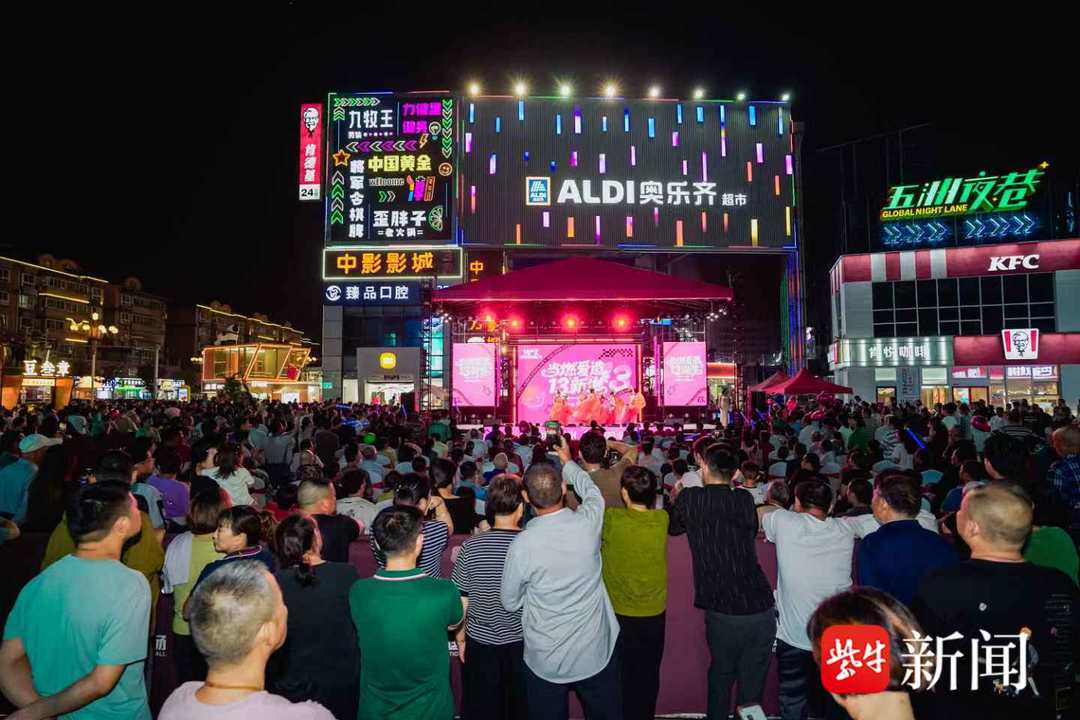
Core Viewpoint - The article highlights the proactive role of the Wuxi New District's Meicun Street urban management in fostering a vibrant night economy, enhancing urban vitality through coordinated efforts and innovative services [1][6]. Group 1: Coordination and Problem Solving - The development of the night economy involves various sectors and presents coordination challenges. The Meicun urban management took the lead with a "one chessboard" approach to address key issues [3]. - To resolve the problem of tree obstructions affecting business operations at Wuzhou International, the urban management quickly collaborated with the greening department to devise a tree relocation plan while preserving greenery [3]. - Urban management personnel acted as "service staff" to assist merchants unfamiliar with the licensing process by connecting them with the street administrative approval center, streamlining documentation and facilitating quicker business openings [3]. Group 2: Creating Highlights and Nighttime Identity - Under collaborative efforts, the district's night economy has seen the emergence of new highlights, with the container market becoming a new landmark due to its fashionable design and diverse offerings [4]. - The urban management was involved in all stages from design to operation, guiding merchants to incorporate trendy and local cultural elements into the container aesthetics, transforming them into street "art installations" [4]. - A well-planned layout was established to introduce distinctive projects such as dining, cultural creativity, and trendy toys, while effectively dividing operational, leisure, and photo-taking areas, enhanced by lighting and greenery to create a vibrant and warm consumer environment [4]. Group 3: Ensuring Safety and Vitality of Night Markets - To ensure the规范 and safe operation of night markets, the Meicun urban management implemented a "housekeeper-style" service, establishing dedicated management plans that specify operating hours, hygiene standards, and waste classification requirements [6]. - A combination of "fixed-point guarding and dynamic inspections" was adopted, providing full support to merchants from pre-opening checks to post-closing clean-ups, ensuring compliance and environmental maintenance [6]. - In high foot traffic areas, the urban management collaborated with public security and fire departments for regular inspections of electrical safety and evacuation routes, ensuring merchants operate with peace of mind and consumers feel secure [6].
创意IP绘就冬日文旅消费新图景 花样新“夜”态赋能推升夜经济热力值
Yang Shi Wang· 2025-12-22 09:32
Core Insights - Shanghai's commercial districts are launching a winter consumption season with creative IPs to enhance the festive atmosphere and attract consumers [1] Group 1: Winter Consumption Initiatives - Various commercial areas in Shanghai are transforming into vibrant spaces with themed markets, immersive performances, and art exhibitions to create a new landscape for winter tourism and consumption [1][5] - The "Aurora Ice and Snow Town" at Xintiandi features a 6,500 square meter panoramic sky screen, showcasing nearly 30 light shows and over 40 street performances to invigorate the winter night economy [3][10] Group 2: Thematic Experiences - The "Warm Winter Island" at the Old Municipal Government area includes over 350 unique creative brands, offering diverse experiences such as electronic music wellness and themed cafes [4] - The Longemont commercial area is decorated with various lanterns and features a new Chinese-style photo spot, alongside interactive mechanical pets inspired by dinosaurs to engage children [8] Group 3: Night Economy Activation - The Dragon Dream commercial area is designed to be a lively night consumption hub, with clear neon signage guiding visitors through a variety of dining and entertainment options [10] - The Bund area is enhancing consumer experiences with themed displays, limited-time packages, and community activities, including circus performances and ice skating [12]
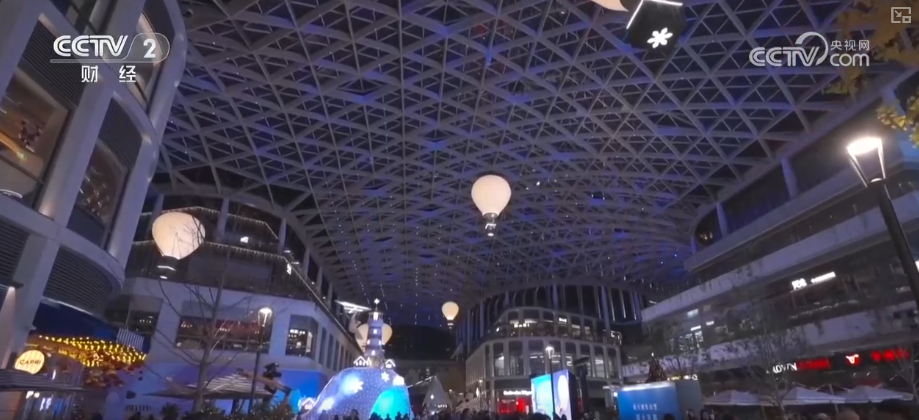
合肥探索夜经济首店消费新场景
Xin Lang Cai Jing· 2025-12-21 06:21
Group 1 - The core viewpoint of the article highlights the opening of the first national store of "Yuanqi Forest," a food technology company, in Hefei, which is part of a key night economy project aimed at enhancing new consumption formats and the first-store economy in the region [1][3] - The Hefei New Grain Warehouse, transformed from the former Anhui Mechanical Grain Storage, opened last year and has attracted over 4 million visitors and generated total revenue exceeding 150 million yuan within less than a year [1][3] - The new youth lifestyle space integrates cultural tourism and traditional commercial consumption, promoting the development of surrounding dining, retail, and related industries [1] Group 2 - Hefei has adopted the "Four First Economies" strategy (first store, first brand, first release, first show) to invigorate consumer dynamics, attracting a variety of first stores and new retail brands in sectors such as cultural tourism, leisure entertainment, and sports [3] - In the past year, over 270 first stores have opened in Hefei, covering dining, retail, and entertainment, as well as emerging sectors like trendy toys and automotive beauty [3] - The city is witnessing a transformation in consumer space from traditional shopping to experiential and immersive formats, creating strong and visible new consumption scenarios [3]
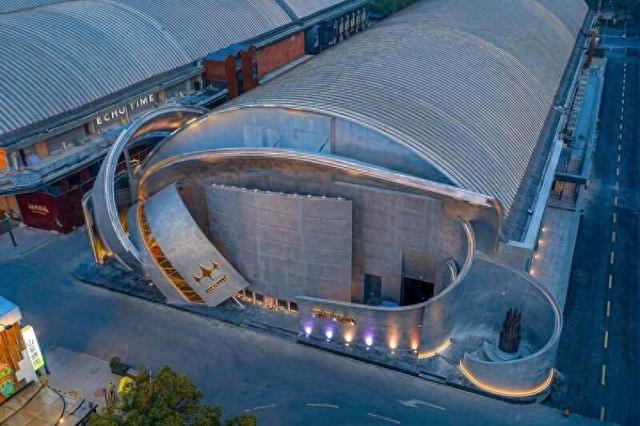
震撼 | 今晚,天津正式启幕!
Xin Lang Cai Jing· 2025-12-20 15:58
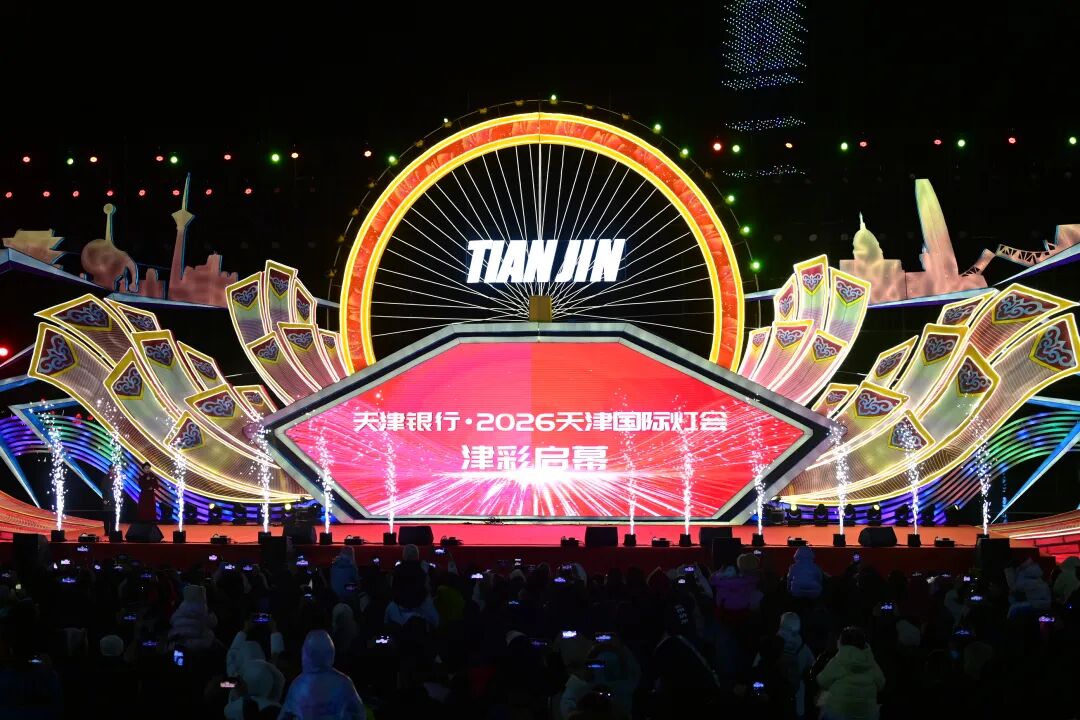
Core Insights - The 2026 Tianjin International Lantern Festival, sponsored by Tianjin Bank, officially opened on December 20, 2025, at Shuixi Park, emphasizing the integration of cultural heritage and tourism [3][6] - The festival features a theme of "Tianjin Shines for a Thousand Years, Lanterns Reflecting the Past and Present," showcasing the city's historical and modern cultural narratives [6] Group 1: Event Overview - The festival will run until March 8, 2026, with a spatial layout consisting of "One Ring Line, Four Sections," including four immersive exhibition areas: "Ancient: Tianjin's Ancient Charm," "Modern: Ten Thousand Lights," "Contemporary: New Era Light," and "Future: Intelligent Star River" [6] - The event includes nearly 100 artistic lantern displays and over 100,000 ambient lights along a 2.5-kilometer tour route, allowing visitors to experience the historical and contemporary aspects of Tianjin [6] Group 2: Cultural and Commercial Integration - The festival incorporates over 200 commercial vendors across five categories: dining, cultural creativity, entertainment, AI/VR interactive experiences, and hosts more than 40 performances daily, blending traditional and modern entertainment [6] - Special events during key holidays will feature drone performances and a North-South Lion King competition, enhancing the festival's appeal [6][7]
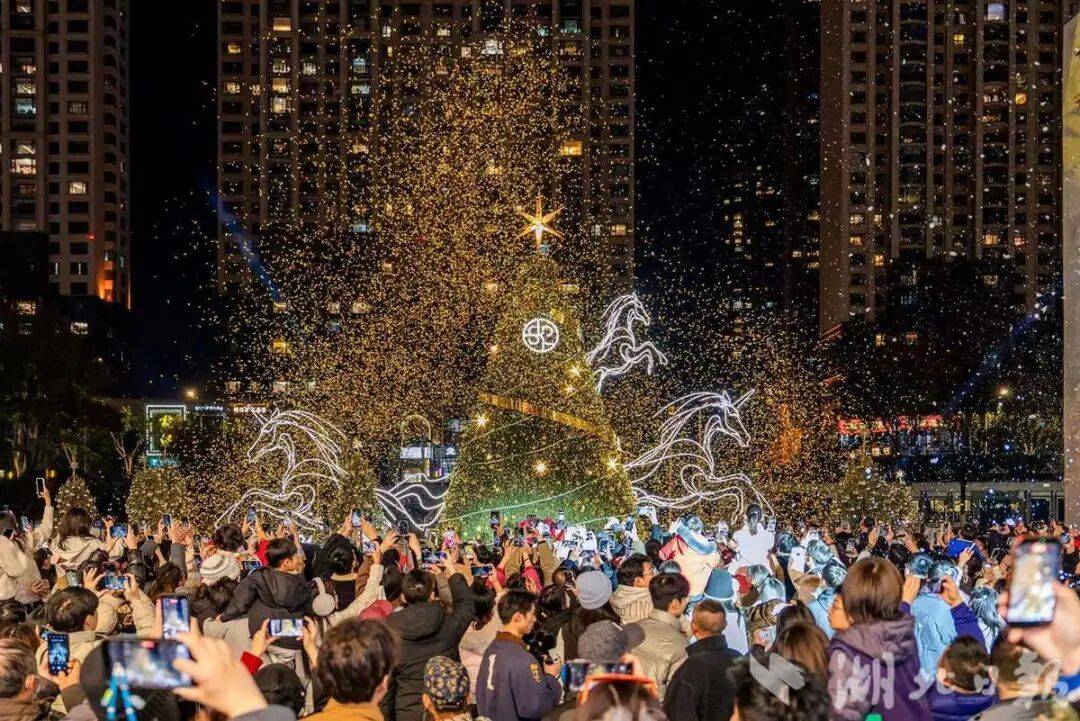
超千场!湖北即将开启!
Sou Hu Cai Jing· 2025-12-19 04:41
12月18日,记者从省商务厅获悉,2025年12月至2026年2月,全省各地将频频联动,开展超千场覆盖全域、贯穿线上线下、融合文旅商体的跨年促消费活 动,燃动岁末年初消费热情。全省各地跨年灯光次第点亮,湖北的夜晚也将变成消费新蓝海。 从都市到县城,从光影交织的沉浸式夜演,到热汗挥洒的夜间运动,从激情澎湃的音乐节,到创意纷呈的市集体验,湖北夜经济遍地开花,业态丰富多 元。每个城市和县域都有独具特色的夜经济项目,形成"各美其美、美美与共"的夜间格局。 这个冬天,湖北的夜晚继续精彩无限。 武汉SKP打造闪亮奇境·圣诞童话市集,举办圣诞双日狂欢夜、环球风味嘉年华,冬日氛围拉满;襄阳借助"戏精江湖"活动,招募百名COSER玩转跨年 夜,结合唐风国潮打造沉浸式文化体验;宜昌昭君国际滑雪场特别推出"焕新开板+夜滑启幕"项目,让冰雪经济成为湖北冬季夜间消费的新热点;荆州举 办吾悦超级跨年盛典,万人金曲大合唱、DJ/MC狂欢、k-pop狂欢夜、万人倒计时气球放飞邀你一起嗨翻天。 今年夏季,"乐购湖北 潮玩一夏"消费季活动就推出了"潮动夜荆楚"十大主题活动,发布了50个"湖北省夜间消费集聚商圈商街"名单。夜经济的形态早已超 越了 ...