注意力经济

Search documents
让人欲罢不能的社交媒体,正在迎来它的末日?
Hu Xiu· 2025-09-04 07:54
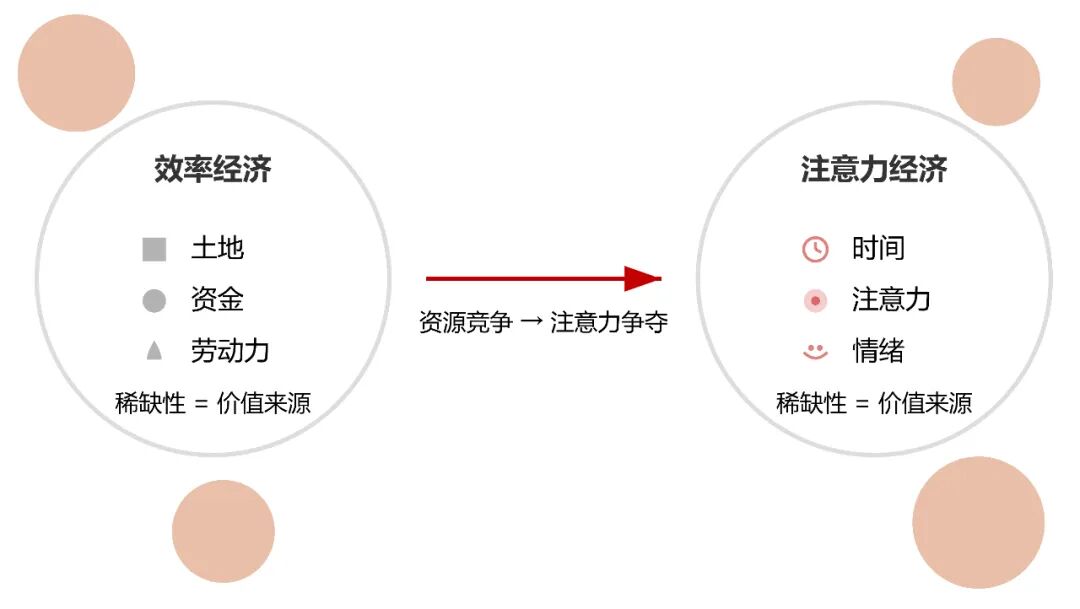
Group 1 - The core argument is that social media is approaching its end, not due to a lack of content, but because the attention economy has reached its external limits, leading to a depletion of people's capacity to care [1][42][44] - There is an overwhelming abundance of content available for viewing, reading, clicking, and responding, creating a never-ending feast of stimuli, but novelty has become indistinguishable from noise [2][44] - The saturation of content has resulted in a situation where even the most outrageous or sensational material fails to elicit a significant reaction, indicating a loss of meaning [3][44] Group 2 - The decline of social media may signal the beginning of a more humanized online experience, where the focus shifts from being harvested for attention to being genuinely listened to and connected with others [6][41] - The current social media landscape is characterized by a proliferation of low-quality, algorithm-driven content, which has marginalized authentic human-created content [11][15][30] - Users are increasingly disengaged from meaningful interactions, with platforms like Facebook and X experiencing a significant drop in average engagement rates, now at just 0.15% for Facebook and a 24% decline for Instagram [28][30] Group 3 - The rise of the "bot-girl economy" reflects a merging of automated personas and marketing strategies, driven by economic instability and the commodification of attention and intimacy [20][23] - The average engagement rates across major platforms are rapidly declining, indicating a shift in user behavior from genuine connection to passive consumption of low-quality content [27][28] - Users are now more likely to scroll through content mindlessly, treating social media as a means of emotional regulation rather than a source of genuine social interaction [32][41] Group 4 - The fragmentation of social media is evident as users migrate towards smaller, more private spaces, such as group chats and federated microblogs, moving away from the once-dominant platforms [35][52] - The overall growth rate of social media users has slowed significantly, with projections indicating only a 4%-5% annual increase, contrasting sharply with the explosive growth of the early 2010s [36][41] - New platforms are emerging that prioritize depth and trust over scale, suggesting a shift towards more intentional and meaningful online interactions [39][60] Group 5 - The current social media model is designed to minimize friction and provide users with endless content for instant gratification, which has led to a cycle of passive consumption [56][58] - There is a growing recognition of the need for "deliberative friction" in digital interactions, which could help break the cycle of mindless scrolling and restore intentionality [57][59] - The future of digital interaction may focus on building trust and quality conversations rather than merely chasing likes and followers, indicating a potential shift in how online communities are structured [60][61][62]
城市更新如何从空间改造到心智占领?
3 6 Ke· 2025-09-02 06:04
Core Insights - The essence of urban renewal has shifted from physical space transformation to capturing citizens' attention, emphasizing the need for "attention anchors" in urban spaces [2][12][21] Group 1: Attention Economy - The transition from scarce land to scarce attention highlights the need for urban renewal to focus on capturing citizens' time and engagement rather than merely attracting foot traffic [2][5] - Successful urban renewal is characterized by a reverse logic: "capture attention → activate space value" rather than a linear approach [2][12] Group 2: Misconceptions in Traditional Renewal Models - Three deep-rooted misconceptions often lead to project failures: 1. Architectural determinism, which assumes that an impressive facade will naturally attract visitors [6] 2. The belief in the infallibility of popular brands to draw crowds without creating unique project identities [7] 3. The reliance on short-term event marketing rather than establishing sustainable attention mechanisms [8] Group 3: Successful Attention Anchor Examples - Successful urban renewal projects have effectively created at least one core attention anchor: 1. Structural anchors, like the High Line in New York, which occupy key urban connection points [10] 2. Content anchors, such as Palais de Tokyo in Tokyo, which maintain ongoing engagement through evolving artistic installations [10] 3. Emotional anchors, exemplified by Shanghai's Upstream New Site, which evoke collective memories and cultural identity [10][11] Group 4: Strategic Upgrades in Urban Renewal - The case of Madrid's Azca district illustrates the importance of identifying attention anchors before spatial design, leading to a successful revival through cultural engagement [12] - Berlin's Holzmarkt demonstrates the value of community-driven development, accumulating attention capital over time through diverse cultural offerings [12] Group 5: Principles of Attention Design - Four design principles for sustainable urban attention include: 1. Hierarchical principles that provide immediate attractions alongside deeper exploration opportunities [19] 2. Rhythmic principles that align with the city's life cycle through event calendars [19] 3. Variability principles that allocate space for temporary and experimental content [19] 4. Participatory principles that engage users as co-creators of content [19] Group 6: Conclusion on Urban Renewal - Successful urban renewal projects foster emotional connections that encourage citizens to frequent spaces without a clear reason, highlighting the importance of creating environments that nurture memories and habits [21]

进口咖啡商城:解码互联网时代的消费新范式
Sou Hu Cai Jing· 2025-08-27 09:22
Group 1: Industry Trends - The coffee industry has evolved from a functional beverage to a symbol of lifestyle, reflecting modern consumers' emphasis on experience and personalization [1] - There is a significant trend towards sustainability in the coffee industry, with consumers increasingly concerned about the origin, roasting methods, and ethical trade standards of coffee [1] - The rise of concepts like fair trade and organic coffee indicates a growing awareness of environmental and social responsibility among consumers [1] Group 2: Consumer Behavior - The underlying logic of consumer decision-making is fundamentally changing, with platforms like Xiaohongshu seeing over 4.5 billion views on "coffee reviews," showcasing the impact of user-generated content on consumer behavior [3] - Short videos demonstrating coffee-making techniques on platforms like Douyin have led to a 300% increase in product sales, highlighting the effectiveness of content-driven marketing [3] - Coffee brands are redefining their marketing strategies in response to the "attention economy," with innovative campaigns that connect emotionally with consumers [3] Group 3: Technological Integration - The coffee industry is entering a digital transformation phase, balancing efficiency and experience through the use of data and technology [3] - Key players are adopting technologies such as IoT for real-time monitoring, AI for predicting consumer preferences, and blockchain for ingredient traceability [3] - The challenge remains to preserve the emotional value of coffee-making rituals amidst the technological advancements [3] Group 4: Business Model Innovation - The import coffee mall project is leveraging the internet for transformation, utilizing offline foundations and online channels for marketing and sales [4] - The project aims to build a marketplace through mini-programs, promote via public accounts, and engage in precise marketing through community interactions [4]

被资本“谋杀”的睡眠
Hu Xiu· 2025-08-13 11:31
Core Viewpoint - The article discusses the alarming global phenomenon of sleep deprivation, exacerbated by the rise of the attention economy and modern consumerism, leading to a 24/7 lifestyle that undermines the fundamental human need for sleep [1][2][5]. Group 1: Impact of Modernization on Sleep - Sleep is increasingly viewed as "useless" in the context of modern capitalism, where productivity and economic value take precedence over rest [2][6]. - The boundaries between day and night, work and leisure, have been blurred, resulting in a continuous state of activity that diminishes the quality of sleep [2][5]. - Historical perspectives show a shift in the perception of sleep, with Enlightenment thinkers often disparaging it as a hindrance to rational thought and productivity [6][7]. Group 2: The Capitalist Exploitation of Time - Capitalism has relentlessly pursued the commodification of time, with sleep being the last bastion of human necessity that remains resistant to complete commercialization [14][17]. - The emergence of a $500 billion market for sleep-related products and services reflects the growing perception of sleep as a scarce resource that must be purchased [16]. - The normalization of extreme work hours, such as the 996 and 007 work cultures, illustrates the extent to which sleep is being sacrificed for productivity [15]. Group 3: Psychological and Societal Consequences - The relentless pursuit of wakefulness and productivity has led to a rise in mental health issues, including depression, as individuals oscillate between insomnia and hyperactivity [16]. - The article highlights the loss of the ability to daydream or engage in self-reflection, which are essential for mental well-being, due to the demands of a 24/7 economy [12][17]. - The historical context of sleep as a vital aspect of human existence is contrasted with its current status as a commodity, raising concerns about the implications for future generations [11][17].

扎克伯格,认输了
财联社· 2025-08-03 02:08
Core Viewpoint - Meta has shifted its strategy from competing directly with ChatGPT in productivity tools to focusing on enhancing user engagement and attention through AI, as articulated in CEO Mark Zuckerberg's "Personal Superintelligence Manifesto" [4][5]. Group 1: Strategic Shift - Meta has abandoned direct competition with ChatGPT in its core areas, recognizing that mimicking ChatGPT's approach is not viable [4]. - Instead, Meta aims to leverage its strengths in attention economy, focusing on entertainment, social connections, and user lifestyle [5]. - Zuckerberg's manifesto emphasizes the trend of users spending less time on productivity software and more on creative and connective activities, positioning personal superintelligence as a valuable tool [4][5]. Group 2: Future Directions - Meta plans to enhance its platforms' capabilities in content recommendation, advertising precision, and user interaction through AI [5]. - The company is expected to generate more engaging Reels short video content using AI, encouraging deeper user interaction with AI characters to increase time spent on the platform [5]. - The concept of "personal superintelligence" was notably introduced by Noam Shazeer, co-founder of Character.AI, suggesting a broader industry interest in this area [6].


信任正在吞噬流量经济?
3 6 Ke· 2025-07-26 01:28
Group 1 - The core argument presented is that the value of media is significantly underestimated, as it serves as a foundational infrastructure for connection rather than merely a tool for information dissemination [3][6][24] - Media's role has evolved to become a "data asset" and a "reputation generator," influencing consumer decisions and establishing professional knowledge [3][4] - The cost of content creation has decreased, while the value of attention and trust has increased, leading to a shift towards what is termed the "attention economy" [4][21] Group 2 - The concept of "audience partners" is introduced, emphasizing the importance of individuals who can attract users and build brand recognition in the entrepreneurial landscape [11][12] - Traditional media relies on institutional authority for trust, while new media builds trust through transparency and direct interaction with individuals [7][16] - The decline in trust towards traditional institutions is attributed to their shift in focus from serving users to maintaining their own existence [17][18] Group 3 - The emergence of "reality entrepreneurs" is highlighted, who redefine reality through technology and content, influencing societal values and worldviews [26][28] - Turpentine, a hybrid model of media and investment, exemplifies a new business ecosystem that leverages media content to build trust and data assets for early-stage investments [33][36] - This model represents a shift from a product-driven era to a trust-driven era, indicating a potential new standard for content companies and media-driven investment firms [37]
“甲亢哥”之后又一重量级网红将“空降”中国互联网,野兽先生7月26日晚在快手开启直播
Sou Hu Cai Jing· 2025-07-23 02:52
Core Insights - MrBeast, a global influencer with 800 million followers, is launching his first live stream on the Chinese internet via Kuaishou on July 26, marking the start of his strategic expansion into China [1][4] - Kuaishou, with 760 million daily active users, offers a significant user base and interactive "Lao Tie" culture, which is crucial for MrBeast's content strategy [4] - MrBeast's unique content creation model combines entertainment, commercial monetization, and philanthropy, generating annual revenue of $700 million [4] Group 1 - MrBeast's content empire is facing growth challenges, making the vibrant Chinese internet a key area for potential expansion [4] - The collaboration with Kuaishou involves customized content development, brand partnerships, and local creator incubation, aiming to merge global influence with local ecosystems [4] - The live stream is expected to feature MrBeast's signature style of "visual spectacle and huge rewards," with a cash pool of $1 million for audience interaction [5] Group 2 - The introduction of AI real-time translation technology will facilitate seamless interaction between Chinese and English-speaking audiences during the live stream [5] - This collaboration signifies a shift from "curiosity-driven experiences" to "deep content co-creation" among overseas influencers, contrasting with previous approaches [5] - MrBeast's production standards, including a dedicated 400,000 square meter filming base and 1,500 GoPro cameras, promise an unprecedented visual experience for Chinese viewers [5]


为什么消费级AI还没爆发?
Hu Xiu· 2025-07-11 01:21
Core Insights - The article discusses how AI is fundamentally changing consumer products and experiences, moving from a focus on functionality to emotional connections and relationships [2][5][14] - Kirsten Green, founder of Forerunner Ventures, emphasizes the importance of rethinking user needs rather than simply adding AI to existing products [5][17] Group 1: AI and Consumer Products - Despite the rapid adoption of ChatGPT, the launch of AI products is often a challenging process, indicating that success is not as straightforward as it appears [7][10][11] - AI is shifting focus from results to relationships and emotions, with memory features serving as the foundation for emotional operating systems [3][7][15] - Voice interaction is seen as a key element in the AI era, allowing for more natural expression of thoughts and ideas [22][24] Group 2: Marketing and Product Quality - The best marketing is the product itself; consumers can easily discern poor quality [30][36] - Companies must focus on their core value proposition and ensure that every touchpoint reflects this value [31][32] Group 3: Innovation and Market Entry - Being the first to innovate in a chaotic creative phase offers significant advantages, allowing for unique and surprising experiences [38][40] - The consumer goods industry is undergoing continuous transformation, with new opportunities arising from changes in consumer behavior and technology [54][56] Group 4: Search and Information Retrieval - The traditional keyword search model is becoming obsolete as consumers shift towards conversational search methods [61][64] - The rapid adoption of AI tools is changing how brands and retailers approach search functionality on their platforms [62][65] Group 5: Health and Personal Safety Trends - There is a growing trend towards proactive health management, driven by dissatisfaction with traditional healthcare systems [81][82] - The integration of generative AI into health management tools presents significant opportunities for innovation [84][86] Group 6: Future of AI and User Experience - Companies should explore new interfaces and experiences beyond traditional chat formats to leverage AI capabilities [95][97] - Successful products will be those that address real user needs and provide meaningful experiences, rather than merely utilizing technology for its own sake [104][105]
魏江雷:体育IP的价值取决于“注意力经济”丨十五运大家谈
2 1 Shi Ji Jing Ji Bao Dao· 2025-07-10 13:18
Core Viewpoint - The 15th National Games, co-hosted by the Guangdong-Hong Kong-Macao Greater Bay Area, is seen as a pivotal opportunity to transform the sports industry in the region, emphasizing the integration of mass sports and competitive sports to stimulate long-term enthusiasm for sports among the public [1][2]. Group 1: Sports Industry Development - The hosting of large-scale sports events can enhance regional infrastructure and improve the overall sports facilities without the need for extensive new constructions [2][5]. - The event is expected to boost local economies by promoting tourism, accommodation, and consumption through sports-related activities [2][9]. - The development of mass sports is crucial for the success of competitive sports, as higher participation rates can lead to the identification of talented athletes [3][4]. Group 2: Community Engagement and Participation - The design of lightweight, high-participation mass sports projects is essential to meet public fitness needs while also nurturing talent for competitive sports [3][4]. - Examples of accessible sports include 3-on-3 basketball and 5-a-side football, which can be organized in existing venues to encourage community involvement [3][5]. - The integration of emerging sports like roller skating and surfing can further enhance the sports culture in the Greater Bay Area [3][5]. Group 3: Commercialization and Economic Impact - The successful integration of sports events with commercial venues, such as shopping malls, can drive foot traffic and enhance consumer engagement [6][7]. - The economic foundation of the Greater Bay Area supports the development of sports IPs, which can be leveraged for long-term growth and sustainability [7][8]. - The multi-city hosting of the National Games is expected to optimize resource allocation and foster economic and cultural exchanges among cities [8][9]. Group 4: Technological Integration - The incorporation of AI and internet technologies in the National Games can enhance the spectator experience and showcase the region's technological advancements [10][11]. - The use of robots for audience interaction and information dissemination during events can significantly improve the overall event experience [10][11]. Group 5: Legacy and Cultural Impact - The National Games will leave a lasting cultural imprint on the cities involved, fostering a unique sports memory and promoting regional sports leagues [11][12]. - The focus on mass participation aligns with the broader goal of promoting a healthy lifestyle among the population, which can lead to increased commercial opportunities [11][12].
LV「路易号」爆火出圈,品牌如何打造城市中的“巨型名片”?
3 6 Ke· 2025-07-07 11:37
Core Insights - The article discusses the recent success of LV's "Louis Ship" as a marketing strategy that has gained significant attention on social media, becoming a popular spot for visitors [1][2] - The strategy emphasizes the importance of creating extreme experiences to capture consumer attention and drive engagement [4][12] Group 1: Marketing Strategy - LV's "Louis Ship" serves as a striking visual element, occupying 1,600 square meters, equivalent to the size of two basketball courts, which creates a strong contrast against the urban environment [4][11] - The installation not only attracts public curiosity but also encourages spontaneous social media sharing, enhancing brand visibility without additional promotional efforts [5][12] - The design aligns with LV's brand narrative rooted in maritime culture, reflecting the brand's history and connection to travel and exploration [6][10] Group 2: Brand Storytelling - The "Louis Ship" embodies LV's core brand spirit of travel, effectively transforming abstract concepts into tangible experiences that resonate with consumers' summer travel expectations [6][9] - The installation integrates seamlessly with Shanghai's cultural context, reinforcing the emotional connection between the brand and the local environment [10][11] - The marketing approach highlights the shift from traditional advertising to storytelling through immersive experiences, making the brand narrative more relatable [7][14] Group 3: Investment in Brand Image - LV's strong financial position allows for substantial investment in brand image and innovative projects, distinguishing it from mass-market brands that focus on short-term returns [11][15] - The article notes that luxury brands view such investments as a means to enhance scarcity and cultural value, rather than immediate profitability [11][15] - The trend of using construction barriers as marketing tools is gaining traction among various brands, indicating a broader shift towards content-driven marketing strategies [12][14] Group 4: Types of Barrier Marketing - The article categorizes barrier marketing into three types: landmark barriers, local barriers, and interactive barriers, each serving different purposes in urban spaces [16][20] - Landmark barriers focus on creating visual focal points that attract attention and encourage social media sharing [17][19] - Local barriers integrate cultural elements to reduce psychological distance between the brand and consumers, fostering a sense of community [20][22] - Interactive barriers engage consumers directly, transforming passive observation into active participation, enhancing brand visibility during construction periods [23][27]