白酒行业深度调整

Search documents
这才一年半,茅台又换帅了,什么逻辑? || 镁经
Sou Hu Cai Jing· 2025-10-29 02:39
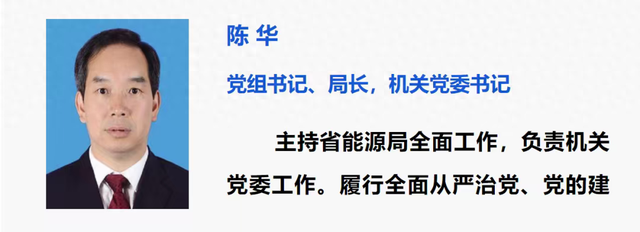
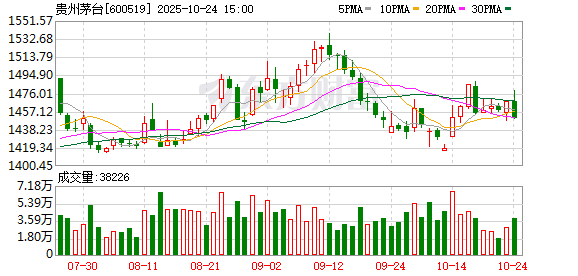
茅台集团的一把手,又换了。 据新华财经报道,10月25日上午,茅台集团召开大会宣布重大人事调整,张德芹不再担任茅台集团董事 长职务,贵州省能源局局长陈华接任茅台集团董事长。 在业内,张德芹被称为茅台近10年最懂酿酒和白酒市场的董事长。 作者:王一行 这个消息来得太过突然。在传出换帅消息的5天前(10月20日),张德芹还率队深入制酒车间调研,了 解茅台酒下沙轮次生产调度和生产工艺执行情况,安排部署工作。 据贵州茅台(600519.SH)官方公号消息,10月21日,茅台集团召开党委(扩大)会议,张德芹还以茅 台集团党委书记身份主持会议并讲话。 这位被外界称为"最合适"的茅台掌舵者,仅在任一年半,便被匆匆换下。外界感到意外的同时,也在纷 纷猜测背后的原因。 换掉"茅台老兵","空降"一位"能源老兵",就能解决贵州茅台当下面临的难题吗? 换掉稳健的"茅台老兵" 茅台的渠道重心很快就发生了变化。2024年,贵州茅台批发代理渠道营收同比增长19.73%,时隔多年 增速再次反超直销渠道。今年上半年,茅台批发代理渠道收入493亿元,依然是营收的主力,高于直销 渠道的约400亿元。 经销商数量也出现了久违的增长。截至2024年 ...

“最惨”单季表现!口子窖Q3净利锐减超九成 远超券商最坏预估|财报解读
Zhong Jin Zai Xian· 2025-10-28 14:44
Core Viewpoint - The performance of Kuozi Jiao (603589.SH), known as "Hui Jiu Lao San," has significantly deteriorated in Q3, with revenue nearly halved and net profit plummeting over 90%, marking the worst quarterly performance since its listing [1][2] Financial Performance - In the first three quarters of the year, Kuozi Jiao reported revenue of 3.174 billion yuan, a year-on-year decline of 27.24%, and a net profit of 742 million yuan, down 43.39% [1] - Q3 alone saw revenue of 643 million yuan, a decrease of 46.23%, and a net profit of 26.97 million yuan, down 92.55% [1] - The operating cash flow was negative at -390 million yuan, a decline of 208.91% year-on-year [1] Sales Breakdown - Sales of mid-to-high-end liquor products have declined across the board, with high-end product revenue falling by 28% to 2.961 billion yuan, mid-range products down 15.38% to 41.30 million yuan, while low-end products saw a 25% increase to 114 million yuan [2] - The overall gross margin dropped to approximately 71% due to the significant decline in mid-to-high-end liquor sales [2] Market Performance - Both domestic and external markets experienced revenue declines, with domestic sales at approximately 2.587 billion yuan (down 27.24%) and external sales at 530 million yuan (down about 23.93%) [2] - Despite a net increase of 55 and 47 distributors in domestic and external markets respectively, sales continued to decline [2] Shareholder Activity - In Q3, the company's actual controller, Liu Ansheng, reduced his holdings by 10 million shares, while the China Securities White Wine Index Fund increased its holdings [3] - As of the end of September, the total shares held by the top ten shareholders slightly decreased compared to the end of June [3]

茅台新帅陈华首次公开演讲
21世纪经济报道· 2025-10-28 07:37
Core Viewpoint - The sudden leadership change at Kweichow Moutai, with Zhang Deqin resigning and Chen Hua being appointed as the new chairman, raises questions about the company's strategic direction amidst a challenging market environment [1][3]. Leadership Change - On October 27, 2025, Kweichow Moutai announced the resignation of chairman Zhang Deqin, effective immediately upon submission of his resignation report [1]. - Chen Hua, previously involved in the energy sector, has been recommended as the new chairman [2][3]. - This leadership change comes just 18 months after Zhang Deqin's return to the company, which was seen as a balancing act following previous management strategies [5][6]. Chen Hua's Background - Chen Hua has a strong background in the energy sector, having served in various roles within the Guizhou energy system before joining Moutai [2][3]. - His experience includes positions such as the head of the Guizhou Provincial Energy Bureau and general manager of Guizhou Panjiang State-owned Capital Operation Co., Ltd. [3]. Zhang Deqin's Tenure - Zhang Deqin's brief tenure was marked by efforts to balance the interests of Moutai's direct sales and distributor channels, leading to a 26.5% year-on-year revenue growth in the wholesale distribution channel [6][7]. - He emphasized the importance of integrating Moutai with local culture and tourism, launching initiatives to appeal to younger consumers [7][8]. - Despite these efforts, Moutai faced challenges with declining terminal prices and a slowdown in growth [8][10]. Industry Challenges - The white liquor industry is undergoing significant adjustments, with Moutai needing to balance performance growth with government expectations [10]. - Many companies are relaxing inventory pressure on distributors to stabilize prices, which may impact growth targets [10]. - Moutai remains a strong player in the market, with its flagship product, Feitian Moutai, still commanding high prices despite market fluctuations [10].

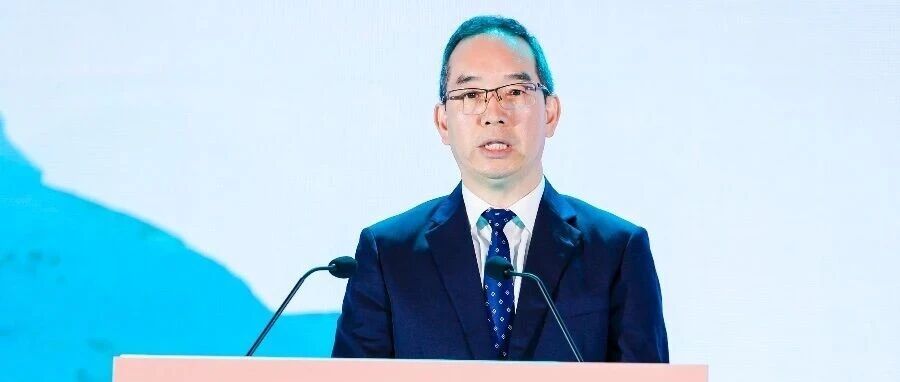
飞天茅台批发价首次跌破1700元一瓶
21世纪经济报道· 2025-10-28 05:15
Core Viewpoint - The price of Feitian Moutai has dropped significantly, reflecting broader challenges in the Chinese liquor industry, with a notable decline in both revenue growth and market demand [1][3][4]. Price Trends - As of October 28, 2025, the wholesale reference price for 53-degree 500ml Feitian Moutai has fallen to 1690 yuan, marking a decrease of 25 yuan from the previous day and the first time it has dropped below 1700 yuan [1][2]. - The price has decreased over 31% from its initial listing prices of 2220 yuan and 2255 yuan [1]. - The downward trend began in June 2025, with prices falling below key psychological thresholds, including 2000 yuan, 1900 yuan, and 1800 yuan [2]. Company Performance - Guizhou Moutai reported a total revenue of 91.094 billion yuan for the first half of 2025, a year-on-year increase of 9.16%, but the growth rate is the lowest in a decade [3]. - The net profit attributable to shareholders was 45.403 billion yuan, reflecting an 8.89% year-on-year growth [3]. - Revenue from Moutai liquor reached 75.589 billion yuan, up 10.24%, while series liquor revenue was 13.763 billion yuan, growing by 4.69% [3]. Industry Challenges - The Chinese liquor industry is experiencing a significant downturn, with production among large-scale enterprises declining for the eighth consecutive year, down 5.8% in the first half of 2025 [3][4]. - Approximately 60% of liquor companies are facing price inversion, and 59.7% have reported reduced operating profits, indicating a supply-demand imbalance and increasing channel pressures [4]. - The number of large-scale liquor enterprises has decreased to 887, down by over 100 compared to the previous year, leading to increased industry concentration [4]. Market Dynamics - Traditional peak consumption seasons have failed to reverse the market's downward trend, with sales during the dual festivals (National Day and Mid-Autumn Festival) declining by about 20% year-on-year [4][5]. - Major liquor companies, including Guizhou Moutai, are launching new products to adapt to changing market demands, such as commemorative editions and premium versions [5]. - Analysts predict that the industry will continue to face adjustments, with expectations of further performance declines in quarterly reports [5].
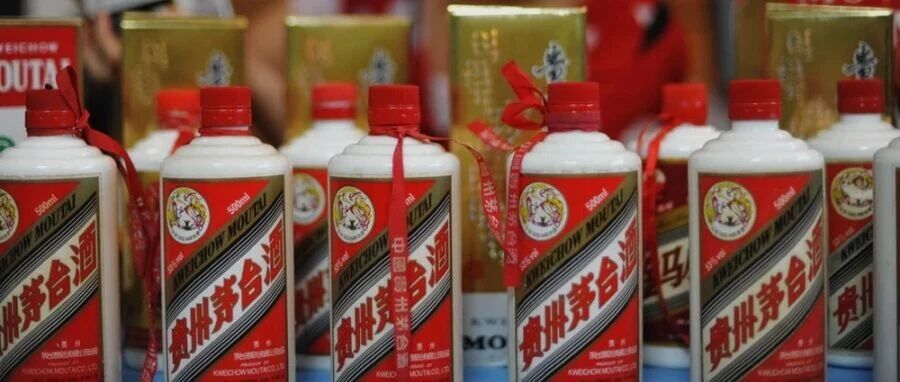
任职不足18个月 茅台人事动荡下的转机在哪?
Bei Jing Shang Bao· 2025-10-27 15:25
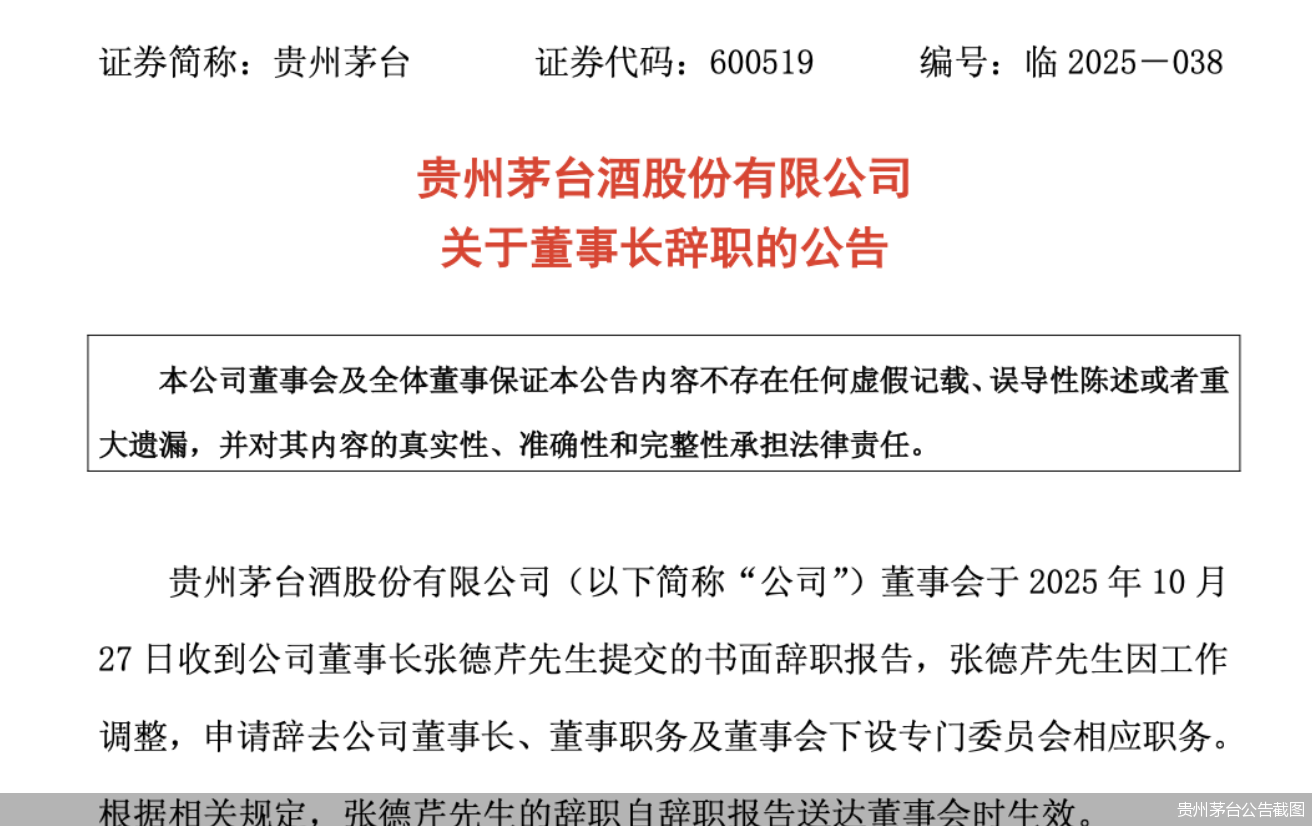
Core Viewpoint - The recent resignation of Guizhou Moutai's chairman, Zhang Deqin, marks the fourth leadership change in five years, reflecting the company's ongoing challenges and the need for strategic adjustments during a period of industry downturn [1][3][8]. Group 1: Leadership Changes - Zhang Deqin served as chairman for less than 18 months before resigning due to work adjustments, with Chen Hua recommended as his successor [2][3]. - The frequent changes in leadership, with four different chairpersons in five years, indicate a struggle to stabilize the company amid market pressures and strategic shifts [6][9]. Group 2: Strategic Initiatives - During Zhang Deqin's tenure, several measures were implemented to stabilize the market, including increasing direct sales channels to 45% and abolishing the controversial "拆箱令" policy [3][4]. - The company has shifted its focus from a "channel-first" approach to a "consumer-first" strategy, aiming to adapt to the industry's challenges [3][8]. Group 3: Market Performance - Guizhou Moutai's financial performance has shown signs of slowing, with revenue and net profit growth rates dropping to 7.28% and 5.25% year-on-year, respectively [3][4]. - The price of Moutai's flagship product, Feitian Moutai, has also seen fluctuations, with recent prices indicating a slight decline [4][5]. Group 4: Industry Implications - The leadership changes at Guizhou Moutai may influence the broader industry, potentially leading to a lack of long-term planning among smaller competitors and altering competitive dynamics within the sector [9]. - The new chairman will face significant challenges, including achieving growth targets during an industry downturn and balancing various stakeholder interests [9][10].
陈华任茅台集团新掌门!茅台五年换了四任董事长
Di Yi Cai Jing· 2025-10-25 09:55
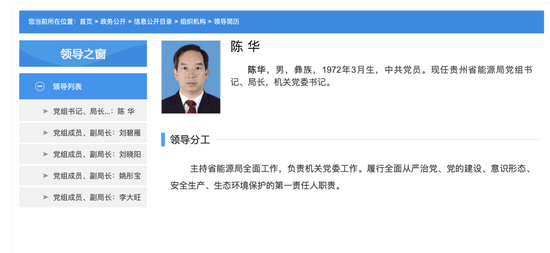
Core Viewpoint - The recent leadership change at Kweichow Moutai Group, with the appointment of Chen Hua as chairman, reflects ongoing adjustments within the company amidst a challenging environment for the liquor industry [1][3]. Group 1: Leadership Changes - Kweichow Moutai Group has changed its chairman for the fourth time in five years, with Chen Hua replacing Zhang Deqin, who served for about a year and a half [1][3]. - Chen Hua, born in 1972, has a background in local government and energy sectors, lacking direct experience in the liquor industry [1][4]. Group 2: Zhang Deqin's Tenure - During Zhang Deqin's leadership, Moutai implemented measures to stabilize its market position, including increasing direct sales to 45% and improving relationships with distributors [3]. - Under Zhang's tenure, Moutai achieved a revenue of 91.094 billion yuan in the first half of 2025, a year-on-year increase of 9.16%, and a net profit of 45.403 billion yuan, up 8.89% [3]. Group 3: Industry Context - The liquor industry is currently undergoing a deep adjustment, with declining prices and a challenging market environment [4]. - The new chairman faces significant challenges, including stabilizing core product prices and balancing sales channel profitability amid ongoing industry pressures [4].
茅台五年换了四任董事长
Di Yi Cai Jing· 2025-10-25 08:36
Core Viewpoint - The recent leadership change at Kweichow Moutai Group, with the appointment of Chen Hua as chairman, reflects ongoing adjustments within the company amid a challenging environment for the liquor industry [2][4]. Group 1: Leadership Changes - Kweichow Moutai Group has replaced its chairman again, marking the fourth change in five years [2]. - Chen Hua, the new chairman, has a background in local government and energy sectors, lacking direct experience in the liquor industry [5]. - Zhang Deqin, the previous chairman, implemented measures to stabilize the market during a period of deep adjustment in the liquor industry [4]. Group 2: Industry Context - The liquor industry is currently facing significant challenges, including declining prices and a need for strategic adjustments [5]. - Under Zhang Deqin's leadership, Kweichow Moutai achieved a revenue of 91.094 billion yuan, a year-on-year increase of 9.16%, and a net profit of 45.403 billion yuan, up 8.89% [4]. - The new chairman will need to address issues such as stabilizing core product prices and balancing sales channel profits amid ongoing industry adjustments [5].
茅台再换帅!新“陈”代“张”!
Shang Hai Zheng Quan Bao· 2025-10-25 08:35
Core Viewpoint - The leadership change at Kweichow Moutai is significant as it comes during a critical period for the Chinese liquor industry, particularly for the Moutai brand, which faces challenges in navigating market pressures and government expectations [4][5][11]. Company Overview - Chen Hua has been appointed as the new chairman of Kweichow Moutai, replacing Zhang Deqin, marking a significant leadership transition after a year and a half [1][11]. - Chen Hua has extensive experience in the energy sector, having held various important positions within the Guizhou energy industry before his recent appointment [3][4]. Industry Context - The change in leadership occurs at a pivotal moment for the Guizhou liquor industry, with a target output value of 1600 billion yuan by 2025, closely linked to the provincial "14th Five-Year Plan" [5]. - The Guizhou provincial government aims to enhance the competitiveness of key liquor enterprises and promote the export of liquor products, with a projected export value of 5.2 billion yuan in 2024, reflecting an 18.5% year-on-year increase [6]. Challenges Ahead - The new chairman faces the dual challenge of managing a slowdown in growth while meeting government performance assessments for Moutai's revenue [4][11]. - The liquor industry is undergoing a deep adjustment cycle, and Moutai is under pressure to balance traditional practices with innovative approaches to maintain its market position [6][11].
茅台五年换了四任董事长
第一财经· 2025-10-25 08:30
Core Viewpoint - The recent leadership change at Kweichow Moutai Group, with the appointment of Chen Hua as chairman, reflects the company's strategic adjustments amid ongoing challenges in the liquor industry, particularly during a period of deep market correction [6][7]. Group 1: Leadership Changes - Kweichow Moutai Group has experienced four chairman changes in five years, with Chen Hua replacing Zhang Deqin, who served for about a year and a half [3][6]. - Chen Hua, born in 1972, has a background in local government and energy sectors, lacking direct experience in the liquor industry [6][7]. Group 2: Performance and Strategy - Under Zhang Deqin's leadership, Kweichow Moutai achieved a revenue of 91.094 billion yuan in the first half of 2025, marking a 9.16% year-on-year increase, and a net profit of 45.403 billion yuan, up 8.89% [6]. - Zhang implemented measures to stabilize the market, including increasing direct sales to 45% and improving relationships with distributors, while also diversifying the product lineup [6][7]. Group 3: Industry Challenges - The liquor industry is currently facing a deep adjustment phase, with declining prices and a challenging market environment [7]. - The new chairman will need to address several challenges, including stabilizing core product prices and balancing profit relationships across sales channels [7].
陈华任贵州茅台集团新掌门!茅台五年换了四任董事长
Di Yi Cai Jing· 2025-10-25 08:03
Core Viewpoint - The recent leadership change at Kweichow Moutai, with Chen Hua replacing Zhang Deqin as chairman, reflects ongoing challenges in the liquor industry and aims to stabilize the company's market position amid a period of adjustment [1][4][5] Group 1: Leadership Change - Kweichow Moutai has undergone its fourth chairman change in five years, with Chen Hua taking over from Zhang Deqin, who served for about a year and a half [1] - Chen Hua has a background in local government and energy sectors, lacking direct experience in the liquor industry [5] Group 2: Zhang Deqin's Tenure - During Zhang Deqin's leadership, Moutai implemented measures to stabilize its market position, including increasing direct sales to 45% and improving relationships with distributors [4] - Under Zhang's guidance, Moutai achieved a total revenue of 91.094 billion yuan in the first half of 2025, a year-on-year increase of 9.16%, and a net profit of 45.403 billion yuan, up 8.89% [4] Group 3: Industry Challenges - The liquor industry is currently facing a deep adjustment phase, with declining prices and a challenging market environment [5] - The new chairman is expected to address key challenges such as stabilizing core product prices, balancing sales channel profits, and responding to ongoing industry adjustments [5]