
硬科技

Search documents
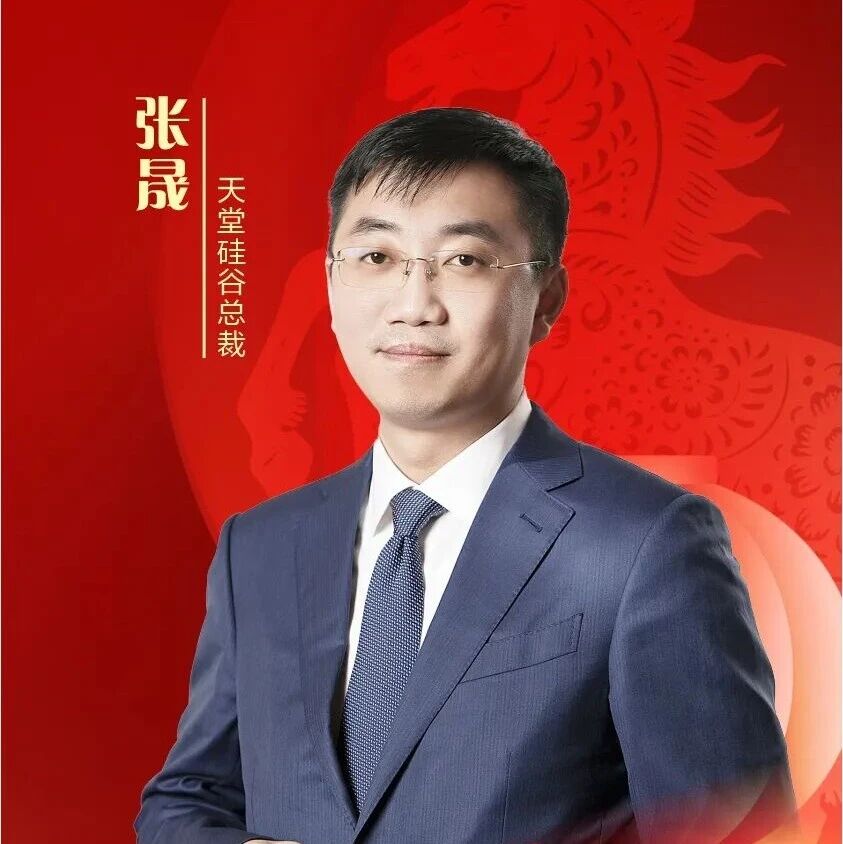
天堂硅谷张晟:2026年继续脚踏实地走在产业深水区丨创投贺新春
证券时报· 2026-02-19 07:34
Core Insights - The venture capital industry is entering a recovery phase in 2025, with a clear focus on hard technology investments driven by technological advancements and market recovery [3] - The establishment of the "growth tier" on the Sci-Tech Innovation Board and the resumption of the fifth set of listing standards have revitalized the IPO market, providing broader opportunities for hard tech companies [3] - Key sectors attracting investment include artificial intelligence, robotics, semiconductors, and biomedicine, with significant increases in financing activity throughout the year [3] Group 1 - In the past year, four portfolio companies successfully went public, demonstrating the effectiveness of the company's value investment methodology [4] - Notable IPOs include Xi'an Yicai and Heyuan Biotechnology on the Sci-Tech Innovation Board, Han Shuo Technology on the ChiNext, and Cao Cao Travel on the Hong Kong Stock Exchange [4] - Over 25 years, the company has invested in over 230 enterprises, with 54 achieving IPOs, adhering to strict investment principles focused on potential returns and understanding of the business [4] Group 2 - Looking ahead to 2026, the company will focus on breakthroughs in underlying technology capabilities, new materials, and core components [5] - In the smart technology sector, the company is optimistic about hardware innovations with global perspectives and local supply chain advantages, as well as the application of AI across industries [5] - The company believes that the driving force behind industrial evolution lies in genuine demand, clear pathways, and consistent execution by teams, rather than merely following trends [5]

硬科技组团花式整活儿,马年春晚有多硬核?
Xin Lang Cai Jing· 2026-02-16 17:15
Group 1 - The core theme of this year's Spring Festival Gala is the significant presence of robotics and hard technology, reflecting the transition from traditional manufacturing to intelligent manufacturing in China [1][8] - The introduction of humanoid robots at the gala, including performances by various brands, showcases the evolution and capabilities of robotics technology [2][4] - The collaboration of companies like Chasing Technology and the emergence of new technologies such as eVTOL water airports indicate a shift in consumer preferences towards smart and innovative products [8][9] Group 2 - The humanoid robot industry is experiencing rapid growth, with significant investment and production milestones achieved in 2025, indicating a strong market demand [3][4] - The acceptance of robots among the public is increasing, as evidenced by a surge in rental orders during the Spring Festival, highlighting a shift in consumer behavior [5][6] - The Spring Festival Gala serves as a catalyst for the robotics industry, helping to validate technology maturity and accelerate market acceptance, which is crucial for future commercialization [4][7] Group 3 - The gala's partnerships have evolved from traditional consumer goods to high-tech products, marking a new phase in consumer spending and preferences [8][9] - The introduction of various high-tech products, such as 3D printers and drones, reflects the growing importance of technology in consumer markets and its potential for future growth [10][11] - The overall trend indicates that the Spring Festival Gala is not just an entertainment event but also a barometer for national industrial development and consumer trends [11]

2025港股IPO年度全景复盘
Sou Hu Cai Jing· 2026-02-16 10:09
Core Insights - The strong resurgence of Hong Kong IPOs in 2025 is a central theme for the global capital markets, with nearly HKD 300 billion raised, reclaiming the top position in global IPO fundraising [2][7] - The Hong Kong IPO market has experienced a significant increase in both quantity and quality, with new listings up nearly 70% year-on-year and fundraising doubling compared to the previous year [2][3] Market Dynamics - The traditional dominance of internet and financial real estate sectors has been disrupted, with hard technology, advanced manufacturing, and biomedicine emerging as the three main pillars supporting the market [3][4] - Key sectors such as new energy, semiconductors, smart vehicles, and high-end equipment are now prominently represented in the Hong Kong market, enhancing its manufacturing base [3][4] Notable IPOs - Significant companies that went public in 2025 include: - CATL (宁德时代), raising approximately HKD 41 billion with a market cap of about HKD 920 billion and a PE ratio of around 18x [3] - Hengrui Medicine (恒瑞医药), a leader in innovative drugs, with a market cap of approximately HKD 320 billion and a PE of about 32x [3] - Sanhua Intelligent Control (三花智控), with a market cap of around HKD 180 billion and a PE of about 24x [3] - Haitian Flavoring and Food (海天味业), with a market cap of approximately HKD 420 billion and a PE of about 30x [3] - Chery Automobile (奇瑞汽车), with a market cap of around HKD 190 billion and a PE of about 12x [4] A+H Listing Trend - 2025 marked a significant year for A+H dual listings, with leading companies opting for this model to enhance global liquidity and valuation recovery [5][6] - The A+H model has become a standard for industry giants, reinforcing Hong Kong's position as the preferred overseas listing location for Chinese enterprises [6] Future Outlook - The recovery of the Hong Kong IPO market is seen as a result of multiple cyclical factors, including improved global liquidity, long-term valuation recovery, and the increasing demand for high-quality assets from mainland China [6][7] - Moving forward, the focus of the Hong Kong IPO market is expected to shift from quantity expansion to quality prioritization, with a stronger emphasis on industry logic over speculative trading [6][7]
基石资本张维:投资于每个时代的饥渴与焦虑丨创投贺新春
Sou Hu Cai Jing· 2026-02-16 08:31
CATHAT 骏 马 启 新 · 创 赢2026 证券时报。全国创投协会联盟 National Alliance of Venture Capital Associations 業 %难 基石资本董事 过去一年,牛市重启,科技领航。 正如我在2024年10月所说的那样,"9·24"的行情并不是一个反弹,而是一个反转,自那以后,中国资本市场经历了一个 从低估到价值回归的过程。 当上证指数来到10年最高点,"易中天"一年翻几倍,"寒王"市值一度突破6000亿元,其他科技股也动辄百倍PE、百亿估 值,有人贪婪,有人恐惧,还有人问我:科技股存在估值泡沫吗? 我说,这是一个时代的饥渴与焦虑,在资本市场中的投射。如果你理解这一点,就不会对当前科技投资的热潮感到困 惑。 中国的饥渴与焦虑是什么?第四次工业革命的大幕已然开启,第三次工业革命的短板却还未补齐,时不我待! 所以,当有人疑惑,为什么国产算力芯片企业,技术难以望英伟达之项背,却有这么高的估值?为什么英伟达的PE只有 50倍,"中国版英伟达"却有300倍? 我说,逻辑刚好反了,正是因为短期内追不上英伟达,这些企业才被赋予了更高的战略性定价,而且差距越大,战略价 值越高 ...

读懂春晚广告位:今年谁是赚钱顶流?
Xin Lang Cai Jing· 2026-02-16 06:27
Core Insights - The evolution of Spring Festival Gala sponsorship reflects the changing landscape of the Chinese economy, transitioning from a production-driven era to a technology-driven era [4] Group 1: Historical Sponsorship Trends - The first sponsor of the Spring Festival Gala in 1984 was Jinan Kangbasi Clock Factory, which exchanged 3,000 clocks for a 10-second ad slot, leading to significant brand recognition [1] - In the 1990s, liquor and pharmaceutical companies emerged as major sponsors, with Kongfu Banquet Wine spending 30.79 million yuan in 1995, resulting in a sales surge to 918 million yuan the following year [1] - From 2003 to 2019, Midea Group dominated the zero-point advertising space, with ad costs rising from millions to tens of millions [1] Group 2: The Rise of Internet Giants - In 2015, Tencent spent 53.03 million yuan for exclusive sponsorship, launching the "Shake to Grab Red Envelopes" feature, which led to over 8.1 billion interactions in one night and significantly increased WeChat payment users [3] - The competition among internet giants intensified, with Alibaba, Baidu, Kuaishou, Douyin, JD, and Pinduoduo all vying for attention through massive red envelope giveaways, focusing on user engagement and data acquisition rather than mere brand exposure [3] Group 3: The Current Landscape and Future Trends - In 2026, traditional internet companies are still present, but new players in hard technology, particularly AI and robotics, are taking center stage [4] - ByteDance's Volcano Engine became the exclusive AI cloud partner for the 2026 gala, showcasing AI's integration into interactive segments, while several top robotics companies also participated [4] - This shift signifies a broader transformation in the economy, aligning with the national strategy of promoting "new quality productivity" [4]
新春的祝福
Sou Hu Cai Jing· 2026-02-16 01:36
Core Viewpoint - The A-share market in 2025 has transitioned from "hope" to "growth," with significant advancements in hard technology sectors, leading to a notable increase in market performance and investor sentiment [8][6]. Group 1: Market Performance - The Shanghai Composite Index (沪指) has surpassed the 4,000-point mark, marking a significant recovery and growth in the market [5][17]. - In 2025, there were over 40 trading days with transaction volumes exceeding 2 trillion, and four days with volumes surpassing 3 trillion [17]. - The market's recovery is characterized by a shift from "valuation repair" to "profit growth," indicating a more sustainable growth trajectory [15][12]. Group 2: Sector Highlights - Hard technology sectors, including CPO, controllable nuclear fusion, and commercial aerospace, have emerged as key drivers of market growth [6]. - Notable companies such as Ningde Times have seen their market capitalization exceed that of Kweichow Moutai, while Cambrian Technology has become the highest-priced stock [6]. Group 3: Investor Sentiment - Many investors have experienced significant gains, with some stocks doubling in value, reflecting a positive sentiment in the market [24]. - The article emphasizes the importance of patience and belief in the market's long-term potential, suggesting that those who invest wisely will be rewarded [14][12].

跟着大资金选股!公募调仓科创板,猛攻电子、医药
市值风云· 2026-02-14 10:09
Core Viewpoint - The article discusses the current funding logic in the market, highlighting the significant movements of public funds in the technology sector, particularly in the semiconductor and biopharmaceutical industries, as they adjust their portfolios based on performance and valuation metrics [3][8]. Group 1: Public Fund Movements - Public funds have shown a notable shift in their holdings, particularly in the STAR Market, with the STAR 50 Index rising by 12.1% this year [3][4]. - The total market capitalization of STAR Market companies reached 10.4 trillion yuan, with the technology sector dominating, accounting for 62.1% of the total market cap [5][6]. - The semiconductor industry remains the core focus for fund allocation, with 12 companies in the sector having a market capitalization exceeding 10 billion yuan [9][11]. Group 2: Semiconductor Sector Insights - The market's pricing anchor for the semiconductor sector has shifted from "valuation expansion" to "performance realization," emphasizing the importance of actual earnings [13][14]. - Key drivers for future growth in the semiconductor sector include strong order backlogs, profit growth through acquisitions and expansions, and sustained price increases in advanced processes [13][14]. - Public funds have significantly increased their holdings in semiconductor materials, chip design, and equipment, with companies like ShenGong Co. seeing an 11% increase in fund holdings [15][21]. Group 3: Biopharmaceutical Sector Insights - The biopharmaceutical sector is a critical area for public funds, with major holdings in companies like BeiGene and United Imaging Healthcare, although the sector has faced a reduction in holdings for several key companies [24][26]. - The article notes that innovative drug companies are currently under pressure, with significant reductions in holdings observed in companies like BaiLi TianHeng and RongChang Biopharma [26][28]. - Despite the challenges, companies with strong earnings potential and innovative drug pipelines are still attracting interest from public funds, indicating a selective investment approach [35][40].





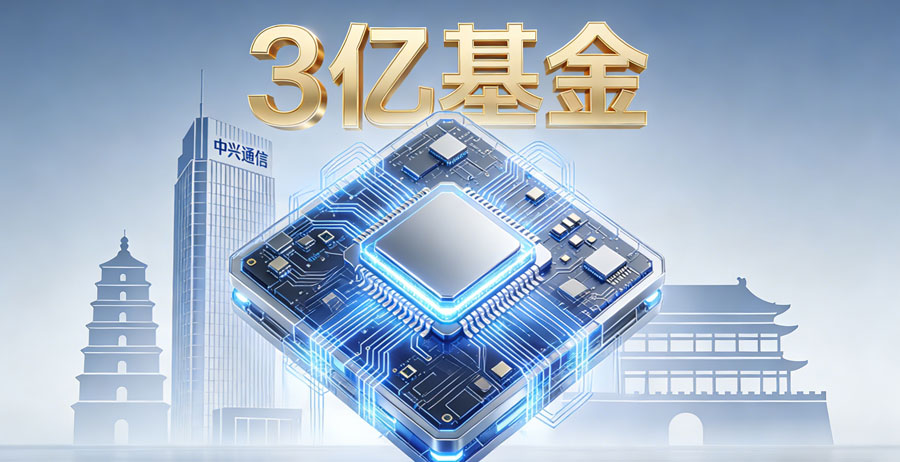
3亿基金背后:中兴通讯如何用\"产业+资本\"撬动硬科技生态
Xin Lang Cai Jing· 2026-02-14 06:07
Core Viewpoint - ZTE Corporation, in collaboration with the Shaanxi Science and Technology Innovation Fund and other institutions, has established a 300 million RMB hard technology fund, marking a shift from technology output to ecological investment in the hard technology sector [2][6]. Group 1: Fund Establishment and Objectives - The newly formed fund, named Shaanxi Jianxing Zhanlu Equity Investment Partnership, aims to focus on equity investment and investment management, reflecting a deepening collaboration among government, industry, academia, and investment in the hard technology field [2][6]. - The fund will concentrate on upstream sectors such as semiconductors, AIoT, and computing infrastructure, aiming to address supply chain weaknesses and position itself in emerging scenarios [2][6]. Group 2: Strategic Implications for ZTE - This fund represents a critical move for ZTE in its hard technology industry chain layout, leveraging its strong technical reserves in chips and smart terminals to enhance its competitive edge [2][3]. - ZTE's investment strategy emphasizes a "technology + capital" dual-drive model, which aims to create a deeper integration with local industrial clusters compared to competitors like Huawei [2][3]. Group 3: Investment Dynamics and Challenges - The involvement of traditional financial institutions like CCB Trust indicates a growing acceptance of the long-term nature of hard technology investments, with ZTE aiming to reduce technical risks for invested companies through its technological capabilities [3][7]. - Hard technology projects typically require significant R&D investment and have long commercialization cycles, posing challenges in balancing technological advancement with market feasibility [3][7]. Group 4: Broader Market Context - The establishment of the fund aligns with the current landscape where the Sci-Tech Innovation Board and Beijing Stock Exchange provide exit channels for hard technology companies, necessitating collaboration between the fund and local governments to accelerate commercialization [4][8]. - ZTE's strategic layout not only reconstructs the logic of hard technology investment but also serves as a new model for technology companies in an era of rapid technological iteration, emphasizing the importance of integrating technology, industry, and capital [4][8].

《第一财经科创生态年度报告》发布,赋权改革小切口撬动大收益,上海“超前孵化”批量培育科技新秀 | 上海科创生态专题调研
Di Yi Cai Jing· 2026-02-13 09:28
Core Insights - Shanghai is experiencing a significant trend of upgrading its innovation ecosystem across the entire chain, leveraging institutional innovation to achieve substantial returns through the establishment of high-quality incubators that nurture technology startups [1][7] Group 1: Incubator Development - Shanghai has initiated the construction of 18 high-quality incubators focusing on cutting-edge fields such as artificial intelligence, quantum technology, and synthetic biology, facilitating the transition of laboratory results to industrial applications [1] - By May 2025, 12 high-quality incubators had generated total revenues exceeding 60 million yuan, with R&D expenditures surpassing 50 million yuan [1] - The revenue from professional services in these incubators accounted for 51%, indicating a shift away from reliance on the "landlord" model towards value-added services [3] Group 2: Empowerment Reform - The "full ownership empowerment" reform pilot launched in November 2023 aims to eliminate institutional barriers to technology transfer, involving 39 universities and research institutions [2] - Since the reform's initiation, over 2.64 billion yuan in technology transfer has been achieved, with 244 technology companies incubated [2] - Shanghai Jiao Tong University and Shanghai University of Science and Technology have emerged as benchmarks for this reform, with the former supporting 209 companies and raising over 19 billion yuan in financing [2] Group 3: Talent and Innovation - The number of specialized incubators has increased, with nearly 200 professional incubators and a 33% year-on-year growth in personnel, enhancing the innovation and entrepreneurship service team [6] - Shanghai has hosted over 100 industry events from January to May 2025, linking more than 1,500 large enterprise partners and attracting nearly 10,000 participants, indicating a vibrant innovation ecosystem [6] Group 4: Capital Attraction - The total investment in incubated companies surged from 300 million yuan to over 1.6 billion yuan, reflecting a significant increase in capital attraction [5] - High-quality incubators are increasingly focusing on "hard technology" incubation, aligning with the modern industrial system to enhance market engagement [4]
缩量蓄势,节后市场怎么看?
Sou Hu Cai Jing· 2026-02-13 08:31
Market Overview - The market experienced a phase of consolidation with reduced trading volume in the last week before the holiday, led by the technology growth sector, supported by easing external risks and domestic policy expectations [1] - The computer, electronics, and media sectors performed well, driven by the release of the Seedance 2.0 model, which boosted AI application growth, while domestic demand and consumption sectors faced pressure [1] - The core variable in the overseas macro environment was the unexpected release of the US January non-farm payroll data, which led to a restructuring of global liquidity expectations [1] Employment Data Insights - The US Bureau of Labor Statistics reported an addition of 130,000 jobs in January, significantly exceeding the market expectation of 65,000, with the unemployment rate dropping to 4.3% and labor force participation rising to 62.5% [1] - 95% of the new jobs were concentrated in the education and healthcare sectors, indicating a rigid demand driven by an aging population rather than a recovery in economic momentum [2] - The introduction of a new "birth-death model" by the BLS contributed approximately 70,000 jobs to the January data, amplifying short-term data volatility [2] Market Outlook - The probability of a rebound after the holiday is considered high, although a volatile market pattern may persist [3] - Historical data shows a 70% probability of an increase in A-shares during the 25 trading days surrounding the Spring Festival, with technology growth sectors typically rebounding stronger than consumer and financial sectors [3] - Domestic policies signaling "stabilizing growth" and the anticipated recovery in consumption data are expected to support the market [3] Investment Focus - Two main investment themes are highlighted: - The technology growth theme, particularly in AI applications, with a focus on companies that can leverage AI technology for efficiency improvements, while being cautious of short-term speculative risks [4] - The dividend sector, which offers attractive yields compared to long-term government bonds, with particular attention to the food and beverage sector, especially high-end liquor, as well as banking and construction sectors as growth policies are implemented [4]