科技成果转化

Search documents
科技领航 央企担纲构筑未来产业高地
Xin Lang Cai Jing· 2026-02-06 18:56
中经记者 索寒雪 北京报道 2026年1月30日,中共中央政治局就前瞻布局和发展未来产业进行第二十四次集体学习。中共中央总书 记习近平在主持学习时发表重要讲话,深刻阐明培育发展未来产业的重大意义,科学分析形势任务,就 发展未来产业提出明确要求、作出系统部署、提供科学方法论,为有力推动我国未来产业发展注入强大 思想和行动力量。 当前,未来产业在量子科技、生物制造、氢能和核聚变能、脑机接口、具身智能、第六代移动通信等领 域的突破正迎来关键期。中央企业以技术攻关、生态构建与机制创新协同发力,成为引领未来产业发展 的核心力量。 国务院国资委副主任庞骁刚在上述新闻发布会上表示,2025年,中央企业新兴产业营收占比较2022年提 高超过10个百分点,在商业航天、卫星互联网等领域遴选了5家产业链领军企业,在类脑计算等领域布 局打造了百余个未来产业典型场景,在新一代信息技术、新能源、新材料、高端装备等领域打造了一批 世界级产业集群,新业态新模式正在持续涌现。 "我们充分发挥国有资本投资公司优势,坚持实业+资本双轮驱动,组建百亿级数字经济产业基金,并 购中金支付、中数智汇、领信数科等数字科技企业,投资孵化6G、卫星互联网、脑机 ...

2025年广州民营企业进出口总额同比增17.2%
Xin Lang Cai Jing· 2026-02-06 15:51
2025年广州民营经济增加值达13798亿元,同比增长5.2%;规上民营工业增加值同比增速9.2%;新登记 民营经济主体101.6万户,共有民营经济主体405.51万户,占全市各类市场主体的96.0%,带动全市市场 主体数量跃居内地第二。 与此同时,广州将进一步出台促进科技成果转化的政策,通过技术经理人链接产学研资源,提升成果转 化效能;支持广州老字号企业出海、外贸产品拓内销,依托广交会、"粤贸全球"组织企业参展揽单,全 方位拓展海内外市场空间。(完) 一批民营企业成长为行业标杆,海大集团、唯品会等8家企业入选"中国民营企业500强",小鹏汽车、立 白等9家企业入选"中国制造业民营企业500强"。21家民营企业上榜全球独角兽企业,占全市独角兽企业 总数的87.5%。 中新社广州2月6日电 (记者 蔡敏婕)记者6日从广州市委统战部获悉,2025年广州民营企业进出口总额达 7516.9亿元(人民币,下同),同比增长17.2%,高出全市进出口同比增速6.8个百分点,占全市进出口总 额的60.6%。 广州市非公有制经济人士优秀中国特色社会主义事业建设者暨光彩事业贡献奖表彰大会当天在广州举 行。60名非公有制经济人士和 ...
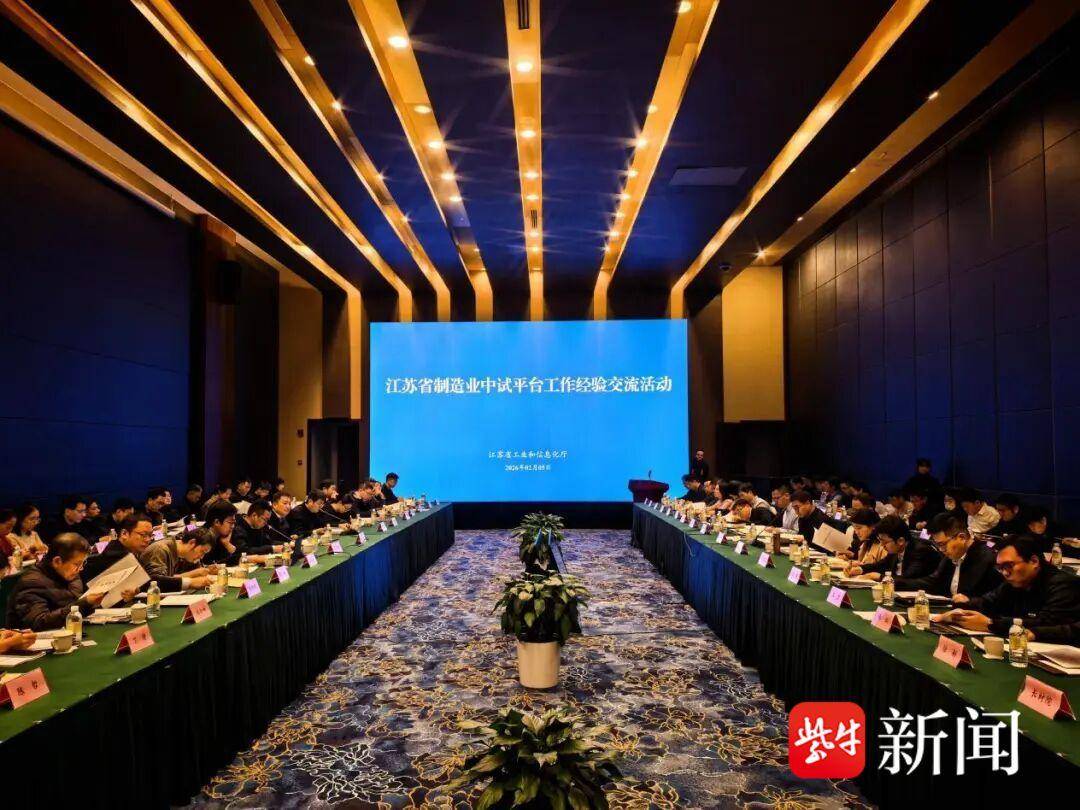
江苏省制造业中试平台工作经验交流活动在苏州举办 规划培育一批标杆性平台
Yang Zi Wan Bao Wang· 2026-02-06 10:33
Core Viewpoint - Jiangsu Province is enhancing its manufacturing pilot platform initiatives, with 21 platforms selected for key cultivation by the Ministry of Industry and Information Technology (MIIT), aiming to develop influential benchmark pilot platforms with strong radiating capabilities [1][4]. Group 1: Event Overview - The experience exchange event for Jiangsu's manufacturing pilot platforms was held in Suzhou on February 5, showcasing the importance of these platforms in connecting technological innovation with industrial development [1]. - The MIIT's Technology Department provided comprehensive interpretations of policy documents related to pilot platforms and offered targeted suggestions for high-quality development in Jiangsu [3]. Group 2: Platform Development Strategy - Jiangsu has established a systematic layout for manufacturing pilot platforms, focusing on strengthening, activating, and supplementing platforms based on strategic positioning and technological advantages [4]. - The province aims to enhance pilot service levels by regularly assessing resources and capabilities, promoting internal resource sharing among enterprises, and developing new service models such as equipment leasing and remote operation [4]. Group 3: Future Directions - Jiangsu plans to support key technological breakthroughs and collaborative innovation between industry and academia, promoting digital, green, and high-end development of pilot platforms [4]. - The initiative seeks to cultivate a number of benchmark platforms with strong industry influence and replicable experiences, thereby enhancing the overall quality of manufacturing pilot platforms in the province [4].
宁夏宁东科技创业投资有限公司现代煤化工中试平台:打造煤化工产业的“西部试验田”
Zhong Guo Hua Gong Bao· 2026-02-06 04:01
Core Insights - The Ningxia Ningdong Energy and Chemical Base plays a crucial role in the national energy strategy, with its modern coal chemical pilot platform serving as a key hub for connecting laboratory research and industrialization [1] Group 1: Importance of the Pilot Platform - The pilot platform is the first of its kind in the Northwest region and addresses common challenges in chemical pilot projects, such as lengthy approvals and slow implementation [1] - It employs a collaborative model of "Eastern R&D + Western maturation" and a "1+N+X" service system to attract innovation resources to the West, fostering the development of coal-based new materials and green chemicals [1] Group 2: Policy Innovations for Accelerating Technology Transfer - The platform has introduced innovative policies to streamline the approval process, allowing pilot projects to be completed within two months from initiation to entry [2] - It has successfully attracted 41 projects, with 70% sourced from Eastern regions, and established a technology investment model that promotes rapid industrialization of high-tech achievements [2] Group 3: Comprehensive Support Infrastructure - The platform features a production operation center, collaborative innovation center, and testing center, along with advanced facilities and a shared equipment platform to support enterprises from small trials to industrialization [3] - It has invested approximately 188 million yuan in advanced equipment, achieving domestic and international standards in various technologies [3] Group 4: Deep Engagement in Project Development - The platform actively collaborates with companies to optimize processes and improve product yields, exemplified by a lithium battery project that increased yield from 78% to 82% [4] - It has also addressed production challenges in other projects, demonstrating its role as an "innovation partner" rather than just a service provider [4] Group 5: Building a Sustainable Innovation Ecosystem - The platform aims to create a sustainable innovation ecosystem by linking a core pilot platform with multiple enterprise pilot workshops and national research institutions [5] - It focuses on a comprehensive R&D transformation system, targeting key areas such as industrial catalysis and green chemistry to support high-quality development in the Ningdong coal chemical industry [6] Group 6: Future Development Goals - The platform's short-term goal is to become a leading pilot platform in China, covering key industrial chains and meeting diverse technological needs [6] - In the long term, it aims to establish multiple public pilot lines for low-risk common technologies, supporting the transition of the modern coal chemical industry towards high-end and green development [6]

委员通道勾勒“解题”新路径
Xin Lang Cai Jing· 2026-02-05 19:12
Group 1: Technology and Innovation - The transformation of scientific research into practical applications is emphasized, with a shift from "finding problems after having people" to "finding people after identifying problems" [10] - A collaborative innovation mechanism involving enterprises, universities, and government is being established in Sichuan to enhance the conversion of research outcomes into industrial applications [10] - The report highlights the importance of utilizing the intellectual resources from Sichuan's numerous universities to address real-world industrial challenges [10] Group 2: Industrial Green Development - Industrial green development is crucial for achieving ecological sustainability in Sichuan, with three main strategies proposed: using clean energy, enhancing resource efficiency through technology, and promoting material recycling [11][12] - The increase in the value added by enterprises engaged in waste recycling in Sichuan has grown by nearly 90% since 2018, indicating a positive trend in industrial ecological practices [12] Group 3: Financial Services - Financial institutions are encouraged to provide tailored support for long-term projects, such as pharmaceutical research, demonstrating the need for patience and commitment in financing [14] - In the previous year, the Construction Bank's Sichuan branch issued over 130 billion yuan in loans, with a significant portion (45 billion yuan) allocated to technology loans, marking a 38.4% increase [15] - The bank aims to enhance its service offerings by integrating various financial products to support local industries and promote a sustainable economic cycle [15] Group 4: Digital Cultural Creation - The integration of technology and culture is highlighted as a means to effectively narrate Sichuan's stories, with successful examples including the creation of cultural mascots that resonate with both local and international audiences [16][18] - The development of digital cultural products, such as the "Pink Panda" figurine, showcases the fusion of AI technology and artistic expression, enhancing Sichuan's cultural visibility on a global scale [17][18]

深圳先进院“成果超市”开张 专家团队现场“摆摊”
Zhong Guo Xin Wen Wang· 2026-02-05 08:21
一家来自东莞的精密制造企业负责人现场观摩后表示:"企业正长期受产品微小缺陷检测效率问题困 扰,今天看到的视觉检测方案,其识别精度与处理速度均超出预期,有望切实解决企业生产中的实际难 题。" 中新网深圳2月5日电 (记者许青青)由广东省工业和信息化厅与中国科学院深圳先进技术研究院(下称"深 圳先进院")联合举办的广东省制造业赋能对接平台系列活动"成果超市"专场4日在深圳先进院举办,推 动实验室前沿成果与产业实际需求"零距离"精准对接。 深圳先进院作为国家级战略科技力量,在现场集中展示了多项已具备成熟转化条件的"硬核"技术,还派 出了由数位国家级人才(含杰青、优青)和多项国家、省部级科技进步一等奖获得者领衔的专家团队现 场"摆摊",直接面向产业界展示和讲解技术。 其中"高精度工业视觉智能检测平台""基于数字孪生的产线协同优化系统"等成果精准直击制造业质量管 控、生产效能提升等环节的核心痛点。 广东省工业和信息化厅相关负责人表示,将赋能对接会开进像深圳先进院这样的"创新策源地",是广东 省制造业赋能工作的一次重要机制创新。此举不仅能缩短科技成果从"书架"到"货架"的距离,更是构 建"基础研究+技术攻关+成果产业化" ...
【省科技厅】陕西强化概念验证与中试平台建设
Shan Xi Ri Bao· 2026-02-05 00:39
省科技厅相关负责人介绍,为进一步提升平台建设质量和成果转化效率,陕西将强化概念验证与中 试平台建设:针对个别地区"前后端脱节"问题,探索建立"本地验证—异地中试""异地验证—本地中 试"等跨区域合作模式,破解成果转化地域壁垒;鼓励中试基地与概念验证中心建立结对联盟,构建项 目互认、接力孵化的紧密协作机制,实现成果顺畅流转与利益共享;通过科技保险补偿、融资担保费率 补贴等方式,破解平台"融资难"和社会资本"不敢投"问题,撬动市场资金支持技术熟化;探索实施概念 验证与中试服务券制度,对在省级平台完成且取得重大进展的项目给予后补助补贴,推动财政资金支持 方式从"补主体"向"补项目"转变;在省级概念验证中心和中试基地探索建立"技术经理人专员"制度,引 导平台主动对接高校院所和企业,精准挖掘创新需求与成果转化潜力。(记者:张梅) 为推动平台资源开放共享,提升服务效能,2025年,省科技厅公开发布2批次服务能力清单,其中 包含52项概念验证中心服务能力清单和84项中试基地服务能力清单,精准引导省内外各类创新主体携研 发成果到平台开展验证和中试。在一系列举措下,平台成果转化活力持续迸发。截至2025年底,省级概 念验证中心 ...
藏在笔记本里的“履职宝典”
Si Chuan Ri Bao· 2026-02-04 22:28
Group 1 - The core issue identified is the relatively weak R&D system in Sichuan's power battery and energy storage cell production, despite being ranked third nationally in capacity [3] - Companies like CATL and BYD have established production bases in Sichuan, but their R&D headquarters remain outside the province, presenting both opportunities and potential risks for industrial layout adjustments [3] - A significant statistic noted is that last year, Liangshan Prefecture experienced a water abandonment power generation of 20 billion kilowatt-hours, highlighting the conflict between rapidly growing renewable energy installations and insufficient grid absorption capacity [3] Group 2 - The transformation cycle of technology is long and risky, indicating challenges in the "last mile" of technology commercialization, which requires collaboration between scientists and entrepreneurs [3] - The future industry and strategic emerging industries differ significantly, with the former having a longer technology conversion chain and uncertain commercialization prospects, suggesting that traditional investment-heavy models may no longer be suitable [3] - A recommendation was made to accelerate the construction of elderly-friendly cities as a proactive response to profound demographic changes, enhancing the quality of elderly care services [3] Group 3 - The importance of nurturing children's real interpersonal communication skills in the era of artificial intelligence was emphasized, indicating a need for educational reforms [3] - The suggestion to utilize domestic online platforms for global broadcasting aims to shift the Chinese film industry from "borrowing boats to go to sea" to "building boats to go to sea," reflecting a strategic vision for cultural export [3]
发挥企业科技创新主体作用(提案提要)
Ren Min Ri Bao· 2026-02-04 21:59
Group 1 - The proposal emphasizes that enterprises play a crucial role as the main body of technological innovation and the transformation of achievements, significantly contributing to the renewal of productivity and promoting high-quality development [1] - Current challenges include a mismatch between the technological achievements of universities and research institutions and the needs of enterprises, as well as the need to enhance the participation of private enterprises in national major technological innovation mechanisms [1] - Recommendations include improving the quality of technological achievement supply, promoting a balance between supply and demand for technology transfer, and establishing a technology and data market to facilitate efficient transactions of technological achievements [1] Group 2 - There is a call to strengthen the participation of private enterprises in national major technological innovations by broadening communication channels for innovation demands and enhancing the mechanisms for forming demand-oriented and problem-oriented technological innovation plans [2] - Financial support for enterprise innovation development is highlighted, with suggestions to optimize tax incentives for venture capital, lower the listing thresholds for technology enterprises, and create a virtuous cycle of fundraising, investment, management, and exit [2]
“从实验室到生产线” 四川两会热议科技成果转化
Xin Lang Cai Jing· 2026-02-04 14:19
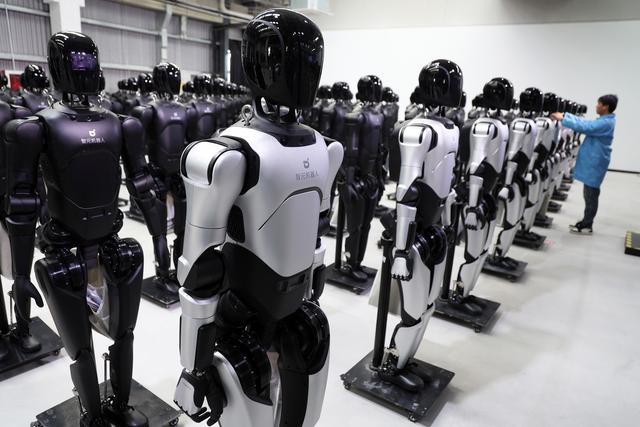
Group 1 - The core viewpoint emphasizes the need to bridge the gap between laboratory results and market-ready products in Sichuan's technology innovation landscape, as highlighted during the ongoing Sichuan Two Sessions [1] - Sichuan's economic growth over the past five years has been significant, with a total economic output exceeding 6 trillion yuan, and the number of national high-tech enterprises and technology-based SMEs doubling [1] - Despite achievements, challenges remain in technology transfer, including low financing coverage for early-stage tech results and concentrated R&D resources in specific regions like Chengdu and Mianyang [1] Group 2 - The development of humanoid robots in Sichuan is at a critical stage, with a call for a complete domestic industrial chain from core technology to end-user applications, leveraging the region's rich educational resources and application scenarios [2] - Four major challenges for tech innovation enterprises in Sichuan have been identified: an incomplete innovation ecosystem, low efficiency in industry-academia-research integration, lagging tech finance development, and shortages in industrial support and talent [2] - Recommendations include expanding government guidance fund sizes, establishing a "technology flow" credit rating system, and enhancing service coverage for SMEs through online and offline platforms [2] Group 3 - The robotics industry in Sichuan faces issues such as reliance on imported core components and insufficient industry chain collaboration, prompting suggestions for a provincial-level initiative to tackle key technologies [3] - The integration of artificial intelligence into industry and daily life should deepen beyond superficial applications, with proposals to optimize computing infrastructure and lower innovation barriers for SMEs [3] - A list of benchmark application scenarios is proposed to promote the large-scale implementation of vertical large models in various sectors, alongside initiatives to address high-end talent shortages [4] Group 4 - The Sichuan government plans to advance industrial technology research and innovation by establishing over 230 concept verification centers and pilot platforms by 2026 [4] - A comprehensive technology finance service system will be developed, leveraging social security innovation funds and venture capital to support ongoing investment activities [4] - Regional collaboration will be strengthened through the construction of the Tianfu Avenue innovation corridor, facilitating the diffusion of innovative elements across the region [4]