第四次工业革命

Search documents
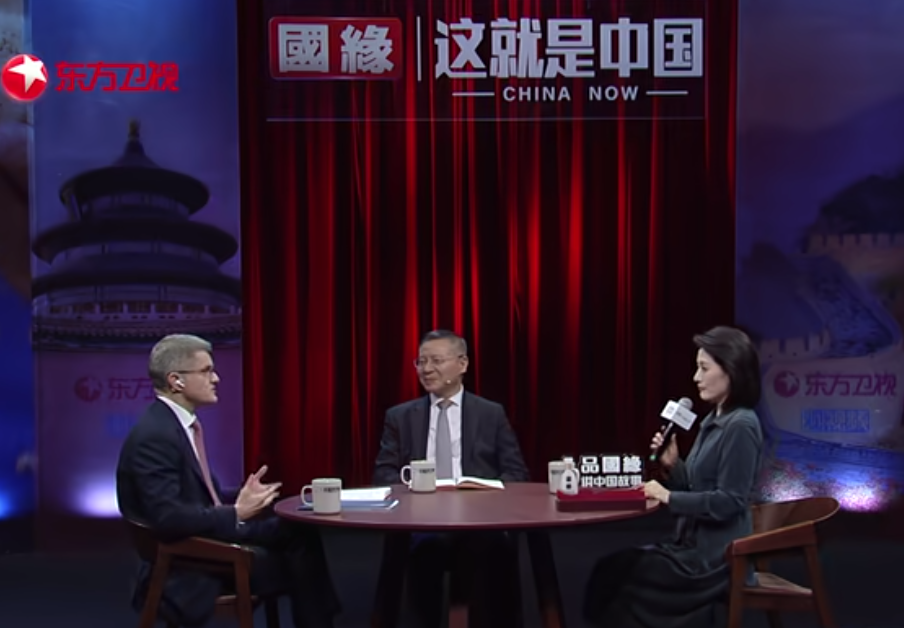
张维为《这就是中国》第307期:欧洲的未来
Guan Cha Zhe Wang· 2025-11-09 00:45
Core Views - The future of the European Union (EU) is uncertain, facing multiple crises and challenges that threaten its unity and effectiveness [3][11][18]. Group 1: Historical Context and Current Challenges - The EU was established to promote peace and cooperation among European nations after World War II, particularly between France and Germany [2][3]. - The end of the Cold War initially led to optimism within the EU, but subsequent crises, including the global financial crisis, the refugee crisis, Brexit, and deteriorating relations with Russia, have exposed significant weaknesses [3][11]. - Europe is currently grappling with demographic issues, economic stagnation, and a lack of technological competitiveness, leading to social divisions and strained relations with major geopolitical players, including the US and Russia [3][11][18]. Group 2: Serbia's EU Membership Prospects - Serbia's EU accession process has stalled, primarily due to demands from EU member states regarding territorial integrity, particularly concerning Kosovo [6][7][22]. - Despite being surrounded by EU countries, Serbia's path to membership remains uncertain, and the EU is not prepared to expand its membership in the near future due to internal challenges [6][22]. Group 3: Economic and Technological Challenges - Europe has missed opportunities in the Fourth Industrial Revolution, with no major internet companies emerging from the region, leading to a reliance on US technology [12][13]. - The energy crisis, exacerbated by political decisions such as Germany's nuclear phase-out and reliance on Russian energy, has significantly increased production costs in Europe [13][14]. - Regulatory burdens and high taxation have driven innovation and talent away from Europe, further hindering its economic growth [13][14]. Group 4: Geopolitical Dynamics and Future Cooperation - The ongoing Ukraine conflict has intensified perceptions of a security threat from Russia, compelling Europe to seek protection from the US, which complicates its relations with China [18][19]. - There is a recognition of the need for Europe to engage with China for mutual benefits, particularly in technology and sustainable development, despite political hesitations [24][25][29]. - The internal political landscape in Europe complicates the establishment of a unified stance towards global challenges, including cooperation with China [25][29].

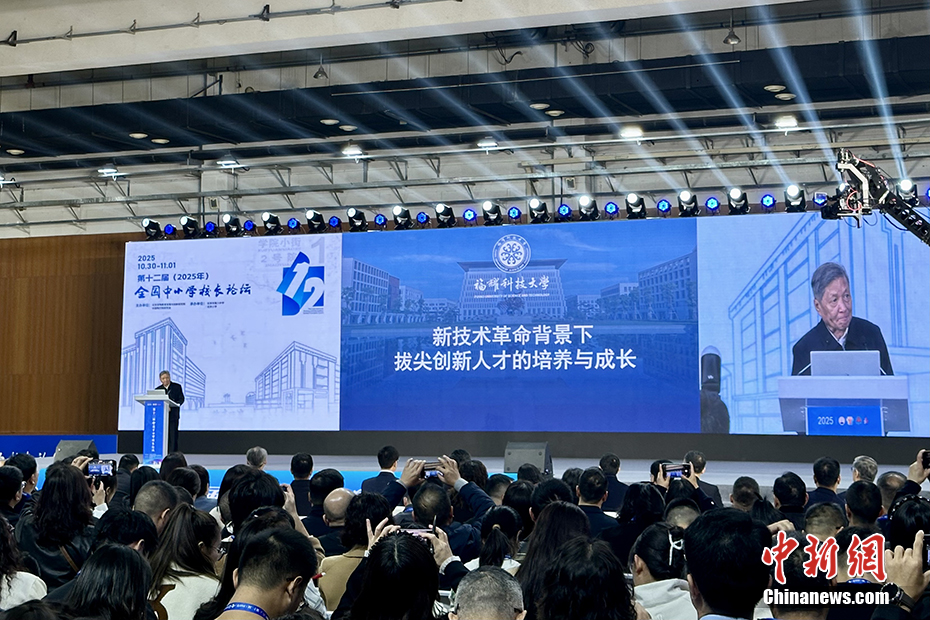
王树国:大学要直接与社会对话、与世界对话
Zhong Guo Xin Wen Wang· 2025-11-03 06:53
Core Viewpoint - The president of Fuyou University, Wang Shuguo, emphasizes the need for universities to engage directly with society and the world, moving beyond traditional, discipline-focused approaches to education [3][4]. Group 1: University Development and Innovation - Fuyou University aims to cultivate innovative talents capable of leading in the context of the fourth industrial revolution, particularly in fields like artificial intelligence [3][4]. - The university has established eight colleges, including those focused on artificial intelligence, smart manufacturing, and digital economy, implementing an integrated eight-year education system [4]. Group 2: Educational Philosophy and Approach - Wang Shuguo advocates for a restructured knowledge system that incorporates practical social engagement, arguing that existing academic frameworks are inadequate for future technological advancements [3][4]. - The university's educational strategy includes continuous integration of the latest industry technologies into the curriculum, ensuring students remain at the forefront of technological developments upon graduation [4]. Group 3: Importance of Interdisciplinary Learning - Wang highlights the critical relationship between natural sciences and humanities, asserting that a comprehensive understanding of both is essential for producing well-rounded, capable individuals [5]. - He uses the example of Nobel laureate Yang Zhenning to illustrate the significance of making informed choices in academic and career paths, particularly in the face of rapid technological change [5].
美联储降息逼疯金属!铜破1.1万、银冲50,普通人该囤点啥?
Sou Hu Cai Jing· 2025-11-02 17:37
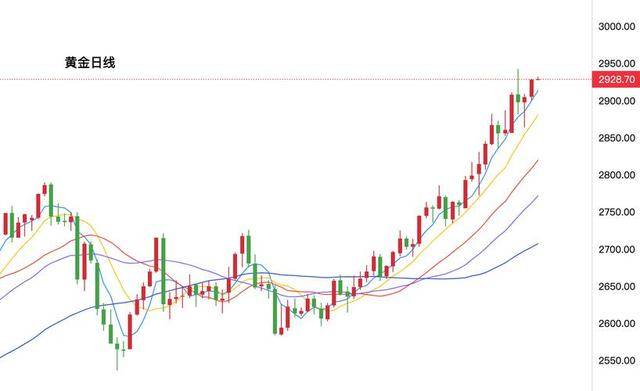
Core Viewpoint - The recent surge in metal prices, particularly copper and cobalt, is driven by genuine demand and supply chain disruptions, rather than speculative trading. This situation reflects a broader geopolitical struggle over critical resources essential for the fourth industrial revolution, including AI and renewable energy technologies [4][5][25]. Group 1: Metal Price Trends - As of the end of October, copper prices reached $10,807 per ton, nearing Goldman Sachs' prediction of $11,000, while electrolytic cobalt surged by 16.6% in two weeks, exceeding 400,000 yuan per ton [1][4]. - The metal index experienced a slight decline of 0.42% at the end of October, but trading volume remained high at over 17 million contracts, indicating ongoing market activity [1]. Group 2: Supply and Demand Dynamics - The demand for metals is significantly influenced by the rise of AI and renewable energy, with copper being crucial for electrical infrastructure, particularly for AI data centers [6][7]. - A major supply disruption occurred at the Grasberg copper mine in Indonesia, which announced a significant reduction in output due to an accident, leading to a loss of over 20,000 tons of copper in the global market [7][10]. - The solar industry is driving silver prices up, with projections indicating that solar demand will account for half of global silver needs by 2030, resulting in a shortfall of 14,000 tons annually [8][9]. Group 3: Geopolitical Implications - The competition for metal resources has escalated into a strategic battle among nations, with G7 countries forming alliances to reduce dependency on China for critical minerals [13][14]. - The U.S. has threatened to impose a 50% tariff on imported copper to boost domestic production, while the EU has initiated strategic projects to secure lithium, nickel, and cobalt resources [13][14]. Group 4: Resource Control by Smaller Nations - Many resource-rich countries are implementing export controls to increase their bargaining power, with nations like the Democratic Republic of Congo and Ghana taking steps to limit foreign ownership and enhance local processing capabilities [15][16]. - Natural disasters and local policies are further complicating the supply chain, as seen with the impact of heavy rains in Congo and labor strikes in Australia [17]. Group 5: China's Strategic Position - China has significantly increased its lithium reserves, now holding 16.5% of global lithium resources, and has made substantial discoveries of gold and uranium, enhancing its resource base [19][21]. - Chinese companies are actively acquiring overseas mining assets and establishing processing facilities to secure supply chains and increase the value of raw materials [21][22]. - China holds a competitive edge in technology related to rare earths and battery production, with new regulations aimed at controlling the export of products containing Chinese rare earth elements [22][23].
构建新质生产力人才培养新范式
Xin Hua Ri Bao· 2025-10-29 21:57
Core Insights - The article emphasizes the transformative impact of AI, particularly the GPT-4 model, on the global economy and the necessity for educational institutions to adapt their talent cultivation strategies to meet new productivity demands [1] Group 1: Talent Development Strategies - The establishment of a "community of shared destiny" in industry-education integration is crucial for upgrading university-enterprise relationships to meet the higher demands of new productivity [2] - Universities should implement integrated development strategies by aligning their computer science and technology programs with emerging industries, creating a "1+1+N" model for deep collaboration with core enterprises [2] - A long-term development mechanism should be designed to provide a comprehensive set of cooperation benefits, such as prioritizing the recruitment of outstanding graduates by partner companies [3] Group 2: Curriculum Innovation - A modular and menu-based curriculum system should be developed to quickly respond to the demands of new productivity, including the creation of "smart+" series courses in collaboration with industry experts [4] - Real projects from partner companies should be integrated into the curriculum to enhance students' practical skills and employability [4] Group 3: Faculty Development - A "dual-teacher" team should be established, consisting of educators proficient in theory and practice, to ensure the effective implementation of educational reforms [5] - Regular workshops and technical salons should be organized to facilitate knowledge exchange between university faculty and industry engineers [6] Group 4: Practical Innovation Bases - Advanced practice bases should be built to simulate real production environments, enhancing students' innovation capabilities and engineering skills [7] - A "one-stop" incubation platform should be created to support students in transforming their innovative ideas into entrepreneurial ventures [7] Group 5: Evaluation Systems - A comprehensive evaluation system should be established, focusing on innovation value and personal capabilities rather than solely on grades [8] - A digital capability archive should be developed to track students' participation in projects and competitions, aiding in personalized education and talent recommendations [8] Group 6: Innovation Culture - A campus culture that encourages innovation and tolerates failure should be fostered, creating an environment conducive to the growth of new productivity talent [9] - Activities promoting craftsmanship and entrepreneurial spirit should be organized to instill these values in students [9] Group 7: Lifelong Learning Ecosystem - A new ecosystem for continuing education should be established to support lifelong learning and adapt to the rapid technological changes [10] - Customized continuing education programs should be offered to in-service engineers, enhancing the social service function of computer science disciplines [11]
章俊:下一个五年经济增长逻辑既重创新,也重安全
Zhong Guo Xin Wen Wang· 2025-10-28 04:56
Group 1 - The core viewpoint of the article emphasizes that the economic growth logic for the next five years will focus on both innovation and security, as outlined in the recent policy blueprint from the 20th Central Committee [1][2] - The document highlights seven major goals and twelve strategic tasks for the "14th Five-Year Plan" period, with a strong emphasis on building a modern industrial system and enhancing national security [1][3] - The shift in focus from "supplementing and strengthening the supply chain" to "system restructuring" indicates a strategic elevation of industrial chain security [2][3] Group 2 - The article discusses the importance of technological innovation and industrial integration as key directions for achieving breakthroughs and fostering new productive forces during the "14th Five-Year Plan" [3][4] - It notes that the policy aims to enhance domestic demand as a long-term strategy, transitioning from merely facilitating domestic circulation to strengthening it [4] - The emphasis on creating a strong domestic market and improving income distribution reflects a shift towards a dual-driven supply and demand model, aiming for structural upgrades in the economy [4]
上海首支生物制造产业基金启动
Zhong Guo Jin Rong Xin Xi Wang· 2025-10-24 08:53
Core Insights - The launch of Shanghai's first industry fund focused on biomanufacturing marks a significant development in the sector, driven by the collaboration between Daotong Investment and Aopumai [1][2] - The biomanufacturing industry is experiencing rapid growth globally, with the market size increasing from $5.3 billion in 2018 to over $17 billion in 2023, and projected to reach nearly $50 billion by 2028 [2][3] Group 1 - The newly established fund employs a "C (industry chain leader) + VC (professional investment institution)" dual-drive model to leverage Aopumai's industry advantages and Daotong Investment's expertise in early-stage medical and synthetic biology [1] - The "Value Partner Council" will focus on four collaborative directions: resource and platform sharing, technology and results transformation, application and capital synergy, and talent and ecosystem co-cultivation [2] - The initiative aims to create a sustainable industry infrastructure and foster the development of a high-end biomanufacturing cluster in China [2] Group 2 - The Chinese government emphasizes the importance of biomanufacturing, with plans to establish a growth mechanism for future industries, including biomanufacturing, quantum technology, and 6G [3] - China's biomanufacturing industry is approaching a total scale of 1 trillion yuan, maintaining a competitive edge in the global landscape [3]
AI赋能政企数智化升级 万兴科技荣膺“2025年度信创软件领军企业”
Zhi Tong Cai Jing· 2025-10-18 09:30
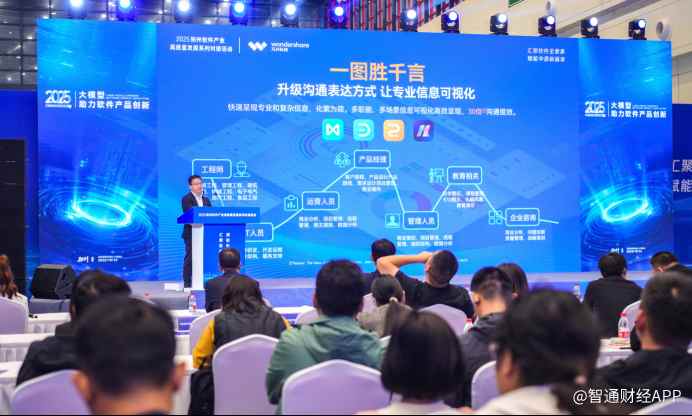
Core Insights - The 27th China International Software Expo was held from October 15 to 17, focusing on software innovation and industry upgrades in the AI era [1] - Wankong Technology, a representative of domestic software, was awarded the title of "2025 Leading Enterprise in Trustworthy Software" and its product MindMaster won the "Annual Innovative Application Typical Case" award [1][7] Company Developments - Wankong Technology showcased its "New Generation AI Efficiency Solutions" at the expo, featuring intelligent office solutions and content production solutions [2] - The intelligent office solution integrates various software products to enhance organizational communication efficiency and project execution [2][5] - The company has launched a full-stack AI video creation capability, addressing high-frequency needs in marketing and creative sectors [5][7] Industry Trends - The AI-driven "Fourth Industrial Revolution" is rapidly evolving, with significant growth in AI model applications and enterprise penetration [1] - Challenges remain in AI implementation, including insufficient application depth and fragmented business scenarios [1] - The global information technology industry is accelerating, with AI reshaping production methods and knowledge collaboration systems [7] Future Outlook - Wankong Technology plans to continue expanding its AI business in the government and enterprise sectors, focusing on intelligent office and content production solutions [7] - The company is actively recruiting for high-paying positions, indicating a commitment to building AI talent [7]

配偶可互查财产:公平让爱更长久
经济观察报· 2025-10-15 10:11
Core Viewpoint - The essence of spousal property inquiry is the state's intervention in the private domain of families to balance economic discourse within marriage, addressing issues like gender pay gaps and discrimination against women in the workplace, but it does not tackle the root causes of economic inequality between genders [2][4][5]. Group 1: Legislative Developments - Guangdong has become the latest province to legislate mutual property inquiry between spouses, effective January 1, 2026, allowing couples to check each other's property, including real estate and vehicles [3]. - Previous regulations in Hebei and Jiangsu provinces also allowed mutual property inquiries, with Hebei including stock ownership, while Fujian's upcoming regulation only permits women to inquire about their spouse's property [3]. Group 2: Gender Inequality in Economic Status - Legislative measures are framed under the premise that women are the vulnerable group in traditional Chinese families, necessitating protection, especially in divorce property division [4]. - Despite modern views promoting gender equality, economic disparities persist in marriages, where men are often seen as the primary earners, while women's contributions, particularly in household labor, are undervalued [4][5]. Group 3: Societal Narratives and Economic Contributions - Traditional narratives often reinforce the idea of "men as providers," undermining the concept of "joint property" and the valuation of domestic labor [5]. - The legal framework of "joint property" implies equal contribution from both partners, yet practical implementation remains challenging without specific institutional designs [5]. Group 4: Future Perspectives on Gender Equality - Current academic discussions on improving gender economic status often remain theoretical, but the fourth industrial revolution, characterized by AI and robotics, may offer unprecedented opportunities to break existing patterns [6]. - A potential shift in employment models could allow both men and women to gain more autonomy over their time, leading to a more equitable distribution of economic power within marriages [6].

配偶可互查财产:公平让爱更长久
Jing Ji Guan Cha Bao· 2025-10-15 06:44
Core Viewpoint - Guangdong has become the latest province to legislate mutual property inquiry rights for spouses, effective January 1, 2026, allowing them to check each other's real estate and vehicle ownership [1] Group 1: Legislative Developments - The new regulation in Guangdong follows similar laws in Hebei and Jiangsu, which also allow mutual property inquiries, with Hebei including stock ownership in its provisions [1] - In contrast, Fujian's upcoming regulation only permits women to inquire about their spouse's property, raising questions about gender equality in legal protections [1] Group 2: Gender Economic Inequality - Despite advancements in gender equality, economic disparities persist in marriages, with traditional roles often placing men as primary earners and women as homemakers, leading to undervaluation of women's contributions [2] - In divorce cases, judges may consider women's domestic contributions, but the lack of clear valuation means these contributions often do not translate into tangible financial recognition [2] Group 3: Institutional Interventions - The mutual property inquiry legislation represents a governmental attempt to balance economic power within marriages, addressing the market's tendency to overlook non-monetary contributions [3] - However, this intervention is seen as a reactive measure rather than a solution to the root causes of gender economic inequality [3] Group 4: Future Perspectives - The ongoing technological revolution, particularly in AI and robotics, may offer new opportunities to dismantle entrenched gender roles and economic disparities, potentially leading to a more equitable distribution of labor and wealth in families [4] - If both men and women gain more autonomy over their time, the dynamics of household labor and financial contributions could shift towards mutual recognition and equality [4]
三一向文波央视《对话》畅聊海外增长新曲线
工程机械杂志· 2025-10-14 01:06
Core Viewpoint - Chinese engineering machinery companies are expected to exceed $50 billion in export value by 2024, with growth exceeding 1.5 times during the 14th Five-Year Plan period [1] Group 1: Necessity of Going Global - The phrase "not going global means going out of business" emphasizes the critical need for Chinese engineering machinery companies to establish an early presence in overseas markets to navigate domestic economic cycles effectively [2] - From a macroeconomic perspective, relying solely on the domestic market is unsustainable for a country aiming to develop world-class enterprises [4] Group 2: Quality and Differentiation - The company rejects low-price competition, advocating for a shift towards high-end, differentiated products. The focus is on producing high-quality products and providing excellent customer service [5][6] - The belief that "quality changes the world" drives the commitment to enhance the global image of Chinese manufacturing through superior product quality and service [6] Group 3: Risk Management and Expansion - In the face of complex international challenges, the company emphasizes the importance of risk control while simultaneously pursuing expansion opportunities [7] - Cash flow management is crucial, as a single poor decision can lead to significant consequences. The company has invested hundreds of millions in upgrading smart factories, balancing risk with potential rewards [9] Group 4: Embracing Technological Revolutions - The company advocates for a mindset of "better to make mistakes than to miss opportunities" in the context of technological revolutions, such as the Fourth Industrial Revolution and the Third Energy Revolution [10] - These technological shifts present opportunities for competitive advantages in smart and green low-carbon products, which can help navigate economic cycles [10] Group 5: Entrepreneurial Spirit - Entrepreneurs must tackle challenges related to unfamiliar policies and environments when expanding internationally. Overcoming difficulties through innovation and effort is essential for growth and competitiveness [11] - The entrepreneurial journey is characterized by a willingness to face daily challenges, which is fundamental to achieving success [13] Group 6: Global Presence and Future Goals - Chinese engineering machinery is becoming increasingly visible globally, with products seen in various international locations, indicating a significant presence [14] - Future goals include selling more and better products while leveraging advancements in artificial intelligence and renewable energy to enhance competitiveness and lead industry development [15] - The company aims to reconstruct supply chains and engage in overseas R&D and manufacturing, contributing to global development and sharing opportunities with other nations [17] Group 7: Ambitious Aspirations - The company expresses ambitious aspirations, suggesting that future markets may extend to the Moon or Mars, as terrestrial markets for excavators are nearing saturation [18]