产业链安全

Search documents
特朗普向全球发布指令,要求半年内削弱中国手中关键优势,美国媒体却称中国在借势遏制美国
Sou Hu Cai Jing· 2026-02-25 20:51
Core Viewpoint - The global resource disputes are escalating in 2024, with the U.S. urging companies to reduce reliance on Chinese rare earths, leading to a tense atmosphere in the industry [1][2]. Group 1: U.S. Policy and Industry Response - The U.S. aims to strengthen its domestic supply chain through administrative measures, emphasizing "safety" as a market priority [3][5]. - Many companies still depend on Chinese raw materials despite the U.S. forming alliances and excluding Russia and China from resource meetings [3][5]. - U.S. policymakers argue that over-reliance on China poses risks of supply disruptions during critical times [5][10]. Group 2: Challenges in Supply Chain Adjustment - Japan's attempts to develop alternatives to Chinese supplies ultimately led to continued collaboration with Chinese factories due to complex production processes and strict environmental standards [7][10]. - The adjustment in supply chains is significantly impacting global manufacturing, particularly in sectors like electric vehicles, wind energy, and medical devices, where demand for rare earth materials is increasing [9][10]. - The U.S. is trying to reshape market order through trade alliances and price interventions, but the actual impact remains limited as European and Japanese manufacturers still rely on Chinese supplies [10][12]. Group 3: Market Dynamics and Future Trends - The industry is witnessing a tension between U.S. political priorities for safety and companies' focus on profit and stability, leading to conflicting interests [14][18]. - Despite U.S. pressure, the reality is that many manufacturers find it challenging to completely replace Chinese supply chains due to the established quality, delivery, and pricing advantages [12][14]. - The future of the global resource market will depend on the ability of companies to ensure delivery, quality, and price, as well as the ongoing collaboration and trust within the supply chain [16][18].


中国橡胶工业协会副秘书长朱红建言橡胶行业——破卡点 疏堵点
Zhong Guo Hua Gong Bao· 2026-02-25 02:44
Core Viewpoint - The article emphasizes the need to eliminate obstacles in the domestic rubber industry to enhance the internal circulation of the economy, as highlighted by the "14th Five-Year Plan" suggestions [1] Group 1: Industry Challenges - The rubber industry faces significant bottlenecks across the entire supply chain, with high dependence on foreign raw materials and insufficient domestic supply [2] - Key synthetic rubber materials like butadiene and isoprene have over 60% reliance on imports, while high-end products have a self-sufficiency rate below 60% [2] - The processing capacity is imbalanced, with 70% concentrated in East China, and there are pressing issues related to technological bottlenecks and green transformation [2] - The demand for high-performance rubber products is increasing due to the rise of electric vehicles, while traditional fuel vehicle markets are shrinking, leading to a mismatch in supply and demand [2] Group 2: Impact on Industry Development - The industry's challenges increase operational costs and compress profit margins due to reliance on imported raw materials and structural contradictions [3] - Supply chain security is compromised, affecting the upgrade of midstream industries, with geopolitical and natural risks impacting natural rubber supply [3] - Inefficiencies in logistics and resource allocation hinder the smooth operation of domestic circulation, leading to increased costs and energy consumption [3] - The industry's international competitiveness is weakened, resulting in missed opportunities in emerging markets due to technological barriers [4] Group 3: Proposed Solutions - To enhance domestic circulation, the industry should focus on improving self-supply capabilities for raw materials, optimizing midstream technology and capacity, and exploring downstream demand [5] - Specific measures include expanding domestic natural rubber cultivation, promoting cooperation with Southeast Asian countries, and developing sustainable materials [5] - Midstream improvements should involve smart upgrades in processing, establishing collaborative centers in industrial clusters, and promoting low-pollution production processes [6] - Downstream strategies should focus on integrated R&D for new materials, customized services, and tapping into rural markets for rubber products [6] - A comprehensive collaboration system should be established to enhance efficiency and resilience across the supply chain [6] - Strengthening policy support through dedicated R&D funds, tax incentives, and talent development is crucial for the industry's advancement [7]
东方钽业(000962) - 000962东方钽业投资者关系管理信息20260212
2026-02-12 05:56
Group 1: Company Overview - Ningxia Dongfang Tantalum Industry Co., Ltd. is involved in the research, production, sales, and import-export of tantalum and niobium products [1][7] - The company has established a global procurement system for tantalum and niobium concentrate, ensuring a stable supply of core raw materials [2][3] Group 2: Supply Chain and Procurement - The company has secured a long-term partnership with reputable domestic and international traders for raw material sourcing [3] - A significant acquisition was made in April 2025, where the company purchased a stake in Taboca Mining Company in Brazil, with a contract to procure approximately 3,000 tons of iron niobium tantalum alloy, valued at around 540 million RMB [3] Group 3: Production and Recycling - The company implements a closed-loop recycling model across its production processes, enhancing resource utilization efficiency [3] - It focuses on systematic recovery and utilization of tantalum and niobium metal waste generated during production [3] Group 4: Pricing Strategy - Product pricing is determined based on raw material price fluctuations, customer demand, and production costs, with a cost-plus pricing model being utilized [4] - The pricing negotiation process involves considering the average raw material prices prior to contract signing, leading to a lag in price transmission due to market competition and customer relations [4] Group 5: Future Plans - The company aims to focus on its core tantalum and niobium business, optimizing its industrial layout and enhancing technological innovation and lean management [5][6] - Currently, there are no plans for further acquisitions of shares in Xicai Institute [6] Group 6: Application Fields - Tantalum and niobium products are widely used in electronics, communications, aerospace, metallurgy, petroleum, chemical, lighting, medical, and nuclear energy sectors [7] - The company produces a full range of tantalum powder and wire, with products meeting international standards in technology and quality [7]

突发!美韩将成立稀土合资企业,目标2027年运营,或重构新格局
Sou Hu Cai Jing· 2026-01-17 11:42
Core Viewpoint - The ongoing global competition over rare earth elements is intensifying, particularly in the context of the U.S.-China rare earth conflict, with the U.S. implementing strategic measures following the G7 finance ministers' meeting in January 2026 [1][2]. Group 1: Economic Impact - The G7's decisions have minimal direct economic impact on China, as the related trade volume is relatively low. However, from the perspective of supply chain security, this poses significant challenges for the U.S. and Europe, potentially undermining their high-tech industries reliant on rare earths [2]. - Rare earths are critical resources for sectors such as renewable energy, semiconductors, and military applications, and a disruption in their supply could lead to severe consequences for the industrial base in the U.S. and Europe [2]. Group 2: Collaborative Efforts - A notable example of collaboration is the partnership between South Korea and the U.S., where Korea Zinc announced a joint venture with an American company to secure rare earth material supplies. This venture aims to establish a processing facility with a capacity of 100 tons per year by 2027 [5]. - The joint venture will utilize existing domestic raw materials in the U.S. to produce the necessary rare earth oxides for American manufacturers, showcasing a strategic move to bolster local supply chains [5]. Group 3: Domestic Initiatives - The U.S. government is investing $750 million to assist two domestic rare earth companies in expanding their magnet production capacity, aiming to reduce reliance on China [8]. - Plans are underway to lift the mining ban in Minnesota to activate local copper, nickel, and cobalt resources, addressing supply shortages in the rare earth sector [8]. Group 4: Competitive Dynamics - The U.S. Department of Defense plans to subsidize the price difference for two commonly used rare earth elements, neodymium and praseodymium, at $110 per kilogram, which may inadvertently increase costs for U.S. industries reliant on these materials [10]. - The strategy of creating a "small circle" to exclude China may lead to increased resource prices, negatively impacting the competitiveness of U.S. companies in the renewable energy and semiconductor sectors [10]. Group 5: Strategic Recommendations - To navigate this competitive landscape, it is essential for China to strengthen its rare earth processing technology and develop recycling industries while optimizing its strategic material reserve system [12]. - Expanding multilateral cooperation and addressing slow updates in reserve lists and insufficient commercial reserve vitality are critical for maintaining resilience in the supply chain [12].
我国醋酸产业实现新突破
Zhong Guo Hua Gong Bao· 2026-01-13 07:05
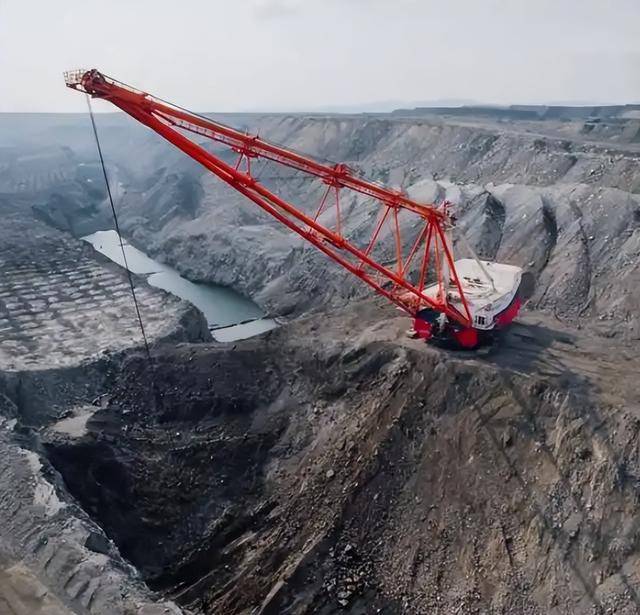
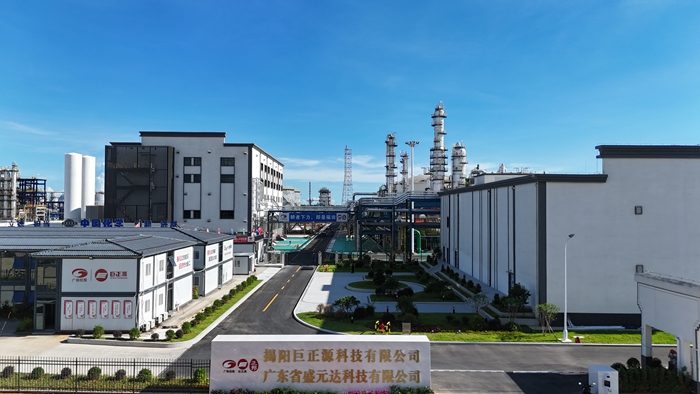
Core Viewpoint - The project of 1.5 million tons/year acetic acid at the Juzhengyuan (Jieyang) New Materials Base has officially entered the trial production phase, marking it as one of the largest single-unit acetic acid production facilities globally, which will significantly impact China's acetic acid industry chain and promote the formation of a new materials industry cluster in the region [1][4]. Technical Aspects - The project utilizes methanol and carbon monoxide as raw materials, employing a rhodium-based catalyst for low-pressure carbonylation to produce acetic acid, achieving high conversion rates, good selectivity, and mild reaction conditions, which effectively enhance thermal efficiency and reduce energy consumption [1][3]. - The main technical indicators of the project meet international advanced levels, with core metrics such as single-unit scale, energy consumption control, and environmental emissions comparable to leading international technologies [3]. Industry Impact - The project will further increase China's annual acetic acid production capacity, solidifying the country's leading position in the global acetic acid industry, and filling the production gap in South China, which previously relied on external supplies [2][4]. - Acetic acid serves as a "universal intermediate" in the chemical industry, widely used in the production of PTA, vinyl acetate, and acetate esters, thus the project is expected to stimulate downstream industries like vinyl acetate and butanol, enhancing the vitality of the new materials industry chain in Jieyang [5]. Regional Development - The project is expected to change the consumption-only status of South China in the acetic acid market, achieving a balanced capacity layout that meets the growing demand for high-end chemical raw materials in the Greater Bay Area, thereby reducing procurement and logistics costs for downstream enterprises [4]. - Future plans include forming a complete industrial chain from basic raw materials to high-end new materials, contributing to the establishment of a regional new materials industry cluster in Jieyang [4]. Talent and Innovation - The project has attracted a high-quality professional talent pool and technical teams, promoting regional technological innovation capabilities and talent development, while collaborations with universities and research institutions will enhance the integration of industry, academia, and research [5]. - As a key project under Guangdong's "Hundred Million Project," it employs domestic technology to achieve self-sufficiency in key chemical raw materials, reducing reliance on external supplies and enhancing the autonomy of China's chemical industry chain [5]. Project Management - The construction faced multiple challenges, including tight schedules, adverse weather, limited space, and complex technologies, which were successfully overcome through innovative processes, optimized construction organization, and strengthened process control [6]. - The project team aims to ensure stable and efficient operation of the facility, contributing to the high-quality development of the regional economy [6].
亲手斩断美国锁喉之手!特朗普主动送大礼,助力中国军事发展
Sou Hu Cai Jing· 2025-12-11 07:23
Group 1: Trade Policy and Tariffs - The U.S. Supreme Court may rule on the legality of tariffs imposed by the Trump administration under Section 232 of the Trade Expansion Act of 1962, which could lead to the collapse of a tariff system worth hundreds of billions of dollars if deemed unlawful [1] - Trump expressed concerns that an unfavorable ruling could threaten U.S. finances and highlighted that Europe is seeking to impose tariffs on China, suggesting that the U.S. should not follow suit [1] Group 2: Semiconductor Exports to China - Trump approved NVIDIA's export of high-end AI chips (H200) to China, which has sparked significant debate, with NVIDIA's stock rising by 1.2% following the announcement [3] - The decision faced criticism from Democratic lawmakers who argue that the H200 chip could enhance China's military capabilities and AI development, while many Republican lawmakers supported the move as a means to improve U.S.-China relations [3] Group 3: China's Strategic Position - China maintains a strategic focus on self-reliance and the stability of global supply chains, emphasizing that it will not alter its long-term innovation strategy due to U.S. policy changes [5] - The U.S. attempts to maintain economic dominance through tariffs while struggling with the repercussions of decoupling from the Chinese market, indicating a complex relationship where the U.S. fears accelerating China's self-sufficiency [5] Group 4: Shift in U.S. Policy Towards China - Trump's approach to China is evolving from viewing it as a primary strategic threat to recognizing it as a long-term economic competitor, indicating a shift towards limited cooperation to alleviate economic pressures [6] - This change is reflected in U.S. strategies regarding Taiwan and Japan, focusing on crisis management and dialogue to avoid miscalculations, moving from aggressive competition to risk management in sensitive areas [6]


新华指数月度洞察:资本聚焦硬科技,产业链安全驱动出海
Xin Hua Cai Jing· 2025-12-03 05:47
Group 1 - Outbound capital is increasingly focused on "hard technology" and "industrial chain security," with significant investments flowing into areas like 6G and power batteries, where China has established global technological leadership and control over the supply chain [1][8] - The Xinhua Creative Research Long-term Index experienced a 5% decline at the end of November 2025, as funds shifted away from high-valuation sectors like semiconductors and photovoltaics, moving towards traditional cyclical sectors such as construction machinery that are directly related to current "stable growth" infrastructure investments [2][10] - The lithium battery electrolyte additive market is witnessing a surge in prices, driven by strong demand from the recovering new energy vehicle market, with leading companies like Tianqi Lithium signing long-term contracts for over 1.5 million tons of electrolyte, indicating high industry prosperity [3] Group 2 - China's shipbuilding industry is integrating into the global high-end value chain, with companies like Yaxing Anchor Chain benefiting from increased sales and investment returns, reflecting the overall rise of the Chinese shipbuilding sector [4][5] - The Chinese optical module industry is transitioning from scale expansion to technological leadership, with the market expected to grow from 60.6 billion yuan in 2024 to 67 billion yuan in 2025, driven by a significant increase in high-speed product offerings [6] - The current market dynamics show that funds are gravitating towards sectors with clear certainty, particularly in manufacturing, consumption, and electrical new energy, while emerging growth sectors face capital outflows due to valuation concerns [10]

克服“基础级”现状,中国显示产业布局“共链行动”
Di Yi Cai Jing· 2025-11-09 11:17
Core Viewpoint - The establishment of the Glass New Materials Industry Chain Supply Chain Alliance aims to enhance the safety and stability of the industry chain, prioritizing security over efficiency in the face of increasing risks [1][2]. Group 1: Industry Developments - The Glass New Materials Industry Chain Supply Chain Alliance was launched during the second Glass Industry Development Conference in Bengbu, Anhui, marking a shift towards a more systematic and ecological collaborative approach in China's glass new materials industry [1]. - By 2025, China's share of the global display materials output is expected to reach 48%, yet domestic companies hold less than 10% market share in the substrate/glass sector, dominated by the top three global manufacturers with over 90% market share [1]. Group 2: Challenges and Strategies - The risks in the industry are increasing, with a call for greater emphasis on the security of the industry chain rather than just efficiency, as the current level of self-control in the industry is still at a "basic level" [1]. - Domestic companies are encouraged to adopt a dual approach, focusing on technological breakthroughs while also building market alliances to expand demand [2]. - The recent increase in "337 investigations" by the U.S. against China's display industry is seen as a strategy to create market uncertainty and protect existing patents while hindering competitors' development [2].
突发特讯!中国商务部再回应安世半导体问题,少见措辞引发国际舆论
Sou Hu Cai Jing· 2025-11-07 19:55
Core Viewpoint - The Chinese Ministry of Commerce has issued a strong statement regarding the ASML semiconductor issue, attributing the turmoil in the global semiconductor supply chain to the Dutch government's interference, and emphasizing China's commitment to maintaining global industrial chain security [1][3]. Group 1: Responsibility and Impact - The spokesperson for the Ministry of Commerce directly pointed out that the Dutch government's improper intervention is the main cause of the turmoil in the global semiconductor supply chain, highlighting the chaos caused by the Dutch actions [3]. - China has taken responsible measures to promote the restoration of supply, indicating a proactive approach to mitigate the impact of the crisis [3][4]. - The statement marks a significant shift in diplomatic practice, as it explicitly holds a foreign government accountable for its actions, suggesting that China possesses sufficient evidence to support its claims [4]. Group 2: Global Perspective and Solutions - The issue of ASML is now linked to the stability and security of the global semiconductor supply chain, elevating its importance beyond a mere business dispute to a major global concern [4][8]. - China has emphasized its timely approval of export licenses for eligible exports, contrasting its responsible actions with the Dutch government's interference, which highlights China's commitment to maintaining supply chain stability [4][8]. - The crisis reflects deeper conflicts, including the tension between technological sovereignty and globalization, as well as the misalignment between geopolitical motives and commercial logic [6][7]. Group 3: Strategic Response and Future Outlook - China has demonstrated a mature economic governance approach by balancing principled opposition to interference with flexible measures to minimize supply chain disruptions [8]. - The Ministry of Commerce's statement indicates a shift towards more active participation in international rule-making, aiming to prevent the politicization of industrial issues [9]. - The semiconductor industry is viewed as a critical area for innovation competition, with China advocating for collaborative efforts to ensure supply chain security and stability [9][10].
诺德基金:如何看待4000点后的震荡行情?
Xin Lang Ji Jin· 2025-11-06 02:39
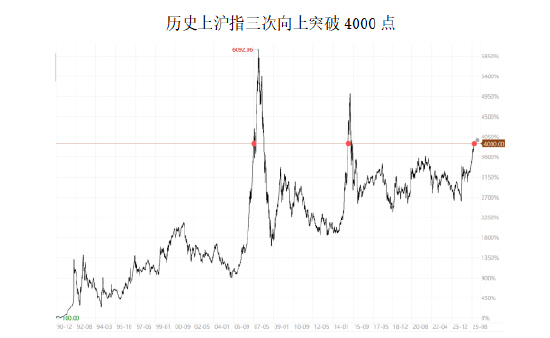
Core Viewpoint - The current A-share market at the 4000-point level is fundamentally different from previous instances in 2007 and 2015, influenced by changes in market ecology, industry structure, and investment logic [1][4]. Market Changes - The new "National Nine Articles" has led to profound changes in market regulations, emphasizing a safe, transparent, and resilient capital market [6]. - A-share market has seen a significant increase in both the number of listed companies and total market capitalization, with the number of companies rising from 2,447 in 2015 to 5,444 in 2025, a growth of 122% [7][8]. - Total market capitalization expanded from 53 trillion yuan to 123 trillion yuan, marking a 132% increase [8][9]. - The industry structure has shifted, with technology and new energy sectors gaining prominence over traditional sectors like finance and real estate [9][10]. Trading and Investment Dynamics - A-share market trading volume has significantly increased, with daily trading volume reaching 2.29 trillion yuan, remaining above 1 trillion yuan for 128 consecutive trading days [16]. - The current margin financing level is significantly lower than the peak in 2015, indicating a healthier market environment [18]. - Institutional investors now hold 46% of the A-share market, up from 30.9% in 2014, reflecting a more mature investor structure [22][24]. Future Market Outlook - The macroeconomic environment is stabilizing, with China's economy projected to grow at an average rate of 4.7% to 5.0% during the 14th Five-Year Plan, providing a solid foundation for corporate earnings [27]. - Technological innovation, particularly in AI and new energy, is expected to drive market growth and create new leading companies [28][52]. - Policy support and ongoing capital market reforms are anticipated to boost investor confidence and market stability [32]. - The valuation of A-shares remains attractive compared to global markets, with the Shanghai Composite Index trading at a price-to-earnings ratio of approximately 17 times [38][39]. Investment Strategies - Investors are encouraged to identify undervalued sectors and capitalize on recovery opportunities, particularly in consumer, healthcare, and financial sectors [43]. - Focus on sectors benefiting from policy support and improving fundamentals, such as supply chain security and technological advancements [48][49][52]. - Maintain a balanced investment approach to mitigate risks associated with market volatility and potential short-term fluctuations [54][56].