
脑机接口

Search documents
腾讯阿里一起投了家具身智能独角兽丨投融周报
投中网· 2026-03-16 07:13
Key Insights - The article highlights the rapid growth and investment activity in the hard technology sector, particularly in embodied intelligence, with companies like Zhijian Power achieving unicorn status through significant funding rounds [4][12] - The health tech sector remains vibrant, with brain-computer interface companies like Gestala setting records for angel round financing [5][34] - The internet sector continues to thrive, with companies like Guanglun Intelligent securing substantial funding through multiple rounds [6][45] Hard Technology Sector - Zhijian Power completed five rounds of financing in less than six months, raising a total of 2 billion RMB, becoming the youngest unicorn in its field [4][12] - Lingchu Intelligent has raised 2 billion RMB across its angel and Pre-A rounds, with backing from major investors including state-owned funds [4][18] - Shunheng Intelligent announced the completion of three rounds of financing focused on dexterous operations in embodied intelligence [21] Health Tech Sector - Gestala, a company specializing in ultrasound brain-computer interfaces, raised 150 million RMB in its angel round, setting a record in China [5][34] - QiongDome Technology successfully completed nearly 100 million RMB in A+ round financing, with participation from notable investors [5][36] - Aike Biological announced over 100 million RMB in A3 round financing, led by prominent investment firms [30][37] Internet Sector - Guanglun Intelligent secured 1 billion RMB in A++ and A+++ rounds, attracting various industry and financial investors [6][45] - Dify, an AI application development platform, completed a 30 million USD Pre-A round led by Sequoia Capital [6][46] - MetaComp, a fintech company, announced a Pre-A+ round financing exceeding several million USD [46] Other Notable Investments - Zero One Automotive raised 1.2 billion RMB in a new financing round, with participation from multiple investment firms [27] - Magic Atom announced a 500 million RMB A round financing, part of a larger ecosystem fund [17] - Aikemai Medical completed over 100 million RMB in Pre-B round financing, with significant backing from industry investors [37]



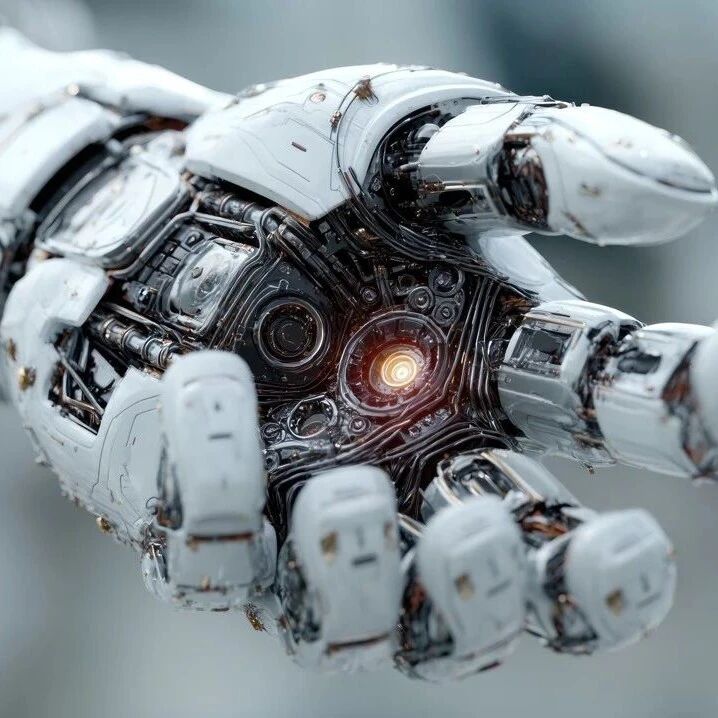
数亿元融资!又一国产脑机接口企业完成C轮
思宇MedTech· 2026-03-16 06:38
Core Viewpoint - Hangzhou Shenluo Medical Technology Co., Ltd. has completed a multi-hundred million RMB Series C financing round, led by Junlian Capital, with participation from existing shareholders including OrbiMed, Boyuan Capital, and Guotou Chuanghe [2]. Company Introduction - Hangzhou Shenluo Medical Technology Co., Ltd. is engaged in the research and development of medical devices related to neuroregulation and brain-computer interfaces, headquartered in Hangzhou, Zhejiang Province [2]. Product and Technology Overview - The company focuses on the development and commercialization of implantable neurostimulation devices and brain-computer interface technologies [2]. 1. **Spinal Cord Stimulation (SCS) System**: Approved by the National Medical Products Administration (NMPA) for chronic pain management, launched in early 2026 [2]. 2. **Peripheral Nerve Stimulation (PNS) System**: Currently in the registration application stage for peripheral nerve regulation treatments [3]. 3. **Tibial Nerve Stimulation (TNS) System**: Targets neuroregulation for urinary function-related diseases, part of the company's wireless micro-neuroregulation technology platform [4]. 4. **Brain-Computer Interface Technology**: Developing a closed-loop brain-computer interface system for applications in neural function recovery, including spinal cord injuries [7]. 5. **Sublingual Nerve Stimulation System**: Under development for the treatment of obstructive sleep apnea [8]. Product Registration Status - The company has received multiple medical device registration certificates from the National Medical Products Administration, including: - Spinal Cord Stimulation External Controller - Implantable Spinal Cord Stimulation Electrodes - Test Stimulator - Patient Controller for Spinal Cord Stimulation [9]. Financing History - The financing history includes: - March 2026: Series C round, amount undisclosed, led by Chengdu Junrongkang Venture Capital [10]. - April 2024: Series B+ round, multi-hundred million RMB, led by OrbiMed [10]. - October 2022: Series B round, approximately hundred million RMB, led by Guotou Chuanghe [10]. - January 2022: Series A round, multi-million RMB, led by Bodin Capital [10]. Patent Situation - The company holds several authorized patents related to neurostimulation devices and methods, including: - Manufacturing methods for stimulation electrodes - Control methods for electrical stimulation devices - Wireless power supply devices for neurostimulators [12].

医药行业周报(2026/03/09-2026/03/13):本周申万医药生物指数下跌0.2%,关注创新药研发动态-20260316
Shenwan Hongyuan Securities· 2026-03-16 05:45
Investment Rating - The investment rating for the pharmaceutical industry is "Overweight," indicating a positive outlook for the sector compared to the overall market performance [28]. Core Insights - The pharmaceutical sector's performance this week saw a decline of 0.2%, while the Shanghai Composite Index fell by 0.7% and the Wind All A Index (excluding finance, oil, and petrochemicals) decreased by 0.5%. The pharmaceutical index ranked 13th among 31 sub-industries [2][3]. - The overall valuation of the pharmaceutical sector is at 30.3 times earnings, ranking 12th among 31 primary industries [6][12]. - Recent developments include the approval of the world's first invasive brain-computer interface in China, aimed at assisting patients with spinal cord injuries [10][13]. - New drug research remains active, with significant clinical trial results reported for various drugs, including the CSF-1R inhibitor and treatments for epilepsy and sepsis [14][15][16]. Market Performance - The pharmaceutical index's performance this week was -0.2%, with various sub-sectors showing mixed results. Notable increases were seen in raw materials (+1.3%) and vaccines (+1.3%), while medical devices experienced a decline of -2.0% [2][6][8]. - The pharmaceutical sector's performance is ranked 13th among 31 sub-industries, indicating a relatively stable position within the broader market context [3][6]. Recent Key Events - The Jiangsu Province has launched an action plan for the innovation and development of the brain-computer interface industry, aiming for significant advancements by 2027 [10][11]. - The acquisition of the Vietnamese pharmaceutical company IMP by Lijun Pharmaceutical has been approved, marking a strategic expansion for the company [17]. - Collaboration between Kanglong Chemical and Eli Lilly for the production of Orforglipron has been established, with an expected investment of $200 million from Eli Lilly [19]. Company Developments - Recent clinical trial results for the CSF-1R inhibitor, published in The Lancet, showed a significant improvement in treatment outcomes compared to placebo [14]. - Xenon Pharmaceuticals reported positive results from a Phase III trial for Azetukalner, indicating a substantial reduction in seizure frequency [15]. - Iwubio's IND application for a mesenchymal stem cell injection for sepsis has been accepted, highlighting ongoing innovation in treatment options [16]. Investment Recommendations - Investors are advised to monitor companies involved in raw material production due to recent price increases, including New Harmony, Zhejiang Pharmaceutical, and Tianxin Pharmaceutical [2]. - Continued focus on innovative drug development is recommended, with specific attention to companies like Heng Rui Pharmaceutical and BeiGene [2]. - The brain-computer interface sector is highlighted for potential investment opportunities, particularly in companies such as Aipeng Medical and Xiangyu Medical [2].
医药生物行业周报(3月第2周):侵入式脑机接口首证落地-20260316
Century Securities· 2026-03-16 03:52
Investment Rating - The report does not explicitly state an investment rating for the industry, but it highlights significant developments that may influence future ratings [2]. Core Insights - The invasive brain-machine interface (BMI) has received regulatory approval, marking a milestone in the domestic industry and indicating a shift from conceptual research to clinical application. This technology is expected to enhance the quality of life for patients with cervical spinal cord injuries [2][10]. - The report emphasizes the importance of focusing on specialized medical service providers with core neurosurgical clinical resources and data access, as well as innovative medical device companies with invasive BMI technology platforms [2]. Market Weekly Review - The pharmaceutical and biotechnology sector experienced a slight decline of 0.22% from March 9 to March 13, underperforming the CSI 300 index, which rose by 0.19%. Notable performers included medical consumables (up 4.1%), active pharmaceutical ingredients (up 1.32%), and vaccines (up 1.29%), while medical devices (down 2.04%), medical research outsourcing (down 1.63%), and chemical preparations (down 0.82%) lagged behind [7][8]. - Individual stock performances showed significant gains for Jiuan Medical (up 20.1%), Baolait (up 17.8%), and Haitai Biological (up 17%), while Huakang Medical (down 6.9%), ST Weiming (down 6.8%), and Yirui Technology (down 6.7%) faced notable declines [10]. Industry News and Key Company Announcements Important Industry Events - On March 13, the National Medical Products Administration approved the innovative product registration application for the implanted brain-machine interface hand function compensation system by Boruikang Medical, marking the global first for invasive BMI medical devices entering clinical application [10][11]. Industry News - Eli Lilly announced plans to invest $3 billion over the next decade to expand its supply chain capacity in China, focusing on local production and supply systems for oral solid formulations, including the GLP-1 receptor agonist orforglipron [11]. - GlaxoSmithKline (GSK) and Alfasigma entered a licensing agreement for the development and commercialization of linerixibat, a trial drug for primary biliary cholangitis, with GSK receiving an upfront payment of $300 million [12]. Company Announcements - Junshi Biosciences reported a total revenue of 2.498 billion yuan for 2025, a year-on-year increase of 28.23%, but also a net loss of 875 million yuan [11]. - Xizang Pharmaceutical announced a total revenue of 2.982 billion yuan for 2025, a year-on-year increase of 6.23%, with a proposed cash dividend of 563 million yuan [11]. - Aide Pharmaceutical projected a total revenue of 1.197 billion yuan for 2025, reflecting an 8% year-on-year growth, driven by operational efficiency improvements and product approvals [11].
Openclaw加速推动Agent落地
Soochow Securities· 2026-03-16 03:30
证券研究报告·策略报告·策略周评 策略周评 20260316 Openclaw 加速推动 Agent 落地 2026 年 03 月 16 日 [Table_Tag] [Table_Summary] 本周 AI 要闻 (信息来源:财联社、AI daily、新智元等) 周度观点 ◼ 脑机接口进入临床阶段,Openclaw 加速推动 Agent 落地 (1)本周全球 AI 产业延续算力、模型与应用协同推进的演进趋势,基础 设施升级与执行型智能系统落地两条主线持续深化。算力端,Meta、英伟 达等头部科技企业通过推出自研芯片、建设数据中心等方式持续强化底层 基础设施建设,显示 AI 算力体系正向自研芯片与超大规模集群并行演进。 模型端,随着智能体技术加速发展,英伟达、OpenAI、小红书等企业通过 开源大模型和巩固模型护城河等方式,推动模型向复杂任务执行与企业级 部署延伸。应用端,AI 正逐步进入医疗、人机交互与企业自动化等现实场 景,国内脑机接口企业融资与相关产品获批上市标志脑机接口进入临床应 用阶段,而 Meta 与特斯拉分别探索 AI 智能体社交网络与企业自动化系 统。整体来看,在算力基础设施升级与智能体技术进 ...
医药行业周报:本周申万医药生物指数下跌0.2%,关注创新药研发动态-20260316
Shenwan Hongyuan Securities· 2026-03-16 02:46
Investment Rating - The report maintains a positive outlook on the pharmaceutical industry, indicating an "Overweight" rating, suggesting that the industry is expected to outperform the overall market [2][32]. Core Insights - The pharmaceutical sector experienced a slight decline of 0.2% this week, while the Shanghai Composite Index fell by 0.7% and the Wind All A Index (excluding financials and petrochemicals) decreased by 0.5% [2][3]. - The overall valuation of the pharmaceutical sector stands at 30.3 times earnings, ranking 12th among 31 first-level sub-industries [6][14]. - Key developments include the approval of the world's first invasive brain-computer interface in China and the release of significant clinical trial results for innovative drugs [11][16][20]. Market Performance - The pharmaceutical index ranked 13th among 31 first-level sub-industries this week [3]. - Performance across various sub-sectors includes: - Raw materials (+1.3%) - Chemical preparations (-0.8%) - Traditional Chinese medicine (-0.1%) - Blood products (+0.3%) - Vaccines (+1.3%) - Medical devices (-2.0%) - Medical consumables (+4.1%) [6][10]. Recent Key Events - Jiangsu Province has launched an action plan for the innovation and development of the brain-computer interface industry, aiming for breakthroughs in technology by 2027 [11][12]. - The global first implantable brain-computer interface by Borui Kang Medical has been approved, designed for patients with spinal cord injuries [15]. - Significant clinical trial results were published for innovative drugs, including the CSF-1R inhibitor Beijiemai and the treatment for focal onset epilepsy, Azetukalner [16][17]. Company Developments - Lizhu Pharmaceutical's acquisition of the Vietnamese company IMP has been approved, valued at approximately 1.587 billion yuan [20]. - Kanglong Chemical has entered a production cooperation agreement with Eli Lilly for the oral GLP-1 receptor agonist Orforglipron, with an expected investment of 200 million USD [22]. - New drug development activities remain active, with several companies highlighted for their innovative drug candidates [2][19]. Investment Recommendations - Investors are advised to pay attention to companies involved in raw material pharmaceuticals due to recent price increases, including Xinhui Cheng, Zhejiang Pharmaceutical, and Tianxin Pharmaceutical [2]. - Continuous monitoring of innovative drug-related companies is recommended, including Heng Rui Pharmaceutical, Bai Jie Shen Zhou, and Nuo Cheng Jian Hua [2]. - The brain-computer interface sector is also highlighted for potential investment opportunities, with companies like Aipeng Medical and Xiangyu Medical being of interest [2].


医疗科技跟踪报告系列:脑机接口:全球首款侵入式脑机医疗器械国内获批上市,商业化进程加速
GUOTAI HAITONG SECURITIES· 2026-03-16 02:35
Investment Rating - The report maintains an "Overweight" rating for the brain-computer interface (BCI) industry, indicating a positive outlook compared to the market benchmark [4][12]. Core Insights - The brain-computer interface industry is expected to experience significant development opportunities driven by technological innovations, policy support, and capital investments, leading to demand release in downstream markets such as healthcare and consumer products [2]. - The global market for brain-computer interfaces is at a critical turning point characterized by technological breakthroughs, clinical validations, and commercial implementations, suggesting a promising future for the industry [5]. Summary by Sections Industry Overview - The report highlights the approval of the world's first invasive brain-computer medical device by the National Medical Products Administration (NMPA), marking a significant milestone in clinical application [5]. - The device, developed by Boruikang, is designed to assist patients with quadriplegia due to cervical spinal cord injuries, demonstrating improved hand function and quality of life through innovative technology [5]. Clinical and Regulatory Developments - The clinical trials for the device showed a 100% success rate in achieving primary clinical endpoints, with over 7,000 days of safe implantation reported by the end of 2025 [5]. - The NMPA has prioritized resources for the review and approval of innovative products in the BCI sector, expediting the market entry process [5]. Policy and Market Support - The report notes that the Chinese government is actively encouraging the development of the BCI industry, with plans to establish a robust industrial system by 2030 [5]. - Recent policy initiatives have provided clear cost references for hospitals regarding BCI device procurement, enhancing confidence in the technology's application in medical settings [5]. Investment Recommendations - The report recommends specific companies for investment, including Lepu Medical, Kefu Medical, and Weisi Medical, while suggesting attention to other firms such as Xiangyu Medical and Aipeng Medical [5][6].


医药生物行业周报(3月第2周):侵入式脑机接口首证落地
Century Securities· 2026-03-16 02:24
Investment Rating - The report does not explicitly state an investment rating for the industry, but it highlights significant developments that may influence future ratings [2]. Core Insights - The invasive brain-computer interface (BCI) has received regulatory approval, marking a milestone in the domestic BCI industry, transitioning from concept development to clinical application. This product is designed for patients with quadriplegia due to cervical spinal cord injuries and utilizes minimally invasive implantation and wireless communication technology [2][10]. - The report suggests focusing on specialized medical service providers with core neurosurgical clinical resources and data access, as well as innovative medical device companies with invasive BCI technology platforms [2]. Market Weekly Review - The pharmaceutical and biotechnology sector experienced a slight decline of 0.22% from March 9 to March 13, underperforming the CSI 300 index, which rose by 0.19%. Notable performers included medical consumables (up 4.1%), raw materials (up 1.32%), and vaccines (up 1.29%), while medical devices (down 2.04%), medical research outsourcing (down 1.63%), and chemical preparations (down 0.82%) lagged behind [7][8]. - Individual stock performances showed significant gains for Jiuan Medical (up 20.1%), Baolait (up 17.8%), and Haitai Biological (up 17%), while Huakang Medical (down 6.9%), ST Weiming (down 6.8%), and Yirui Technology (down 6.7%) faced notable declines [10]. Industry News and Key Company Announcements Important Industry Events - On March 13, the National Medical Products Administration approved the innovative product registration application for the implanted brain-computer interface hand function compensation system by Boruikang Medical, marking the global first for invasive BCI medical devices entering clinical application [10]. Industry News - Eli Lilly announced plans to invest $3 billion over the next decade to expand its supply chain capacity in China, focusing on local production and supply systems for oral solid formulations, including the GLP-1 receptor agonist orforglipron [11]. - GlaxoSmithKline (GSK) and Alfasigma entered a licensing agreement for the development and commercialization of linerixibat, a trial drug for primary biliary cholangitis, with GSK receiving an upfront payment of $300 million [12]. Company Announcements - Junshi Biosciences reported a total revenue of 2.498 billion yuan for 2025, a year-on-year increase of 28.23%, but a net loss of 875 million yuan [11]. - Tibet Pharmaceutical achieved a total revenue of 2.982 billion yuan for 2025, a year-on-year increase of 6.23%, with a proposed cash dividend of 563 million yuan [11]. - Aide Pharmaceutical projected a total revenue of 1.197 billion yuan for 2025, reflecting an 8% year-on-year growth, driven by operational efficiency improvements and product approvals [11].
从学术角度洞悉脑机接口产业及重大事件点评
2026-03-16 02:20
Summary of Brain-Computer Interface Industry Insights Industry Overview - The brain-computer interface (BCI) industry has entered the 3.0 closed-loop era, with China keeping pace with the U.S. in both invasive and non-invasive technology paths. The industry is expected to reach commercialization and large-scale clinical key periods by 2026 [1][2][3]. - Non-invasive technology holds an 80% market share among companies due to its high safety and broad audience, making it the mainstream commercialization direction for the next 5-10 years, covering rehabilitation, consumer, and diagnostic markets [1][2]. Key Developments and Innovations - **Neuralink** has enabled blind patients to recognize object outlines, while domestic companies like Fudan University and Ming Vision Brain Machine are progressing in artificial retina clinical trials, with expectations to enter human clinical stages by 2027 [2]. - **Borycon** has completed over 20 clinical trials for upper limb rehabilitation and received the first Class III medical device certification in China for its hard dura mater external implant product, with a surgical cost of approximately 200,000 yuan [2][3]. - In lower limb rehabilitation, Fudan University and Onward have achieved significant clinical results, with the next goal being independent walking within 1-2 years [2][3]. - Language decoding projects have achieved over 70% accuracy in Chinese, with a target of 80-90% by 2026, while English decoding has reached 98% accuracy [2]. Technological Advancements - The BCI technology has evolved through three stages: - **1.0**: Brain perception (e.g., EEG) - **2.0**: Brain control (independent perception and control) - **3.0**: Real-time closed-loop systems that can decode signals and provide immediate feedback [4]. - The core technology areas include brain perception (visual reconstruction, language parsing, etc.) and brain control (various stimulation techniques) [4]. Competitive Landscape - Over 800 BCI companies exist globally, with about two-thirds located in China and the U.S. The industry chain structure follows a 1:2:7 ratio (upstream:midstream:downstream) [5]. - Upstream focuses on electrode and chip development (10% of companies), midstream on software and services (20%), and downstream applications (70%) [5]. - Domestic companies like Ladder Medical and Brain Tiger excel in flexible electrodes and chips, while listed companies primarily focus on downstream applications due to easier commercialization [5]. Investment Trends - Investment is shifting from high-risk invasive technologies to more certain non-invasive technologies, with 70% of capital directed towards downstream applications [1][5][6]. - The global market for BCIs is projected to reach $145 billion by 2040, with non-invasive technologies expected to capture 80% of the market share [15]. Regulatory and Policy Environment - In 2025, seven ministries in China released documents to address resource waste and lack of collaboration in the BCI industry, aiming to establish a guiding committee by 2026 to optimize resource allocation [12][13]. Challenges and Future Directions - The main challenges for invasive technologies include high costs and safety concerns, while non-invasive technologies are expected to dominate due to their broader application potential [9][15]. - AI algorithms are seen as a key variable in enhancing signal extraction quality and reducing model training cycles, which could significantly accelerate clinical adoption [20]. Conclusion - The BCI industry is rapidly evolving, with significant advancements in both invasive and non-invasive technologies. The focus is shifting towards non-invasive applications, which are expected to dominate the market in the coming years. The regulatory landscape is also adapting to support the industry's growth, while investment trends indicate a preference for safer, more commercially viable technologies.
脑机接口专家电话会议
2026-03-16 02:20
Summary of Key Points from Brain-Computer Interface Conference Calls Industry Overview - The core barrier in brain-computer interface (BCI) technology lies in algorithms rather than hardware, with signal processing and decoding algorithms being crucial for building competitive advantages [1] - Domestic BCI algorithms are only 3-6 months behind international standards, with local advantages in non-invasive multi-point information integration and consumer applications [1] - Invasive technology is suitable for severe conditions like ALS, while non-invasive technology excels in scenarios requiring multi-brain region collaboration, such as emotion recognition and sleep assistance [1] Core Insights and Arguments - The commercialization of consumer-grade products hinges on the "intervention effect" rather than mere monitoring capabilities, with medical-grade intervention being a core barrier for original companies [1] - Non-invasive products are currently priced in the hundreds to thousands of yuan, with high costs due to an immature supply chain; future policy support and increased sales volume are expected to drive significant cost reductions [1] - Investment logic in the primary market is diverging: invasive routes focus on medical certification progress and clinical data, while non-invasive routes emphasize cash flow, customer acquisition costs, and commercialization capabilities [1] - Over the next five years, non-invasive technology is expected to dominate the commercialization market, expanding revenue sources from specific medical indications to broader applications in entertainment, consumer, and industrial sectors [1] Notable Developments - The approval of the first invasive BCI device in China by Boruikang for movement disorders is a landmark event, showcasing the company's nearly 20 years of R&D efforts [2] - Domestic invasive BCI technology is close to international leaders, with non-invasive BCI having seen significant international promotion over the past decade, leading to saturation in some markets [2] - Companies like Qiangnao Technology have reported sales exceeding 10,000 units, with projected revenues of 400 million yuan by 2025, primarily from prosthetics [2] Technical Barriers and Developments - The primary technical barrier in BCI is the algorithm, with hardware being a basic threshold; quality hardware is essential for algorithm performance [3] - Recent advancements in signal decoding have incorporated large model technology, with China leading in the first paper on EEG large models [4] - Non-invasive BCI devices can collect signals from multiple brain regions, providing advantages in complex problem-solving scenarios like emotion recognition [6] Application Scenarios - Invasive BCIs are best suited for specific severe diseases, while non-invasive BCIs excel in applications requiring comprehensive information from multiple brain regions [7] - The medical field presents a clear commercialization path for BCIs, particularly for severe conditions, while non-invasive technologies are expected to find broader applications in consumer markets [8] Commercialization Challenges - For non-invasive consumer-grade BCIs to achieve large-scale commercialization, they must provide effective intervention capabilities, not just monitoring [9] - Successful products must demonstrate quantifiable improvements, such as reducing sleep onset time, to gain consumer trust [10] - The current pricing of non-invasive BCI products ranges from hundreds to thousands of yuan, with high costs attributed to an immature supply chain [12] Competitive Landscape - Original BCI companies must establish a competitive moat through medical-grade intervention capabilities, as consumer electronics giants typically focus on monitoring functions [13] - Companies with a medical device background, like Yuyue and Sannuo, pose significant competition, but original companies can gain an advantage through early data accumulation and clinical partnerships [14] Future Trends - The future of non-invasive BCI commercialization will likely focus on entertainment, consumer, and industrial applications, with significant revenue potential [17][18] - The integration of advanced AI tools beyond traditional machine learning could enhance BCI performance, offering opportunities for companies that can successfully implement these technologies [15] Investment Considerations - Investors focus on unique technology and commercial viability, with invasive BCI companies emphasizing medical certification progress and clinical data, while non-invasive companies prioritize cash flow and customer acquisition [16]