自动驾驶

Search documents
【智能汽车主线周报】三部门提出加快自动驾驶技术攻关突破,看好智能化
东吴汽车黄细里团队· 2026-03-23 15:41
Core Viewpoint - The smart automotive index has decreased by 7.5%, with the index excluding Tesla also down by 7.5%, and the index excluding complete vehicles down by 3.0%. As of March 20, 2026, the smart automotive index PS (TTM) is at 12.8x, which is at the 84th percentile since the beginning of 2023. The index excluding Tesla has a PS (TTM) of 4.5x, at the 58th percentile, while the index excluding complete vehicles is at 7.3x, also at the 58th percentile. The top five gainers in the smart automotive index include Kaile Co., BYD Electronics, JD Logistics, Horizon Robotics, and Hezhima Intelligent [4][12][18]. Industry Core Changes - Guangdong has issued a 2026-2035 industrial plan to accelerate L3/L4 autonomous driving research and development [5][24]. - The Ministry of Industry and Information Technology and other departments held a meeting with new energy vehicle companies to expedite breakthroughs in autonomous driving technology, optimize trial access processes, and accelerate the formulation of relevant standards to create favorable conditions for mass production [5][24]. - WeRide plans to launch public trial operations in the Punggol area of Singapore on April 1 [5][24]. - NVIDIA has launched the Alpamayo 1.5 autonomous driving model and announced collaborations with companies like BYD, Geely, Isuzu, and Nissan to develop L4 autonomous vehicles based on the NVIDIA DRIVE Hyperion platform [5][24]. Current Investment Recommendations - The smart automotive sector is recommended to focus on the 2026 L4 RoboX mainline, favoring B-end software companies over C-end hardware companies. Preferred H-shares include Xpeng Motors, Horizon Robotics, WeRide, Cao Cao Mobility, and Hezhima Intelligent; preferred A-shares include Qianli Technology, Desay SV, and Jingwei Hengrun [6][12]. - Downstream application-related stocks include: - Robotaxi perspective: 1) Integrated model: Tesla/Xpeng Motors; 2) Technology providers + operational sharing model: Horizon/Baidu/WeRide/Qianli Technology; 3) Transformation of ride-hailing/taxi services: Didi/Cao Cao Mobility/Ride-hailing/大众交通/Jinjiang Online [6][12]. - Robovan perspective: Desay SV + Jiushi Intelligent/New Stone Technology [6][12]. - Other autonomous vehicle perspectives: mining trucks (Horizon Robotics) / ports (Jingwei Hengrun) / sanitation vehicles (Yingfeng Environment) / buses (WeRide) [6][12]. Upstream Supply Chain Related Stocks - B-end autonomous vehicle OEMs include BAIC BluePark, GAC Group, Jiangling Motors, and Tongli Co. [7][24]. - Key upstream suppliers include testing services (China Automotive Research/China Automotive Technology), chips (Horizon Robotics/Hezhima Intelligent), domain controllers (Desay SV/Jingwei Hengrun/Junsheng Electronics/Huayang Group/Keboda), sensors (Hesai/Suteng Juchuang), steer-by-wire chassis (Bertley/Nashida/Zhejiang Shibao), lights (Xingyu Co.), and glass (Fuyao Glass) [7][24].


美光:每辆汽车将需要300GB内存 !
国芯网· 2026-03-23 14:06
Core Viewpoint - The article discusses the significant growth in memory demand driven by the rise of Level 4 (L4) autonomous vehicles, highlighting the potential for the automotive sector to surpass traditional consumer electronics in memory requirements [2][4]. Group 1: Memory Demand Growth - Micron Technology's CEO Sanjay Mehrotra reported that the memory capacity required for L4 autonomous vehicles is expected to exceed 300GB, which is a substantial increase compared to the current average of 16GB in mainstream vehicles [2][4]. - Micron's revenue for Q2 2026 reached $23.86 billion, a staggering 200% increase from $8.03 billion in the same period of 2025, primarily driven by the demand for high-end HBM chips from AI enterprises and structural supply constraints in the industry [2][4]. Group 2: Industry Trends and Collaborations - The automotive industry is witnessing a shift as companies like NVIDIA collaborate with Chinese automakers BYD and Geely, as well as Japanese firms Isuzu and Nissan, to promote the Drive Hyperion platform designed for L4 autonomous driving, which requires significantly more memory than current models [5]. - The high memory demand trend is also evident in consumer electronics, where high-end devices like Apple's Mac Studio have faced supply shortages due to increased user demand for running complex AI models [5]. Group 3: Future Outlook and Challenges - Despite the promising outlook for L4 autonomous vehicles, challenges remain, including high vehicle prices and regulatory policies that have yet to catch up with technological advancements [5]. - Mehrotra cautioned that if memory chip manufacturers do not have sufficient production capacity in place as L4 vehicles become more widespread, it could lead to a new round of memory shortages and price increases [5].

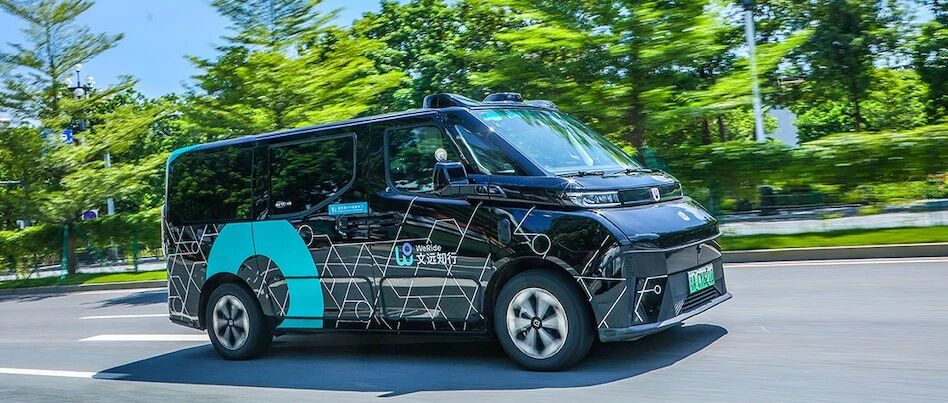
文远知行2025年Robotaxi收入增210%、全年净亏损收窄近35%:5年内部署数万辆Robotaxi
IPO早知道· 2026-03-23 13:55
Core Viewpoint - WeRide (NASDAQ: WRD, HKEX: 0800) has reported significant growth in its financial performance for the fourth quarter and the full year of 2025, highlighting its leadership in the autonomous driving sector and the rapid expansion of its Robotaxi business [3][6][7]. Financial Performance - In 2025, WeRide achieved total revenue of 690 million yuan, a substantial increase of 90% year-on-year, marking a historical high; Q4 revenue reached 314 million yuan, up 123% year-on-year, setting a new record for the highest quarterly revenue since the company's inception [6]. - The core Robotaxi business saw explosive growth, with annual revenue of 150 million yuan, a year-on-year increase of 209.6%; Q4 revenue grew by 66.4% year-on-year to 50.6 million yuan, with domestic Robotaxi registered users increasing by over 900% year-on-year in a single quarter [6][7]. Profitability and Cost Management - WeRide's gross margin for the year reached 30%, with gross profit of 210 million yuan, an increase of 86.8% year-on-year; net loss significantly narrowed, decreasing by 34.2% year-on-year [7]. - The company reported a 15.5% year-on-year reduction in operating losses, indicating improved operational efficiency and cost management [7]. Global Expansion and Market Presence - WeRide's autonomous driving products are now operational in 12 countries and over 40 cities, making it the company with the widest global business coverage in the autonomous driving sector [8]. - The global Robotaxi fleet has reached 1,125 vehicles, with plans to deploy 2,600 vehicles by the end of 2026 and potentially tens of thousands by 2030 [8]. - The service area for Robotaxi in major cities like Beijing and Guangzhou has expanded to over 1,000 square kilometers, including key transportation hubs [8]. Strategic Partnerships and Product Diversification - WeRide has initiated a national-level strategic partnership with ELEVATE Slovakia, marking the first large-scale autonomous driving commercialization project in Slovakia [14]. - The company has also accelerated the commercial deployment of autonomous minibuses, with related revenue growing by approximately 190% year-on-year [17]. - WeRide has launched the W5 autonomous freight vehicle and has deployed autonomous sanitation vehicles in major cities [17]. Recognition and Market Position - WeRide has received recognition from major international banks such as JPMorgan and Macquarie, indicating strong market confidence and potential for growth [18][19]. - The company is positioned among the top five holdings in ARK Invest's Autonomous Technology & Robotics ETF, reflecting significant investor interest [19]. - Macquarie emphasizes the importance of first-mover network effects and scalable profitability models as key factors for success in the Robotaxi industry, praising WeRide's overseas expansion strategy [21].

智能汽车主线周报:三部门提出加快自动驾驶技术攻关突破,看好智能化
Soochow Securities· 2026-03-23 12:24
Investment Rating - The report maintains a positive outlook on the L4 RoboX main line for 2026, suggesting a preference for B-end software stocks over C-end hardware stocks [2][4]. Core Insights - The smart car index decreased by 7.5%, with the index excluding Tesla also down by 7.5%, and the index excluding complete vehicles down by 3.0% [2][8]. - As of March 20, 2026, the smart car index PS (TTM) is at 12.8x, placing it in the 84th percentile since the beginning of 2023; the index excluding Tesla is at 4.5x (58th percentile), and the index excluding complete vehicles is at 7.3x (58th percentile) [2][10]. - Key developments include Guangdong's 2026-2035 industrial plan to accelerate L3/L4 autonomous driving R&D, a meeting by the Ministry of Industry and Information Technology to promote breakthroughs in autonomous driving technology, and Nvidia's launch of the Alpamayo 1.5 autonomous driving model [2][15]. Summary by Sections Market Performance - The smart car index and its sub-indices have shown a decline, with specific stocks like Kaile Co., BYD Electronics, JD Logistics, Horizon Robotics, and Hezhima Intelligent showing the highest gains [2][13]. Industry Developments - Significant changes include the acceleration of L3/L4 autonomous driving R&D in Guangdong, a meeting by three departments to optimize the approval process for autonomous driving, and the planned public trial operation of WeRide in Singapore [2][15]. Investment Recommendations - Recommended stocks include: - H-shares: Xpeng Motors, Horizon Robotics, WeRide, and Hezhima Intelligent - A-shares: Qianli Technology, Desay SV, and Jingwei Hengrun - Downstream application perspectives include Robotaxi and Robovan, with specific companies highlighted for their roles in these segments [2][15]. Supply Chain Insights - Upstream supply chain recommendations include B-end unmanned vehicle OEMs and core upstream suppliers such as testing services, chips, domain controllers, sensors, and chassis components [2][15].
三部门提出加快自动驾驶技术攻关突破,看好智能化
Soochow Securities· 2026-03-23 12:15
Investment Rating - The report maintains a positive outlook on the L4 RoboX main line for 2026, suggesting a preference for B-end software stocks over C-end hardware stocks [2][4]. Core Insights - The smart car index decreased by 7.5% this week, with the index excluding Tesla also down by 7.5%, and the index excluding complete vehicles down by 3.0% [2][8]. - As of March 20, 2026, the smart car index PS (TTM) is at 12.8x, placing it in the 84th percentile since the beginning of 2023; the index excluding Tesla is at 4.5x (58th percentile), and the index excluding complete vehicles is at 7.3x (58th percentile) [2][10]. - Key developments include Guangdong's 2026-2035 industrial plan to accelerate L3/L4 autonomous driving research, a meeting by the Ministry of Industry and Information Technology to promote breakthroughs in autonomous driving technology, and Nvidia's launch of the Alpamayo 1.5 autonomous driving model [2][15]. Summary by Sections Market Performance - The smart car index and its sub-indices have shown a decline of 7.5% and 3.0% respectively, indicating a challenging market environment [2][8]. - The top five gainers in the smart car index include companies like Kaile Co., BYD Electronics, JD Logistics, Horizon Robotics, and Hezhima Intelligent [2]. Industry Developments - The report highlights significant policy changes, including the acceleration of L3/L4 autonomous driving research and the establishment of favorable conditions for mass production [2][15]. - Companies like WeRide plan to launch public trial operations in Singapore, while Nvidia collaborates with major automakers to develop L4 autonomous vehicles [2][15]. Investment Recommendations - Recommended stocks include Xpeng Motors, Horizon Robotics, and others in the B-end software category, while A-share recommendations include Qianli Technology and Desay SV [2]. - The report suggests various investment angles, including Robotaxi and Robovan perspectives, with specific companies highlighted for each category [2].
空天有清音第4期:连接器十五五四大景气方向展望
Changjiang Securities· 2026-03-23 11:24
Investment Rating - The report maintains a "Positive" investment rating for the industry [2]. Core Insights - The report identifies four major trends in the connector industry during the "14th Five-Year Plan" period, focusing on computing power, new energy vehicles, commercial aerospace, and military trade [4][20][30][39]. Summary by Sections Computing Power - Copper interconnects can meet transmission needs within 7 meters in data centers, with a significant increase in demand driven by AI cluster growth and bandwidth requirements [6][8]. - The transition from CPU-centric to GPU-centric architectures has shifted the bottleneck from computation to data interconnect capabilities, necessitating a multi-layer interconnect structure within data centers [10]. New Energy Vehicles - The report highlights a shift towards high-voltage, high-speed, and integrated connector solutions in new energy vehicles, with current usage of high-voltage connectors ranging from 6 to 15 pairs per passenger vehicle and 12 to 45 pairs per commercial vehicle [22][26]. - The market for high-speed connectors is expected to grow rapidly, driven by the increasing data transmission needs of advanced driver-assistance systems (ADAS) and the rise of intelligent connected vehicles [26]. Commercial Aerospace - The commercial aerospace sector is moving towards miniaturization, lightweight designs, and high integration of connectors, with a projected increase in satellite launches and the development of reusable rocket technologies [33][35]. - The demand for connectors is expected to rise due to the electrification of aerospace systems and the need for high-bandwidth, low-latency connections for satellite communications [38]. Military Trade - The report notes a shift in military trade, particularly in air defense systems, from optional to essential configurations, driven by geopolitical tensions and the need for multi-layered defense architectures [41][44]. - Recent military sales approvals indicate a growing demand for integrated air defense systems, highlighting the importance of cost-effective solutions to counter emerging threats [44].

特斯拉AI6芯片,曝光
半导体芯闻· 2026-03-23 10:24
Core Insights - Tesla is optimistic about its chip tape-out timeline, indicating efforts to rapidly enhance its silicon chip manufacturing capabilities [1][3] - CEO Elon Musk is looking forward to the future of the AI6 autonomous driving chip, which is still two generations away from official release, but is already part of the company's ambitious AI hardware roadmap [1][3] - The AI6 chip aims to significantly improve Tesla's autonomous driving technology, humanoid robots, and data center operations [1][3] Group 1 - The AI5 chip has made progress, with Musk stating its design is "on track" and "nearly complete," describing it as a "critical" project requiring his personal involvement [3] - The performance of AI5 is comparable to Nvidia's Hopper level in a single system-on-chip (SoC) configuration and Blackwell level in a dual configuration, but with lower cost and power consumption [3] - AI5 is optimized for edge computing for Optimus robots and Robotaxi vehicles, while also capable of handling data center training tasks [3] Group 2 - The company plans to shorten future chip development cycles to nine months, enabling rapid iterations for AI7, AI8, and higher technologies [4] - Samsung is expected to produce the AI6 chip under a multi-billion dollar agreement, while AI5 will be jointly produced by TSMC and Samsung [4] - These chips will be central to Tesla's full self-driving system, enhancing safety and performance, while also providing efficient reasoning capabilities for expanding data centers [4] Group 3 - The advancement of the AI5 project has led Musk to restart the Dojo 3 supercomputer project, with long-term plans for internal production through the Terafab factory [4] - Tesla aims to accelerate chip development using AI tools to reduce reliance on third-party GPUs and provide high-performance, energy-efficient solutions tailored for its ecosystem [4] - The success of AI6 could mark a significant step for Tesla towards leadership in fully autonomous driving and robotics, although the timeline remains dependent on actual production circumstances [4]

这一存储市场,即将爆发!
半导体芯闻· 2026-03-23 10:24
Core Viewpoint - Micron's CEO predicts that autonomous vehicles will soon require 300GB of storage, indicating a significant demand in the automotive storage market [1] Group 1: Automotive Storage Demand - The storage requirement for vehicles is expected to increase from 16GB to 300GB as manufacturers produce more Level 4 autonomous vehicles [1] - The demand for automotive storage is anticipated to be robust in the long term, similar to the current trends seen in the Mac market where high storage configurations are sold out [1] - The introduction of Level 4 vehicles may lead to shortages and price increases in storage, further raising vehicle costs despite already high expenses [2] Group 2: Broader Implications for Storage - No manufacturers are currently preparing for the anticipated demand for automotive storage, as the mainstream adoption of Level 4 autonomous vehicles is still far off due to regulatory hurdles [2] - The initial wave of autonomous vehicle demand is expected to emerge in commercial applications, potentially igniting a surge in storage needs if services like Waymo and Tesla Robotaxi expand significantly [2] - Beyond autonomous vehicles, humanoid robots are also projected to require similar storage capacities, with each robot needing around 300GB [2]

晚点贾鹏对话证明李想恭喜业务骨干创业获资本市场认可不是空话
理想TOP2· 2026-03-23 10:12AI Processing
2026年3月23日晚点与贾鹏对话里涉及理想/李想部分: 晚点:你在 24 年底开始思考具身智能创业,当时看到了什么信号? 贾鹏:首先是当时理想在预研的 VLA 模型和已经量产的 "双系统" 表现出色,验证了数据驱动范式。 但对我触动最大的,还是当时特斯拉正在开发的 FSD v14,我又惊喜、又失望。惊喜是,他们的思路 和理想类似,也要把世界模型和 VLA 统一;失望是,理想甚至做得更早,在 24 年就引入了语言能 力和长思维链。 那一刻我看到,自动驾驶的技术方法可能已经走到终局了,无非是数据驱动、一体化模型和堆算力。 我就想,等做完手头的工作就去做新的事。 晚点:没有考虑在理想内部继续做具身吗?李想近期说肯定会做人形机器人,马上会拿出成果,这说 明内部可能已经做了一段时间了。 贾鹏:是,有个小团队已探索了近一年。但我还是想挑战自己的极限,自己做公司。而且具身在理想 是第二曲线,我更希望将所有精力和资源都 all in 具身。 晚点:后来怎么和李想提离职的?他说了什么? 贾鹏:他说此时此刻做具身创业,问题不大,方向、时间都 OK。他的经验是,行业里第一个做的通 常会死,但最后成功的一定是第一批。 晚点:当你自 ...

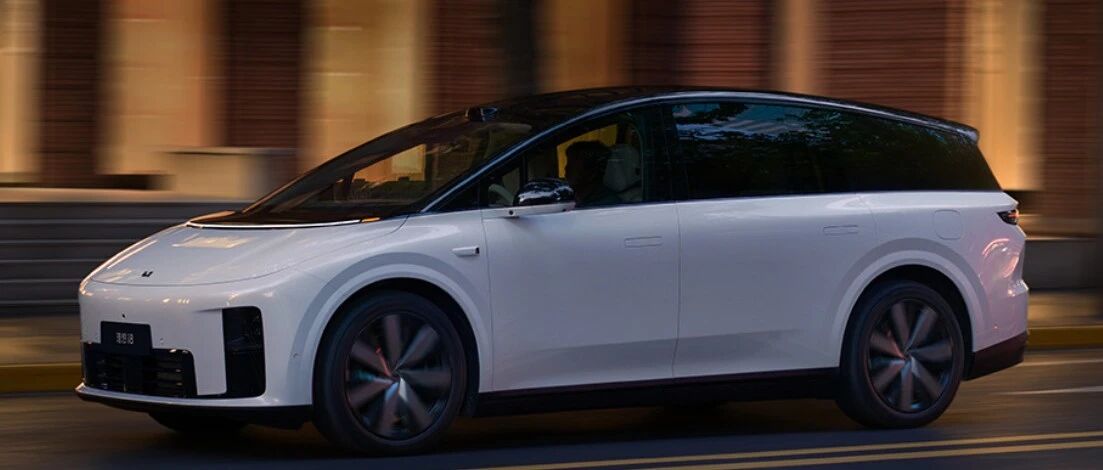
对话文远知行CFO李璇:成为全球自动驾驶公司前两名,运营经验决定走多远丨L4十人谈
雷峰网· 2026-03-23 10:06
Core Viewpoint - The article discusses the rapid expansion of WeRide's Robotaxi fleet in the Middle East, highlighting both the opportunities and challenges faced in international markets, particularly in light of recent geopolitical events [2][3]. Group 1: Company Operations and Expansion - WeRide plans to increase its Robotaxi fleet in the Middle East to nearly 1,000 vehicles by the end of this year [1][20]. - The company has experienced significant differences in market dynamics between domestic and international Robotaxi operations, with average fares in the Middle East around $1 per kilometer compared to approximately 2 RMB in China [3][36]. - WeRide has successfully established operations in Abu Dhabi, where it has expanded its coverage to 70% of the city and aims for full coverage by the end of the year [8][20]. Group 2: Challenges and Responses - Recent geopolitical tensions led to the suspension of operations in Dubai, but operations in Abu Dhabi and Riyadh continued without major issues [2][15]. - The company has implemented measures to ensure employee safety and operational continuity amid regional instability, including relocating staff from areas at risk of missile strikes [17][18]. - WeRide's team in the Middle East is experienced and has adapted to the challenges posed by the local environment, including technical issues with cloud servers that have since been resolved [16][18]. Group 3: Market Strategy and Consumer Acceptance - WeRide's strategy includes collaborating with local partners rather than establishing its own app, which has facilitated smoother market entry and operations [11][21]. - The acceptance of Robotaxi services in the Middle East is high, with consumers valuing privacy and safety, and the company does not rely on discounts to attract customers [22][36]. - The company has tailored its vehicle offerings to meet local preferences, utilizing larger vehicles that are well-suited for the region's market [23][24]. Group 4: Financial Performance and Revenue - WeRide's overseas operations have become a significant revenue contributor, with the international segment expected to account for a large portion of total income [38]. - The company has reported strong unit economics in the Middle East, with daily averages of 15 rides per vehicle in Abu Dhabi and potential for 25 to 35 rides during peak seasons in Dubai [31][37]. - The higher pricing in the Middle East has not negatively impacted demand, allowing for a more profitable business model compared to domestic operations [36][37]. Group 5: Future Outlook and Competitive Position - WeRide aims to become one of the top two companies in the global Robotaxi market, leveraging its technological advancements and operational experience [48][50]. - The company has successfully obtained the first pure unmanned Robotaxi operating license in Europe, indicating its competitive edge in international markets [4][41]. - WeRide's strategy includes expanding into Europe, Singapore, and Japan, while also maintaining a strong focus on domestic operations in China [39][40].