
酒旅融合

Search documents
杏花村里酒成链香成片
Si Chuan Ri Bao· 2025-08-12 22:48
Core Insights - The article highlights the significance of the Fenjiu industry in Shanxi Province, particularly in Fenyang, where the production of Qingxiang (fragrant) liquor is a key economic driver [1][3][4] - The region has established a robust infrastructure for liquor production, including the largest Qingxiang liquor production base in China, contributing significantly to local GDP and employment [3][4][5] Group 1: Industry Overview - Fenyang has become the largest production base for Qingxiang liquor in China, with the liquor industry contributing 50% of the city's GDP, 60% of tax revenue, and 40% of employment [3][4] - The region's liquor production is supported by a historical legacy, with Fenjiu being recognized as a living fossil of Chinese liquor history, boasting a 1500-year history [2][3] Group 2: Production and Market Dynamics - The production process involves nearly 20,000 earthen jars, which are meticulously maintained to ensure the quality of the liquor [1] - The Qingxiang liquor market is projected to exceed 100 billion yuan in sales revenue by 2024, indicating a steady growth trend rather than a rapid surge [4][5] Group 3: Strategic Developments - The Fenjiu Group is focusing on optimizing its product structure and enhancing brand and channel development to maintain double-digit growth [4][5] - The local government has initiated plans to consolidate smaller liquor enterprises into a larger group to enhance competitiveness and market presence [6][7] Group 4: Future Prospects - The "Xinghua Village Fenjiu" professional town aims to become a world-class gathering area for Qingxiang liquor and a model for high-quality development in the liquor industry by 2025 [8] - The projected total output value of the liquor industry in the region is expected to reach 50 billion yuan by the end of 2025 [8]

高端化战略成效凸显 珍酒李渡实现高质量增长
Jin Rong Jie· 2025-08-06 07:58
Core Insights - The company, Zhenjiu Lidu Group, reported a significant revenue growth of 28%-32% for the first half of 2025, reaching a range of 5.8-6 billion yuan, with net profit increasing by 35%-40% to exceed 1.5 billion yuan, outperforming the industry average growth of 8.3% [1][2] - The flagship product, the "Zhen Thirty" series, accounted for 45% of revenue, driving the company's growth [1][2] - The company has successfully implemented a "gradient product matrix" covering price ranges from 800 to 3000 yuan, positioning itself well for the upcoming peak consumption seasons [1] Performance Growth Engines - The high-end product mix continues to perform well, with the "Zhen Thirty" series revenue share increasing by 9 percentage points to 45%, and the collectible version priced at 2999 yuan seeing a doubling in sales [2] - The "gradient product" strategy has established a three-tier product structure, effectively covering the thousand-yuan price range, while the release of 100,000 tons of high-quality base liquor has improved product quality and raised the gross margin of high-end products to 82.3% [2] - The "Master Workshop" limited customization service has attracted a high repurchase rate of 67% among high-net-worth clients [2] Digital Channel Efficiency - The inventory turnover days for distributors decreased from 45 to 33 days, with a terminal sales rate of 83%, outperforming the industry average by 10 percentage points [3] - The investment of 280 million yuan in the "Cloud Store 2.0" intelligent system has enabled real-time monitoring of terminal data and dynamic replenishment [3] - The company has increased its group purchase channel share to 38%, with an average order value of 280,000 yuan, supported by marketing initiatives such as sponsoring golf events [3] Lean Management Enhancing Profitability - The "Smart Brewing Project" has reduced steam energy consumption by 15%, saving over 60 million yuan annually [4] - The implementation of a "cooperative + contract farming" model at the Zunyi sorghum planting base has lowered raw material cost share from 21% to 18.5% [4] - Supply chain optimization has led to a 1.8 percentage point decrease in overall expense ratio, pushing the net profit margin to a historical high of 25.2% [4] Strategic Positioning in Industry Changes - Amid a 8% decline in white liquor production over the past three years, the company has achieved counter-cyclical growth through a "dual brand + multiple aroma" strategy, focusing on high-end business markets and cultural liquor segments [5] - An additional investment of 360 million yuan in wine tourism integration will establish a "brewing heritage park + sealed wine cellar" complex, expected to attract 500,000 visitors annually and generate 120 million yuan in derivative sales [5] - The company has received 240 million yuan in matching funds from local government, aligning with Guizhou's "ecologicalization of the liquor industry" policy [5] Market Recognition and Development Outlook - Following the earnings forecast, CITIC Securities raised the target price to 42 HKD, noting that the company's high-end strategy is progressing 12 months ahead of expectations [6] - The current price-to-earnings ratio stands at 28 times, lower than Moutai's 35 times but higher than the industry average of 20 times, indicating market recognition of the company's growth potential [6] - The management has committed to allocating 5% of revenue for aging liquor reserves to support the goal of reaching 10 billion yuan in revenue by 2026 [6]
舍得酒业高层格局生变?前“复星系”董事长倪强辞任董事
Sou Hu Cai Jing· 2025-07-31 05:31
Core Viewpoint - The resignation of Ni Qiang, the former chairman of Shede Liquor, marks a significant shift in the company's management structure, potentially impacting its strategic direction and governance dynamics [1][5][9]. Management Changes - Ni Qiang submitted his resignation due to work reasons and will no longer hold any position within the company, despite his term originally set to expire on September 20, 2026 [1][2]. - The board expressed gratitude for Ni Qiang's contributions during his tenure, indicating that his departure is part of normal personnel adjustments and will not significantly affect the company's operations [2][5]. Background of Ni Qiang - Ni Qiang, born in 1977, has a master's degree and has held various positions within the Fosun Group since 2012, including chairman and CEO of Shanghai Yuyuan Cultural Commercial Group [3][5]. - He took over as chairman of Shede Liquor in January 2023 but stepped down from the position in December of the same year, remaining a board member until his recent resignation [5][6]. Current Leadership - The new chairman, Pu Jizhou, is a veteran of the company and lacks ties to the Fosun Group, suggesting a shift towards a more locally rooted management approach [5][9]. - The board previously had a significant representation from the Fosun Group, which may now be balanced following Ni Qiang's exit, potentially affecting decision-making dynamics [6][9]. Financial Performance - Under Ni Qiang's leadership, Shede Liquor reported a revenue of 7.087 billion yuan in 2023, a year-on-year increase of 17.04%, and a net profit of 1.769 billion yuan, up 4.98% [9]. - However, in 2024, the company faced a decline in both revenue and net profit, with total revenue dropping to 5.357 billion yuan, a decrease of 24.41%, and net profit falling to 346 million yuan, down 80.46% [9][10]. Strategic Direction - In 2025, Shede Liquor aims to implement an "old liquor strategy" to counteract declining performance, focusing on channel expansion and brand enhancement [10]. - The company is also exploring new business models, such as "wine tourism integration," with significant investments planned for related projects [10][12]. Market Position - As of July 30, 2023, Shede Liquor's stock price was 53 yuan, with a market capitalization of approximately 17.655 billion yuan [12][13].



习近平总书记关切事|贺兰山下种出“紫色梦想”——把地方特色产业做优做强之四
Xin Hua She· 2025-07-30 13:01
Core Viewpoint - The Ningxia wine industry has transformed barren land into a thriving sector, providing significant employment and income opportunities for local farmers, while also focusing on ecological restoration and cultural integration [1][2][4]. Group 1: Industry Development - The Ningxia Helan Mountain region is recognized as a prime area for wine grape cultivation, with over 600,000 acres dedicated to wine grape planting and an annual production of 140 million bottles of wine [2][4]. - The wine industry in Ningxia has created approximately 130,000 jobs and generated a wage income of 1.22 billion yuan for local farmers [1][4]. - The comprehensive output value of the Ningxia wine industry has reached 45 billion yuan, with the establishment of a national comprehensive experimental zone for the grape and wine industry in 2021 [4][5]. Group 2: Economic Impact - The source stone winery has seen its annual visitor numbers exceed 400,000, with wine sales increasing from over 20 million yuan to 50 million yuan in five years, where over 50% of sales are driven by tourism [3][4]. - The export value of Ningxia wine reached 13.75 million yuan in 2024, marking a year-on-year growth of approximately 42% [5]. Group 3: Ecological and Cultural Integration - The Ningxia wine industry is integrating ecological restoration efforts, having transformed over 400,000 acres of barren land into green oases, while also focusing on cultural tourism [4][5]. - The industry emphasizes the importance of wine tourism, allowing consumers to engage with the wine culture and the unique terroir of the region [2][3].
酒鬼酒爆火后湖南白酒市场的机遇于挑战
Sou Hu Cai Jing· 2025-07-30 03:43
Opportunities - Brand effect drives regional market enthusiasm, with the success of Jiu Gui Jiu enhancing the visibility of Hunan liquor nationally, creating opportunities for local brands like Xiang Jiao and Wu Ling Jiu to expand [4] - Policy and industrial upgrades support the liquor industry, with Hunan's "14th Five-Year Plan" aiming to build a trillion-level food industry chain, potentially favoring high-value industries like liquor through tax incentives and subsidies [4] - Consumption upgrade and localization trends are evident, as rising GDP (expected to exceed 70,000 yuan in 2024) boosts demand for mid-to-high-end liquor, allowing local brands to capture the sub-high-end price range (300-800 yuan) [4] - Channel penetration and digitalization opportunities arise, with underdeveloped county-level markets for liquor that can be accessed through community marketing and live e-commerce [4] Challenges - Market competition intensifies as national brands like Moutai and Wuliangye penetrate the Hunan market, putting pressure on local brands regarding channel access and brand recognition [5] - Quality and production capacity bottlenecks exist, with Hunan liquor accounting for only about 2% of national production in 2024, raising concerns about supply chain management and potential quality fluctuations [5] - Cultural recognition and differentiation challenges arise, as local brands lack national recognition in categories like sauce and strong aroma types, necessitating long-term consumer education [5] - External risks include economic downturn pressures affecting consumption in banquet and gift scenarios, as well as stricter environmental policies impacting water sources and emissions for liquor production [5] Recommendations - Strengthen regional collaboration by establishing a "Xiang Jiu Alliance" to promote the "Hunan Production Area" concept collectively, avoiding isolated efforts [6] - Drive innovation through technology and culture by partnering with universities to develop brewing techniques while leveraging Hunan cultural narratives to enhance brand storytelling [6] - Innovate distribution channels by exploring instant retail options (e.g., Meituan Flash Purchase) and membership-based private traffic to counter traditional channel barriers [7]

仁怀拟建白酒快递专列;美团闪购预计全年青啤成交额15亿
Sou Hu Cai Jing· 2025-07-29 09:13
Group 1 - Guizhou's retail sales of tobacco and alcohol increased by 7.4% in the first half of 2025, with a total retail sales growth of 4.0% year-on-year [2][3] - In the first half of 2025, the production of liquor in Lüliang City decreased by 0.8%, while the overall industrial added value grew by 3.9% [2][3] - The city of Renhuai is exploring the establishment of a "express train" for liquor delivery to enhance export trade and market promotion [4][5] Group 2 - Moutai launched a promotional event for its products, offering discounts and prizes, running from July 28 to August 3 [5] - Moutai's distributor association in Henan held a re-election meeting, emphasizing the need for transformation and technology integration to meet consumer demands [5] - Moutai Fund has invested in Leju Robotics, increasing its registered capital by approximately 19.5% [5][6] Group 3 - Qingdao Beer expects its transaction volume on Meituan Flash Purchase to exceed 1.5 billion yuan in 2025, driven by significant growth in key products [7] - Huazhi Youxuan focuses on a new retail model combining products and services, aiming for rapid turnover and customer engagement [7] - Fenggu Liquor is strategizing for the second half of 2025, emphasizing quality and sustainable development in its operations [8] Group 4 - A compliance notice for the production and operation of sauce-flavored liquor was issued, emphasizing the importance of maintaining the reputation of Guizhou liquor [8][9] - The National Standardization Technical Committee for Winemaking announced plans to revise standards for mountain grape wine and ice wine [10] - Shanzhuang Group's new brewing base project, with an investment of 2.34 billion yuan, is set to be operational by the end of the year, significantly increasing production capacity [10] Group 5 - Rémy Cointreau reported a 5.7% organic sales growth in the first quarter of the 2025-26 fiscal year, with a slight decline in the Chinese market [10]



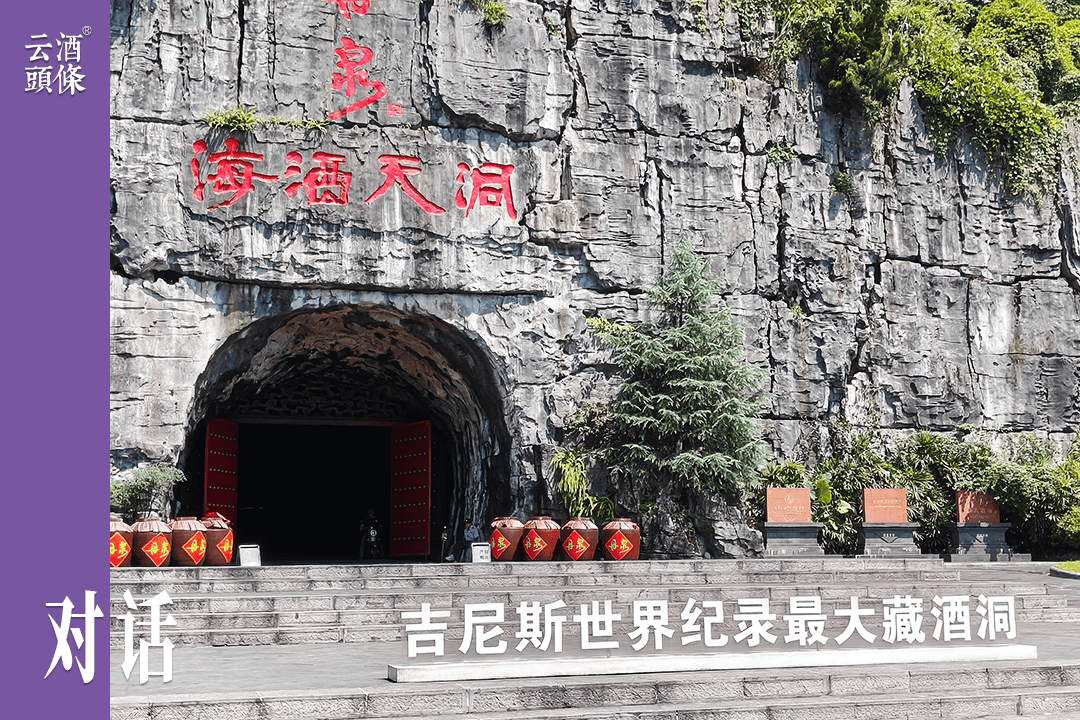
对话潘正福:解码丹泉酒业的逆势密码
Sou Hu Cai Jing· 2025-07-28 17:04
Core Viewpoint - The Chinese liquor industry is currently facing a "triple overlap" period characterized by consumption structure transformation, deep adjustment of stock competition, and policy changes, leading to increased market differentiation [2] Group 1: Industry Overview - The liquor industry is undergoing a significant reshaping, with some resilient companies demonstrating adaptability amidst the challenges [2] - The market is experiencing a decline in profits, with 60% of surveyed liquor companies and distributors reporting reduced operating profits in the first half of 2025 [16] Group 2: Company Profile - Danquan Liquor - Danquan Liquor has established a complete chain from product production to consumer experience, enhancing brand loyalty and transforming from "selling products" to "selling lifestyles" [3][26] - The company has invested over 10 billion yuan in building an ecological liquor production base, producing 15,000 tons of liquor annually, making it the largest quality liquor production base in Guangxi [10] - Danquan Liquor was recognized as a "Chinese Time-honored Brand" by the Ministry of Commerce in 2024, marking its historical significance and ongoing vitality [12] Group 3: Production and Quality - The unique geographical and climatic conditions of Nandan County provide Danquan Liquor with a competitive edge, contributing to the distinctive flavor and quality of its products [6] - The company emphasizes talent development, having trained over 500 employees in 2025 alone, ensuring high-quality production standards [26][28] Group 4: Marketing and Sales Strategy - Danquan Liquor has introduced the "189 model," which involves establishing a distributor in each county and opening flagship stores, enhancing customer experience and binding interests among manufacturers, partners, and store managers [13][17] - The company has invested 2.3 billion yuan in developing four national 4A-level tourist attractions, integrating tourism with liquor production to enhance consumer engagement and brand recognition [19][25] Group 5: Future Goals - Danquan Liquor aims to achieve a revenue target of 10 billion yuan, positioning itself among the top players in the liquor industry [26]
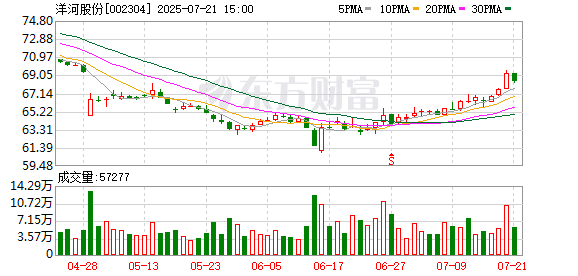
洋河新董事长顾宇上任,从政务背景转向企业实战如何破局?
Nan Fang Du Shi Bao· 2025-07-21 14:16
Group 1 - The new chairman of Yanghe Co., Ltd., Gu Yu, has been elected following the departure of the previous chairman, Zhang Liandong, with his term aligning with the eighth board of directors [1][3] - Gu Yu has a strong background in local government and has previously held various positions in Suqian City, which provides him with deep insights into Yanghe's operations [3] - The company is facing significant performance pressures in 2024, with challenges in brand rejuvenation, profit transparency, inventory pressure, and the need for accelerated marketing transformation [4][5] Group 2 - Gu Yu's leadership will focus on reversing the decline in performance, restoring market confidence, and addressing inventory issues while enhancing brand strength [4][5] - Potential strategies may include strengthening government-enterprise collaboration and creating an ecological barrier in the production area, as well as integrating resources from small and medium-sized liquor companies [5]

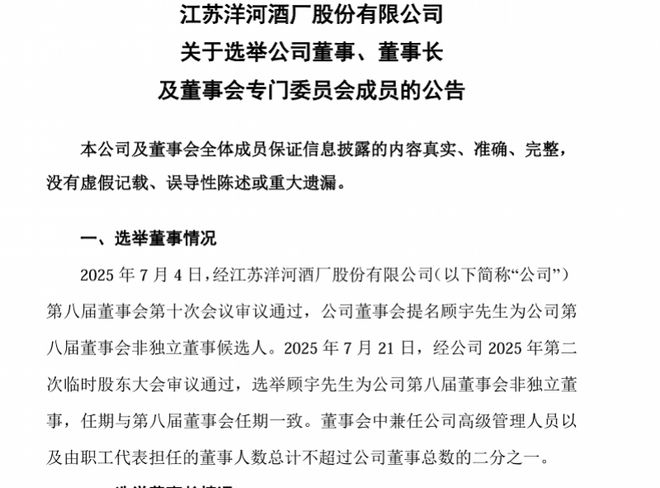
顾宇出任洋河股份董事长:履新即迎四大挑战,地方治理经验能否破局?
Mei Ri Jing Ji Xin Wen· 2025-07-21 12:11
担任洋河股份党委书记还未"满月",顾宇今日出任洋河股份新一任董事长!眼下,洋河股份正面临品牌 势能下降、渠道利润空间收窄、产品库存压力犹存以及营销转型滞后等四大问题,作为当地"70后"杰出 代表的顾宇能为洋河股份带来怎样的改变,备受市场期待。 顾宇出任洋河董事长 与此同时,洋河股份7月21日下午召开的2025年第二次临时股东大会还审议通过了《关于选举顾宇先生 为公司第八届董事会非独立董事的议案》 。 洋河股份7月21日晚间发布《第八届董事会第十一次会议决议公告》,根据公告,洋河股份董事会审议 通过了《关于选举公司董事长的议案》,选举顾宇为公司第八届董事会董事长,任期与本届董事会任期 一致。 不过,张联东任内推动"洋河+双沟"双名酒战略与数字化转型,也为洋河股份奠定了未来竞争的基础。 上个月,洋河股份就与京东达成战略合作,宣布在供应链优化、新产品开发、数字化营销、人工智能应 用等领域发力,同时双方发布洋河大曲高线光瓶品牌营销战略规划,发力光瓶酒市场。 因此,顾宇此番履新,其能否将地方治理经验转化为企业经营效能,带领洋河穿越行业寒冬,将是检验 其管理智慧的关键。 (文章来源:每日经济新闻) 资料显示,顾宇1978 ...
锦江酒店发布2025年半年度业绩预告:聚焦主业显韧性,扣非净利润呈现增长
Quan Jing Wang· 2025-07-15 10:58
7月14日晚间,锦江酒店发布了2025年半年度业绩预告,从内容来看,锦江酒店2025上半年度整体经营 呈现"营收与净利润短期调整,核心业务盈利能力稳步提升"的特点,其中扣除非经常性损益后的净利润 为3.9亿元到4.1亿元,预计实现同比增长0.38%至5.53%,显示出公司在聚焦主业、资产结构优化及运营 管理方面的积极成效。 锦江酒店在半年度业绩预告中表示,2025年下半年公司将牢牢把握国内外市场形势发展的机遇,坚定推 进核心战略,积极提升酒店经营效率和管理效率,持续升级会员体系,提升服务质量,稳步推进规模化 扩张和深度布局下沉市场,努力提升经营业绩。 扁平化改革初显成效 近年来,国内酒店市场步入转型阶段,转向服务革新、资产盘活、技术升级与品牌较量等多个层面。这 种全方位的竞争,正驱动着整个行业及相关企业朝着更精细、更具特色的方向发展。 作为国内酒店行业的领军者,锦江酒店积极求变,聚焦结构优化与运营效率提升。据悉,锦江酒店(中 国区)正全力推进新一轮深化改革,在组织架构调整上,以"做精总部、做强区域、做实省区"为核心理 念,开展组织扁平化改革,并全面推行属地化管理模式。 此番调整意义重大,锦江酒店通过总部赋予区 ...
