
营商环境

Search documents
拼经济,拼出又高又新“桥林速度”
Xin Hua Ri Bao· 2025-07-28 23:23
盛夏时节,桥林大地干劲满满。兰花塘未来农业展示体验中心项目功能板块建设启用,林山雅苑综合体 开启运营,70多个企业在桥林注册落户……古镇新城的经济活力持续释放,处处生机勃发,勾勒出一 幅"千帆竞发"的奋进图景。 南京市浦口区桥林街道坚持将学习教育与推动发展两手抓、两促进,进一步深入贯彻落实区委五届十二 次全会决策部署,锚定一体推进"四大行动"、聚力建设产业强区的目标,帮助企业排忧解难、安心发 展,推动优化桥林营商环境再上新台阶。 促改革,推出硬核举措,激活招商引资"新动能" 面对高质量发展的时代命题,桥林直击招商引资这一区域发展的"生命线"。聚焦项目攻坚,街道将招商 引资作为"一号工程"抓,坚持以"一把手"抓招商,主要领导抓落实,全面统筹协调招商引资工作中的困 难问题,提高目标企业的有效对接率、洽谈项目的签约转化率和落地项目的建设推进力。 面对街道空间要素不足等短板,桥林街道以全局观念和系统思维不断升级优化招商引资体系,围绕开发 区"1+5+N"产业发展方向,深入研究产业链上下游,逐步形成项目信息、资源共享共用、联合联动招商 格局。同时加强载体协同,持续强化与开发区标准化厂房、研发中心等载体资源共享,实现空间 ...
民建上海中小企业发展会议举行 推动企业高质量发展
Zhong Guo Xin Wen Wang· 2025-07-28 16:23
Core Viewpoint - The "2025 Shanghai Small and Medium Enterprises Development Status Survey Report" indicates that Shanghai's SMEs are maintaining stable revenue, with specialized and innovative SMEs showing stronger resilience, while facing differentiated challenges across various industries [1][2]. Group 1: Current Status of SMEs - Shanghai's SMEs exhibit robust vitality, with overall stable operations despite significant pressures and increasing industry differentiation [2]. - SMEs are experiencing a common funding gap and recruitment difficulties, while the overall satisfaction with the business environment remains high [2]. - The impact of "reciprocal tariffs" poses challenges for SMEs, necessitating collaborative responses [2]. Group 2: Recommendations for High-Quality Development - Suggestions include creating a better environment for SMEs by supporting market expansion and enhancing government service quality [3]. - Strengthening support for SMEs through tiered cultivation and promoting investment financing convenience is essential [3]. - Building confidence by safeguarding the rights of SMEs and encouraging collaborative development across the industry chain is crucial [3]. Group 3: Specific Measures and Initiatives - Shanghai's Economic and Information Commission emphasizes tiered cultivation to guide SME development and enhance service quality through multi-dimensional support [3]. - The initiative aims to establish a "Shanghai Enterprise Service Brand" and implement a "Key Enterprise Service Package" to attract and protect SMEs [3]. - The launch of the "Angel Investment Youth Innovation Engine" roadshow series aims to provide new perspectives and ideas for SME development, with a focus on artificial intelligence [4].
外资企业在佛山|封面话题
Sou Hu Cai Jing· 2025-07-28 13:30
Group 1 - SEW Group is investing over 10 billion in a world-class high-end equipment manufacturing base in Foshan, with a 200,000 square meter facility expected to begin trial production by the end of the year [3][4] - Foshan has attracted over 8,500 foreign enterprises, showcasing its strong appeal and ability to draw foreign investment [4][5] - In the first half of this year, Foshan's actual foreign investment reached 2.92 billion, a year-on-year increase of 69.9%, ranking second in the Pearl River Delta [4][12] Group 2 - The history of foreign investment in Foshan dates back to the reform and opening-up period, with the first foreign enterprise established in 1978 [5][6] - Foreign investment has significantly contributed to the growth of local industries, creating numerous job opportunities and enhancing the local economy [5][6] - The textile industry in Foshan has seen substantial growth due to foreign investment, particularly from Hong Kong, which accounts for over 60% of actual foreign investment in the region [5][6] Group 3 - The automotive industry in Foshan has developed a cluster effect, with significant investments from Japanese companies such as Toyota and Honda, leading to a production value exceeding 100 billion [6][9] - SEW Group's investment in Foshan includes a project for industrial gear reducers, with the facility expected to start trial production by the end of the year [7][9] - Toray Industries has expanded its investment in Foshan, establishing multiple subsidiaries in the region since 2017 [9][17] Group 4 - Foshan's complete industrial chain, covering various sectors, is a key factor attracting foreign investment, allowing companies to find suppliers and talent easily [12][13] - The city has seen a shift in foreign investment focus from simple processing to advanced manufacturing and emerging industries [19][20] - The establishment of a favorable business environment, including efficient government services, has further enhanced Foshan's attractiveness to foreign investors [27][30] Group 5 - The "chain leader" effect is evident in Foshan, where major projects attract additional investments and create a ripple effect in the local economy [25][26] - The local government has implemented measures to optimize the business environment, including a comprehensive service system for foreign enterprises [27][31] - Foshan's "30 measures to stabilize foreign investment" aim to enhance the investment climate and support foreign enterprises in the region [31]


31省经济成绩单!谁在裸泳?谁在闷声发大财?
Sou Hu Cai Jing· 2025-07-28 12:19
Group 1 - The core viewpoint of the article emphasizes that the economic half-year report of 31 provinces in China serves as a comprehensive assessment of the country's economic performance, influencing everything from national policy to local market prices [1] - The overall GDP growth rate for the first half of the year is reported at 5.5%, which is an increase of 0.5 percentage points compared to the first quarter, but the performance varies significantly among provinces [3] - High growth rates in provinces like Shaanxi and Inner Mongolia, exceeding 6.5%, are attributed to their strong energy resources, while provinces with lower growth rates must focus on sustainable development rather than just speed [3][4] Group 2 - The article discusses the importance of "new engines" for economic growth, highlighting that provinces with a high proportion of high-tech industries, such as Guangdong and Jiangsu, are better positioned for resilience against economic fluctuations [4][5] - The concept of "energy transition" is introduced, indicating a shift from traditional resource-based growth to technology and innovation-driven growth, with provinces adopting different strategies to achieve this [6] - Provinces like Zhejiang and Guangdong are leading the way in digital economy and manufacturing upgrades, while others like Shanxi and Hebei are transitioning from coal and steel to renewable energy and new technologies [6][7] Group 3 - The article emphasizes the significance of optimizing the business environment as a crucial economic catalyst, with various provinces implementing measures to streamline processes for businesses [9][10] - The focus on fairness in the business environment is highlighted, with examples of provinces ensuring equal treatment for all types of enterprises, which is essential for fostering a healthy economic ecosystem [10][11] - The need for stable policies is stressed, as frequent changes can deter investment and create uncertainty for businesses [11] Group 4 - Promoting consumption is identified as a key strategy for economic growth, with consumer spending contributing 77.2% to economic growth in the first half of the year [12] - The article argues that the root cause of low consumer spending is not merely a lack of incentives like coupons, but rather concerns about stable income and future security [12][13] - Strategies to increase consumer confidence include raising wages, reducing financial burdens, and creating new spending opportunities that align with changing consumer preferences [13][14] Group 5 - The article concludes that while there are challenges ahead, there is potential for economic improvement in the second half of the year, provided that local governments and businesses take proactive measures [15] - It emphasizes the importance of genuine efforts from businesses to innovate and adapt rather than relying solely on government support [15] - The overall message is one of resilience and collaboration, suggesting that with collective effort, economic conditions can improve significantly [15]

市政府召开第158次常务会议:认真学习贯彻习近平总书记重要讲话重要文章精神,研究深化“高效办成一件事”改革优化政务服务工作
Chang Jiang Ri Bao· 2025-07-27 10:19
Group 1 - The meeting emphasized the importance of understanding Xi Jinping's discourse on opening up to the outside world, highlighting Wuhan's strategic position in the national opening-up framework [1] - The focus is on accelerating the restructuring of open channels and reshaping the logistics system, aiming to strengthen the "five-type" national logistics hub and establish important nodes along the land, sea, and air Silk Roads [1] - There is a strong push for industrial transformation and upgrading, with a significant emphasis on developing service trade and digital trade to enhance the level of an open economy [1] Group 2 - The meeting called for a resolute implementation of the decisions made by the central government and provincial authorities, enhancing the awareness of promoting the "efficient handling of affairs" reform from the perspective of enterprises and the public [2] - It aims to optimize administrative service processes and innovate models, promoting more cross-regional handling, exemption from application, and intelligent processing to improve satisfaction and sense of gain among enterprises and the public [2] - The focus is on strengthening service integration and improving the "five ones" system mechanism, emphasizing process reengineering to achieve optimal handling processes, diversified methods, minimal costs, and simplified systems [2]
深圳龙岗企业服务“述职” 着力破解企业成长烦恼
Sou Hu Cai Jing· 2025-07-26 10:50
Core Insights - The article highlights the success story of Shenzhen Yuguang New Materials Co., Ltd., which achieved a breakthrough in domestic production of thermosetting liquid crystal film technology, previously monopolized by foreign companies for 40 years, significantly reducing prices to make it accessible to consumers [1] - The government of Longgang District has implemented a comprehensive support system for enterprises, focusing on creating a business-friendly environment and enhancing service efficiency [2][3] Group 1: Government Support and Initiatives - Longgang District has established a dedicated Enterprise Service Center to streamline communication between businesses and government, addressing issues faced by enterprises [3] - The district's government officials have visited 26,000 enterprises and resolved 2,389 issues in the past year, demonstrating a proactive approach to service [3] - The "Longi Enterprise" platform has received 838 requests in the first half of the year, achieving a completion rate of 95% [3] Group 2: Economic Development and Collaboration - Longgang District has organized numerous large-scale events, facilitating cooperation among over 20,000 enterprises, resulting in collaborations worth over 2 billion yuan [3] - The district has launched various financial initiatives, including "Park Loans," "Seed Loans," and "Credit Loans," with a total investment of 1.78 billion yuan in "Credit Loans" alone [4] - The district is focusing on international expansion for enterprises, establishing an "all-weather, all-cycle, all-chain" support system for businesses venturing abroad [5] Group 3: Business Environment and Feedback Mechanisms - The Longgang District's business environment complaint supervision center has been recognized for its innovative service cases, receiving 102 complaints with an average processing time of 23.1 days [5] - The district has set up liaison stations in local chambers of commerce and industry associations to enhance grassroots communication and feedback [6] Group 4: Tailored Support for Enterprises - Longgang District has introduced a "Cadre Assistance to Enterprises 2.0" program, assigning dedicated service teams to 8,355 enterprises for continuous support [7] - The district has developed a "10+N" opportunity list to match government resources with the diverse needs of enterprises, fostering a vibrant industrial cluster [10] - The district is also focusing on nurturing specific sectors, such as 3D printing and smart home technology, to create a comprehensive ecosystem for innovation [11] Group 5: Achievements and Future Outlook - As of now, Longgang District has nurtured 3,612 national high-tech enterprises and 1,756 specialized and innovative enterprises, showcasing its commitment to fostering business growth [12] - The district government emphasizes its role as a long-term partner for enterprises, aiming to create an optimal business environment for innovation and development [12]
贵州省司法厅守牢行政文件合法关口 当好“红头文件”的“法治守门人”
Ren Min Wang· 2025-07-26 01:30
Core Viewpoint - The Guizhou Provincial Department of Justice plays a crucial role in ensuring the legality of administrative normative documents, thereby safeguarding the rule of law, optimizing the business environment, and protecting citizens' rights [1][2][4]. Group 1: Responsibilities and Mechanisms - The Department has established a comprehensive mechanism for document review, including "pre-review, record review, and post-review" to ensure the legality of documents affecting the rights and obligations of administrative counterparts [2][3]. - In 2024, the Department reviewed 49 administrative normative documents from the provincial government, providing 62 suggestions that were all adopted [2]. - The "one document, six reviews" system ensures that every document undergoes thorough legal scrutiny before submission to the provincial government [2][3]. Group 2: Legal Compliance and Public Interest - The Department emphasizes that even minor financial matters must be legally justified, particularly in areas of public concern such as property management fees and medical insurance [4]. - In reviewing the implementation opinions for major disease medical insurance, the Department advocated for including impoverished rural and urban populations in the support scope, ensuring that policy benefits reach those in need [4]. Group 3: Addressing Local Governance Challenges - The Department has implemented a "100% submission rate and 100% record rate" policy to address issues of incomplete document submissions at the grassroots level, resulting in the correction of 43 out of 322 reviewed documents [3][5]. - A closed-loop management system has been established to prevent unapproved documents from being presented at government meetings, effectively intercepting 9 problematic documents in 2024 [3][4]. Group 4: Capacity Building and Innovation - To enhance the review capabilities at the grassroots level, the Department has introduced a "resident supervision + case training" model, covering 9 cities and 17 counties in 2024 [5]. - The Department aims to build a robust support system, including institutional, technical, and capacity support, to ensure effective document review and compliance with legal standards [7].
170家欧资企业与江苏无锡高新区共成长(见证·中国机遇)
Ren Min Ri Bao· 2025-07-25 21:41
Core Viewpoint - The article highlights the rapid growth and investment opportunities in Wuxi High-tech Zone, particularly for foreign enterprises, driven by a favorable business environment and the booming automotive and new energy sectors in China [1][2][4]. Group 1: Company Growth and Investment - Gaolu Precision Technology has experienced annual revenue growth of 5% to 15% since its establishment in 2004, becoming a leading player in its niche [1]. - The company plans to invest an additional 200 million RMB in Wuxi High-tech Zone by 2025 to expand production lines for new energy vehicle components [2]. - TLD Group's subsidiary in Wuxi has seen sales growth from 200 million RMB in 2022 to 630 million RMB in 2024, indicating a strong upward trend [5][6]. Group 2: Business Environment and Support - Wuxi High-tech Zone has implemented ten facilitation measures for foreign nationals, enhancing the business environment for foreign companies [3]. - The local government has streamlined processes for business operations, such as online registration with minimal documentation [3]. - The establishment of specialized courts for intellectual property and international commerce has strengthened the legal framework for businesses [3]. Group 3: Industry Ecosystem and Collaboration - The presence of a complete industrial ecosystem in Wuxi allows companies to source 100% of their key components locally, significantly reducing costs [5][6]. - The introduction of a U.S. company to fill a gap in the supply chain has led to collaborative product development and the growth of local suppliers [6]. - Companies like Bosch and Schneider Electric are expanding their R&D and manufacturing capabilities in Wuxi, contributing to a robust innovation ecosystem [9][10]. Group 4: Future Prospects and Strategic Initiatives - Wuxi High-tech Zone aims to attract more foreign investment by enhancing its innovation ecosystem and integrating into global networks [10]. - The region is focusing on high-tech industries such as IoT, integrated circuits, and biomedicine, with high-tech industries accounting for over 80% of industrial output [10]. - Companies are optimistic about the future, with many planning to increase their investments and expand their operations in response to China's high-quality development initiatives [8][9].
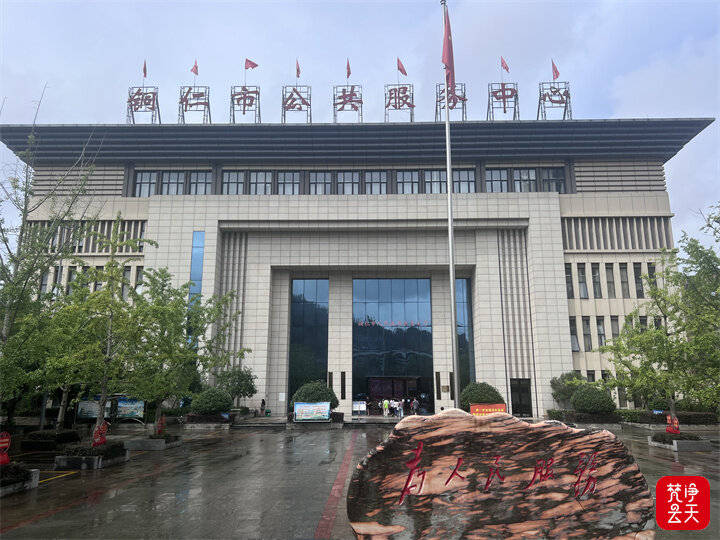
铜仁“企业之家”:用心为企排忧 全力助企腾飞
Sou Hu Cai Jing· 2025-07-24 23:38
Core Viewpoint - The "Enterprise Home" initiative in Tongren City is a crucial support for the development of private enterprises, enhancing the business environment and promoting high-quality economic growth [1][3]. Group 1: Policy Implementation - In December 2024, the Guizhou Provincial Government issued the "Operational Mechanism of Guizhou's 'Enterprise Home'," leading to the establishment of a comprehensive service system in Tongren City that ensures policy benefits reach enterprises effectively [3]. - Since its inception in 2023, the "Enterprise Home" has processed 433 various enterprise requests with a 100% resolution rate, demonstrating a commitment to responsive service [3]. Group 2: Service Enhancement - The "Enterprise Home" actively engages with businesses through face-to-face interactions to gather feedback and address issues, ensuring that requests are documented and addressed promptly [5]. - A collaborative service group has been formed to implement a comprehensive mechanism for collecting and addressing enterprise needs, ensuring tailored solutions for each business [5]. Group 3: Infrastructure Development - Tongren City has expanded its service points, adding three township service points, three park service points, one financial service point, and one community micro-enterprise park service point to enhance local service accessibility [5]. - The initiative promotes the development of specialized service guides based on local industries, creating a distinctive service ecosystem in Tongren [7]. Group 4: Future Outlook - The city aims to continue enhancing the "Guiren Service · One Vision Tongren" brand, focusing on precise policies, efficient services, and a favorable environment to support the sustainable growth of enterprises [7].
坚定信心攻坚克难激发动能 加力推动经济持续回升向好
Xin Hua Ri Bao· 2025-07-24 21:24
Group 1 - The provincial government emphasizes high-quality development to achieve annual goals, focusing on expanding domestic demand, technological innovation, and major project leadership [1] - The development of the Xuetang Port area is highlighted as a key component for building a comprehensive transportation hub, aiming to enhance coastal high-quality development [1] - Longhua Chemical's CO2 polyether and high-performance polyol project is recognized as a significant provincial project, with a call for safety and green development in the petrochemical industry [2] Group 2 - The government encourages the development of water tourism resources, including yacht and cruise activities, to stimulate new consumption trends in Jiangsu [2] - There is a focus on improving residential quality and increasing the supply of high-quality housing to enhance residents' living satisfaction [2] - The legacy of Wang Jicai, a local hero, is used to inspire patriotism and dedication among the community, aligning with the goals of high-quality development and modernization [2]