中国式现代化

Search documents
省十四届人大四次会议隆重开幕
He Nan Ri Bao· 2026-01-26 11:07
Core Points - The 14th People's Congress of Henan Province opened on January 26, with 950 representatives, of which 904 were present, meeting the legal quorum [4] - Governor Wang Kai delivered a government work report, highlighting the achievements and challenges faced during the past five years, emphasizing the importance of Xi Jinping's leadership and the implementation of key policies [8][9] - The report outlined the main goals for the 15th Five-Year Plan period, focusing on high-quality development, effective governance, and the integration into the national market [10][11] Summary by Sections Review of the 14th Five-Year Plan and Work in 2025 - The past five years were described as extraordinary, with significant achievements in economic stability, industrial transformation, rural revitalization, and environmental improvement [8] - The report emphasized the importance of collective efforts from the provincial leadership, the people's support, and effective supervision from various sectors [9] Main Goals and Tasks for the 15th Five-Year Plan - The 15th Five-Year Plan is seen as a critical period for achieving socialist modernization and addressing regional disparities [10] - Key strategies include expanding effective demand, promoting innovation, and enhancing urban-rural integration [10] Key Work Arrangements for 2026 - The government aims to achieve specific economic targets, including a 5% economic growth rate, a 6.5% increase in industrial output, and a 5.5% rise in retail sales [11] - Ten priority areas for work include enhancing market integration, expanding domestic demand, advancing rural revitalization, and ensuring environmental sustainability [12]

汇聚奋斗微光,映照奋进中国
Zhong Guo Xin Wen Wang· 2026-01-26 07:06
Core Viewpoint - The 2025 China Positive Energy Network Boutique Collection and Broadcasting Activity, organized by the Central Cyberspace Administration, aims to showcase the spirit of progress and innovation in China through the lens of ordinary people's stories and achievements in the digital space [1][2]. Group 1: Event Overview - The event is themed "You and I Striving, China Advancing," reflecting the collective efforts of individuals contributing to national progress [1][2]. - It emphasizes the importance of presenting major annual themes through high-quality online content, highlighting the connection between individual experiences and national development [2]. Group 2: Technological Innovation - The 2025 event introduces bold innovations in mechanisms and concepts, with a focus on "technology empowerment" as a new highlight [3]. - It encourages the use of artificial intelligence and new technologies to adapt to the rising trends of micro-dramas, web series, and podcasts, enhancing content production methods [3]. Group 3: Emotional Resonance - The selection criteria for the showcased works prioritize "warmth" and "emotion," aiming to amplify narratives that reflect improvements in people's lives and happiness [2]. - The event seeks to create a strong magnetic field in the online space that promotes virtue and mutual learning through the sharing of relatable, everyday moments [2].
把政治优势转化为治理效能发展势能——论学习贯彻习近平总书记在省部级专题研讨班开班式上重要讲话
Jing Ji Ri Bao· 2026-01-26 06:01
Core Viewpoint - The article emphasizes the significance of China's five-year plans as a political advantage and a systematic approach to governance, showcasing the ability to adapt and implement strategies effectively in response to changing circumstances [1][2][4]. Group 1: Political Advantages and Governance - The five-year plans reflect the political advantages of the Chinese governance model, allowing for a systematic approach to economic and social development [1]. - China's planning system has received international acclaim for its decisiveness and effectiveness, establishing a robust framework for long-term development [1]. - The plans have evolved to address significant issues at different stages, ensuring continuity and forward-thinking strategies that avoid the pitfalls of policy inconsistency seen in multi-party systems [1][2]. Group 2: Institutional Strengths - The five-year plans demonstrate the institutional advantage of concentrating resources to achieve significant national goals, particularly in heavy industry and technological advancements [2]. - The plans facilitate a better balance between an effective market and a proactive government, addressing the complex relationship between the two [2]. - Since the "Eleventh Five-Year Plan," the shift from "plan" to "planning" signifies a more flexible and responsive governance approach [2]. Group 3: Historical Commitment and Strategic Tasks - The five-year plans represent a historical commitment to long-term goals, marking milestones in China's journey towards national rejuvenation [3]. - The "Fifteenth Five-Year Plan" outlines strategic tasks crucial for advancing Chinese-style modernization, emphasizing the need for effective measures to overcome challenges and enhance strengths [3]. - The plans are designed to ensure strategic initiative and development momentum, reinforcing the importance of sustained efforts over time [3]. Group 4: Leadership and Implementation - Leadership plays a critical role in the success of the five-year plans, with key figures acting as a guiding force for the entire party and society [4]. - The plans encourage broad participation and input from various stakeholders, ensuring alignment with national strategies and local needs [4]. - Effective implementation requires detailed planning, clear responsibilities, and a focus on high-quality outcomes, which are essential for realizing the ambitious goals set forth in the plans [4].
保持战略定力 增强必胜信心 奋力开创中国式现代化建设新局面——习近平总书记在省部级主要领导干部专题研讨班开班式上的重要讲话引发热烈反响
Yang Guang Wang· 2026-01-26 05:31
Group 1 - The core message emphasizes the importance of implementing the spirit of the 20th Central Committee's Fourth Plenary Session to achieve a strong start for the "14th Five-Year Plan" [1] - The "14th Five-Year Plan" is seen as a critical period for achieving socialist modernization and requires comprehensive planning and execution [1] - Local leaders express commitment to applying the principles from the speech to drive high-quality development and practical results [1] Group 2 - The focus on building a modern industrial system and achieving an overall leap in the industrial framework is highlighted as a key strategic task during the "14th Five-Year Plan" [2] - Local governments are encouraged to develop new productive forces tailored to their regional strengths, emphasizing technological and industrial innovation [2] - Specific sectors such as pharmaceuticals, new materials, and energy chemicals are identified as priorities for industrial growth [2] Group 3 - The need to enhance the quality and efficiency of the national economic cycle is stressed to contribute to the new development pattern [3] - The role of Hainan Free Trade Port as a high-level platform for international cooperation is emphasized to facilitate domestic and international market integration [3] - The importance of coordinating economic and social development is highlighted, with a focus on improving people's living standards alongside economic growth [3] Group 4 - The necessity of strengthening party leadership, legal safeguards, and grassroots foundations to maintain national security and social stability is underscored [4] Group 5 - The consolidation of poverty alleviation achievements is identified as a major political task, with a focus on integrating assistance into rural revitalization strategies [5] - Addressing urgent public concerns related to employment and social security is emphasized to ensure effective outcomes in improving people's livelihoods during the "14th Five-Year Plan" [5]
广东省GDP总量,37连冠!2026年目标:4.5%—5%丨2026地方两会
证券时报· 2026-01-26 05:06
Core Viewpoint - The report outlines Guangdong Province's goals and key tasks for the "14th Five-Year Plan" period, emphasizing economic growth, innovation, and high-quality development, with a target GDP growth of around 5% annually [4][10]. Economic Performance - Guangdong's GDP grew by 3.9%, maintaining its position as the highest in the country for 37 consecutive years. Public budget revenue increased by 3%, and total goods import and export rose by 4.4%, contributing 24.1% to the national increment [3][4]. - The province's actual foreign investment increased by 11.3%, and the total output value of agriculture, forestry, animal husbandry, and fishery grew by 4.9% [3]. Innovation and Technology - The report anticipates a total R&D investment of 535 billion yuan, with an intensity of 3.6%. The "Shenzhen-Hong Kong-Guangzhou" innovation cluster ranks first globally [3][5]. - The number of high-tech enterprises is expected to reach 74,000, with 56,000 technology-based small and medium-sized enterprises [5][11]. Infrastructure and Transportation - High-speed rail operational mileage reached 3,411 kilometers, ranking first in the country, while the total length of expressways reached 12,000 kilometers [3]. - The province's airport passenger throughput reached 180 million, and port container throughput reached 80.97 million TEUs [3]. Future Goals and Plans - The main expected goals for 2026 include a GDP growth of 4.5% to 5% and a public budget revenue growth of around 3% [4][10]. - The report emphasizes the importance of enhancing the business environment, with industrial electricity costs decreasing by 6.8% and the ratio of social logistics costs to GDP dropping to around 13.6% [5][8]. Key Focus Areas - The report highlights 14 key tasks for the year, including promoting the Guangdong-Hong Kong-Macao Greater Bay Area, strengthening the manufacturing sector, and fostering new industries such as renewable energy and biotechnology [11][12]. - It also emphasizes the need to enhance consumer spending, with a target retail sales growth of around 5% [12].

开局之年看广东,四大关键词解读政府工作报告丨2026广东两会
Nan Fang Nong Cun Bao· 2026-01-26 03:35
Core Viewpoint - The Guangdong government work report outlines the province's economic and social development achievements during the "14th Five-Year Plan" and sets a new development blueprint for the "15th Five-Year Plan" as it aims for high-quality growth and modernization [3][6][12]. Economic Growth - Guangdong has set a GDP growth target of 4.5%-5% for 2026, with a focus on achieving better results in practice [18]. - In 2025, the province's GDP grew by 3.9%, maintaining its position as the largest economy in China for the 37th consecutive year, with total GDP increasing from 11.47 trillion yuan to 14.58 trillion yuan during the "14th Five-Year Plan" [13][14][19]. Key Development Areas - The report emphasizes 14 key areas for development, including the construction of the Guangdong-Hong Kong-Macao Greater Bay Area and the establishment of a world-class city cluster [7][8]. - The "Hundred Counties, Thousand Towns, and Ten Thousand Villages" high-quality development project will continue to enhance regional balance and coordination [9][24]. Innovation and Industry - Guangdong aims to build a globally influential industrial and technological innovation center, focusing on emerging industries such as artificial intelligence, quantum information, and life sciences [39][40]. - The province plans to strengthen its traditional marine economy while developing new sectors like marine pharmaceuticals and underwater robotics [45][51]. Employment and Social Welfare - The province targets the creation of over 1.1 million new urban jobs in 2026, with a focus on supporting key groups such as college graduates and migrant workers [65]. - Social security measures will be enhanced, including increasing basic pensions and improving healthcare services [69][70]. Talent Development - The "Million Talents Gather in South Guangdong" initiative aims to attract over 1.1 million college graduates for employment and entrepreneurship in the province [72][74]. - There will be a continued emphasis on building a skilled workforce, particularly in rural areas, to support high-quality development [76].

豫政现场丨省十四届人大四次会议今日开幕
He Nan Ri Bao· 2026-01-26 03:27
Core Viewpoint - The meeting emphasizes the implementation of Xi Jinping's thoughts and the spirit of the 20th National Congress, focusing on high-quality development and efficient governance in Henan province [2] Group 1 - The meeting is guided by Xi Jinping's thoughts and aims to mobilize the provincial population towards the "1+2+4+N" target task system [2] - It aims to fully implement the new development concept and actively integrate into the national unified market construction [2] - The meeting seeks to ensure a good start for the "14th Five-Year Plan" and contribute to the modernization of China [2]
中新网评:汇聚奋斗微光,映照奋进中国
Zhong Guo Xin Wen Wang· 2026-01-26 03:27
Core Viewpoint - The 2025 China Positive Energy Network Boutique Collection and Broadcasting Activity, organized by the Central Cyberspace Administration, aims to showcase the spirit of progress in China's internet space, reflecting the nation's achievements and collective efforts in modernization and development [1][2]. Group 1: Event Overview - The theme of the event is "You and I Striving, China Advancing," which encapsulates the essence of China's internet space over the past year [1]. - The event highlights significant milestones in China's modernization journey, including the economy surpassing 140 trillion yuan and advancements in space exploration with missions like Tianwen-2 and Chang'e-6 [1]. - The initiative seeks to present a panoramic view of major annual themes through the lens of internet content, emphasizing the contributions of ordinary individuals in various sectors [2]. Group 2: Selection Criteria and Focus - The selection criteria for the showcased works emphasize "warmth" and "emotion," focusing on narratives that reflect improvements in people's lives and individual happiness [2]. - The event aims to integrate personal stories into the broader narrative of national development, creating a strong moral and inspirational atmosphere in the online space [2]. Group 3: Innovation and Technology - The 2025 event introduces bold innovations in mechanisms and concepts, with a focus on "technology empowerment" as a new highlight [3]. - The use of artificial intelligence and new technologies is encouraged to adapt to the rising trends of micro-dramas, web series, and podcasts, enhancing content production methods [3]. - The event serves not only as an annual review but also as a gathering of collective spirit, showcasing how individuals contribute to the nation's progress [3].
基金经理投资笔记 | 锚定三重闭环,拥抱基本面慢牛
Sou Hu Cai Jing· 2026-01-26 03:04
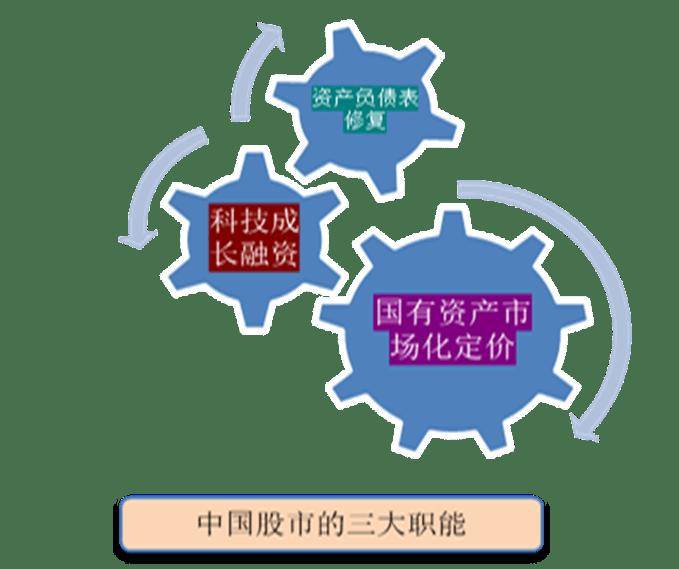
Group 1: Core Views - The narrative trading trend in the market has shown signs of fatigue, with a return to a fundamentals-driven slow bull market logic [1] - Regulatory measures on online information management aim to curb the risks associated with narrative trading, which can lead to significant market fluctuations [1] - The government's guidance for investors to shift from narrative trading to fundamentals trading is seen as a necessary response to market failures [1] Group 2: Positioning and Functions of the Stock Market - The Chinese stock market has evolved beyond a simple financing and trading platform, becoming a core hub connecting public welfare, industrial upgrades, and national strategy [2] - The core functions of the stock market can be summarized as "balance sheet repair, financing for technological growth, and market-based pricing of existing assets" [2] Group 3: Balance Sheet Repair Function - The health of household balance sheets directly influences consumption and economic resilience, with the stock market providing a means for wealth appreciation through a profit-driven slow bull market [3] - This function aims to ensure that financial market returns benefit households, thereby supporting the micro-foundation of common prosperity [3] Group 4: Financing for Technological Growth - The stock market plays a crucial role in providing long-term capital for strategic sectors such as hard technology and high-end manufacturing through market-based pricing and governance improvements [4] - This function embodies the principle of "finance serving the real economy," transforming capital into a long-term partner for innovation [4] Group 5: Market-Based Pricing of Existing Assets - The stock market's public pricing mechanism allows for the revaluation and circulation of existing assets, enhancing operational efficiency and governance structures [5] - This function emphasizes the market's decisive role in resource allocation, breaking away from traditional administrative valuations [5] Group 6: Current Functionality Assessment - As of early 2026, the A-share market shows an uneven performance in its three core functions, highlighting the need for government intervention to address market failures [8] - The asset balance sheet repair function has lagged, with household stock assets accounting for less than 10% of total wealth, compared to 20%-30% in developed countries [8] - The financing function for technological growth has been more robust, with over 1,200 hard technology companies raising more than 1.5 trillion yuan, but narrative trading still poses risks [8] - The market-based pricing function for state-owned assets faces challenges, with low valuations for state-owned enterprises indicating a lack of market recognition for existing asset values [9] Group 7: Historical Lessons from Market Volatility - Historical lessons indicate that the stock market must remain anchored to its core functions to avoid falling into cycles of policy-driven speculation and bubble bursts [11] - Past market booms have often led to significant wealth losses for households, emphasizing the unsustainability of trends detached from real economic support [11] Group 8: Government Intervention - Government intervention is deemed necessary to correct market failures, ensuring that the stock market continues to serve its three core functions effectively [13] - The government aims to protect household wealth, maintain industrial upgrades, and ensure the strategic value of state-owned assets through appropriate interventions [14] Group 9: Asset Allocation Insights - In the context of China's modernization, asset allocation should focus on the three core functions of the stock market, emphasizing long-term stable growth rather than short-term speculation [16] - Investors are encouraged to prioritize broad-based assets that can enhance wealth effects and support household balance sheet repair [17] - Strategic allocations should target hard technology and new productive forces, with a focus on companies with genuine technological barriers [17] - Attention should also be given to the revaluation opportunities of quality existing assets as market pricing mechanisms evolve [17]
创金合信基金魏凤春:锚定三重闭环,拥抱基本面慢牛
Xin Lang Cai Jing· 2026-01-26 02:13
Group 1 - The core function of the Chinese stock market has evolved beyond a simple financing and trading platform to become a crucial hub connecting public welfare, industrial upgrading, and national strategy, encapsulated in the threefold framework of "balance sheet repair, technology growth financing, and market-based pricing of existing assets" [2][17] - The "balance sheet repair" function is essential for enhancing consumer confidence and economic resilience, allowing stock market gains to return to households and supporting the activation of domestic demand [3][18] - The "technology growth financing and corporate governance empowerment" function is vital for the transition to new economic drivers, providing long-term capital support for strategic sectors like hard technology and high-end manufacturing [4][19][20] Group 2 - As of early 2026, the A-share market shows an uneven performance in the three core functions, indicating a need for government intervention to address market failures [7][23] - The progress in balance sheet repair has been relatively slow, with household stock assets accounting for less than 10% of total wealth, significantly lower than the 20%-30% seen in developed countries [7][23][24] - The market's pricing mechanism for state-owned assets faces challenges, with the valuation of state-owned enterprises generally low, reflecting a lack of market recognition for existing asset values [8][24] Group 3 - Historical lessons from the Chinese stock market highlight the importance of anchoring market operations to the core functions of serving the real economy, avoiding cycles of policy-driven speculation and bubble bursts [9][25][26] - The necessity for government intervention arises from the public good nature of the stock market, which is essential for achieving national strategic goals and addressing market failures [11][27][28] - Government actions are expected to focus on safeguarding the balance sheet repair function, ensuring long-term capital flows into technology sectors, and maintaining the strategic value of state-owned assets [12][28] Group 4 - The analysis emphasizes that asset allocation should be anchored in fundamentals, advocating for a balanced portfolio of broad-based assets, technology growth, and state-owned enterprise value [13][30][31] - The focus on broad-based ETFs and "fixed income plus" strategies is recommended to stabilize wealth and enhance consumer confidence during a slow bull market [14][30] - Investors are encouraged to prioritize quality existing assets for revaluation opportunities as market pricing mechanisms evolve [15][30]