
产业发展

Search documents
11省份近三年常住人口正增长 多个中西部强省会人口快速增长
Di Yi Cai Jing· 2025-11-12 12:51
Core Insights - Since 2022, China's population development has entered a reduction phase, characterized by declining birth rates, aging population, and regional population disparities [1] Population Growth by Province - In 2024, 11 provinces experienced positive population growth compared to three years prior, including Zhejiang, Guangdong, Xinjiang, Hainan, Jiangsu, Anhui, Guizhou, Fujian, Ningxia, Tibet, and Hubei [1] - Zhejiang led with an increase of 1.3 million residents over three years, with all cities in the province showing positive growth [1] - The balanced regional economic development and strong private sector in Zhejiang are favorable for labor absorption [1] Migration Trends - The Yangtze River Delta and Pearl River Delta are primary regions for population inflow, with migration from smaller cities and rural areas to central cities [1] - The top five cities for population growth over the past three years are Hefei, Guiyang, Hangzhou, Changsha, and Zhengzhou, with four being provincial capitals from central and western regions [1] Hefei's Population Growth - Hefei's population increased by 537,000 over three years, making it the fourth city in the Yangtze River Delta to exceed 10 million residents, reaching a total of 10.002 million in 2024 [2] - The city's industrial development, particularly in new sectors like electric vehicles and integrated circuits, has attracted young talent [2] Guiyang's Population Growth - Guiyang saw a population increase of 502,000, benefiting from the "strong provincial capital" and "strong talent" strategies, achieving over 100,000 net population growth for four consecutive years [2] Birth and Natural Growth Rates - In 2024, 14 provinces had birth rates above the national average of 6.77‰, with 10 provinces exceeding 8‰, primarily in western and southern regions [3] - Guangdong had a birth rate of 8.89‰, with a total of 1.13 million births in 2024, marking it as the top province for births for seven consecutive years [3]
11省份近三年常住人口正增长
第一财经· 2025-11-12 12:44
Core Insights - Since 2022, China's population has entered a phase of decline, characterized by low birth rates, aging, and regional population disparities [2] - In the past three years, 11 provinces have seen an increase in permanent residents, with Zhejiang and Guangdong leading in population growth [2] - The trend of population migration shows that the Yangtze River Delta and Pearl River Delta are major inflow regions, with smaller cities and rural areas continuing to migrate towards central cities [2] Population Growth by City - The top five cities with the highest population growth in the last three years are Hefei, Guiyang, Hangzhou, Changsha, and Zhengzhou, with Hefei leading at an increase of 537,000 residents [3] - Hefei has become the fourth city in the Yangtze River Delta to exceed a population of 10 million, driven by industrial development and the attraction of new industries [3] - Guiyang's population increased by 502,000, benefiting from the implementation of "strong provincial capital" and "strong talent" strategies [3] Birth and Natural Growth Rates - In 2024, 14 provinces had birth rates above the national average of 6.77‰, with 10 provinces exceeding 8‰, primarily located in the western and southern regions [4] - Eleven provinces maintained positive natural growth rates, with an increase of three provinces compared to the previous year, indicating a trend of population growth in these areas [4] High Birth Rate Provinces - Provinces with higher birth rates are also among those experiencing population growth, particularly in the western and southern coastal regions [5] - Guangdong's birth rate reached 8.89‰ in the previous year, with an increase of 100,000 births in 2024, maintaining its status as the top province for births for seven consecutive years [6]


11省份近三年常住人口正增长,多个中西部强省会人口快速增长
Di Yi Cai Jing· 2025-11-12 12:05
Group 1 - The core viewpoint of the articles highlights the population growth trends in China, particularly focusing on the provinces of Zhejiang and Guangdong, which are leading in population increase despite a national decline [1][2] - Since 2022, China's population has entered a reduction phase, characterized by declining birth rates, aging population, and regional population disparities [1] - In the last three years, 11 provinces have experienced positive population growth, with Zhejiang and Guangdong showing the most significant increases [1] Group 2 - Zhejiang's population increased by 1.3 million over the past three years, with all its cities maintaining positive growth, attributed to its strong private economy and balanced regional development [1] - The top five cities with the highest population growth in the last three years are Hefei, Guiyang, Hangzhou, Changsha, and Zhengzhou, with Hefei leading at an increase of 537,000 [2] - Hefei has become the fourth city in the Yangtze River Delta to exceed a population of 10 million, driven by industrial development and the attraction of new industries [2] Group 3 - In 2024, 14 provinces had birth rates above the national average of 6.77‰, with 10 provinces exceeding 8‰, primarily located in the western and southern regions [3] - Guangdong's birth rate reached 8.89‰ in 2023, maintaining its status as the top province for births for seven consecutive years, with a total of 1.13 million births in 2024 [3] - The natural population growth rates in 11 provinces remained positive, indicating a trend of population increase in both western and eastern coastal provinces [3]
全国1%人口抽样调查正在进行,南京涉及人口超10万人——
Nan Jing Ri Bao· 2025-11-10 03:15
Core Insights - The nationwide 1% population sampling survey, referred to as a "mini-census," has been launched in November to gather timely data on population changes [1] - The survey aims to collect demographic information including name, gender, age, education level, occupation, migration, marital status, fertility, and housing conditions [2] Group 1: Employment Opportunities - The presence of large enterprises in Nanjing is increasing, leading to more job opportunities for residents [5] - The service industry is experiencing growth, as evidenced by individuals like Ms. Fan, who has seen her family benefit from the expanding job market [4][5] - The advanced manufacturing sector is thriving, with individuals like Ms. Dai working in a company that supplies air conditioning systems to various transportation sectors, reflecting the city's industrial development [5][6] Group 2: Urban Development and Quality of Life - The establishment of "Ning Xiao Feng" service stations has improved the quality of life for workers, providing essential services and a sense of security [2] - The city is becoming more attractive to young professionals, with Nanjing being recognized as a "China Software City," drawing talent in fields like 5G communication and artificial intelligence [6] - The survey results indicate that Nanjing has the highest growth in permanent population, urbanization rate, and average education level among the labor force in the province, highlighting its development potential [6]
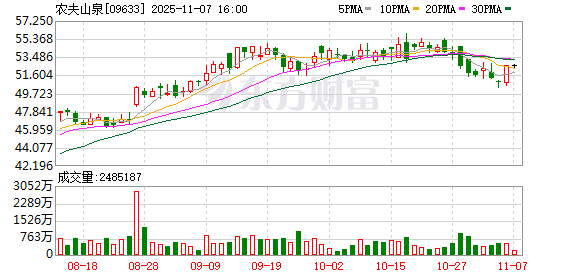
58公里管道引“活水”一瓶农夫山泉输出县域振兴新样本
2 1 Shi Ji Jing Ji Bao Dao· 2025-11-08 04:15
Core Viewpoint - The article highlights the successful integration of natural resources and local industry in Sangzhi County, Zhangjiajie, through the establishment of a water bottling plant by Nongfu Spring, which has significantly improved the local economy and employment opportunities [2][7]. Group 1: Economic Development - The completion of a 58-kilometer water pipeline has enabled the flow of high-quality spring water from the Ba Da Gong Mountain National Nature Reserve to the Nongfu Spring factory, marking a significant step in the county's economic revitalization [2][3]. - The Nongfu Spring factory, which began operations after a total investment exceeding 1.2 billion yuan, has created over 200 jobs, with nearly 70% of employees being local residents [5][6]. - The factory is expected to generate over a thousand additional jobs by the end of 2025, with plans for related industries such as packaging and logistics to establish operations in the area [6]. Group 2: Community Impact - The establishment of the factory has led to a shift from "blood transfusion-style poverty alleviation" to "blood-making-style revitalization," enhancing local livelihoods and community vitality [5][7]. - Local residents have reported increased happiness and stability due to job opportunities close to home, with many returning to the area after working elsewhere [4][5]. - The factory's presence has also improved local infrastructure and increased income sources for nearby villages, demonstrating a positive ripple effect on the community [6][7]. Group 3: Environmental Considerations - Nongfu Spring has prioritized ecological protection during the construction of the pipeline, employing methods that avoid damaging local ecosystems, such as building bridges that do not require riverbed supports [3]. - Continuous monitoring and collaboration with local authorities ensure the sustainability of water resources while balancing production needs [3].

2025硬科技创新大会上海分会场暨校友活动开幕
Zhong Zheng Wang· 2025-11-03 11:54
Core Points - The 2025 Hard Technology Innovation Conference's Shanghai branch aims to enhance cooperation between Xi'an and the Yangtze River Delta region, focusing on technology innovation, industrial development, and talent cultivation [1][2] - Xi'an's advantages in technology industry and innovation ecosystem were highlighted, with a focus on promoting efficient flow of technology, talent, and capital [1] - The Qin Chuang Yuan innovation-driven platform shared its achievements in technology transfer and nurturing innovative enterprises since its establishment [1] - Xi'an's high-tech zones and economic development zones showcased their favorable investment environment through industrial layout, policy support, and infrastructure development [1] - The Chang'an Pioneer Industry Innovation Center aims to create a new ecological service for scientific innovation and seize future industrial opportunities [1] Summary by Sections Event Overview - The conference is organized by Xi'an's Science and Technology Bureau, Investment Cooperation Bureau, and the Xi'an Municipal Government's Shanghai Office, aiming to create a platform for shared development opportunities [1] Policy and Development Potential - Xi'an's Investment Cooperation Bureau presented the city's policy advantages and development potential in industry support, resource allocation, and market space [1] Innovation Achievements - The Qin Chuang Yuan platform's contributions to technology achievement transformation and innovative enterprise cultivation were discussed [1] Investment Environment - Xi'an's high-tech and economic development zones highlighted their investment environment through various aspects such as industrial layout and policy support [1] Future Cooperation - The event is expected to activate resources and innovation vitality between Xi'an and the Yangtze River Delta, promoting cross-regional efficient allocation of innovation elements [2]
全球中产大败局?
Sou Hu Cai Jing· 2025-11-02 18:38
Group 1 - The concept of "middle class" is vague and has various definitions based on income, assets, occupation, education level, and social status [3][4] - In China, middle-class families are often defined as those with an annual income between 100,000 to 500,000 yuan for a typical three-person household [3] - The perception of being middle class tends to fluctuate with economic conditions, with more people identifying as middle class during economic upturns and fewer during downturns [4][5] Group 2 - Globally, the middle class is characterized by high education levels, decent incomes, and a lifestyle that includes modern and fashionable products, but they also face financial pressures such as high mortgages and job insecurity [6][7] - Reports indicate that the middle class is increasingly being "squeezed," with a decline in their share of national income and growing internal inequality [8][11] - In the U.S., the percentage of people living in middle-class households has dropped from 61% in 1971 to 51% in 2023, reflecting a long-term trend of middle-class decline [11][12] Group 3 - Economic growth and industrial development are crucial for the stability of the middle class, as they directly impact income and job opportunities [12][19] - The shift towards a "dual labor market" has resulted in a stark divide between "good jobs" and "bad jobs," making it difficult for many to achieve middle-class status [17][18] - The decline of traditional manufacturing jobs in the U.S. has contributed to the shrinking middle class, as many high-paying jobs have been lost to globalization and automation [14][16] Group 4 - The volatility of assets that middle-class individuals rely on for financial security, such as real estate and stocks, has increased their financial instability [21][24] - Many middle-class individuals have seen their investments in real estate and financial markets yield uncertain returns, further exacerbating their financial anxiety [23][27] - The trend of "credential inflation" has also affected the middle class, as the value of educational qualifications has diminished over time [26] Group 5 - The middle class often falls into a consumption trap, striving to emulate the lifestyles of the wealthy, which leads to unsustainable spending habits [29][30] - This phenomenon is not unique to any one country, as similar patterns of behavior can be observed among middle-class individuals globally [34][35] - A shift in mindset is necessary for the middle class to reassess their spending and investment strategies, moving away from the traditional belief that hard work alone guarantees financial success [35]

四川迎来近年经济运行最为平稳的一年
Sou Hu Cai Jing· 2025-10-30 04:56
Economic Overview - The top ten provinces and cities in China achieved a GDP of nearly 62 trillion yuan in the first three quarters, accounting for over 61% of the national total, with eight provinces and cities outpacing the national economic growth rate [1][2] - The national GDP grew by 5.2% year-on-year in the first three quarters, an acceleration compared to the previous year [2][3] Provincial Performance - Guangdong and Jiangsu both surpassed 10 trillion yuan in GDP for the first time, with Guangdong reaching 10.5 trillion yuan and Jiangsu close behind at 10.3 trillion yuan [2] - Shandong's GDP was 7.71 trillion yuan, with a year-on-year growth of 5.6%, indicating a strong possibility of joining the "10 trillion club" [2] - Hubei recorded the highest growth among the top ten provinces at 6.0%, while Shanghai improved its growth rate to 5.5% in the third quarter [2][3] Industrial and Consumption Insights - Eight provinces exceeded the national industrial growth rate of 6.2%, with Henan at 8.4% and Shandong and Hunan both at 7.8% [5] - The manufacturing sector is shifting towards high-end, intelligent, and green development, with significant growth in sectors like automotive and electronics in Shandong and robotics in Zhejiang [5][6] - National retail sales of consumer goods grew by 4.5%, with seven of the top ten provinces outperforming this figure, particularly Henan at 6.2% and Sichuan at 5.8% [6] Investment and Trade Dynamics - The first three quarters saw a 4% year-on-year increase in China's goods trade, with the top ten provinces accounting for 75.5% of the total trade volume [8] - Fixed asset investment faced challenges, with a nationwide decline of 0.5%, but Hubei and Shanghai managed to maintain growth rates of 6.5% and 6.0%, respectively [8] Future Outlook - Provinces are urged to capitalize on foreign trade opportunities and address investment shortfalls as they approach year-end targets [7][8] - The fourth quarter is critical for economic performance, with various provinces emphasizing the need for robust economic activities to ensure successful completion of the "14th Five-Year Plan" [9]
云南省临沧市沧源县勐角民族乡勐甘村党总支书记李骏: 把组织优势转为发展优势
Jing Ji Ri Bao· 2025-10-23 21:51
Core Viewpoint - The article emphasizes the importance of the Communist Party's leadership in the economic and social development during the "14th Five-Year Plan" and the upcoming "15th Five-Year Plan" period, particularly in border areas like Menggan Village in Yunnan Province [1] Group 1: Party Leadership and Development - The leadership of the Communist Party is seen as crucial for achieving prosperity and stability in border regions, with a focus on gratitude towards the Party and adherence to its guidance [1] - The local Party organization in Menggan Village is adopting a model that integrates Party organizations, cooperatives, enterprises, and farmers to enhance industrial development [1] Group 2: Integration of Party and Community Initiatives - There is a strong emphasis on the integration of Party building with livelihood projects to strengthen national unity and stability in border areas [1] - The local leadership plans to leverage grassroots Party organizations as a driving force for implementing the spirit of the Fourth Plenary Session of the 20th Central Committee [1] Group 3: Training and Capacity Building - A training model involving "experienced Party members mentoring younger members, online learning platforms, and hands-on training" is being implemented to enhance the political literacy and capabilities of grassroots Party members [1] - Efforts are being made to improve organizational structures and activate organizational effectiveness to play a leading role in industrial development and enhance grassroots social governance [1]
西海固的秋天
Ren Min Ri Bao· 2025-10-21 00:51
Core Points - The article highlights the transformation of the Xihai Gu region in Ningxia, which has shifted from being labeled as one of the "most unsuitable areas for human survival" to a thriving agricultural and ecological zone, showcasing significant improvements in living conditions and economic development [1][2][3] Group 1: Poverty Alleviation and Economic Development - Since the establishment of New China, the central government has focused on the Xihai Gu region, with over 800,000 impoverished individuals lifted out of poverty and significant investments in infrastructure and resources [3][4][10] - By 2024, the per capita disposable income in Ningxia is projected to reach 16,481 yuan, with growth rates surpassing those of other poverty-stricken areas and farmers in Ningxia [4] - The region has seen a substantial increase in agricultural productivity, with the introduction of modern irrigation techniques and the development of high-standard farmland, leading to a significant rise in potato production and other crops [53] Group 2: Water Management and Agricultural Innovation - The implementation of the Yanghe irrigation project has transformed arid land into fertile fields, contributing over 60% to Ningxia's grain production [23][21] - The region has developed a diverse agricultural base, including the cultivation of peppers, grapes, and other cash crops, which has created numerous job opportunities and increased household incomes [26][47] - The introduction of advanced agricultural practices and technology has enabled local farmers to significantly enhance their productivity and income levels [53][50] Group 3: Ecological Restoration and Sustainable Development - The article emphasizes the importance of ecological restoration efforts, including afforestation and soil conservation, which have led to improved environmental conditions and increased agricultural viability [36][43] - The region has invested heavily in ecological construction, with 117 billion yuan allocated for environmental projects, demonstrating a commitment to sustainable development [43] - The transformation of the Xihai Gu region is presented as a model for ecological and economic integration, showcasing how environmental health can support agricultural productivity and community well-being [40][44]