医疗大模型

Search documents
大厂团战医疗大模型:蚂蚁建闭环,夸克造入口
3 6 Ke· 2025-08-04 11:47
Core Insights - The article discusses the integration of AI in healthcare, emphasizing that while AI can enhance medical services, it cannot replace human doctors. The focus is on the development of AI models by major companies to address the shortage of quality medical resources and improve patient care [2][5][23]. Group 1: AI Models and Companies - Tencent launched the "Tencent Medical Model" in September 2023, focusing on intelligent diagnosis and electronic medical records [3]. - JD Health released the "Jingyi Qianxun" model in July 2023, enhancing its AI capabilities in the healthcare ecosystem [3]. - Ant Group introduced the "Ant AQ" model, exploring the synergy between healthcare and insurance [3]. - iFLYTEK's "Spark Medical Model" was released in October 2023, with its "Smart Medical Assistant" passing the national medical practitioner qualification test [3]. Group 2: Comparison of AI Models - Ant AQ provides a comprehensive consultation experience, simulating a face-to-face interaction with a doctor, while Quark offers a lightweight, search-based experience [6][18]. - Ant AQ's design allows for multi-round questioning to gather detailed patient information, creating a more personalized interaction [13][15]. - Quark focuses on providing structured answers and is seen as a reliable information source rather than a diagnostic tool [18][21]. Group 3: Strategic Approaches - Ant AQ aims for a deep service model, integrating AI throughout the patient journey from pre-diagnosis to post-care, effectively acting as a personal health assistant [26][28]. - Quark positions itself as an information gateway, emphasizing authoritative health knowledge without engaging in direct diagnosis [29][30]. - Both models serve as assistants to doctors rather than replacements, highlighting the importance of human oversight in medical decisions [23][41]. Group 4: Market Growth and Challenges - The Chinese medical AI market grew from 2.7 billion yuan in 2019 to 10.7 billion yuan in 2023, with projections reaching 97.6 billion yuan by 2028 [37]. - The article notes the need for rigorous clinical validation of AI models before they can be widely adopted in healthcare settings [38][41]. - Ethical considerations regarding data privacy and the integration of AI into the patient-doctor relationship are critical for the successful deployment of these technologies [41][42].


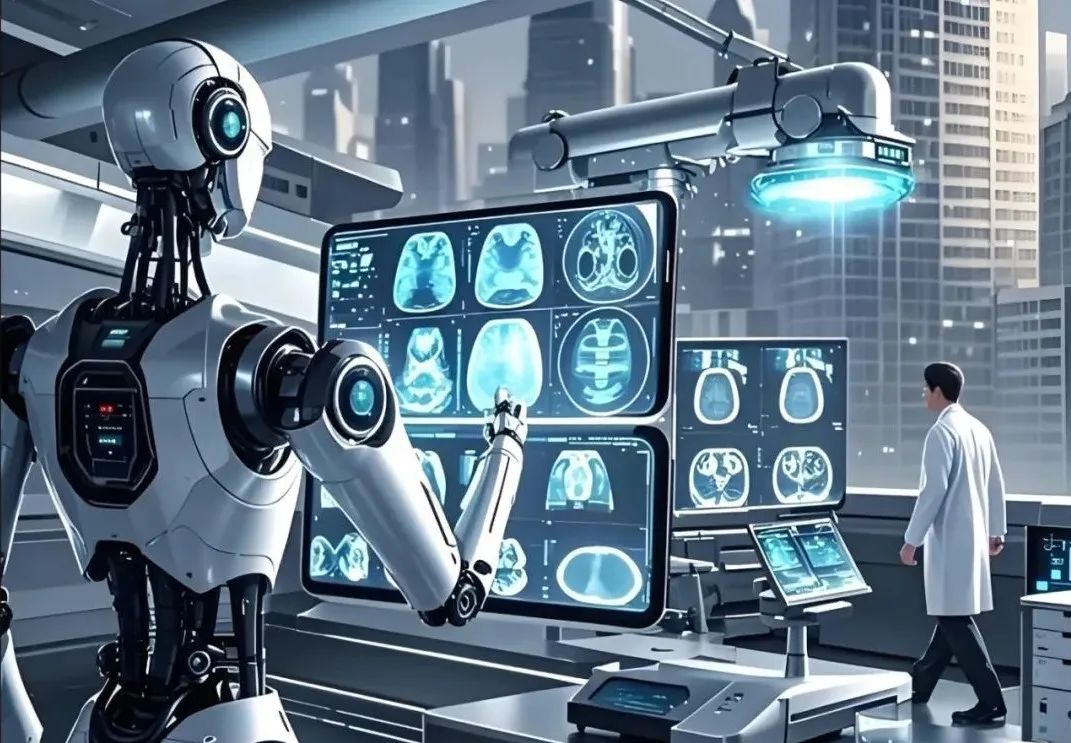
《医疗健康行业智能体标准体系》研制启动
Jing Ji Guan Cha Wang· 2025-07-31 05:25
Core Insights - The World Artificial Intelligence Conference's "AI Transformation · Future Health" forum was held in Shanghai, where the AI Industry Development Alliance and the Chinese Medical Association's Smart Medical Professional Committee launched the "Intelligent Body Standard System" for the healthcare industry [1] - The standard system is driven by clinical scene needs and aims to establish a comprehensive standard covering "application-platform-computing power" across various medical scenarios such as operating rooms, imaging departments, outpatient services, and research [1] - iFlytek Medical, as a core participating unit, is leading the development of 10 sub-standards including health consultation intelligent body, medical record generation and quality control intelligent body, intelligent voice follow-up intelligent body, pre-consultation intelligent body, and imaging intelligent body [1] - The plan is to release four sub-standards by 2025, specifically for health consultation intelligent body, medical record generation intelligent body, medical record quality control intelligent body, and intelligent voice follow-up intelligent body [1] - Since July 2023, iFlytek Medical has collaborated with the China Academy of Information and Communications Technology and over twenty organizations to establish a medical large model technology standard system that meets industry needs [1] - The iFlytek Spark Medical Large Model has passed the first national technical standard evaluation for medical large model applications, enhancing its professionalism, standardization, and safety [1]
医药生物行业周报(7月第4周):医疗大模型再次突破-20250728
Century Securities· 2025-07-28 00:41
Investment Rating - The report does not explicitly state an investment rating for the industry, but it provides insights into market performance and trends [2][4]. Core Insights - The pharmaceutical and biotechnology sector saw a weekly increase of 1.9%, underperforming the Wind All A index (2.21%) but outperforming the CSI 300 index [2][7]. - The medical research outsourcing segment experienced the highest growth at 8.29%, while chemical preparations and other biological products faced declines of -2.02% and -0.58%, respectively [2][8]. - The Quark Health model achieved a significant milestone by passing the written assessment for chief physician in 12 core disciplines, marking a rapid development phase for medical AI models in China [2][11]. - State-owned equity funds are actively acquiring stakes in pharmaceutical companies, with notable transactions including the acquisition of Kanghua Biological and a significant stake in MicroPort Medical [2][11]. Summary by Sections Market Weekly Review - The pharmaceutical and biotechnology sector rose by 1.9% from July 21 to July 25, 2025, with medical research outsourcing leading the gains at 8.29% [2][7]. - Individual stocks such as Haitai Biological (46.9%), Zhendong Pharmaceutical (42.9%), and Saily Medical (31.7%) saw significant increases, while *ST Suwu (-22.3%) and Yong'an Pharmaceutical (-13.7%) faced notable declines [2][10]. Industry News and Key Company Announcements Important Industry Events - The National Medical Insurance Administration announced new measures to optimize drug procurement, emphasizing quality over lowest price and launching a nationwide drug price comparison tool [2][11]. Industry News - Shanghai Biopharmaceutical M&A Fund is set to acquire shares in MicroPort Medical, becoming a strategic shareholder [2][11]. - Kangfang Biologics' new indication application for Ivoris monoclonal antibody has been accepted by the National Medical Products Administration [2][11]. Company Announcements - WuXi Biologics reported a positive mid-year earnings forecast, expecting a 16% revenue increase and a 3.6% rise in gross margin [2][14]. - The Quark Health model's capabilities continue to align closely with human physicians, marking a significant advancement in AI healthcare applications [2][14]. - WuXi AppTec and other companies reported substantial revenue growth, with WuXi AppTec expecting over 60% growth in the first half of 2025 [2][14].



医院布局大模型很热闹,缘何还难以真正落地
第一财经· 2025-07-24 11:50
Core Viewpoint - The article discusses the challenges and advancements in the integration of AI, specifically the DeepSeek model, in hospitals, highlighting the cautious optimism of medical professionals regarding AI's potential to improve healthcare delivery and operational efficiency [1][2]. Group 1: AI Implementation in Hospitals - Many hospitals are actively deploying DeepSeek, but the expected improvements in healthcare delivery are still below expectations, with some medical staff either not using it or struggling to adapt [1]. - The Shanghai Oriental Hospital, under the leadership of Dr. Duan Tao, is collaborating with the Institute of Software, Chinese Academy of Sciences, to develop the Medgo AI model, which has received an A-level recommendation from Shanghai's medical AI application testing center [2]. - The integration of AI in hospitals is seen as a gradual process, requiring iterative improvements and cautious adoption in specific departments before broader implementation [2]. Group 2: Cost and Accessibility of AI - The cost of developing AI applications for hospitals has significantly decreased, from several million yuan to around 5 million yuan, making it more accessible for various healthcare institutions [3]. - Hospitals are encouraged to evaluate their individual needs regarding AI adoption rather than rushing into widespread implementation [3]. Group 3: Challenges in AI Application - Current explorations of AI in hospitals focus on enhancing patient experience, medical services, and hospital management, with the most significant challenges arising in the area of medical service applications [4]. - The accuracy of AI models is heavily dependent on the quality of the data fed into them, with inconsistencies in medical terminology posing challenges for data standardization [4]. - There is a consensus that while AI can improve efficiency, especially in administrative tasks, its application in clinical settings remains limited due to high medical standards, sensitive data issues, and a shortage of cross-disciplinary talent [5]. Group 4: Future Outlook - Despite current limitations, there is confidence in the ongoing evolution of AI technology, with expectations that it will eventually penetrate deeper into clinical diagnosis and treatment [5].

首个“主任级AI医生”来了,AI正成为患者问诊第一站
Tai Mei Ti A P P· 2025-07-24 10:11
Group 1 - AI is increasingly being used by patients to seek medical advice before consulting with doctors, indicating a shift in the traditional doctor-patient dynamic [2] - The HealthBench model released by OpenAI demonstrates significant potential in the medical field, with GPT-4.1 outperforming average doctor scores in five out of seven evaluation themes [2] - Microsoft's MAI-DxO system achieved an AI diagnostic accuracy of 85.5%, surpassing the approximate 65% accuracy of human doctors [3] Group 2 - Quark's health model has successfully passed assessments by chief physicians in 12 core medical disciplines, integrating "slow thinking" capabilities for complex medical problem-solving [3][4] - The health model's diagnostic accuracy for common outpatient diseases reached 90.78%, comparable to human doctors' case writing accuracy [4] - The reliability of AI in healthcare is critical, as a single incorrect answer can negate the advantages of multiple correct ones [4] Group 3 - AI is also being utilized to assist in the treatment of mental health issues, with capabilities to analyze subtle biological markers for diagnosing conditions like depression [7] - The use of AI in mental health can help address the shortage of human resources in psychological clinical treatment [8] - Ethical considerations regarding the early use of AI tools in therapy are being discussed, emphasizing the need for more data to understand the long-term impacts [9]


医院布局大模型很热闹,缘何还难以真正落地
Di Yi Cai Jing· 2025-07-24 07:11
Core Viewpoint - The integration of AI in hospitals is a complex process that requires time and careful implementation, with current deployments not meeting expectations [1][4]. Group 1: AI Implementation Challenges - Many hospitals are experiencing difficulties in effectively utilizing AI technologies like DeepSeek, with some healthcare workers reporting they are either not using it or are uncomfortable with it [1][4]. - The transition to AI in healthcare is not instantaneous; hospitals need to adopt a phased approach, starting with select departments and iterating on applications over time [4][6]. Group 2: Cost and Accessibility - The cost of developing AI solutions has significantly decreased, from several million yuan to around 5 million yuan, making it more accessible for hospitals [5]. - Each hospital has the flexibility to decide when to adopt AI technologies, rather than feeling pressured to implement them all at once [5]. Group 3: Areas of Exploration - Current explorations of AI in hospitals focus on improving patient experience, enhancing medical services, and optimizing hospital management [6]. - The most significant challenge remains the application of AI in medical services, as trust in AI's capabilities is still developing [6][7]. Group 4: Data Quality and Standards - The quality and standardization of data are crucial for the development of effective medical AI models, with many hospitals struggling to achieve true big data status due to inconsistencies in data collection [6]. - The terminology used in medical contexts can vary significantly, complicating data analysis and reporting [6]. Group 5: Future Outlook - There is optimism regarding the future of AI in healthcare, with advancements in AI technology expected to enhance its capabilities in clinical decision-making [7]. - The ongoing evolution of AI is anticipated to lead to deeper integration into clinical practices, despite current limitations [7].

塞力医疗转型豪赌“高”概念背后:股价飙涨250%与亏损扩至10倍的魔幻背离
Hua Xia Shi Bao· 2025-07-23 13:20
Core Viewpoint - The company, Saily Medical, has experienced a significant stock price increase of over 250% this year, despite reporting a tenfold increase in losses for the first half of 2025, highlighting a stark contrast between stock performance and financial results [2][9]. Financial Performance - The company expects a net loss attributable to shareholders of between 55 million to 66 million yuan for the first half of 2025, which is an increase in losses of 50.23 million to 61.23 million yuan compared to the same period last year [3]. - The first quarter of 2025 showed a net loss of 14.32 million yuan, indicating a worsening trend in the second quarter [3][6]. - Revenue for the first half of 2025 is projected to decline by 40.75% compared to the previous year, with a significant drop in net profit of 553.66% [4][6]. Business Operations - The company has been trapped in a cycle of increasing revenue without corresponding profit since 2020, with a net profit loss that has expanded for four consecutive years [4][6]. - The main business areas, particularly the SPD business, are showing signs of fatigue, with revenue growth of only 10.23% in 2024, while costs have risen nearly in tandem, leading to minimal improvement in gross margins [6][10]. Market Position and Investor Sentiment - Despite the financial struggles, Saily Medical's stock price has surged, creating a disconnect between market valuation and financial fundamentals, raising concerns about sustainability [10][14]. - Analysts suggest that the current high valuation may not be supported by the company's fundamentals, and caution against blindly following market trends without a thorough analysis of the company's core business improvements [10][14]. Strategic Direction and Challenges - The company is focusing on a transformation towards medical intelligence, including areas like brain-computer interfaces and innovative drugs, but faces skepticism regarding the feasibility and timeline of these initiatives [10][12]. - R&D investment remains low, with only 2.58% of revenue allocated to R&D in 2024, which is insufficient to support the ambitious multi-line strategy [10][12]. Financial Health and Credit Rating - Saily Medical has faced liquidity pressures, with multiple instances of overdue repayment of raised funds, leading to criticism of management [12][13]. - The company's credit rating was downgraded from "BBB-" to "BB+" due to increasing losses, long customer payment cycles, and high financial leverage, indicating a deteriorating financial outlook [14].

头部三甲医院开始“卷”AI
第一财经· 2025-07-23 09:28
Core Viewpoint - The competition among top-tier hospitals in China has intensified in the AI sector, with a significant focus on developing medical AI models to enhance healthcare services and operational efficiency [1][3]. Group 1: AI Model Development - As of mid-2023, approximately 300 medical AI models have been developed in China, with nearly half released in the first half of the year [3]. - Major hospitals like Shanghai Zhongshan, Ruijin, Renji, and Xinhua have launched AI models targeting various medical fields, including cardiology and pediatrics [1][3]. - The RuiPath pathology model, developed by Ruijin Hospital in collaboration with Huawei, has been recognized internationally for its capabilities in AI-assisted pathology diagnosis [4]. Group 2: AI Applications in Healthcare - AI applications in hospitals are expanding, with digital guides and AI models being utilized for patient consultations and decision-making support [3][4]. - The "CardioMind" model from Fudan University Zhongshan Hospital aims to enhance cardiology diagnostics and treatment, leveraging extensive patient data [5]. - AI models are expected to handle up to 80% of routine tasks, allowing doctors to focus on complex cases and patient interactions [7]. Group 3: Challenges and Ethical Considerations - The rapid advancement of AI technology poses challenges, including the need for robust data governance and ethical standards in medical AI applications [8][9]. - Concerns regarding the accuracy and reliability of general AI models in specialized medical fields have been raised, highlighting the importance of using validated technologies [8]. - Ensuring patient data security and privacy is critical, with measures such as data anonymization and psychological support being implemented in AI model development [8].

半年盘点|头部三甲医院开始“卷”AI,医生看病也能“自动驾驶”了
Di Yi Cai Jing· 2025-07-23 06:01
Core Insights - The healthcare industry is rapidly adopting AI models to create an "autonomous driving" system for medical practices, with top-tier hospitals competing in AI capabilities [1][6] - In the first half of this year, approximately 300 medical AI models have been developed in China, with nearly half released in this timeframe, indicating a significant trend towards AI integration in healthcare [3] - AI applications in hospitals are expanding beyond simple tasks, with digital guides and AI models being utilized for various medical specialties, enhancing efficiency and patient care [3][4] Group 1: AI Model Development - Major hospitals like Zhongshan, Ruijin, Renji, and Xinhua have launched AI models for various diseases, including cardiology and pediatrics, showcasing the competitive landscape [1][3] - The RuiPath pathology model, developed by Ruijin Hospital in collaboration with Huawei, has been recognized internationally for its capabilities in AI-assisted pathology diagnosis [3][4] - The "CardioMind" model from Zhongshan Hospital represents a significant advancement in cardiology, aiming to provide expert-level diagnostic support to physicians [4][5] Group 2: AI Applications and Impact - AI models are being integrated into clinical workflows, with applications in clinical decision support, pre-consultation, medical record generation, and imaging diagnostics, accounting for 53% of usage scenarios [3] - The establishment of Tsinghua AI Agent Hospital illustrates the potential for fully automated healthcare environments, where AI can handle diagnostic tasks with high accuracy [6] - The use of AI in hospitals is expected to allow physicians to focus more on complex cases, as AI can manage up to 80% of routine tasks [6] Group 3: Challenges and Considerations - The rapid advancement of AI technology poses challenges in data management and ethical considerations, particularly regarding patient privacy and data security [7][8] - Hospitals face difficulties in accessing and utilizing high-quality data for training AI models, as much of this data is contained within closed systems [7][8] - The need for regulatory frameworks to keep pace with technological advancements in AI healthcare applications is becoming increasingly critical [7]
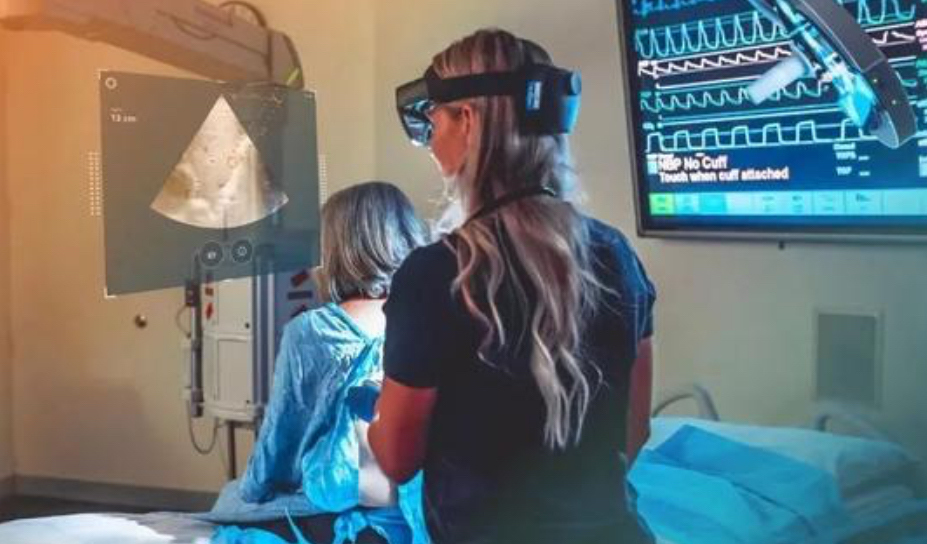
【招银研究|行业深度】AI医疗行业研究——技术赋能与生态重构下的医疗革命
招商银行研究· 2025-07-11 09:00
Core Insights - AI is driving the transformation and upgrading of the healthcare industry, becoming a strategic high ground for technology empowering people's livelihoods [1] - The evolution of AI in healthcare is transitioning from "assistance tools" to "intelligent participation" due to advancements in large model technology and multi-modal capabilities [2][10] - The AI healthcare ecosystem consists of three core layers: data and computing power, algorithm models and platform capabilities, and various application scenarios [1][13] Group 1: AI Healthcare Overview - AI healthcare is defined as a systematic solution based on AI technology for deep learning, pattern recognition, and intelligent decision-making to assist in diagnosis, optimize resource allocation, and improve efficiency [1] - The industry is experiencing a paradigm shift with the emergence of large models that support unified understanding and task adaptation of multi-modal medical data [2] - The AI healthcare ecosystem includes traditional healthcare, AI healthcare service, and AI healthcare technology product ecosystems, which are interdependent and collaboratively developed [13][14] Group 2: Application Scenarios - AI is widely used in medical imaging diagnosis, pathology recognition, and clinical decision support, enhancing service capabilities and diagnostic efficiency [3] - In the medical payment sector, AI aids in claims review, intelligent cost control, and personalized pricing, leading to refined management [3] - AI is also empowering genomics and molecular biology, facilitating personalized treatment pathways and pushing precision medicine into clinical practice [3] Group 3: Market Overview - The global AI healthcare market is transitioning from a "technology breakthrough" phase to a "deployment" phase, with significant growth expected, from $29.01 billion in 2024 to $50.42 billion by 2032, at a CAGR of 44.0% [18][19] - In contrast, China's AI healthcare market is in a critical transition from "technology validation" to "value validation," with market size growing from 2.7 billion yuan in 2019 to 10.7 billion yuan in 2023, projected to reach 97.6 billion yuan by 2028 [19][22] Group 4: Development History - The evolution of AI in healthcare can be divided into three stages: medical informationization, internet healthcare, and intelligent healthcare, with the current transition from "internet healthcare" to "intelligent healthcare" [7][10] - AI is deeply integrated into the entire process of pre-diagnosis, diagnosis, and post-diagnosis, utilizing technologies like AI large models, medical robots, AR/VR, and 5G [7][10] Group 5: Business Opportunities - The emergence of large models is reshaping AI healthcare technology, enabling complex medical scenarios and enhancing the efficiency of healthcare professionals [2][25] - The medical data market is expected to activate with the establishment of a compliant data sharing mechanism, transforming medical data from "sleeping assets" to "efficient elements" [2][25] - AI is expected to create a closed-loop system of "data-model-scenario-payment," becoming a key driver for high-quality development in the healthcare system [3][11] Group 6: AI Medical Payment - AI in medical payment is becoming a key engine for improving the efficiency of medical insurance and commercial insurance systems, covering claims review, cost control, and fraud detection [47][48] - The application of AI in the medical payment sector is evolving from "process automation" to "risk control intelligence" and "actuarial-driven" approaches [49] Group 7: Gene Sequencing - The cost of gene sequencing is rapidly decreasing, driven by the introduction of AI and parallel computing, with costs dropping to below $100 for whole genome sequencing [52][53] - The gene sequencing industry is maturing, with applications in research and clinical fields, including non-invasive prenatal testing, tumor diagnosis, and precision treatment [52][56]