
合成生物技术

Search documents
华恒生物: 安徽华恒生物科技股份有限公司2025年半年度报告
Zheng Quan Zhi Xing· 2025-08-27 14:06
Core Viewpoint - Anhui Huaheng Biotechnology Co., Ltd. reported significant growth in revenue but a decline in net profit for the first half of 2025, indicating challenges in maintaining profitability despite increased sales [2][3]. Company Overview and Financial Indicators - The company achieved operating revenue of approximately 1.49 billion RMB, a 46.54% increase compared to the same period last year [3]. - Total profit decreased by 27.92% to approximately 118.57 million RMB, while net profit attributable to shareholders fell by 23.26% to about 114.89 million RMB [3]. - The company's total assets increased by 6.26% to approximately 5.30 billion RMB, and net assets rose by 2.53% to about 2.63 billion RMB [3]. Industry and Business Development - The company operates in the biotechnology manufacturing sector, focusing on bio-based products, particularly amino acids and vitamins, which are increasingly in demand due to trends in sustainable agriculture and animal nutrition [4][5]. - The global shift towards bio-manufacturing is expected to result in 35% of chemicals and industrial products being derived from biological processes by 2030, highlighting the industry's growth potential [6]. - The company has established itself as a leading manufacturer of bio-based products, with a diverse product range including amino acids, vitamins, and bio-based materials [8]. Market Conditions - The demand for amino acids is projected to grow due to the promotion of precision nutrition in animal feed, which aims to reduce reliance on traditional feed ingredients like soybean meal [5]. - The vitamin market is also evolving, with advancements in synthetic biology and metabolic engineering expected to reshape production processes and enhance efficiency [6]. - Bio-based materials are gaining traction as they offer lower greenhouse gas emissions compared to fossil-based materials, positioning the company favorably in a rapidly growing market [7]. Operational Strategies - The company is enhancing its product resource allocation and investing in new product development to improve profitability and market competitiveness [8]. - It is deepening its international development strategy by collaborating with global industry leaders and optimizing production processes to reduce energy consumption and environmental impact [9][10]. - The establishment of an AI digital laboratory aims to integrate AI technology into the company's operations, enhancing research and development capabilities [10]. Core Competencies - The company has developed two major technology platforms for fermentation and enzyme methods, achieving significant breakthroughs in the large-scale production of L-alanine and L-valine [12][13]. - It maintains strong partnerships with major clients, including Fortune 500 companies, which helps the company stay attuned to market demands and technological advancements [12]. - The focus on sustainable practices and the use of renewable resources in production processes align with global trends towards green manufacturing [13].

解码华熙生物2025半年报:二季度净利增21%背后,一场从流量到技术的价值重构
Xin Hua Cai Jing· 2025-08-27 13:36
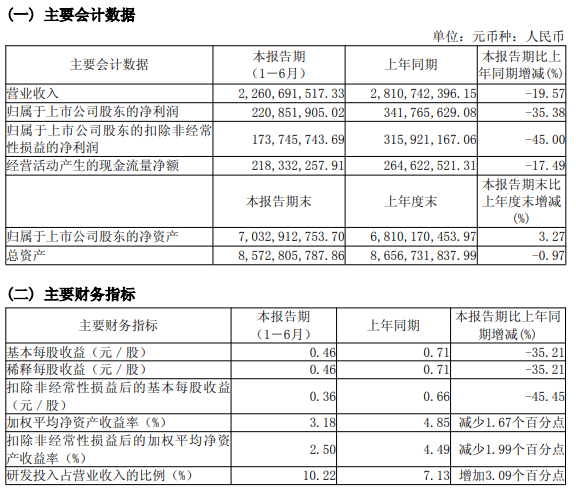
Core Viewpoint - Huaxi Biological reported significant marginal improvement in performance for the first half of 2025, with a notable recovery in the second quarter despite an overall decline in revenue and profit for the first half [1][2]. Financial Performance - For the first half of 2025, Huaxi Biological achieved revenue of 2.26 billion yuan, a year-on-year decrease of 19.57%, and a net profit attributable to shareholders of 221 million yuan, down 35.38% [2][3]. - The second quarter saw a revenue of 1.18 billion yuan, a decline of 18.44% year-on-year, but net profit increased by 20.89% to 119 million yuan, marking a return to growth after a year [5]. - Operating cash flow turned positive in the second quarter with a net inflow of 241 million yuan, reversing the outflow from the first quarter [5]. Business Segments - The raw materials segment showed resilience with revenue of 626 million yuan, a slight decline of 0.58%, accounting for 27.70% of total revenue [6]. - The medical terminal business generated 673 million yuan, down 9.44%, with skin-related products contributing 467 million yuan, a decrease of 1.8% [6]. - The skin science innovation transformation business reported revenue of 912 million yuan, down 33.97%, representing 40.36% of total revenue [7]. - The nutrition science innovation transformation business achieved revenue of 38 million yuan, a year-on-year increase of 32.40% [8]. Research and Development - R&D investment totaled 231 million yuan, up 15.25%, with R&D expenses accounting for 10.22% of revenue, an increase of 3.09 percentage points [8]. Management Changes - The company is undergoing transformation with the return of the CEO to frontline operations, focusing on restructuring management and business direction [9][10]. - Significant adjustments include a shift from sales volume to efficiency-oriented marketing strategies, resulting in a 12.46 percentage point decrease in sales expense ratio in the second quarter [10][11].


富邦股份分析师会议-20250826
Dong Jian Yan Bao· 2025-08-26 15:17
Report Summary 1. Report Industry Investment Rating No information provided. 2. Core Viewpoints - The company adheres to the development mission of empowering global agriculture with biological and digital technologies, focusing on the "biotechnology + digital technology" dual - wheel drive for global agricultural modernization transformation, aiming to become a leading global agricultural technology service enterprise [25][26][28]. - In 2025 H1, the company achieved stable business development, with overall revenue of 684.5976 million yuan, a year - on - year increase of 6.50%. The modern agriculture business achieved revenue of 122.3698 million yuan, a year - on - year increase of 13.31% [28][31][34]. - The company will continue to deepen its global strategic layout, optimize resource allocation, upgrade product structure, and improve operational efficiency to enhance profitability and sustainable development capabilities [31][36]. 3. Summary by Directory 3.1. Research Basic Situation - Research object: Fubang Co., Ltd. - Industry: Fertilizer industry - Reception time: August 26, 2025 - Reception personnel: Company's chairman and general manager Wang Renzong, independent director Guo Fei, deputy general manager and financial controller Wan Gang, deputy general manager and board secretary Yi Min [16] 3.2. Detailed Research Institutions - The reception objects are investors who participated in the company's 2025 semi - annual online performance briefing through the Panorama Network live interactive platform [19]. 3.3. Research Institution Proportion No information provided. 3.4. Main Content Data - **Agro - chemical Auxiliary Business**: In 2025 H1, the auxiliary business won the title of "No. 1 in global fertilizer auxiliary sales" by Sullivan, achieving revenue of 496.4149 million yuan, a year - on - year increase of 5.62%. The company promotes transformation and upgrading, focusing on R & D of customized products in the domestic market and expanding overseas markets through localization operations [23]. - **Core Technologies and Products**: The company focuses on technological innovation, researching and applying new materials, and launching products and service models in biological and digital agriculture, aiming to build a modern agricultural ecosystem [24]. - **Land Transfer**: The company built a digital agriculture industrial park in Sanhe Town, Yingcheng City, introducing intelligent technologies in facility agriculture [25]. - **Modern Agriculture Business Strategy**: The biological agriculture segment focuses on four product areas and builds a full - chain R & D system. The digital agriculture segment provides full - process products and services, aiming to build a modern agricultural ecosystem [26]. - **Digital Economy Layout**: The company responds to national strategies, introduces advanced technologies, and sets up the "Tomato Commune" as a demonstration park [26][27]. - **Performance of Modern Agriculture Business**: In 2025 H1, it achieved revenue of 122.3698 million yuan, a year - on - year increase of 13.31%. It made progress in R & D, market expansion, and established a new marketing model [28]. - **Digital Agriculture Layout**: The company focuses on "biotechnology + digital technology", and has advantages in digital soil testing, intelligent water and fertilizer management, and orchard yield estimation [29]. - **Sub - company Wuhan Sotu Data Technology Co., Ltd.**: It developed a "soil digital map" and related digital solutions, currently in the demonstration application stage [30]. - **Overseas Cooperative Organization**: The company established Forbon Technology Netherlands Holdings Co. Cooperatief U.A. in the Netherlands in 2015 to promote international cooperation and business development [30]. - **2025 H1 Operating Performance**: The company achieved revenue of 684.5976 million yuan, a year - on - year increase of 6.50%. Domestic revenue was 365.0579 million yuan, a year - on - year increase of 5.10%, accounting for 53.32% of total revenue; overseas revenue was 319.5397 million yuan, a year - on - year increase of 8.16%, accounting for 46.68% of total revenue [31]. - **Exchange Rate Risk Management**: The company uses natural hedging and diversified settlement strategies to reduce the impact of exchange rate fluctuations [32]. - **Auxiliary Business R & D**: The company focuses on R & D of high - efficiency and environmentally friendly auxiliary products and promotes frontier project research [33]. - **Investment in Wuhan Shuanglvyuan Chuangxin Technology Co., Ltd.**: It developed a leading genomic intelligent breeding system based on biological breeding gene chips [33]. - **Market Promotion of Biological Agriculture Products**: The company's products in biological agriculture are in the demonstration and verification stage, and the "Tianshengdan" project is being promoted [34]. - **Reasons for Net Profit Decline in 2025 H1**: The company increased strategic investment, promoted large - scale demonstration projects, and faced impacts from overseas market expansion [34][35][36]. - **Measures to Address Financial Risks**: The company will improve the capital management system, evaluate goodwill regularly, and actively communicate with the market [36].
华熙生物上半年净利2.21亿元 同比下降35.38%
Bei Jing Shang Bao· 2025-08-26 13:51
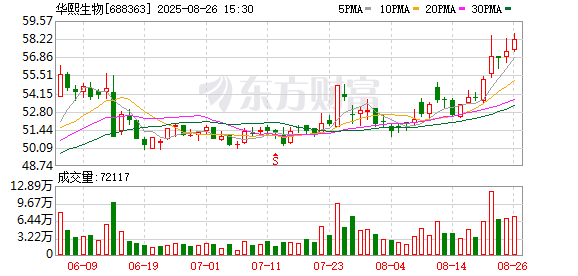
Core Viewpoint - Huaxi Biological (688363) reported a decline in both revenue and net profit for the first half of the year, indicating challenges in its skin science innovation business [2]. Financial Performance - The company achieved operating revenue of 2.261 billion yuan, a year-on-year decrease of 19.57% [2]. - The net profit attributable to shareholders was 221 million yuan, down 35.38% year-on-year [2]. Business Strategy - The decline in net profit is primarily attributed to the decrease in revenue from the skin science innovation transformation business [2]. - The company aims to continue its focus on technological innovation and the application of synthetic biology in more fields, while optimizing its business structure and improving operational efficiency to achieve high-quality development [2].
新材料产业深度报告:20家上市公司最新业绩榜单与投资逻辑
Sou Hu Cai Jing· 2025-08-26 13:29
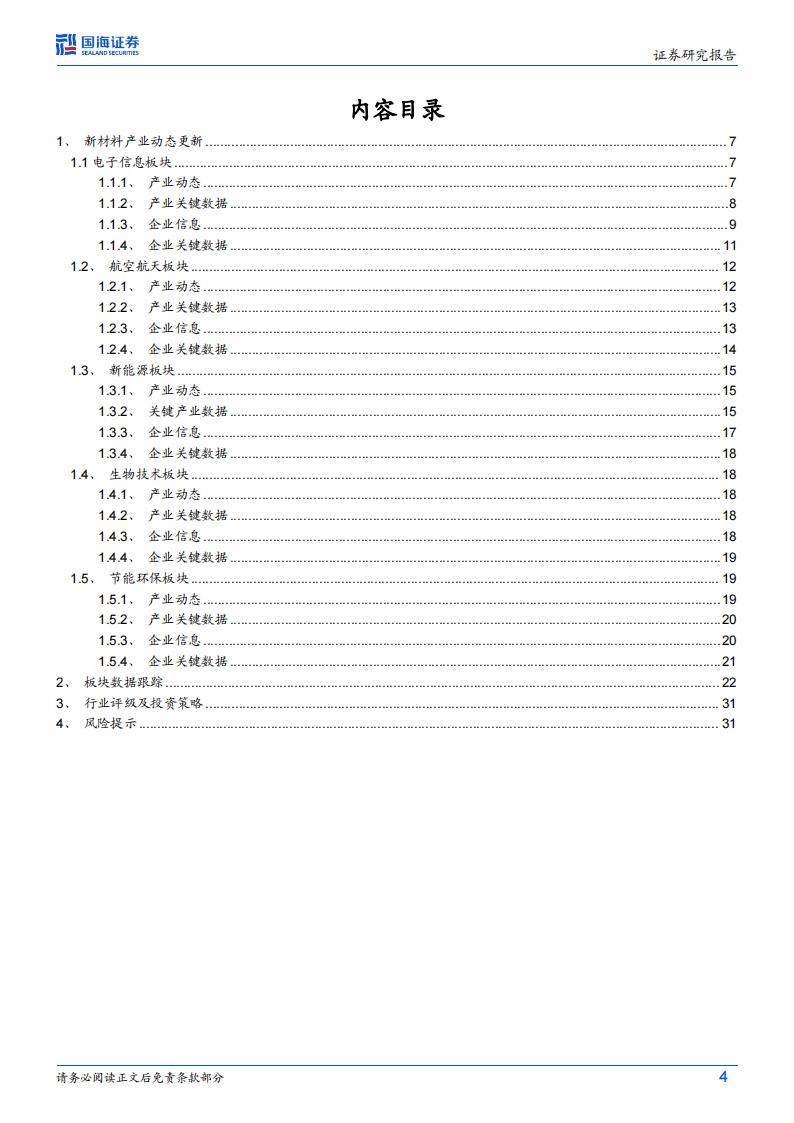
Group 1: New Materials Industry Overview - The new materials sector is positioned as a foundational growth area within the chemical industry, expected to see significant policy, demand, and technological catalysts by August 2025, with a notable focus on electronic information, new energy, aerospace, biotechnology, and environmental protection [1] - The basic chemical sector has experienced a 48.1% increase over the past year, significantly outperforming the CSI 300 index, indicating rising market interest in high-growth new materials companies [1] Group 2: Electronic Information Sector - OpenAI's CEO Sam Altman highlighted that trillions of dollars will be invested in AI infrastructure, driving demand for semiconductors, storage materials, and high-performance components [2] - The global data center physical infrastructure market is projected to reach $63.1 billion by 2029, with a compound annual growth rate (CAGR) of 15% from 2024 to 2029, benefiting semiconductor and display materials companies [2] - Domestic companies such as Guocera Materials reported a revenue of 2.154 billion yuan in the first half of 2025, a year-on-year increase of 10.29%, while Dinglong Co. achieved 1.732 billion yuan in revenue, up 14% year-on-year, with a net profit growth of 42.78% [2] Group 3: Aerospace Materials Sector - The aerospace sector is witnessing a surge in rocket launches and production, with companies like Guangwei Composite achieving 1.201 billion yuan in revenue, a 3.87% increase year-on-year [3] - The U.S. companies Blue Origin and SpaceX are advancing technologies for Mars communication and reusable launch systems, benefiting domestic material and smart manufacturing companies [3] Group 4: New Energy Materials Sector - The Chinese government is taking steps to regulate the photovoltaic industry, emphasizing the importance of new energy materials as a core support element [3] - Zhongcai Technology reported a revenue of 13.33 billion yuan in the first half of 2025, a 26% increase year-on-year, while Tianci Materials achieved 7.029 billion yuan, up 28.97% year-on-year [3] Group 5: Biotechnology New Materials Sector - Companies like Kasei Bio and Blue Sky Technology are expanding their operations in synthetic biotechnology and lithium extraction projects, respectively, with Kasei Bio reporting a revenue of 1.671 billion yuan, a 15.68% increase year-on-year [4] - The sector is seeing rapid technological innovation and diverse applications, leading to improved profitability for chemical new materials companies [4] Group 6: Environmental Protection Materials Sector - New regulations in Xinjiang are aimed at controlling environmental risks associated with hazardous waste, promoting information-based supervision [4] - Jiaao Environmental reported a revenue of 1.298 billion yuan in the first half of 2025, a significant increase of 71%, although it faced an expanded net loss of 78 million yuan [4] Group 7: Industry Data and Performance - The new materials index has significantly outperformed the CSI 300 index over the past year, with sub-indices for semiconductor materials, OLEDs, liquid crystals, and carbon fibers showing strong performance [5] - Leading companies in the semiconductor materials sector, such as Guocera Materials and Dinglong Co., maintain "buy" or "hold" ratings, reflecting optimistic profit forecasts driven by accelerated downstream applications [5]


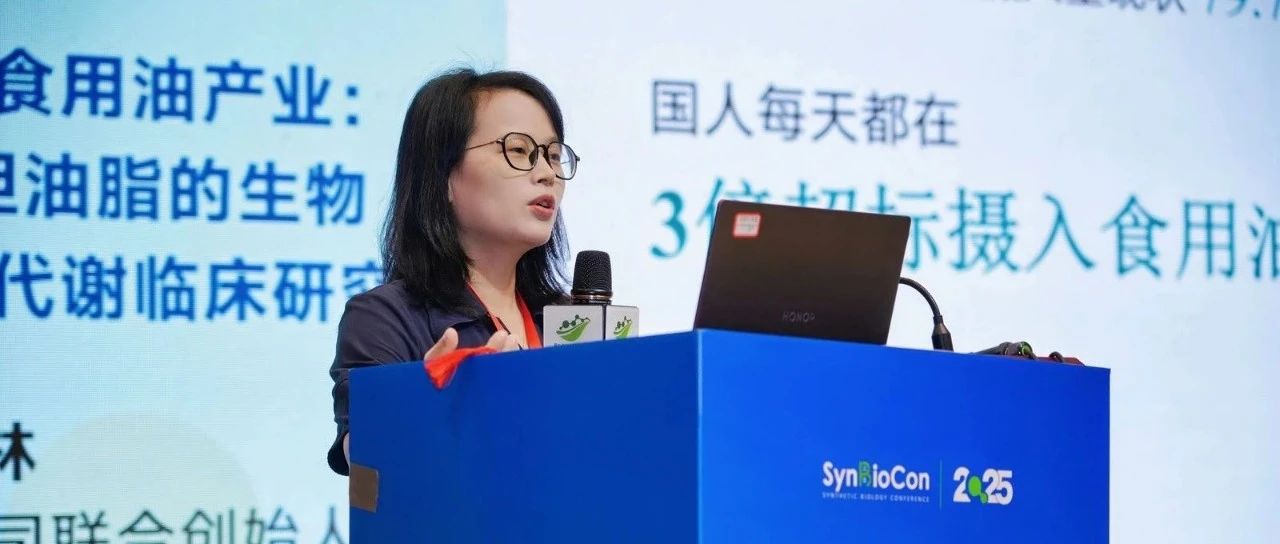
合成生物学重磅突破!轻云减负油联合北大医学部临床证实:换甘油二酯油8周改善6大健康指标!国民用油进入「真」减负时代!
合成生物学与绿色生物制造· 2025-08-25 16:45
Core Viewpoint - The article emphasizes the transformative potential of synthetic biology in the edible oil industry, particularly through the innovation of "light cloud reduced burden oil," which utilizes biotechnological advancements to create healthier oil options that support metabolic health [1][3][8]. Group 1: Technological Breakthroughs - Traditional edible oil processing often sacrifices nutritional value for purity, leading to high levels of triglycerides (TAG) that can contribute to fat accumulation and insulin resistance [3]. - The innovative biocatalytic process developed by the company allows for the conversion of natural triglycerides into diglycerides (DAG) at low temperatures, resulting in a more metabolically friendly oil that is easier to convert into energy [3][5]. - This technology not only preserves the natural flavor of the oil but also effectively reduces the metabolic burden associated with triglycerides, achieving a balance between nutrition and taste [3][5]. Group 2: Clinical Evidence - A large-scale double-blind clinical trial conducted in collaboration with Peking University Medical School demonstrated significant health improvements over an eight-week period for participants consuming diglyceride oil, including better blood lipid levels, reduced total and visceral fat, and decreased waist circumference [5]. - The results of this clinical study provide robust evidence supporting the effectiveness of "oil replacement" in improving lipid metabolism among the Chinese population, addressing a long-standing gap in domestic research [5]. Group 3: Industry Implications - The product represents a shift in the health oil market, transforming high-barrier health interventions into simple lifestyle changes, such as switching to a different type of oil, without requiring significant dietary changes or additional costs [8]. - The integration of advanced biomanufacturing techniques and intelligent manufacturing controls positions the company to redefine standards in the Chinese health edible oil sector, moving from basic sustenance to precision health [8][10]. - The evolution of oil consumption reflects a broader awakening to health consciousness among Chinese families, indicating a shift from merely eating enough to prioritizing quality and health in dietary choices [10].
消费升级催生个性化需求,数字化转型成食品企业把握机遇重要抓手
Di Yi Cai Jing· 2025-08-22 08:05
Core Viewpoint - The food industry is leveraging digital transformation to accelerate its upgrade and capture new market opportunities amid changing consumer demands in the digital economy era [1] Industry Overview - The food industry, as a pillar of the national economy, is undergoing rapid transformation driven by digitalization, enhancing production efficiency and product quality [3][7] - Key industrial enterprises in China's food sector have achieved a numerical control rate of 63.3% and a digital design tool penetration rate of 72.8% [3] Digital Transformation - Leading companies in the food industry are adopting digital technologies to improve production processes and meet consumer demands for safety and health [3][5] - Hai Tian Wei Ye, a representative in the condiment sector, is integrating smart manufacturing technologies while maintaining traditional brewing methods [4][5] - Anqi Yeast has also embraced digital control technologies to enhance product quality and reduce resource consumption [5][6] Consumer Trends - The rise of health-conscious consumers is creating new market opportunities, prompting companies to develop targeted products for various demographics [7][8] - Hai Tian Wei Ye has expanded its product matrix from 400 to 1400, focusing on nutrition and health [7] - Anqi Yeast is developing new products aimed at specific consumer groups, including the elderly and young people [8] Investment Opportunities - The food and beverage sector is seen as a promising investment area due to the ongoing consumer upgrade trend, with companies leveraging AI and digital technologies to enhance efficiency and product quality [6][8] - Analysts suggest that leading companies in the consumer sector are currently undervalued, with potential for valuation recovery as digital technologies are integrated [6][7]



宝济药业递表港交所 中信证券、海通国际为联席保荐人
Zheng Quan Shi Bao Wang· 2025-08-22 00:56
Core Viewpoint - Baoji Pharmaceutical has submitted a listing application to the Hong Kong Stock Exchange, with CITIC Securities and Haitong International as joint sponsors [1] Company Overview - Baoji Pharmaceutical is a clinical-stage biotechnology company focused on developing recombinant biopharmaceuticals in China using synthetic biology [1] - The company has seven candidate drugs across four therapeutic areas, including three core products: KJ017, KJ103, and SJ02, along with five preclinical assets [1] Intellectual Property - The core products are protected by intellectual property rights globally, with 9 authorized patents and 10 patent applications [1] Product Development - KJ017 is designed for large-volume subcutaneous administration, KJ103 targets autoimmune diseases, and SJ02 is for assisted reproduction [1] - All core products are in late clinical stages or NDA registration stages in China [1] Production and Strategy - The company possesses commercial-scale production capabilities and implements a "two-antibody" strategy, focusing on the development of subcutaneous formulations for antibody drugs and antibiotics [1] - The business model combines in-house research and external collaborations, ensuring cost-effectiveness and standardized production capabilities [1]

宝济药业年内第二次递表港交所 核心产品都已于中国进入临床后期阶段或NDA注册阶段
Zhi Tong Cai Jing· 2025-08-21 23:12
Group 1 - The core viewpoint of the news is that Shanghai Baoji Pharmaceutical Co., Ltd. has submitted a listing application to the Hong Kong Stock Exchange for the second time this year, with CITIC Securities and Haitong International as joint sponsors [1] Group 2 - Baoji Pharmaceutical is a clinical-stage biotechnology company focused on developing and providing recombinant biopharmaceuticals in China, utilizing synthetic biology technology to address complex diseases with limited treatment options [3] - The company has developed a pipeline that includes seven clinical-stage drug candidates and five preclinical assets across four therapeutic areas, with core products protected by comprehensive intellectual property rights [3] - The core products include KJ017, KJ103, and SJ02, which are designed for various therapeutic applications, including subcutaneous drug delivery and treatment of autoimmune diseases [4][5] Group 3 - The company has established commercial-scale production capabilities that allow for cost-effective and standardized manufacturing, enabling expansion into other therapeutic areas [6] - Financially, the company reported revenues of 6.93 million, 6.16 million, and 41.99 million RMB for the six months ending June 30 in 2023, 2024, and 2025 respectively, with total losses of approximately 160 million, 364 million, and 183 million RMB during the same periods [6][7][8]
新股消息 | 宝济药业年内第二次递表港交所 核心产品都已于中国进入临床后期阶段或NDA注册阶段
智通财经网· 2025-08-21 22:59
Core Viewpoint - Shanghai Baoji Pharmaceutical Co., Ltd. has submitted its second listing application to the Hong Kong Stock Exchange in 2023, with CITIC Securities and Haitong International as joint sponsors [1]. Company Overview - Baoji Pharmaceutical is a clinical-stage biotechnology company focused on developing and providing recombinant biopharmaceuticals in China, utilizing synthetic biology technology to address complex diseases with limited treatment options [3]. - The company has developed a pipeline of seven clinical-stage drug candidates across four therapeutic areas, including three core products: KJ017, KJ103, and SJ02, along with five preclinical assets [3]. Product Details - KJ017 is a highly glycosylated recombinant human hyaluronidase designed to enhance the absorption of injected drugs for rapid, large-volume subcutaneous administration [4]. - KJ103 is an innovative recombinant immunoglobulin G (IgG) degrading enzyme aimed at treating various autoimmune diseases driven by pathogenic IgG activity [5]. - SJ02 is a long-acting recombinant human follicle-stimulating hormone-CTP fusion protein intended for controlled ovarian stimulation in conjunction with GnRH antagonists [5]. Clinical Development - The core products are in late clinical stages or NDA registration in China, with ongoing trials for KJ103 in kidney transplant desensitization, anti-GBM disease, and Guillain-Barré syndrome [5]. Production and Business Model - The company has established commercial-scale production capabilities, allowing for cost-effective and standardized manufacturing, which supports expansion into other therapeutic areas [6]. - Baoji Pharmaceutical employs a balanced business model combining in-house development with external collaborations, aiming to provide consistent long-term value while managing risks and costs [6]. Financial Performance - For the six months ending June 30, 2023, the company reported revenues of 6.93 million RMB, with losses of approximately 160.4 million RMB for the same period [6][8]. - The projected revenues for the six months ending June 30, 2025, are expected to reach 41.99 million RMB, indicating growth potential [7].