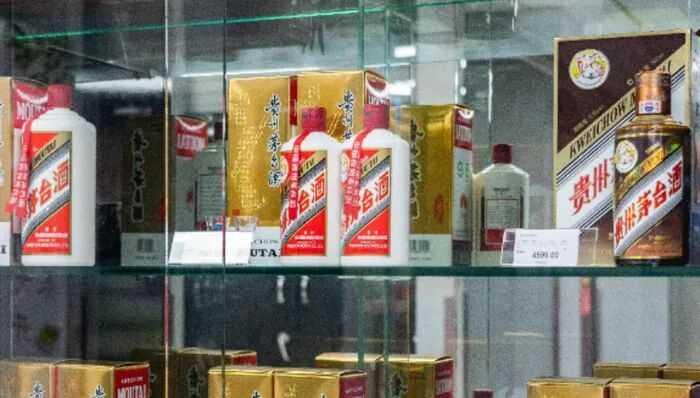
白酒行业深度调整

Search documents
金徽酒Q3净利润下滑幅度超出券商预期 今年业绩目标达成难度高|财报解读
Xin Lang Cai Jing· 2025-10-24 13:09
Core Insights - The company, Jinhuijiu, experienced a slight decline in revenue and net profit in the first three quarters of the year due to intensified competition in the liquor industry and policy adjustments [1] - The third quarter saw a significant drop in net profit, exceeding 30% year-on-year, which was worse than many brokerage firms had anticipated [1][3] Financial Performance - For the first three quarters, Jinhuijiu reported revenue of 2.306 billion yuan, a decrease of 0.97% year-on-year, and a net profit of 324 million yuan, down 2.78% year-on-year [1] - In Q3 alone, revenue was 546 million yuan, a decline of 4.89% year-on-year, with net profit falling to 25 million yuan, a drop of 33.02% year-on-year [1] - The net cash flow from operating activities was 283 million yuan, down 18.89% year-on-year [1] Product and Market Strategy - Jinhuijiu is optimizing its product structure by reducing low-end products and focusing on high-value products, with products priced above 300 yuan/500ml generating 537 million yuan in revenue, a growth of 13.75% [2] - Revenue from products priced between 100-300 yuan/500ml saw a slight increase of 2.36%, while products below 100 yuan/500ml experienced a significant decline of 23.6% [2] - The main revenue source remains Gansu province, contributing 1.689 billion yuan, a decrease of 2% year-on-year [2] Sales Channels - The primary sales channel, the distributor channel, generated 2.093 billion yuan, down 2.74% year-on-year, while online sales increased by 25.22% to 73 million yuan [2] - Direct sales, including group purchases, generated 57 million yuan, a decline of 6% [2] Future Outlook - Jinhuijiu aims to achieve a revenue target of 3.280 billion yuan in 2025, representing an 8.57% growth, and a net profit target of 408 million yuan, a 7.37% increase [2] - To meet this year's revenue and profit goals, the company would need to achieve a growth rate of at least 40% in Q4 revenue and 82.7% in net profit, which is challenging given the current market conditions [3]

五粮液公布46家非授权店铺名单双11价盘保卫战背后的生存困局
Xin Lang Cai Jing· 2025-10-24 09:11
Core Viewpoint - The announcement from Wuliangye on the second day of the Double 11 pre-sale highlights the company's response to significant challenges in the liquor industry, including price declines, channel disruptions, and performance pressures, under the guise of "protecting consumer rights" [1] Group 1: Pricing and Sales Dynamics - Continuous price declines are the main reason for Wuliangye's strong statement, particularly concerning its core product, the eighth generation of Pu Wuliangye, which has a factory price of 1019 yuan and an official retail price of 1499 yuan, while actual transaction prices in unauthorized e-commerce stores are lower [2] - The traditional distribution model, which has been Wuliangye's foundation, is showing signs of fatigue, with revenue growth from this model only at 1.2% in the first half of 2025, and a corresponding decline in gross margin by 1 percentage point, alongside a decrease in the number of distributors [2] Group 2: E-commerce and Counterfeit Issues - Data from Wuliangye indicates that in the first five months of 2025, 16.65% of the 1610 product authentication services provided to e-commerce consumers identified counterfeit products, an increase from 12% during the previous year's Double 11 period, with many counterfeits originating from platforms [2] Group 3: Industry Context and Performance Pressure - Wuliangye faces increasing performance pressure, with only 52.77 billion yuan in revenue achieved in the first half of 2025, reflecting a year-on-year growth rate of 4.19%, which is concerning as 2025 is a critical year for the company to reach its 100 billion yuan revenue target [2] - The price fluctuations during Double 11 are merely a symptom of a deeper adjustment period in the liquor industry, where inventory turnover days have reached 900 days, and 60% of companies are facing price inversions, particularly affecting the 800-1500 yuan price range, which is crucial for Wuliangye [2] - The outcome of this price defense battle is not only vital for Wuliangye's revenue goals but also determines the market share and brand value of the second-largest player in the liquor industry during a period of intense competition [2]

“双十一”大促刚开场,53度飞天茅台补贴价跌破1700元
Di Yi Cai Jing· 2025-10-17 06:14
Core Insights - The collaboration with e-commerce channels has become an unavoidable topic for liquor companies, as they seek new growth amidst declining traditional sales [1][2] - The rapid growth of online liquor sales is not driven by liquor companies, which have historically undervalued e-commerce, but they can no longer resist the trend of online and offline integration [3][6] Group 1: Market Trends - The liquor industry is experiencing a significant adjustment, with major companies reporting varying degrees of sales decline, particularly during the recent holiday seasons [2] - Data shows that overall sales of liquor during the Mid-Autumn and National Day holidays dropped approximately 25%, largely due to a significant contraction in group buying and government markets [2] - In contrast, online sales of liquor have surged, with platforms like Meituan reporting an 8-fold increase in liquor sales year-on-year, and JD's liquor category seeing a 109% increase during the holiday period [2] Group 2: E-commerce Dynamics - The entry of liquor brands into e-commerce has shifted from resistance to cooperation, with companies like Moutai and Fenjiu partnering with platforms for instant retail services [4] - However, the low-price competition from e-commerce platforms poses a significant challenge to offline markets, with some premium liquor prices dropping below wholesale costs [4][7] - The phenomenon of "naked pricing" in the liquor market is becoming a reality, with many brands struggling to maintain profitability due to aggressive online pricing strategies [4][6] Group 3: Brand Value and Consumer Perception - Liquor is characterized by information asymmetry, making it difficult for consumers to assess value solely based on product appearance, which is why brands have built a pricing system around star products [5] - The long-term low-price promotions online threaten to undermine the established brand value and pricing structures of liquor companies [5] Group 4: Future Outlook - Predictions indicate that the e-commerce market share for the liquor distribution industry could exceed 30% within the next three years [3] - The ongoing price wars and the need for e-commerce platforms to attract traffic through low prices may lead to a shift in market power towards online channels if liquor companies do not adapt [7]

53度飞天茅台补贴价跌破1700元
Di Yi Cai Jing Zi Xun· 2025-10-17 05:41
Core Insights - The collaboration with e-commerce channels has become an unavoidable topic for liquor companies, as they seek new growth amidst declining traditional sales [2][3] - The rapid growth of online liquor sales is not driven by liquor companies, which have historically undervalued e-commerce, but the trend of online and offline integration is now unstoppable [4] - The low-price competition in e-commerce poses a significant conflict for liquor brands, as they struggle to maintain pricing integrity while facing aggressive online promotions [5][6] Industry Trends - The liquor industry is experiencing a deep adjustment, with major companies reporting varying degrees of sales decline, particularly during the recent holiday seasons [3] - E-commerce platforms have seen substantial growth in liquor sales, with some platforms reporting sales increases of up to 800% year-on-year [3] - The shift in consumer shopping habits towards e-commerce is evident, with new retail channels like instant retail showing clear advantages over traditional retail [3] E-commerce Dynamics - The entry of major liquor brands into e-commerce platforms marks a shift from resistance to cooperation, as companies seek to leverage online sales for growth [5] - The pricing strategies of e-commerce platforms have led to significant price drops for premium liquor brands, with some products being sold below cost [5][6] - The lack of control over pricing and distribution by liquor companies has resulted in a chaotic pricing environment, with e-commerce platforms independently setting low prices [6][7] Future Outlook - Predictions indicate that the e-commerce market share for the liquor distribution industry could exceed 30% within the next three years [4] - The ongoing conflict between liquor companies and e-commerce platforms over pricing and market control is likely to persist unless a unified management approach is adopted [7] - The increasing online sales of liquor are expected to shift market power towards e-commerce platforms, challenging traditional liquor companies' influence [7]

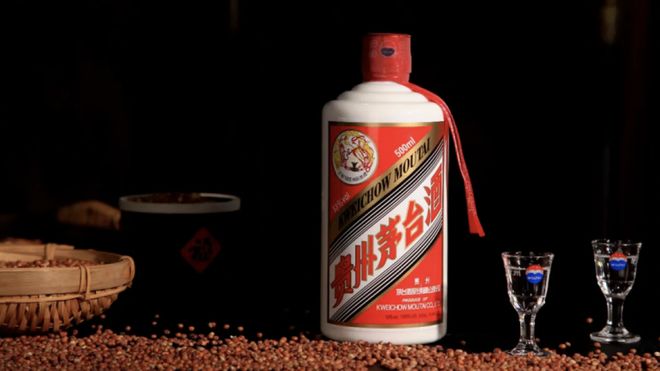
53度飞天茅台补贴价跌破1700元
第一财经· 2025-10-17 05:32
Core Viewpoint - The collaboration with e-commerce channels has become an unavoidable topic for liquor companies, as traditional sales channels continue to decline, prompting companies to seek growth in the booming e-commerce sector while facing challenges from aggressive price competition [3][5]. Group 1: Industry Trends - The liquor industry is undergoing deep adjustments, with major liquor companies reporting varying degrees of sales decline in their half-year reports. During the recent "Double Festival" peak season, overall sales of liquor dropped by approximately 25%, primarily due to a significant contraction in group purchases and government-related markets [5][6]. - E-commerce platforms have shown strong growth in liquor sales, with Meituan's liquor category sales increasing by about 800% year-on-year during the last weekend before the holiday. JD's liquor category sales grew by 109% during the "Double Festival," and Douyin's liquor sales heat increased by 41% compared to last year [6]. Group 2: E-commerce Integration - The attitude of liquor brands towards e-commerce has shifted from rejection to cooperation, with companies like Kweichow Moutai and others entering e-commerce platforms to offer services like 30-minute delivery [8]. - Despite the desire for growth through e-commerce, the issue of low-price promotions disrupting offline markets remains unresolved, creating a core conflict between liquor companies and e-commerce platforms [8][10]. Group 3: Pricing and Competition - The current low-price competition in the liquor market is attributed to an oversupply in the industry. E-commerce platforms have begun to operate independently, leading to significant price drops for well-known liquor brands, with some prices falling below wholesale costs [10][11]. - The phenomenon of "naked pricing" in the liquor market has emerged, where prices are driven down by e-commerce platforms, making profitability challenging for liquor companies in the next 3-5 years [9][11]. Group 4: Consumer Perception and Brand Value - Liquor is characterized as an information-asymmetric product, where consumers cannot easily assess its value. The long-term low-price promotions on star products can undermine the brand's foundation [9][10]. - The need for e-commerce platforms to attract traffic has led to a focus on star products, which are crucial for driving sales. Without stronger collaboration between platforms and liquor companies, the ongoing low-price competition will be difficult to manage [11].
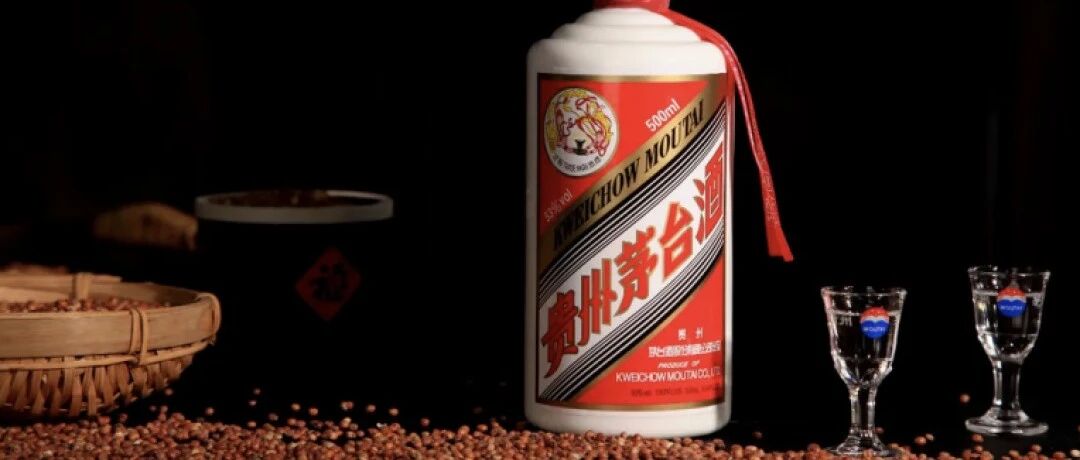
聚焦双十一|又想电商增量,又怕电商乱价?白酒企业面临两难局面
Di Yi Cai Jing· 2025-10-17 04:56
Core Insights - The rise of e-commerce has created both opportunities and challenges for the liquor industry, particularly for baijiu companies, as they seek to navigate low-price competition while trying to capture new market growth [1][2][6] Group 1: E-commerce Opportunities and Challenges - E-commerce has become a focal point for baijiu companies as traditional sales channels continue to decline, prompting a shift in strategy towards online platforms [2][6] - Despite the overall sales decline of approximately 25% during the recent holiday seasons, e-commerce platforms have seen significant growth, with sales on platforms like Meituan increasing by about 800% year-on-year [6] - The rapid growth of online sales is attributed to changing consumer habits and the ability of e-commerce to reach a broader audience, breaking traditional regional market barriers [6][7] Group 2: Price Competition and Market Dynamics - The aggressive pricing strategies employed by e-commerce platforms have led to a significant drop in prices for premium baijiu brands, with some products being sold below wholesale prices [7][9] - Baijiu companies are struggling to maintain their brand value as online low-price promotions undermine established pricing structures, leading to concerns about long-term profitability [8][9] - The current market dynamics are characterized by an oversupply of baijiu, which has allowed e-commerce platforms to operate outside the control of liquor companies, exacerbating the pricing conflict [8][9] Group 3: Future Outlook - Industry experts predict that the e-commerce market share for liquor sales could exceed 30% within the next three years, indicating a significant shift in the distribution landscape [6] - The ongoing tension between liquor companies and e-commerce platforms suggests that unless there is a collaborative approach to pricing and distribution, the conflict over low-price competition will persist [9]
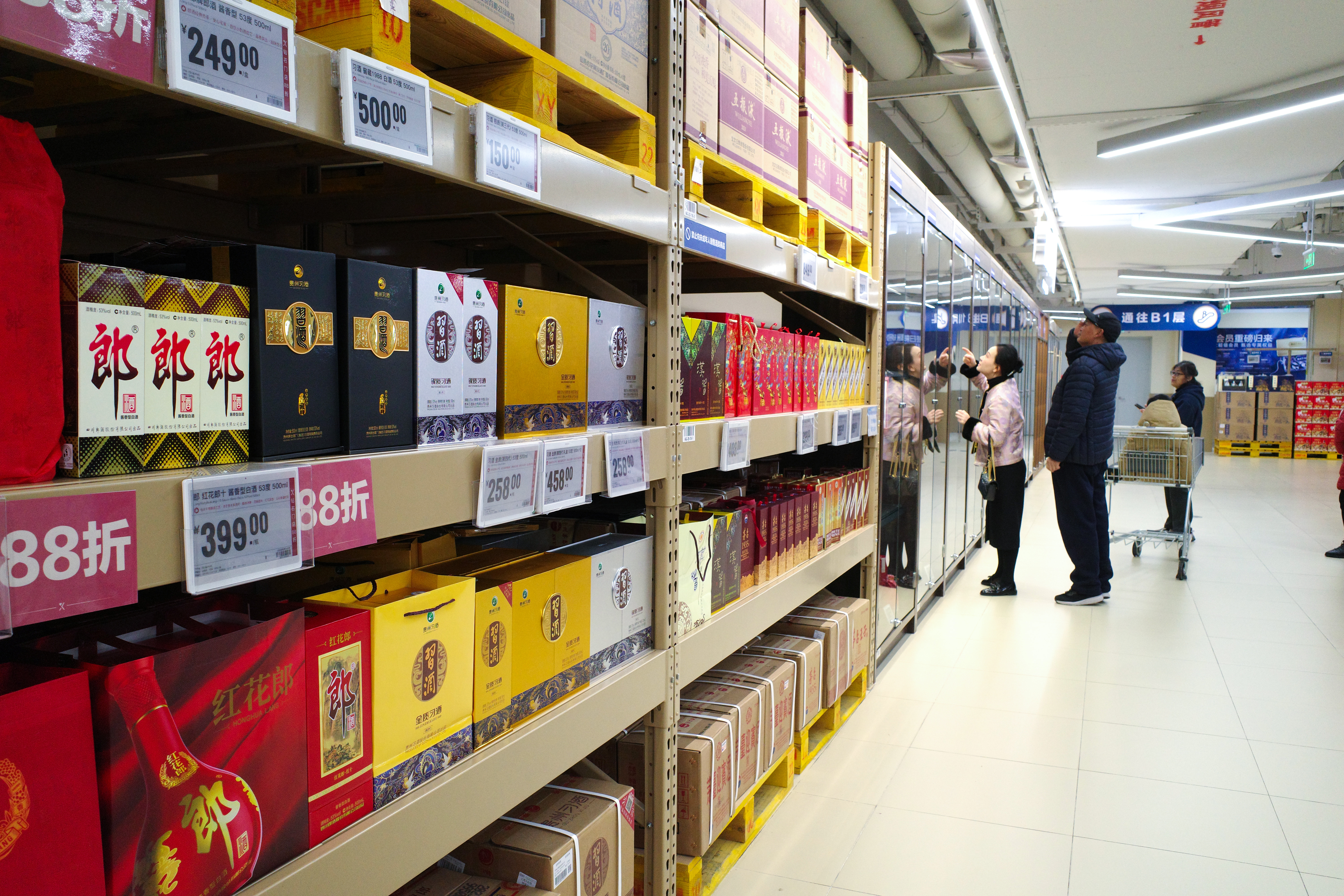
四川高端酒市场调研:宴席回暖难掩行业深度调整
Sou Hu Cai Jing· 2025-10-07 14:02
Core Insights - The high-end liquor market in Sichuan is experiencing significant challenges, with cautious inventory management and a decline in sales expected during the Mid-Autumn Festival and National Day, projecting a year-on-year decrease of 20-30% [2][6]. Group 1: Industry Adjustment - The liquor industry has shifted from a "volume decrease, price increase" growth model to a "volume and price decline" phase, with total production down 5.8% and total profits down 10.93% in the first half of 2025 [2][3]. - Inventory pressure is identified as the most severe challenge, stemming from structural contradictions due to long-term rough development, including a disconnect between capacity expansion and market demand [2][3]. - Over-reliance on a stockpiling growth model has exacerbated the crisis, leading to a "backwater effect" in channel inventory and a vicious cycle of price inversion [3][6]. Group 2: Market Dynamics - The price inversion situation has worsened, particularly in the 800-1500 yuan price range, which accounts for 32% of products experiencing inversion [3][5]. - The market price of high-end products like Feitian Moutai has significantly dropped, with prices falling below 1800 yuan per bottle, indicating deeper issues in the high-end liquor market [5][6]. - The traditional sales model is failing, forcing liquor merchants to transition to a more active sales approach, but high marketing costs and fragmented channels complicate this transition [6][9]. Group 3: Consumer Behavior Changes - The consumer base for high-end liquor is undergoing a profound transformation, with traditional customers from the infrastructure sector decreasing from over 30% to around 10% [9][11]. - There is a notable increase in gatherings among retirees, with events like retirement parties and anniversaries becoming new growth points for liquor consumption, reflecting the impact of China's aging population [9][11]. - The market is expected to continue evolving towards a more rational consumption model, with a focus on quality over quantity, as the saying "drink less, drink better" becomes a reality [11].

港股异动|珍酒李渡(06979)午后跌超4%贵州茅台否认下调业绩目标机构预计双节白酒动销仍承压
Xin Lang Cai Jing· 2025-09-25 06:04
Core Viewpoint - The stock of Zhenjiu Lidu (06979) has experienced a decline of over 4%, currently trading at 8.83 HKD with a transaction volume of 120 million HKD, amid rumors of Guizhou Moutai potentially lowering its annual performance targets in the context of a deep adjustment in the liquor industry [1] Company Summary - Zhenjiu Lidu's latest flagship product "Dazhen" has been officially launched, with a reported revenue of 370 million CNY and over 2,800 national alliance merchants signed [1]
港股异动 | 珍酒李渡(06979)午后跌超4% 贵州茅台否认下调业绩目标 机构预计双节白酒动...
Xin Lang Cai Jing· 2025-09-25 05:59
Core Viewpoint - The liquor industry is undergoing a significant adjustment, with rumors suggesting that Kweichow Moutai may lower its annual performance targets, although the company has denied this claim [1] Company Summary - Zhenjiu Lidu's stock fell over 4% in the afternoon, currently trading at HKD 8.83 with a transaction volume of HKD 120 million [1] - The company recently launched its new flagship product "Dazhen," which has already generated a revenue of CNY 370 million and signed over 2,800 alliance merchants nationwide [1] - Pacific Securities reported that the overall terminal sales in the industry have shown some recovery since August, but sales during the Mid-Autumn Festival and National Day are still expected to be under pressure compared to last year [1] Industry Summary - The liquor industry is experiencing a deep adjustment, with Kweichow Moutai's performance targets being a focal point of concern among investors [1] - The market has seen a recovery in terminal sales since August, but challenges remain for the upcoming holiday sales [1] - The introduction of high-quality products like "Dazhen" is seen as a potential driver for growth in the liquor sector, particularly for Zhenjiu Lidu [1]
贵州茅台否认下调今年业绩目标
Xin Lang Cai Jing· 2025-09-22 10:39
Group 1 - The core viewpoint of the article indicates that despite rumors of a performance target adjustment, Guizhou Moutai has not changed its annual performance goals and has completed 47.99% of its revenue target for 2025 in the first half of the year [2][6] - Guizhou Moutai's revenue growth target for 2025 is set at approximately 9%, translating to about 189.82 billion yuan [3][6] - The company reported a total revenue of 91.094 billion yuan in the first half of 2025, marking a year-on-year increase of 9.16%, with net profit reaching 45.403 billion yuan, up 8.89% [5][6] Group 2 - The company has faced challenges due to industry adjustments and changing consumer trends, but it has maintained market stability through optimized strategies and product placements [3][4] - Recent data shows that the wholesale price of 53-degree 500ml Flying Moutai has dropped to 1,770 yuan, a decline of over 20% compared to its initial price when the platform launched [3][5] - As of September 22, Guizhou Moutai's stock price was 1,453.35 yuan per share, reflecting a 3.37% decline year-to-date [6]