硬科技投资

Search documents
第25届中国股权投资年度大会
投资界· 2025-10-17 03:39
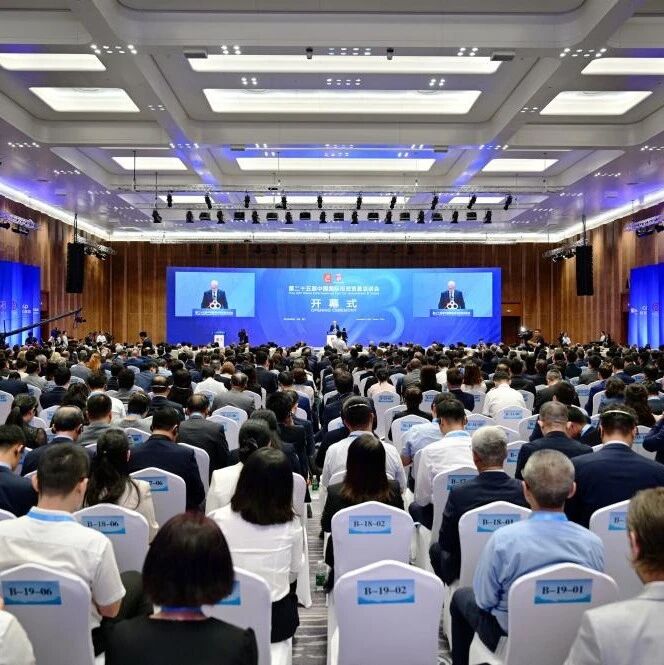
Core Viewpoint - The article highlights the upcoming 15th China Venture Capital Annual Conference, emphasizing its significance in the investment landscape and the diverse topics to be discussed, including trends in venture capital and private equity [2][3]. Event Highlights - The conference will feature over 200 investors and 300+ investment firms, showcasing a significant turnout and engagement in the investment community [6]. - Key events include the "Investment Trends Forum," AI Summit, and "Investment iTalk," focusing on practical insights and discussions rather than theoretical concepts [9][10]. Agenda Overview - The agenda includes a series of keynote speeches, panel discussions, and networking opportunities, starting with the opening ceremony and the release of the "2025 China Venture Capital Development Report" [12][14]. - Notable sessions include discussions on angel investing, investment cycles, and the challenges and opportunities in hard technology investments [17][20]. Special Activities - The conference will also host special activities such as a CEO breakfast meeting, a half-marathon, and various sports events, promoting networking in a more casual environment [18][22][24]. - The "X-Day" overseas consumer electronics project roadshow will provide a platform for showcasing innovative projects to potential investors [19]. Registration and Participation - Ticket pricing is structured to accommodate different participants, with early bird and group discounts available, ensuring accessibility for a wide range of attendees [25].

如何更好赋能硬科技项目发展?——投资大咖们开启一场“头脑风暴”
Shang Hai Zheng Quan Bao· 2025-09-28 17:13
Core Insights - The roundtable forum at the Hunan Jin Furong Investment Fund promotion and 2025 Hunan Angel Investment Conference highlighted the importance of building a "circle of friends" for angel investors to enhance collaboration and resource sharing in the investment process [1][2] Group 1: Angel Investment Dynamics - Angel investment is characterized as a unique existence, where true angel investors often feel isolated and seek community engagement [1] - The construction of an efficient collaborative "circle of friends" is essential for angel investors to provide substantial value and resources to their portfolio companies [2] Group 2: Collaborative Strategies - Various practical paths for building a collaborative network were shared, such as regular pitch events organized by alumni funds and monthly co-investment days to foster information sharing and project collaboration [2] - The emphasis on post-investment collaboration and partnerships with banks to create a synergistic investment and loan mechanism was noted as a strategy to expand the investor network [1] Group 3: Hunan's Investment Landscape - Hunan is recognized as a fertile ground for angel investment, supported by strong innovation and entrepreneurship culture, as well as favorable policies [3] - Data indicates that Dachen Capital has invested in 70 companies in Hunan, with 15 of them having gone public, showcasing the region's potential for successful investments [3] - The strategic partnership with Caixin Financial Holdings is highlighted as a significant advantage in integrating local industry and policy resources for investment in Hunan [3]
今年,GP最确定的机会
FOFWEEKLY· 2025-09-26 10:07
Core Viewpoint - The investment in future industries is characterized by high uncertainty, and the key to overcoming challenges lies in the collaboration of state-owned capital, market-oriented institutions, and industrial capital to identify genuine opportunities in cutting-edge fields such as quantum technology, AI, and semiconductors [2][3][21]. Group 1: Challenges in Future Industry Investment - The main challenges in future industry investment include the professional judgment of technology, the tolerance for long investment cycles, and the cross-disciplinary capabilities of talent teams [3][4][12]. - State-owned capital plays a crucial role as "patient capital" and in building industrial ecosystems, while market-oriented institutions focus on early-stage investments to uncover technological potential [4][6]. - The investment cycle for early-stage projects can extend up to 7 to 10 years, requiring a high tolerance for risk and a long-term vision [7][8]. Group 2: Strategies for Overcoming Challenges - Investment institutions should enhance their capabilities by collaborating with top general partners (GPs) and nurturing local emerging investment firms [6][7]. - The integration of traditional industries with future industries through mergers and acquisitions is becoming a new growth driver, allowing for collaborative development [4][15]. - The need for investment teams to include technology experts who understand the nuances of future industries is emphasized to improve investment logic and decision-making [9][10][11]. Group 3: Relationship Between Traditional and Future Industries - Traditional industries are seen as stable but face slow growth, while future industries, though uncertain, hold significant growth potential [14][15]. - Mergers and acquisitions are highlighted as a key method for integrating emerging assets into traditional frameworks, facilitating synergy and value creation [18][21]. - The focus on innovation and upgrading within traditional sectors is essential for attracting investment and fostering sustainable growth [15][16]. Group 4: Conclusion and Future Outlook - The investment landscape for future industries is evolving into a systemic ecological competition, where the ability to secure long-term funding, invest in top projects, and achieve ideal returns remains a significant challenge for most GPs [20][21]. - The collaboration of state-owned capital, market-oriented VC/PE, and industrial capital is crucial for accelerating commercialization and linking traditional industries with technological innovation [21].

南岭创投:坚持长期价值理念 投资硬科技领域
Zhong Guo Zheng Quan Bao· 2025-09-24 20:18
Group 1 - The Shenzhen Bantian Artificial Intelligence Venture Capital Fund and Shenzhen Longgang Longxing Venture Capital Fund have signed investment intention agreements, with a total expected scale of 1 billion and 2 billion yuan respectively, and a duration of 10 years [1] - The funds have completed the intention fundraising and are advancing the subsequent legal procedures, marking a new development stage for Nanling Venture Capital [1][2] - The investment strategy focuses on "early, accurate, stable, and hard technology" investments, emphasizing long-term value investment [1][5] Group 2 - The active participation of 12 Shenzhen cooperative companies as LPs is driven by the need for new growth engines beyond traditional property economics and supportive policies from local authorities [2] - The "error tolerance and exemption mechanism" introduced by the Longgang District has alleviated concerns for cooperative companies entering the venture capital industry [2] - Nanling Venture Capital has reserved quality projects, with the new funds targeting hard technology sectors such as artificial intelligence, robotics, semiconductors, high-end manufacturing, and biomedicine [2] Group 3 - Since its establishment, Nanling Venture Capital has adopted a "direct investment + fund" model, achieving a high investment accuracy rate of 90% with two-thirds of its 13 projects being early-stage investments [3] - Notable investments include a 700 million yuan angel investment in a company specializing in low-light imaging technology, which has since significantly increased in valuation [3][4] - The firm has successfully invested in companies that have gone on to achieve significant market positions, such as HuanChuang Technology and HaiChuang Pharmaceuticals, the latter being the first to go public [4] Group 4 - Nanling Venture Capital's investment philosophy is centered on long-term value creation rather than short-term gains, aiming to transform the collective economy of Nanling Village [5] - The company seeks to attract advanced manufacturing and emerging industries to establish a sustainable economic model, balancing roles as both landlord and shareholder [5] - The firm acknowledges the challenges of hard technology investments, including long cycles and high risks, and emphasizes the importance of patience and realistic expectations for returns [5]
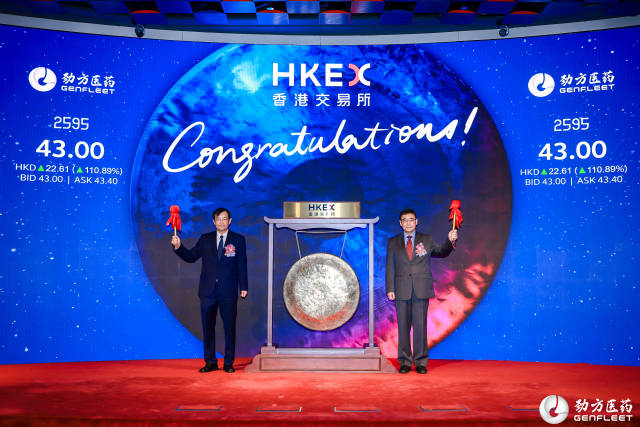
劲方医药登陆港交所!珠海科技产业集团收获年内第6个IPO
2 1 Shi Ji Jing Ji Bao Dao· 2025-09-19 10:21
Core Viewpoint - The successful IPO of Jinfang Pharmaceutical on the Hong Kong Stock Exchange marks a significant milestone, raising approximately HKD 1.6699 billion, making it one of the largest biotech IPOs since 2022 [1][4]. Company Overview - Jinfang Pharmaceutical, established in 2017, focuses on innovative drug development in oncology and autoimmune diseases, with a product pipeline that includes eight candidates, five of which are in clinical development [3][4]. - The company's core product, GFH925 (fulzerasib), is a KRAS G12C inhibitor approved for treating advanced non-small cell lung cancer (NSCLC), recognized as a breakthrough therapy [3][4]. Financial Performance - In the first four months of 2025, Jinfang Pharmaceutical reported revenues of CNY 0.82 billion, with R&D expenditures of CNY 0.698 billion, highlighting the company's commitment to innovation [4]. - Over 70% of the funds raised from the IPO will be allocated to the development of core products GFH925 and GFH375, aiming to enhance the company's competitive edge in the biopharmaceutical sector [4][6]. Investment Landscape - The IPO reflects the strategic investment capabilities of Zhuhai Technology Industry Group, which has successfully led multiple IPO projects in the hard technology sector [3][7]. - Despite a challenging investment environment for innovative drugs, Zhuhai Technology Industry Group's involvement in Jinfang Pharmaceutical's financing rounds demonstrates confidence in the company's product pipeline and management expertise [6][9]. Market Position - Zhuhai Technology Industry Group has established itself as a leader in hard technology investments, with a notable presence in various sectors including semiconductors, renewable energy, and biomedicine [7][9]. - The group's investment strategy emphasizes long-term commitment and the potential for replicable models in empowering hard technology through state-owned capital [9].
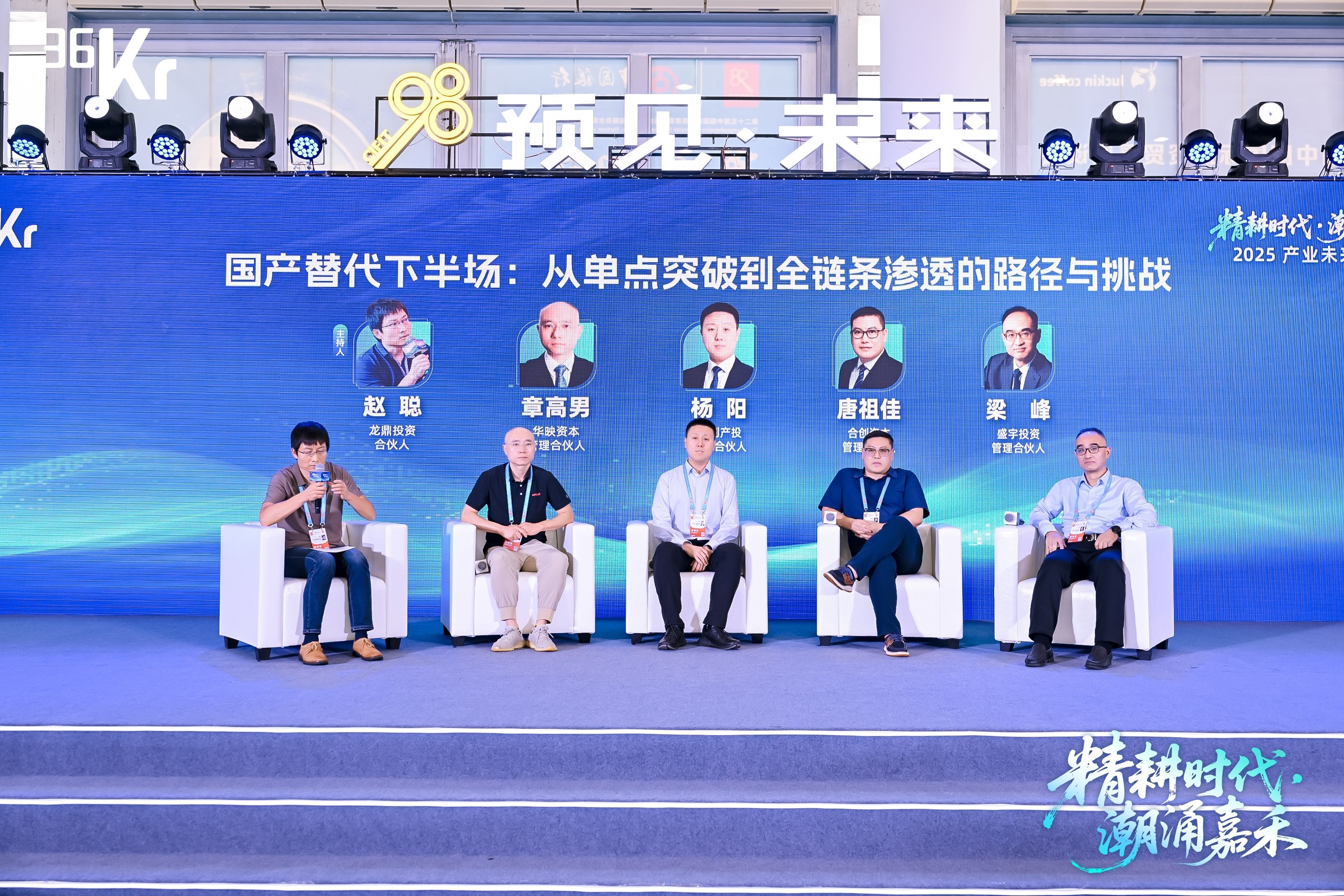
圆桌对话:国产替代下半场:从单点突破到全链条渗透的路径与挑战|2025年36氪产业未来大会
3 6 Ke· 2025-09-19 08:31
Core Insights - The 2025 36Kr Industry Future Conference was held in Xiamen, China, focusing on national strategic guidance and industry development, particularly in five key sectors: artificial intelligence, low-altitude economy, advanced manufacturing, new energy, and large consumption [1] - The conference emphasized the importance of collaboration among government, capital, and industry to address pain points and bottlenecks in industrial development [1] Group 1: Investment Institutions and Strategies - Longding Investment focuses on the semiconductor industry and is expanding into new energy and automotive electronics, emphasizing deep collaboration among its investments [5] - Huaying Capital has evolved from digital content to a comprehensive fund focusing on technology and consumption upgrades, managing approximately 12 billion [6] - Shunchuang Investment, a state-owned enterprise, targets high-end manufacturing and smart equipment, aligning with the strategic industries of Shunyi District [6] - Hechuang Capital specializes in early-stage hard technology investments, maintaining a stable investment frequency and focusing on the impact of economic and technological cycles [6] - Shengyu Investment has a strong focus on hard technology, particularly in semiconductors and innovative medical devices, adopting a "deep vertical" investment strategy [7] Group 2: Domestic Substitution and Market Trends - The discussion highlighted the progress of domestic substitution in the semiconductor industry, with companies like "New Kailai" exemplifying breakthroughs in high-end semiconductor manufacturing [8][9] - The domestic substitution rate in the semiconductor industry has increased from 10% in 2018 to an expected 26% in 2023, with significant improvements in specific sectors like DRAM and semiconductor equipment [14][15] - The challenges of domestic substitution include overcoming technological barriers and establishing a supportive ecosystem for new entrants [29][30] Group 3: Future Outlook and Recommendations - Investment institutions emphasize the need for differentiation and innovation in products to compete internationally, rather than relying on price competition [33] - The importance of breaking down barriers between industries and integrating various technologies to create globally competitive products is highlighted [34] - Companies are encouraged to focus on their unique strengths and develop specialized products to secure a stronger position in the industry [34]

锚定硬科技!泰康上证科创板综合指数增强A(023970)跟踪指数强势反弹涨超1.3%,龙芯中科涨近16%
Xin Lang Cai Jing· 2025-09-16 06:22
Group 1: Market Performance - The Sci-Tech Innovation Board Index (000680) has surged by 1.31%, with notable increases in constituent stocks such as Loongson Technology (688047) up by 15.86%, Weichuang Electric (688698) up by 11.32%, and Tonglian Precision (688210) up by 10.87% [1] - After a period of adjustment, the index is experiencing a strong rebound driven by multiple positive factors [1] Group 2: Policy and Corporate Actions - The "Quality Improvement, Efficiency Enhancement, and Return to Shareholders" initiative for the Sci-Tech Innovation Board is progressing, with nearly 90% of companies disclosing their 2025 action plans by early September [1] - Over 70% of the 589 companies on the board have directed their initial fundraising towards R&D and production, with total investments exceeding 650 billion yuan [1] - There is a notable increase in companies' awareness of returning value to shareholders, with 79 companies announcing mid-term dividend plans totaling over 6.1 billion yuan since 2025 [1] Group 3: Fund Flow and Institutional Investment - Pension funds, referred to as the "national team," have increased their allocation to the Sci-Tech Innovation Board, appearing in the top ten shareholders of 21 stocks by the end of Q2, with a total market value of 3.456 billion yuan [2] - Continuous inflow of institutional funds is providing stability to the market and creating opportunities for excess returns in index-enhanced products [2] Group 4: Industry Trends - The core sectors of the Sci-Tech Innovation Board are driving growth, particularly in semiconductors, with companies like Cambrian receiving approval for a 3.985 billion yuan private placement focused on chip platform R&D [2] - Leading semiconductor firms, such as Huahong Semiconductor, reported a 18.3% year-on-year increase in sales revenue and a capacity utilization rate of 108.3%, indicating accelerated domestic substitution in the semiconductor industry [2] - In the biopharmaceutical sector, innovative drug companies on the board completed 14 overseas licensing transactions in the first half of the year, with potential total transaction amounts exceeding 12 billion USD, showcasing international recognition of domestic innovation [2]

对话建发新兴投资王文怀:创投的本质是预判,做技术“左侧”的种树人
Xin Lang Ke Ji· 2025-09-12 05:49
Core Insights - The article discusses the role of state-owned venture capital institutions in balancing strategic focus with market adaptability amidst technological innovation and industrial upgrades [2][3] Group 1: State-Owned Venture Capital - State-owned capital should enhance its ability to judge future trends based on a thorough understanding of national, regional, and urban development strategies, aiming to become "patient capital" [2][3] - Jianfa Emerging Investment has managed nearly 30 billion and covered over 2,000 entrepreneurial projects, achieving a cumulative net profit exceeding 4 billion since its inception [3] Group 2: Market Efficiency and Policy Guidance - There is a belief that government direction and market efficiency are not contradictory; Jianfa Emerging Investment primarily manages market-oriented funds rooted in a deep understanding of national high-quality development strategies [3][4] - The organization serves as a bridge for market-oriented entrepreneurial firms to connect with local policy resources, leveraging its unique understanding of government strategies [4] Group 3: Investment Landscape - The current venture capital market does not lack funds; rather, it lacks efficient market-oriented Limited Partners (LPs) to channel capital into high-quality General Partners (GPs) and core competitive technology enterprises [6] - A call for more market-oriented state-owned LPs to shift from task-oriented funding to market-oriented capital allocation, promoting upgrades in industrial structure towards high value-added and high-tech content [6] Group 4: Investment Logic in Hard Technology - The essence of venture capital lies in foresight and prediction, with successful investors willing to invest before a company's financial maturity [7] - Investment judgment should consider four levels: financial statements, business development, understanding technology and products, and evaluating the team [7] - There is recognition of a bubble in the robotics investment sector, which is typical during new technology introduction phases, and a need for more flexible valuation thinking beyond simple metrics [7]
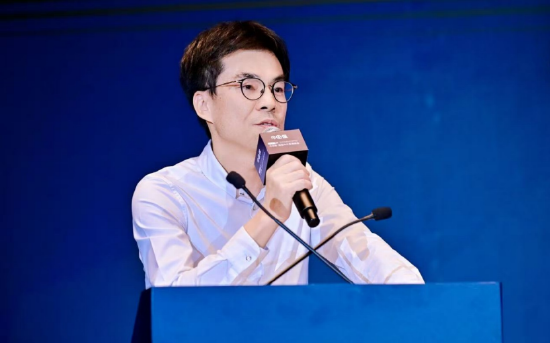
母基金研究中心全面助力第二十五届投洽会
母基金研究中心· 2025-09-11 10:25
Core Viewpoint - The 25th China International Investment and Trade Fair emphasizes China's commitment to expanding high-level openness and promoting trade and investment liberalization amidst rising global uncertainties [2][6][10]. Group 1: Event Overview - The event took place from September 8 to 11 in Xiamen, featuring over 100 investment promotion activities and participation from representatives of more than 120 countries and regions [2]. - President Xi Jinping sent a congratulatory letter highlighting China's role as a major contributor to global economic growth and stability [2][6]. - The Future Investment Conference (FIC), initiated by UNCTAD, was held concurrently with the fair, focusing on global dialogue and cooperation in international investment and technological innovation [2][10][12]. Group 2: Key Discussions and Themes - The Future Investment Conference addressed topics such as sustainable investment, green transformation, digital innovation, and life sciences [10][12]. - Discussions included the urgent need to address "data silos" in the AI industry, which hinder data sharing and model training, impacting the performance and scalability of AI technologies [13][16]. - Solutions proposed for overcoming data silos involve establishing cross-regional cooperation and developing infrastructure to facilitate data flow [16]. Group 3: Investment Opportunities - The AI sector presents significant investment opportunities, particularly in addressing data governance challenges and enhancing data sharing mechanisms [16]. - Investment in hard technology sectors, such as robotics, healthcare, advanced manufacturing, and AI, is encouraged, with a focus on vertical applications that solve customer pain points [19][20]. - The importance of a capable founding team, clear development paths, and effective cash flow management is emphasized for successful investment outcomes [19][20].
成都中专生,干出3500亿
36氪· 2025-09-08 00:08
Core Viewpoint - The article highlights the significant growth and investment potential of New Yisong, a leader in AI-era computing infrastructure, particularly in the optical module business, which has seen a remarkable increase in revenue and stock price due to the rising demand for AI technologies [5][8][9]. Group 1: Company Performance - New Yisong achieved a revenue of 10.437 billion yuan in the past six months, representing a year-on-year growth of 282.64%, with net profit soaring by 355.68% to 3.942 billion yuan [9]. - The operating cash flow net amount increased fourfold to 953 million yuan, indicating strong cash generation capabilities [9]. - The company is expected to see its performance triple in 2024, with optical module production volumes reaching 9.79 million and 8.73 million units [13]. Group 2: Market Position and Products - New Yisong specializes in optical modules, which are essential for data transmission infrastructure, serving major clients like Nvidia, Microsoft, and Amazon [11]. - The company has been at the forefront of innovation, launching the industry's first low-power 400G optical module in 2018 and subsequently introducing 800G and 1.6T products [13]. - The demand for optical modules is driven by the explosive growth of AI technologies, leading to a competitive landscape where New Yisong is well-positioned to capitalize on the increasing need for high-bandwidth data transmission [13][23]. Group 3: Leadership and Background - The founder, Gao Guangrong, started his career in the optical communication industry at a young age and founded New Yisong in 2008 after nearly 20 years of experience [16][18]. - Under his leadership, New Yisong has transformed from a domestic-focused company to a significant player in the global supply chain for cloud giants [18]. Group 4: Investment Landscape - The stock structure of New Yisong is relatively dispersed, with the top two shareholders holding 14.53% of the shares, while several funds occupy half of the top ten shareholder positions [21]. - Institutional investors are optimistic about New Yisong, contributing to its soaring valuation and substantial returns for those who invested early [22][25]. - The article notes the emergence of other companies in the AI computing space, such as Cambrian and Industrial Fulian, which have also seen significant stock price increases, indicating a broader trend in the hard technology sector [24].