
科技创新和产业创新深度融合

Search documents
第三届广州国际美妆周开幕 近百亿优质项目亮相
Nan Fang Ri Bao Wang Luo Ban· 2025-12-05 07:49
创新成为广州化妆品产业高质量发展的新亮点。报告指出,广州正加速突破核心原料"卡脖子"困境,推 动产业从"配方应用"向"原料定义"跃升。截至2025年10月,广州化妆品发明专利申请总量达1.49万件, 新原料备案数量达40个。 "让世界悦享中国美妆",底气源自雄厚的产业基础。开幕式上,广州市市场监管局党组书记赵军明发布 了《2025广州化妆品产业白皮书》,用一组组翔实数据揭示了广州美妆的蓬勃生机。白皮书显示,广州 化妆品产业规模优势持续扩大,稳居"千亿产业集群"。全市现拥有化妆品生产企业1857家,占全省的 60%;注册备案主体7237家,拥有超过120万种流通产品,构建了从原料研发、生产制造、包材配套到 品牌营销的完整闭环生态。 12月4日,以"潮起美湾,妆耀全球"为主题的第三届广州国际美妆周化妆品高质量发展大会在广州白云 国际会议中心启幕。 大会聚焦"发展新质生产力""推动科技创新和产业创新深度融合",召开化妆品行业盛会,汇聚了国家、 省、市有关单位领导,两院院士,全球美妆头部企业代表及多国驻穗总领事,共同见证广州向世界发出 的"美丽邀约"。大会通过发布产业白皮书、集中展示近百亿产业项目落地成果,全景式展现 ...
特别策划丨以制造业为主推动科技创新和产业创新深度融合
Sou Hu Cai Jing· 2025-12-04 06:39
Core Viewpoint - Manufacturing is a crucial component of the real economy and must maintain a reasonable proportion to support high-quality development and the modernization of the industrial system [5][6][28]. Group 1: Importance of Manufacturing - Manufacturing is the backbone of the national economy and is essential for technological and industrial innovation [5][6][28]. - The integration of technological innovation and industrial innovation must primarily focus on manufacturing to accelerate the construction of a modern industrial system [5][6][28]. - The 20th National Congress emphasized the need to maintain a reasonable proportion of manufacturing and to build a modern industrial system centered on advanced manufacturing [6][28]. Group 2: Strategies for Innovation - The strategy to promote deep integration of technological and industrial innovation in manufacturing is a systematic project that requires careful planning and precise efforts [10][30]. - Key directions include upgrading traditional industries, nurturing emerging industries, and forward-looking layout of future industries [10][30]. - The transformation of traditional industries through technological innovation can enhance overall productivity and extend the industrial lifecycle [11][30]. Group 3: Future Industry Layout - The 20th National Congress highlighted the importance of future industries such as quantum technology, biomanufacturing, and hydrogen energy as new economic growth points [14][31]. - Establishing a mechanism for discovering future industries and enhancing original innovation capabilities is crucial for maintaining competitiveness [14][31]. - Building an incubation system for industries and promoting collaborative innovation among leading enterprises is essential for fostering new industries [14][31]. Group 4: Innovation Ecosystem - The development of manufacturing clusters provides a conducive environment for building an innovation ecosystem, facilitating knowledge spillover and technology diffusion [9][29]. - A well-structured innovation system involving multiple stakeholders is necessary to effectively integrate various innovation resources and create a virtuous cycle of deep integration [15][29]. - Strengthening the role of enterprises as the main body of innovation and fostering collaboration between industry, academia, and research institutions is vital for achieving high-quality development [16][29].

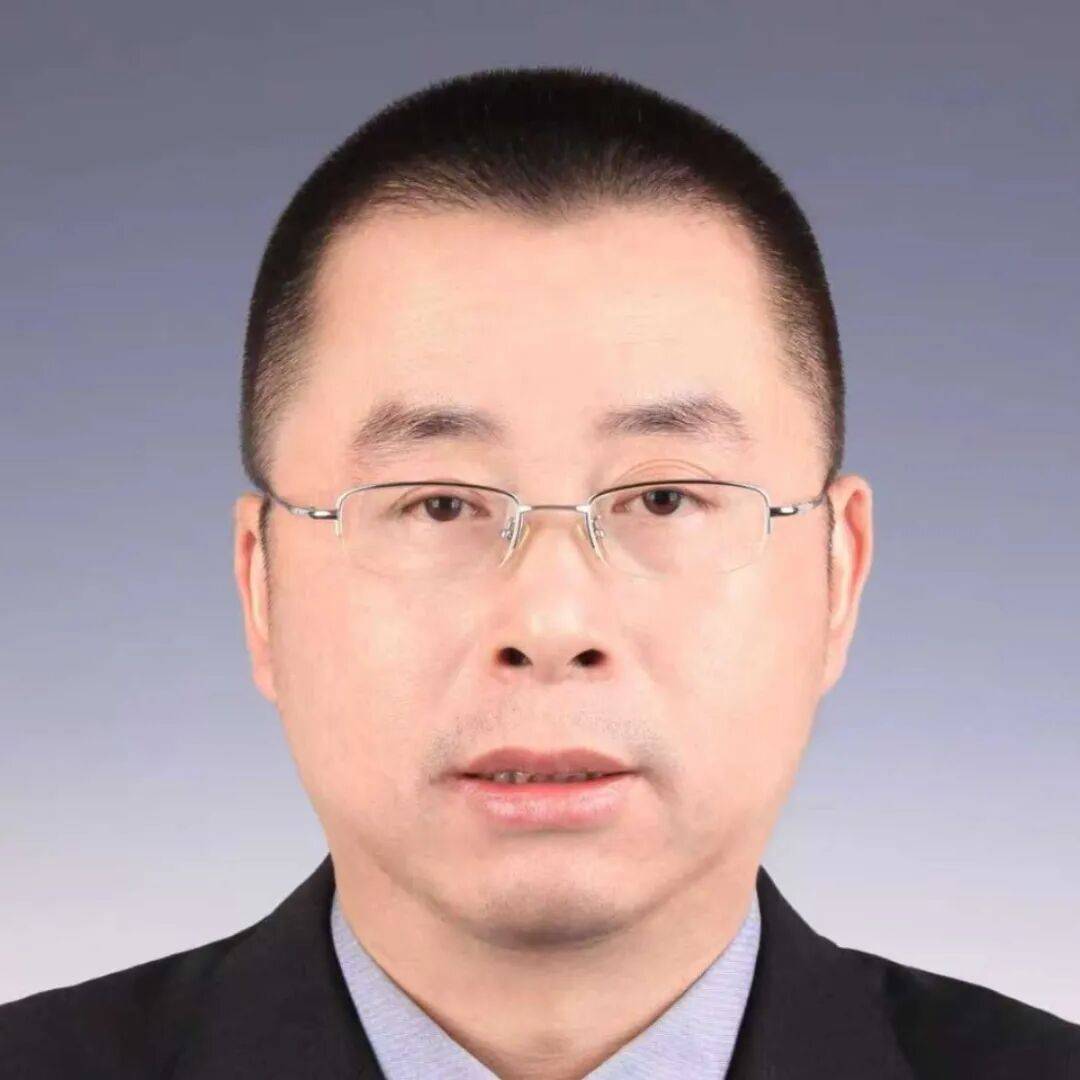
贯彻落实党的二十届四中全会精神·权威访谈丨锚定科技强国目标 加快实现高水平科技自立自强——访科技部党组书记、部长阴和俊
Ke Ji Ri Bao· 2025-11-27 02:02
Core Viewpoint - The 20th Central Committee of the Communist Party of China has outlined a grand blueprint for the next five years, emphasizing the importance of technological self-reliance and innovation as a foundation for modernization and economic development [1][9]. Group 1: Achievements in Technological Innovation - The "14th Five-Year Plan" period has been marked by significant milestones in China's technological innovation, with historical achievements and transformations occurring under the leadership of the central government [3]. - By 2024, total R&D investment is projected to reach 3.63 trillion yuan, with an R&D intensity of 2.69%, and the number of R&D personnel is the highest in the world [4]. - Basic research funding has increased to 250.09 billion yuan, a growth of over 70% since 2020, with China leading in high-level international journal publications and patent applications for five consecutive years [4]. Group 2: Integration of Technological and Industrial Innovation - The added value of high-tech manufacturing industries has increased by 42% compared to the end of the "13th Five-Year Plan," with the "three new" economies accounting for 18% of GDP [5]. - Major technological achievements include the operationalization of the "Tianhe" space station, the successful return of the "Chang'e 6" lunar mission, and the commercial flight of the C919 aircraft, among others [5]. - The integration of technological and industrial innovation is seen as essential for fostering new productive forces and enhancing competitiveness [12]. Group 3: Education, Technology, and Talent Development - The integration of education, technology, and talent development is crucial for achieving high-level technological self-reliance, with a focus on aligning educational programs with technological and industrial needs [15]. - Future efforts will include enhancing the synergy between technology and education, improving talent evaluation systems, and fostering a conducive environment for innovation [16]. - The goal is to create a virtuous cycle that enhances the overall effectiveness of the national innovation system, supporting China's modernization efforts [15].
马明龙主持召开地市级老领导座谈会 征求对镇江“十五五”发展规划的意见建议
Zhen Jiang Ri Bao· 2025-11-26 23:50
Core Points - The meeting focused on soliciting opinions and suggestions for the "15th Five-Year Plan" of Zhenjiang, emphasizing the importance of incorporating feedback from experienced leaders [1][2][3] - The achievements during the "14th Five-Year Plan" were acknowledged, attributing success to collective efforts and guidance from Xi Jinping's leadership [2][3] - The "15th Five-Year Plan" is seen as a critical period for Zhenjiang to solidify the foundation for socialist modernization and accelerate high-quality development [2] Summary by Sections - **Meeting Overview** - The meeting was chaired by Mayor Ma Minglong and aimed at gathering insights for the upcoming development plan [1] - Former leaders provided positive feedback on past achievements and offered suggestions for future planning [1] - **Strategic Focus for "15th Five-Year Plan"** - The plan will prioritize confidence, resilience, and a commitment to a unified vision [2] - Emphasis on enhancing industrial strength, promoting technological and industrial innovation, and integrating into regional development [2] - **Role of Former Leaders** - Former leaders are recognized as valuable resources for their wisdom and experience [3] - The city government aims to honor their contributions and ensure their well-being in retirement [3]
2025大湾区科学论坛将在粤港澳三地同步举办
Yang Shi Xin Wen Ke Hu Duan· 2025-11-26 13:04
责编:陈菲扬、陈亚楠 11月26日,2025大湾区科学论坛新闻发布会在广州举行。会上通报,以"智创湾区 产研共融"为主题的 2025大湾区科学论坛定于12月6日至8日在粤港澳三地同步举办,开幕式和主论坛将于12月7日上午在广 州南沙举行。 据介绍,目前已确认出席2025大湾区科学论坛的重要科学家达50多人,其中两院院士39人。论坛将在香 港、澳门、广州、深圳、阳江、惠州等地举办多场分论坛与特色活动,聚焦科技创新和产业创新深度融 合等话题展开探讨;将继续举办"中国科学院-广东省科技成果对接会",为科技成果与产业需求搭建精 准匹配的合作平台。(总台记者 胡慧翼) ...
阴和俊发表署名文章
财联社· 2025-11-26 02:35
Core Viewpoint - The article emphasizes the importance of deep integration between technological innovation and industrial innovation as a strategic decision by the Chinese government to support modernization and economic development [2][3]. Group 1: Significance of Integration - The integration of technological and industrial innovation is crucial for fostering new productive forces characterized by high technology, efficiency, and quality [4]. - Technological innovation serves as the core element for developing new productive forces, while industrial innovation acts as the key carrier for productivity leaps [4]. - This integration is essential for implementing national strategies aimed at building a strong technological nation and achieving modernization [3][4]. Group 2: Trends and Strategic Choices - The current technological revolution and industrial transformation necessitate a shift in traditional thinking and organizational models to enhance competitiveness [5]. - The rapid advancement of artificial intelligence and other frontier technologies is reshaping industries and economic structures, making it imperative to grasp these trends for strategic advantage [5][6]. - The competition among nations for technological and industrial leadership has intensified, requiring a focus on both scientific breakthroughs and industrial innovation capabilities [5][6]. Group 3: Overall Requirements for Integration - The integration of technological and industrial innovation should be guided by the needs of the modern industrial system, emphasizing the importance of high-quality technological supply [8]. - Strengthening the role of enterprises as the main body of innovation is critical for achieving effective integration [10]. - A combination of effective market mechanisms and proactive government policies is necessary to stimulate innovation across society [10][11]. Group 4: Key Tasks for Implementation - Enhancing original innovation and tackling key core technologies are vital for improving technological support capabilities [11]. - Promoting the aggregation of innovation resources towards enterprises and strengthening their role in the innovation process is essential [12]. - Establishing mechanisms for efficient transformation of major technological achievements and fostering a supportive ecosystem for deep integration is crucial [13][14].

推动科技创新和产业创新深度融合(学习贯彻党的二十届四中全会精神)
Ren Min Wang· 2025-11-25 22:43
阴和俊 党的二十届四中全会通过的《中共中央关于制定国民经济和社会发展第十五个五年规划的建议》, 对"加快高水平科技自立自强,引领发展新质生产力"作出战略部署,明确提出"推动科技创新和产业创 新深度融合"的重大任务。我们要认真学习、深入领会、准确把握,全面抓好贯彻落实。 一、深刻认识推动科技创新和产业创新深度融合的重大意义 推动科技创新和产业创新深度融合是以习近平同志为核心的党中央着眼以科技现代化支撑引领中国式现 代化,深刻洞察国内国际发展大势,准确把握科技和产业发展规律作出的重大战略决策。科技创新主要 包括基础研究、应用研究、技术开发和成果转化等活动,取得新的科学发现,提出新的科学原理,发明 新的技术方法工艺,得到新的验证示范。产业创新通过技术应用、管理改革、模式创新,开发新产品, 开拓新市场,创造新需求,推动产业变革和经济发展。科技创新和产业创新相互交叉、互融共促、协同 发展,科技创新为产业创新提供内生动力,产业创新为科技创新创造价值。推动科技创新和产业创新深 度融合是深入实施科教兴国战略、人才强国战略、创新驱动发展战略的重要抓手,对建成科技强国、实 现中国式现代化具有重大意义。 (一)推动科技创新和产业创 ...
贯彻落实党的二十届四中全会精神权威访谈 | 勇担科技自立自强新使命 走好科技强国建设新征程——访中国科学院院长、党组书记侯建国
Xin Hua She· 2025-11-20 14:50
Core Viewpoint - The article emphasizes the importance of accelerating high-level technological self-reliance and innovation in China, as outlined in the 14th Five-Year Plan, to support the country's modernization efforts and enhance its strategic technological capabilities [1][2]. Group 1: Contributions of the Chinese Academy of Sciences - The Chinese Academy of Sciences (CAS) has played a crucial role in achieving significant technological advancements during the 14th Five-Year period, focusing on key areas such as manned spaceflight, lunar exploration, deep-sea exploration, and energy security [2][3]. - CAS has successfully overcome critical technological challenges in fields like integrated circuits, artificial intelligence, and advanced materials, providing strong technological support for industrial and supply chain security [3][4]. Group 2: Original Innovation and Key Technology Breakthroughs - CAS is committed to seizing technological development high ground by focusing on original innovation and key technology breakthroughs, aligning with national strategic needs and global scientific frontiers [4][5]. - The organization has initiated collaborative efforts involving over 100 leading institutions and nearly 10,000 experts to tackle significant technological challenges and enhance foundational research [5][6]. Group 3: Integration of Technology Innovation and Industry - CAS has actively engaged in building international technology innovation centers and regional innovation hubs, establishing mechanisms for ongoing collaboration between research institutions and central enterprises to facilitate technology transfer [7][8]. - The organization aims to optimize traditional industries and foster emerging sectors through deep integration of technological and industrial innovation, thereby supporting the construction of a modern industrial system [8][9]. Group 4: Education, Technology, and Talent Development - CAS is focused on the interconnection between education, technology, and talent development, implementing programs to cultivate top-tier innovative talent in critical fields such as artificial intelligence and quantum technology [9][10]. - The organization plans to enhance its talent cultivation structure and quality, aiming to train over 100,000 outstanding young scientific talents by 2035 [10][11].
贯彻落实党的二十届四中全会精神权威访谈丨勇担科技自立自强新使命 走好科技强国建设新征程——访中国科学院院长、党组书记侯建国
Xin Hua Wang· 2025-11-20 14:27
Core Viewpoint - The article emphasizes the importance of accelerating high-level technological self-reliance and innovation in China, as outlined in the 15th Five-Year Plan, to support the country's modernization efforts [1]. Group 1: Contributions of the Chinese Academy of Sciences - The Chinese Academy of Sciences (CAS) has played a crucial role in achieving significant technological advancements during the 14th Five-Year Plan, focusing on high-level technological self-reliance and innovation [2]. - CAS has actively undertaken major national scientific tasks and has made breakthroughs in key core technologies, particularly in areas such as manned spaceflight, lunar exploration, deep-sea exploration, and energy security [2][3]. - The academy has successfully addressed critical issues in innovation chains and has produced numerous groundbreaking technologies and strategic products to support national projects [3]. Group 2: Original Innovation and Key Technology Breakthroughs - CAS is committed to seizing technological development high ground by focusing on original innovation and key technology breakthroughs, as emphasized by President Xi Jinping [4]. - The academy has organized collaborative efforts involving over 100 leading institutions and nearly 10,000 experts to tackle major scientific challenges [5]. - Future initiatives will include enhancing research organization models and management systems to better align with the demands of technological advancement [6]. Group 3: Integration of Technology Innovation and Industry - CAS has been actively promoting the integration of technological innovation with industry to transform scientific advancements into productive forces [7]. - The academy has established mechanisms for ongoing collaboration between research institutions and enterprises, facilitating the efficient conversion of scientific results into practical applications [8]. - Future plans include strengthening cooperation with key regions and industries to enhance the synergy between technological and industrial innovation [8]. Group 4: Education, Technology, and Talent Development - The article highlights the interconnection between education, technology, and talent development, with CAS aiming to cultivate over 100,000 outstanding young scientific talents by 2035 [9][10]. - CAS is implementing programs to enhance interdisciplinary education and training in urgent fields, focusing on areas such as artificial intelligence and biotechnology [10]. - The academy plans to improve the overall environment for education, technology, and talent development to foster high-quality growth [11].
勇担科技自立自强新使命 走好科技强国建设新征程——访中国科学院院长、党组书记侯建国
Xin Hua She· 2025-11-20 12:56
Core Viewpoint - The article emphasizes the importance of accelerating high-level technological self-reliance and innovation in China, as outlined in the 14th Five-Year Plan, with a focus on leveraging national strategic scientific capabilities to support modernization efforts [1]. Group 1: Contributions of the Chinese Academy of Sciences - The Chinese Academy of Sciences (CAS) has played a crucial role in achieving significant technological advancements during the 14th Five-Year period, focusing on high-level technological self-reliance and innovation [2]. - CAS has actively undertaken major national scientific tasks and has made substantial contributions in strategic areas such as manned spaceflight, lunar exploration, deep-sea exploration, and energy security [2][3]. - The academy has successfully addressed key technological challenges in fields like integrated circuits, artificial intelligence, and advanced materials, providing strong technological support for industrial and supply chain security [3]. Group 2: Original Innovation and Key Technology Breakthroughs - CAS is committed to seizing technological development high ground by focusing on original innovation and key technology breakthroughs, as mandated by national leadership [4]. - The academy has organized collaborative efforts involving over 100 leading institutions and nearly 10,000 experts to tackle significant scientific challenges [5]. - Future plans include enhancing research organization models and management systems to better align with the goal of achieving key technological breakthroughs [6]. Group 3: Integration of Technological and Industrial Innovation - CAS is actively promoting the integration of technological innovation with industrial development, establishing mechanisms for collaboration between research institutions and enterprises [7]. - The academy aims to create a favorable ecosystem for the application of scientific achievements, facilitating the transformation of research outcomes into productive forces [8]. - Plans include strengthening the connection between major tasks and industry needs, and fostering a collaborative environment for innovation [8]. Group 4: Education, Science, and Talent Development - CAS is focused on the integrated development of education, science, and talent, aligning with national goals for building a strong educational and scientific workforce [9]. - The academy has initiated programs to cultivate top-tier innovative talent, particularly in urgent fields such as artificial intelligence and biotechnology [10]. - Future strategies involve enhancing the synergy between educational institutions and research efforts to improve talent quality and output [11].