
资金管理

Search documents
外汇交易有哪些技巧?
Sou Hu Cai Jing· 2025-07-12 07:45
Group 1: Core Concepts of Forex Trading - Forex trading is a complex field that requires a solid understanding of basic concepts such as currency pairs and their composition [1] - The exchange rate fluctuations reflect the relative value changes between two currencies, influenced by various factors including economic data and geopolitical events [1] - Major currencies like the US dollar and euro play significant roles in the global economy, with their exchange rates affected by respective economic performance and central bank policies [1] Group 2: Technical and Fundamental Analysis - Technical analysis involves using price charts to identify historical trends and predict future price movements, employing methods like trend lines and support/resistance levels [2] - Key technical indicators such as moving averages and the Relative Strength Index (RSI) provide important insights for trading decisions [2] - Fundamental analysis focuses on macroeconomic data, where indicators like economic growth rate, unemployment rate, and inflation can lead to significant currency fluctuations [2] Group 3: Risk Management Strategies - Effective risk management is crucial in forex trading, with strategies like setting stop-loss and take-profit orders to control risks and secure profits [3] - Proper fund management is essential, advocating for diversification to mitigate risks associated with individual trades or currency pairs [3] - Investors should avoid concentrating all funds in a single trade, ensuring a balanced approach to protect the overall investment portfolio [3]
讲述早年拜访一位期货高手的故事!
Sou Hu Cai Jing· 2025-06-24 02:15
Core Insights - The article highlights the importance of risk management and personal trading philosophy in achieving consistent profitability in trading [3][8][9] Group 1: Trading Philosophy - The trader emphasizes that capital management is more important than technical analysis, advocating for planned losses and profits where profits should exceed losses [8] - The trader believes in the significance of market trends and prefers to trade when a trend is established, indicating a preference for upward market movements [5][8] - The trader's approach includes never averaging down on losses, instead opting to reduce positions gradually and only increasing exposure when the market moves favorably [8] Group 2: Personal Experiences and Growth - The trader's journey includes a significant loss of 1 million in a single day, which he managed to recover from through disciplined trading and self-reminders [3][8] - The trader's success is attributed to a combination of personal experience, resilience, and a strong belief in his proven methods, rather than relying on complex theories [7][9] - The trader's background of overcoming financial hardship has contributed to his strong mindset and determination in trading [9] Group 3: Key Takeaways - The trader advises that trading success is not solely about following others' methods but about developing one's own approach based on personal experiences [8][9] - The trader prefers to focus on a single commodity for rolling operations, indicating a strategy of deep familiarity with specific markets [8] - The trader does not pursue stability but is willing to take significant risks when confident in market conditions [8]


妙可蓝多: 关于调整使用暂时闲置自有资金进行现金管理额度的公告
Zheng Quan Zhi Xing· 2025-06-06 12:19
Core Viewpoint - The company plans to adjust the amount of temporarily idle self-owned funds for cash management from a maximum of RMB 1.5 billion to RMB 2 billion, aiming to enhance fund utilization efficiency and increase returns for the company and its shareholders [2][4]. Cash Management Overview - The purpose of cash management is to improve the efficiency of self-owned funds and rationally utilize temporarily idle funds while ensuring normal operations, thereby increasing company returns [2][4]. - The cash management amount is set at a maximum of RMB 2 billion, with funds being able to be used in a rolling manner within the approved limits and timeframe [3][4]. - The funds for this cash management will come from the company's temporarily idle self-owned funds [3][4]. Cash Management Procedures - The board of directors approved the adjustment of cash management limits during the 12th board meeting held on June 6, 2025, and this matter does not require submission to the shareholders' meeting [5]. - The cash management will be executed by the finance department under the authorization of the general manager and/or financial director, ensuring compliance with relevant regulations [3][5]. Risk Control Measures - The company will only invest in high-security, capital-preserving, and liquid products, with strict risk control measures in place [5][6]. - The finance department will monitor the investment direction and project progress, taking timely actions to mitigate risks if adverse factors are identified [5][6]. Impact on Company - The use of temporarily idle self-owned funds for cash management will not affect the normal operations of the company and is expected to enhance returns for the company and its shareholders [5][6]. - The adjustment in cash management limits is not anticipated to have any adverse effects on the company's main business, financial status, operating results, or cash flow [5][6].

5万到上千万!他说:别人赚钱我也赚,别人亏钱我睡觉
Sou Hu Cai Jing· 2025-06-03 23:45
Core Insights - The article narrates the trading journey of Mr. Zhang, who transitioned from a stable job in aluminum trading to the volatile futures market, facing multiple setbacks before achieving consistent profitability [1][3][4]. Trading Journey - Mr. Zhang began trading in 2005, initially facing significant challenges, including four account liquidations over seven years, resulting in total losses of 200,000 yuan [3][4]. - In 2012, he restarted with a 50,000 yuan capital and gradually established a profitable trading strategy, achieving a remarkable 485% profit in 2015 [4][5]. Key to Sustained Profitability - Mr. Zhang emphasizes the importance of patience and risk management, suggesting that traders should minimize losses during sideways markets and maximize gains during trending markets [5][6]. - He believes that taking breaks after losses is crucial for maintaining a healthy mindset and improving trading performance [5][6]. Trading Methodology - Mr. Zhang advocates for focusing on a few specific trading instruments, primarily in sectors like non-ferrous metals, stock indices, and agricultural products, to enhance expertise and risk management [9]. - He employs a strategy of entering trades at optimal points where the risk-reward ratio is favorable, often using technical indicators to identify these points [9][10]. Position Management - His trading approach includes a four-step process: trial position, building position, adding to position, and exiting [11][12]. - He highlights the significance of adjusting position sizes based on market conditions and personal risk tolerance, especially during periods of volatility [11][12]. Reflections and Learning - Mr. Zhang regularly reviews his trading performance to identify strengths and weaknesses, reinforcing the idea that continuous learning and adaptation are vital for success in trading [13][14]. - He stresses the importance of finding a trading style that aligns with one's personality and strengths, advocating for specialization rather than attempting to master all trading techniques [6][7].

上海中广云智投:新手资金管理实用指南
Sou Hu Cai Jing· 2025-05-25 02:01
Group 1 - Effective fund management is the foundation of investment activities, directly influencing wealth accumulation efficiency and stability [1] - New investors should prioritize establishing a scientific fund management system over chasing market trends, which involves comprehensive planning from daily income and expenses to investment allocation [1] - The first step in fund management is to maintain clear financial records by tracking income and expenses for three consecutive months, allowing investors to visualize cash flow [1] Group 2 - Emergency fund reserves are crucial for risk management, with a recommendation to save 3-6 months' worth of living expenses, ensuring liquidity and safety [1] - Ideal choices for emergency funds include money market funds, notice deposits, or ultra-short bond funds, which provide better returns than regular savings while maintaining accessibility [1] Group 3 - Debt optimization significantly impacts fund utilization efficiency, distinguishing between good debt (e.g., mortgages, education loans) and bad debt (e.g., high-interest consumer loans) [2] - The principle for managing debt should prioritize paying off debts with interest rates exceeding 6% and avoiding the cycle of "debt servicing with debt" [2] Group 4 - Investment fund allocation should follow the "circle of competence" principle, with new investors allocating up to 50% of investable funds in low to medium-risk products [4] - The remaining funds can be gradually invested in equity assets based on risk tolerance, with younger investors encouraged to increase their allocation to stock or index funds to leverage long-term compounding effects [4] Group 5 - A dynamic adjustment mechanism is essential for maintaining effective fund management, recommending quarterly financial health checks to assess income structure, spending flexibility, and risk preference [4] - Annual reviews should align long-term return goals with inflation rates and GDP growth to ensure fund management strategies are in sync with economic cycles [4] Group 6 - The essence of fund management is to establish a positive relationship between individuals and money, driven by data-informed decisions for optimal resource allocation [4] - Developing habits of regular review and rational decision-making transforms fund management from a task into a starting point for achieving financial freedom, requiring patience and discipline [4]

金价回调是陷阱还是机会?万洲钱包智能止损为投资者提供应急指南
Sou Hu Cai Jing· 2025-05-16 09:01
Core Viewpoint - The recent significant decline of nearly 3% in international gold prices has sparked extensive discussion in the investment community regarding whether the gold bull market has ended, revealing a complex interplay of short-term bearish and long-term bullish factors in the gold market [1][3]. Geopolitical Factors - The recent "truce" agreement between China and the U.S. on tariff issues, which involves suspending 24% of tariffs while maintaining a 10% baseline rate and providing a 90-day buffer, has alleviated previous trade tensions, leading to a rise in market risk appetite and a corresponding decrease in gold's appeal as a safe-haven asset [1][3]. - Historical context shows that after the easing of trade tensions in 2018, gold prices experienced a short-term decline of 15%, but rebounded by 30% within 12 months as geopolitical conflicts resurfaced, indicating that current geopolitical instability could still elevate gold's safe-haven premium [3][5]. Monetary Policy - Market expectations for a Federal Reserve interest rate cut have shifted from July to September due to the truce, with overall rate cut expectations for the year being adjusted downward, resulting in a significant rise in the U.S. dollar index and a corresponding increase in U.S. Treasury yields, which diminishes the attractiveness of non-yielding gold [3][5]. - Despite a temporary dip in inflation expectations following lower-than-expected U.S. CPI data, the Federal Reserve's recent statements indicate a cautious approach to rate cuts, which could lead to increased volatility in the gold market [5]. Long-term Investment Logic - The ongoing accumulation of gold by global central banks, particularly from emerging markets, provides a solid support base for gold prices, with the World Gold Council reporting that central banks purchased 244 tons of gold in Q1 2025, with over 70% of this coming from emerging markets [5]. - The persistent high U.S. fiscal deficit rate of 6% and negative real interest rates continue to highlight gold's anti-inflation properties, suggesting that long-term demand for gold remains robust despite short-term market fluctuations [5]. Investment Management Tools - The introduction of the "Wanzhou Wallet" by Wanzhou Gold Industry enhances capital management for investors, allowing for quick fund injections as backup capital to avoid missing out on buying opportunities during market volatility [7]. - The wallet's features, including instant fund transfers with MT5 accounts and intelligent stop-loss functions, aim to improve capital turnover efficiency and protect investors' principal during significant price fluctuations in the gold market [7].

初创早期项目破局:如何获得种子轮与天使轮融资
Sou Hu Cai Jing· 2025-05-15 08:53
Group 1 - Seed Round and Angel Round financing are critical starting points for startups, with Seed Round typically involving around one million dollars for initial operations and Angel Round ranging from hundreds of thousands to millions of dollars after a prototype is developed [2][3]. Group 2 - A comprehensive business plan (BP) is essential for securing financing, showcasing project potential and value, including market analysis, product features, team experience, and financial forecasts [3][8][9]. Group 3 - The core team is vital for startup success and attracting investment, with emphasis on past achievements and collaboration capabilities to instill investor confidence [10]. Group 4 - Angel investors provide not only capital but also strategic guidance and resources, with avenues for connecting with them including startup events and social networks [11]. Group 5 - Venture capital firms focus on the innovation, sustainability, and profitability of business models, with successful examples like ByteDance attracting significant investment due to their unique models and rapid growth [12][13]. Group 6 - Effective fund management post-financing is crucial for startup survival, requiring detailed budgeting and strategic allocation of resources to areas like product development and marketing [16]. Group 7 - Maintaining good communication with investors is key for ongoing development, involving regular updates and feedback on company progress and challenges [17].

信用债ETF也可以参与质押式回购了吗?
Sou Hu Cai Jing· 2025-05-14 02:17
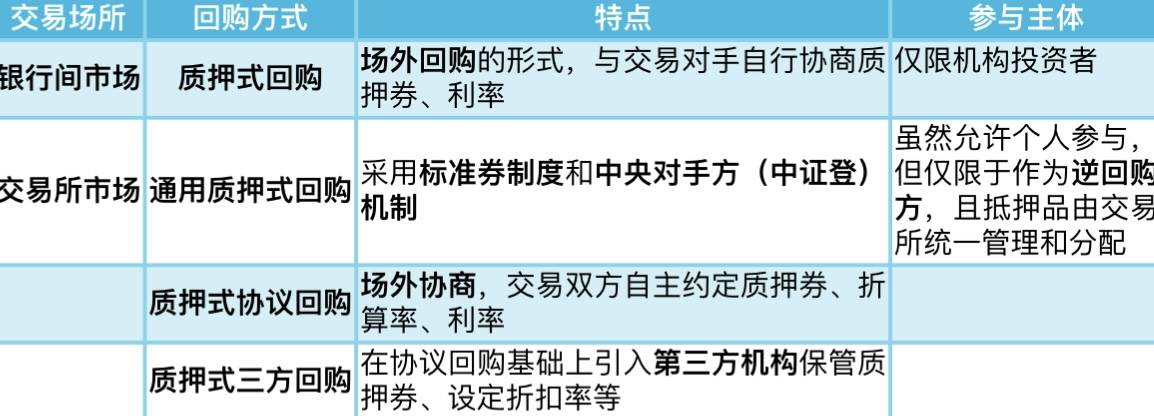
Group 1 - The core viewpoint of the news is that the introduction of general repurchase agreements for credit bond ETFs in China is expected to enhance liquidity and provide new investment opportunities in the credit bond market [1][8]. - General repurchase agreements allow investors to use their securities as collateral to borrow funds, facilitating short-term financing [1][5]. - The China Securities Depository and Clearing Corporation (CSDC) acts as a central counterparty in these transactions, reducing negotiation burdens and risks for participants [2][3]. Group 2 - Only credit bond ETFs that meet specific criteria, such as sufficient scale, diversified investment targets, and strong liquidity support from market makers, are eligible to participate in general repurchase agreements [6][7]. - The inclusion of credit bond ETFs in repurchase agreements is anticipated to increase their attractiveness to investors, leading to growth in product scale and trading activity [8]. - The development of credit bond ETFs is expected to improve the pricing and liquidity of underlying credit bonds, potentially lowering the financing costs for issuers [8].
发展数年营收反低于2012年,惠泉啤酒利息收入占比已过半
Sou Hu Cai Jing· 2025-04-30 09:30
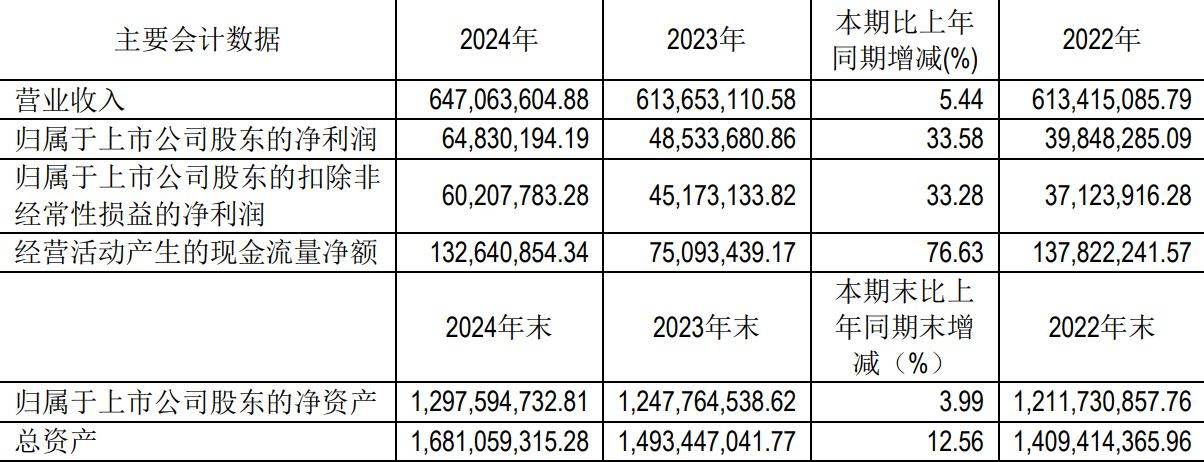
Industry Overview - The total production of the industry remains the highest globally in 2024, but the consumption side shows a trend of "stable quantity and improved quality" [1] - The five major groups, including China Resources, Qingdao, Budweiser, Yanjing, and Carlsberg, occupy over 70% of the market share, creating a monopolistic competition landscape [1] - Regional beer brands face increasing pressure from these giants, leading to a further contraction of their survival space [1] Company Performance - Huichuan Beer reported an operating revenue of approximately 647 million yuan in 2024, reflecting a year-on-year growth of about 5.44% [2][3] - The net profit attributable to shareholders was around 64.83 million yuan, showing a significant year-on-year increase of approximately 33.58% [2][3] - Interest income and investment income accounted for a substantial 57% of the total profit, indicating a reliance on non-core business activities for profitability [4][5] Financial Data - The net profit growth was primarily driven by non-beer business activities, as the core beer business struggled to contribute significantly to profits [2][4] - Operating cash flow from operating activities increased by 76.63% year-on-year, reaching approximately 132.64 million yuan [3] - The total assets of Huichuan Beer grew by 12.56% year-on-year, amounting to approximately 1.68 billion yuan [3] Market Challenges - Despite a 30.61% increase in revenue from mid-to-high-end products, the low-end market saw a decline, with ordinary product revenue dropping by about 21.05% [6] - Sales expenses exceeded the net profit from the beer business, indicating high costs associated with promoting mid-to-high-end products [6][7] - The company has faced intense competition from major players since 2012, leading to a decline in market share and revenue [8][10] Historical Context - Huichuan Beer has a long history dating back to 1938, transitioning from traditional liquor production to beer in the 1980s [8] - The company was listed on the Shanghai Stock Exchange in 2003 and has undergone several expansions to reach a production capacity of 800,000 tons [8] - Despite recent revenue growth, the company's 2024 revenue of approximately 647 million yuan is still lower than the 690 million yuan reported in 2012, indicating a long-term decline [10]

张小泉Q1净利润大增69.5%,但现金流承压|财报见闻
Hua Er Jie Jian Wen· 2025-04-28 12:02
Core Insights - Zhang Xiaoqian reported a strong financial performance for Q1 2025, with net profit and net profit excluding non-recurring items increasing by 69.49% and 85.47% year-on-year, significantly outpacing revenue growth of 5.65% [1][3] - Despite impressive profit figures, the company's net cash flow from operating activities was -13.93 million yuan, a decline of 1,418.08% year-on-year, primarily due to an increase in the maturity of bank acceptance bills [1][2] Financial Performance - Q1 revenue reached 225 million yuan, representing a year-on-year growth of 5.65% [3] - Net profit stood at 12.99 million yuan, showing a substantial increase of 69.49% year-on-year [3] - Net profit excluding non-recurring items was 12.73 million yuan, reflecting an 85.47% increase year-on-year [3] - Basic earnings per share rose to 0.09 yuan, an increase of 80% year-on-year [3] - The weighted average return on equity was 2.03%, up by 0.88 percentage points year-on-year [3] Operational Insights - The company increased its investment in e-commerce channels, with prepaid expenses rising by 58.18% to 9.53 million yuan, indicating a focus on expanding online sales [1][3] - The company's financial assets grew by 43.98% to 80.16 million yuan, suggesting improved efficiency in fund utilization through investments in bank wealth management products [1][3] Risk Factors - There was a significant increase of 148.33% in inventory impairment provisions compared to the same period last year, indicating challenges with unsold products and increased defective goods, potentially linked to intensified market competition or product restructuring [1][2][3] - The indirect controlling shareholder is in a pre-restructuring state, and shares held by the controlling shareholder have been frozen [3]