
战略性新兴产业

Search documents
战新业务“引擎”发力三大电信运营商前三季度业绩稳增长
Shang Hai Zheng Quan Bao· 2025-10-22 18:07
Core Insights - China Unicom reported a revenue of 293 billion yuan for the first three quarters of 2025, a year-on-year increase of 1.0%, with a total profit of 24.6 billion yuan and a net profit attributable to the parent company of 8.8 billion yuan, reflecting a 5.2% increase year-on-year [2] - The performance of the three major telecom operators, including China Mobile, China Telecom, and China Unicom, showed steady growth in both revenue and net profit, driven by strategic emerging industries such as artificial intelligence, satellite internet, data centers, and quantum technology [2] Business Growth - China Unicom's mobile user base reached 356 million, with a net increase of 12.48 million users, while fixed broadband users reached 129 million, with a net increase of 6.79 million users, marking the highest net increase in recent years [3] - The number of IoT connections exceeded 700 million, and the revenue from cloud services reached 52.9 billion yuan, with data center revenue increasing by 8.9% year-on-year to 21.4 billion yuan [3] - The company is enhancing its network capabilities through high-standard construction and efficient operations, achieving significant improvements in user experience [3] Technological Advancements - China Unicom is focusing on next-generation internet, big data, artificial intelligence, and cybersecurity, with increased investment in R&D, which grew by 5.9% year-on-year [4] - The company has received a business license for satellite mobile communication from the Ministry of Industry and Information Technology, indicating a strong commitment to advancing in cutting-edge technologies [4] Strategic Initiatives - China Unicom plans to spin off its subsidiary, Unicom Smart Network Technology Co., Ltd., for listing on the Shenzhen Stock Exchange's Growth Enterprise Market, aiming to enhance innovation and competitiveness in the vehicle networking industry [5] - This spin-off is part of a broader strategy to optimize industrial layout and strengthen core competitiveness, leveraging market opportunities for growth [5] Financial Performance of Subsidiary - Unicom Smart Network Technology reported revenues of 437 million yuan, 574 million yuan, and 809 million yuan for the years 2020, 2021, and 2022, respectively, with net profits of 75 million yuan, 117 million yuan, and 100 million yuan [6] - The subsidiary focuses on vehicle networking and smart transportation, aligning with national strategies to build a strong transportation and digital economy [6]


河南开封加速优势主导产业转型升级
Zhong Guo Jing Ji Wang· 2025-10-22 15:04
Core Insights - The automotive industry in Kaifeng is undergoing a transformation, with companies like Quansheng Automotive Parts leveraging automation and high-quality production to serve both domestic and international markets [1][2] - Kaifeng is focusing on high-quality manufacturing, aiming to develop three trillion-level industrial chains in automotive manufacturing, new chemical materials, and modern food, along with four five-hundred-billion-level chains [2][3] Group 1: Automotive Industry Development - Quansheng Automotive Parts has implemented advanced robotic welding lines and automated assembly processes, producing high-quality metal components for automotive seats that are integrated into global supply chains [1] - The city has attracted nearly a hundred related enterprises, forming a trillion-level automotive manufacturing cluster, with significant contributions from leading companies like Chery, Haima, and BYD [1][2] - From January to August, Chery's production reached 175,600 vehicles, marking a 30.16% increase, with exports totaling 90,500 vehicles, a remarkable growth of 109.98% [1] Group 2: Industrial Chain and Investment - During the 14th Five-Year Plan, Kaifeng has prioritized high-quality development in manufacturing, successfully signing 56 projects with a total investment of 32.2 billion yuan in key industries [2] - The modern food sector in Kaifeng is thriving, with 36 nationally recognized agricultural products and significant investments from well-known food companies, aiming for a total industry output value exceeding 6 billion yuan by 2024 [2] - The fine chemical park in Kaifeng has become the only development zone in Henan focused on fine chemicals, with leading production capacities in various chemical products [2] Group 3: Technological Advancements and Support - Kaifeng is actively updating equipment and undergoing technological transformations, with 24 projects included in the Ministry of Industry and Information Technology's special relending project list [3] - The city is enhancing its business environment and supporting enterprises, focusing on key projects like Chery's passenger vehicle upgrades and the expansion of the chemical park [3] - High-tech and strategic emerging industries in Kaifeng are experiencing over 10% growth in added value, indicating a robust industrial development trajectory [3]
今年前8个月虹桥国际中央商务区实到外商投资额高位增长
Zhong Guo Xin Wen Wang· 2025-10-22 10:54
Core Insights - The Hongqiao International Central Business District (CBD) has experienced significant growth in foreign investment, with a year-on-year increase of 71.9% in the first eight months of this year [1] - The total import and export volume in the CBD has averaged a growth rate of 37.3% annually over the past four years [1] - The GDP of the CBD is projected to reach 200.243 billion yuan in 2024, marking a 67.4% increase compared to the end of the 13th Five-Year Plan [1] Investment and Economic Performance - In the first nine months of this year, the retail sales of consumer goods reached 47.01 billion yuan, reflecting an 18.1% year-on-year growth [1] - The total foreign trade import and export volume was 73.63 billion yuan, with a year-on-year increase of 15.6% [1] - The total industrial output value of designated large-scale enterprises was 51.65 billion yuan, showing a year-on-year growth of 19% [1] - A total of 616 key projects with investments totaling 34.6 billion yuan were introduced, alongside the establishment of 7,137 new legal entities, which is an 18.4% increase year-on-year [1] Headquarters and Industry Development - The CBD has introduced and nurtured 56 city-level recognized headquarters enterprises in the past year, with an annual revenue scale exceeding 280 billion yuan [2] - The number of city-level headquarters enterprises in the CBD has increased to 283, up by 210 since 2020 [2] - Eight new industrial park projects have been announced, focusing on emerging sectors such as health, biomedicine, artificial intelligence, and low-altitude economy [2] - The CBD has gathered over 700 specialized and innovative enterprises and more than 1,300 high-tech companies, indicating a robust development in industries like photovoltaic energy storage, biomedicine, and new energy vehicles [2]
碳酸锂价格4个月涨幅超20%!业内人士咋看?
Zhong Guo Hua Gong Bao· 2025-10-22 09:18
Group 1 - The lithium carbonate market has seen a price rebound, rising from 60,000 yuan per ton to over 70,000 yuan, marking a significant change after a prolonged downturn [1][2] - Analysts express mixed feelings about the rebound, with some viewing it as a "dramatic reversal" while others remain cautious about the sustainability of the price increase [2][5] - The average price of battery-grade lithium carbonate reached 73,200 yuan on October 17, reflecting a 22.23% increase from the low of 59,000 yuan in late June [2] Group 2 - The supply-demand dynamics have improved, with supply tightening due to new policies that classify lithium as a strategic mineral, leading to increased production costs [3][4] - A significant reduction in lithium supply has been noted, with China cutting 47,000 tons this year, impacting key projects [3] - Demand for lithium carbonate remains stable, supported by government initiatives to boost electric vehicle sales, which are expected to drive demand further [3][4] Group 3 - Domestic lithium carbonate inventories have decreased significantly, dropping by approximately 21,000 tons (nearly 50%) since June, reaching a low for the year [4] - Despite the recent price increase, industry experts caution that the fundamental issue of oversupply remains unresolved, and the market may still face challenges [5][6] - Long-term demand for lithium is projected to remain strong, but supply increases planned by producers from 2025 to 2028 may exceed market needs, leading to potential oversupply [6]
推动内地科创企业走向世界 腾云香港科创集群加速器开幕
Zheng Quan Shi Bao Wang· 2025-10-22 06:29
Core Insights - The launch of the Tengyun Hong Kong Innovation Cluster Accelerator marks the establishment of Hong Kong's first capital-driven accelerator focused on "going global" in technology innovation, initiated by private resources under the Hong Kong government's policy advocacy [1][3] Group 1: Accelerator Overview - Tengyun Accelerator is actively involved in the digital port's innovation ecosystem, establishing strategic partnerships with numerous well-known equity investment funds to provide diversified financing channels and professional support for enterprises [1][3] - The accelerator offers cross-border financial support to help companies efficiently allocate global funds and optimize their financing structures [1][3] - The first batch of 70 resident companies showcases strong technological strength and innovation capabilities across strategic emerging industries such as information technology, artificial intelligence, advanced manufacturing, biomedicine, medical devices, and energy technology [1][4] Group 2: Government and Industry Support - The establishment of the Tengyun Accelerator responds to the Hong Kong government's "Innovation and Technology Accelerator Pilot Program," aiming to attract experienced startup accelerators to set up bases in Hong Kong and enhance local professional startup services [3][4] - The accelerator's model allows for the simultaneous introduction of multiple startups, providing more precise and systematic support, thereby creating a cluster effect that enhances both the quality and quantity of startup development in Hong Kong [3][4] Group 3: Future Prospects - The CEO of Cyberport emphasized that the opening of the Tengyun Accelerator reflects Hong Kong's position as an international innovation center, facilitating the global presence of both mainland and Hong Kong tech companies [4][5] - The accelerator is seen as a significant milestone in the development of Hong Kong's innovation ecosystem, with plans to deepen cooperation with international investment institutions to guide more companies to leverage Hong Kong as a gateway to the world [5]
工信部部长李乐成:要深入研究新型工业化的动力机制 充分激发发展动力
Zheng Quan Shi Bao· 2025-10-22 02:29
Core Viewpoint - The article emphasizes the need for innovation and reform to drive new industrialization in China, as traditional growth drivers are weakening and new ones are still developing [1] Group 1: Current Industrial Landscape - The current contribution of strategic emerging industries to China's GDP is approximately 13.4%, which is significantly lower compared to the 80% contribution from traditional industries [1] - There are still many challenges that hinder high-quality development in the industrial and information sectors, including bottlenecks, difficulties affecting business vitality, and risks to industrial safety [1] Group 2: Future Directions - The article calls for in-depth research into the mechanisms that drive new industrialization, aiming to identify and resolve existing bottlenecks and fully stimulate development momentum [1]
北交所首单中长期科创债破冰!发行规模5亿元
Zheng Quan Shi Bao Wang· 2025-10-21 14:41
Core Points - Beijing Zhongguancun Capital Management Co., Ltd. successfully issued the first medium-to-long-term technology innovation corporate bond on the Beijing Stock Exchange on October 17, with a scale of 500 million yuan and a term of 5 years at an interest rate of 2.29%, marking a new low for similar bonds since September this year [1] - The bond was underwritten by Galaxy Securities as the lead underwriter and book manager, with several financial institutions participating in the subscription, including SPDB, Huaxia Bank, and others [1] - Zhongguancun Capital, a wholly-owned subsidiary of Zhongguancun Development Group, focuses on providing "patient capital" services for technology enterprises throughout their lifecycle, managing a fund scale of 55.5 billion yuan and having invested in over 4,200 companies [1] Industry Developments - The Beijing Stock Exchange plans to deepen the coordination between the stock and bond markets under the leadership of the China Securities Regulatory Commission, aiming to enrich the bond product system and promote more typical cases of special bonds such as technology innovation bonds and green bonds [2]
70亿,全国首支AIC产业母基金,花落深圳福田
母基金研究中心· 2025-10-21 11:11
Core Viewpoint - The establishment of the Jianyuan Zhengxing Fund marks a significant step in enhancing the collaboration between financial institutions and the strategic emerging industries in Shenzhen, aiming to attract bank capital for investment in these sectors [1][2]. Group 1: Fund Overview - The Jianyuan Zhengxing Fund, initiated by multiple entities including China Construction Bank, has a total scale of 70 billion yuan for the mother fund, with plans for sub-funds to reach a total of 200 billion yuan [1]. - This fund represents the second equity investment fund established in collaboration with China Construction Bank, following the Jianxin Linghang Strategic Emerging Industry Development Fund [1]. Group 2: Investment Strategy - The fund employs a mother-son fund structure, focusing on investments in various types of sub-funds, including the Shenzhen "20+8" industry fund, CVC funds, and merger funds, to support high-quality development in Shenzhen [2]. - The fund aims to leverage social capital and collaborate with industry chain leaders to enhance investment efficiency and support the "20+8" industry development strategy in Shenzhen [2]. Group 3: Policy and Ecosystem - Since 2024, the Futian District has been actively exploring new paths for collaborative development of venture capital, technology, and finance, supported by national policies aimed at promoting high-quality development in venture capital [6]. - The establishment of the Jianyuan Zhengxing Fund is part of a broader initiative to create an innovative capital system in Futian, which includes a mother fund platform, industry fund groups, and seed funds, focusing on advanced technology sectors [7][8].
全国首只AIC产业母基金来了
FOFWEEKLY· 2025-10-21 10:00
Core Insights - The establishment of the first AIC mother fund in Shenzhen marks a significant innovation in the investment landscape, aiming to enhance capital allocation and support strategic emerging industries [3][7][17] Group 1: AIC Mother Fund Overview - The Shenzhen Jianyuan Zhengxing Fund, the first AIC mother fund, was officially launched with a scale of 7 billion yuan, with plans for subsidiary funds to reach a total of 20 billion yuan [7] - The fund is a collaboration between multiple entities, including Jianxin Financial Asset Investment Co., Shenzhen Ocean Investment Co., and local guiding funds, aiming to facilitate investments in Shenzhen's "20+8" industries [7][8] - The fund's structure is designed to leverage social capital and enhance investment in various types of sub-funds, including CVC and merger funds, to support high-quality development in Shenzhen [7][8] Group 2: Market Trends and Investment Climate - Recent data indicates a structural recovery in the investment market, with a 40.3% month-on-month increase in LP contributions in September, reaching the highest level of the year [11] - The number of newly registered private equity and venture capital funds surged to 557 in September, marking a 51.4% increase from the previous month and an 84.4% increase year-on-year [11] - Shenzhen's investment environment is characterized by a resurgence in activity, driven by renewed market confidence and supportive policies aimed at fostering high-quality development in the venture capital sector [14][19] Group 3: Policy Support and Future Outlook - The "Shenzhen Action Plan for Promoting High-Quality Development of Venture Capital" aims to create a trillion-yuan industry fund cluster by 2026, with over 10,000 VC/PE funds [14] - Innovative policies include the removal of return investment ratio requirements for eligible early-stage funds and the establishment of a comprehensive error-tolerance mechanism to support "patient capital" [14] - The rapid establishment of new funds in sectors like artificial intelligence and semiconductors reflects Shenzhen's strategic focus on high-growth industries [16]

2025上海苏河湾大会展现金融开放高度与创新活力
Zhong Guo Fa Zhan Wang· 2025-10-21 02:39
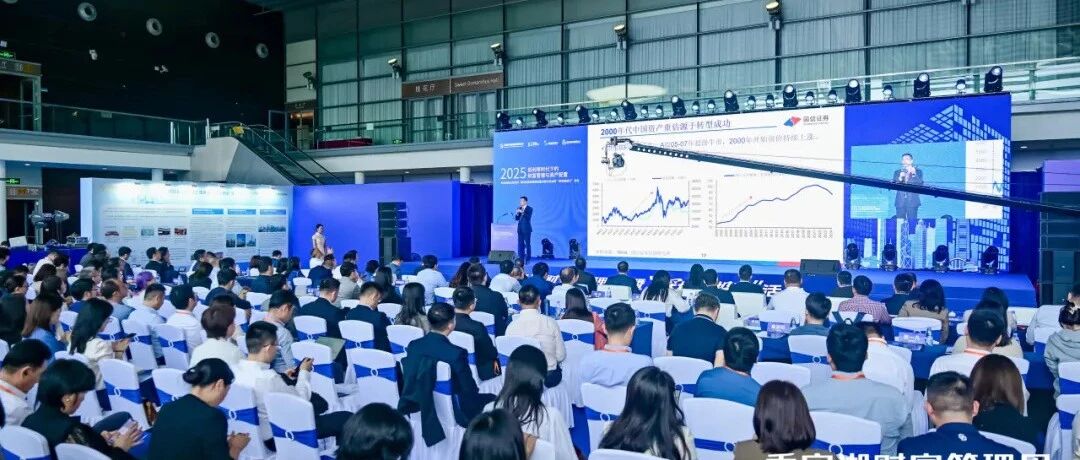
Group 1 - The Global Wealth Management Forum 2025 held in Shanghai focused on the profound changes in the digital era and the opportunities and challenges in global financial cooperation [1] - The establishment of the "Shanghai AI-FI Laboratory" aims to promote the integration of artificial intelligence technology with the financial industry, marking a significant step in Shanghai's innovation practices in the "AI+Finance" sector [1] - In the first half of this year, the financial services industry in Jing'an District achieved a value-added output of 28.817 billion yuan, maintaining a leading position in both scale and growth rate within the city [1] Group 2 - Foreign investment institutions are increasingly confident in the Chinese market, reflecting the continuous release of institutional opening dividends and the optimization of the business environment [2] - Jing'an District has established the Shanghai Jing'an Capital Investment Operation Company to enhance investments in strategic emerging industries and future industries, collaborating with industry leaders to set up specialized funds [2] - The financial sector is urged to embrace and lead change as the world undergoes unprecedented transformations [2] Group 3 - Jing'an District has set up a comprehensive financing service window at the administrative service center, establishing a financing service center to support the real economy [3] - The district has launched the first cross-border financial service center in the city, providing one-stop overseas service for investment projects [3]