AI技术

Search documents
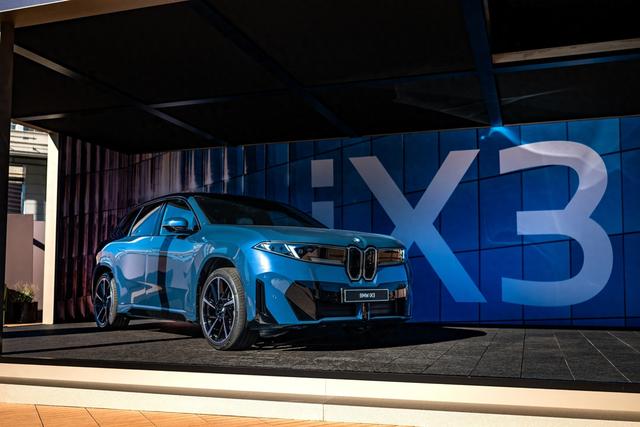
国产长轴距版下半年上市 新世代BMW iX3亮相CES 2026
Xin Lang Cai Jing· 2026-01-10 13:18
Group 1 - The core focus of the article is the unveiling of the new generation BMW iX3 at CES 2026, showcasing advancements in electric vehicle technology and digital interaction [1][5] - BMW has introduced the new generation iX3 built on a dedicated electric vehicle architecture, integrating the sixth generation BMW eDrive technology and innovative digital experiences [3] - The iX3 features a new intelligent electronic architecture, panoramic iDrive, and a large cylindrical battery, enhancing the enjoyment of intelligent driving [3] Group 2 - At CES, BMW demonstrated the integration of AI technology into real driving scenarios, creating an immersive cockpit experience that seamlessly combines navigation, entertainment, and vehicle control [4] - The new generation iX3 long-wheelbase version is specifically designed for the Chinese market, incorporating local smart cockpit features and a new generation operating system [4] - The iX3 long-wheelbase version is currently undergoing rigorous testing at the Nürburgring and globally, with over 300 domestic test vehicles also being evaluated [5]

重磅|HDDI企业智库入驻钉钉:中小企业的“首席战略官”,现在触手可及
混沌学园· 2026-01-10 10:08
Core Viewpoint - The article emphasizes the importance of integrating "intelligent" tools alongside "connective" tools in the digital transformation of businesses, highlighting the launch of the Chaos Deep Innovation Business Platform (HDDI) on DingTalk, which aims to provide companies with a 24/7 digital expert advisor [2][4]. Group 1: Pain Points and Solutions - Many business owners and managers face challenges in decision-making and implementation despite efficient communication and approval processes on DingTalk [3]. - HDDI addresses these issues by offering affordable access to top-tier business intelligence, enabling companies to overcome transformation difficulties without incurring high consulting fees [6][10]. - The platform provides various solutions tailored to specific roles, such as generating competitive analysis reports, strategic diagnostics, and enhancing report quality through intelligent visualization tools [8][15]. Group 2: Features and Functionalities - HDDI includes over 20,000 industry research reports and 1,000 exclusive business cases, making professional consulting accessible to all businesses [10]. - The platform can transform business logic into professional analysis charts within minutes, improving the quality of team reports and ensuring communication is based on logic and facts [15]. - It offers various analytical models, such as SWOT, PEST, and Porter’s Five Forces, to help businesses understand their competitive landscape and make informed decisions [16][17]. Group 3: Collaboration and Execution - HDDI creates an AI collaboration space that helps teams align their strategic intentions with execution, ensuring that all members understand and work towards common goals [20]. - The platform incorporates "Chaos Thinking" methodologies to enhance team problem-solving capabilities and foster innovative thinking [24]. - By enabling any size of business to have a "second brain" for strategic decision-making, HDDI democratizes access to high-level strategic resources [27][28].


跨境电商营销行业报告
Sou Hu Cai Jing· 2026-01-10 07:46
Core Insights - The Chinese cross-border e-commerce market is experiencing rapid growth, with market size projected to increase from $22.8 billion in 2020 to $46.17 billion by 2024, representing a compound annual growth rate (CAGR) of 19.3% [1][13] - By 2029, the market size is expected to reach $93.36 billion, indicating a doubling from 2024 [1][13] - The primary transaction models in China's cross-border e-commerce include B2B, B2C, and C2C, each with distinct advantages and challenges [1][6] - The marketing services market for cross-border e-commerce is fragmented, with leading companies like Province Guang Group and Miduo Duo providing integrated marketing and digital exhibition services [1][6] - Future trends in cross-border e-commerce marketing are expected to focus on intelligence, socialization, and localization, with a rising demand for one-stop marketing services [1][29] Market Growth - The market size of China's cross-border e-commerce is projected to grow significantly, with a CAGR of 14.6% from 2025 to 2029 [12] - The growth is driven by factors such as the acceleration of online consumption habits due to the COVID-19 pandemic, the expansion of cross-border e-commerce pilot zones, and improvements in infrastructure like overseas warehouses [13][29] - The market is expected to quadruple in size over the next decade, approaching the $1 trillion mark [13] Transaction Models - B2B (Business-to-Business): Strong scale effects, high transaction values, but challenges in buyer matching and long-term relationship maintenance [7] - B2C (Business-to-Consumer): High brand exposure and user experience, but faces high return rates and inventory pressure [7] - C2C (Consumer-to-Consumer): Suitable for niche products with a wide supply chain, but quality can be inconsistent [7] Regulatory Environment - The Chinese customs have established four special regulatory models (9610, 9710, 9810, 1210) to simplify declarations and reduce logistics costs [9] - Recent announcements include the cancellation of overseas warehouse filing requirements to further facilitate businesses [9] Marketing Services Landscape - The marketing services for cross-border e-commerce are evolving from single service providers to comprehensive platforms that integrate marketing, scenarios, and transactions [6][34] - Companies are increasingly relying on AI technology to enhance content production and precision marketing [1][29] Future Trends - The demand for one-stop marketing services is on the rise, driven by the need for integrated solutions that cater to diverse market characteristics and consumer habits [34] - The cross-border e-commerce ecosystem is becoming more robust, with platforms like TikTok Shop and Amazon enhancing seller service systems and local fulfillment capabilities [29][35]

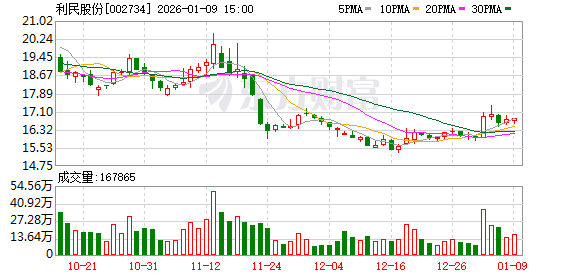
利民股份:锻造绿色农业新质生产力
Shang Hai Zheng Quan Bao· 2026-01-09 18:34
Core Viewpoint - The company, Limin Co., is focusing on the development of synthetic biological pesticides and green manufacturing, leveraging AI-driven research and global expansion to enhance agricultural productivity and meet the growing demand for food security [2][3]. Group 1: Company Strategy and Performance - Limin Co. aims to enhance agricultural productivity through a focus on synthetic biology, green manufacturing, and AI-driven research during the 14th Five-Year Plan period [2]. - The company reported a revenue of 3.599 billion yuan for the first three quarters of 2025, a year-on-year increase of 7.62%, and a net profit of 390 million yuan, a significant increase of 661.66% [3]. - The company has established a comprehensive industrial chain covering both agricultural and veterinary pesticides, as well as new energy materials, positioning itself as a leader in core product areas [2]. Group 2: Technological Advancements - Limin Co. is advancing its digital transformation by implementing smart manufacturing practices, including the establishment of smart factories and the integration of AI in research and development [5][6]. - The company has acquired a 51% stake in Deyanjichuang, enhancing its capabilities in compound development and significantly reducing the time required for new compound screening [5][6]. - AI technology is expected to shorten the research and development cycle, which traditionally takes over 10 years, by predicting experimental trends and outcomes based on historical data [6]. Group 3: Global Expansion and Market Position - The company is actively expanding its international presence, with exports reaching 2.05 million tons in 2024, a year-on-year increase of 32% [7]. - Limin Co. has established a global service network centered around its Singapore operations, targeting emerging markets in Africa, Southeast Asia, and Latin America [7]. - The company has participated in the formulation of 43 international and national standards, enhancing its credibility and market position in the global agricultural sector [7]. Group 4: Mergers and Acquisitions - Limin Co. has strategically acquired several companies, including Shuangji Chemical and Weiyuan Asset Group, to enhance its product line and market share [8]. - The acquisition of the "Dazheng" brand has increased the company's market share of certain products to 57% in China, demonstrating the effectiveness of its M&A strategy [8]. - The company plans to continue its strategic collaborations in the fields of biological pesticides and digital agriculture to strengthen its supply chain and explore new growth avenues [8].

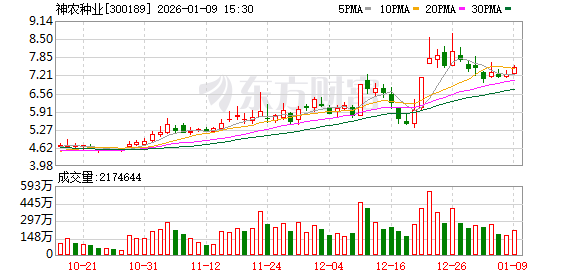
神农种业:公司将持续关注农业科技的前沿发展
Zheng Quan Ri Bao· 2026-01-09 12:36
Group 1 - The core viewpoint of the article is that the company, Shennong Agriculture, is committed to continuously monitoring advancements in agricultural technology, particularly the application of AI in breeding [2] Group 2 - The company has engaged with investors through an interactive platform, indicating a proactive approach to communication and transparency [2] - The focus on AI technology suggests a strategic direction towards innovation in the agricultural sector, which may enhance productivity and efficiency in breeding practices [2]

CES 2026大放异彩!Baseus倍思携全场景创新产品揽多项国际大奖
Jin Rong Jie· 2026-01-09 09:40
全场景产品矩阵发力,多领域创新斩获国际认可 在刚刚落幕的CES 2026国际消费电子展上,全球知名消费科技品牌 Baseus 倍思凭借全场景创新实力脱颖而出,一举斩获来自BestReviews、德国NETZWELT 等权威机构的多项国际大奖,同时收获数十家海外头部媒体的集中报道与盛赞,成为展会中备受瞩目的中国消费电子品牌之一。这一系列成就既彰显了倍思 在全球消费电子领域的领先地位,更印证了中国智造正凭借科技实力赢得国际市场的广泛认可。 本届 CES 展会中,倍思全面展示了覆盖移动数码、智能音频与智能安防以及AI等核心领域的系统化生态布局完整产品生态,以多品类创新实力交出亮眼答 卷。作为充电产品阵容的核心,PicoGo 系列凭借 "更轻便、更智能、更适配苹果生态" 的核心优势成为展会焦点。其中,PicoGo AM52 Qi2.2 磁吸充电宝作 为目前市面上最纤薄的 Qi2.2 磁吸充电宝之一,兼具便携特性与强劲性能 —— 不仅机身超薄、携带无负担,更支持 25W Qi2.2 无线快充与 45W USB-C 有线 快充,应急补电高效便捷。凭借设计、性能与安全的全方位优势,该产品成功斩获全球顶尖测评媒体 BestR ...

从B站、小红书、抖音探讨内容平台的用户泛化与变现潜力-国信证券
Sou Hu Cai Jing· 2026-01-09 09:12
Core Insights - The report analyzes the user generalization and monetization potential of content platforms like Bilibili, Xiaohongshu, and Douyin, highlighting the differences in their content distribution methods and business models [1][2][6]. User Generalization Paths - Content platforms exhibit two paths for user generalization: horizontal generalization into information distribution platforms and vertical integration into cultural brands. Douyin has evolved from a trendy short video community to a nationwide platform, while Bilibili focuses on niche ACG content to build a differentiated ecosystem [1][6][35]. Monetization Models - Information distribution platforms primarily rely on advertising for monetization, with Douyin's annual revenue per daily active user (DAU) significantly higher than its competitors. Xiaohongshu is shifting towards advertising, with projected annual revenue reaching 200 billion by 2030. Bilibili's revenue is expected to grow at a CAGR of 19% over the next three years, driven by ACG-related services [2][7][38]. AI Technology Impact - AI tools are significantly impacting content platforms by reducing production costs and enhancing efficiency, leading to increased content supply. AI also improves traffic distribution and advertising precision, particularly benefiting platforms like Bilibili and Xiaohongshu [2][8]. User Demographics - There are notable differences in user demographics across platforms: Douyin achieves widespread coverage, Xiaohongshu targets urban young women, Bilibili focuses on Generation Z, and Kuaishou has a high proportion of users from lower-tier markets. These differences influence content positioning and commercialization strategies [2][12][16]. Industry Competition - Bilibili and Xiaohongshu are competing in niche markets against Douyin, with projected DAUs reaching 200 million and 300 million, respectively, by 2025. The competition is characterized by differentiated strategies and user engagement approaches [1][35].



CES硬核科技刷屏,广东力量秀出“中国方案”
21世纪经济报道· 2026-01-09 07:53
Core Viewpoint - The CES 2026 showcased significant advancements in technology, particularly highlighting the strong presence and innovation of Guangdong enterprises in the global tech landscape [1][2]. Group 1: Guangdong's Presence at CES - Guangdong had a remarkable representation at CES, with 837 companies from mainland China and 530 from Guangdong, including 370 from Shenzhen, making up 44.2% of the mainland exhibitors [1]. - The event highlighted Guangdong's innovation in various sectors, including smart hardware, AI-integrated products, and robotics, establishing the region as a key player in global tech innovation [1][2]. Group 2: Robotics and AI Innovations - The emergence of embodied intelligent robots was a focal point, with companies like SUTENG showcasing their autonomous delivery robot capable of performing nearly 20 complex tasks [3][5]. - The robotics industry is transitioning from mere demonstrations to practical applications, with companies like ZHONGQING making strides in real-world scenarios such as logistics and public services [5][6]. Group 3: Energy Solutions and Smart Technologies - Energy tech companies presented solutions for smart and decentralized energy management, including products like the Explorer 1500 Ultra and innovative outdoor solar solutions [8][9]. - The integration of AI in energy solutions is aimed at enhancing efficiency and supporting the transition to automated driving technologies [8][9]. Group 4: Globalization and Market Strategy - Guangdong enterprises are evolving from simple product exports to comprehensive global strategies that include technology, branding, and ecosystem development [12][15]. - Companies like TCL and CHUANGXIANG SANWEI are focusing on localizing their operations and building service ecosystems in international markets to enhance brand recognition and customer engagement [12][13]. Group 5: Shifting Market Dynamics - The narrative of Guangdong companies has shifted from being followers to leaders in the global tech arena, with a focus on technological innovation and brand influence [17][19]. - The efficient supply chain in Guangdong is a critical factor enabling rapid product iteration and technological advancements, positioning these companies favorably in the competitive landscape [21].
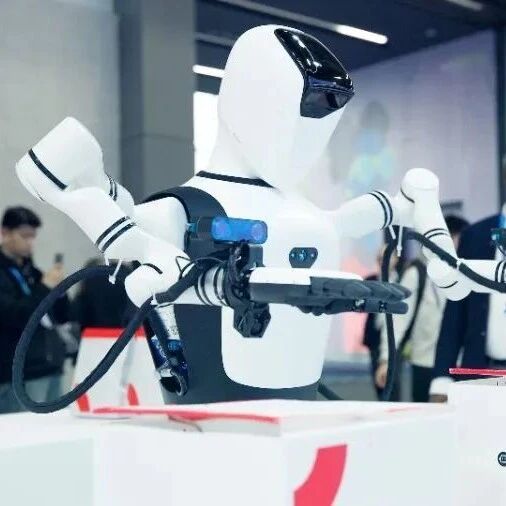
罗兰贝格报告:展望2026汽车行业,AI技术成决胜关键
Jing Ji Wang· 2026-01-09 07:49
Core Insights - The report by Roland Berger highlights that the Chinese automotive industry will become a global technology innovation center by 2026, evolving along six main lines: deepening elimination competition, tackling transformation battles, advancing internationalization, determining outcomes through technology wars, emphasizing capital competition, and resolving AI battles [1][2]. Group 1: Deepening Elimination Competition - The market will see a more pronounced head-to-head effect, with leading companies in vehicle manufacturing, parts supply, and distribution gaining significant advantages, leading to a market structure of "a few leading companies, some mid-tier companies, and many tail-end companies" [1]. - The elimination of tail-end companies will accelerate comprehensively [1]. Group 2: Tackling Transformation Battles - The definition of automotive products is shifting from traditional transportation tools to "smart mobile devices," with cross-industry collaboration becoming more frequent, particularly in integration with chips, software, energy, and cloud computing [1]. Group 3: Advancing Internationalization - Chinese automotive companies will focus more on localized operations, transitioning from "export-oriented enterprises" to "truly internationally operating enterprises," enhancing global competitiveness through job contributions and product localization [1]. Group 4: Determining Outcomes through Technology Wars - Vehicles are evolving beyond traditional transport functions to "AI-driven intelligent entities," with cutting-edge technologies like smart connectivity, autonomous driving, and new materials becoming crucial [2]. - The speed of technological innovation may further widen the gap between China and other countries [2]. Group 5: Emphasizing Capital Competition - In a context of overall profit pressure in the industry, efficient capital leverage and operational optimization will be key for companies to maintain competitiveness and achieve growth, with mergers and acquisitions becoming a new focal point in the "capital race" [2]. Group 6: Resolving AI Battles - The integration of AI with automobiles will transition from concept to high-value commercial scenarios, with future product competitiveness increasingly reflecting the capability of being "AI-driven intelligent entities" [2]. - AI technology will reshape not only front-end products but also the entire value chain, including product development, manufacturing, marketing services, and internal management [2]. Conclusion - According to Zheng Yun, a global senior partner and head of automotive business in Asia at Roland Berger, the automotive industry will enter a phase of "balanced reconstruction" in the coming years, with innovation and transformation in the Chinese automotive market accelerating, further solidifying China's position as a global innovation center in the automotive sector [2].
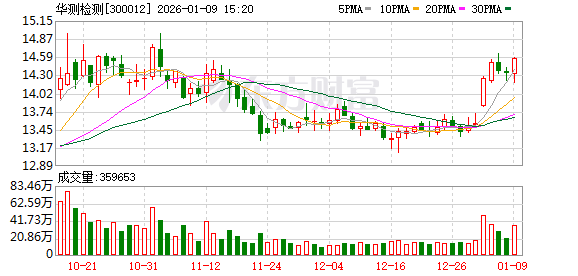
华测检测:公司商业航天检测业务已为部分民营航天企业及相关供应链厂商提供检测服务
Mei Ri Jing Ji Xin Wen· 2026-01-09 07:19
Group 1 - The company focuses on reliability and performance testing services for storage-related products and has business collaborations with several enterprises in the storage sector, although specific details are confidential [2] - The company possesses mature service capabilities in the storage testing field, aligning its technical standards with industry norms, and holds authoritative qualifications such as CNAS and CMA, ensuring the credibility of its testing reports [2] - In the commercial aerospace testing sector, the company specializes in verifying the performance of aerospace materials and the reliability of core components, providing testing services to certain private aerospace companies and related supply chain vendors, with client information kept confidential due to non-disclosure agreements [2] Group 2 - The company is committed to exploring opportunities for resource integration within the industry and aims to diversify its development paths [2] - The company plans to extend its service boundaries in the aerospace field, aiming to build a comprehensive and integrated testing and certification service system for aviation and aerospace [2] - The progress of the company's related business is influenced by multiple factors, including industry policies, market demand, and technological iterations [2]