食品安全

Search documents
山西晋中出台餐饮服务从业人员佩戴口罩规定
Zhong Guo Fa Zhan Wang· 2025-08-20 10:05
一是精准界定适用范围。明确适用于本市行政区域内所有餐饮服务提供者及其从业人员,涵盖酒店、餐 馆、烘焙店、饮品店、食品小经营店、食品小摊点以及集中用餐单位、中央厨房、集体用餐配送单位等 各类经营主体,并对餐饮服务从业人员范围作出科学界定。 中国发展网讯赵志斌记者郭建军报道8月18日下午,晋中市人大常委会办公室举行新闻发布会,正式公 布《晋中市餐饮服务从业人员佩戴口罩规定》(以下简称《规定》)。《规定》已由晋中市第五届人大常 委会第二十四次会议于2025年6月25日通过,并经山西省第十四届人大常委会第二十三次会议于2025年7 月30日批准,将于2026年1月1日起正式施行。 《规定》的出台是晋中市积极回应人民群众对"舌尖上的安全"热切期盼,深入贯彻健康中国战略、推动 餐饮服务业高质量发展的重要举措,也是基层治理领域的一项重要立法成果。其必要性主要体现在三个 方面:一是落实习近平总书记关于食品安全"四个最严"要求,夯实食品安全法治根基的关键举措;二是 把牢用餐安全基础关,保障人民群众健康权益的基本要求,通过规范佩戴口罩为消费者和从业人员双向 构筑健康屏障;三是细化上位法规定,满足食品安全监管客观需要,增强法规的可 ...


金桥社区开展“尚德守法 共享食安” 主题活动 撑起食品安全‘保护伞’
Zhong Guo Shi Pin Wang· 2025-08-20 04:08
此次活动将宣传教育与隐患排查相结合,既提升了居民尤其是老年人的食品安全防范能力,也进一步规 范了辖区食品经营秩序,为构建安全、放心的食品消费环境奠定坚实基 础。(费航) 为强化居民食品安全意识,守护"舌尖上的安全"。近日,金桥社区以食品安全宣传周为契机,开展 "尚 德守法 共享食安"主题活动,通过宣传引导与实地检查相结合,为居民尤其是老年群体撑起食品安 全"保护伞"。 活动现场,社区志愿者聚焦老年人饮食特点与常见消费误区,在华贝广场、老年食堂等重点区域发放宣 传单页,用通俗易懂的语言,向老年人讲解辨别过期食品、防范 "三无"保健品、选择正规商超购物等 实用知识,针对老年人关心的"如何看食品生产日期""保健食品与药品的区别"等问题逐一解答,累计发 放宣传材料 50 余份,覆盖居民80余人次。 同时,社区工作人员对辖区内超市、便利店、餐饮店等重点场所开展食品安全专项检查,重点查看食品 生产日期、保质期、储存条件,以及商户健康证、食品经营许可证等资质,对检查中发现的食品摆放不 规范、进货台账不全等问题,现场督促商户限期整改,从源头防范食品安全风险。 ...
山东得利斯食品股份有限公司8月19日新增投诉,消费者要求赔偿损失,退赔费用
Jin Rong Jie· 2025-08-19 05:25
Group 1 - The core issue involves a consumer complaint against Shandong Delisi Food Co., Ltd. regarding potential food safety problems related to a purchase made on August 11, 2025 [1] - The complaint was filed on August 19, 2025, and involved a request for compensation and refund [1] - The complaint was later resolved through mutual agreement or withdrawal by the complainant on the same day [1] Group 2 - Shandong Delisi Food Co., Ltd. was established on June 20, 2003, and is primarily engaged in the food manufacturing industry [1] - The company is located in Chancheng Town, Zhucheng City, Shandong Province, with a registered capital of 635.37529 million RMB [1] - The legal representative of the company is Zheng Simin [1]

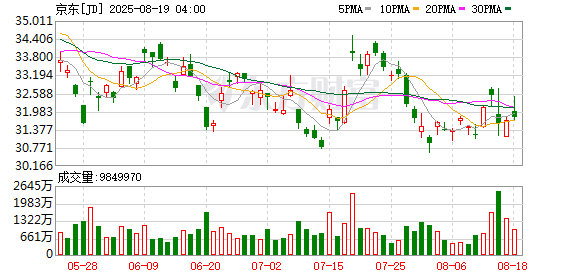
京东:外卖全职骑手突破15万,人均缴纳五险一金约2000元/月
Zheng Quan Shi Bao· 2025-08-19 05:12
Group 1 - JD's delivery service has surpassed 150,000 full-time riders, with the company covering all social insurance and housing fund costs, averaging about 2,000 yuan per rider per month [2] - JD has committed to three 100% principles for full-time riders: 100% signing of labor contracts, 100% payment of social insurance and housing fund, and 100% provision of formal employee benefits [2] - In Q2, JD's delivery business achieved a daily order volume exceeding 25 million, covering 350 cities and over 1.5 million restaurants, with nearly 200 restaurant brands achieving sales over 1 million [4] Group 2 - JD's Q2 revenue reached 356.7 billion yuan (approximately 49.8 billion USD), a year-on-year growth of 22.4%, exceeding market expectations and setting a record for growth rate in nearly three years [6] - The significant growth in user traffic, active users, and purchase frequency in Q2 is attributed to the continuous development of JD's core retail business and new businesses like delivery [6] - JD's retail revenue grew by 20.6% year-on-year in Q2, with an operating profit margin of 4.5%, marking the highest record for all promotional quarters in the company's history [6] Group 3 - JD's delivery service collaborates with numerous leading enterprises to provide high-quality corporate dining solutions, covering over 15,000 key enterprises [5] - The company emphasizes a stance against malicious competition and unhealthy market practices, focusing on quality and service rather than engaging in price wars or harmful subsidies [5] - JD aims to build core competitiveness through technology empowerment and supply chain innovation while maintaining a commitment to food safety [5]

桂林西麦食品股份有限公司8月19日新增投诉,消费者要求补足商品数量
Jin Rong Jie· 2025-08-18 17:07
Group 1 - The company Guilin Ximai Food Co., Ltd. has received a new consumer complaint regarding potential food safety issues related to its cereal products purchased online [1] - The complaint was filed by a consumer on July 30, 2025, concerning a purchase made on June 27, 2025, through Tmall [1] - The company was established on August 1, 2001, and is primarily engaged in the food manufacturing industry, with a registered capital of 2,232.46885 million RMB [2] Group 2 - A mediation agreement was reached on August 19, 2025, with the handling department being the Market Supervision Administration of Qixing District, Guilin City [2] - The legal representative of the company is Xie Qingkui [2]
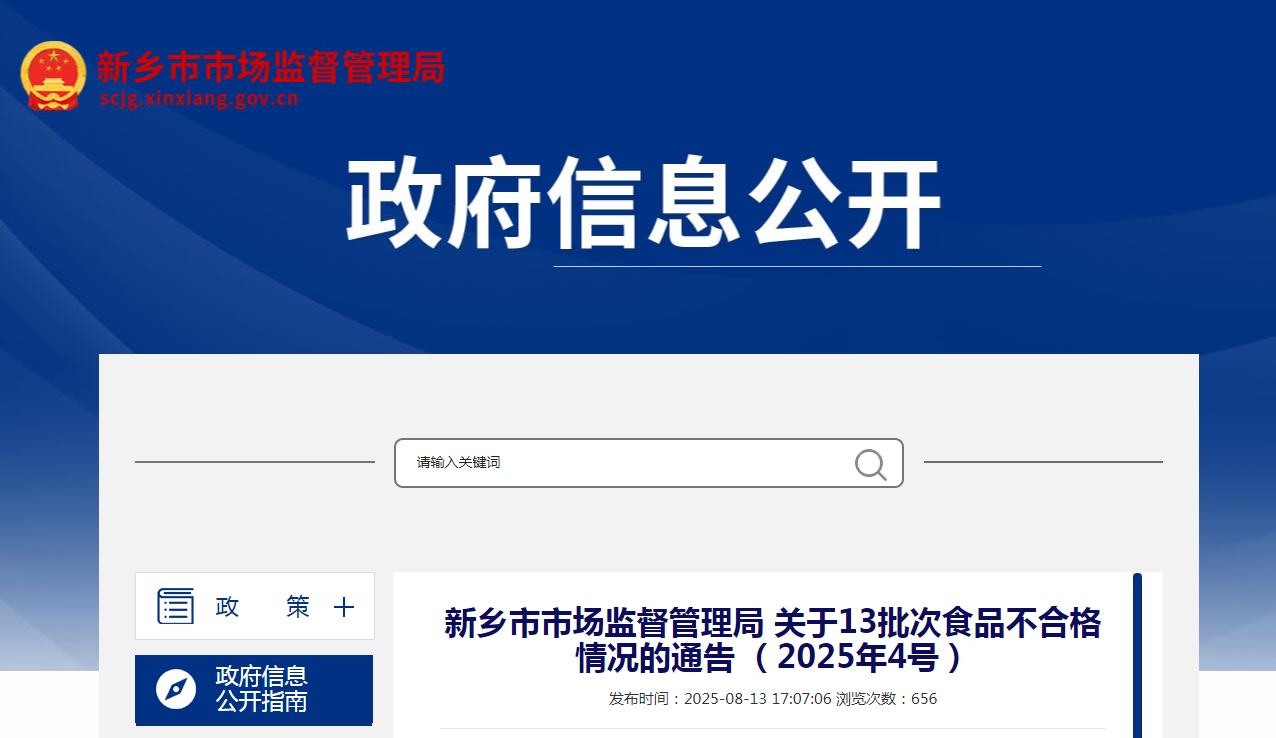
河南省 新乡市市场监督管理局关于13批次食品不合格情况的通告(2025年4号)
Zhong Guo Zhi Liang Xin Wen Wang· 2025-08-18 08:52
新乡市市场监督管理局关于13批次食品不合格情况的通告(2025年4号) 近期,新乡市市场监督管理局组织抽检了饼干、餐饮食品、炒货食品及坚果制品、蛋制品、淀粉及淀粉制品、豆制品、方便食品、糕点、罐头、酒类、冷冻 饮品、粮食加工品、肉制品、乳制品、食用农产品、蔬菜制品、薯类和膨化食品、水果制品、速冻食品、糖果制品、调味品、饮料22大类食品256批次样品 (含你点我检专项155批次),抽样检验项目合格样品243批次,不合格样品13批次。检验项目等具体情况见附件。现通告如下: 一、不合格产品情况 1.新乡市牧野区和盛祥餐饮饭店(个体工商户)1批次小碗,其中大肠菌群检出值为检出,标准规定不得检出。 2.原阳县渝味阁餐饮店(个体工商户)1批次碗,其中阴离子合成洗涤剂(以十二烷基苯磺酸钠计)检出值为0.26mg/100cm2,标准规定不得检出。 3.新乡市第十二中学1批次鸡蛋,其中多西环素检出值为942.8µg/kg,标准规定≤10µg/kg。 4.原阳县江峰面馆餐饮店(个体工商户)1批次小碗,其中大肠菌群检出值为检出,标准规定不得检出。 7.卫辉市友联商贸有限公司1批次生姜,其中噻虫胺检出值为1.3mg/kg,标准规定≤ ...
兰州市市场监督管理局2025年食品安全专项抽检信息通告 兰市监通告〔2025〕5号
Zhong Guo Zhi Liang Xin Wen Wang· 2025-08-18 08:07
Group 1 - The Lanzhou Market Supervision Administration conducted food safety inspections from June to July 2025, focusing on various food categories including restaurant food, seasonings, tea products, vegetable products, grain processing products, nuts, fruit products, and frozen products [2][3] - A total of 64 batches of ordinary food and edible agricultural products were found to be non-compliant during the inspections, leading to actions such as halting production, sales, and recalls by the food producers [2][3] - Consumers are encouraged to report any food safety issues by calling the complaint hotline 12315 [2] Group 2 - Specific non-compliance issues included the presence of harmful substances such as sodium alkylbenzene sulfonate and sulfur dioxide residues in various food samples [3][4] - The inspections revealed that several food establishments, including restaurants and food markets, were involved in the distribution of non-compliant products [3][4] - The regulatory actions taken by the market supervision department are in accordance with the Food Safety Law of the People's Republic of China [2][3]
太原市市场监督管理局2025年第9期食品安全监督抽检信息通告
Zhong Guo Zhi Liang Xin Wen Wang· 2025-08-18 07:10
Summary of Key Points Core Viewpoint - The Taiyuan Market Supervision Administration conducted a food safety inspection, revealing that out of 175 food samples tested, 164 were compliant while 11 were found to be non-compliant, indicating a compliance rate of approximately 93.71% [2]. Group 1: Inspection Results - A total of 175 food samples were collected across 17 categories including beverages, canned goods, and frozen foods [2]. - The inspection identified 164 compliant samples and 11 non-compliant samples, leading to a compliance rate of 93.71% [2]. - The local market supervision departments are investigating the non-compliant products according to relevant laws and regulations [2]. Group 2: Non-Compliant Products - Specific non-compliant products included: - Ginger with a pesticide residue of 0.90 mg/kg, exceeding the standard limit of 0.2 mg/kg [2]. - Green bean sprouts containing sulfur dioxide at 0.0562 g/kg, above the permissible limit of 0.02 g/kg [2]. - Various food items such as water cups and litchi also showed contamination with cleaning agents and pesticides [2]. Group 3: Consumer Action - Consumers are encouraged to report any non-compliant food products they encounter in the market by calling 12315 [2].
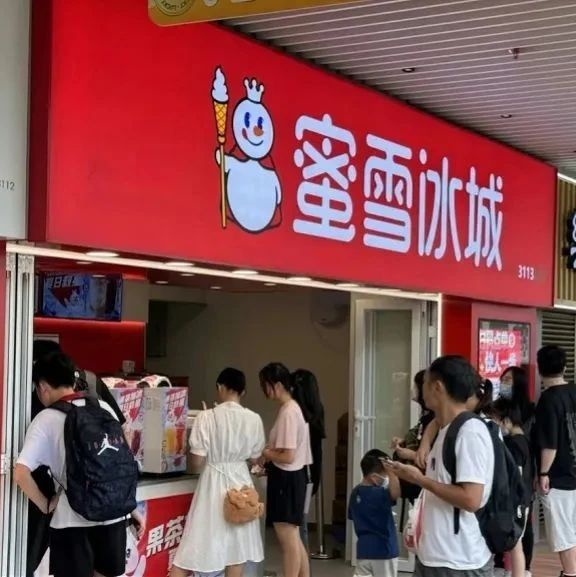
蜜雪冰城被曝光,负责人回应
Zhong Guo Ji Jin Bao· 2025-08-16 16:18
Core Points - A consumer reported finding a cockroach in an unopened cup of jasmine milk green tea purchased from a Mixue Ice City store in Ganzhou, Jiangxi, leading to a refund request and a compensation claim of 1,000 yuan based on food safety laws [2][10] - The incident has sparked significant public discussion, with the topic trending on social media [3] - Mixue Ice City has a history of food safety issues, including a recent incident where an employee was filmed using their foot to operate a drinking water dispenser [6][5] Company Issues - The company has faced multiple food safety complaints, including the use of expired ingredients and unsanitary practices in various locations [8][9] - As of December 31, 2023, Mixue Ice City has expanded significantly, with over 46,000 stores globally and more than 4,000 in Southeast Asia, making it the largest fresh tea brand in the region [9] Consumer Rights - Consumers are advised to retain purchase records and evidence of food quality issues, and they can seek compensation through negotiation or legal channels if necessary [13] - According to Chinese food safety laws, consumers can claim damages that may include compensation of up to 1,000 yuan for food safety violations [12]
蜜雪冰城被曝光,负责人回应
中国基金报· 2025-08-16 16:12
Core Viewpoint - The article highlights ongoing food safety issues faced by the company, Mixue Ice City, particularly a recent incident involving a cockroach found in a sealed drink, which has led to public outcry and discussions about consumer rights and compensation [2][6][12]. Group 1: Recent Incident - A consumer reported finding a cockroach in a sealed cup of jasmine milk green tea purchased from a Mixue Ice City store in Ganzhou, leading to a refund request and a demand for additional compensation of 1,000 yuan based on food safety laws [2][12]. - The regional manager of Mixue Ice City stated that they are reviewing surveillance footage to determine how the cockroach entered the drink [5]. Group 2: Historical Food Safety Issues - Mixue Ice City has a history of food safety problems, including an incident where an employee was filmed using their foot to operate a drinking water dispenser, raising concerns about hygiene [8]. - Other reported issues include the use of overnight lemons and oranges in drinks and the use of expired coffee powder in milk tea, leading to fines and product confiscation by regulatory authorities [10]. Group 3: Consumer Rights and Compensation - The article discusses the legality of the consumer's demand for 1,000 yuan compensation, referencing a similar case where a consumer found a fly in their drink and successfully claimed compensation through legal channels [15]. - Consumers are advised to retain purchase records and evidence of food quality issues, and if necessary, escalate complaints to consumer protection agencies or pursue legal action [17].