
数字孪生

Search documents
德林海跌2.00%,成交额1170.54万元,主力资金净流出109.93万元
Xin Lang Cai Jing· 2025-09-19 05:49
Company Overview - Delin Hai Environmental Technology Co., Ltd. is located in Wuxi, Jiangsu Province, and was established on December 10, 2009. The company was listed on July 22, 2020. Its main business focuses on emergency response to blue-green algae blooms in lakes and reservoirs, as well as prevention and control of such blooms [1][2]. Financial Performance - As of June 30, Delin Hai reported a revenue of 108 million yuan for the first half of 2025, a year-on-year decrease of 47.35%. The net profit attributable to shareholders was -3.09 million yuan, representing a year-on-year decrease of 112.49% [2]. - The company has cumulatively distributed 176 million yuan in dividends since its A-share listing, with 83.14 million yuan distributed over the past three years [3]. Stock Performance - On September 19, Delin Hai's stock price decreased by 2.00%, closing at 22.01 yuan per share, with a trading volume of 11.71 million yuan and a turnover rate of 0.47%. The total market capitalization is 2.487 billion yuan [1]. - Year-to-date, the stock price has increased by 48.45%, but it has decreased by 1.70% over the past five trading days and by 9.61% over the past 20 days. Over the last 60 days, the stock price has increased by 16.15% [1]. Shareholder Information - As of June 30, the number of shareholders for Delin Hai was 3,375, a decrease of 12.97% from the previous period. The average number of circulating shares per person increased by 14.90% to 33,481 shares [2]. Business Segmentation - The company's main business revenue composition includes: 62.64% from technology equipment integration, 42.42% from blue-green algae governance operation and maintenance, and 0.37% from other supplementary services [1]. - Delin Hai is classified under the environmental protection industry, specifically in water governance and treatment, and is associated with concepts such as water conservancy construction, micro-cap stocks, small-cap stocks, sewage treatment, and digital twins [1].

数字孪生+AI智能体技术突破 新思科技重塑芯片设计
Di Yi Cai Jing· 2025-09-19 03:08
Core Insights - Synopsys successfully acquired Ansys for $35 billion, marking a strategic shift from "chip" to "system" [4] - The company aims to optimize design across electronic, mechanical, and software fields through digital twin technology and AI agents [4] - Synopsys has achieved global leadership in EDA for advanced process design and multi-physics analysis technologies [6] Group 1: Strategic Developments - The acquisition of Ansys signifies a major transition in Synopsys' business model, focusing on system-level design rather than just chip design [4] - The integration of AI as a core capability in modern chip design is expected to enhance efficiency and support multi-domain optimization [4][5] - Synopsys plans to leverage EDA solutions and IP products to address complex issues in advanced processes, such as power consumption and thermal management [4] Group 2: Industry Context - The CEO of Synopsys emphasized the need for comprehensive solutions that span from chips to systems to meet the demands of complex intelligent systems like robots and autonomous vehicles [5] - TSMC's perspective on digital twins and AI highlights the dual role of supporting AI hardware and meeting customer expectations for integration and efficiency [5] - Synopsys has been active in the Chinese market for over 30 years, contributing to the growth of the semiconductor industry in the region [6]


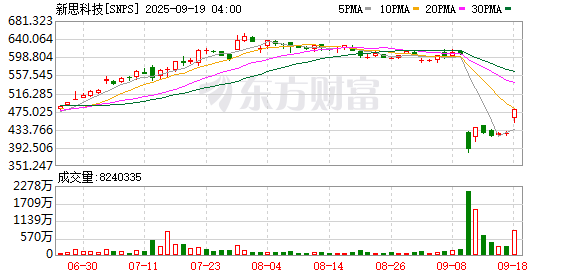
数字孪生+AI智能体技术突破,新思科技重塑芯片设计
Di Yi Cai Jing· 2025-09-19 02:59
Core Insights - Synopsys is undergoing a strategic transformation from chip design to system-level solutions, highlighted by its $35 billion acquisition of Ansys, a leader in simulation and analysis software [3] - The company aims to optimize design processes across electronic, mechanical, and software domains by creating digital twins and enhancing AI capabilities to support specific workloads [3][4] - Synopsys emphasizes the importance of integrating chip design with system-level insights to create value in future technological developments, particularly as complex intelligent systems become mainstream [4] Company Strategy - The strategic shift includes three main capabilities: integrating simulation with chip design, providing lifecycle optimization for intelligent systems, and upgrading chip technology to address complex issues in advanced processes [3] - AI is positioned as a core capability in modern chip design, with ongoing development of AI agents for various engineering tasks [3] Industry Context - The CEO of Lingqiao Intelligent highlights the need for delivering entire systems rather than just hardware, emphasizing the importance of digital feedback from human knowledge and developer experience [4] - TSMC's vice president notes that digital twins and AI play a dual role in supporting AI hardware and meeting customer expectations for integration, computing power, and energy efficiency [4] Historical Perspective - Synopsys has established itself as a leader in EDA, simulation, and multi-physics analysis technologies, marking its 30th anniversary in China, where it has contributed significantly to the development of the semiconductor industry [5] - The company has a history of collaboration with Chinese academic institutions, including a donation of over $1 million in software to Tsinghua University [5]
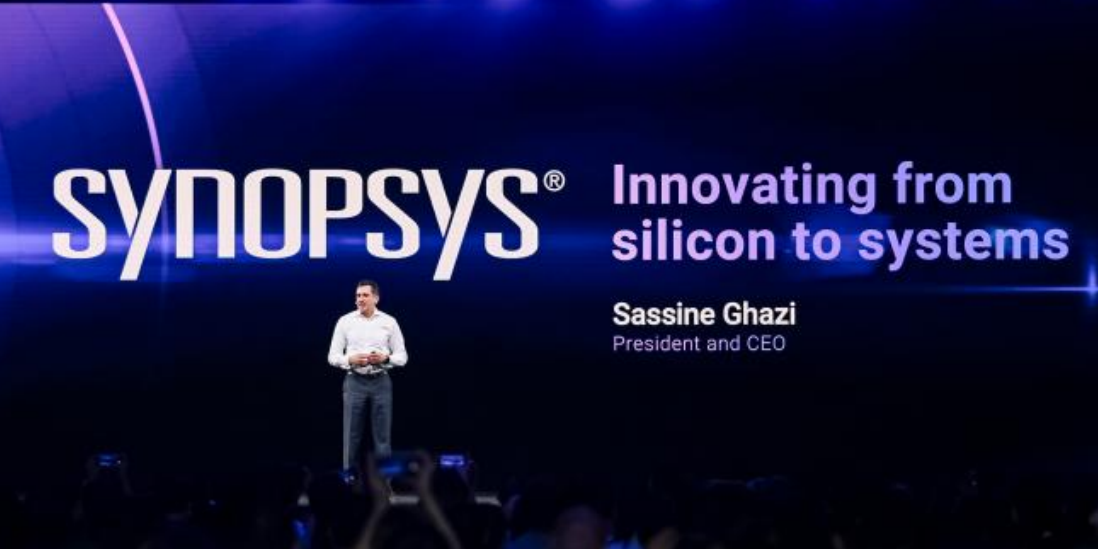
新思科技中国30周年引领AI智能体工程师重塑芯片设计范式
半导体行业观察· 2025-09-19 01:29
Core Viewpoint - Synopsys is celebrating its 30th anniversary in China and is focusing on transforming from a chip-centric company to a system-oriented leader in engineering solutions, emphasizing the integration of digital tools to innovate engineering design paradigms [4][10][12]. Group 1: Company History and Development - Synopsys entered the Chinese market over 30 years ago, initially as an agent, and has since evolved alongside the local semiconductor industry, contributing significantly to academic institutions like Tsinghua University [6][8]. - The company established its leadership in the EDA and IP sectors through strategic acquisitions, such as Avanti, and has fostered local talent development [8][10]. Group 2: Strategic Transformation - The acquisition of Ansys marks a pivotal shift for Synopsys, positioning it as a global leader in providing comprehensive engineering solutions from chip to system [10][12]. - The company aims to address the complexities of modern intelligent systems, such as robotics and autonomous vehicles, by integrating capabilities across the entire technology chain [14][20]. Group 3: Key Technological Breakthroughs - Synopsys is focusing on three critical areas: system-level design, chip technology upgrades, and AI integration, which are reshaping the engineering design landscape [15][17]. - The company is developing a framework for intelligent systems that evolves from basic capabilities to advanced decision-making and action abilities [18]. Group 4: Industry Collaboration and Innovation - Synopsys is collaborating with industry leaders to create differentiated intelligent systems that enhance developer productivity and innovation while addressing developer shortages [20]. - A high-level forum discussed the importance of a holistic approach to product development, emphasizing the integration of hardware, software, and system-level solutions [21][24]. Group 5: Future Outlook and Ecosystem - The conference outlined a technology blueprint from chip to system, highlighting the importance of interdisciplinary collaboration and the role of digital twins in engineering innovation [26][28]. - Synopsys is committed to fostering a vibrant ecosystem that connects global innovation efforts, focusing on talent development and technological breakthroughs [28].
路桥梁片制造有了“数智帮手”
Ke Ji Ri Bao· 2025-09-18 08:30
Core Insights - The G5 Jingkun Expressway expansion project in Mianyang, Sichuan, has successfully completed the prefabrication of 5,753 T-beams in a remarkably short time since its commencement in January of the previous year, showcasing the efficiency of smart manufacturing technologies [1][2] Group 1: Project Overview - The project involves the production and installation of T-beams for 34 mainline bridges, 27 vehicle overpasses, and ramp bridges, facing challenges such as complex processes and tight schedules [2] - The smart production line includes a T-beam production line, concrete and rebar distribution centers, and a smart control center, significantly enhancing production efficiency [2][3] Group 2: Technological Innovations - The project features a fully automated production line with innovations such as a rebar automatic tying production line, reducing the processing time for a single rebar cage from 4 hours to 2.5 hours [3] - The introduction of an automatic template production line and a T-beam concrete horizontal belt conveyor has improved operational efficiency by 25% and reduced failure rates [3] Group 3: Production Capacity and Efficiency - The smart production facility has 10 lines for 25-meter T-beams and 4 lines for 40-meter T-beams, with a designed capacity of 350 beams per month, and a maximum storage capacity of 128 beams [4] - The highest production output achieved is 410 beams per month, thanks to advanced smart manufacturing technologies [4] Group 4: Process Improvements - The project has pioneered a new production method combining rebar assembly and segment installation, increasing processing efficiency by nearly 50% and overall construction efficiency by 37.5% [4] - A fully enclosed curing system has replaced manual watering, utilizing a plasma atomization system for automatic maintenance based on temperature and humidity changes, ensuring optimal curing conditions [4]
“人工智能+”治理能力新标杆!全国首个超大型城市智能体在武汉启用
Nan Fang Du Shi Bao· 2025-09-18 07:12
暴雨凌晨突袭,城市尚在熟睡,AI"守夜人"已秒级锁定积水点位,一条告警推送到城运中心,信息速递 到处理责任部门。热干面出摊前,积水被水泵抽进井口,早高峰踩上的是干爽路面,而不是冰凉的水洼 ——武汉,用算法把一夜暴雨悄悄"归零"。 这一切,源于全国首个超大型城市运行管理智能体在武汉正式落地运行——它由武汉与华为联合打造, 基于全域数字孪生构建城市"智慧中枢",让城市具备了"感知—传输—决策—执行"的全链智能治理能 力。在"人工智能+"上升为国家战略的背景下,武汉率先将AI嵌入城市治理流程,成为探索"人工智能 +"治理能力模式的先行者。 暴雨夜,城市有了AI守夜人 9月15日,记者一行走进武汉市城市运行管理中心(简称"城运中心")综合调度大厅,眼前便是一幅数 字化"驾驶舱"的壮观景象:电子屏上密布的城市运行数据与实时数据闪烁跳动,工作人员分列在整齐的 座席间,神情专注地盯着屏幕,指尖在键盘上飞快敲击,偶尔低声交流。调度大厅内不断响起提示音 ——那是AI智能体正在实时为每一次"脉搏"把脉。 城运中心讲解员介绍,平台已实现城市运行态势的"一屏总览",93项数据分钟级更新,63项数据小时级 更新,涉及交通、水务、城管、 ...
行业聚焦:全球电商产品摄影市场头部企业份额调研(附Top10 厂商名单)
QYResearch· 2025-09-18 03:51
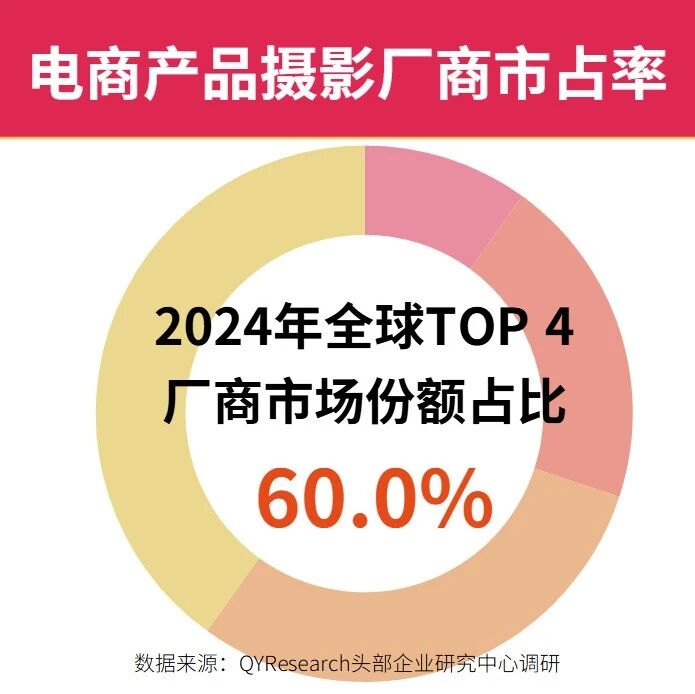
Core Insights - The article discusses the automation of e-commerce product photography through robotics and various photographic techniques to enhance productivity and efficiency in the industry [1] - The global e-commerce product photography market is projected to reach $400 million by 2031, with a compound annual growth rate (CAGR) of 12.4% over the coming years [1] Market Overview - E-commerce product photography is a branch of e-commerce focused on creating high-quality, commercially viable product images for online sales [1] - The market is expected to grow significantly, driven by the increasing demand for visual content as consumers shift from physical stores to online shopping [9] Key Market Players - Major global manufacturers in the e-commerce product photography sector include Orbitvu, Ortery, PhotoRobot, Packshot Creator, and Iconasys [6] - The top four manufacturers are estimated to hold approximately 60.0% of the market share in 2024 [6] Market Drivers - The explosive growth of global e-commerce is a primary driver for the increasing demand for product photography [9] - Modern shoppers expect immersive and aesthetically pleasing visual experiences, with 93% of consumers indicating that visual appearance is a key factor in their purchasing decisions [9] - The affordability of imaging technology, AI tools, and cloud editing platforms has made high-quality product photography more accessible than ever [10] Challenges - High production costs for professional photography pose a significant challenge, especially for startups and small to medium-sized enterprises (SMEs) [11] - The time required for setting up studios, shooting, and post-production can lead to increased costs and delays in product availability [11] - In some cases, automation may not be the best solution for specific products or industries that require artistic photography [11][14]
从紫禁城到“数字故宫” 百年守护开启文化科技新纪元
Zhong Guo Jing Ji Wang· 2025-09-18 03:35
Core Insights - The Palace Museum will celebrate its 100th anniversary on October 10, 2025, marking its transformation from a royal palace to a public museum and a symbol of cultural heritage protection in China [1] Group 1: Historical Context - The Palace Museum was officially established in October 1925, opening its doors to the public for the first time [1] - During the war, many cultural relics were relocated south to protect them, with some workers sacrificing their lives in the process [1] - After the founding of New China, significant investments were made in the restoration of ancient buildings and the recovery of lost artifacts [1] Group 2: Digitalization Efforts - Since the initiation of digital collection efforts over 20 years ago, the Palace Museum has established a systematic and long-term digitalization mechanism [2] - As of 2025, over 1 million of the 1.953 million artifacts have been digitized, surpassing 50% of the total collection [2] - The "Digital Relics Database" launched in 2019 has published 100,000 high-definition images, serving as an important online platform for public engagement with artifacts [2] Group 3: Technological Innovations - The Palace Museum is exploring new paths for the integration of culture and technology, utilizing digital twin technology for intelligent management across various functions [5] - The newly opened Digital Hall of the Dagaoxuan Palace serves as a fully digital exhibition space, connecting artifact storage, databases, and digital exhibitions in real-time [2] - Future plans include personalized virtual exhibitions, cross-time and space tours, and intelligent management of public service facilities [5] Group 4: Cultural Transmission - The Palace Museum's century-long commitment to preservation reflects not only advancements in protection technology but also profound changes in cultural transmission methods [7] - The museum aims to maximize the sharing of its collection resources with the global community and enhance the quality of museum operations through standardization and big data analysis [7]
奥比中光涨2.00%,成交额5.65亿元,主力资金净流出2280.06万元
Xin Lang Cai Jing· 2025-09-18 02:21
Group 1 - The core viewpoint of the news is that Aobo Zhiguang's stock has shown significant growth this year, with a year-to-date increase of 109.03% and notable recent performance in trading [1][2] - As of September 18, Aobo Zhiguang's stock price was 97.20 yuan per share, with a market capitalization of 38.987 billion yuan and a trading volume of 5.65 billion yuan [1] - The company has experienced a net outflow of main funds amounting to 22.8006 million yuan, with large orders showing a mixed buying and selling trend [1] Group 2 - Aobo Zhiguang, established on January 18, 2013, specializes in the design, research, production, and sales of 3D visual perception products, with a primary revenue composition of 61.83% from consumer applications [2] - The company reported a revenue of 435 million yuan for the first half of 2025, reflecting a year-on-year growth of 104.14%, and a net profit of 60.1901 million yuan, up 212.77% year-on-year [2] - As of June 30, 2025, the number of shareholders increased by 1.15% to 20,000, with an average of 12,885 circulating shares per person, a decrease of 0.71% [2] Group 3 - As of June 30, 2025, the top ten circulating shareholders of Aobo Zhiguang include notable funds such as Xingquan Helun Mixed A and Huaxia Zhongzheng Robot ETF, with varying changes in their holdings [3]

人工智能如何驱动产业跃升?——来自2025金砖国家新工业革命伙伴关系论坛的观察
Xin Hua Wang· 2025-09-17 15:49
Group 1 - The core viewpoint of the article emphasizes the transformative impact of artificial intelligence (AI) on global industrialization and the need for new industrialization concepts to integrate emerging technologies [1][2] - The 2025 BRICS New Industrial Revolution Partnership Forum highlighted discussions on how AI can empower new industrialization and how BRICS countries can seize opportunities [1] - The President of the New Development Bank, Dilma Rousseff, stated that AI and other emerging technologies are fundamentally changing production, trade, innovation, and development methods, necessitating an upgrade in industrialization concepts [1][2] Group 2 - China is accelerating the promotion of new industrialization, with AI as a key driver, and has established a complete AI industry system, focusing on innovation and the "AI + manufacturing" initiative [1][2] - Research indicates that the proportion of Chinese industrial enterprises applying large models and intelligent agents is expected to rise from 9.6% in 2024 to 47.5% in 2025 [1] - China has maintained its position as the world's largest industrial robot market for 12 consecutive years, with over 7,000 advanced and more than 230 excellent smart factories established [1] Group 3 - Cross-industry integration driven by AI is becoming a trend, with advancements in embodied intelligence and world models enabling real-time, precise mapping of the real world [2] - The Chairman of China Mobile, Yang Jie, noted that AI is facilitating the deep integration of the digital and real worlds, leading to new business models such as digital twin factories and industrial metaverse laboratories [2] - Challenges remain, particularly for global South countries in key technologies and digital infrastructure, necessitating inclusive AI technology that bridges the digital divide [2] Group 4 - The Minister of Industry and Information Technology, Li Lecheng, emphasized the importance of keeping pace with technological changes and promoting interconnected digital infrastructure [3] - China established the China-BRICS AI Development and Cooperation Center last year, with plans to create an innovation-sharing platform to share mature large model tools and reduce technical barriers [3]