
低空经济

Search documents
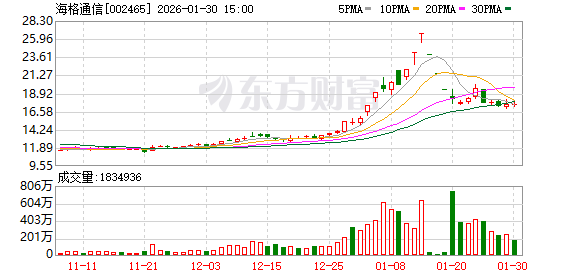
海格通信:2025年全年预计净亏损7.00亿元—7.90亿元
2 1 Shi Ji Jing Ji Bao Dao· 2026-01-30 09:52
Core Viewpoint - The company, Haige Communication, anticipates a significant net loss for the fiscal year 2025, projecting a loss between 700 million to 790 million yuan, with a loss of 780 million to 870 million yuan when excluding non-recurring gains and losses [1] Group 1: Financial Performance - The expected net loss for 2025 is attributed to delays in contract signing due to industry client adjustments and cyclical fluctuations, leading to a decrease in revenue scale [1] - The company plans to recognize impairment losses totaling approximately 220 million yuan for goodwill and about 250 million yuan for receivables, which will further impact the net profit for the period [1] Group 2: Investment and Development - To enhance its competitive edge, the company is increasing its investment in future business development, focusing on emerging fields such as chips, satellite internet, Beidou, intelligent unmanned systems, low-altitude economy, robotics, embodied intelligence, brain-computer interfaces, smart wearables, and 6G technology [1] - The total research and development expenditure for the year is projected to be around 930 million yuan, alongside efforts to expand into international markets and significantly develop the civilian market [1]

海格通信:预计2025年净亏损7亿元-7.9亿元 同比转亏
Di Yi Cai Jing· 2026-01-30 09:40
海格通信公告,预计2025年度归属于上市公司股东的净利润亏损7亿元-7.9亿元,上年同期为盈利 5313.58万元。报告期内,业绩亏损的主要原因如下:1.受行业客户调整及周期性波动影响,合同签订延 缓,相应营收规模减少;2.为强化公司持续竞争力,加大布局未来业务发展,公司持续开展在芯片、卫 星互联网、北斗、智能无人系统、低空经济、机器人及具身智能、脑机接口、智能穿戴、6G等新兴领 域的技术研发,全年研发投入约9.3亿元,并积极布局国际市场及大力拓展民用市场,相应投入增加; 3.2025年销售及回款未达预期,根据企业会计准则相关要求,基于谨慎性原则,本报告期内公司拟计提 相关减值损失,其中拟对商誉等计提资产减值损失约2.2亿元,对应收款项等计提信用减值损失约2.5亿 元(上述减值损失金额最终以评估机构评估结果及审计机构审计确认数据为准),进一步影响当期净利 润。 (文章来源:第一财经) ...

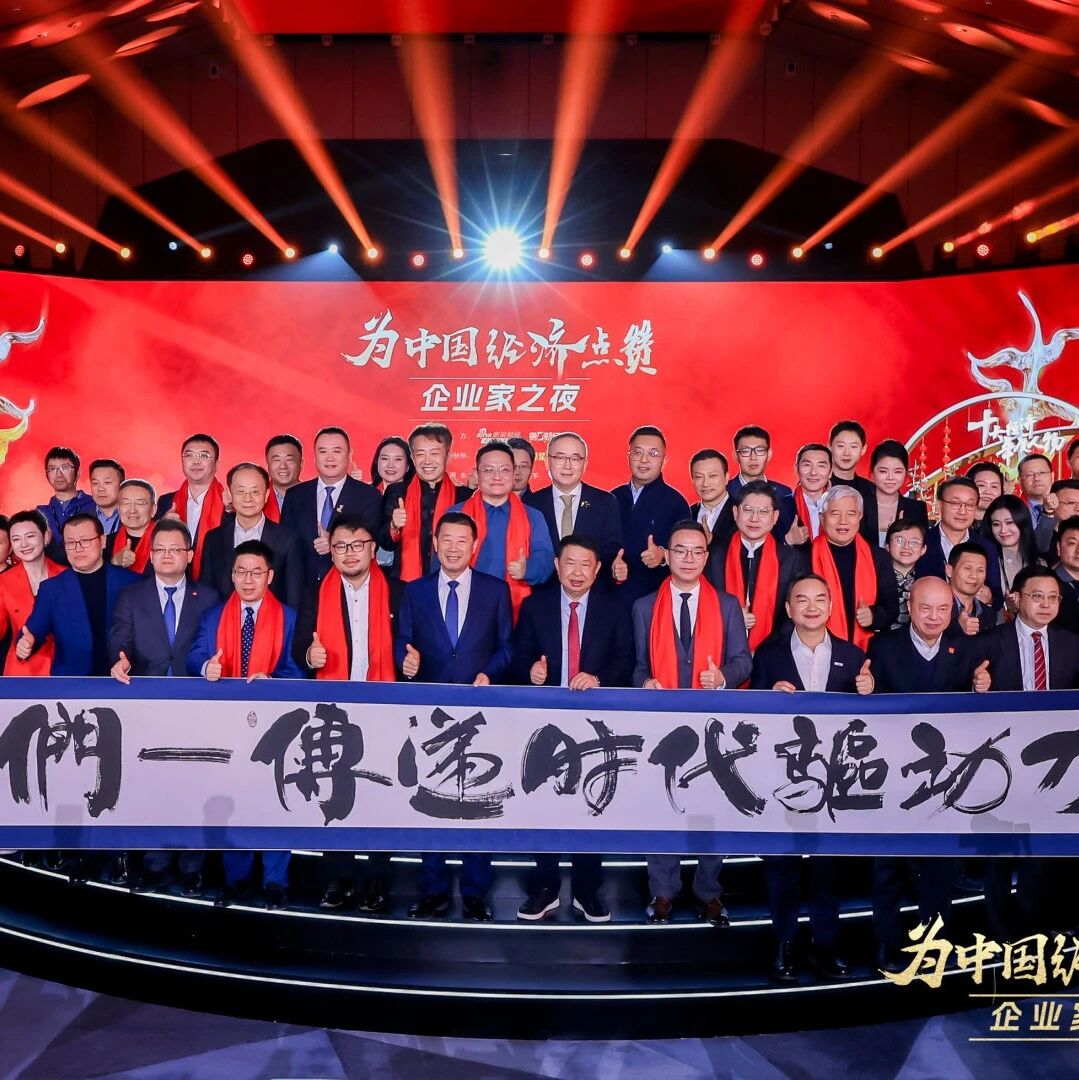
为什么是他们?40年激流,10座高峰,10个造舟者
新浪财经· 2026-01-30 09:24
Core Insights - The article highlights the achievements of ten exemplary entrepreneurs who have significantly contributed to China's economic landscape, showcasing their courage, vision, and resilience in various industries [3][4]. Group 1: Industrial Leadership - The emergence of great companies often begins with leaders who possess a profound insight into the "certainty" of their times, as exemplified by Ma Changhai of Weichai Power and Chen Jinghe of Zijin Mining [6]. - Chen Jinghe transformed Zijin Mining from a struggling company into a global mining giant by focusing on independent research and development, overcoming external competition and internal technical challenges [7][9]. - Ma Changhai led Weichai Power through comprehensive reforms and innovations, emphasizing the importance of mastering core technologies to strengthen China's industrial autonomy [11]. Group 2: Commitment to Excellence - Entrepreneurs like Leng Youbin of Feihe Dairy and Wu Xiangdong of Zhenjiu demonstrate the depth and warmth of "Made in China" through their commitment to quality and cultural heritage [13][16]. - Leng Youbin's strategic decisions during a crisis in the dairy industry led to the establishment of a complete supply chain for infant formula, enhancing safety and quality [14]. - Wu Xiangdong's acquisitions in the liquor industry allowed him to transition from brand management to controlling core production capabilities, thus preserving cultural heritage while achieving commercial success [17][19]. Group 3: Innovation and New Frontiers - Entrepreneurs such as Peng Jun of Xiaoma Zhixing and Zhao Deli of XPeng Huitian are pioneering new avenues in transportation, focusing on autonomous driving and flying cars, respectively [25][27]. - Liu Debing of Zhipu and Han Bicheng of Qiangnao Technology are exploring the intersection of artificial intelligence and life sciences, contributing to China's shift from application-driven innovation to foundational research [27][30]. - The article emphasizes the importance of these entrepreneurs in driving technological advancements and establishing China as a leader in global innovation [30].

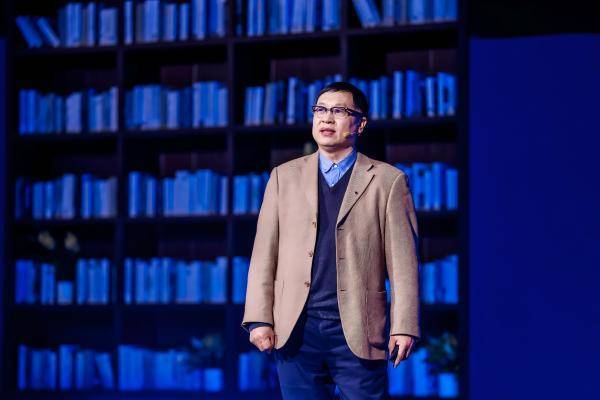
任和、张仲麟:低空经济要成型,得先把商业循环做起来
Sou Hu Cai Jing· 2026-01-30 09:04
Core Insights - The "low-altitude economy" is gaining momentum with various applications such as drone logistics, power inspection, agricultural protection, and emergency rescue being implemented across cities [1] - The discussion highlights the need for a stable operational system and sustainable business model to avoid the pitfalls of hype without substance in the industry [1] Group 1: Industry Development - The key to the successful implementation of the low-altitude economy lies not just in technology but in establishing a comprehensive operational framework, including airspace release, simplified flight reporting processes, and infrastructure development [2] - The current enthusiasm for e-VTOL (electric vertical takeoff and landing) aircraft is evident, but challenges such as limited range and high costs remain significant barriers to widespread adoption [15][24] - The industry is still in its early stages, with many players focusing on aircraft development rather than creating a viable economic ecosystem [14] Group 2: Market Dynamics - The low-altitude economy must evolve into a true economic model, which requires integrating aerial vehicles into everyday life, similar to how cars became household items [19] - The market's acceptance and demand for these technologies will ultimately determine their success, necessitating a focus on practical applications that enhance efficiency and generate economic benefits [18][19] - The establishment of a national air traffic control network and adequate takeoff and landing points is crucial for the development of a sustainable low-altitude economy [22] Group 3: Safety and Regulation - Safety remains a fundamental concern, particularly for unmanned cargo aircraft, which must ensure reliable data links and comprehensive monitoring systems to mitigate risks [27][30] - Regulatory frameworks need to evolve to support the safe integration of these technologies into the airspace, particularly in urban areas [31] - The industry must balance innovation with safety and reliability to foster public trust and acceptance [30][34]

1月29日的夜晚,早已伏脉于千里之外
Xin Lang Cai Jing· 2026-01-30 08:53
Group 1 - The article highlights the significant contributions of various entrepreneurs to China's economic landscape over the past 40 years, emphasizing their courage, vision, and resilience in shaping the future of industries and the nation [2][35] - The narrative focuses on the theme of not just wealth and success, but also on pioneering new pathways in deep industrial waters and nurturing world-class dreams on the soil of national confidence [2][35] Group 2 - The emergence of great enterprises often begins with leaders who possess a profound insight into the "certainty" of the times, as exemplified by Ma Changhai of Weichai Power and Chen Jinghe of Zijin Mining [3][36] - In 1997, Chen Jinghe posed a critical question about the survival of Zijin Mining, which at the time was struggling with a seemingly worthless gold mine, and he committed to self-research and innovation to overcome external and internal challenges [3][37] Group 3 - Chen Jinghe's leadership led to significant advancements in technology and international strategy, transforming Zijin Mining from a local enterprise into a global mining giant [5][39] - Similarly, Ma Changhai faced fierce competition in the heavy machinery sector and emphasized the importance of mastering core technologies to ensure China's industrial autonomy [7][41] Group 4 - The stories of Chen Jinghe and Ma Changhai reflect the broader narrative of China's industrial evolution from scale chasing to reaching the pinnacle of technology and value chains [8][42] - The article also discusses the commitment of entrepreneurs like Cold Friend and Wu Xiangdong to redefine "Made in China" through deep-rooted business practices and cultural confidence [9][43] Group 5 - Cold Friend's strategic decisions during the crisis in the dairy industry led to the establishment of a complete supply chain for infant formula, enhancing the global competitiveness of Chinese dairy products [9][43] - Wu Xiangdong's acquisitions in the liquor industry marked a significant shift from brand operation to controlling core production capacities, thereby reinforcing cultural heritage through commercial success [11][45] Group 6 - The article emphasizes the role of entrepreneurs like Ma Yin in creating spaces that blend commerce and culture, establishing new value benchmarks in the real estate sector [14][48] - Lu Mai's advocacy for rural children's development highlights the importance of social equity and community engagement in entrepreneurial efforts [16][50] Group 7 - The narrative also covers the innovative pursuits of leaders like Peng Jun and Zhao Deli in the fields of autonomous driving and flying cars, pushing the boundaries of transportation technology [20][21] - Liu Debing and Han Bicheng are noted for their contributions to artificial intelligence and brain-computer interfaces, showcasing China's shift from follower to leader in global tech competition [23][28] Group 8 - The article concludes by celebrating the diverse stories of these entrepreneurs, portraying them as architects of a new era that encourages innovation and exploration [30][63] - It acknowledges the challenges faced on their journeys, underscoring their determination and commitment to their visions [31][63]
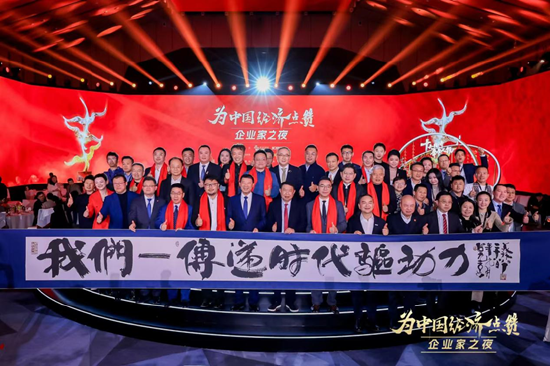
为什么是他们?40年激流,10座高峰,10个造舟者
Xin Lang Cai Jing· 2026-01-30 08:46
Core Insights - The article highlights the achievements of ten distinguished entrepreneurs who have significantly contributed to China's economic landscape, showcasing their courage, vision, and resilience in various industries [2][33]. Group 1: Industrial Leadership - Chen Jinghe, founder of Zijin Mining, transformed the company from a small local enterprise into a global mining giant by overcoming technical challenges and establishing an international strategy [5][37]. - Ma Changhai, chairman of Weichai Power, led the company through a comprehensive reform process, focusing on mastering core technologies and achieving breakthroughs in heavy-duty engines and hydraulic systems [7][40]. - Both Chen and Ma's stories symbolize China's industrial evolution from scale chasing to technological and value chain leadership [8][40]. Group 2: Manufacturing Excellence - Cold Friend, chairman of Feihe Dairy, adopted a long-term strategy to ensure the safety and quality of infant formula, establishing a complete supply chain from pasture to product [9][43]. - Wu Xiangdong, chairman of Guizhou Zhenjiu, transitioned from brand management to controlling core production capacities through strategic acquisitions, enhancing the cultural value of Chinese liquor [11][45]. - Ma Yin, founder of Anaya, created a unique cultural and tourism destination that emphasizes the integration of business and humanity, setting a new value benchmark in the real estate sector [14][47]. Group 3: Technological Innovation - Peng Jun, chairman of Pony.ai, is pioneering the field of autonomous driving, addressing complex challenges in algorithms and hardware to redefine future transportation [19][53]. - Zhao Deli, founder of XPeng, is working on flying cars, tackling significant technical and regulatory challenges to establish a new industry in low-altitude economy [22][56]. - Liu Debing, chairman of Zhipu AI, is focused on developing AI infrastructure with independent intellectual property rights, marking a significant step in China's AI industry [23][60]. - Han Bicheng, founder of Strong Brain Technology, is innovating in brain-computer interfaces, contributing to advancements in life sciences and assistive technologies [25][58]. Group 4: Social Responsibility and Vision - Lu Mai, former vice chairman of the China Development Research Foundation, emphasizes the importance of early childhood development in rural areas, advocating for immediate action to support children's growth [16][50]. - The article underscores the entrepreneurial spirit as a driving force behind China's transition from manufacturing to value creation, highlighting the importance of social responsibility and cultural heritage in business [18][52].

辽宁省人大代表奚继兴:低空经济当以装备差异化破局
Xin Lang Cai Jing· 2026-01-30 08:15
中新网沈阳1月30日电 (杨茜茜)"辽宁是新中国航空事业的发祥地,发展低空经济、研发低空装备有着先 天独特的优势,更该走出差异化路径。"辽宁省两会期间,辽宁省人大代表、沈阳飞机设计研究所党委 书记、副所长奚继兴结合自身行业经验与调研思考,为辽宁低空经济发展提出具体建议。 奚继兴表示,辽宁的优势体现在多个方面:既有顶尖航空科创资源,又有高校院所的人才支撑,研发经 验与验证手段国内领先;沈飞、黎明等整机制造企业筑牢产业基础,民营无人机企业与运营企业蓬勃兴 起;20多个通用机场、百多处起降点搭建起完善基础设施,沈阳作为国家首批低空空域改革试验区,省 级飞行管理服务平台已实现军民航数据对接;海洋大省与多样地域特征,催生了低空物流、文旅、农林 作业、海上救援等丰富应用场景;辽宁将低空经济纳入"十五五"规划,一系列扶持政策营造了良好发展 环境。 他建议构建"全省统一布局、各地区错位发展"的格局,避免重复建设。产业端要发挥主机厂所龙头作 用、高校院所技术优势与民营企业机制活力;上游要依托辽宁材料实验室强化优质材料供给,引进系统 供应商提升本地配套率,攻坚高性能动力系统;下游需由政府牵头培育文体旅、物流运输、应急救援等 应用 ...
通航飞机+eVTOL打开低空经济成长空间 万丰奥威2025年净利润业绩预增30%~61%
Quan Jing Wang· 2026-01-30 07:56
eVTOL作为新型飞行器成为国内外厂商研发投入的重点,为低空产业的发展提供了新的机遇。万丰钻 石依托通航领域的领先优势,在有序推进eVTOL、无人机等新型飞行器的研发取证,满足不同应用场 景需求的产品布局。依托全球化研发布局、中国制造、全球销售的模式,使万丰奥威具备了参与国际竞 争与产业协同的独特优势。 作为全球通用航空和低空经济领域的领军企业,万丰奥威正着力打造通航固定翼飞机和以eVTOL、无 人机为代表的低空飞行器研发制造,已在全球布局5个飞机制造工厂、1个飞机制造工程中心和3个飞机 设计研发中心,在全球90个国家设立192个服务中心,构建了"通用固定翼飞机+电动垂直起降航空器 (eVTOL)+无人机"多引擎驱动的全场景出行产品矩阵。依托"立足世界、深耕中国、辐射亚太"战略布 局,公司努力实现南北半球的优势互补、全球资源互联,矢志成为"通用飞机创新制造企业的全球领跑 者"。 近年来,低空经济作为新质生产力重点培育,产业发展迅速。一方面,政策支持力度加大,低空空域经 过多年改革,形成了明确的空域基础分类,使得产业化有了确定性依据。连续两年的中央政府工作报告 高规格定调引领产业加速发展。另一方面,以无人机、e ...

宏鑫科技:目前已与低空经济头部企业达成合作并签订定点采购协议
Ge Long Hui· 2026-01-30 07:45
Core Viewpoint - The company is positioned to capitalize on the opportunities presented by the low-altitude economy, driven by breakthroughs in policy, technology, and market barriers [1] Group 1: Company Developments - The company has established partnerships with leading enterprises in the low-altitude economy and signed fixed procurement agreements [1] - Some of the company's products are currently undergoing sample testing and evaluation [1] - The company is increasing its R&D investment and expanding its business scope [1] Group 2: Industry Trends - The low-altitude economy is experiencing significant growth due to advancements in policy, technology, and market conditions [1] - The company aims to keep pace with industry dynamics and enhance technological innovation and market collaboration [1] - The company plans to leverage its manufacturing advantages to fully exploit these emerging opportunities [1]
宏鑫科技(301539.SZ):目前已与低空经济头部企业达成合作并签订定点采购协议
Ge Long Hui· 2026-01-30 07:40
Core Viewpoint - The company is positioned to capitalize on the opportunities presented by the low-altitude economy, driven by breakthroughs in policy, technology, and market barriers [1] Group 1: Company Developments - The company has established partnerships with leading enterprises in the low-altitude economy and signed fixed procurement agreements [1] - Some of the company's products are currently undergoing sample testing and evaluation [1] - The company is increasing its R&D investment and expanding its business scope [1] Group 2: Industry Trends - The low-altitude economy is experiencing significant advancements due to the convergence of policy, technology, and market developments [1] - The company aims to keep pace with industry dynamics and enhance technological innovation and market collaboration [1] - The company plans to leverage its manufacturing advantages to fully exploit these emerging opportunities [1]