
数字金融

Search documents
金价又创新高!黄金还能买吗?金价飞涨的底层逻辑是什么?
Sou Hu Cai Jing· 2025-10-20 01:27
Core Viewpoint - Recent surge in gold prices has reached a historic high, with COMEX gold futures exceeding $4000 per ounce, raising questions about the potential for further investment in gold [1][3] Group 1: Factors Driving Gold Price Increase - The primary drivers of the recent gold price increase are threefold: heightened risk aversion due to unstable global economic recovery, revised U.S. employment data, and ongoing geopolitical conflicts [3][6] - The Federal Reserve's interest rate cut of 25 basis points in September has weakened the dollar, making dollar-denominated commodities like gold more valuable [6] - Global central banks are increasing their gold reserves to diversify foreign exchange risks and reduce reliance on dollar assets, providing long-term support for gold prices [6] Group 2: Digital Finance and Gold - The connection between gold and the digital finance world is becoming more pronounced, particularly with Bitcoin being referred to as "digital gold" due to its limited supply and inflation-hedging properties [8] - The rise of Real-World Assets (RWA) tokenization through blockchain technology is enhancing asset liquidity and lowering transaction barriers, making gold investment more accessible and appealing [9] - The current market environment, characterized by concerns over stock and bond markets, is making traditional risk-averse assets like gold more attractive, while innovations like RWA are making gold investment more flexible and digital [11] Group 3: Investment Considerations - While gold prices appear to have an upward trend, it is essential to recognize the differences in volatility between gold and Bitcoin, with Bitcoin exhibiting significantly higher fluctuations [11] - The RWA trend is still in its early stages, with regulatory and technological risks that should not be overlooked [11] - Investors are encouraged to understand the evolving asset landscape and analyze their risk tolerance rather than following market trends blindly [12]


多元金融公司三季度净利大增70%背后:新能源与投资暗藏玄机?新任总经理“首秀”引爆市场
Hua Xia Shi Bao· 2025-10-19 23:57
Core Viewpoint - Yuexiu Capital expects a significant increase in net profit for the first three quarters of 2025, driven by strong investment returns and growth in its renewable energy business [2][3][4]. Financial Performance - The projected net profit attributable to shareholders for the first three quarters of 2025 is between 29.22 billion to 30.94 billion yuan, representing a year-on-year growth of 70% to 80% [2][3]. - The expected net profit for the third quarter is between 13.64 billion to 15.36 billion yuan, with a year-on-year increase of 94% to 118% [2][4]. - Excluding non-recurring gains, the net profit is projected to be between 14 billion to 15.8 billion yuan, reflecting an 18% to 32% increase year-on-year [3]. Investment and Business Strategy - The company has actively seized opportunities in the capital market, leading to a substantial increase in investment income [4]. - The renewable energy sector has shown significant growth, with total electricity generation reaching 78.1 billion kWh in the first half of 2025, resulting in electricity revenue of 24.2 billion yuan, a 123% increase year-on-year [6]. - The company is focusing on diversifying its renewable energy product offerings, including solar, wind, and energy storage projects [6]. Accounting Changes and Impacts - A change in accounting for long-term equity investments has contributed to non-recurring gains, with an estimated one-time income of approximately 20.22 billion yuan recognized [5]. - The company anticipates asset impairment provisions of 14 billion to 16 billion yuan for the first three quarters of 2025, which may reduce net profit by about 7.20 billion to 8.20 billion yuan [5]. Management and Governance - Wu Yonggao was appointed as the new general manager in August 2025, marking a significant leadership change [9]. - Investors are keenly observing the company's performance under the new management and its strategic direction, particularly in light of recent acquisitions by its parent group [10].


“十五五”规划前瞻:国际篇+金融篇
2025-10-19 15:58
Summary of Key Points from Conference Call Records Industry Overview - The records discuss the Chinese economy and its strategic responses to global geopolitical challenges, particularly in the context of the "14th Five-Year Plan" and the upcoming "15th Five-Year Plan" [1][2][3]. Core Insights and Arguments - **Economic Growth Projections**: China's economic growth is expected to maintain a range of 4.6% to 4.8% during the "15th Five-Year Plan" period, with a focus on energy supply security through strategic partnerships, particularly with Russia [1][3]. - **Foreign Trade Expansion**: By 2024, China's foreign trade is projected to reach $6.16 trillion, marking a 32.4% increase compared to the previous five-year period, maintaining its position as the world's largest trading nation [1][4]. - **Trade Structure Optimization**: The importance of ASEAN and the EU as trading partners is increasing, while the significance of the U.S. is declining. High-tech, green, and electromechanical products are identified as core drivers of exports [4]. - **Financial Policy Focus**: The financial policies during the "14th Five-Year Plan" emphasized service to the real economy, financial security, and supply-side structural reforms, with a new goal of building a financial powerhouse [5]. Important but Overlooked Content - **Challenges for Private and Tech Enterprises**: Private and tech enterprises face high loan interest rates, reliance on collateral for financing, and a low proportion of direct financing (31.6%) compared to developed countries (60%-80%) [6]. - **Strategic Directions for Financial Institutions**: Financial institutions are expected to adjust their strategies to focus on technology finance, green finance, and pension finance, with an emphasis on supporting innovation and sustainable development [7][9][10]. - **Internationalization of the Renminbi**: There is a push for the gradual internationalization of the Renminbi, with current foreign holdings of domestic bonds and stocks at only 3%-4%, indicating significant room for growth [8]. Sector-Specific Developments - **Banking Sector**: The banking industry will prioritize resources towards strategic areas such as technology innovation and green finance, utilizing differentiated products like intellectual property pledge loans [9]. - **Insurance Sector**: The insurance industry aims to enhance health insurance and long-term care systems to address aging population needs while increasing equity asset allocation in tech and green sectors [9]. - **Fund Management**: The fund industry is transitioning from a focus on scale to one on returns, emphasizing investments in pension-targeted funds and ESG products [10]. - **Securities Sector**: The securities industry is expected to evolve towards a more integrated, professional, and digital approach, focusing on investment banking and wealth management [10].
“惠农服务旗舰店”前世今生
Zheng Quan Ri Bao Zhi Sheng· 2025-10-19 15:13
Core Viewpoint - The Agricultural Bank of China Fujian Branch is transforming its "Huinong Tong" service points into "Huinong Service Flagship Stores" to enhance comprehensive financial services for rural customers, addressing the limitations of basic financial functions and improving loan accessibility and customer satisfaction [1][2]. Group 1: Development of "Huinong Service Flagship Stores" - The Fujian Branch has established over 2,000 "Huinong Tong" service points and is upgrading some to "Huinong Service Flagship Stores" to provide a wider range of financial services beyond basic functions [1]. - The flagship stores will utilize smart tools like intelligent POS machines and mobile services to offer comprehensive financial services, including loan applications, account openings, and pension business appointments [1]. Group 2: Expansion of Agricultural Loans - The branch has supported 380,000 farmers through the Huinong e-loan initiative, creating information profiles for 690,000 farmers across 14,000 administrative villages [1]. - The establishment of flagship stores will provide a stable base for marketing personnel to enhance agricultural loan outreach and improve service efficiency in key towns and industries [1]. Group 3: Online and Offline Integration - The flagship stores will implement digital financial tools to facilitate interaction between online and offline customers, promoting mobile banking usage and online transaction habits [2]. - Activities such as online discounts and loyalty programs will be introduced to encourage online customers to visit physical locations for transactions [2]. Group 4: Financial Policy Education - The flagship stores will feature platforms for promoting financial policies and products through videos and educational materials, enhancing community awareness of financial services [3]. - Collaborative efforts with local governments will be made to conduct financial education sessions and consumer rights protection campaigns [3].

中国人民银行原副行长胡晓炼:从六个方面建设上海国际金融中心
Zhong Guo Jing Ying Bao· 2025-10-19 14:14
Core Insights - The core viewpoint emphasizes the importance of technological competition as a frontier for future development, highlighting the need for financial support in technology innovation, industrial upgrading, and green development while also accelerating the digitalization of finance [1][2]. Group 1: Financial Reform and Development - The construction of the Shanghai International Financial Center should focus on comprehensive financial reform, enhancing top-level design, policy formulation, and implementation to address existing challenges and improve the pricing mechanisms of financial markets [1][2]. - There is a need for institutional openness, simplifying the approval processes for foreign financial institutions to facilitate their entry into the RMB business and enhance Shanghai's position as a hub for RMB asset allocation [2][3]. Group 2: Supporting the Real Economy - The five center constructions in Shanghai should work collaboratively to support the high-quality development of the real economy, particularly in areas like equity investment ecosystems, the Sci-Tech Innovation Board, and green finance [2][3]. Group 3: Offshore Financial System - An offshore financial system centered around the RMB should be established in Shanghai, promoting the free flow of legal funds across borders and facilitating the financial management of Chinese enterprises operating overseas [2][3]. Group 4: Financial Technology Development - There is a strong emphasis on developing financial technology by integrating various financial data resources in Shanghai, creating platforms for both general and specialized financial models to empower financial services and regulation [3]. Group 5: Global Financial Cooperation - Support for Chinese enterprises going global and the Belt and Road Initiative is crucial, alongside enhancing global financial cooperation and governance, which will expand the use of the RMB as an international currency [3].
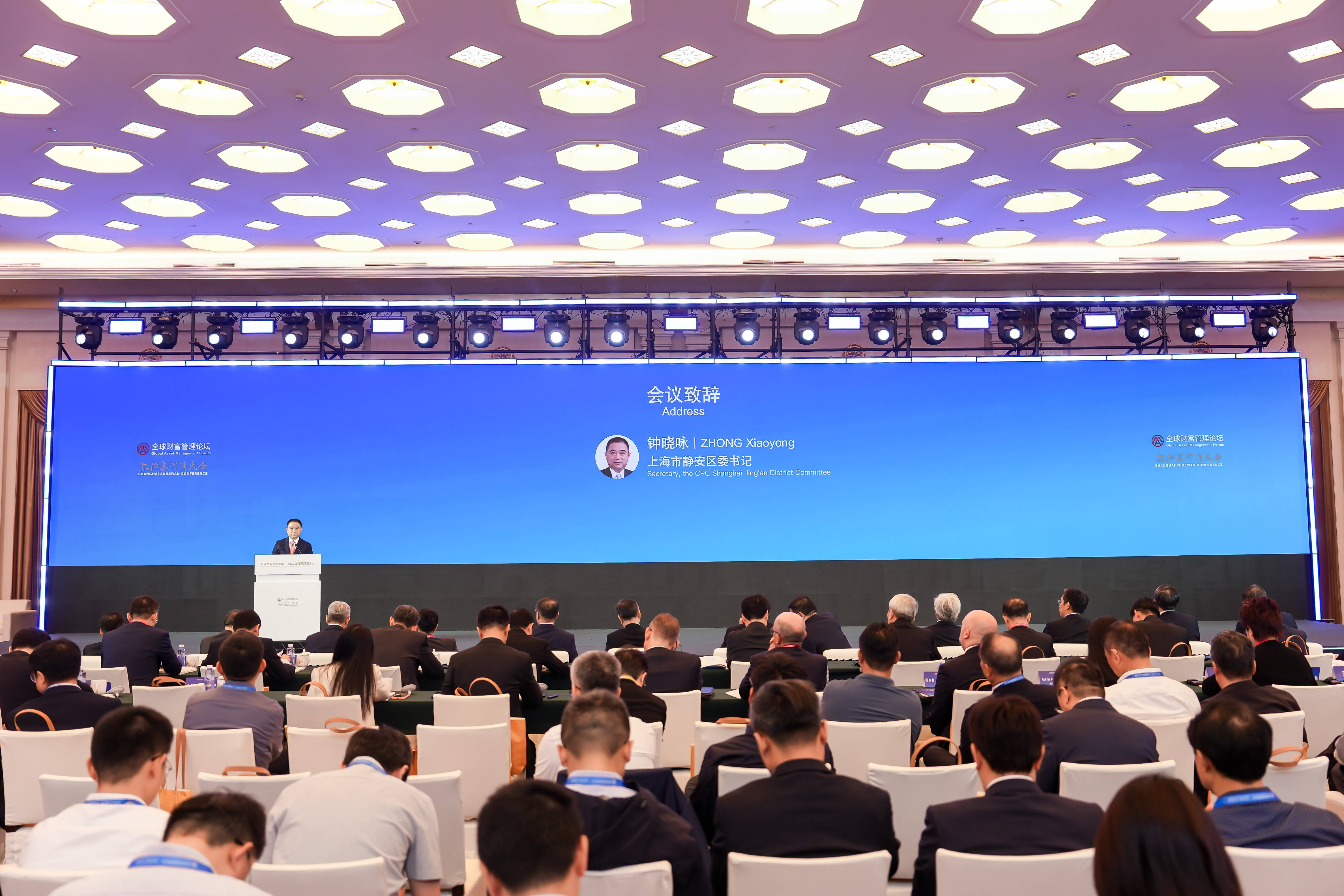
上海市静安区委书记钟晓咏:静安将全力打造全球资本高地 努力成为数字金融发展标杆
Sou Hu Cai Jing· 2025-10-18 07:39
Core Insights - Shanghai's Jing'an District aims to enhance its role as a global capital allocation hub and promote high-level financial openness [4] - The district is focusing on the integration of finance, technology, and industry to drive innovation and high-quality financial development [4] - Jing'an is positioning itself as a benchmark for digital financial development and is accelerating the establishment of an innovative equity investment hub [4] Financial Landscape - Jing'an is one of the most concentrated areas for financial resources in Shanghai, housing over 800 financial market entities [4] - The district has a strong presence of licensed headquarters and active private equity investment, making it a key location for international asset management institutions [4] - The ongoing global economic transformation is being influenced by emerging technologies such as artificial intelligence and blockchain, reshaping the financial industry ecosystem [4]
潘功胜将出席!人民银行深度参与金融街论坛筹备,还有这些亮点
Bei Jing Shang Bao· 2025-10-17 14:09
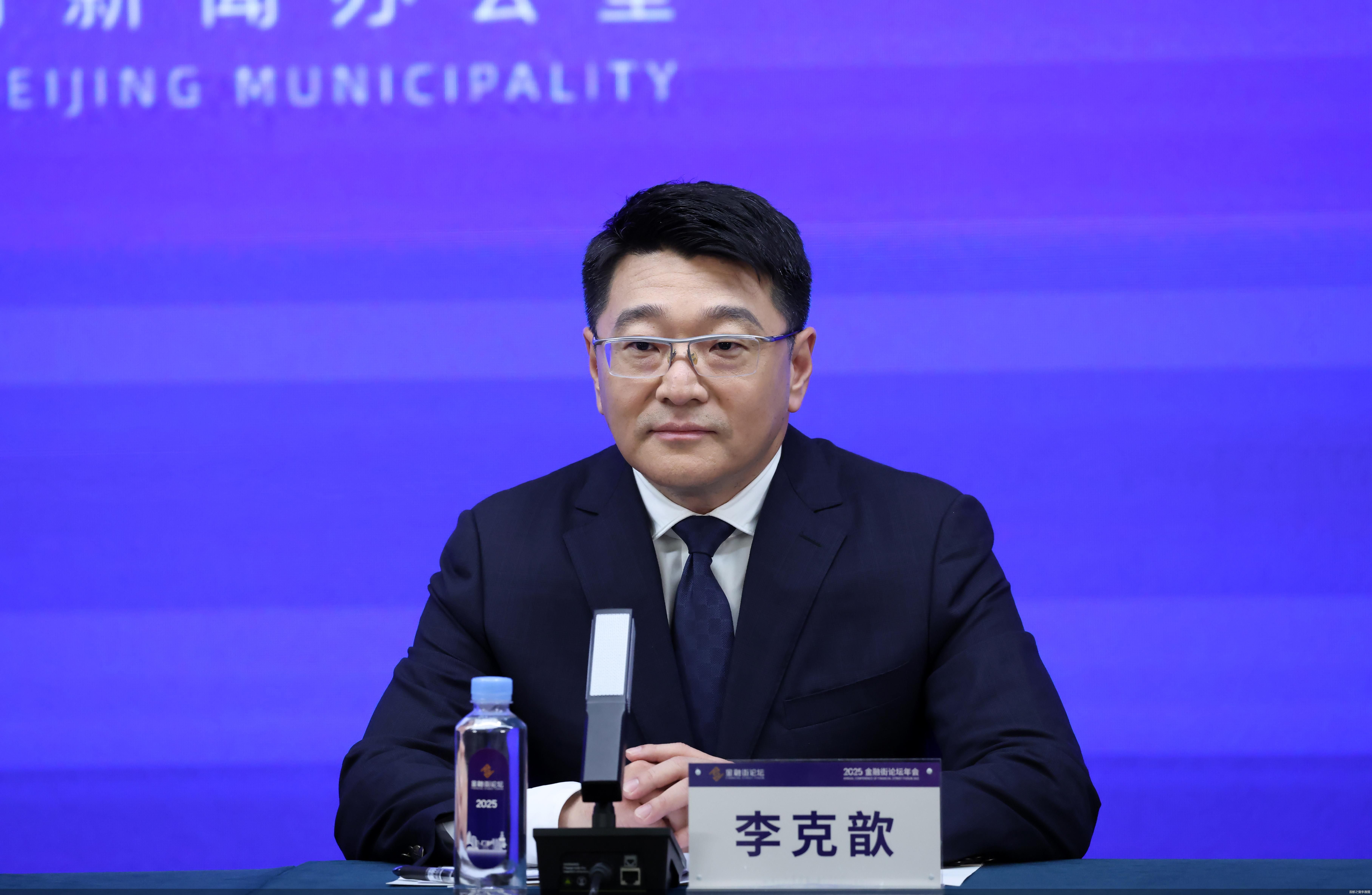
Core Viewpoint - The 2025 Financial Street Forum will be co-hosted by multiple government and financial institutions in Beijing from October 27 to 30, focusing on international financial governance and cooperation, as well as financial technology advancements [1][4]. Group 1: Forum Details - The forum will feature key speakers including the Governor of the People's Bank of China, Pan Gongsheng, who will deliver a keynote speech [4]. - The main forum will address "International Financial Governance and Cooperation under Changing Circumstances," with various activities planned to enhance industry communication and policy interpretation [4]. - The People's Bank of China will also host multiple events, including the "Financial Technology Forum" aimed at promoting digital transformation in finance [4]. Group 2: Financial Innovation and Support - The People's Bank of China has implemented policies to support technology-driven enterprises, including a comprehensive evaluation mechanism for financial institutions serving tech innovation [5]. - During the 14th Five-Year Plan period, the average annual growth rate of loans to technology enterprises in Beijing is approximately 15% [5]. - As of September 2025, over 210 billion yuan in technology innovation bonds have been issued in the interbank market in Beijing, ranking among the top in the country [5]. Group 3: Green and Inclusive Finance - By the end of Q2 2025, the balance of green loans in Beijing reached nearly 2.4 trillion yuan [6]. - As of August 2025, inclusive small and micro loans and agricultural loans in Beijing grew by 13.5% and 8.8% year-on-year, respectively [6]. - The cumulative number of digital yuan personal wallets opened in Beijing reached nearly 20 million, with a total transaction amount close to 300 billion yuan [6]. Group 4: Cross-Border Financial Services - The People's Bank of China supports the establishment of integrated currency pools for multinational companies, with 105 companies participating in the pilot program [6]. - Financial management departments are optimizing services for multinational corporations, enhancing Beijing's role as an international consumption center and global tourism destination [6].

央行:“十四五”期间,北京市科技型企业贷款余额年均增速15%
Zhong Guo Jing Ying Bao· 2025-10-17 14:04
Group 1: Central Bank Initiatives - The People's Bank of China (PBOC) will host a forum titled "International Financial Governance and Cooperation under Changing Circumstances" during the 2025 Financial Street Forum, focusing on global financial governance from a central bank perspective [1][6] - The PBOC has introduced a series of policies to support Beijing in becoming a highland for technology finance, with an average annual growth rate of approximately 15% in loans to technology enterprises during the 14th Five-Year Plan period [1][2] Group 2: Financial Services and Support - The PBOC is enhancing financial services for the real economy, with a focus on green finance, inclusive finance, pension finance, and digital finance, contributing to high-quality economic development in Beijing [3] - As of the end of Q2 2025, the balance of green loans in Beijing reached nearly 2.4 trillion yuan, reflecting the city's commitment to becoming a benchmark for international green economy [3] Group 3: Digital Finance and Innovation - Beijing has promoted the application of digital RMB, with nearly 20 million personal wallets opened and a total transaction amount close to 300 billion yuan as of the end of August 2025 [4] - The PBOC supports the establishment of payment service centers for foreign guests at major airports in Beijing, enhancing the city's position as an international consumption center and global tourism destination [5] Group 4: Financial Standards and Forums - During the Financial Street Forum, the PBOC plans to release a series of financial standards and will host multiple events, including a financial technology forum aimed at promoting digital transformation in the financial sector [6]
《人与社会全面发展》报告发布:应利用大数据精准识别易返贫群体
Xin Jing Bao· 2025-10-17 12:55
Core Insights - The "People and Society Comprehensive Development" concept aims to integrate fairness, effective governance, ecological sustainability, and cultural prosperity into development goals, promoting systematic and coordinated development across economic, political, social, cultural, and ecological dimensions [1][2]. Group 1: Key Areas of Focus - The report outlines specific action paths and policy recommendations in eight areas: poverty alleviation and rural revitalization, food security and agricultural modernization, industrial development and economic diversification, digital economy and artificial intelligence construction, green transformation and climate change response, global public health and health cooperation, education cooperation and human resource development, and financial support and development financing [1][2]. Group 2: Specific Recommendations - In poverty alleviation and rural revitalization, countries should establish dynamic poverty identification and monitoring mechanisms using big data and grassroots governance networks to accurately identify vulnerable groups and provide differentiated support [2]. - For digital economy and AI development, the report encourages the growth of local digital platforms and applications, supporting small and medium enterprises and startups in entering the AI sector, and fostering a self-controlled digital and intelligent industry ecosystem to avoid "digital colonialism" [2]. - In global public health cooperation, there is a call to strengthen vaccine and drug research and production capabilities, promote equitable distribution, and avoid "health gaps" [2]. - The report emphasizes the need for developing vocational education and lifelong learning systems to adapt to industrial transformation and technological changes, thereby enhancing employability [2]. Group 3: Forum Structure - The Tongzhou Global Development Forum, founded by Renmin University in 2023, serves as a high-level dialogue platform for global leaders from politics, academia, and business to discuss global development strategies [2]. - This year's forum features a structure of "1 main forum + 15 sub-forums + 1 roundtable dialogue," focusing on topics such as the Belt and Road Initiative, digital finance, energy security, global governance, human health, cross-cultural communication, and youth responsibility [2].
联储证券:文化共融专业立身 奋力推动“五篇大文章”新时代金融使命
Zhong Zheng Wang· 2025-10-17 10:25
Core Viewpoint - The company emphasizes its commitment to responsible development and aims to enhance its services in various financial sectors, including technology, green finance, inclusive finance, pension finance, and digital finance, to support the construction of a strong financial nation [1] Group 1: Technology Finance - The company recognizes the importance of "patient capital" in supporting long-term investments in hard technology projects, with investment cycles extending to 7-10 years [2] - The company has established a partnership with Star River Dynamics, a commercial rocket developer, providing multi-dimensional support over a 6-year investment period, leading to significant advancements in the domestic commercial aerospace sector [2] - The company is preparing for the issuance of science and technology bonds to enhance financing capabilities for technology enterprises [2] Group 2: Inclusive Finance - The company aims to improve the coverage, accessibility, and satisfaction of inclusive finance services, focusing on small and micro enterprises [3] - In 2024, the company will initiate a wealth management transformation, emphasizing long-term asset protection for clients [3] - The company has developed a multi-layered investor education system, conducting numerous educational activities to enhance financial literacy [3] Group 3: Green Finance - The company is committed to sustainable development and actively engages in green finance, enhancing its role as a financial intermediary in bond financing [5] - The company is increasing its investment in green projects and aims to guide capital towards sustainable development [6] Group 4: Pension Finance - The company is developing a comprehensive pension finance service system to address the challenges of an aging population [7] - It offers tailored pension products and services, focusing on low-risk and stable investment options for elderly clients [7] - The company has organized specialized seminars for elderly clients, promoting wealth management and financial literacy [8] Group 5: Digital Transformation - The company is integrating digital transformation into its strategy to enhance operational efficiency and customer experience [9] - It has established a data service system to support management decisions and optimize operations [9] - The company is leveraging AI technology to streamline business processes, significantly reducing approval times and improving efficiency [10]