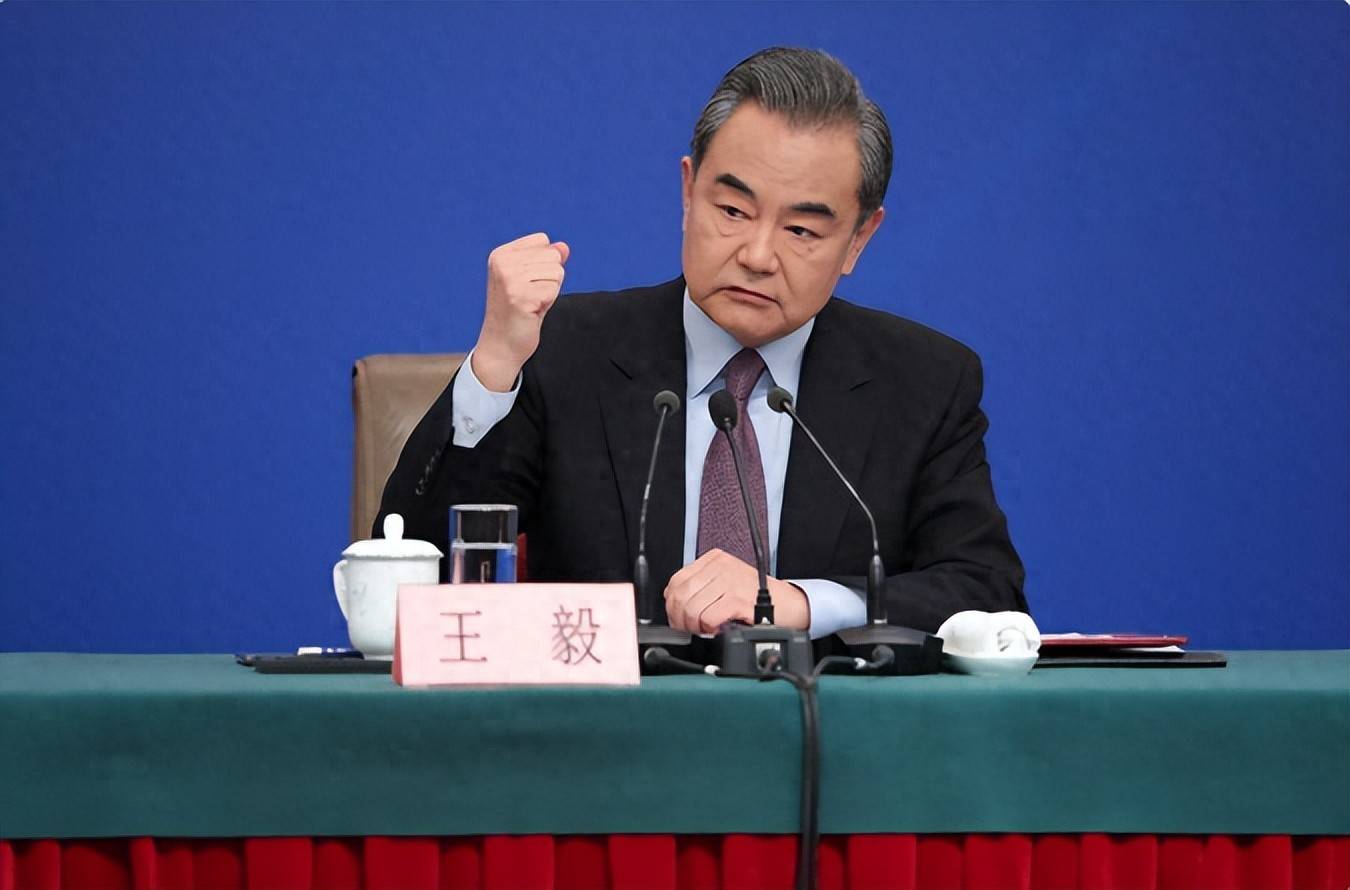
中日关系

Search documents
中日关系持续紧张,日本多方感受压力
Huan Qiu Shi Bao· 2025-11-24 22:57
Group 1 - The ongoing tension between China and Japan is causing significant concerns for Japan's economic outlook, particularly in the tourism and seafood industries [1][2] - Restaurant and accommodation operators in Osaka and Kobe are experiencing pressure, with approximately 30% of their customers coming from China [1] - The cancellation of flights and travel orders to Japan is notable, with reports indicating that tens of thousands of tickets have been canceled [1] Group 2 - The Japan External Trade Organization (JETRO) has reported that over twenty planned collaborative activities with China have been canceled due to the strained relations [2] - The seafood industry is particularly vulnerable, with 172 out of 9,250 Japanese companies exporting to China being related to seafood, representing 1.9% of the total [1][2] - Concerns are rising that if the relationship continues to deteriorate, the number of affected companies may increase [1][2]
日本问题研究专家分享:日本局势未来如何演绎
2025-11-24 01:46
Summary of Key Points from Conference Call Industry or Company Involved - The discussion primarily revolves around Japan's geopolitical stance, particularly regarding Taiwan, and its implications for Japan-China relations. Core Points and Arguments 1. **High Political Tensions**: Japan's new Prime Minister, Seiko Nakasone, has linked Taiwan issues with Japan's collective self-defense, suggesting potential military intervention, which has escalated tensions with China [2][4][5]. 2. **China's Strong Response**: China has reacted with unprecedented high-level diplomatic interventions and strong statements, indicating the seriousness with which it views the situation [3][4]. 3. **Legal Violations**: Nakasone's statements may violate Japan's pacifist constitution and international law, challenging Japan's long-standing peace-oriented policies [6][4]. 4. **Economic Implications**: The tensions could lead to economic retaliation from China, impacting Japan's economy, particularly in trade and tourism sectors [3][22]. 5. **Japan's Military and Political Shift**: Japan is gradually increasing its military capabilities, including plans to raise defense spending from 1% to 2% of GDP, reflecting a shift towards a more aggressive military posture [8][9]. 6. **Public Sentiment in Japan**: There is a significant negative perception of China among the Japanese public, with around 90% viewing China's rise as a threat, which influences political discourse [11]. 7. **Japan's Economic Challenges**: Japan faces structural issues such as an aging population, high public debt exceeding 260% of GDP, and stagnant GDP growth since the 1990s [15][18]. 8. **Impact of Yen Depreciation**: The depreciation of the yen has mixed effects, shrinking GDP in dollar terms while enhancing export competitiveness, benefiting multinational corporations [16][14]. 9. **Stock Market Performance**: Japan's stock market has seen significant gains, rising approximately 30-40% since 2024, driven by valuation recovery and international investment interest [17][14]. 10. **Future of Japan-China Relations**: The current tensions may lead to a stalemate, with potential for further economic retaliation from China if Japan does not retract its statements [13][24]. Other Important but Possibly Overlooked Content 1. **Japan's Domestic Political Landscape**: The rise of more right-leaning political factions in Japan has shifted the political environment, impacting foreign policy decisions [9][8]. 2. **Potential for Diplomatic Resolution**: Despite tensions, there is a belief that both countries will seek diplomatic solutions to avoid escalation into military conflict [26]. 3. **U.S. Role in the Region**: The U.S. plays a crucial role in the dynamics between Japan and China, with recent shifts in U.S. policy under the Trump administration affecting Japan's strategic calculations [27][28].
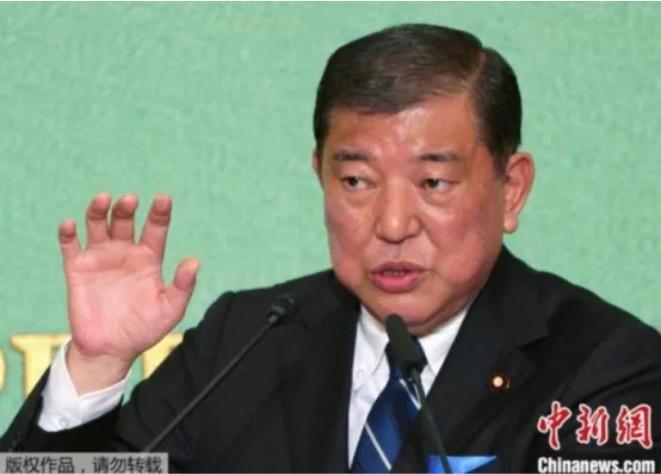
石破茂再批高市涉台错误言论:不是“过一时嘴瘾”的话题
Zhong Guo Xin Wen Wang· 2025-11-23 23:24
Group 1 - The core viewpoint of the article is that former Japanese Prime Minister Shigeru Ishiba criticizes current Prime Minister Sanae Takaichi's remarks regarding Taiwan, emphasizing that such diplomatic issues should not be treated lightly [1][3] - Ishiba highlights the delicate nature of Japan-China relations, stating that previous Japanese governments have navigated these issues with caution and hopes that the current administration will be mindful of this [3] - He reiterates his criticism of Takaichi's statements, noting that past Japanese governments have avoided making definitive statements about Taiwan, particularly regarding potential actions in response to specific situations [3]

高市早苗的愚蠢言论,想必连她的政府官员都始料未及
Xin Jing Bao· 2025-11-23 22:58
Core Viewpoint - The current Japanese Prime Minister, Kishi Suga, maintains a firm stance on promoting Japan-China strategic mutual relations while also asserting Japan's position on the Taiwan issue, which has drawn criticism and concern from various quarters, including China [1][2]. Group 1: High City's Statements and Intentions - High City's remarks regarding Taiwan represent a distorted understanding of China, influenced by her lack of diplomatic experience and her right-wing conservative background [2][3]. - The statements are seen as an attempt to align with U.S. interests, particularly in the context of potential Taiwan Strait conflicts, indicating a shift in Japan's defense posture [2][3]. - High City aims to create a sense of external crisis to garner public support for increased defense spending and military reforms in Japan [3][6]. Group 2: Security Policy Developments - High City is pushing for revisions to Japan's "Three Security Documents," which could mark a significant shift from Japan's post-war defense policy of "defensive defense" to a more proactive military stance [6][7]. - The proposed changes include discussions on modifying Japan's "non-nuclear principles" and increasing defense spending, reflecting a response to U.S. pressures for greater military contributions [7][8]. - The urgency of these revisions is tied to High City's desire to establish a legacy and stabilize Japan-U.S. relations amid rising geopolitical tensions [7][8]. Group 3: Regional Implications and Reactions - High City's comments have raised concerns about escalating tensions in Northeast Asia, potentially igniting conflicts in the Taiwan Strait and complicating regional security dynamics [11][12]. - The U.S. may leverage this situation to strengthen military alliances in the Asia-Pacific, which could provoke stronger countermeasures from China and further complicate the strategic landscape [12][13]. - Domestic opposition in Japan is growing, with public protests against High City's remarks, indicating a potential backlash that could affect her political standing [11][14]. Group 4: Future of Japan-China Relations - The relationship between Japan and China is at a critical juncture, with potential scenarios ranging from continued provocations leading to confrontation, to limited compromises resulting in a state of low trust [14][15]. - A possible path to recovery in Japan-China relations hinges on High City taking substantive actions to correct her statements and address the concerns of both domestic and international stakeholders [16][17]. - The ongoing diplomatic crisis may lead to a reevaluation of Japan's foreign policy, particularly if High City fails to navigate the pressures from both China and the U.S. effectively [17][18].
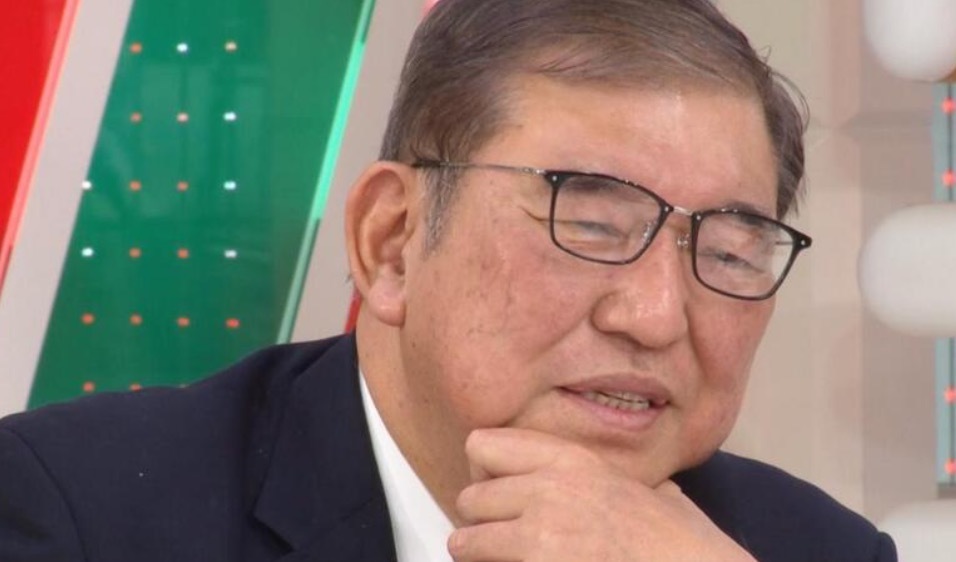
石破茂再次对高市涉台错误言论表达不满:这不是能让你过一时嘴瘾的议题
Huan Qiu Wang· 2025-11-23 07:58
【环球网报道】据日媒报道,针对日本首相高市早苗的涉台错误言论,日本前首相石破茂11月23日表示,在牵涉到外交的问题上,不能 过一时嘴瘾。 石破茂此前也曾批评高市早苗的涉台错误言论。他11月13日在一档电台节目上表示,在台湾问题上,历届日本政府一直在避免发表类 似"如果出现某种情况就会怎样做"这种决定性言论。 针对高市早苗发表且拒绝撤回涉台错误言论,中国外交部发言人毛宁表示,日本首相高市早苗的涉台错误言论从根本上损害了中日关系 的政治基础,激起了中国人民的公愤和谴责。中方严肃敦促日方收回错误言论,停止在涉华问题上制造事端,以实际行动认错纠偏,维 护中日关系的政治基础。如果日方拒不撤回,甚至一错再错,中方将不得不采取严厉坚决的反制措施。由此产生的一切后果由日方承 担。 据报道,针对高市早苗涉台言论,石破茂说,中日之间的关系非常"微妙",希望高市政权能注意这一点。他还说,"你说完自己想说 的,过了一时嘴瘾,但在牵涉到外交的问题上,你不能这么做。不能在发言时只想着自己的支持率。" ...
香港:取消中学生赴日交流
第一财经· 2025-11-22 06:46
2025.11. 22 在21日中国外交部例行记者会上,发言人毛宁就高市言论再次强调中方立场。 本文字数:741,阅读时长大约1分钟 据环球网援引香港明报新闻网22日报道,香港特区政府教育局证实,以安全为由退出今年日本官方举 办的"21世纪东亚青少年大交流计划",即取消下月派中学生赴日交流。 经香港特区政府教育局甄选的师生代表团,原定12月7日至13日赴日参加"21世纪东亚青少年大交流计 划"。局方11月21日回复问询时表示,确认香港将退出今年计划,并称鉴于中国公民在日本发生遇袭事 件趋势渐增,为确保师生安全,经审慎考虑后退出。 上述交流计划是日本政府于2007年宣布推出,邀请邻近国家或地区的青少年访日,通过交流建立亚洲 团结基础,行程包括在当地家庭住宿、参与学校课堂、实地考察设施等。 计划所需费用由日本政府负责, 香港特区政府教育局派员跟团。香港自2008年起获邀参与,在17年间 参加13次。 另据香港东网21日援引日媒报道称,有香港中学要求日本高校取消来港交流团活动。香港特区政府教 育局当日应询表示,局方不评论个别个案,学校进行对外交流活动时,可因应不同情况,自行对活动安 排作出适当调整。 10月新能源新 ...
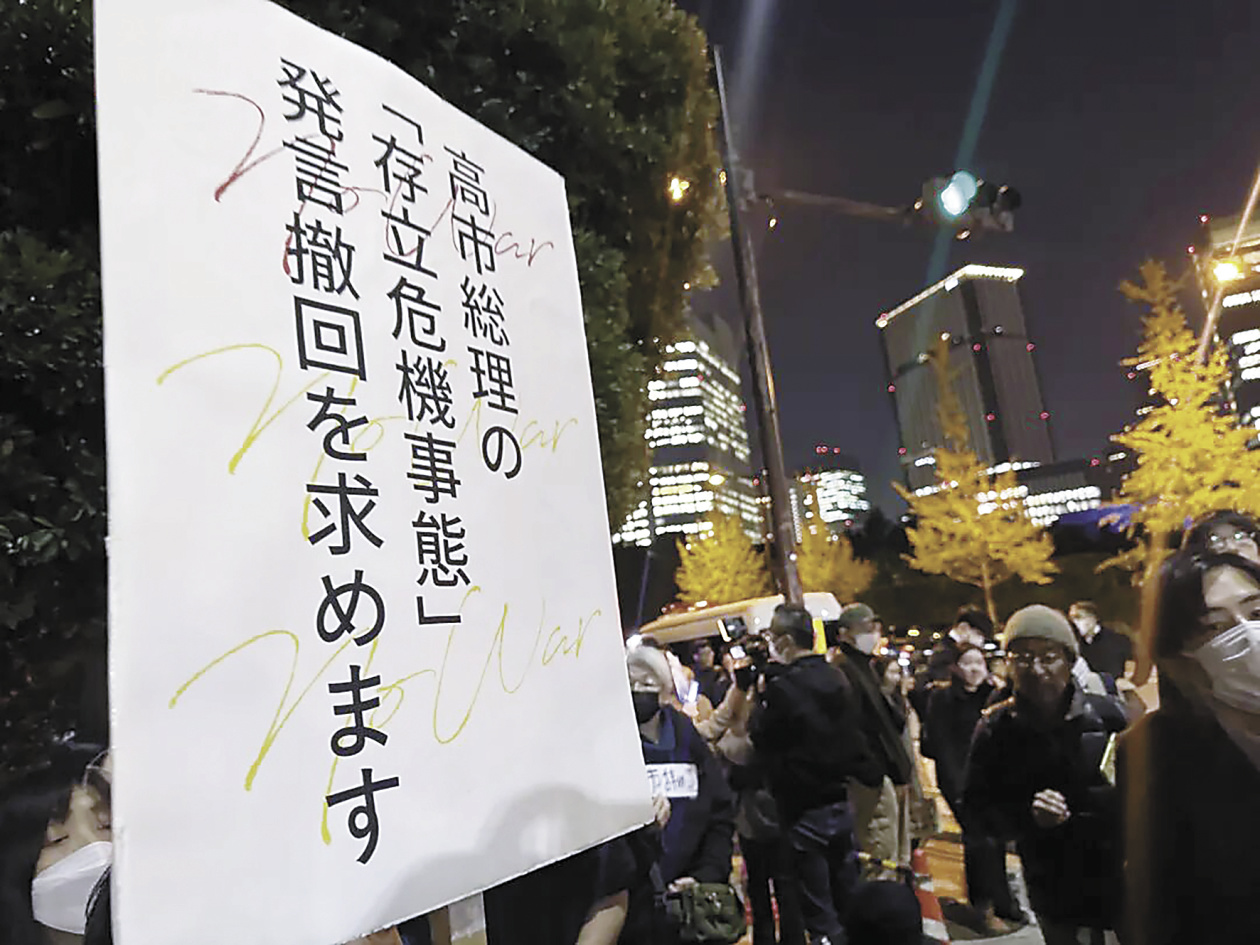
日本社会担忧受高市拖累,上千民众在首相官邸前抗议,高呼“不要让日本陷入危险”
Huan Qiu Shi Bao· 2025-11-21 22:52
Group 1 - Japan's Prime Minister Kishi Sanae's remarks on Taiwan have sparked strong criticism domestically and internationally, with China demanding a retraction of these statements [1][2][3] - Economic indicators in Japan are showing signs of decline, with a reported 3% increase in prices, raising concerns about the potential negative impact on the economy due to deteriorating Japan-China relations [1][5] - The Japanese government is facing pressure to modify its defense policies, including discussions on amending the "Three Non-Nuclear Principles" and increasing defense spending, which has raised alarms among neighboring countries [1][8] Group 2 - The Japanese economy is experiencing anxiety as various sectors are affected by the fallout from Kishi's comments, leading to the cancellation or postponement of multiple events involving Japanese artists and athletes in China [5] - A significant economic stimulus plan amounting to 21.3 trillion yen (approximately 135.4 billion USD) has been introduced by the government to address economic challenges, but concerns about fiscal deterioration are growing [6] - The market sentiment is deteriorating, with fears that Kishi's statements could lead to a loss of policy credibility, prompting potential sell-offs of Japanese assets by international investors [6]
中日关系恶化,美国看戏?叫停100%关税,特朗普不愿激怒中国
Sou Hu Cai Jing· 2025-11-21 17:32
Core Viewpoint - The article discusses the deterioration of Sino-Japanese relations and the unusual silence from the United States, suggesting that the U.S. is avoiding being dragged into a confrontation with China due to Japan's provocative actions [1][4][32]. Group 1: U.S. Response to Sino-Japanese Tensions - The U.S. has adopted a rare "bystander" stance, refraining from openly supporting Japan or criticizing China during escalating tensions [3][4]. - This silence indicates a strategic decision by the U.S. to avoid being entangled in Japan's provocations, particularly regarding the Taiwan Strait, which is a core interest for China [6][11][30]. - The U.S. has not provided even symbolic support to Japan, despite conducting joint military exercises, which typically serve as a show of solidarity [7][12]. Group 2: Trade Policy and Economic Implications - The Trump administration has delayed the implementation of a proposed 100% tariff on semiconductor imports, reflecting a desire to avoid aggravating China and disrupting critical supply chains [13][19]. - The U.S. recognizes that while it can produce chips, it relies on China for rare earth materials essential for high-tech industries, making it cautious about escalating trade tensions [16][18]. - The article highlights that previous strategies of economic pressure have not effectively constrained China and have instead led to adverse effects on the U.S. economy [22][25]. Group 3: Strategic Considerations - The deterioration of Sino-Japanese relations poses a challenge for the U.S., as Japan's aggressive stance could push the U.S. into a position of direct conflict with China, which it seeks to avoid [24][36]. - The U.S. aims for "controllable competition" with China rather than an "uncontrollable explosion," indicating a shift in its approach to international relations in East Asia [32][38]. - The article concludes that the U.S. is redefining its relationship with China, recognizing that any provocations by allies like Japan will not be supported at the cost of U.S. interests [38].
日本自民党内出现克制论调,呼吁对华沟通
日经中文网· 2025-11-21 02:33
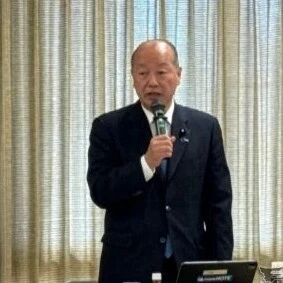
自民党外交部会长高木启做会议致辞(11月20日,自民党总部) 因中日关系恶化,日本执政党自民党召开了外交部会与外交调查会的联合会议,会上接连出现了应与中 国加强沟通的意见。一名与会者说:"我们只能沉着冷静、坚持不懈地推进相关工作","问题的起因在 我方,因此需要消除误解"…… 前外交部会长、众议院议员星野刚士强调:"紧张局势升级令人深感遗憾。日本的立场不会改变,应坚 持不懈地向中国传达我方主张"。 日本外务省介绍了11月18日中日两国外交部局长级磋商的内容。在此次局长级磋商中,双方针对日本首 相高市早苗关于台湾有事的国会答辩以及大阪总领事就此在社交媒体上发布的帖子表明了各自立场,并 进行了交锋。 高木在会议结束后向媒体表示:"正因为日中关系存在问题,才要尽力进行切实沟通。(参会议员)围 绕这一基本方针发表了意见"。 他还介绍说,会上有很多意见强调要避免在华日侨受到伤害。 | | | 日本自民党议员关于中日关系的发言 | | --- | --- | --- | | 11 | 政调会长 小林鹰之 | (关于薛剑在X上的留言)希 望日本政府采取包括将其列 为"不受欢迎的人"在内的 坚决应对措施 | | | 外交部会 ...
毛宁昭告全球,中方不见高市,钝刀子割肉开始,日本股票应声暴跌
Sou Hu Cai Jing· 2025-11-20 16:52
从日本国内政治逻辑来看,高市早苗正处于巩固自身权力基础、回应保守派选民、展现强硬外交的时点。借助对外强硬姿态,一方面可在国内赢得"国家安 全担当"者的支持,另一方面也能借"对华敢言"展示其领导力。但这一算盘也埋下风险:在敏感议题上动作太快,容易被外交对手"抓住把柄"。 高市早苗自上台以来,就将"强化日本防卫"、"强化与台湾的关系"作为其执政路线的重要组成。依据公开资料可知,她主张修改《日美安全保障条约》框架 下的防卫法制、提升防卫预算、强化日台安全连结。 11月7日国会问答中,她明确提出:若中国大陆对台湾动武、出现战舰出动或使用武力的情景,日本将视为"威胁日本存亡的情形",因而有启动集体自卫权 的可能。该言论相较于以往日本政府一直强调"战略模糊"立场而言,具有明显转向。 一方面,日本在东亚安全布局中正试图扮演更主动的角色。高市早苗及其所属自民党保守派,在防卫预算、修宪议题、日台安全连结上都表现出加速趋势。 日本国内民调也显示,约六成民众支持其加强防卫开支。 另一方面,中国方面视"台湾"问题为核心红线,任何外部力量介入被视为"触碰主权底线"。对此,中国不仅有外交回应,也有经济、旅游、文化手段作为支 撑。日本若在 ...