中美贸易博弈

Search documents
中美谈完第2天,英媒爆料:美国盯上了中资港口,贝莱德将再出手,中企港口危险!
Sou Hu Cai Jing· 2025-09-17 03:25
就在谈判结束后的短短几天,媒体便开始披露特朗普政府正在悄然布局,意图将更多中资港口资产转交给西方控制。这一举动并非偶然,而是美国在全球范 围内对中国崛起的恐慌反应。路透社的报道显示,美国资产管理巨头贝莱德正在与中国长江和记实业达成交易,试图通过收购后者在全球23个国家的港口资 产来大幅提升其战略地位。 毫无疑问,美国一向以海洋霸权自居,结合其强大的军事能力,成功在全球范围内掌控关键航道与港口。而如今,中国通过经济全球化取得的一系列合法运 营权,反倒让美国感受到了前所未有的威胁。特朗普显然不会满足于仅仅是达成的协议,他企图利用这一轮谈判后所形成的"气候"进一步削弱中国在全球港 口的影响力。 在这种背景下,五角大楼的行动也不容忽视。美国军方对于中国造船业的快速崛起表示出高度的敏感和警惕,认为中国的造船产能已经是美国的230倍,这 种失衡使得美国在潜在的军事冲突中处于劣势。因此,它急于通过各种行政手段来提高"海上影响力",例如对中国制造的船只征收超高的港口费,限制中方 船只进驻美国本土港口。 特朗普的策略很明显:他希望通过削弱中国企业的国际市场地位,来重振美国的造船业。然而,事实却并非如此简单。美国当前的商船队伍数 ...

没得商量了,中方弃用美国港口,罚单已发往特朗普,最高增税78%
Sou Hu Cai Jing· 2025-09-06 05:58
Core Viewpoint - The strategic adjustments made by Chinese shipping companies, particularly COSCO, in response to the U.S. "port tax" policy reflect the ongoing trade tensions between China and the U.S. [3][6] Group 1: Shipping Industry Adjustments - Chinese shipping companies are gradually reducing the proportion of Chinese-manufactured vessels deployed on U.S. routes, indicating a shift in global shipping strategies [3]. - COSCO reported a 9.5% growth in mainland China route operations, a 5.2% increase in Asian routes, and an 11.9% increase in other international routes, suggesting a significant transfer of business from U.S. routes [3]. Group 2: U.S. Policy Implications - The U.S. "port tax" policy, set to begin on October 14, 2023, imposes additional fees on Chinese vessels docking at U.S. ports, starting at $50 per net ton and potentially rising to $140 per net ton [3][4]. - The policy aims to bolster the U.S. shipbuilding industry while simultaneously weakening Chinese maritime trade, reflecting a dual strategy of trade barrier implementation and domestic industry support [6]. Group 3: Global Economic Impact - The U.S. government's attempts to impose high trade barriers are expected to disrupt international shipping costs and supply chain stability, ultimately increasing burdens on U.S. consumers and businesses [8]. - China's response to the U.S. actions includes initiating anti-dumping measures against U.S. fiber optic manufacturers, with tariffs reaching up to 78.2%, showcasing China's commitment to countering unfair trade practices [9].
没有中国施压,美国主动释出重磅消息:对华关税可能全线取消,特朗普暴怒
Sou Hu Cai Jing· 2025-09-06 04:06
Group 1 - The core viewpoint of the article highlights the legal challenges faced by Trump's tariff policy, which has been declared unconstitutional by the U.S. International Trade Court, marking a significant turning point in his political career [1][3] - The initial ambition of Trump's trade war against China was to leverage tariffs to compel concessions, but the outcome has led to economic stagnation at California ports and discontent among American farmers and businesses due to increased costs [1][3] - The ruling against the tariff policy not only poses legal implications but also threatens Trump's political image, as the tariffs were seen as a symbol of his authority on the international stage [3][5] Group 2 - The potential removal of tariffs could shift the balance of negotiations with China, giving China more leverage in future discussions, which may alter the dynamics of U.S.-China relations [5][7] - The cancellation of tariffs might not be detrimental to the U.S. economy in the long run, as it could lower living costs for consumers and create a more favorable environment for investment and production [5][7] - Trump's anxiety stems from the fear of losing his historical significance and the perception of his leadership, as the failure of his tariff strategy could undermine his political standing ahead of the 2020 election [7]
行程结束,中方离开美国,走前特朗普送出11个字,沙利文说了实话
Sou Hu Cai Jing· 2025-09-03 09:20
Group 1 - China has strategically countered U.S. pressure in the trade conflict, particularly through targeted actions in the rare earth sector, impacting U.S. high-tech industries [1] - Recent negotiations in Washington showed a noticeable shift in the U.S. approach, with officials slowing their aggressive stance and even proposing delays on certain tariffs due to supply chain issues in military production [2] - A recent judicial ruling declared that Trump's tariffs on $340 billion worth of Chinese goods were an overreach of executive power, highlighting the tension between presidential authority and legislative power [2] Group 2 - The geopolitical landscape is shifting, with former National Security Advisor Sullivan warning that U.S. tariffs are undermining international alliances, particularly with India, which is realigning its diplomatic strategies [4] - Data indicates that during Trump's presidency, the EU's technology transfer to China increased by 18%, while trade between the U.S. and EU decreased by 7.3%, suggesting a shift in global economic dynamics [4] - The imposition of tariffs has not only failed to contain China but has also accelerated the process of supply chain diversification away from the U.S. [4]

当前中美关税定格在54%,美国打光所有底牌,中国还握有3张硬牌!
Sou Hu Cai Jing· 2025-09-02 12:50
Group 1 - The core point of the article highlights the strategic advantages China holds in the ongoing trade conflict with the U.S., particularly in light of the U.S. imposing a 54% tariff on Chinese goods, indicating a potential limit to U.S. leverage in the trade war [1][3][10] - The U.S. has faced significant economic repercussions from the trade war, with import costs surging over $320 billion, which is $130 billion higher than initial estimates, affecting various industries and consumers [3][6] - China's strategic advantages include control over rare earth resources, a complete industrial chain, and the ability to diversify its markets, which are crucial in countering U.S. tariffs [6][9] Group 2 - China controls 90% of global rare earth processing capacity, which is vital for defense and emerging industries, providing a significant bargaining chip in trade negotiations [6][9] - The complete industrial system in China spans 41 industrial categories, with a notable increase in exports of high-tech products, demonstrating resilience against tariff pressures [6][9] - Despite a 15% decline in exports to the U.S. in the first half of 2025, China has seen significant growth in exports to ASEAN and the Middle East, indicating successful market diversification efforts [9][10]

别再吹嘘美国离不开中国商品,这些潜伏我国的美国货,你真知道?
Sou Hu Cai Jing· 2025-09-01 07:28
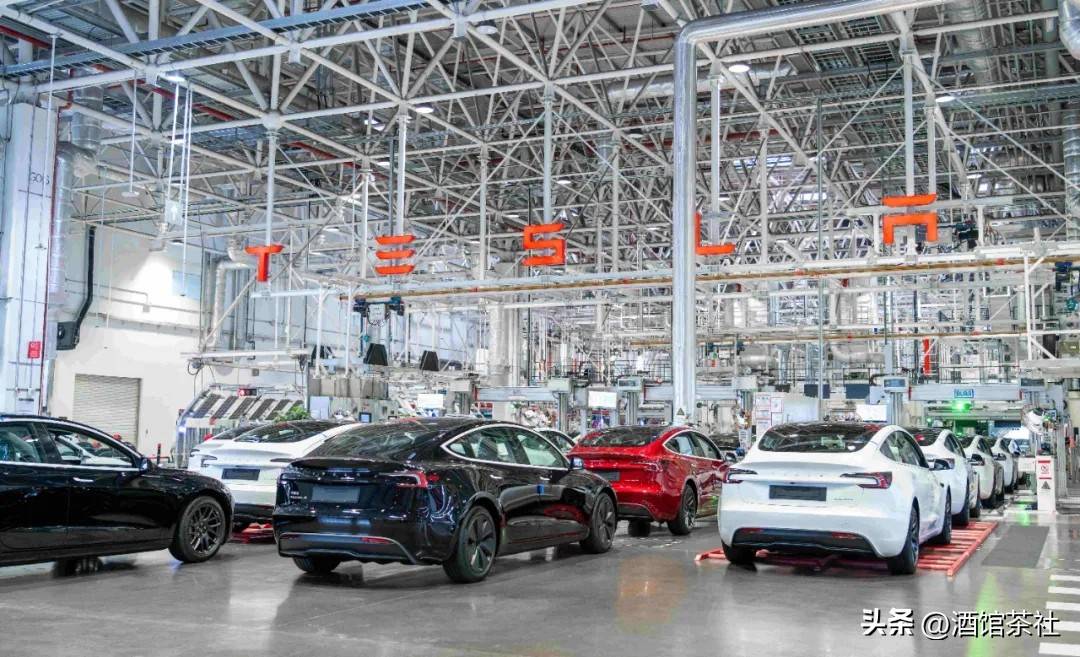
Core Viewpoint - The relationship between the U.S. and China is complex, with mutual dependencies in manufacturing and technology, despite the perception that the U.S. is heavily reliant on Chinese goods [3][12]. Group 1: U.S.-China Trade Relations - The U.S.-China trade war has escalated from minor friction to significant conflict, with tariffs reaching over 100% on certain goods, impacting consumers in both countries [4]. - American consumers have faced rising prices for everyday goods due to tariffs on low-cost Chinese imports, while China remains dependent on U.S. technology in high-value sectors [4][12]. Group 2: Manufacturing and Brand Ownership - Many products labeled as "Made in China" are actually produced for U.S. brands, indicating that the production capabilities are leveraged while the brand ownership remains with American companies [3][6]. - Companies like Tesla have high localization rates in their manufacturing but still rely on U.S. technology for core components, highlighting the intertwined nature of global supply chains [6]. Group 3: Capital Influence - Foreign capital, such as that from BlackRock, exerts significant influence over Chinese companies through equity holdings and board participation, affecting strategic decisions [9]. - The presence of multinational corporations in China, such as Procter & Gamble and Johnson & Johnson, shows how foreign firms adapt to local markets while maintaining control from abroad [7]. Group 4: Opportunities Amidst Challenges - There is a shift in consumer preferences towards domestic brands that emphasize quality and value, as seen with companies like Huawei and Hongxing Erke, which have gained popularity despite external pressures [10]. - The need for China to accelerate self-sufficiency in high-end technology and industry chains is emphasized as a crucial step for maintaining competitiveness in the global market [12].
特朗普要求乌克兰交出稀土,基辛格没说错:做美国盟友是真致命
Sou Hu Cai Jing· 2025-08-27 11:10
Group 1 - The article discusses the immediate economic impact of Trump's decision to impose a 10% tariff on Chinese goods, which has created tension in global markets and affected US-China trade relations [1] - China's response includes retaliatory tariffs on US products, strict controls on rare metal exports, and adjustments to the RMB exchange rate, demonstrating China's resilience and strategic capabilities [1][3] - The US's focus on Ukraine's rare earth resources is driven by the pressure from China's export controls, highlighting the importance of rare earths in US high-tech and military industries [3][5] Group 2 - The article criticizes the US for its self-serving actions in international relations, particularly its demands from Ukraine, which could exacerbate the country's already precarious situation [5][7] - Ukraine lacks the technology and resources to effectively utilize its rare earth resources, making the US's demands appear exploitative and detrimental to Ukraine's future [5][7] - The ongoing conflict in Ukraine and the US's actions are seen as attempts to maximize benefits at the expense of Ukraine, raising concerns about the long-term implications for the country [5][7] Group 3 - The article concludes that Trump's actions reflect a disregard for international norms and ethics, while China's strong economic position and industrial capabilities have allowed it to effectively defend its interests [7] - The evolving dynamics of US-China trade relations and the international landscape will continue to be significant, with China expected to maintain its influential role [7]
美国3大要求,中国都拒绝,特朗普直言:中国手里有牌,美国也有
Sou Hu Cai Jing· 2025-08-26 07:10
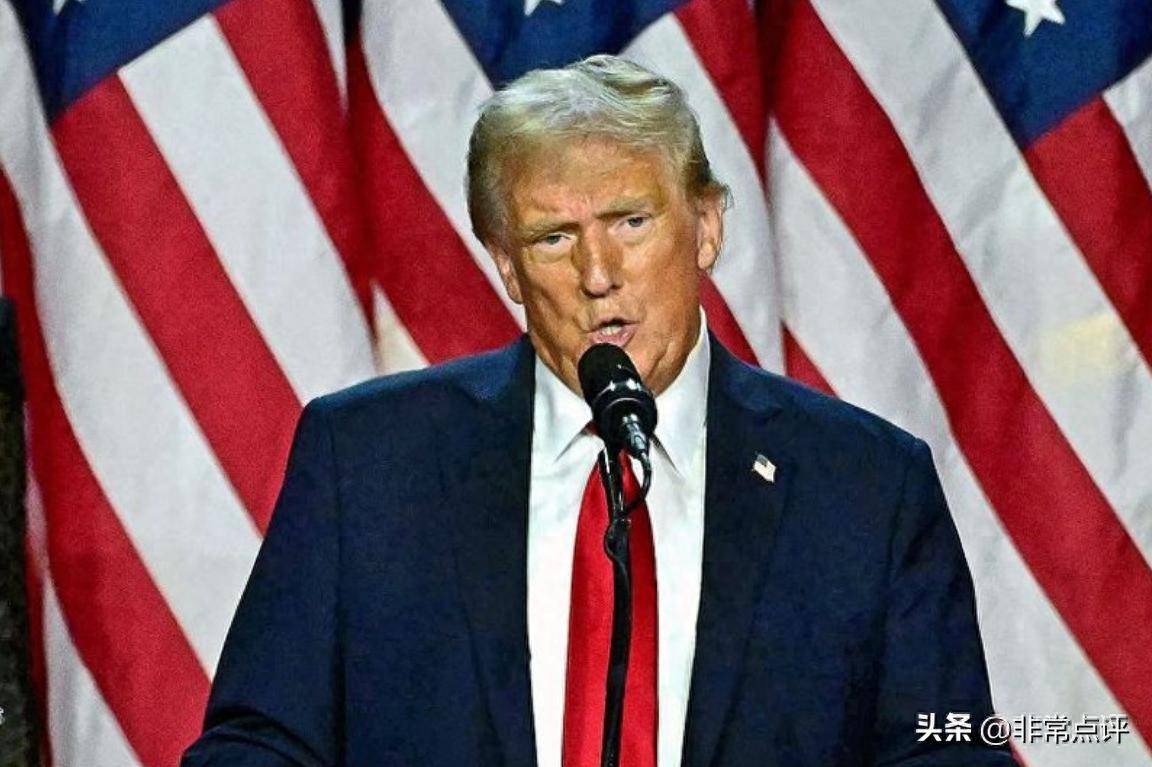
Core Viewpoint - Trump has threatened to increase tariffs on China to 200% if China continues to refuse to supply rare earth resources, while expressing a desire to improve US-China relations and potentially visit China soon [1][3]. Group 1: US-China Trade Relations - Trump highlighted three key demands from the US to China: 1) China should increase rare earth exports, which are crucial for high-tech industries; 2) China should quadruple its soybean purchases from the US to reduce the trade deficit; 3) China should take action to prevent Russia's military actions in Ukraine [3]. - The US has engaged in extensive negotiations with China, reducing bilateral tariff discussions to single digits, but Trump's recent comments indicate frustration over China's lack of concessions on these demands [3]. Group 2: US Strategic Options - Trump mentioned that the US has strong cards to play against China, including rallying allies like the EU, Japan, and South Korea to distance themselves from China, although this strategy faces significant challenges due to the economic conditions in these countries [3]. - Another strategy involves leveraging the Taiwan issue, but internal political challenges in Taiwan may complicate this approach, as the ruling party faces declining support [5]. - The South China Sea issue was also mentioned as a potential point of contention, but the Philippines' political pressures may hinder aggressive actions in this area [6].
特朗普表态“对华关税或提高到200%”,除非中国答应美国一个条件
Sou Hu Cai Jing· 2025-08-26 05:20
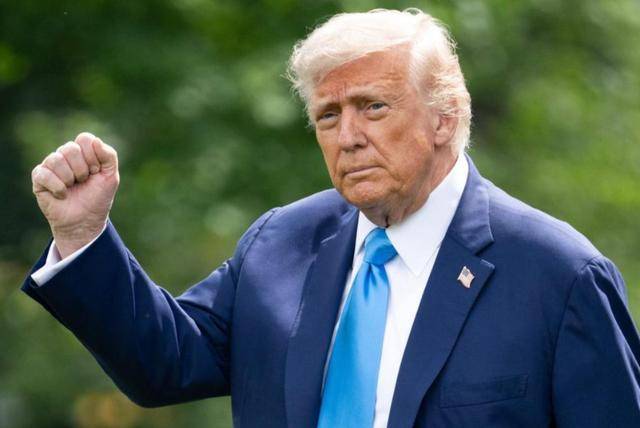
Core Viewpoint - Trump's statement regarding imposing tariffs up to 200% on Chinese imports if China does not agree to provide rare earth magnets highlights the U.S.'s dependency and anxiety over China's resource technology [1][3]. Group 1: U.S. Rare Earth Dependency - The proposal to raise tariffs to 200% reflects the U.S.'s struggle in the rare earth supply chain, revealing a critical weakness despite its focus on high-tech superiority [3][5]. - Over 80% of rare earth magnet supply is dependent on China, which is crucial for various key projects including smartphones and military communication devices [3][9]. - The U.S. lacks domestic rare earth processing capabilities and faces challenges in sourcing alternatives, making Trump's threats appear more like a gamble than a feasible strategy [5][12]. Group 2: Impact of Tariffs on U.S. Economy - Previous tariff wars have not benefited the U.S., as additional costs have largely been passed on to American consumers and businesses, affecting industries reliant on Chinese imports [7][14]. - The proposed increase in tariffs could lead to devastating cost increases for U.S. factories and businesses, potentially crippling the domestic manufacturing sector [7][14]. - The U.S. has historically relied on imports for rare earth materials, missing opportunities to develop an independent supply chain [14][16]. Group 3: China's Position in the Rare Earth Market - China has a significant advantage in the rare earth industry due to its established technology and cost control, allowing it to redirect products to other markets if the U.S. market is closed [9][16]. - The strategic layout of China's rare earth industry is supported by technological innovation and domestic demand, making it resilient against external pressures [16]. - China's position in the rare earth sector remains strong, and the potential for the U.S. to impose tariffs may ultimately backfire, reinforcing China's dominance in this critical area [9][16].
美国提出的3个要求,中国全部拒绝!美财长对华摊牌,特朗普总统还没答应访华
Sou Hu Cai Jing· 2025-08-18 07:02
Group 1 - The core issue between China and the US revolves around trade negotiations, with recent developments indicating a lack of genuine willingness to compromise from the US side [1][11] - The US Treasury Secretary's comments suggest a strong stance on trade negotiations, reflecting internal economic pressures in the US, including a record national debt exceeding $37 trillion [1][9] - The US's demands, particularly regarding fentanyl smuggling and rare earth exports, highlight a one-sided approach that fails to acknowledge China's existing regulatory measures and market dominance [3][4] Group 2 - China's response to US demands has been firm, with significant increases in the crackdown on illegal trade and a clear stance on protecting its resource sovereignty [4][8] - The trade dynamics for soybeans show a decrease in imports from the US, as China diversifies its sources, indicating a shift in purchasing strategies [4][6] - Energy cooperation between China and Russia is emphasized, with China increasing its oil imports from Russia, contrasting with US pressure to halt such purchases [5][8] Group 3 - The upcoming 90 days are seen as a critical period for both nations, with China showing resilience and strategic planning in its trade relationships, particularly with emerging markets [9][11] - The overall competition between China and the US is framed as a struggle for control over global supply chains, with China leveraging its market size and industrial capabilities [11] - The rejection of US demands by China signifies a broader resistance to the politicization of trade issues and unilateral sanctions, advocating for a more balanced approach to negotiations [11]