
互利共赢

Search documents
完整呈现广东外贸发展历程
Ren Min Ri Bao· 2025-10-14 22:12
Core Points - The exhibition titled "Mutual Benefit for All: A Thousand Years of Guangdong Foreign Trade" will open on October 15 and run until October 15, 2026, showcasing over 200 artifacts that highlight Guangdong's unique position and profound impact on China's foreign trade history [1][2] - The exhibition is organized into four main sections: "Initial Prosperity of Maritime Trade," "Gathering of Merchant Ships," "East-West Exchange," and "New Chapters of Trade," reflecting the evolution of Guangdong's foreign trade from its early beginnings to modern developments [1][2] Summary by Sections - **Exhibition Theme and Purpose**: The exhibition aims to trace the development trajectory of Guangdong's foreign trade over a millennium, using artifacts as evidence and institutional frameworks to reflect China's steadfast commitment to openness amid global changes [1][2] - **Artifacts and Presentation**: The exhibition features valuable artifacts such as a Tang dynasty ivory carving, Yuan blue-and-white porcelain, Ming gold ingots, and Qing dynasty wallpapers, combined with documents, charts, and multimedia interactions to recreate trade scenes [2] - **Historical Context**: Key historical milestones are highlighted, including the establishment of maritime trade officials in the Tang dynasty, the implementation of trade regulations in the Song and Yuan dynasties, the "Cohesion of Guangdong and Central China" during the Ming dynasty, and the founding of the Canton Fair in the new China era [2]
陈茂波:香港“内联外通”优势在当前形势下更见突出
Ren Min Ri Bao Hai Wai Ban· 2025-10-13 08:24
Group 1 - The Hong Kong government aims to strengthen ties with traditional markets while exploring new emerging markets for better development [1][2] - In 2022, Hong Kong's foreign direct investment inflow reached $126 billion, ranking third globally [1] - There were nearly 10,000 Hong Kong companies with parent companies from overseas and mainland China, a record high, with about 1,400 of these companies based in the U.S., marking a 9% year-on-year increase [1] Group 2 - The Hong Kong government has announced the fifth batch of key enterprises to settle in the region, with nearly 40% being overseas companies, including three of the top ten global pharmaceutical companies [1] - Hong Kong's advantages as a highly internationalized hub for capital, institutions, and talent are increasingly prominent in the current global context [2] - The government emphasizes maintaining Hong Kong's status as a free port with a simple low tax system and an open, stable, and predictable trade policy to attract foreign investment [2]
中国驻美大使:平等、尊重和互惠才是妥处中美间问题的良方
Xin Hua Wang· 2025-09-29 08:23
Core Viewpoint - The Chinese Ambassador to the U.S., Xie Feng, emphasized that equality, respect, and reciprocity are essential for effectively addressing issues between China and the U.S. [1] Group 1: China-U.S. Relations - In 2023, China-U.S. relations have faced challenges, but under the strategic guidance of the two countries' leaders, the overall relationship remains stable [1] - There are broad common interests and extensive cooperation opportunities between China and the U.S., which can lead to mutual success and shared prosperity [1] - Disagreements are inevitable between two major powers, but it is crucial to respect each other's core interests and significant concerns [1] Group 2: Taiwan Issue - Taiwan is an inseparable part of China's territory, and this year marks the 80th anniversary of Taiwan's return to China [1] - The return of Taiwan is considered a significant outcome of World War II and an important part of the post-war international order [1] - The U.S. should respect the facts and cease spreading the fallacy of "the status of Taiwan being undetermined" [1] Group 3: Economic Relations - The essence of China-U.S. economic and trade relations is mutual benefit and win-win cooperation, indicating that trade wars have no winners [1] - The Chinese side hopes the U.S. will take practical actions to align with China and earnestly implement the important consensus reached by the leaders of both countries [1] - Emphasizing the principles of mutual respect, peaceful coexistence, and win-win cooperation is vital for enhancing consensus, reducing misunderstandings, and strengthening collaboration [1]
中国驻美大使谢锋:平等、尊重和互惠才是妥处问题的良方
Xin Lang Cai Jing· 2025-09-29 05:35
Core Viewpoint - The speech by Chinese Ambassador to the U.S. Xie Feng emphasizes the importance of stable U.S.-China relations, highlighting mutual interests and cooperation opportunities while addressing the need for respect regarding core interests and concerns of both nations [1] Group 1: U.S.-China Relations - The U.S.-China relationship has faced challenges this year, but overall stability is maintained under the strategic guidance of the two countries' leaders [1] - There is a broad common interest and vast cooperation space between the U.S. and China, which can lead to mutual success and shared prosperity [1] Group 2: Taiwan Issue - Taiwan is described as an inseparable part of China's territory, with this year marking the 80th anniversary of Taiwan's return to China [1] - The ambassador urges the U.S. to respect historical facts and cease the propagation of the "uncertain status of Taiwan" narrative [1] Group 3: Economic Relations - The essence of U.S.-China economic relations is characterized as mutually beneficial, with trade wars resulting in no winners [1] - The ambassador calls for equal respect and reciprocity as effective means to address issues between the two nations [1]
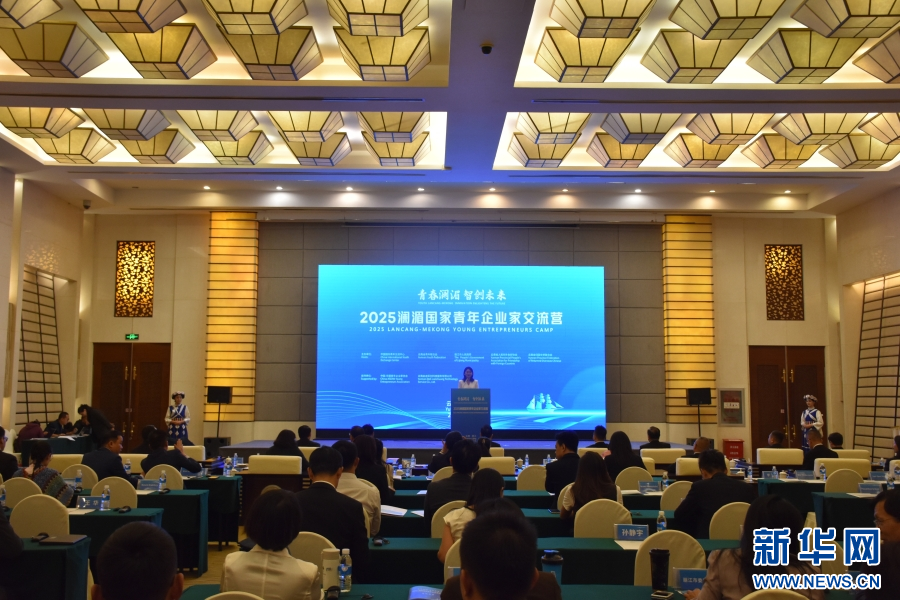
汇聚力量促合作 2025澜湄国家青年企业家交流营在丽江举办
Xin Hua Wang· 2025-09-27 09:07
Group 1 - The 2025 Lancang-Mekong Youth Entrepreneurs Exchange Camp was held in Lijiang, Yunnan Province, focusing on the theme "Youth in Lancang-Mekong, Innovating the Future" to harness the wisdom and strength of youth from six countries for economic development in the Lancang-Mekong region [2] - The "Lancang-Mekong Youth Entrepreneurs Project Cooperation Database and Workshop" was officially launched, aiming to empower regional youth entrepreneurs through an online and offline collaborative mechanism, facilitating precise information matching and providing comprehensive services from demand connection to project implementation [4] - During the event, representatives discussed three major topics: "Innovation: New Opportunities for Regional Economic Growth," "Upgrade: New Paths for Traditional Industry Transformation," and "Coexistence: Deepening Cooperation and Mutual Benefit," along with industry promotion and workshops for youth entrepreneurs [6]

记者手记丨这位英国学者谈“一带一路”,为何值得一听
Xin Hua Wang· 2025-09-24 12:25
莫汉兴致颇浓地分享了他关注到的中企海外布局变化:其一,部分中企开始在欧洲本地设厂,既为当地 创造就业,也将生产直接融入欧洲供应链。同时,通过企业并购熟悉欧洲能源市场规则,实现多方共赢 的结果,有效化解部分争议。 其二,越来越多中企正主动融入当地社会。在英国曼彻斯特,中企深耕多年,推动成立了曼彻斯特中国 论坛。从技术合作到学生交流,从足球文化到项目投资,曼彻斯特与中国企业建立起了长期信任关系。 在希腊比雷埃夫斯港,中企赞助当地足球队,积极参与社区互动,与当地人一起过希腊节日和中国节 日。"人的主动融入最关键。"莫汉说,"无论在哪个国家,都要先懂当地文化,再谈合作。" 新华社伦敦9月24日电 记者手记丨这位英国学者谈"一带一路",为何值得一听 新华社记者高文成 位于英国西北部兰卡斯特的兰卡斯特大学,今年第五次主办"一带一路"倡议跨学科会议。23日上午,记 者走进气氛热烈的会议现场,立刻被首位主旨发言嘉宾贾尔斯·莫汉所吸引。 莫汉是英国开放大学教授,深耕国际发展学领域多年,目前主持由欧洲研究理事会资助的项目"重新定 位发展:中国在欧洲基础设施投资的动力和影响"。欧洲研究理事会由欧盟设立,是欧洲顶尖的前沿研 究资助机 ...
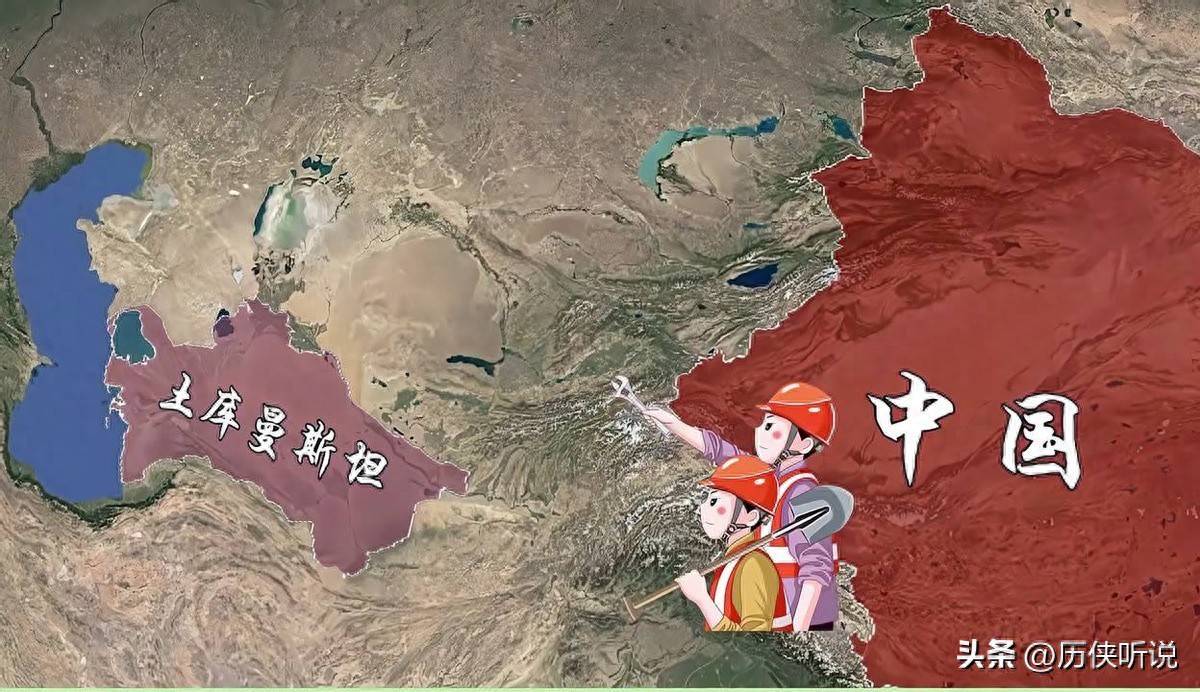
这才是中国的铁哥们!欠中国81亿全额还清,还送百亿能源做大礼!
Sou Hu Cai Jing· 2025-09-21 11:14
Core Viewpoint - Turkmenistan has successfully repaid an $8.1 billion loan to China on time and in full, showcasing a commitment to financial integrity and strengthening bilateral relations through a significant energy gift valued at $10 billion [1][27]. Group 1: Economic Context - Turkmenistan, a small country with a population of less than 7 million, possesses vast natural gas reserves of 13.6 trillion cubic meters, ranking fourth globally [3]. - Despite its resource wealth, Turkmenistan has historically struggled with economic development, often described as "sitting on a gold mine while living in poverty" [3]. Group 2: Investment and Development Challenges - The country has faced challenges in transforming its resources into wealth due to a lack of modern extraction technology, outdated equipment, and insufficient funding [5]. - The construction of a large-scale pipeline network for natural gas transport is prohibitively expensive and complex, necessitating international partnerships for successful implementation [5]. Group 3: Strategic Partnerships - Turkmenistan initially sought partnerships with Western nations but faced harsh conditions and political interference, leading to a shift towards a more pragmatic partnership with China [7]. - China has provided substantial financial resources and advanced technology, fostering a cooperative relationship that emphasizes mutual benefit without political strings attached [8]. Group 4: Infrastructure Development - A significant agreement was reached between China National Petroleum Corporation and Turkmenistan to develop gas fields and construct a pipeline over 10,000 kilometers long, connecting Turkmenistan to China [10]. - The pipeline, operational since 2009, has transformed Turkmenistan's energy export landscape, making China its most important and stable customer, with approximately 40 billion cubic meters of gas exported annually [16]. Group 5: Economic Impact - The repayment of the $8.1 billion loan was primarily funded through stable revenues from natural gas exports to China, which account for over 90% of Turkmenistan's export income since the pipeline's completion [20]. - The economic partnership with China has led to significant growth, with Turkmenistan maintaining a GDP growth rate close to 6% even during global economic downturns, and a sevenfold increase in GDP since independence [22]. Group 6: Trust and Future Cooperation - Turkmenistan's decision to repay its debt on time was driven by the understanding that maintaining trust with China is crucial for future development opportunities [25]. - The repayment was followed by Turkmenistan's gesture of goodwill, offering a $10 billion energy gift to China, reinforcing the strategic partnership and mutual commitment to long-term cooperation [27][29].
中美完全可以相互成就、共同繁荣(钟声)
Ren Min Ri Bao· 2025-09-20 21:48
Group 1 - The core viewpoint emphasizes the importance of political wisdom and historical responsibility in strengthening dialogue, enhancing mutual trust, managing differences, and deepening cooperation between China and the U.S. to promote a healthy and stable relationship [1][4] - The recent phone call between President Xi Jinping and President Trump is described as pragmatic, positive, and constructive, providing crucial strategic guidance for the development of bilateral relations [1][2] - Historical cooperation during World War II is highlighted as a foundation for the friendship between the two nations, suggesting that both countries should draw from this history to foster effective collaboration for global peace and justice [1][3] Group 2 - The role of summit diplomacy is underscored as irreplaceable in providing strategic guidance for U.S.-China relations, with recent meetings in Geneva, London, Stockholm, and Madrid reflecting a spirit of equality, respect, and mutual benefit [2][3] - The discussions regarding the TikTok issue indicate a framework for cooperation, emphasizing the need for both sides to engage in equal dialogue to address prominent issues and achieve win-win outcomes [3][4] - The commitment to maintaining a stable relationship is reiterated, with both nations encouraged to demonstrate great power responsibility and work together towards mutual prosperity [4]
华商亿企旺晚宴九月十七日启航筑梦华商企业家新征程
Sou Hu Cai Jing· 2025-09-18 02:34
Group 1 - The event "Hua Shang Yi Qi Wang Banquet" was created to connect Chinese entrepreneurs and promote communication among them [3][5] - The banquet serves as a platform to support small and medium-sized enterprises (SMEs) in overcoming challenges such as resource scarcity and market expansion difficulties [5] - Various industry leaders shared their experiences and insights, highlighting the importance of innovation and collaboration in the current economic landscape [5][7] Group 2 - The banquet will be held weekly on Wednesday evenings, aiming to continuously innovate service models and provide high-quality support for Chinese entrepreneurs [9] - The event is positioned as a bridge connecting global Chinese businesses, contributing to the revitalization of the Chinese nation [9] - The atmosphere of the banquet fosters networking opportunities, allowing entrepreneurs to find like-minded partners and establish cooperation intentions [7][9]
推动中美经贸关系健康稳定发展
Jing Ji Ri Bao· 2025-09-17 22:07
Core Points - The recent China-U.S. economic and trade talks in Madrid resulted in constructive communication and a basic framework consensus to address trade issues and reduce investment barriers, which is beneficial for both countries and the global economy [1][2] - The essence of China-U.S. economic relations is mutual benefit, with trade volumes showing significant growth since 2017, including a projected goods trade of $688.3 billion and services trade of $155.8 billion in 2024, reflecting increases of 18% and 34.7% respectively [1] - The importance of maintaining stable China-U.S. economic relations is underscored by their significant impact on global economic recovery, as their combined economic output exceeds one-third of the world total [2] Group 1 - The talks in Madrid were guided by important consensus from the leaders of both countries, aiming to resolve economic issues through cooperation [1][2] - China has actively promoted the management of conflicts and the resolution of differences to achieve win-win outcomes, with recent talks in Switzerland, the UK, and Sweden contributing positively to bilateral relations [2] - The dialogue must be based on mutual respect and equal negotiation, with China expressing a firm stance on protecting its development interests amid U.S. export controls on Chinese entities [3] Group 2 - The recent U.S. actions to place 23 Chinese entities on an export control list have disrupted the atmosphere for talks and cooperation [3] - China emphasizes the need for the U.S. to show sincerity and remove unreasonable restrictions to foster a conducive environment for stable and sustainable economic relations [3] - The ongoing dialogue is seen as the best way to resolve disputes and eliminate opposition, with both sides encouraged to continue building consensus and trust [2][3]