
大食物观

Search documents
冬闲已是过去式 冬忙才是现在时
Jing Ji Ri Bao· 2025-11-24 22:04
Core Viewpoint - The agricultural production situation for the autumn and winter planting season is complex, with both favorable conditions and challenges that need to be addressed to ensure food security and stable farmer incomes [1][2][3]. Group 1: Agricultural Production Situation - The Ministry of Agriculture and Rural Affairs is implementing a 60-day action plan to promote wheat sowing and strengthen seedling growth amid challenges posed by weather conditions [1][3]. - The National Bureau of Statistics reported a 4.0% year-on-year increase in the value added of agriculture, forestry, animal husbandry, and fishery in the first three quarters, contributing 0.3 percentage points to economic growth [1]. - The production of major livestock products, including pork, beef, and poultry, reached 73.12 million tons in the first three quarters, reflecting a 3.8% year-on-year increase [1]. Group 2: Winter Agricultural Development - Winter agriculture is crucial for food security and farmer income, with significant planting areas for winter wheat and oilseed rape accounting for over 90% of annual production [2][3]. - The autumn and winter planting season is a peak period for seed, fertilizer, and pesticide usage, necessitating effective management and quality assurance [3]. - There is an opportunity for optimizing crop variety structures based on local resources and market demands, which can enhance agricultural productivity [3]. Group 3: Supply Chain and Market Stability - The upcoming New Year holiday marks a peak consumption period for "vegetable basket" products, necessitating enhanced supply chain management to ensure stable market supply during winter [4]. - Strengthening the production of facility vegetables around major northern cities and improving the logistics of southern vegetables to northern markets are essential for maintaining supply [4]. - The agricultural sector is encouraged to diversify its functions and enhance its value, including food security, ecological conservation, and rural tourism [4].
2025水产品大会在山东威海举办
Bei Ke Cai Jing· 2025-11-22 05:53
新京报讯(记者王思炀)11月22日,新京报记者获悉,2025水产品大会近期在山东威海举办。本届大会由中国水产流通与加工协会 和威海市海洋发展局共同主办,以"研判市场变化 洞察发展趋势"为主题,聚焦水产行业的宏观经济生态构建、绿色转型发展、国际 贸易挑战、产销模式创新、品牌战略升级、产业链责任实践等核心议题,帮助水产行业把握政策方向、洞悉市场动态。 "形势洞察与产业前瞻"主报告环节,中国水产流通与加工协会会长崔和就"国内外水产品市场变化对产销格局的影响"作报告。他指 出,过去30年,中国水产业实现集群发展,成为世界上水产品经营企业数量最多、成长最快、品类最全、活跃度最高的市场主体。 2024年,面对水产品出口竞争力下降,内销重要性凸显,在进口冲击下,产业要做出调整。 编辑 唐峥 校对 赵琳 中国工程院院士、中国海洋大学教授薛长湖认为,水产品已成为全球第三大食用蛋白来源,更是居民平衡膳食结构的重要组成。大 食物观背景下,构建多元化的食物供给体系是保障食物安全的重要途径。未来,应进一步加强功能性食品研发加工,促进水产品加 工业由量的增加,向资源利用率高、产品附加值高、产品品质可控、生态环境友好的质的提升转变。 挪威 ...

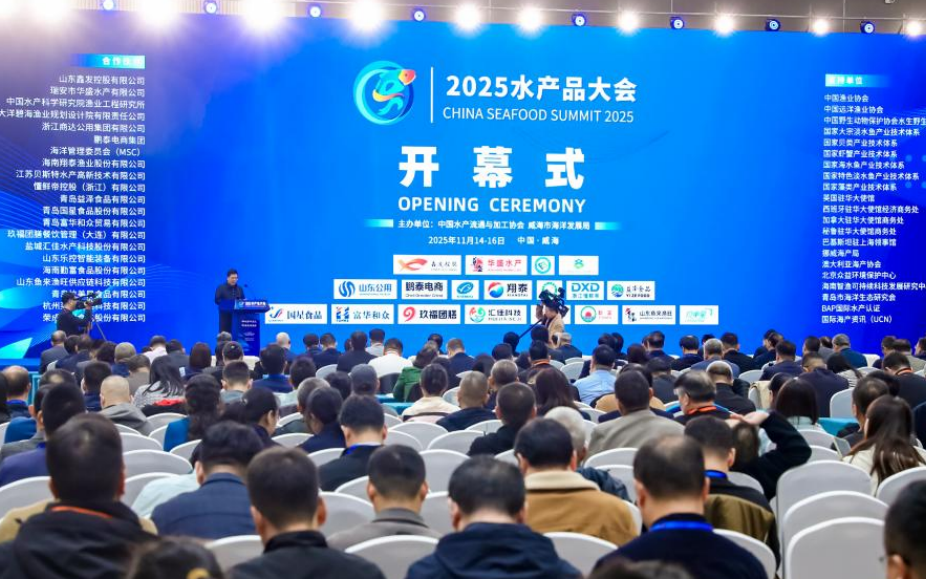
2025水产品大会在山东威海举行
Zhong Guo Jing Ji Wang· 2025-11-21 05:15
Core Insights - The 2025 Aquatic Products Conference held in Weihai, Shandong, focused on market changes and development trends in the aquatic industry, addressing key topics such as macroeconomic ecosystem construction, green transformation, international trade challenges, innovative sales models, brand strategy upgrades, and industry chain responsibility practices [1][2] Group 1: Market Analysis - The president of the China Aquatic Products Circulation and Processing Association, Cui He, analyzed the impact of domestic and international market changes on the production and sales patterns, noting that over the past 30 years, Chinese aquatic enterprises have become the largest, fastest-growing, and most diverse operators globally [1] - In 2024, China's total aquatic product exports are expected to increase, while imports will reach new highs, highlighting the growing importance of domestic sales and the need for industry adjustments [1] Group 2: Food Security and Quality Development - Academician Xue Changhu emphasized the importance of a diversified food supply system for food security, noting that aquatic products are the third-largest source of edible protein globally and play a crucial role in balanced dietary structures [1] - The industry is encouraged to enhance the research and development of functional foods, shifting from quantity increase to qualitative improvements in resource utilization, product value, controllable quality, and environmental friendliness [1] Group 3: Strategic Collaborations - A strategic cooperation framework agreement was signed between the China Aquatic Products Circulation and Processing Association and the Weihai Municipal Government to establish a high-quality development demonstration zone for modern fisheries, focusing on six key areas over the next three years [2] - The conference included parallel meetings and specialized discussions on various topics, including the promotion of key imported aquatic products, supply chain construction, and the high-quality development of marine and freshwater industries [2]
引领食养新潮!2025年中国南药食养产业大会在广东肇庆举办
Nan Fang Nong Cun Bao· 2025-11-20 14:02
Core Points - The 2025 China Southern Medicine Food and Nourishment Industry Conference was successfully held in Zhaoqing, Guangdong, marking the first national-level conference focused on "Southern Medicine Food and Nourishment" in China [3][4] - The conference aligns with President Xi Jinping's directives on developing rural characteristic industries and emphasizes the importance of the Southern medicine industry in promoting rural revitalization [8][9] Industry Overview - Southern medicine, primarily found in tropical and subtropical regions, has over 4,000 documented species, with more than 100 cultivated on a large scale [12][14] - The Southern medicine industry in Guangdong has expanded beyond traditional cultivation to include deep processing, health product development, brand marketing, and wellness tourism, forming a modern industrial system [28][30] Economic Impact - Guangdong's Southern medicine planting area exceeds 4 million acres, with the first industry output value surpassing 18 billion yuan [32] - Zhaoqing's Southern medicine planting area is approximately 1.566 million acres, with a total output of 660,000 tons and a total output value exceeding 10 billion yuan [40][41] Development Initiatives - The conference featured the release of the "China Zhaoqing Cinnamon Industry Development White Paper" and the establishment of a regional public brand logo for "Zhaoqing Cinnamon" [20][27] - Guangdong aims to leverage this conference as a new starting point to focus on genetic innovation, integration of primary, secondary, and tertiary industries, and the establishment of standard systems [34][35] Market Expansion - The Southern medicine industry has developed a complete industrial system that includes planting, processing, research, application, and health services, with traditional Chinese medicine materials and health products leading the export efforts [38][39] - The conference included signing ceremonies to strengthen the connection between Zhaoqing's Southern medicine industry and the national market [40][46] Cultural Integration - The event featured a health culture night market, showcasing traditional Chinese medicine practices and offering local herbal dishes, emphasizing the concept of "food and medicine sharing the same source" [54][57] - The integration of media and industry during the conference effectively amplified the influence of the Southern medicine food and nourishment industry [58][63]

《“十五五”规划建议》解读:政策红利下农林牧渔企业的三大增长路径
Lian He Zi Xin· 2025-11-20 11:31
Investment Rating - The report emphasizes a positive outlook for the agriculture, forestry, animal husbandry, and fishery industry, driven by policy support and market demand [1][3]. Core Insights - The "14th Five-Year Plan" elevates agricultural modernization to a strategic level, creating a policy framework for high-quality development in the industry [3]. - The report identifies three main growth paths for companies in the agriculture sector: policy subsidies and diversified financing, technological empowerment, and industrial integration innovation [1][10]. Summary by Sections Path 1: Policy Subsidies and Financing Support - The "14th Five-Year Plan" aims to enhance the effectiveness of agricultural policies, establishing a multi-faceted investment structure that includes fiscal guarantees and financial support [4]. - Insurance policies for major grain crops provide significant subsidies, with central government support reaching up to 50% for certain regions, effectively mitigating risks from natural disasters and market fluctuations [4][6]. - R&D incentives in key areas like biotechnology and smart agricultural machinery are substantial, with a deduction rate of 175% for eligible expenses, significantly lowering innovation costs for companies [5][6]. Path 2: Technological Empowerment - The report highlights the integration of advanced technologies such as AI and smart agricultural equipment, which are transforming traditional farming practices and enhancing productivity [7][9]. - The contribution of agricultural technology to production has reached 63.2%, with mechanization rates exceeding 75%, leading to improved quality and efficiency in crop production [8][9]. - The use of smart equipment has drastically reduced labor costs and increased operational efficiency, exemplified by a 20-fold increase in efficiency in certain agricultural parks [7][9]. Path 3: Industrial Integration Innovation - The "14th Five-Year Plan" encourages a diversified food supply system, promoting the integration of agriculture, forestry, and fishery sectors [10]. - Companies are shifting from low-margin raw product sales to higher-value processing sectors, such as deep processing of grains and pre-prepared foods, enhancing profit margins [11]. - Innovative business models, including ecological farming and agri-tourism, are being developed to create new revenue streams and improve resilience against market fluctuations [11][12]. Outlook - The report anticipates that the implementation of supportive policies will align with market needs, enhancing the core competitiveness of companies in the agriculture sector and optimizing their profit structures [12][13].
【人民日报】全方位夯实粮食安全根基
Ren Min Ri Bao· 2025-11-19 00:39
Core Insights - The "14th Five-Year Plan" emphasizes enhancing agricultural production capacity and quality efficiency, as well as strengthening the supply guarantee for important agricultural products like grain, which is crucial for food security over the next five years [1] Group 1: Agricultural Development Strategies - The focus is on broadening the approach to food security beyond limited arable land, promoting diverse food resource development to meet the nutritional and personalized needs of consumers [1] - Black龙江 is highlighted as a pioneer in implementing a comprehensive food strategy, while Fujian is developing its unique agricultural industries, such as Ningde big yellow fish and Gutian edible fungi [1] Group 2: Technological Advancements in Agriculture - The article stresses the importance of technological breakthroughs in achieving agricultural modernization, with a focus on developing new agricultural production capabilities [2] - Black龙江 has achieved a 100% coverage rate of high-quality seeds for major crops, introducing new varieties that address critical agricultural challenges [2] - Automation and precision farming are being implemented, exemplified by the 15,000-acre unmanned farm operated by Beidahuang Group, which utilizes smart machinery for efficient operations [2] Group 3: Agricultural Service Systems - The article discusses the transformation of agricultural services, with cooperatives providing comprehensive support from planting to harvesting, reducing the burden on farmers [3] - In 河南, 932 agricultural service centers have been established to meet farmers' needs, while 广东 is enhancing its agricultural machinery service capabilities [3] - The establishment of a new agricultural social service system is essential for boosting confidence and motivation among service providers and ensuring benefits for farmers [3]
夯实粮食安全根基
Jing Ji Ri Bao· 2025-11-16 22:11
Core Insights - During the "14th Five-Year Plan" period, China's grain production capacity has steadily increased, with significant progress in agricultural modernization [1][2] - China has built over 100 million acres of high-standard farmland, with a contribution rate of agricultural technology progress reaching 63.2% and a comprehensive mechanization rate of over 75% for crop farming [1] - The country aims to maintain grain production above 1.3 trillion jin, with projections to exceed 1.4 trillion jin in 2024, ensuring food security amidst global challenges [2] Group 1 - China's agricultural policies focus on maintaining the red line for arable land, constructing high-standard farmland, and initiating actions to enhance crop yields [1][2] - The country emphasizes a diversified food supply system and the integration of modern technology and equipment in agriculture to strengthen food security [1] - The agricultural sector is encouraged to improve production capacity, ecological sustainability, and income generation simultaneously [1] Group 2 - The global food supply chain remains vulnerable to geopolitical tensions and extreme weather, necessitating ongoing vigilance in food security [2] - Future strategies include enhancing high-standard farmland, promoting agricultural technology, and improving the intelligence of agricultural machinery [2] - The establishment of a comprehensive grain production, purchase, storage, and sales system is crucial for motivating farmers and promoting a culture of food conservation [2]
刘宁到漯河市临颍县源汇区调研时强调:推动党的二十届四中全会精神落实落细 不断开创高质量发展高效能治理新局面
He Nan Ri Bao· 2025-11-15 10:56
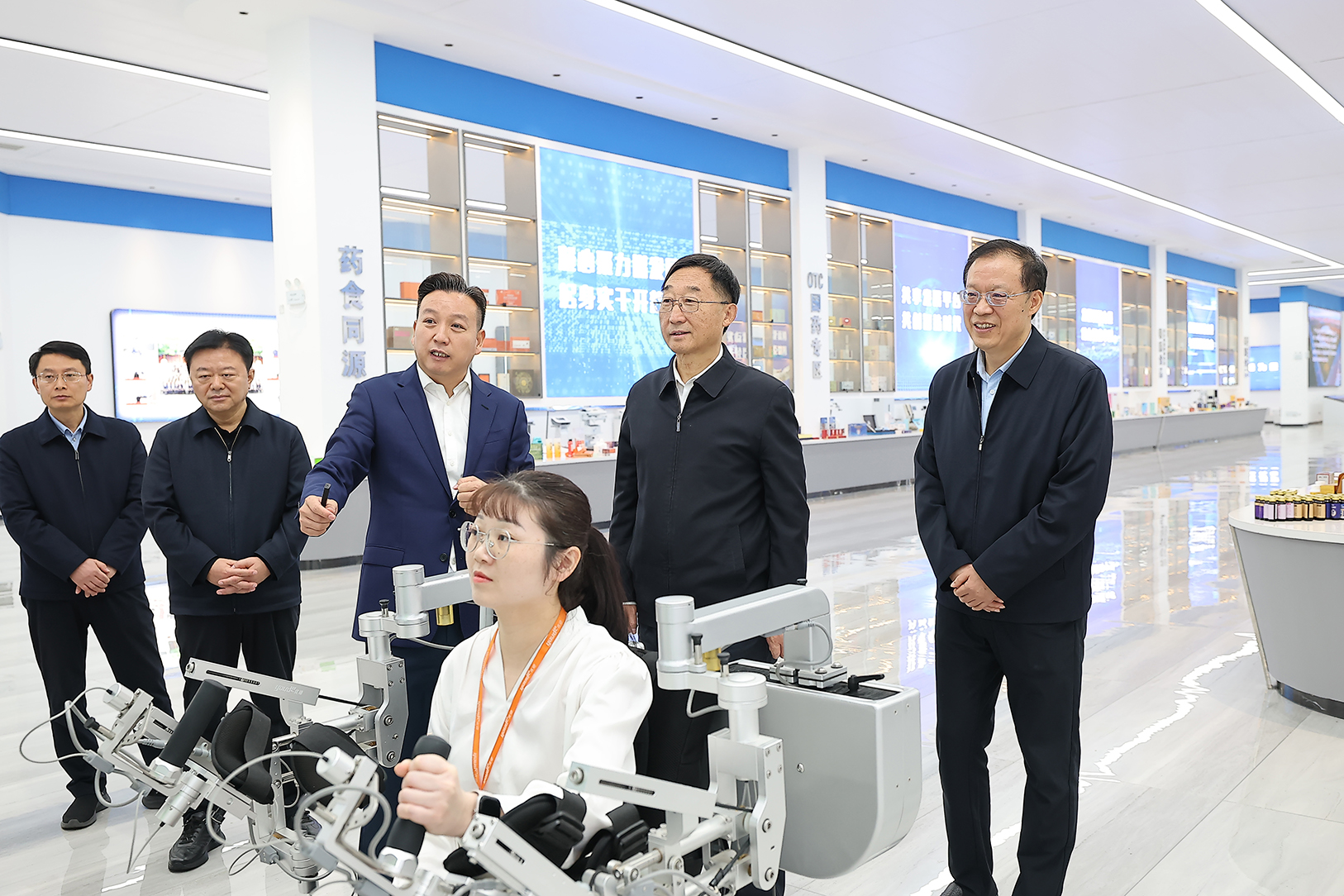
Group 1: Industry Development - The food industry in Linying County is well-developed with distinct characteristics, particularly in the health sector, as exemplified by Wo Health (Henan) Industry Group Co., Ltd., which focuses on rehabilitation medical devices and functional foods [3] - The emphasis on the "Healthy China" initiative aligns with the development of the health industry, providing new opportunities for enterprises [3] - The company Henan Zhongda Hengyuan Biotechnology Co., Ltd. is a pioneer in the application of natural pigments in the food sector, highlighting the importance of innovation and market expansion in the food industry [3] Group 2: Cultural and Tourism Integration - The need to strengthen the protection and utilization of cultural relics while developing rural tourism and leisure agriculture is emphasized, promoting the integration of agriculture, culture, and tourism [3] Group 3: Grassroots Governance and Community Engagement - The grassroots governance in the Ma Lu Street community is noted for its unique characteristics, with a focus on effective governance and community service [5] - The integration of "Party building + grid + big data" governance methods is encouraged to resolve conflicts and improve community services [5] - The development of new e-commerce models, such as "live streaming + culture + food," is promoted to leverage the digital economy and enhance local brand strength [5]
用更多好种子守护美好生活——种业振兴行动五年间
Xin Hua She· 2025-11-15 02:47
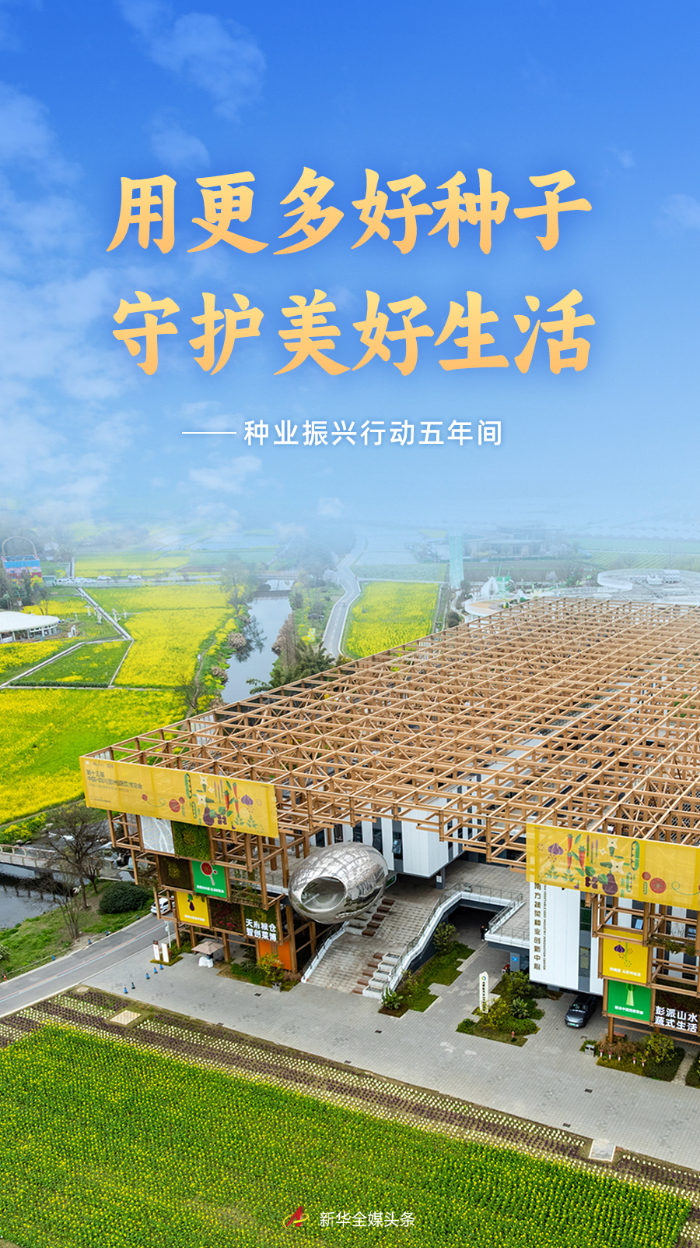
Core Insights - The core focus of the articles is on the significant advancements in China's seed industry, highlighting the self-sufficiency and innovation in seed breeding, which is crucial for ensuring food security in the country [3][6][15]. Group 1: Seed Industry Development - Over 95% of crop varieties are now independently bred, with domestic sources accounting for over 80% of livestock and over 85% of aquatic species [3]. - The national seed supply guarantee rate has reached 80%, an increase of 10 percentage points since 2020, indicating a strong reliance on domestic seeds for food production [8][15]. - The implementation of the Seed Industry Revitalization Action Plan has led to the development of new crop varieties, including disease-resistant wheat and high-yield soybeans, enhancing agricultural productivity [8][20]. Group 2: Regional Success Stories - In Jilin Province, farmers have successfully increased corn yields to over 3,000 kg per hectare by adopting new dense-planting varieties and protective tillage techniques [4]. - In Shandong Province, the introduction of late-sowing winter wheat varieties has allowed farmers to maintain high yields despite adverse weather conditions [6]. - Hubei Province has seen a transformation in cabbage production, moving from reliance on imported seeds to cultivating over 110,000 acres of locally bred varieties, significantly boosting local economies [10]. Group 3: Future Directions and Goals - The "14th Five-Year Plan" emphasizes the need for continued innovation in the seed industry, with a focus on enhancing the competitiveness of domestic seed enterprises [18][21]. - The goal is to achieve a 60% identification rate of genetic resources by 2030, with current identification at 35%, to better support breeding innovations [19]. - The Ministry of Agriculture aims to strengthen the management of seed varieties and promote the application of high-quality seeds in production to enhance overall agricultural productivity [20][23].
新华全媒头条|用更多好种子守护美好生活——种业振兴行动五年间
Xin Hua She· 2025-11-14 16:43
Core Insights - The article highlights the significant progress made in China's seed industry over the past five years, emphasizing the importance of self-reliance in seed technology and the cultivation of domestic seed varieties to ensure food security [1][3][7]. Group 1: Seed Industry Development - The proportion of independently bred crop varieties has reached over 95%, with domestic seed sources for livestock and aquaculture exceeding 80% and 85% respectively [1]. - The national seed supply guarantee rate has improved to 80%, an increase of 10 percentage points since 2020, indicating a stronger reliance on domestic seeds for food production [3]. - New varieties such as disease-resistant wheat and high-yield soybeans have been developed, enhancing the overall safety and quality of agricultural seeds in China [3][10]. Group 2: Agricultural Practices and Innovations - Farmers in Jilin province have reported significant yield increases due to the adoption of new dense-planting corn varieties, achieving over 3,000 pounds per hectare [2]. - In Hubei province, local farmers have transitioned from relying on imported cabbage seeds to cultivating multiple domestically bred varieties, resulting in a production area exceeding 110,000 acres and an annual output of around 500,000 tons [5]. - The integration of breeding chips and big data technology has led to the successful development of disease-resistant fish species, showcasing innovation in aquaculture [6]. Group 3: Future Directions and Goals - The "14th Five-Year Plan" emphasizes the need for continued innovation in the seed industry, with a focus on improving the competitiveness of domestic seed varieties and enhancing the overall quality of agricultural products [8][10]. - The goal is to achieve a 60% identification rate of genetic resources by 2030, with current identification at 35%, indicating a need for accelerated efforts in resource management and breeding innovation [9]. - The Ministry of Agriculture aims to strengthen the role of enterprises in seed innovation, promoting collaboration between industry and research institutions to enhance the development of competitive seed varieties [10].