数实融合

Search documents
中兴通讯崔丽:AI应用触及产业深水区,价值闭环走向完备
2 1 Shi Ji Jing Ji Bao Dao· 2025-12-30 10:25
Core Insights - The rapid development of AI large models is becoming a key factor in the new round of technological competition, with a belief that the number of foundational large models will converge to a single-digit figure, while numerous specialized models and applications will emerge across various industries [2] - Physical AI is highlighted as a significant area of focus, accelerating advancements in fields like embodied intelligence and autonomous driving, which are expected to profoundly change societal operations [2][3] - The transition from generative models to world models and visual language models (VLA) represents a paradigm shift in AI, moving from mere prediction to simulation and physical alignment [3][4] Industry Trends - The emergence of Sora has sparked discussions about world models, indicating a shift in AI capabilities from being mere predictors to becoming simulators [3] - The divergence in world model approaches has led to the classification of models into "generative" and "representational" camps, with each having distinct applications and strengths [4][5] - The integration of VLA and world models is seen as a trend, with VLA focusing on sequence modeling for robot control and world models emphasizing internal environmental modeling for efficient learning [5] Challenges and Solutions - Three major challenges remain for world models: understanding causality, building effective simulators, and addressing data scarcity issues [6] - The competition for high-quality synthetic data is crucial for the next phase of AI development, particularly in data-driven AI applications like autonomous driving [6] - The timeline for the realization of world models is projected to span from 2024-2025 for visual simulation to 2028-2030 for general embodied intelligence [6] Technological Evolution - The network architecture is evolving from "cloud-native" to "AI-native," necessitating a focus on performance and collaboration between computing and networking [7] - ZTE has been progressively advancing its hardware and software integration from 2G to 5G, now incorporating large models into its development paradigm [8] - The integration of AI into core business processes is expected to transform industries, with a shift from content generation to autonomous action [9] Implementation and Applications - ZTE's "Co-Sight Intelligent Agent Factory" aims to enhance reasoning capabilities and ensure decision-making reliability through advanced verification mechanisms [11][12] - The successful application of AI requires a combination of robust infrastructure, effective methodologies, and deep industry engagement [17] - Industries such as education, healthcare, software development, and smart manufacturing are identified as likely candidates for early AI value realization due to their structured data environments and feedback mechanisms [14][13] Future Directions - The hybrid approach of "cloud-edge collaboration" is recommended for integrating general foundational models with industry-specific enhancements [15] - The need for specialized models in non-natural language data scenarios is emphasized, particularly in high-stakes environments like finance [16] - The overarching narrative of AI is shifting towards practical applications in various sectors, moving away from mere technological showcases to tangible value creation [18]


从关键词读懂2025丨锚定新质生产力 产业发展开启多元“融合”
Xin Hua She· 2025-12-30 02:30
Core Insights - The article emphasizes the acceleration of new productive forces and the deepening of industrial transformation and upgrading, with "integration" becoming a prominent theme in industrial development [1] Group 1: Industrial Growth and Trends - The expected growth rate of industrial added value for the year is 5.9%, while digital industry revenue is projected to increase by 9% [1] - The core scale of the artificial intelligence industry is anticipated to exceed 1 trillion yuan [1] - The integration of traditional and emerging industries is breaking down barriers and fostering a more resilient and vibrant modern industrial system [1] Group 2: Cross-Industry Collaboration - Companies like ByteDance and ZTE are collaborating to launch new products, such as the "Doubao phone," reflecting a trend of cross-industry terminal creation [2] - In agriculture, traditional practices are evolving into smart agriculture through partnerships with emerging industries, enhancing efficiency and reducing costs [2] - In the automotive sector, companies like Dongfeng Motor are collaborating with tech firms like Huawei to innovate in areas such as intelligent driving systems and semiconductor production [3] Group 3: Digital and Real Economy Integration - Ulanqab in Inner Mongolia is becoming a key node in the "East Data West Computing" project, with significant investments in data centers and computing power [5] - National data shows a 10.2% year-on-year increase in enterprise spending on digital technologies, indicating a strong push towards digital integration in traditional industries [6] - The establishment of leading smart factories marks a significant leap towards intelligent manufacturing, with high application rates of AI technologies [6] Group 4: Innovation and Policy Support - The integration of technological and industrial innovation is being prioritized in national policy, with a focus on enhancing productivity and fostering new growth spaces [8] - Collaborative efforts between research institutions and industries are driving a comprehensive "two-innovation integration" practice across various sectors [8] - The rapid development of technology in areas like low-frequency technology for air conditioning and autonomous driving platforms showcases the vibrant innovation landscape in China [9]
从关键词读懂2025丨锚定新质生产力 产业发展开启多元“融合”
Sou Hu Cai Jing· 2025-12-30 02:16
Core Insights - The article emphasizes the acceleration of new productive forces and the deepening of industrial transformation and upgrading, with "integration" becoming a prominent theme in industrial development [1] Group 1: Industrial Growth and Trends - The expected growth rate of industrial added value for the year is 5.9%, while digital industry revenue is projected to increase by 9%, and the scale of the core artificial intelligence industry is anticipated to exceed 1 trillion yuan [1] - The integration of traditional and emerging industries, as well as the precise alignment of digital technology with the real economy, is highlighted as a key driver for breaking down industry barriers and enhancing growth potential [1] Group 2: Cross-Industry Collaboration - The collaboration between ByteDance and ZTE to launch the "Doubao Phone" and the introduction of AI glasses by Li Auto and Alibaba exemplify the trend of cross-industry terminal creation, reflecting the broader wave of industrial integration expected in 2025 [2] - In agriculture, traditional practices are evolving into smart agriculture through partnerships with emerging industries, showcasing the role of technology in enhancing efficiency and reducing costs [2] Group 3: Automotive Innovations - The rapid development of new energy vehicles is creating an inclusive innovation ecosystem, with companies like Dongfeng Motor collaborating with Huawei and others to advance intelligent driving systems and semiconductor production [3] Group 4: Multi-Dimensional Integration - The pearl industry in Zhejiang is merging with digital and green economies, creating a comprehensive ecosystem with a market scale exceeding 50 billion yuan, while Harbin is developing a composite business model around its ice and snow theme [4] - Experts predict that ongoing breakthroughs in artificial intelligence will further expand the scope of industrial integration, fostering new business models and driving economic growth [4] Group 5: Digital and Real Economy Fusion - In Ulanqab, the establishment of data centers and a significant investment in computing power are enhancing the integration of digital and real economies, with a computing power scale reaching 120,000 P [5] - The procurement of digital technology by enterprises has increased by 10.2%, indicating a solid advancement in the fusion of digital and real sectors [6] Group 6: Intelligent Manufacturing - The announcement of the first batch of 15 leading intelligent factories marks a significant leap in the intelligent transformation of manufacturing, with these factories achieving deep integration of new information technologies and advanced manufacturing [6] - The intelligent factory of Zoomlion showcases high efficiency with an 80% application rate of AI technologies, setting new records in the construction machinery sector [6] Group 7: Future Prospects - The Ministry of Industry and Information Technology forecasts a 9% growth in telecommunications and software business revenue, with the artificial intelligence industry expected to exceed 1 trillion yuan [7] - The integration of technology and industry is seen as a key catalyst for driving digital upgrades in the real economy, reshaping industrial development models [7] Group 8: Innovation and Policy Support - The integration of technological and industrial innovation is being actively promoted by government policies, indicating a clear path for practical exploration across various sectors [8] - The collaboration between academia and industry is yielding significant technological advancements, enhancing the competitiveness of various sectors [9]
从关键词读懂2025|锚定新质生产力 产业发展开启多元“融合”
Xin Hua Wang· 2025-12-30 01:53
Core Insights - The overall industrial added value is expected to grow by 5.9% year-on-year, with digital industry revenue increasing by 9%, and the core AI industry exceeding one trillion yuan by 2025, indicating a significant transformation and upgrade in industries driven by new productivity and integration [1][7]. Group 1: Cross-Industry Integration - ByteDance and ZTE launched the "Doubao Phone," while Li Auto introduced its first AI glasses, Livis, and Alibaba released six Quark AI glasses, reflecting a trend of cross-industry terminal creation as part of the broader industrial integration wave expected in 2025 [2]. - Traditional agriculture is evolving into smart agriculture through collaboration with emerging industries like low-altitude economy and new materials, exemplified by the use of agricultural drones for precision farming [2]. - In the automotive sector, companies like Dongfeng Motor are collaborating with Huawei and other firms to develop intelligent driving systems and innovative technologies in solid-state batteries and hydrogen energy [3]. Group 2: Multi-Dimensional Integration Trends - The pearl industry in Zhejiang is integrating with the digital and green economies, creating a comprehensive ecosystem with a market size exceeding 50 billion yuan [4]. - Harbin is developing a composite business model around its ice and snow theme, promoting collaboration across various sectors, including equipment manufacturing and cultural tourism [4]. - Experts predict that ongoing breakthroughs in AI and other technologies will further expand the scope of industrial integration, fostering new business models and driving economic growth [4]. Group 3: Digital and Real Economy Integration - In Ulanqab, the "Grassland Cloud Valley" has become a key node in the "East Data West Computing" project, hosting 67 data centers with a total investment exceeding 260 billion yuan and a computing power scale of 120,000 P [5]. - The latest tax data indicates a 10.2% year-on-year increase in corporate spending on digital technologies, with traditional industries seeing a 7.6% rise in digital equipment purchases [6]. - The first batch of 15 leading smart factories has been announced, marking a significant leap in the intelligent transformation of the manufacturing sector [6]. Group 4: Innovation and Integration - The Chinese Academy of Sciences is working on projects that translate laboratory innovations into industrial applications, emphasizing the importance of integrating technology and industry [8]. - Recent government policies highlight the strategic importance of integrating technological and industrial innovation, guiding practical explorations across various sectors [8]. - The rapid pace of technological innovation in China is enhancing industrial competitiveness and accelerating the commercialization of scientific achievements [9]. Group 5: Future Outlook - By 2025, AI is expected to play a crucial role in transforming industries, acting as a catalyst for the transition from laboratory innovations to market applications [10]. - AI is evolving from a mere tool to a central component of industrial ecosystems, driving structural optimization and guiding future industry development [10].
我省与中国铁塔签署战略合作协议信长星刘小涛会见张志勇一行
Xin Hua Ri Bao· 2025-12-29 23:17
Core Viewpoint - The strategic cooperation agreement signed between Jiangsu Province and China Tower Corporation aims to enhance digital infrastructure and promote high-quality development in Jiangsu through collaboration in various sectors [1]. Group 1: Strategic Cooperation - Jiangsu Province and China Tower Corporation signed a strategic cooperation agreement on December 29 [1]. - The agreement is seen as an opportunity to deepen collaboration in information communication infrastructure, application scenarios, and digital economy development [1]. Group 2: Leadership and Support - Jiangsu leaders expressed gratitude for China Tower's contributions to the province's development [1]. - China Tower's chairman acknowledged Jiangsu's support and emphasized the company's commitment to increasing investment in digital infrastructure and innovative services [1].

我省与中国铁塔签署战略合作协议
Xin Hua Ri Bao· 2025-12-29 22:21
Core Viewpoint - The strategic cooperation agreement signed between Jiangsu Province and China Tower Corporation aims to enhance digital infrastructure and promote high-quality development in Jiangsu through collaboration in various sectors [1] Group 1: Strategic Cooperation - Jiangsu Province and China Tower Corporation signed a strategic cooperation agreement on December 29 [1] - The agreement is seen as an opportunity to deepen collaboration in information communication infrastructure, application scenarios, and digital economy development [1] Group 2: Leadership Statements - Jiangsu leaders expressed gratitude for China Tower's contributions to the province's development and emphasized the importance of advancing digital China initiatives [1] - China Tower's chairman highlighted the company's commitment to increasing investment in digital infrastructure and aligning with Jiangsu's development needs [1]
用好“人工智能+”,发展新质生产力
Xin Hua Ri Bao· 2025-12-29 22:00
Core Viewpoint - The Jiangsu Provincial Economic Work Conference emphasizes the development of new productive forces through "Artificial Intelligence +" to create unique advantages in industrial development during the 14th Five-Year Plan period [1] Group 1: Understanding "Artificial Intelligence +" - "Artificial Intelligence +" is seen as a key variable in the wave of technological innovation, transitioning from a mere tool to an engine driving new productive forces [1] - The core logic of "Artificial Intelligence +" focuses on empowerment and generation, addressing issues of knowledge creation, logical reasoning, and production efficiency [1] Group 2: Reconstruction of Productive Forces - The quality of laborers is being enhanced as traditional workers evolve into new types of workers who possess digital skills and can collaborate with AI [2] - Labor materials are becoming digitized, with production tools evolving from traditional machinery to intelligent systems that include algorithms, computing power, and data [2] - Data is emerging as a new key production factor, with previously dormant data resources being activated and transformed into economically valuable assets [2] Group 3: Strategic Significance of "Artificial Intelligence +" - The development of "Artificial Intelligence +" is a proactive choice to respond to significant global changes and enhance technological self-reliance [3] - It addresses internal demands for high-quality development, transitioning from a traditional factor-driven model to an innovation-driven model [3] Group 4: Practical Pathways for "Artificial Intelligence +" - Jiangsu, as a major manufacturing province, aims to integrate "Artificial Intelligence +" into various industries, moving beyond laboratory settings to practical applications [3] - The focus is on high-end, intelligent, and green development, promoting deep integration of AI technology with manufacturing [4] Group 5: Infrastructure and Collaboration - The establishment of an integrated computing power network is essential, reducing barriers for small and medium-sized enterprises to access computing resources [5] - Encouragement of collaboration between universities, research institutions, and enterprises is necessary to address challenges in implementing large models in specific industries [6] Group 6: Ethical Considerations - "Artificial Intelligence +" represents not only a technological innovation process but also a social transformation process, emphasizing the importance of ethical considerations [6] - The ultimate goal is to serve and develop humanity, ensuring that technology enhances human development rather than replacing it [6] Group 7: Bridging the Digital Divide - Attention is needed to prevent the evolution of the digital divide into an "intelligent divide," ensuring that small enterprises can access AI capabilities affordably [7] - Development of accessible smart products for elderly and disabled individuals is crucial to ensure inclusivity in an increasingly intelligent society [7]
山东移动日照分公司:以“产业大脑能力中心”筑数智生态新底座
Qi Lu Wan Bao· 2025-12-29 14:13
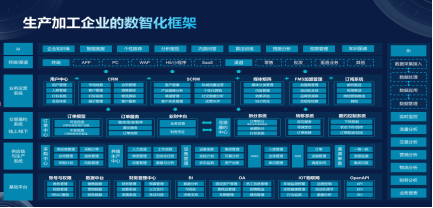
Core Insights - The article highlights the strategic implementation of the "Digital-Real Integration" initiative in Shandong Province, with Shandong Mobile's Rizhao branch at the forefront, utilizing technologies like 5G, AI, and blockchain to create an intelligent empowerment system across various industries [1][8] - The "Enterprise Brain" serves as a digital tool tailored for small and medium-sized enterprises, addressing common challenges such as high transformation barriers and data silos, and enhancing management efficiency by over 60% while reducing implementation costs by more than 60% [2][3] - The integration of core systems through the "Enterprise Brain" not only improves operational efficiency but also fosters a collaborative ecosystem, transforming technology empowerment into a stable business growth engine [3][8] Industry and Company Developments - The "Enterprise Brain" framework expands its influence from individual production workshops to entire industry ecosystems, exemplified by its application in the green tea industry, which integrates climate data for precise planting and marketing strategies [5][6] - The establishment of a credit system based on real business data allows for embedded financial services within the industry chain, attracting various financial institutions and creating new revenue streams for the company [5][6] - The successful replication of the "Industry Brain Capability Center" model across different sectors, including marine food and green construction, demonstrates its scalability and cost-effectiveness, promoting a standardized approach to industry empowerment [6][7] - The strategic value of the "Industry Brain Capability Center" is underscored by its role in advancing local industries towards digitalization and high-end development, contributing to the recognition of Rizhao as a key green tea production area [8]
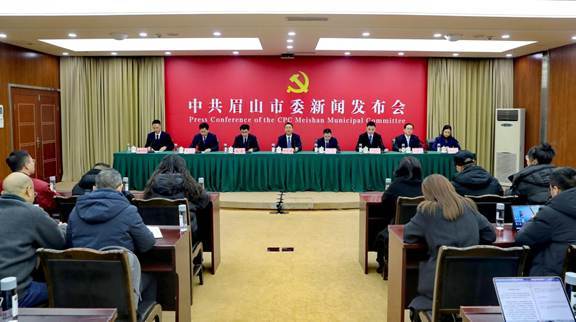
眉山新闻发布会:解码“十五五”制造业高端智能绿色发展新路径
Xin Lang Cai Jing· 2025-12-29 04:48
展望"十五五",眉山将认真贯彻落实省委、市委全会部署,紧扣兴产聚人目标,突出新型工业化主导作 用,因地制宜发展新质生产力,全力推动制造业向高端化、智能化、绿色化迈进,加快打造成渝地区先 进制造创新转化高地。黄文利介绍,重点将从三大方面协同发力: 一是聚焦产业能级提升,夯实高端化根基。眉山将继续壮大以新能源新材料为引领的"1+3"产业集群, 前瞻布局空天信息、生物制造等未来产业。深度融入成渝地区双城经济圈产业分工,加快嵌入锂电、光 伏等国家级产业集群建设。 同时,以打造"西部中试转化基地"为核心,构建"1+N"中试体系,强化企业创新主体地位,推动固态电 池、钙钛矿电池等前沿技术成果在眉山加速转化落地。 二是聚焦数实深度融合,激活智能化引擎。全市将实施"智改数转"诊断全覆盖,建设一批先进级智能工 厂和数字化车间,推动规上工业企业关键工序数控化率大幅提升。积极开展人工智能赋能行动,建 设"新型储能+""空天+"等示范应用场景。夯实数字基础设施,深化"5G+工业互联网"融合应用,推进大 数据中心、智算中心建设,打造数智融合示范区。 12月26日,中国共产党眉山市第五届委员会第十二次全体会议胜利召开。会后,市委举行新闻 ...
大小朋友一早就来畅玩冰雪
Xin Lang Cai Jing· 2025-12-27 07:24
Group 1 - The 15th "Bird's Nest" Happy Ice and Snow Season has commenced, featuring an activity area of approximately 40,000 square meters, allowing visitors to enjoy all projects with a single ticket [2][3] - Popular attractions include the "Snow Drift Area" with a 9-meter high snow slope and the "Snow Tank Area," which has drawn long queues from eager participants [2] - The event emphasizes public participation and sharing, aiming to promote the Olympic spirit and showcase the winter vitality of the capital, running until late February 2026 [3] Group 2 - The "Snow World" at Shunyi Olympic Water Park has officially opened, operating until February 22 of the following year, covering both New Year's and Spring Festival holidays [4] - "Snow World" spans approximately 20,000 square meters and offers various activities tailored to different age groups, including snow tubing, snow play areas, and themed attractions [5] - The park also features a creative food market, enhancing the overall visitor experience with diverse culinary options [5]