绿色出行

Search documents
云南省不断织密充电基础设施网络:告别“充电焦虑” 便捷绿色出行
Xin Lang Cai Jing· 2026-01-12 00:28
Core Insights - Yunnan Province is experiencing significant growth in electric vehicle (EV) adoption and charging infrastructure, with the number of EVs reaching 775,000 by November 2025, a year-on-year increase of over 40% [1] - The province has established 66,600 public charging stations, marking a 23% increase, and the total charging power has reached 3.6074 million kilowatts, up 38.62% [1] - The government is actively addressing charging infrastructure challenges, particularly during peak travel times, by expanding charging stations at 85 busy highway service areas [2] Group 1: Electric Vehicle Growth - The number of new energy heavy trucks in Yunnan has surpassed 10,000, nearly quadrupling since 2024 [2] - The province has developed a charging facility plan focused on logistics hubs and key ports to support the electrification of heavy trucks [3] - The introduction of advanced charging solutions has enabled rapid charging for heavy trucks, significantly reducing energy costs per kilometer [3] Group 2: Charging Infrastructure Development - Yunnan has implemented a "unified construction and service" model to facilitate charging station installation in residential areas with limited capacity [4] - By November 2025, the province has built 109,900 private charging facilities, a 131.82% increase, with total charging volume reaching 2.17 billion kilowatt-hours, up 114.92% [4] - The expansion of charging networks in rural areas has improved accessibility for tourists, enhancing local tourism and economic opportunities [5] Group 3: Tourism and Charging Solutions - The tourism sector in Xishuangbanna is experiencing a surge in electricity consumption, with a 12% year-on-year increase, driven by a 341.5% rise in travel-related electricity use [6] - A comprehensive charging network has been established in tourist areas, ensuring that even remote locations have access to charging facilities [6] - The national plan aims to double charging service capacity by 2027, indicating a strong push towards making charging as convenient as refueling [6]
从“边缘赛道”到日常选择,中国汽车租赁正在“去周期性”
Xin Lang Cai Jing· 2026-01-09 04:14
Core Insights - The Chinese car rental industry is experiencing significant growth, with the market size expected to reach approximately 1.42 trillion yuan in 2024, maintaining an expansion trend driven by changes in consumer behavior and travel preferences [3][5][16] - The shift towards self-driving travel is becoming mainstream, with over 80% of the public choosing self-driving for holidays, indicating a transformation in rental car usage from a temporary solution to a regular travel option [5][12][16] - Policy support is evident, with the government encouraging car rental and sharing as part of green consumption initiatives, which is expected to enhance the industry's growth and sustainability [8][12][16] Industry Trends - The total number of small and micro passenger car rentals in China is around 4 million, indicating a rapid development phase, particularly in the short-term rental market, which is projected to grow at an annual rate of about 15% during the 14th Five-Year Plan period [1][3] - The integration of car rental into the complete travel chain is becoming common, with more families and business users opting for a combination of high-speed rail or flights followed by car rentals [5][12] - The younger generation, particularly those born after 2000, is increasingly incorporating car rentals into their holiday and social activities, driving demand for personalized and experiential services [5][12] Consumer Behavior - Consumers are shifting towards a "use rather than own" mentality, particularly among younger demographics, which is reshaping the rental market and pushing for service innovation [5][12] - The demand for seamless rental experiences is rising, with features like mobile booking, self-service pick-up and drop-off, and the ability to return vehicles in different locations becoming more prevalent [9][12] - The growth of demand for intercity rentals is pushing companies to enhance their national coordination capabilities, requiring stronger financial and operational management [12][15] Technological Advancements - The introduction of AI and digital solutions is becoming crucial for improving service quality and operational efficiency within the rental industry [13][15] - The rise of electric vehicles (EVs) is influencing rental experiences, with EVs being favored in short-distance scenarios, while traditional fuel vehicles remain popular for long-distance travel due to convenience [12][13] - The implementation of national standards for car rental services is expected to raise industry entry barriers and promote standardization, enhancing consumer trust and service quality [12][15] Future Outlook - The car rental industry is transitioning from a highly fragmented and price-sensitive market to a more mature stage that emphasizes scale, system capabilities, and service quality [16][17] - As the industry evolves, companies will need to balance efficiency, customer experience, and trust to remain competitive in a changing landscape [17] - The ongoing transformation in consumer habits and supportive policy environments suggests that car rentals may increasingly become a regular choice for daily travel rather than just a temporary solution [16][17]


公交免费背后藏着什么运营逻辑?
Zhong Guo Qi Che Bao Wang· 2026-01-09 02:10
Core Viewpoint - The implementation of free public transportation in various cities reflects a growing trend aimed at optimizing public services and promoting green travel, despite concerns about sustainability and operational costs [4][11]. Group 1: Free Public Transportation Initiatives - Cities like Wuxue in Hubei and Zhuoerqi in Inner Mongolia have recently announced free public transportation, with Wuxue being the first in the province to implement this policy [3]. - As of now, 18 counties in Shanxi have adopted full free public transportation, with 24 more counties offering free services in main urban areas, indicating government recognition of the policy's benefits [4]. - The free public transport initiative is seen as a way to reduce commuting costs for low-income groups and enhance public transport's appeal [5][6]. Group 2: Benefits of Free Public Transportation - The primary goals of free public transport include reducing the financial burden on citizens, particularly benefiting low-income commuters, and promoting green travel to alleviate congestion and pollution [5][6]. - Free public transport has shown to significantly increase ridership; for instance, in Lüliang, daily ridership rose from 37,000 to 100,000 after implementing free services [8]. - The policy also contributes to environmental improvements, with reductions in nitrogen dioxide and carbon monoxide levels reported in areas with free public transport [8]. Group 3: Challenges and Sustainability Concerns - Despite the benefits, there are concerns regarding the sustainability of free public transport, as operational costs remain high and often rely on government subsidies [11][12]. - The balance between the public service aspect and the financial viability of public transport systems is a critical issue, as many operators face financial strain due to insufficient subsidies [11][13]. - The potential for increased ridership raises questions about whether existing capacity can meet demand, highlighting the need for a stable funding mechanism beyond local government support [12][13].
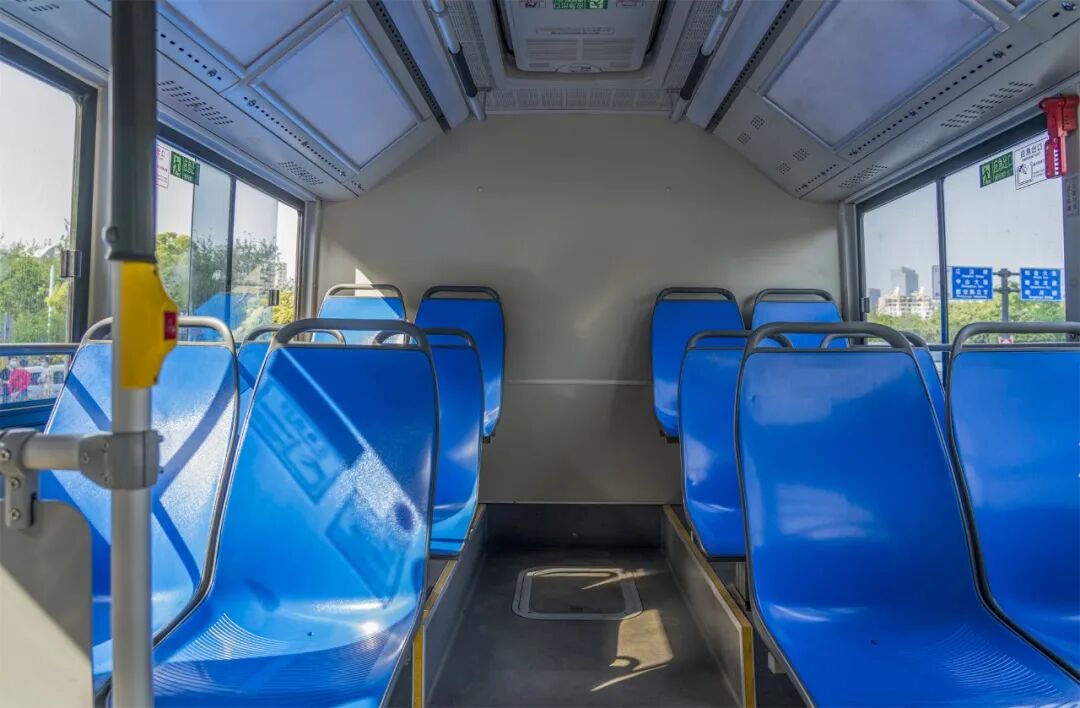
拓展东南亚市场,广汽国际与Grab达成战略合作
Bei Jing Shang Bao· 2026-01-08 12:52
Core Viewpoint - GAC Group has announced a strategic partnership with Grab to promote electric vehicle adoption in Southeast Asia, aiming to deliver 20,000 high-performance electric vehicles within two years [1] Group 1: Partnership Details - GAC International and Grab officially established a deep strategic partnership on January 7, 2026 [1] - The collaboration targets six countries in Southeast Asia for the deployment of electric vehicles [1] Group 2: Goals and Objectives - The partnership aims to accelerate the transition to green mobility in the region [1] - A specific goal of 20,000 high-performance electric vehicles is set to be achieved within a two-year timeframe [1]


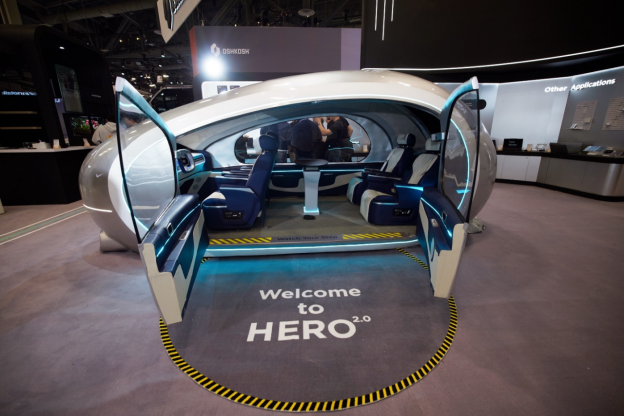
京东方“HERO 2.0 智能座舱”在 CES 2026全球首发 科技赋能绿色出行
Xin Hua Cai Jing· 2026-01-08 12:07
Core Viewpoint - The article highlights the significant advancements made by BOE Technology Group at CES 2026, showcasing over 60 cutting-edge technologies and IoT solutions, including the global debut of the "HERO 2.0 Smart Cockpit," emphasizing China's leadership in global technological innovation and its commitment to high-quality development in the "technology + green" industry [1][9]. Group 1: Smart Cockpit Innovations - BOE launched the "HERO 2.0 Smart Cockpit," which integrates multiple industry-leading technologies to enhance audio-visual experiences, interaction methods, and application scenarios [2]. - The "HERO 2.0 Smart Cockpit" features a Micro LED PHUD with an ultra-high brightness of 50,000 nits, AI voice and gesture control with a 98% command recognition rate, and a 15.6-inch automotive-grade UB Cell central display [2][4]. - The cockpit includes a UB Cell smart wood-patterned table that supports seamless integration of entertainment, relaxation, and office scenarios, redefining the human-vehicle relationship [4]. Group 2: Display Technology Advancements - BOE showcased its latest achievements in three major display technology brands: ADS Pro, f-OLED, and α-MLED, contributing to an open, green, and collaborative ecosystem for the global industry [5]. - The ADS Pro display solution features a 15.6-inch dual-screen with high contrast and low reflection, while the f-OLED segment introduced the world's first all-OLED smart cockpit solution [5][6]. - The α-MLED technology includes a P0.9 ultra-thin HDR Micro LED integrated machine with a contrast ratio of 20,000:1 and a flagship product achieving a refresh rate of 7,680 Hz [6]. Group 3: AI and Sustainable Development - BOE introduced AI-enabled products such as the C100 series AI all-in-one machine and smart pet tanks, promoting the integration of ecological aesthetics and smart technology [8]. - The company displayed over 20 green products at CES 2026, marking a historical high, and engaged in deep exchanges with over 40 global ecological partners [9]. - BOE's sustainable development strategy includes the launch of the "ONE" brand, with significant reductions in power consumption and carbon emissions for its products, and recognition of its manufacturing bases as provincial green factories [10].

2025年汽车以旧换新总量超1150万辆,新能源汽车占比近六成
Hua Xia Shi Bao· 2026-01-08 07:36
Core Insights - The "old-for-new" policy for automobiles in China is expected to drive significant growth in the automotive consumption market and industry upgrades, with over 11.5 million vehicles being replaced and related sales exceeding 2.6 trillion yuan in 2025 [2][3] - The policy has led to a substantial increase in the market share of new energy vehicles (NEVs), with NEVs accounting for nearly 60% of vehicles sold through the replacement program [3][4] - The policy has effectively stimulated demand for vehicle upgrades, contributing over 1 percentage point to the overall retail sales growth of consumer goods in 2025 [4] Group 1: Market Dynamics - The "old-for-new" policy has transformed the automotive market, with NEVs achieving a retail market share exceeding 50% for nine consecutive months, peaking at 59.4% in November [3][4] - The policy has created a strong demand for high-quality, green, and smart vehicles, leading to a significant increase in consumer acceptance of NEVs [3][5] - The automotive sector's growth is supported by a robust demand-driven mechanism that encourages manufacturers to innovate and optimize product structures [5][6] Group 2: Environmental and Social Impact - The recycling and resource regeneration aspects of the "old-for-new" policy have led to a significant increase in the recovery of scrapped vehicles, reaching approximately 9.8 million units in 2025, a 24.5% year-on-year increase [7] - The policy has resulted in the recycling of around 960 million tons of steel and 130 million tons of non-ferrous metals, significantly reducing reliance on primary mineral resources and cutting carbon emissions by approximately 24.5 million tons [7][8] - The active second-hand car market, with transactions reaching 39.7 million units from 2024 to 2025, indicates a maturing automotive market and supports resource conservation [8][9] Group 3: Policy Effectiveness and Future Outlook - The "old-for-new" policy has established a positive feedback loop between market demand, policy incentives, and industry upgrades, enhancing China's competitive position in the global NEV supply chain [5][6] - The policy has not only stimulated immediate sales but also fostered long-term competitiveness through technological innovation and cost optimization [6][9] - As the policy framework continues to evolve, it is expected to further enhance the sustainability and vitality of China's automotive industry, positioning it as a leader in the global transition to low-carbon transportation [9][10]

广西柳州:计量“送检下乡” 护航绿色出行
Xin Lang Cai Jing· 2026-01-07 06:54
Core Viewpoint - The accuracy and fairness of charging measurement for electric vehicles in rural areas of China have become a focal point for public concern, prompting proactive measures from local authorities to ensure consumer rights are protected [1] Group 1: Actions Taken - The Liuzhou Metrology Technical Testing Research Institute has initiated a "charging pile inspection service" in various rural areas, including Liucheng, Rong'an, Rongshui, and Sanjiang, to conduct mandatory inspections of public charging piles [1] - A total of 71 charging stations and 634 charging guns underwent mandatory inspection during this initiative [1] Group 2: Inspection Process - Technicians from the institute conducted comprehensive testing based on national metrology inspection regulations, evaluating key indicators such as appearance, functionality, operational error, and clock accuracy of the charging piles [1] - Qualified charging piles received a compliance label on-site to ensure measurement accuracy and reliability [1] Group 3: Future Plans - The institute plans to deepen collaboration with local market supervision departments to optimize service processes and extend metrology support to grassroots levels, ensuring that urban and rural residents have access to precise and reliable charging services [1]
四川省两会上,基层代表、委员最关注啥?
Si Chuan Ri Bao· 2026-01-06 11:16
Group 1: Cultural and Economic Development - The focus of grassroots representatives at the provincial conference is on cultural prosperity and the promotion of local characteristics in public advertisements, aiming to enhance the representation of Sichuan culture [1] - There is a strong emphasis on creating attractive job opportunities to encourage young people to return to their hometowns, with a specific mention of the establishment of a global dental production base in Ziyang, which is expected to create a demand for at least 10,000 skilled workers [2] - The development of rural tourism is highlighted as a key strategy for revitalizing villages, with a focus on leveraging local agricultural products and enhancing the overall quality of life for farmers [3] Group 2: Environmental Protection and Urban Management - The implementation of a reward system for environmental protection reporting is advocated, particularly in air pollution control, reflecting a collective concern among representatives about environmental issues [5] - The rise of shared bicycles is noted as a solution for urban transportation challenges, although concerns about management and regulation are raised [6] - The effective utilization of hydropower resources in Sichuan is emphasized, with significant achievements in energy substitution and a call for further development of clean energy policies to support environmental goals [6] Group 3: Healthcare and Elderly Care - There is a pressing need for improved access to healthcare in remote areas, with a proposal for an "Internet+" remote consultation model to enhance medical resource distribution [7] - The importance of integrating elderly care facilities within community planning is stressed, aiming to address the challenges of aging populations and improve the quality of life for seniors [7]
广州4条路线入选“中国骑行地图”百条精品骑行路线
Xin Lang Cai Jing· 2026-01-06 00:56
Core Insights - The China Cycling Association has released a list of 100 premium cycling routes for 2025, with eight routes from Guangdong province, including four from Guangzhou, and one each from Huadu and Conghua [2] Group 1: Cycling Routes in Guangzhou - The "Explore the Silk Rice Rural Revitalization" route in Zengcheng is approximately 75 kilometers long, starting and ending at the Zengcheng Silk Rice Cultural Exhibition Hall, connecting various scenic spots and showcasing ecological and cultural experiences [2] - The "Qianlin Secret Realm · Paitan Shiguang Tour" route spans about 108 kilometers, beginning at the Paitan Town Shiguang Camp, featuring hot springs, ancient villages, and natural landscapes, designed for an immersive experience of Zengcheng's natural beauty [3] Group 2: Cycling Routes in Huadu - The Huadu District's "Timi Five Ring Path" cycling route is 29.7 kilometers long, featuring paved surfaces for a smooth riding experience, and includes diverse scenery such as flower seas, open fields, and waterfalls [4] - This route connects notable scenic areas like Prince Mountain Forest Park and Hongshan Village, recognized for its environmental accolades [5] Group 3: Cycling Routes in Conghua - The Conghua District's "Liuxi Greenway Leisure Cycling Line" centers around the Jiekou area, running along both banks of the Liuxi River, with convenient supply points and access to various attractions [6]
1月10日起施行!沧州市中心城区互联网租赁电动自行车管理办法来啦
Xin Lang Cai Jing· 2026-01-05 13:30
Core Viewpoint - The "Cangzhou City Center Internet Rental Electric Bicycle Management Measures" has been approved by the municipal government to regulate the internet rental electric bicycle industry, ensuring public transportation needs and maintaining urban order and environment [2]. Group 1: General Principles - The management of internet rental electric bicycles aims to promote innovation, ensure order, safety, and multi-party governance, while integrating with public transportation to create a convenient, open, and low-carbon green travel system [2][3]. Group 2: Responsibilities of Departments - The transportation department is responsible for guiding and coordinating the integration of internet rental electric bicycles with urban public transport [3]. - The urban management department oversees the management of parking and the order of internet rental electric bicycles, while the public security department handles registration and law enforcement related to these vehicles [4]. Group 3: Vehicle Management - The urban management department, in collaboration with transportation and public security departments, will determine the total number of internet rental electric bicycles based on urban capacity and public demand, with dynamic adjustments [5]. - Rental companies must meet specific criteria, including legal establishment, service management capabilities, and compliance with national safety standards for the vehicles [6][7]. Group 4: Parking Management - Designated non-motor vehicle parking areas must be established by urban management, and rental companies cannot arbitrarily set parking zones [9]. - Rental bicycles must be returned to designated parking areas, and companies are required to guide users to park correctly [10]. Group 5: Operational Services and Safety Management - Rental companies must ensure their facilities comply with national regulations and maintain a sufficient number of management and maintenance personnel [12]. - Companies are encouraged to implement user registration and service agreements that clarify rights, obligations, and insurance provisions [17][18]. Group 6: Supervision and Management - Relevant departments are tasked with supervising the management of internet rental electric bicycles and addressing complaints and violations [16]. - Companies failing to manage parking effectively may face public reporting and restrictions on their operations [26].