AI制药

Search documents
医药生物行业跟踪周报:JPM2026最前线观察:中国创新药再次成为全球焦点-20260118
Soochow Securities· 2026-01-18 14:38
Investment Rating - The report maintains an "Overweight" rating for the pharmaceutical and biotechnology industry [1]. Core Insights - The Chinese innovative drug sector has regained global attention, with over 20 Chinese pharmaceutical companies showcasing their advancements at the JPM 2026 conference. Notable companies like Heng Rui and BeiGene are expected to see significant revenue growth and product approvals in the coming years [4][17]. - The A-share pharmaceutical index has shown a year-to-date increase of 7.08%, outperforming the CSI 300 index by 4.88% [4][9]. - The report highlights specific sub-sectors within the industry, ranking them as follows: innovative drugs > research services > CXO > traditional Chinese medicine > medical devices > pharmacies [10]. Summary by Sections Industry Trends - The A-share pharmaceutical index has increased by 0.9% this week, with a year-to-date performance of 7.08%, while the Hang Seng Healthcare Index has risen by 15.63% [4][9]. - Medical services, raw materials, and medical devices have shown strong performance, with weekly increases of 5.63%, 1.70%, and 1.31%, respectively [4][9]. Company Highlights - Heng Rui is projected to achieve over 25% growth in innovative drug revenue in 2026, with multiple key drug approvals expected [17][18]. - BeiGene has solidified its position in hematological malignancies and is accelerating breakthroughs in solid tumors, with significant revenue growth reported [19]. Investment Recommendations - The report suggests focusing on specific companies based on their strengths in various therapeutic areas, including: - PD1 PLUS: Sangamo Therapeutics, CanSino Biologics, Innovent Biologics, and Zai Lab [13]. - ADC: I-Mab Biopharma, Kelun Pharmaceutical, and Bai Li Tianheng [13]. - Small nucleic acids: Frontier Biotechnologies, Fuyuan Pharmaceutical, and Yuyuan Pharmaceutical [13]. - Autoimmunity: Kangnuo Pharmaceutical, Yifang Biopharmaceutical, and Yipinhong [13]. - Leading innovative drug companies: BeiGene and Heng Rui [13]. - CXO and upstream research services: WuXi AppTec, Haoyuan Pharmaceutical, and Aopumai [13]. - Medical devices: United Imaging Healthcare and Yuyue Medical [13]. - AI drug development: Crystal Technology [13]. - GLP-1: Lianbang Pharmaceutical, Borui Pharmaceutical, and Zhongsheng Pharmaceutical [13]. - Traditional Chinese medicine: Zhaoli Pharmaceutical, Fangsheng Pharmaceutical, and Dong'e Ejiao [13].

华兰股份(301093):依托药企客户优势,深度布局AI制药
HTSC· 2026-01-18 08:45
Investment Rating - The report maintains a "Buy" rating for the company [5][7]. Core Views - The company is expected to benefit from the continuous growth of its cartridge bottle components, with projected revenue growth in 2026 [1][4]. - The global AI-enabled drug development market is anticipated to grow from USD 11.9 billion in 2023 to USD 74.6 billion by 2032, with a compound annual growth rate (CAGR) of 22.6% [3]. - The establishment of a wholly-owned subsidiary and investment in Suzhou Kema Biotechnology are seen as strategic moves to enhance the company's capabilities in AI drug development [2][3]. Summary by Sections Investment Rating - The target price is set at RMB 69.60, reflecting a price-to-earnings (PE) ratio of 85x for 2026, which is a premium compared to the industry average [5][7]. Company Strategy - The company has made significant investments in AI drug development, including the establishment of an AI pharmaceutical committee and partnerships with technology firms [1][3]. - The company aims to leverage its extensive customer base of over 1,000 pharmaceutical companies across more than 40 countries to facilitate the commercialization of its AI-enabled drug development initiatives [2][3]. Financial Projections - Revenue is projected to reach RMB 896.34 million in 2026, with a year-on-year growth of 17.17% [11]. - The net profit attributable to the parent company is expected to be RMB 134.46 million in 2026, reflecting a 24.44% increase from the previous year [11]. - The company anticipates a stable performance in its core business of pharmaceutical rubber stoppers, with revenue growth expected to be between 5% and 15% [4].
外企高管转型中国创新药“推销员”,黄仁勋也来共享顶级资本盛宴
第一财经· 2026-01-17 17:47
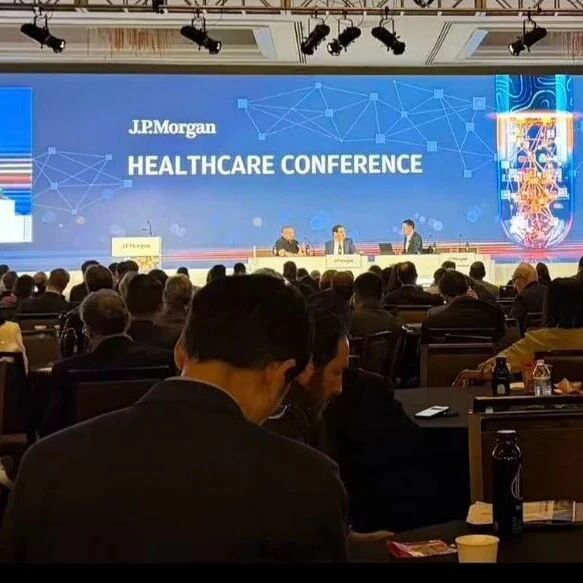
Core Insights - The JPMorgan Healthcare Conference, known as the "Spring Festival of the Pharmaceutical Industry," has increasingly highlighted the role of Chinese biopharmaceutical companies and investors, indicating a shift towards recognizing China's innovation capabilities in drug development [3][11]. Group 1: Conference Highlights - The conference showcased a growing interest in Chinese innovation, with discussions frequently focusing on collaboration opportunities and the competitive landscape involving China [3][11]. - Many multinational pharmaceutical companies organized closed-door sessions specifically for Chinese innovation, reflecting a significant engagement with Chinese projects [10][11]. - The overall sentiment towards Chinese biopharmaceutical companies has improved, with global capital increasingly viewing them as equal partners in technology output rather than just recipients of foreign investment [13][14]. Group 2: Industry Trends - The trend of multinational pharmaceutical executives transitioning to roles in Chinese biopharmaceutical firms is notable, as they bring valuable experience and networks to the industry [8][10]. - The urgency for multinational companies to acquire innovative assets from China is driven by the impending patent cliffs for blockbuster drugs, creating a historical opportunity for Chinese innovations to enter global markets [14]. - The number of licensing agreements for innovative drugs from China is expected to rise, with over one-third of such agreements in 2025 already coming from Chinese companies [14][15]. Group 3: AI in Biopharmaceuticals - The integration of AI in drug discovery is becoming a focal point, with predictions that AI could significantly reduce the time and cost of early drug development [19][24]. - Major pharmaceutical companies are increasingly collaborating with AI firms to enhance their drug development processes, as seen in partnerships announced during the conference [21][23]. - The AI pharmaceutical market is projected to grow from over $1 billion in 2022 to nearly $3 billion by 2026, indicating a robust future for AI-driven drug discovery [24].

外企高管转型中国创新药“推销员”,黄仁勋也来共享顶级资本盛宴
Di Yi Cai Jing· 2026-01-17 12:16
Group 1 - The core message of the news is that Chinese innovative drugs are transitioning from dawn to a breakthrough moment, with the development cycle of drug research expected to be significantly shortened due to advancements in AI and other technologies [1][21] - The JPMorgan Healthcare Conference, known as the "Spring Festival of the Pharmaceutical Industry," has increasingly featured Chinese investors and biopharmaceutical companies, indicating a growing focus on China in global discussions [1][6] - Many discussions at the conference highlighted the speed and efficiency of Chinese biotechnology companies in advancing projects, positioning them as equal technology exporters in global competition [29][30] Group 2 - Josh Smiley, president of Zai Lab, emphasized the need for more effort in promoting their story to investors, reflecting the increased intensity of the conference compared to a decade ago [23][26] - Chen Feng, CEO of Bole Capital, noted that many multinational pharmaceutical companies arranged closed-door meetings specifically for Chinese innovation, indicating a strong interest in collaboration [5][27] - The conference showcased a significant presence of Chinese companies, with over 100 CEOs from domestic biotech firms attending, highlighting the active engagement of Chinese enterprises on the international stage [5][27] Group 3 - The acquisition of a new dual-antibody drug by AbbVie for up to $5.6 billion from Rongchang Biotech marked a significant transaction, indicating a robust trend in Chinese innovative drug licensing expected to continue through 2026 [30] - The global pharmaceutical market is increasingly recognizing Chinese innovation as a vital source for their pipelines, with a notable shift in attitudes towards collaboration with Chinese firms [29][30] - The AI pharmaceutical market is projected to grow from over $1 billion in 2022 to nearly $3 billion by 2026, reflecting the industry's increasing reliance on AI technologies for drug discovery [41] Group 4 - AI technologies for drug discovery have become a major focus in the investment community, with significant collaborations announced at the conference, such as the $1 billion partnership between NVIDIA and Eli Lilly [37][40] - The success rate of AI-generated drug molecules in Phase I clinical trials is expected to reach 80-90% by 2025, surpassing historical averages, indicating a breakthrough in the clinical validation of AI-driven drug development [41][42] - The shift in AI pharmaceutical competition is moving from models and algorithms to data quality and generation, emphasizing the importance of high-quality data in drug development [40]


深度|外企高管转型中国创新药“推销员”,黄仁勋也来共享顶级资本盛宴
Di Yi Cai Jing· 2026-01-17 12:12
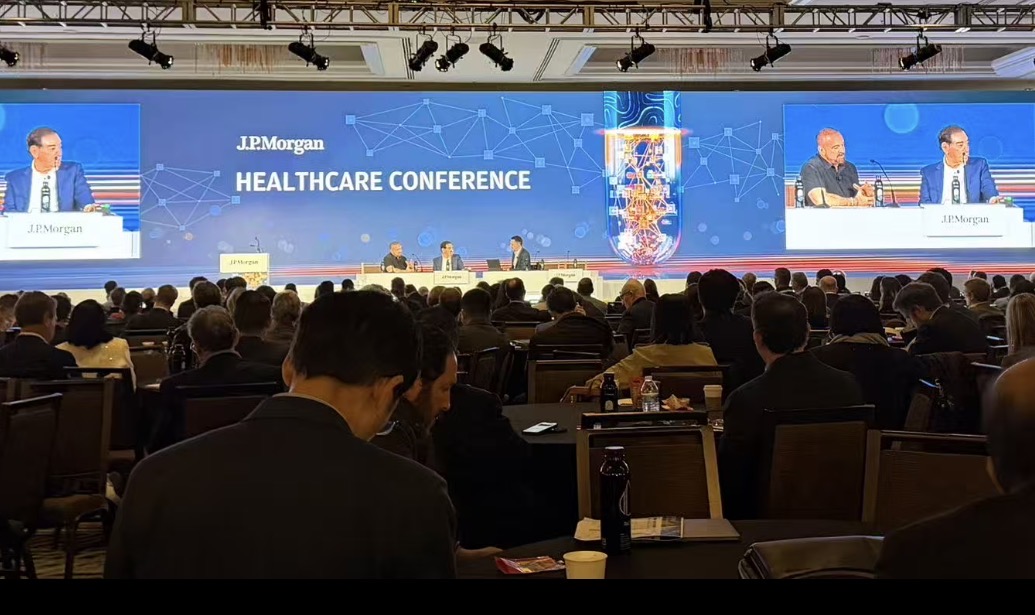
Group 1: JPM Conference Overview - The JPMorgan Healthcare Conference, known as the "Spring Festival of the Pharmaceutical Industry," concluded this weekend, highlighting its status as a premier global healthcare investment event and a barometer for investment trends [1] - This year's conference saw a significant presence of Chinese investors and biopharmaceutical companies, with discussions frequently focusing on China, covering innovation pipelines, collaboration opportunities, and global competition [1][8] - The conference signaled a positive outlook for Chinese innovative drugs, indicating a transition from dawn to dawn, with advancements in AI technology expected to significantly shorten drug development cycles [1] Group 2: Executive Insights - Josh Smiley, President of Zai Lab, participated in the JPM conference, emphasizing the increased effort required to keep pace with the event's demands, having held 14 meetings in one day [3][4] - Smiley noted the shift from a multinational pharmaceutical executive to leading a smaller Chinese company, highlighting the need for more effort in "selling" the company's story to investors [6] - Chen Feng, CEO of Boying Capital, also attended the conference, bringing nearly 20 projects from Chinese companies to connect with multinational pharmaceutical firms and global capital [7] Group 3: Chinese Innovation and Global Perception - The term "China" emerged as a key theme at the conference, with major pharmaceutical companies actively seeking to incorporate Chinese innovative assets into their research pipelines [8][9] - There is a growing recognition of Chinese biotechnology companies as equal partners in global competition, with many multinational firms viewing Chinese innovation as a vital source for their pipelines [9] - The conference featured closed-door sessions specifically for Chinese innovation, organized by companies like Pfizer and Roche, indicating a strong interest in Chinese projects [7] Group 4: Market Dynamics and Opportunities - The acquisition of a new dual-antibody drug by AbbVie for up to $5.6 billion from Rongchang Biotech marked a significant transaction, reflecting the increasing momentum of Chinese innovative drugs in global markets [10] - Over one-third of the announced innovative drug licensing agreements in 2025 are expected to originate from China, indicating a robust trend in international collaborations [10] - Despite the enthusiasm in the biopharmaceutical capital market, challenges remain, particularly regarding geopolitical risks and regulatory uncertainties that could impact investment decisions [12] Group 5: AI in Drug Development - AI technology has become a focal point at the conference, with companies increasingly leveraging AI to enhance drug discovery and development processes [17] - A partnership between Nvidia and Eli Lilly was announced, involving a $1 billion investment to establish a joint research lab aimed at accelerating AI-driven drug development [17][18] - The global AI pharmaceutical market exceeded $1 billion in 2022 and is projected to approach $3 billion by 2026, highlighting the rapid growth and potential of AI in the industry [21] Group 6: Future Trends and Challenges - The success rate of AI-generated drug molecules in Phase I clinical trials is projected to reach 80-90% by 2025, surpassing historical averages, indicating a significant breakthrough in drug development [21] - The transition of AI pharmaceutical development from early research to clinical validation is seen as a critical milestone for the industry [22] - Companies are increasingly focused on generating high-quality data and building robust AI models to maintain a competitive edge in drug development [20]
36氪精选:募资23亿,礼来、淡马锡护航这家AI公司上市
日经中文网· 2026-01-17 00:33
Core Viewpoint - The article discusses the successful IPO of Insilico Medicine, highlighting the growing acceptance and potential of AI in drug discovery and development, marking a critical point for AI-driven pharmaceutical innovations [5][7]. Group 1: IPO and Market Reception - Insilico Medicine's IPO raised approximately HKD 2.3 billion, the highest for a pre-revenue biotech firm in Hong Kong in 2025, with a subscription rate exceeding 1,400 times [5][7]. - The company attracted significant interest from major investors, including Eli Lilly and Temasek, with cornerstone investors accounting for about 39% of the shares [5][6]. Group 2: AI Drug Discovery Platform - Insilico's core platform, Pharma.AI, enables efficient drug discovery, reducing the time from target identification to preclinical candidate selection to 1-1.5 years, which is about one-third of traditional methods [9][10]. - The platform has demonstrated the ability to generate viable preclinical candidates at a cost of USD 200-300 million, significantly lower than traditional approaches [10]. Group 3: Clinical Pipeline and Development - Insilico has developed over 20 clinical/IND-stage assets, showcasing the platform's capability in drug development [11]. - The company plans to allocate nearly half of the IPO proceeds to advance its core pipeline in clinical trials [12]. Group 4: Business Model and Revenue Streams - Insilico's business model includes self-developed pipelines, AI+CRO services, and software sales, with drug discovery and pipeline development expected to generate significant revenue [17][18]. - Revenue from drug discovery and pipeline development is projected to grow from USD 28.6 million in 2022 to USD 79.7 million in 2024, constituting 92%-95% of total revenue [18][19]. Group 5: Strategic Partnerships and Collaborations - The company has established direct BD collaborations and partnerships with major pharmaceutical companies, enhancing its revenue through upfront and milestone payments [21]. - Insilico's collaboration with Exelixis on a drug targeting BRCA-mutant tumors has become a significant revenue source, contributing over 60% of total revenue in the respective periods [21]. Group 6: Financial Performance and Future Outlook - Insilico's net losses are projected to decrease from USD 70.8 million in 2022 to USD 22.7 million in 2024, indicating an improving financial outlook [22]. - The company aims to develop 4-5 preclinical candidates annually and advance 1-2 projects into clinical development, reflecting its growth strategy [16].
JPM 2026:AI破局,肥胖引爆,巨头血战新王座
Xin Lang Cai Jing· 2026-01-15 14:15
Core Insights - 2026 is identified as a pivotal year for transformation and output in the global biopharmaceutical industry, with major companies revealing strategic developments at the JMP conference [1] - The industry is experiencing extreme differentiation, with ADC and GLP-1 seen as key growth engines for the next five years, while mRNA, siRNA, and RLT are transitioning from concepts to clinical norms [1][9] - The BD strategies are becoming more precise, with 2025's small-scale acquisitions starting to yield results, and the logic behind mergers and acquisitions in 2026 expected to diversify [1] Hot Track Dynamics: Dual Drivers of Technology Iteration and Indication Expansion - ADC remains a leading player in the oncology sector, with Merck advancing multiple ADC assets through collaboration with Daiichi Sankyo [12] - BeiGene views ADC as a core technology and is actively promoting drug accessibility globally [12] - Eli Lilly has completed several ADC-related transactions to enhance its capabilities in cancer treatment [12] Weight Management Market Transition - The weight management market is shifting from simple weight loss to comprehensive management of metabolic syndrome, with Eli Lilly focusing on AI-driven drug discovery and direct patient engagement [14] - Roche's acquisition of Carmot Therapeutics enhances its pipeline with new metabolic therapies [14] - Sanofi is expanding the indications for its core asset Dupixent and advancing its autoimmune pipeline [14] Key Corporate Strategic Planning: Core Track Deepening and Platform Layout - Eli Lilly's strategy focuses on obesity and AI-driven drug development, with a projected investment of up to $1 billion in collaboration with NVIDIA [15] - Pfizer aims to maximize core transaction value and apply AI across its business chain, targeting a $150 billion market in obesity by 2030 [15] - Amgen is accelerating the integration of biotechnology and AI, with a focus on rare diseases and partnerships in China [16] BD Trends: Core Logic of Track Reinforcement and Ecological Synergy - The pharmaceutical industry is seeing a concentration of mergers and acquisitions in ADC and bispecific antibodies, with major companies acquiring key assets and technology platforms [17] - Big Pharma is shifting from scale expansion to pipeline restructuring to avoid revenue cliffs due to upcoming patent expirations [18] - The focus is on mid-stage assets with immediate Phase 3 potential, which are expected to have a premium advantage over early-stage assets [18] Industry Outlook - The biopharmaceutical industry is entering an "innovation harvest period" from 2026 to 2030, with GLP-1 drugs evolving into comprehensive metabolic management platforms [19] - The market for GLP-1 receptor agonists in China is projected to reach approximately 38.3 billion yuan by 2030 [19] - The commercialization of cutting-edge therapies is approaching a "singularity," with advancements in cell and gene therapies and RNA therapies expected to overcome production and reimbursement challenges [19][20]


15天9起合作,狂飙60亿美元!2026AI制药开门红,礼来、英伟达、赛诺菲重金押注!
Xin Lang Cai Jing· 2026-01-15 14:09
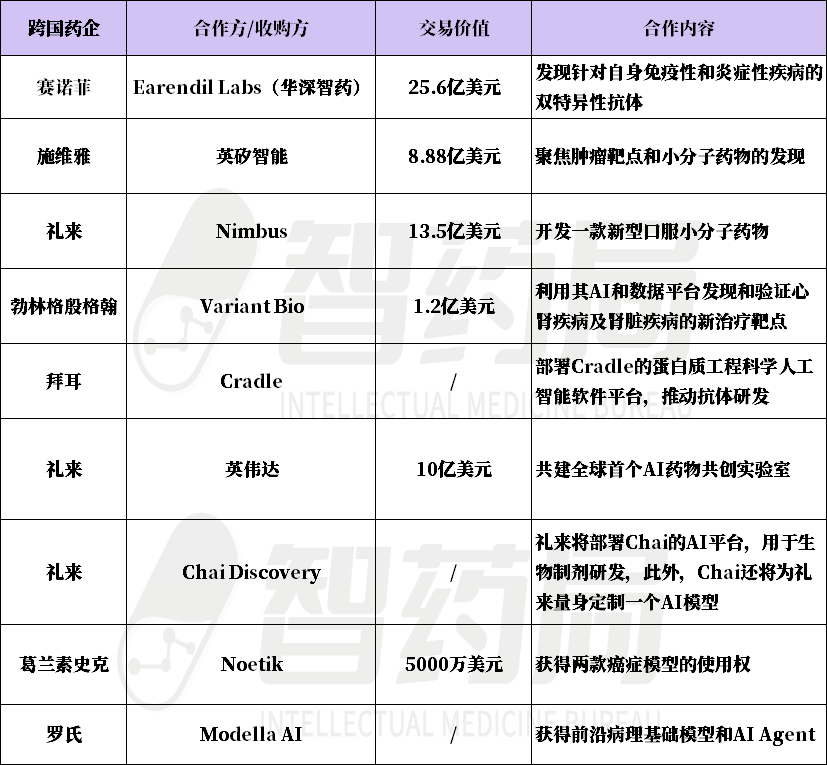
Core Insights - The pharmaceutical industry is experiencing a surge in AI drug development collaborations, with over 9 partnerships announced in just 15 days, totaling more than $6 billion [1][18] - Major pharmaceutical companies are systematically integrating AI, particularly large biopharmaceutical models, into their core R&D processes, moving beyond small-scale pilot projects to enhance efficiency and overcome R&D bottlenecks [3][20] Group 1: Collaborations and Investments - Sanofi partnered with Earendil Labs for $2.56 billion to discover bispecific antibodies for autoimmune and inflammatory diseases [2][19] - Eli Lilly invested $1 billion with NVIDIA to co-build the world's first AI drug co-creation laboratory [2][23] - Takeda renewed its collaboration with Nabla Bio for over $1 billion to strengthen its AI drug development efforts [5][21] Group 2: Shift in AI Utilization - AI is transitioning from pilot projects to foundational infrastructure within pharmaceutical companies, with a shift in investment focus from R&D expenses to strategic investments [5][22] - The collaborations are diverse, including traditional project-based agreements, model subscriptions, platform co-construction, and acquisitions [2][19] Group 3: Advancements in AI Models - The industry is increasingly investing in large biopharmaceutical models, moving from a focus on small chemical molecules to more complex biologics [6][24] - The release of AlphaFold3 has significantly improved the accuracy of predicting biological interactions, marking a turning point in the industry [28] - Companies like GSK are willing to pay substantial fees for access to advanced AI models, indicating a shift in how AI platforms are valued in drug development [13][30] Group 4: Future Trends - The demand for AI and related platforms in the pharmaceutical industry is expected to grow, with companies needing to integrate top AI capabilities with internal biological insights and clinical data [15][16] - The emergence of AI agents and automated laboratory technologies based on large models has the potential to disrupt traditional R&D logic [30]


10亿美元押注!英伟达、礼来剑指AI制药,药物研发变革加速
2 1 Shi Ji Jing Ji Bao Dao· 2026-01-15 09:25
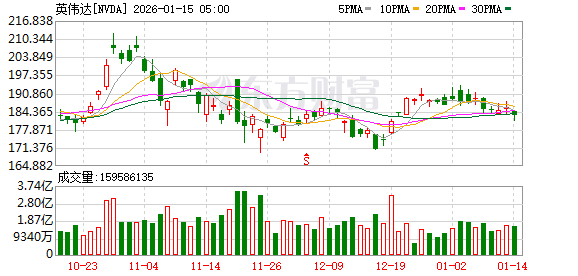
Core Viewpoint - Nvidia and Eli Lilly announced a collaboration to establish an AI Joint Innovation Lab aimed at addressing long-standing challenges in the pharmaceutical industry through artificial intelligence technology [1] Group 1: Collaboration Details - The AI Joint Innovation Lab will integrate Eli Lilly's expertise in drug discovery, development, and manufacturing with Nvidia's strengths in AI, accelerated computing, and AI infrastructure [1][2] - Both companies plan to invest up to $1 billion over the next five years in talent, infrastructure, and computing power to support the lab [1][2] - The lab will be located in the San Francisco Bay Area and will employ a co-location model to facilitate close collaboration between Eli Lilly's pharmaceutical scientists and Nvidia's AI model engineers [2] Group 2: AI Applications in Drug Development - The initial focus will be on building a continuous learning system that connects Eli Lilly's smart wet lab with Nvidia's computational dry lab, enabling AI-assisted experiments [2][3] - The collaboration will explore AI applications beyond drug discovery, including clinical development, manufacturing, and commercial operations, integrating multimodal models, agent-based AI, robotics, and digital twins [3] Group 3: Industry Trends and Market Potential - The AI pharmaceutical sector has seen significant collaborations among major pharmaceutical companies, indicating a potential reshaping of the global drug development landscape [2][4] - According to McKinsey, the global AI pharmaceutical market could reach between $28 billion and $53 billion in the long term, with China's AI pharmaceutical industry expected to exceed 500 billion yuan by 2025 to 2030 [5] - The shift in the pharmaceutical industry's approach to AI, with a growing preference for external solutions over in-house development, is driving continued investment and collaboration in the AI pharmaceutical space [6] Group 4: Future Outlook - Analysts predict that 2026 may see leading companies in the AI + pharmaceutical sector achieve significant performance and valuation improvements, marking a period of valuation reconstruction [7] - The deep integration of AI and pharmaceuticals is becoming an industry consensus, with major players and capital focusing on accelerating drug development into a new phase driven by technology [7]
10亿美元押注!英伟达、礼来剑指AI制药 药物研发变革加速
2 1 Shi Ji Jing Ji Bao Dao· 2026-01-15 09:24
Group 1 - Nvidia and Eli Lilly announced a collaboration to establish an AI joint innovation lab aimed at addressing challenges in the pharmaceutical industry using AI technology [2][3] - The lab will integrate Eli Lilly's expertise in drug discovery and development with Nvidia's strengths in AI and accelerated computing, with a joint investment of up to $1 billion over the next five years [2][4] - This partnership is expected to revolutionize existing drug development paradigms by combining large-scale data and scientific knowledge with advanced computational capabilities [2][4] Group 2 - The AI joint innovation lab will be located in the San Francisco Bay Area and will promote close collaboration between Eli Lilly's pharmaceutical experts and Nvidia's AI model engineers [3][4] - Initial focus will be on building a continuous learning system that connects Eli Lilly's smart wet lab with Nvidia's computational dry lab, enabling AI-assisted experiments [4] - Beyond drug discovery, the collaboration will explore AI applications in clinical development, manufacturing, and commercial operations [4] Group 3 - Eli Lilly has been actively pursuing partnerships in the AI pharmaceutical sector, including collaborations with Chinese AI companies and other major pharmaceutical firms [5][6] - The global AI pharmaceutical market is projected to reach between $28 billion and $53 billion, with significant growth expected in China's smart pharmaceutical industry [6][7] - The strategic shift towards AI in drug development is leading to increased capital interest and a transformation in how pharmaceutical companies approach AI solutions [7][8]