
全国统一大市场

Search documents
第十四届全国政协委员尹艳林:让有钱且愿消费的人顺利消费 个税起征点可提高,最高边际税率可下调 让有关群体少缴税、多收入
Mei Ri Jing Ji Xin Wen· 2025-11-17 14:29
10月28日,《中共中央关于制定国民经济和社会发展第十五个五年规划的建议》(以下简称《建议》) 正式发布。记者注意到,此次《建议》在投资、消费等领域出现多个新提法。这些新提法背后有怎样的 深意?在我国经济迈向"十五五"的关键节点,如何破解消费率偏低、内需动力不足的深层矛盾?面对复 杂严峻的国内外环境,深化改革的突破口究竟在哪里? 带着这些关乎经济发展全局的核心问题,近日,《每日经济新闻》记者(以下简称NBD)专访了第十 四届全国政协委员尹艳林。尹艳林深耕宏观经济领域多年,曾长期任职于国家发改委和原中央财经领导 小组办公室,对中国经济体制改革、供需结构调整等议题有着深刻洞察和独到见解。他对扩大内需、全 国统一大市场等领域的问题,都提出了具体的改革方向和建议。 新型城镇化仍然是经济增长的重要引擎 NBD:《建议》在"十五五"时期经济社会发展的主要目标中提出,全要素生产率稳步提升,居民消费率 明显提高,内需拉动经济增长主动力作用持续增强。这对今后几年的经济发展会产生哪些影响? 尹艳林:全要素生产率稳步提升对应高质量发展阶段的创新驱动逻辑。创新发挥作用,首先就表现在全 要素生产率的提升。这一表述是从供给端突出科技进步 ...
市场监管总局推动保健食品首次纳入免税店经营品类
Zheng Quan Ri Bao Wang· 2025-11-17 06:03
市场监管总局将指导各有关省区市市场监管部门推动有关政策尽快落地见效,持续加强保健食品质量安 全监管,督促企业落实质量安全主体责任,全力保障保健食品质量安全,推动保健食品行业实现高质量 发展和高水平安全良性互动。 根据我国有关法律法规规定,免税店销售的保健食品应当依法取得注册证书或者备案凭证。销售保健食 品等特殊食品,还应当依法取得食品经营许可或者仅销售预包装食品备案。 本报讯(记者寇佳丽)近期,为贯彻落实《中共中央国务院关于加快建设全国统一大市场的意见》以及中 共中央办公厅、国务院办公厅《提振消费专项行动方案》决策部署,国家市场监督管理总局(以下简 称"市场监管总局")坚持以高质量供给创造有效需求,积极与财政部等部门沟通,成功推动体现中华优 秀传统文化的特色优质保健食品纳入扩大口岸出境免税店、口岸进境免税店和市内免税店的经营品类, 拓展保健食品销售渠道,推动保健食品行业高质量发展。 ...
中经评论:完善政府采购事关全国统一大市场
Jing Ji Ri Bao· 2025-11-17 00:03
Core Insights - The total government procurement scale in China for 2024 is projected to reach 33,750 billion yuan, showing significant growth from 1,009 billion yuan in 2002, indicating a promising future for government procurement [1] Group 1: Government Procurement Scale and Structure - The proportions of government procurement in terms of goods, engineering, and services are 23.54%, 41.01%, and 35.45% respectively [1] - Government procurement is a crucial method of fiscal expenditure and an essential part of the national unified market [1] Group 2: Policy Functions and Economic Impact - Government procurement serves as an effective tool for macroeconomic regulation, particularly in supporting technological innovation, small and medium-sized enterprises (SMEs), and promoting green and low-carbon development [2] - In 2024, mandatory procurement for energy-saving and water-saving products is set at 33.7 billion yuan, while priority procurement for environmental products is 79.5 billion yuan [2] - Contracts awarded to SMEs account for over 70% of the total government procurement amounting to 24,230 billion yuan [2] Group 3: Challenges and Opportunities - Despite progress in institutional development and market scale, the proportion of government procurement relative to GDP remains low compared to international standards, indicating substantial potential for growth [2] - Recent trends show a slight decline in government procurement scale, attributed to tighter budgets in party and government agencies, highlighting the need for structural optimization and quality improvement in procurement [2] Group 4: Enhancing Fair Competition and Transparency - Strengthening the policy functions of government procurement is essential, especially in promoting innovation and supporting SMEs [3] - The government aims to establish a fair, transparent procurement system, addressing issues such as unreasonable conditions in bidding processes and local protectionism [4] - Measures to enhance transparency and public access to procurement information are crucial for fostering a healthy and stable government procurement environment [4]
完善政府采购事关全国统一大市场
Jing Ji Ri Bao· 2025-11-16 22:08
Core Insights - Government procurement is a significant method of fiscal expenditure and plays a crucial role in macroeconomic regulation, particularly in supporting technological innovation, small and medium-sized enterprises (SMEs), and promoting green and low-carbon development [1][2] Group 1: Government Procurement Scale and Structure - The national government procurement scale for 2024 is projected to reach 33,750 billion yuan, with proportions for goods, engineering, and services at 23.54%, 41.01%, and 35.45% respectively [1] - From 2002 to the present, government procurement has increased from 1,009 billion yuan to over 33 trillion yuan, indicating significant growth and promising prospects [1] Group 2: Support for SMEs and Innovation - In 2024, mandatory procurement and priority procurement for energy-saving and water-saving products amount to 33.7 billion yuan and 79.5 billion yuan respectively; contracts awarded to SMEs total 24,230 billion yuan, accounting for over 70% of the national procurement scale [2] - The government aims to enhance support for SMEs through procurement policies, including reserved quotas and price evaluation preferences [3] Group 3: Challenges and Opportunities - Despite progress in institutional development and market scale, the proportion of government procurement relative to GDP in China remains low compared to the international average of 10% to 15%, indicating substantial potential for growth [2] - Recent trends show a slight decline in government procurement scale, attributed to tighter fiscal policies among party and government agencies, highlighting the need for structural optimization and quality improvement in procurement [2] Group 4: Fair Competition and Transparency - Establishing a unified and fair competition system is essential for building a national unified market, necessitating the elimination of discriminatory practices in procurement based on ownership, organization form, or unnecessary registration requirements [4] - Enhancing transparency and information disclosure in government procurement processes is crucial for ensuring fair competition and preventing issues such as lowest bid wins and collusion [4]
坚持有效市场和有为政府相结合(学习贯彻党的二十届四中全会精神)
Ren Min Ri Bao· 2025-11-16 22:04
Core Viewpoint - The article emphasizes the importance of effectively combining a market-driven economy with proactive government intervention to enhance the socialist market economy in China, as outlined in the 15th Five-Year Plan [1][2]. Group 1: Significance of Combining Market and Government - The understanding of the relationship between government and market has deepened over 40 years of reform and opening up, with a focus on utilizing both the "invisible hand" of the market and the "visible hand" of the government [2][3]. - The 15th Five-Year period is crucial for achieving socialist modernization, making the combination of an effective market and a proactive government essential for maintaining stable economic and social development [2][3]. Group 2: Economic System Reform - Deepening economic system reform is a key requirement for leveraging the advantages of the socialist market economy, necessitating a clearer delineation of government and market roles to enhance productivity and social vitality [3][4]. - The need for market-oriented reforms is highlighted, addressing existing barriers to competition and government inefficiencies [3][4]. Group 3: High-Quality Development - High-quality development is the primary task during the 15th Five-Year period, requiring a comprehensive implementation of new development concepts to ensure effective qualitative and quantitative economic growth [4][5]. - The synergy between market forces and government actions is crucial for achieving high-quality development, with the market driving innovation and the government ensuring a healthy operational environment [4][5]. Group 4: Domestic Circulation and External Challenges - Strengthening domestic circulation is essential to counterbalance external uncertainties, with a focus on maximizing the roles of both government and market in resource allocation [5][6]. - The article emphasizes the importance of leveraging China's large population and economic scale to enhance domestic demand and resource utilization [5][6]. Group 5: Market System Construction - The establishment of a unified, open, competitive, and orderly market system is necessary for optimizing resource allocation and enhancing market vitality [6][7]. - The article outlines the need for a nationwide unified market that promotes fair competition and reduces barriers to entry [7][8]. Group 6: Fair Competition and Legal Framework - Ensuring fair competition is fundamental to market economics, with ongoing efforts to strengthen competition policies and eliminate monopolistic practices [8][9]. - The construction of a legal and credit-based economy is essential for guiding economic activities and enhancing the credibility of market participants [9][10]. Group 7: Government Regulation and Service Improvement - Effective government regulation is necessary to correct market failures and ensure compliance with competition standards [10][11]. - Improving government services is vital for fostering a conducive business environment, with a focus on efficiency and responsiveness to the needs of enterprises and citizens [11][12].
跑好快递“最后一公里”
Jing Ji Ri Bao· 2025-11-16 21:51
国家邮政局11月10日发布的2025年10月中国快递发展指数报告显示,10月,快递业逐渐步入业务旺季, 市场规模加速增长。10月中下旬,快递企业深化与电商协同发展,为电商大促提供有力保障,日均快递 业务量达6亿件左右。 与此同时,主要快递企业积极落实反"内卷"要求,更加注重末端服务质量。10月,重点地区72小时妥投 率预计为85.8%,同比提升1.5个百分点。 "末端'最后一公里'是快递用户服务体验的关键场景。"国家邮政局党组成员、副局长廖进荣表示,下一 步要重点提升快递业服务品质,反对"内卷式"竞争,推进差异化竞争,更好满足用户的知情权、选择 权,以快捷、温馨的服务,带给用户更好的体验。 深度融入产销环节 秋意渐深,大闸蟹进入销售旺季。在江苏省苏州市大闸蟹商家海易阁的发货仓,打包好的蟹箱正通过传 送带有条不紊地输送至楼下等候的快递车中。 "以前是'货等车',现在是'车等货'。只要订单出来,货马上就能发走,再也不用担心错过班车。"海易 阁业务负责人赵若伊告诉记者,今年"双11"大促启动以来,海易阁销量同比增长1倍。为保障发货顺 畅,今年京东物流派驻了10名工作人员,全程协助打包、装车,并调配3辆货车循环作业, ...
展望“十五五” | 专访尹艳林:让有钱且愿消费的人顺利消费;个税起征点可提高 最高边际税率可下调 让有关群体少缴税、多收入
Mei Ri Jing Ji Xin Wen· 2025-11-16 14:29
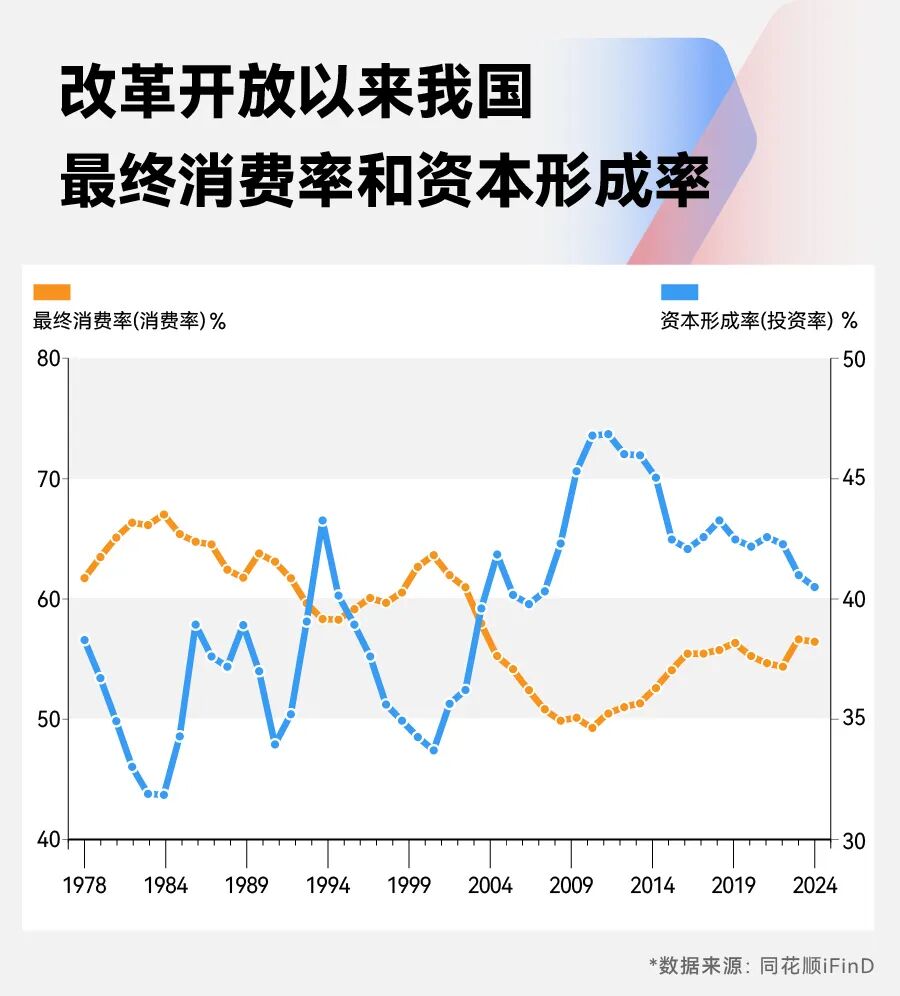
Core Viewpoint - The "15th Five-Year Plan" emphasizes the need for reforms to boost domestic consumption and address structural issues in the economy, particularly in the context of low consumption rates and insufficient domestic demand [1][2]. Investment and Consumption - The plan highlights the importance of increasing total factor productivity and significantly raising the household consumption rate, which is currently low compared to developed countries [2][5]. - The relationship between investment and consumption is dynamic; as investment rates decline, consumption rates are expected to rise, indicating a need for a balanced approach to both [6]. Urbanization and Economic Growth - New urbanization is identified as a crucial engine for economic growth, with millions of rural residents still needing to transition to urban areas, necessitating substantial investment in public services [8][9]. - The urbanization rate in China has reached 67%, but there remains a significant gap between registered and actual urban populations, indicating ongoing opportunities for investment [8]. Consumer Demand and Restrictions - The removal of unreasonable restrictions on major consumer goods like automobiles and housing is seen as a direct method to stimulate consumption among those with purchasing power [8][10]. - The central government is expected to push for these changes, although implementation may vary by locality due to differing regional conditions [10]. Taxation and Disposable Income - Increasing the personal income tax threshold and optimizing tax rates are proposed as effective measures to enhance disposable income for middle-income groups, thereby stimulating consumption [11][12]. - The current tax burden on middle-income earners is considered heavy, and adjustments could lead to significant increases in consumer spending [12]. Investment Strategy - The plan calls for a combination of investments in both physical infrastructure and human capital, emphasizing that investments should directly benefit the population [20][21]. - Effective investment is defined not solely by financial returns but also by its ability to stimulate demand and improve public welfare [23][25]. Private Sector Engagement - The government aims to increase the share of private investment, particularly in sectors traditionally dominated by state-owned enterprises, to enhance market competition and innovation [26][27]. - Legal and institutional reforms are necessary to ensure that private enterprises can compete fairly and access resources [26]. Market Integration - The plan stresses the need to eliminate barriers to building a unified national market, addressing deep-seated issues of market segmentation and local protectionism [31][33]. - Reforms in fiscal, statistical, and assessment systems are essential to facilitate this integration and improve government efficiency in market regulation [34][35].

展望“十五五” | 专访尹艳林:让有钱且愿消费的人顺利消费;个税起征点可提高,最高边际税率可下调,让有关群体少缴税、多收入
Mei Ri Jing Ji Xin Wen· 2025-11-16 12:35
每经记者|张蕊 每经编辑|陈星 10月28日,《中共中央关于制定国民经济和社会发展第十五个五年规划的建议》(以下简称《建议》)正式发布。 记者注意到,此次《建议》在投资、消费等领域出现多个新提法。这些新提法背后有怎样的深意?在我国经济迈向"十五五"的关键节点,如何破解消费率 偏低、内需动力不足的深层矛盾?面对复杂严峻的国内外环境,深化改革的突破口究竟在哪里? 带着这些关乎经济发展全局的核心问题,近日,《每日经济新闻》记者(以下简称NBD)专访了第十四届全国政协委员尹艳林。 尹艳林深耕宏观经济领域多年,曾长期任职于国家发改委和原中央财经领导小组办公室,曾对中国经济体制改革、供需结构调整等议题有着深刻洞察和独 到见解。 他直言不讳当前面临的一些问题背后是深层次的体制问题,坦言当前改革进入深水区的特征更加明显。他对扩大内需、全国统一大市场等领域的问题,都 提出了具体的改革方向和建议。 新型城镇化仍然是经济增长的重要引擎 NBD:《建议》在"十五五"时期经济社会发展的主要目标中提出,全要素生产率稳步提升,居民消费率明显提高,内需拉动经济增长主动力作用持续增 强。这对今后几年的经济发展会产生哪些影响? 尹艳林:全要素生 ...
【权威访谈·擘画新蓝图】推动经济持续健康发展
Yang Guang Wang· 2025-11-16 02:22
Group 1 - The core focus of the news is the strategic design and planning for high-quality economic development as outlined in the "Suggestions for Formulating the 15th Five-Year Plan for National Economic and Social Development" [1] - The first strategic task emphasizes the construction of a modern industrial system and the strengthening of the real economy, with a focus on optimizing and upgrading traditional industries and developing emerging pillar industries [1] - The National Development and Reform Commission highlights the importance of emerging pillar industries as new support and engines for economic development, emphasizing coordinated efforts from both supply and demand sides [1] Group 2 - The establishment of a unified national market is a significant decision made by the central government, aiming to eliminate barriers to market construction and enhance the internal dynamics of the domestic economy [2] - The Ministry of Market Regulation plans to improve fair competition review capabilities and strengthen enforcement against anti-competitive practices to ensure a fair market environment [2] - The suggestions also call for the enhancement of the socialist market economy system to support high-quality development [2] Group 3 - The Ministry of Finance emphasizes the importance of optimizing resource allocation and maintaining a reasonable macro tax burden to promote high-quality development and social equity [3] - There is a focus on improving the fiscal relationship between central and local governments, increasing local financial autonomy, and establishing a sustainable government debt management mechanism [3] - The approach aims to balance debt reduction with development to enhance fiscal sustainability [3]
市政府召开第172次常务会议:研究建设国际会展中心城市、国际研发中心城市,以及城镇排水与污水处理等工作
Chang Jiang Ri Bao· 2025-11-16 00:43
Core Points - The meeting emphasized the importance of implementing Xi Jinping's recent speeches and directives, focusing on building an international convention and exhibition center city, an international R&D center city, and improving urban drainage and sewage treatment systems [1][2] Group 1: International Convention and Exhibition Center City - The city aims to leverage its transportation advantages to attract advanced manufacturing and modern service industries globally, with a focus on high-quality development of the convention and exhibition sector [2] - The strategy includes enhancing exhibition facilities, nurturing operational entities, and promoting well-known brands, while also creating a diverse exhibition service system [2] Group 2: International R&D Center City - The city is committed to gathering global R&D innovation resources and providing related services, aiming to establish a high-level international R&D center [2] - There will be a focus on innovation in institutional mechanisms and operational models, strengthening new R&D institutions and platforms, and fostering R&D enterprises [2] Group 3: Urban Drainage and Sewage Treatment - The meeting called for a comprehensive approach to urban water management, emphasizing planning, project support, and smart technology integration to improve urban drainage and sewage treatment systems [2]