
消费升级

Search documents
中央财政出资优化消费供给 “发钱”之外提振消费政策还能做什么?
证券时报· 2025-12-02 00:48
Core Viewpoint - The article discusses the announcement of 50 cities selected for the pilot program of new consumption formats, models, and scenarios, highlighting a shift in central fiscal policy towards enhancing consumption supply rather than merely providing subsidies to boost immediate consumer spending [1][3]. Group 1: Pilot Program Overview - The pilot program aims to address the insufficient supply of high-quality consumption and stimulate innovation in the consumption sector, with a focus on optimizing the consumption supply structure [1]. - The selected cities include 4 municipalities, 5 sub-provincial cities, and 41 other cities, each with tailored strategies based on their unique characteristics and resources [4]. Group 2: Fiscal Support and Strategy - The central government will provide substantial financial support, with a total of approximately 17 billion yuan allocated for the pilot program, which is about 5.6% of this year's 300 billion yuan subsidy for replacing old consumer goods [7]. - The fiscal support is designed to enhance the "soft environment" for consumption, focusing on innovative and diversified service consumption scenarios rather than traditional physical goods [6][8]. Group 3: Consumption Trends and Upgrades - There is a clear trend of increasing service consumption in China, with the proportion of per capita service consumption expected to rise by 5 percentage points from 2015 to 2024, reaching 46.1% [3]. - The pilot program emphasizes the creation of high-quality consumption ecosystems, including the establishment of flagship stores and first-release centers to enhance the quality of consumption [3][12]. Group 4: Challenges and Recommendations - The implementation of the pilot program faces challenges such as avoiding homogenization among cities, attracting social capital, and transitioning from fiscal dependency to self-sustaining consumption models [15]. - Recommendations include investing in consumption infrastructure and public services, optimizing regulatory frameworks, and creating a favorable institutional environment for new consumption formats [16][17].


以新场景大规模应用提振服务消费
Jing Ji Ri Bao· 2025-12-01 22:17
Core Viewpoint - Service consumption is a key direction for consumption transformation and upgrading, essential for meeting the needs of people's better lives and driving high-quality economic development [1] Group 1: Strategic Importance of New Scenarios - Large-scale application of new scenarios is a strategic pivot to boost service consumption, driven by consumption upgrades and the diverse demands of over 1.4 billion people [2][3] - The rapid growth in retail sales of cultural, leisure, tourism, and transportation services indicates strong momentum in service consumption [2] - New scenarios integrate technology, culture, and social elements to transform abstract service demands into tangible consumer experiences [2] Group 2: Market Advantages - China's vast consumer base and complete industrial system provide a unique "testing ground" for the iteration and optimization of new scenarios [3] - The gradient demand structure allows for various service scenarios to find corresponding market spaces, from high-end medical services in first-tier cities to convenient services in rural areas [3] - The scale effect from the large market reduces the unit cost of scenario innovation, accelerating the commercialization of technological achievements [3] Group 3: Policy Support - The central government has prioritized the enhancement and expansion of service consumption, implementing policies to support the large-scale application of new scenarios [4] - Policies encourage cross-industry integration in commerce, culture, tourism, sports, health, and transportation, aiming to create immersive and interactive consumption scenarios [4] - Financial support is increasing, with government investments and special bonds directed towards service facility construction, creating a comprehensive support system for new scenarios [4] Group 4: Practical Exploration and Experience - Various regions are actively exploring and innovating around new service consumption scenarios, resulting in replicable and promotable models [5] - In the digital service sector, e-commerce platforms are innovating online-offline integrated scenarios, rapidly popularizing new business formats like remote consultations and instant retail [5] - The integration of elements like camping, islands, and music in tourism has created new consumption scenarios, with significant sales during peak periods [5] Group 5: Core Paths for Boosting Service Consumption - Focus on key areas to build a diversified scenario supply system that meets the diverse needs of the population [6] - Enhance technological empowerment to improve scenario innovation capabilities, utilizing AI, VR, and big data in service fields [7] - Promote integrated development across various sectors to expand consumption scenarios and enhance consumer experience [7] Group 6: Regional Development and Urban-Rural Balance - Integrate scenario innovation into urban planning, encouraging the creation of smart districts and vibrant business circles [8] - Develop a differentiated and balanced scenario supply system based on urban-rural development disparities [8] - Extend urban quality scenario resources to rural areas, establishing a mechanism for shared scenario innovation benefits [8]
高鑫零售换帅;侯毅推出“老菜芮选”直播带货
Sou Hu Cai Jing· 2025-12-01 18:33
Group 1 - Gao Xin Retail announced a leadership change with Li Weiping replacing Shen Hui as CEO effective December 1, 2025, due to personal reasons [1] - Hema's former CEO Hou Yi launched a live-streaming sales platform called "Lao Cai Rui Xuan," featuring various product categories including baked goods and seafood [2] - JD Fresh signed a strategic cooperation agreement with the government of Ningde to upgrade the large yellow croaker industry, aiming for a market scale exceeding 20 billion yuan by 2024 [5] Group 2 - Alibaba's 1688 platform launched the "Xun Yuan China" supply chain project in Chongqing, collaborating with a leading hot pot base company to introduce new products [7] - Taobao Flash Sale introduced two new products, "Health Card" and "AI Find Medicine," enhancing its health service offerings [9] - Pop Mart opened its largest flagship store in Shanghai, featuring a wide range of popular collectible toys [10] Group 3 - Wushang Group's subsidiary plans to acquire a majority stake in Hangzhou Xiaodian Technology, with a two-step acquisition process [10] - Babi Xiaolongbao opened its first store in South China, achieving nearly 18,000 yuan in sales on the opening day, setting a record for new store openings [10] - SF Express launched an industry-first "Overtime Compensation" service in ten cities, promising cash compensation for delivery delays caused by the company [11] Group 4 - "What Worth Buying" reported a 70.84% year-on-year increase in GMV for autumn travel-related products, driven by a recent holiday [20] - Pinduoduo launched a public welfare section for fire safety products in Hong Kong, offering significant subsidies [15] - Meituan's CEO Wang Xing stated that the ongoing price war in the food delivery sector is unsustainable and does not create industry value [20] Group 5 - China's express delivery volume surpassed 180 billion pieces for the first time, setting a new historical record [20] - Estée Lauder is considering selling its Korean beauty brand Dr.Jart+ as part of a broader product portfolio optimization strategy [21] - Aeon opened its 23rd shopping center in China, further expanding its retail presence [21] Group 6 - The plant-based meat company, Beyond Meat, closed its Tmall flagship store, ceasing its operations in China [22] - Lin Qingxuan received approval for its Hong Kong IPO, aiming to become the first high-end domestic skincare brand listed in Hong Kong [22][23] - Lin Qingxuan's revenue grew from 691 million yuan to 1.21 billion yuan, with a compound annual growth rate of 32.3% [23]

以旧换新+实体筑基山东激活经济新动能
Sou Hu Cai Jing· 2025-12-01 18:16
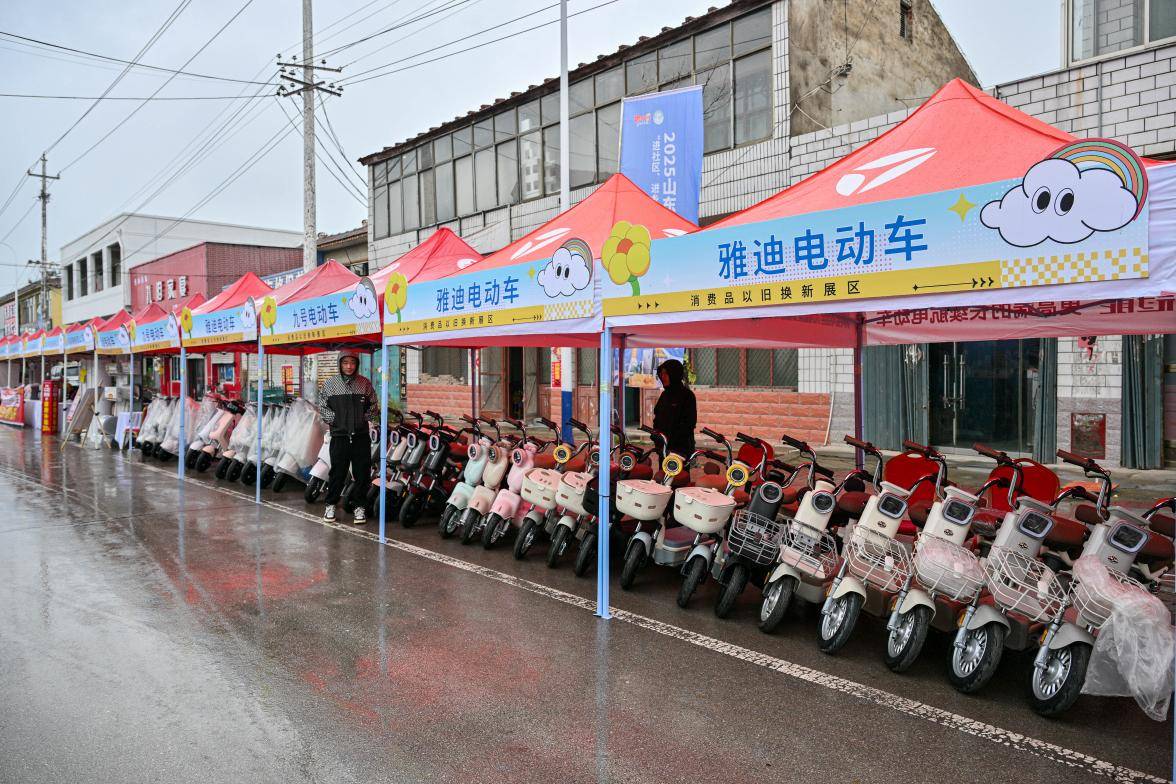
Group 1 - The "old-for-new" policy in Shandong has generated a consumption increment worth hundreds of billions, with over 200 billion yuan allocated for subsidies, leading to sales exceeding 1.7 trillion yuan by October 2025 [2][6] - The automotive and home appliance sectors have shown remarkable performance, with nearly 3000 daily applications for vehicle updates and over 1 million home appliances replaced, indicating strong consumer demand [2][4] - Local enterprises are benefiting significantly from the policy, with companies like Hisense and Gree experiencing substantial sales growth, indicating a positive impact on order and channel expansion [4][6] Group 2 - The retail market in Shandong is robust, with a retail sales total of 20,142.1 billion yuan in the first half of 2025, reflecting a year-on-year growth of 5.6%, surpassing the national average [7][11] - Innovations in physical consumption scenarios, such as the introduction of new brands and the renovation of traditional shopping areas, are driving consumer demand and enhancing the shopping experience [7][8] - The service industry is thriving, with significant revenue growth in sectors like entertainment and business services, contributing to job creation and income stability for residents [7][9] Group 3 - The "old-for-new" policy is facilitating a comprehensive upgrade of the consumption industry in Shandong, expanding the range of subsidized products from 8 to 12 categories, thus enhancing consumer choices [6][12] - Digital transformation is empowering the development of the real economy, with over 22,000 companies benefiting from digitalization initiatives, leading to improved production efficiency and reduced operational costs [12] - The integration of various industries, such as tourism and cultural experiences with traditional manufacturing, is enhancing the value chain and driving economic growth [11][12]
中央财政出资优化消费供给 突出“软环境”建设强化“造血式”发展
Zheng Quan Shi Bao· 2025-12-01 18:11
Core Insights - The announcement of 50 cities selected for the "New Consumption Formats, New Models, and New Scenarios" pilot program reflects a strategic shift in central fiscal policy aimed at enhancing consumption quality and stimulating innovation in the consumption sector [1][2][3] Group 1: Pilot Program Overview - The pilot program aims to address the bottlenecks in consumption upgrades by focusing on three main support directions: the sharing economy, diverse service consumption scenarios, and cross-industry collaborations [2] - The selected cities include 4 municipalities, 5 sub-provincial cities, and 41 other cities, with recommendations for different city tiers to focus on high-quality consumption resources and regional consumption hubs [2] Group 2: Fiscal Support Mechanism - Central fiscal support for the pilot program is seen as an innovative approach, with direct funding allocated to enhance quality consumption supply rather than traditional subsidies [3][4] - Each super-large city will receive a total subsidy of 400 million yuan, large cities 300 million yuan, and other cities 200 million yuan over the two-year implementation period, totaling approximately 17 billion yuan [3] Group 3: Strategic Implications - The initiative is viewed as essential for expanding quality supply and stimulating consumption vitality, requiring significant initial investment due to the public good nature of new consumption formats [4] - The shift from direct consumer subsidies to fostering innovative consumption supply is expected to create replicable business models that can drive growth in high-potential sectors like the service industry and cultural economy [6]
中小卖家别卷!俄零保证金入驻,14天回款到手
Sou Hu Cai Jing· 2025-12-01 16:12
Core Insights - The article discusses the rapid growth of the Russian e-commerce market, highlighting how Chinese sellers are capitalizing on this opportunity amidst intense competition in domestic markets [1][3] - It emphasizes the unique challenges and strategies that Chinese sellers face in Russia, including logistics, payment systems, and market adaptation [3][12] Group 1: Market Dynamics - The Russian e-commerce market has seen explosive growth, with a 2.5 times increase in transaction volume and a 5.5 times increase in order volume for Chinese sellers on the Ozon platform [3] - The market size is approximately 12.6 trillion rubles (about 1.14 trillion RMB), presenting a significant opportunity for Chinese sellers to escape domestic competition [1][3] - The logistics landscape is evolving, with a 7-day delivery service from Heilongjiang to Moscow, contrasting with the average 30-day delivery time across the country [3][12] Group 2: Product Strategy - The demand for winter clothing in Russia is driven by an 8-month winter season, with Chinese sellers adapting their products to meet local needs, such as larger sizes and specialized features [6] - The rise of consumer electronics and smart home products indicates a shift from basic needs to quality-oriented consumption, with the smart home market reaching 26 billion rubles (approximately 2.27 billion RMB) [6] - Sellers are adjusting their strategies in anticipation of policy changes regarding cross-border tax exemptions, maintaining profit margins above 15% by optimizing inventory and product offerings [7] Group 3: Competitive Landscape - The competition between platforms Wildberries and Ozon mirrors the dynamics of China's internet landscape, with Wildberries focusing on fashion and Ozon adopting a hybrid model of self-operated and third-party sales [8][11] - Chinese sellers are leveraging both platforms to maximize their reach, with a significant portion of 3C digital products on Ozon being sourced from China [11] - The operational challenges posed by high return rates on Wildberries necessitate a strategic approach for sellers to thrive [10] Group 4: Innovation and Adaptation - Innovative logistics solutions, such as combining the China-Europe Railway with local delivery, have reduced shipping times and costs, enhancing competitiveness [12] - Financial strategies, including the use of dual currency accounts and partnerships with local payment companies, are being employed to navigate payment challenges and improve cash flow [12] - Sellers are adopting a flexible supply chain model, maintaining low inventory turnover to mitigate risks associated with market fluctuations [12] Conclusion - The impending changes in tax policies are prompting a shift from low-cost strategies to more sustainable, brand-focused approaches among Chinese sellers in Russia [13] - The integration of Chinese supply chain efficiency with Russian consumer demands is reshaping global trade dynamics, presenting both challenges and opportunities for sellers [13]

家电家居的“网红”新品,为何频频诞生在京东?
第一财经· 2025-12-01 10:27
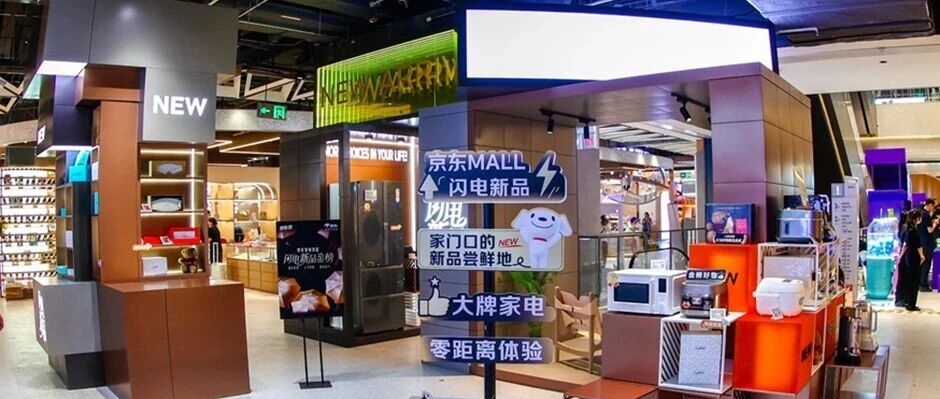
Core Insights - The article discusses how home appliance brands can create "internet celebrity" products and achieve significant sales growth during the 11.11 shopping festival on platforms like JD.com [1][3] - Despite a general decline in sales for major appliances, certain exclusive new products have emerged as bestsellers, driving overall brand sales upward [1][19] Sales Performance - From November 3 to November 9, 2023, online sales of washing machines, TVs, refrigerators, and air conditioners in China saw a year-on-year decline, indicating market pressure [1] - JD.com's 11.11 data shows that sales of lightning new products in the home appliance sector increased by 150% year-on-year, with over 2,000 brands seeing new product sales growth exceeding 100% [1][22] - The "Leader Three-Tub Washing Machine" achieved over 200,000 units sold within eight months of its launch, surpassing the brand's total sales for the previous year [1][7] Product Development and Innovation - The success of new products is attributed to a co-creation mechanism between JD.com and brands, focusing on user insights, product refinement, supply chain empowerment, and marketing strategies [3][22] - The "Leader Three-Tub Washing Machine" was developed in response to increasing consumer demand for separate washing of different types of clothing, addressing user pain points effectively [5][10] - The "Casa Di" small wind MAX range hood also saw significant sales growth, with its sales exceeding the previous year's total during the 11.11 event [10][13] Marketing Strategies - Innovative marketing strategies, likened to "star-making," have been employed to enhance product visibility and consumer engagement [15][16] - The marketing approach for the "Leader Three-Tub Washing Machine" involved extensive user interaction and social media engagement, resulting in over 1 billion exposures online [16][17] - The use of creative content and user-generated reviews has significantly boosted the product's popularity, with thousands of user notes shared on platforms like Xiaohongshu [17][19] Market Trends and Consumer Behavior - The article highlights a shift in consumer preferences towards high-quality, value-for-money products rather than just low-priced options, reflecting an overall trend of consumption upgrade [22][24] - JD.com has positioned itself as a primary platform for home appliance brands to launch new products, leveraging both online and offline channels to enhance consumer experience [20][22] - The co-creation model allows for faster product innovation and better alignment with consumer needs, avoiding the pitfalls of low-quality, low-cost strategies [22][24]

盒马创始人侯毅再创业,直播带货首秀数据平淡
Guan Cha Zhe Wang· 2025-12-01 10:04
Group 1 - The core idea of the news is the announcement of a new entrepreneurial project by Hou Yi, the founder and former CEO of Hema Fresh, called "Lao Cai Rui Xuan," focusing on high-quality and health-conscious food products [1] - The philosophy of Lao Cai Rui Xuan emphasizes sourcing products directly from their origins, with Hou Yi personally selecting items such as peaches and passion fruits from Yunnan and oysters from Dalian [1] - The product range includes innovative items made from local ingredients, such as rice cakes from Wuchang rice and dumplings from Snowflake Black Pig meat, showcasing a commitment to quality [1] Group 2 - Following the launch announcement, Lao Cai Rui Xuan held its first live-streaming event, featuring various product categories including baked goods, fruits, and seafood [1] - Initial market response has been underwhelming, with Hou Yi's Douyin account having only 3,209 followers and low sales figures for the products listed [1] Group 3 - Hou Yi's previous venture, Pet & Fresh, launched in 2024, aimed to innovate in the pet food retail sector with a focus on fresh food and a physical store presence [5] - Despite initial optimism and plans to open 100 stores in Shanghai, Pet & Fresh faced significant challenges, leading to the closure of several locations within nine months of opening [6] - The company has decided to exit the physical pet store market, retaining only a limited online presence, due to competitive pricing pressures from established brands [22]


"手机壳爱马仕"年销36亿背后的消费升级密码
Sou Hu Cai Jing· 2025-12-01 09:19
Group 1 - The high-end mobile accessories market in China is experiencing significant growth, with CASETiFY projected to achieve sales of 3.6 billion yuan in 2025, reflecting deep changes in the Chinese consumer market [2][3] - CASETiFY's average transaction value is 20 times higher than that of ordinary mobile phone case brands, with a repurchase rate of 45%, indicating strong customer loyalty [2] - The brand's unique "instant print" service allows customers to create personalized phone cases within 15 minutes, attracting over 300 customers daily [2] Group 2 - 62% of CASETiFY's customers also purchase matching accessories, and 87% of consumers have a household annual income below 300,000 yuan, suggesting a shift in young consumers' value perception towards personalized and sustainable products [2] - The brand's localized operations include collaborations with cultural institutions and innovative marketing strategies, such as blind box offerings, which have generated significant social media engagement [2][3] - The Chinese mobile accessories market has surpassed 100 billion yuan, with the high-end segment accounting for less than 5%, indicating substantial growth potential as domestic smartphone brands move towards premiumization [3]

“挪威三文鱼,刺身优选”合作项目在京启动
Bei Ke Cai Jing· 2025-12-01 08:06
Core Insights - The collaboration project "Norwegian Salmon, Sashimi Selection" was launched between the Norwegian Seafood Council and Hema Fresh in Beijing, focusing on enhancing the quality presentation, consumer experience, and awareness of Norwegian sashimi-grade salmon [1][2] - By the second quarter of 2025, China is projected to become the sixth largest market for Atlantic salmon globally, with Norwegian salmon exports to China reaching 76,901 tons in the first ten months of 2025, a 111% year-on-year increase, and export value hitting 6.811 billion Norwegian Krone, up 67% [1] Group 1 - The partnership aims to promote the healthy development and consumption upgrade of salmon in China [1] - The Norwegian Minister of Fisheries and Ocean Policy emphasized the importance of the relationship with Chinese partners and the expectation for deeper collaboration in trade and industry [1] - A recent study by the Norwegian Seafood Council indicates that household consumption has become the primary consumption scenario for salmon, accounting for approximately 60% of total consumption [1] Group 2 - The growth in demand for salmon is driven by significant changes in consumer structure, with trends such as household consumption and instant retail strongly influencing the increase [2] - The Norwegian Seafood Council plans to continue collaborating with leading retail partners in China to provide higher quality, traceable Norwegian seafood to consumers [2]