
大模型

Search documents
智谱逆市涨超6% 日前宣布联合华为开源新一代图像生成模型
Zhi Tong Cai Jing· 2026-01-15 03:09
Core Viewpoint - Zhizhu (02513) saw a significant increase of over 6%, currently trading at 229.8 HKD with a transaction volume of 335 million HKD, following the announcement of a collaboration with Huawei on the open-source next-generation image generation model GLM-Image [1] Group 1: Company Developments - Zhizhu announced the launch of GLM-Image, the first state-of-the-art (SOTA) multimodal model fully trained on domestic chips, utilizing the Ascend Atlas 800T A2 device and MindSpore AI framework [1] - The GLM-Image model integrates image generation with language models, allowing for image generation at a cost of only 0.1 yuan per image when using API calls [1] Group 2: Market Outlook - Dongwu Securities views Zhizhu as a pure large model player benefiting from cloud-scale effects and the advantages of agent/programming scenarios [1] - The company is expected to leverage its strengths in local large model technology, open-source ecosystem development, and localized implementation capabilities in government and enterprise sectors [1] - There is a positive outlook for Zhizhu as the Chinese large model industry transitions from localized deployment to cloud services, indicating a long-term growth trend [1]
港股异动 | 智谱(02513)逆市涨超6% 日前宣布联合华为开源新一代图像生成模型
智通财经网· 2026-01-15 03:05
Core Viewpoint - The company Zhipu (02513) has seen a stock price increase of over 6%, currently trading at 229.8 HKD, with a transaction volume of 335 million HKD, following the announcement of a collaboration with Huawei on a new open-source image generation model, GLM-Image [1] Group 1: Company Developments - Zhipu announced the launch of GLM-Image, a next-generation image generation model developed in collaboration with Huawei, which is the first SOTA multimodal model fully trained on domestic chips [1] - The model utilizes the Ascend Atlas 800T A2 device and the MindSpore AI framework, completing the entire process from data to training [1] - GLM-Image integrates image generation with language models, allowing for image generation at a cost of only 0.1 yuan per image when using API calls [1] Group 2: Market Outlook - Dongwu Securities expresses optimism about Zhipu as a pure large model player, benefiting from cloud-scale effects and the advantages of Agent/programming scenarios [1] - The company is expected to leverage its strengths in local large model technology, open-source ecosystem layout, and localized implementation capabilities in government and enterprise sectors [1] - There is a long-term trend anticipated in the Chinese large model industry, shifting from localized deployment to cloud services, which is expected to benefit Zhipu [1]
医渡科技20260114
2026-01-15 01:06
Company and Industry Summary Company Overview - **Company Name**: 一路科技 (Yilu Technology) - **Industry**: AI in Healthcare Key Points Industry and Company Insights - The company has developed a disease knowledge graph covering all known diseases, with a specialized database encompassing over 98 fields, including 21 types of cancer [2][3] - The medical knowledge graph contains over 100,000 entities, and the model's hallucination rate is controlled at a very low level, achieving algorithmic accuracy at the level of chief physicians [2][4] Financial Performance - In 2025, the big data platform and life sciences solutions segments saw new orders grow by 20% and 60% year-on-year, respectively, with total orders on hand nearing 400 million yuan [2][5] - Adjusted EBITDA for the first half of the 2026 fiscal year doubled, with losses narrowing by 72%, and the company expects to achieve breakeven by the end of the 2026 fiscal year [2][5] Product Development and Strategy - The company has layered its AI products to meet the needs of different levels of hospitals, including AI platforms, AI Copilot, and AI Agent, utilizing a no-code toolchain for ease of use [2][6] - The self-built MedRec architecture allows for the identification of medical corpus and generation of disease treatment processes, ensuring high-quality data acquisition [2][8] Market Expansion and Partnerships - The company is involved in the Beijing Chinese-style base project and plans to expand to other provinces such as Shanghai, Guangdong, and Zhejiang [2][7] - Collaborations with major companies like Huawei focus on integrating hardware and software solutions, with a strong emphasis on maintaining a competitive edge through proprietary technology [2][13] Research and Development - Continuous investment in R&D is a priority, with the company leveraging its unique MedRec architecture to maintain a technological lead over competitors [2][11] - The company supports over 3,000 research projects and has published more than 500 high-level papers, showcasing its commitment to advancing medical research [2][11] Challenges and Solutions - To address limited payment capabilities in the healthcare sector, the company is transforming products into necessities and expanding payment scenarios through insurance reimbursements [2][10] - A flexible pricing strategy for AI Copilot products caters to hospitals with varying budgets, enhancing the likelihood of future purchases [2][10] Future Outlook - The management anticipates achieving breakeven in 2026 and is considering dividend distributions post-profitability, alongside ongoing share buybacks [2][20] - The company is optimistic about future growth, with plans to launch new products and explore mergers and acquisitions to enhance business capabilities [2][22] Accounts Receivable Management - Accounts receivable primarily come from large hospitals, with an average aging of 1 to 1.5 years, and the company is implementing measures to manage these effectively [2][21] This summary encapsulates the key insights from the conference call, highlighting the company's strategic positioning, financial performance, product development, and future growth prospects in the AI healthcare industry.
商业航天还能冲吗?
Xin Lang Cai Jing· 2026-01-15 01:02
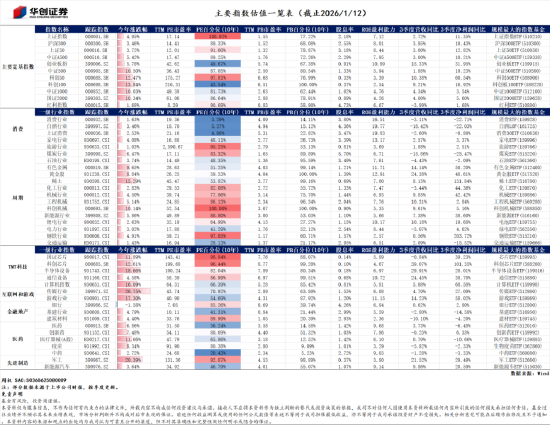
Group 1 - The core viewpoint is that the commercial aerospace sector has transitioned from "theme speculation" to "order fulfillment and capacity ramp-up," with significant long-term investment value expected from 2025 to 2027 [5][15] - The market is currently in the third phase of a bull market, indicating a shift in investor sentiment and behavior [2][12] - There is a growing interest in the stock market from outside investors, as evidenced by increasing search trends on social media platforms [3][13] Group 2 - Key areas of focus for investors include commercial aerospace funds, brain-computer interfaces, and various investment opportunities [4][14] - The valuation table from Huachuang Securities indicates that sectors with a safety margin based on PE or PB ratios include consumption, cyclical industries (non-ferrous metals, oil, gold), TMT (semiconductor equipment), new energy (photovoltaics, lithium batteries, new energy vehicles), internet and gaming, and pharmaceuticals (non-innovative drugs) [16] - The Hong Kong internet sector is highlighted as having attractive valuations, with a dynamic PE of 24.50 and a PS of 3.33, both below historical averages, indicating potential for recovery [8][10]

郑州加速构建全国AI产业新高地
Zheng Zhou Ri Bao· 2026-01-15 00:57
Group 1: Industry Overview - The global robotics and embodied intelligence industry is experiencing significant growth, with companies like Zhiyuan Innovation and Shenzhen Zhongqing Robotics establishing manufacturing bases in Zhengzhou to enhance the AI ecosystem [1] - Zhengzhou aims to become a national hub for AI innovation, with a clear strategic plan that includes building 10 innovation platforms and achieving a scale of 350 billion yuan for core AI industries by the end of 2025 [2][3] Group 2: Technological Advancements - Zhengzhou is focusing on key areas such as large models, intelligent robotics, and autonomous driving, collaborating with leading enterprises to support vertical model development and technology transfer [3] - AI is transforming manufacturing paradigms, as seen with China Railway Industry's launch of an industry-specific large model that enhances decision-making and quality control in production [4][5] Group 3: Applications in Various Sectors - In the mining sector, AI technologies from companies like Hengda Zhikong are improving safety and efficiency, achieving a 15% increase in production capacity and generating an additional 1.5 billion yuan in revenue [5] - In healthcare, AI is enhancing diagnostic accuracy and operational efficiency, with companies like Antu Bio and Anjielai Technology developing advanced AI systems for clinical decision support and rehabilitation [5][6] Group 4: Infrastructure and Talent Development - Zhengzhou is establishing itself as a leader in computing power infrastructure, with companies like Super Fusion Digital Technology providing robust services to over 5000 partners globally [7] - The city is fostering talent through innovative education models that integrate industry and academia, preparing students for careers in robotics and AI [8]
2025年中国金融智能体发展研究报告
艾瑞咨询· 2026-01-15 00:06
Core Insights - The report provides a comprehensive analysis of the current state and trends of financial intelligent agents in China, emphasizing their development driven by technological breakthroughs, business innovations, and policy support [1][2]. Group 1: Driving Factors - Technological breakthroughs are addressing the "last mile" challenges in the application of large models, enhancing their execution capabilities through advancements in tools and frameworks [6]. - Approximately 33% of financial institutions are actively investing in intelligent agents, indicating a growing recognition of their practical value [7]. - Policy support is providing clear guidelines and goals for the application and development of intelligent agents in finance, with specific focus areas outlined in various governmental documents [8][10]. Group 2: Current Industry Cycle - The financial intelligent agent industry is in its initial exploration phase, with 96% of applications still in the proof of concept or pilot stages, and only 4% having moved to agile practice [12]. - The majority of intelligent agent applications are focused on operational functions, such as knowledge Q&A and office assistance, with expectations of transitioning to agile practice within 1-2 years [16]. - Financial institutions are primarily embedding intelligent agent functionalities into existing systems, which allows for quick adaptation but may limit functionality expansion [18]. Group 3: Project Implementation and Challenges - By 2025, most projects are expected to follow established plans, with a focus on exploring feasible paths for intelligent agents in financial operations [19]. - Approximately 20%-25% of projects may face underperformance or failure risks, influenced by factors such as product capabilities and real-world complexities [22]. - The banking sector leads the market for financial intelligent agents, accounting for 43% of projects, followed by asset management at 27% and insurance at 15% [25][26]. Group 4: Market Size and Growth - The investment scale for intelligent agent platforms and applications in Chinese financial institutions is projected to reach 950 million yuan in 2025, with an expected compound annual growth rate of 82.6% by 2030 [35]. - The market growth is supported by both existing project expansions and new entrants, driven by policy incentives and successful case studies from leading institutions [36]. Group 5: Customer Expectations and Investment Willingness - Financial institutions are increasingly viewing intelligent agents as core drivers for sustainable growth and customer experience innovation, rather than merely tools for efficiency [53][56]. - Investment willingness among financial institutions has risen significantly, with a 27.5% increase in those expressing a positive outlook, driven by peer examples and supportive policies [58]. - Institutions are categorized into three types based on their investment strategies: proactive explorers, pragmatic followers, and cautious observers, reflecting varying levels of resource allocation and risk tolerance [64]. Group 6: Safety and Compliance - Safety and compliance are paramount for financial institutions when adopting intelligent agents, with a strong consensus on the need for secure operational frameworks [71]. - Key concerns include ensuring the reliability of intelligent agent operations, protecting sensitive data, and maintaining regulatory compliance [72]. Group 7: Value Assessment and Practical Implementation - The definition and measurement of value have become critical decision-making factors for financial institutions in adopting intelligent agents, focusing on maximizing value through appropriate scenario selection [73]. - Successful implementation of intelligent agents requires a balance of safety, usability, and a deep understanding of financial business logic [76].

智慧赋能流通“大动脉” 透视物流业“含金量”十足
Yang Shi Wang· 2026-01-15 00:03
Core Insights - The express delivery industry in China has surpassed 200 billion packages, supporting over 14 trillion yuan in online retail sales for physical goods [1][6] - By 2025, the industry is projected to achieve a revenue of 1.8 trillion yuan and a delivery volume of 216.5 billion packages, reflecting year-on-year growth of 6.4% and 11.5% respectively [2] Industry Development - The express delivery network in China has become more comprehensive, with major hubs established in regions such as the Yangtze River Delta, Guangdong-Hong Kong-Macau Greater Bay Area, and Chengdu-Chongqing area [3] - The coverage of rural express services continues to improve, with a total of 13,000 intermodal postal routes opened and 145,000 cooperative stations built nationwide [4] International Expansion - The international logistics system is also being rapidly developed, with 374 overseas warehouses established, an increase of 41 from 2024, covering an additional area of 1.22 million square meters [5] - By 2025, the volume of packages for international and Hong Kong-Macau-Taiwan regions is expected to reach 4.2 billion, with an average annual growth rate exceeding 18% [5] Technological Integration - The express delivery industry is adapting to new consumption models such as live-streaming sales and social e-commerce, while also supporting initiatives for exchanging old consumer goods for new ones [6] - The industry is deeply integrated into the entire manufacturing process, serving advanced sectors like healthcare and new energy vehicles, with the application of technologies such as unmanned warehouses, drones, and autonomous vehicles [7] Growth Metrics - Since the 14th Five-Year Plan, the express delivery industry has built the largest and most widely beneficial delivery network in the world, with annual revenue growth averaging 10% and per capita annual express usage doubling [9] - The annual business revenue has increased from 1.1 trillion yuan to 1.8 trillion yuan, with the volume of express deliveries rising from over 80 billion to nearly 200 billion packages [9] - The intelligent level of the express delivery industry has improved, with major sorting centers achieving automated operations and advanced technologies being applied in various scenarios [9]
大模型纷纷上市:紧箍咒,还是补给站?
财富FORTUNE· 2026-01-14 13:05
Core Viewpoint - The capital market has recently become more favorable towards large model companies, indicating a shift towards a need for stable funding in the industry [1][3]. Group 1: Market Developments - Zhiyu Technology went public on the Hong Kong Stock Exchange on January 8, followed by MiniMax on January 9, with both companies seeing their stock prices rise post-IPO, valuing Zhiyu at approximately HKD 91.3 billion and MiniMax at around HKD 112.8 billion [1]. - The financing of approximately USD 500 million for "The Dark Side of the Moon" at a valuation of about USD 4.3 billion highlights the need for a longer and more stable funding line for Chinese large model companies [3]. Group 2: Industry Dynamics - The past two years have been characterized as a "speed race" for the large model industry, but it is now transitioning into a "marathon" requiring sustained effort and resources [4][5]. - The primary challenge for large model companies has shifted from "can it be done?" to "can it be sustained?" as they face increasing costs associated with model training, service maintenance, and user acquisition [6][7]. Group 3: Profitability Challenges - Unlike companies like OpenAI, Meta, and Google that have stable cash flows to support their AI initiatives, companies like Zhiyu, MiniMax, and "The Dark Side of the Moon" operate independently without a strong financial backbone [8][10]. - These companies lack a long-term revenue source, making them more vulnerable in a competitive landscape where rapid growth necessitates significant capital [11]. Group 4: Market Structure and Commercialization - The Chinese market presents unique challenges, including high product homogeneity and a lack of a strong first-mover advantage, making it difficult to establish stable pricing for subscriptions [14][15]. - B2B clients are willing to pay but often require customized solutions, leading to longer sales cycles and increased organizational costs [15]. Group 5: Capital Market Implications - Going public provides a larger and more sustainable funding channel, but it also subjects companies to greater scrutiny regarding their performance and financial health [16][17]. - The transition to public markets requires companies to balance long-term technological goals with short-term market expectations, potentially shifting the competitive focus from model capabilities to cash flow quality and organizational efficiency [18][19].
王小川时隔一年多再露面谈医疗行业痛点:百川智能一定会“出海”,也会走上IPO道路
Xin Lang Cai Jing· 2026-01-14 12:26
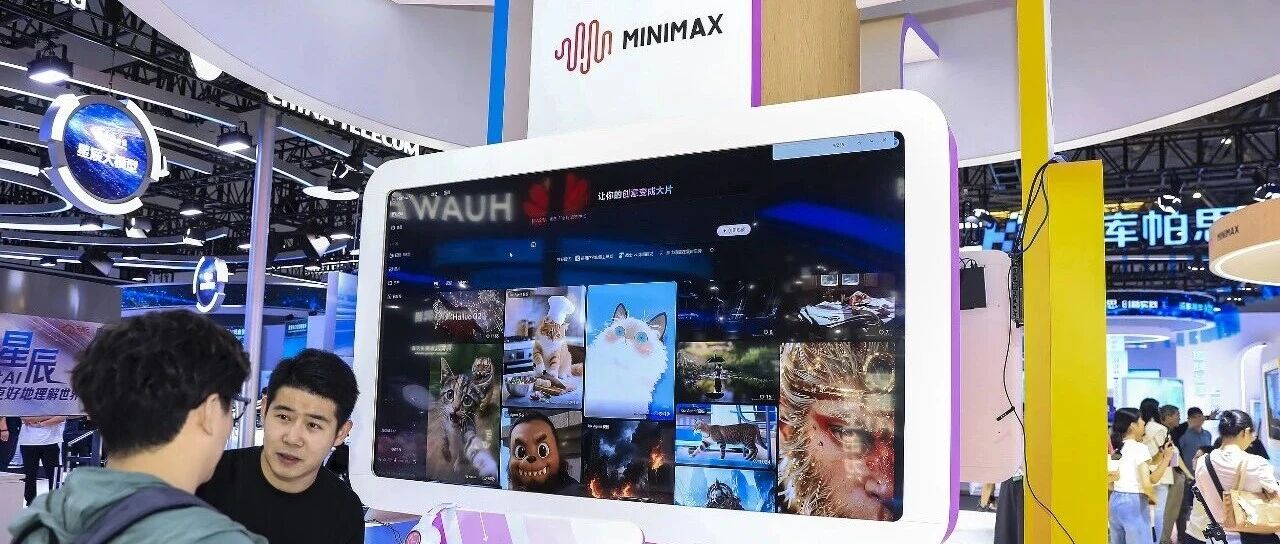
Core Insights - Wang Xiaochuan reaffirms Baichuan's commitment to the medical AI sector, indicating a strategic shift to focus solely on healthcare applications after diversifying into other areas previously [1][3] - The healthcare industry is experiencing a transformation with major AI companies entering the medical field, suggesting that large models are beginning to be applied effectively in healthcare [3] Group 1: Industry Challenges - Wang identifies two core issues in the healthcare sector: "insufficient supply" of qualified doctors and "structural imbalance" in the medical system [4] - The emergence of AI doctors is seen as a potential solution to the long-standing problem of doctor shortages, with expectations that by 2025, AI capabilities will surpass those of human doctors [4] - The existing medical system often leads to a disconnect between patients and doctors, where patients lack understanding of treatment options and risks [4][5] Group 2: Technological Approach - Wang emphasizes that the core of AI technology in healthcare should focus on language and symbols rather than multi-modal approaches, arguing that intelligence is derived from the ability to abstract problems [7][8] - He believes that many current healthcare issues are fundamentally decision-making problems, and that future AI applications will likely involve specialized models for image interpretation, with results processed by language models [9] - Wang critiques the overemphasis on data quality in model development, asserting that the essence of successful AI lies in the knowledge extraction from literature rather than raw data [9] Group 3: Future Plans - Baichuan plans to launch two consumer-facing products in the first half of 2026, focusing on directly assisting patients rather than serving healthcare providers [10] - The company aims to charge for services that provide value in decision-making for patients, while maintaining a cautious approach to regulatory boundaries [10] - Wang outlines Baichuan's competitive advantages as having a leading model, targeting high-value scenarios, and maintaining a different innovation pace compared to larger firms [11] Group 4: Market Expansion and IPO - Baichuan intends to expand internationally, with Wang asserting that companies that do not pursue global markets are not viable [11] - The company is also considering an IPO in the future, acknowledging that while it may take longer than other AI firms, it aims to optimize its business model before going public [12]
AI Agent的C端新标杆:Claude Skills
Huafu Securities· 2026-01-14 11:50
Investment Rating - The industry rating is "Outperform the Market," indicating that the overall return of the industry is expected to exceed the market benchmark index by more than 5% over the next six months [7][13]. Core Insights - Anthropic has launched the Claude Skills feature, which provides a new open standard for AI agents, enhancing their professional capabilities through a folder structure [3]. - The Skills feature allows users to create personalized complex workflows, showcasing strong capabilities across various scenarios such as office tasks, design, development, and enterprise collaboration [4]. - Skills enable non-technical users to easily create or utilize skills, transforming professional experience into workflows without coding, and allowing for the integration of multiple skills for complex tasks [5]. - The development of Skills reflects Anthropic's engineering capabilities and the maturity of the agent ecosystem, aiming to establish a competitive edge by creating a "large model-data-application" flywheel in the agent domain [6]. Summary by Sections Industry Dynamics - On October 16, 2025, Anthropic announced the launch of Claude Skills, with the open standard being published on December 18, 2025, and adopted by major platforms like Microsoft [3]. - The Skills feature supports various document processing tasks, including generating Excel files with formulas, creating formatted PPTs, editing Word documents, and filling PDF forms [4]. Future Development of Agents - The Skills functionality complements the existing MCP (Multi-Channel Processing) capabilities, allowing agents to connect and operate external tools while combining actions into meaningful workflows [6]. - The competition in large models is increasingly focused on the monetization of applications, requiring a deeper understanding of user scenarios and product value discovery [6]. Investment Recommendations - The report suggests focusing on companies with advantages in AI agents and models, specifically mentioning Tencent and Alibaba as potential investment opportunities [7].