价值投资

Search documents
57岁公募大佬,没能等到花开
虎嗅APP· 2025-11-03 13:20
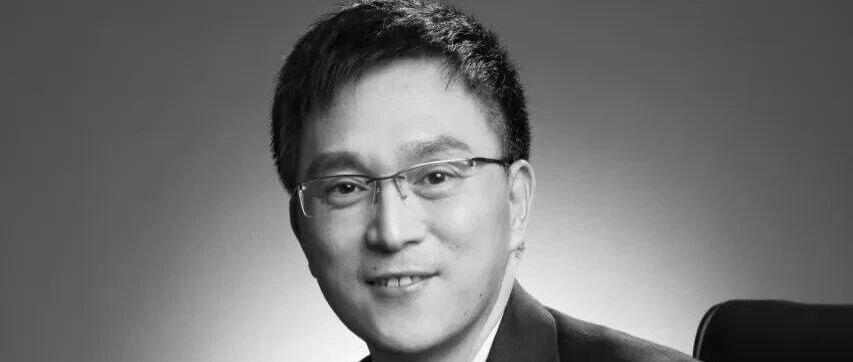
Core Viewpoint - The article discusses the legacy and impact of Wang Guobin, the founder of Quan Guo Fund, who passed away on November 3, 2025, at the age of 57, highlighting his contributions to the asset management industry and his commitment to value investing [4][5][6]. Group 1: Wang Guobin's Career and Contributions - Wang Guobin was a pioneer in China's asset management industry, founding the first securities asset management company, Dongfanghong Asset Management, and later co-founding Junhe Capital and Quan Guo Fund [5][7][12]. - He was known for advocating value investing, focusing on fundamental company performance rather than speculative trading, and established a strong research-based investment framework at Dongfanghong [7][8][9]. - Under his leadership, Dongfanghong Asset Management achieved significant returns, with products like Dongfanghong No. 4 yielding a 456.6% return from 2009 to 2017, averaging over 20% annually [8][9]. Group 2: Challenges and Resilience - Wang Guobin faced significant challenges when establishing Quan Guo Fund during a bear market starting in 2022, which put pressure on the fund's performance [13][14]. - Despite the difficult market conditions, the fund began to recover in 2023, with its first public product, Quan Guo Xu Yuan, achieving a 47.46% return year-to-date as of October 31, 2023 [14][15]. - Wang's investment philosophy remained consistent, focusing on high-quality growth companies like Tencent and Ningde Times, rather than chasing trends in volatile sectors [14][15]. Group 3: Investment Philosophy and Legacy - Wang Guobin emphasized long-term investment and the importance of identifying "lucky industries" and capable companies, which became a cornerstone of his investment strategy [8][9][11]. - He was known for his foresight in the industry, warning about risks during market peaks and advocating for a focus on sustainable growth rather than short-term gains [19][20]. - His commitment to value investing and his ability to adapt to changing market conditions left a lasting impact on the asset management industry, and his principles will be remembered by peers and successors [19][20].

重读巴菲特1999年演讲:泡沫、周期与17年蝉鸣
雪球· 2025-11-03 13:01
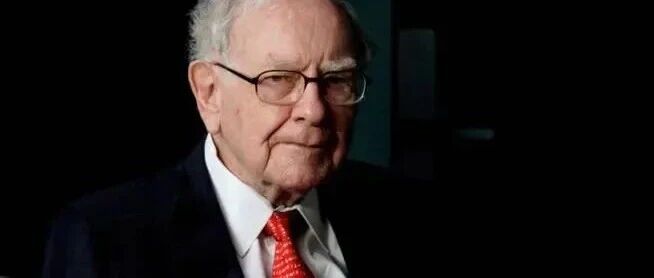
Core Viewpoint - The article discusses Warren Buffett's 1999 Sun Valley speech, emphasizing the essence of investment and the long-term return structure, while questioning the sustainability of high returns in the stock market amidst changing economic conditions [2][4][6]. Group 1: Investment Definition and Historical Context - Investment is defined as the current allocation of funds to generate greater future returns, adjusted for inflation [9][10]. - Historical performance from 1964 to 1981 shows a stark contrast between GDP growth (370%) and stagnant stock market performance, highlighting the impact of rising interest rates on asset valuations [11][17]. - The second 17-year period (1982-1999) saw a decline in interest rates and a significant increase in corporate profits, leading to a tenfold increase in stock market value [25][20]. Group 2: Interest Rates and Market Dynamics - Interest rates act as a gravitational force on financial asset valuations, with higher rates leading to lower asset prices [12][11]. - The reversal of interest rates in the early 1980s, driven by Federal Reserve policies, significantly boosted stock market performance [17][18]. - The article notes that investor psychology plays a crucial role in market dynamics, particularly during bull markets when optimism can drive prices beyond fundamental values [26][25]. Group 3: Future Return Expectations - Current investor expectations for future returns are overly optimistic, with surveys indicating anticipated annual returns of 22.6% for new investors and 12.9% for those with over 20 years of experience [29][30]. - The article argues that achieving such returns would require either a significant drop in interest rates or a substantial increase in corporate profits as a percentage of GDP, both of which are unlikely [31][32][34]. - The long-term growth of any asset's value cannot sustainably exceed its profit growth, establishing a fundamental limit on potential returns [34][35]. Group 4: Costs and Real Returns - Investors face significant frictional costs, including transaction fees and management expenses, which can erode overall returns [43][44]. - It is estimated that U.S. stock investors incur over $130 billion annually in these costs, which significantly impacts net returns [44][45]. - The article emphasizes that the total returns investors can expect are ultimately constrained by the profits generated by the companies they invest in [39][40]. Group 5: Industry Insights and Investment Illusions - The article highlights historical examples from the automotive and airline industries, illustrating that significant technological advancements do not guarantee investment returns [50][54]. - The key takeaway is that successful investing relies on identifying companies with sustainable competitive advantages rather than merely participating in trending industries [55][56]. Group 6: Conclusion and Long-term Perspective - The metaphor of the "17-year cicada" suggests that while short-term market enthusiasm may wane, long-term wealth accumulation through steady profit growth remains viable [58][60]. - The article concludes with a reminder that true value lies in the gradual accumulation of profits, rather than in the fleeting excitement of market trends [60].
57岁资管大佬王国斌病逝,泉果基金任莉挑大梁
Sou Hu Cai Jing· 2025-11-03 12:59
Core Viewpoint - The founder and general manager of QuanGuo Fund, Wang Guobin, passed away on November 3 due to illness, leading to the appointment of Ren Li as the acting general manager. Wang was recognized as one of the successful value investors in China's A-share market with 30 years of experience in the securities industry [2][5][20]. Company Overview - QuanGuo Fund was established in 2022 and is recognized as the only "personal system" public fund approved that year, with a registered capital of 100 million yuan [8][10]. - The fund has grown significantly, managing a total of 23.787 billion yuan as of September 2023, marking a 48% increase from 16 billion yuan in the same period of 2022 [12]. Leadership Transition - Following Wang Guobin's death, Ren Li, who has nearly 20 years of experience in the financial industry and previously held various positions at Dongfang Securities, has taken over as acting general manager [20]. - Ren Li's leadership will be crucial for QuanGuo Fund to maintain its competitive edge in the public fund market, especially given the challenges faced by "personal system" public funds in brand recognition and channel cooperation [20]. Investment Philosophy and Performance - Wang Guobin emphasized the importance of investing in great companies and growing alongside them, a principle that guided the fund's operations [5]. - The fund's investment strategy focuses on fundamental analysis and thorough research to allocate capital to capable enterprises at reasonable prices [11]. - As of the third quarter of 2025, the fund's mixed fund performance showed a net value growth rate of 45.58%, with significant holdings in sectors such as manufacturing and software [16]. Fund Management and Structure - The fund's management team includes experienced professionals, with the largest fund, QuanGuo XuYuan, managing 19.069 billion yuan, accounting for 80.17% of the total fund size [15]. - The fund's top ten holdings include major companies like CATL, Tencent, and Alibaba, with manufacturing making up 53.23% of the industry allocation [16][18].





3Q25保险资金重仓流通股深度跟踪:逆势继续加仓银行,减仓电力设备及有色金属
ZHONGTAI SECURITIES· 2025-11-03 12:34
Investment Rating - The report indicates a positive investment outlook for the banking sector, while suggesting a reduction in exposure to the power equipment and non-ferrous metals sectors [3][4]. Core Insights - The insurance funds have continued to increase their holdings in banks despite a low interest rate environment, while reducing their positions in power equipment and non-ferrous metals [3]. - As of October 2025, the new money investment yield for insurance funds is estimated at 2.77%, showing a recovery of nearly 10 basis points from the bottom [6][17]. - The total market value of insurance funds' holdings in A-shares reached 6,510 billion yuan, with a notable presence in 633 A-share companies [60][62]. Summary by Sections Insurance Fund Allocation Trends - Insurance funds are increasingly allocating to stocks, with a significant rise in stock investment proportion to 8.8% by the end of Q2 2025, reflecting an 8.9% increase from the previous quarter [18][20]. - The total stock investment by insurance companies reached 6,406 billion yuan in the first half of 2025 [20]. Sector Performance and Holdings - In Q3 2025, the banking sector had the highest market value held by insurance funds at 3,165.2 billion yuan, followed by public utilities and transportation [62]. - The report highlights that 26 out of 28 sectors experienced growth, with TMT and new energy sectors showing significant strength [59]. Key Stock Recommendations - The report suggests focusing on companies such as Xinhua Insurance, China Life, China Property Insurance, China Ping An, AIA, China Taiping, and China Pacific Insurance as potential investment opportunities [5]. Changes in Holdings - In Q3 2025, insurance funds increased their holdings in 11 sectors, including banking, communication, steel, computing, and food and beverage [69]. - Conversely, they reduced their positions in 18 sectors, notably in power equipment, non-ferrous metals, transportation, coal, and electronics [6]. Regulatory Environment - The report notes that regulatory measures are encouraging long-term capital to enter the market, with insurance funds being a focal point of this initiative [28]. - The China Securities Regulatory Commission has mandated that from 2025, 30% of new insurance premiums should be allocated to A-share investments [32].






侃股:社保基金持有科创板股票也是价值投资
Bei Jing Shang Bao· 2025-11-03 12:28
Core Insights - The Social Security Fund has emerged as a significant investor in 73 companies listed on the STAR Market, indicating a shift in value investment strategies beyond traditional high-dividend stocks [1][2] - Value investment is not limited to high-dividend companies; companies with core technology and growth potential in the STAR Market also represent valuable investment opportunities [1][2] Group 1: Investment Strategy - The Social Security Fund is known for its conservative approach and focus on long-term returns, typically favoring high-dividend blue-chip stocks [1] - The investment in STAR Market companies reflects a broader definition of value investment, recognizing the potential of innovative firms that may not provide immediate cash dividends [2] - The presence of the Social Security Fund in the STAR Market is expected to guide more capital towards technology innovation, fostering collaboration between technology and capital [2] Group 2: Market Dynamics - STAR Market companies are characterized by their leading positions in technology and high innovation capabilities, which may lead to significant growth and stock expansion [2] - The investment in these companies is seen as a bet on future economic growth and the potential emergence of super technology blue-chip stocks [2] - The diversified investment across 73 STAR Market companies helps mitigate risks associated with the inherent volatility of technology innovation [3]

57岁公募大佬,没能等到花开
Hu Xiu· 2025-11-03 11:52
Core Viewpoint - The sudden passing of Wang Guobin, founder and general manager of Quanguo Fund, has deeply saddened the asset management industry, marking a significant loss for both his family and the investment community [1][3]. Group 1: Wang Guobin's Contributions - Wang Guobin was a pioneer in China's asset management industry, founding the first securities asset management company, Dongfanghong Asset Management, and promoting value investing principles [4][6]. - Under his leadership, Dongfanghong Asset Management achieved remarkable performance, with products like Dongfanghong No. 4 yielding a return of 456.6% from 2009 to 2017, establishing the brand as a leader in value investing [6][7]. - Wang emphasized a focus on fundamental company growth rather than speculative trading, advocating for investments in "fortunate industries and capable companies" [5][12]. Group 2: Quanguo Fund's Journey - Quanguo Fund was established during a challenging market period, specifically at the onset of a bear market in 2022, which posed significant performance pressures on the firm [2][10]. - Despite initial struggles, Quanguo Fund's performance improved significantly in 2023, with its first public product achieving a return of 47.46% year-to-date as of October 31 [10][11]. - The fund's investment strategy continues to reflect Wang's value investing philosophy, focusing on stable growth companies rather than trending sectors [11][12]. Group 3: Legacy and Impact - Wang Guobin's commitment to value investing and his foresight in avoiding risky business models, such as channel business, showcased his deep understanding of the asset management landscape [8][9]. - His ability to adapt to market changes while maintaining a focus on long-term value creation has left a lasting impact on the industry [12][14]. - Wang's dedication to nurturing talent within the industry has resulted in many successful fund managers emerging from his mentorship, further solidifying his legacy [7][9].
泉果基金创始人王国斌病逝 曾率先提出和实践价值投资理念
Sou Hu Cai Jing· 2025-11-03 11:44
Core Insights - Wang Guobin, the general manager of Quan Guo Fund, passed away on November 3 at the age of 57, leading to a change in leadership with Chairwoman Ren Li taking over as acting general manager [2][3] - Wang was a prominent figure in China's capital markets, known for pioneering the "value investment" philosophy and having over 30 years of experience in the securities industry [3][5] Company Overview - Quan Guo Fund was co-founded in 2022 by Wang Guobin and Ren Li, with a registered capital of 100 million RMB, and is based in Shanghai [7] - The fund's asset management scale reached 23.787 billion RMB by the end of Q3 2023, with six funds under management, primarily in mixed funds [7] Leadership and Philosophy - Wang Guobin emphasized the importance of patience in investing and advocated for a disciplined approach to value investment, focusing on areas where one has a competitive advantage [5][6] - The company aims to uphold Wang's investment philosophy and commitment to maximizing long-term value for investors [8]

泉果基金创始人王国斌病逝,旗下基金管理规模超230亿元,但斌发文悼念
Mei Ri Jing Ji Xin Wen· 2025-11-03 11:22
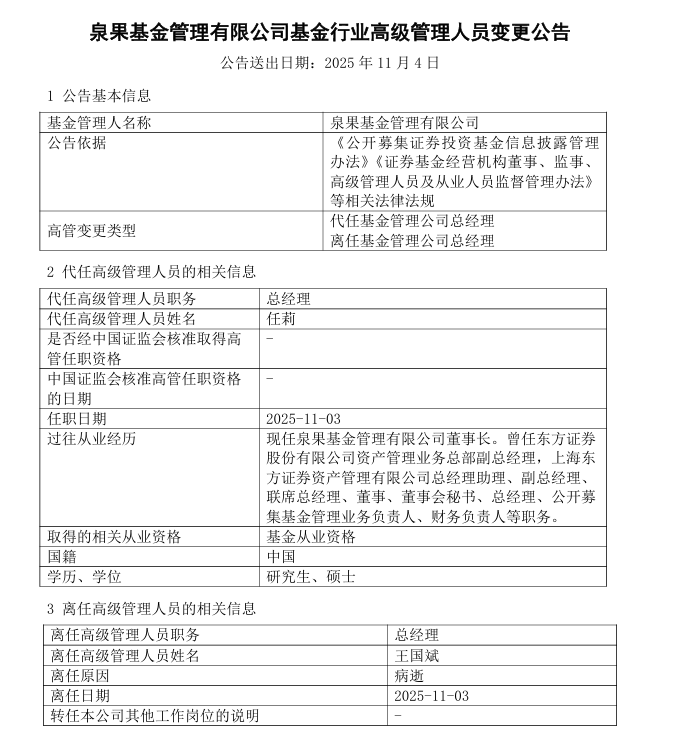
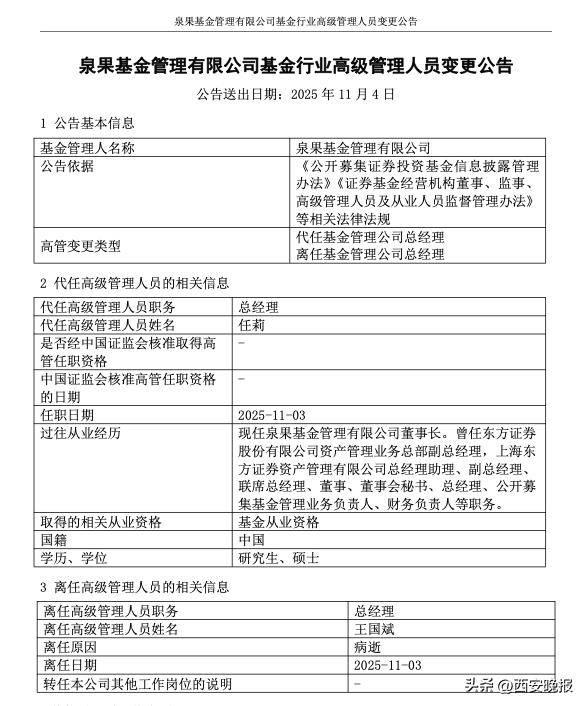
11月3日,泉果基金管理有限公司发布高级管理人员变更公告,总经理王国斌病逝,由董事长任莉代任总经理职务,任职日期为2025年11月3日。 | 基金管理人名称 | 泉果基金管理有限公司 | | --- | --- | | 公告依据 | 《公开募集证券投资基金信息披露管理 | | | 办法》《证券基金经营机构董事、监事、 | | | 高级管理人员及从业人员监督管理办法》 | | | 等相关法律法规 | | 高管变更类型 | 代任基金管理公司总经理 | | | 离任基金管理公司总经理 | | 代任高级管理人员职务 | 总经理 | | --- | --- | | 代任高级管理人员姓名 | 任莉 | | 是否经中国证监会核准取得高 | | | 管任职资格 | | | 中国证监会核准高管任职资格 | | | 的目期 | | | 任职目期 | 2025-11-03 | | 过往从业经历 | 现任泉果基金管理有限公司董事长。曾任东方证券 | | | 股份有限公司资产管理业务总部副总经理,上海东 | | | 方证券资产管理有限公司总经理助理、副总经理、 | | | 联席总经理、董事、董事会秘书、总经理、公开募 | | | 集基 ...
突传噩耗!知名基金创始人离世,官网已变黑白
Sou Hu Cai Jing· 2025-11-03 11:06
11月3日,泉果基金发布公告称,总经理王国斌已于当日离任,离任原因为病逝。董事长任莉代任总经 理。 记者从业内了解到,泉果基金创始人王国斌于近期因病突发离世,年仅57岁。 公告发出后,泉果基金 官网已变黑白。 | 基金管理人名称 | 泉果基金管理有限公司 | | --- | --- | | 公告依据 | 《公开募集证券投资基金信息披露管理 | | | 办法》《证券基金经营机构董事、监事、 | | | 高级管理人员及从业人员监督管理办法》 | | | 等相关法律法规 | | 高管变更类型 | 代任基金管理公司总经理 | | | 离任基金管理公司总经理 | | 代任高级管理人员职务 | 总经理 | | --- | --- | | 代任高级管理人员姓名 | 任莉 | | 是否经中国证监会核准取得高 | | | 管任职资格 | | | 中国证监会核准高管任职资格 | | | 的日期 | | | 任职目期 | 2025-11-03 | | 过往从业经历 | 现任泉果基金管理有限公司董事长。曾任东方证券 | | | 股份有限公司资产管理业务总部副总经理,上海东 | | | 方证券资产管理有限公司总经理助理、副总经理、 | ...
泉果基金王国斌病逝,公司称其为“企业家型投资人”
Sou Hu Cai Jing· 2025-11-03 10:25
Core Points - The announcement of a senior management change at QuanGuo Fund due to the passing of General Manager Wang Guobin, with Chairman Ren Li taking over the role temporarily [2][3] - Wang Guobin, a veteran in the securities industry with 31 years of experience, co-founded QuanGuo Fund in 2022 and was known for his long-term value investment philosophy [4][6] - Ren Li, who has a diverse background in both the pharmaceutical and financial sectors, will serve as the acting General Manager [8] Management Change - Wang Guobin passed away on November 3, 2025, at the age of 57 [3][4] - Ren Li, currently the Chairman, has taken over as acting General Manager, with a history of significant roles in the financial industry [3][8] - The board of QuanGuo Fund approved this change and will file it according to relevant laws and regulations [2] Company Performance - QuanGuo Fund has five mixed funds, all of which have positive returns since inception, with notable performances including a 33.16% return for the QuanGuo Jiayuan three-year holding period mixed A fund [4][5] - The overall management scale of QuanGuo Fund is reported to be 23.787 billion yuan [5] Background of Key Personnel - Wang Guobin had a distinguished career, having previously worked at Southern Securities and Oriental Securities, and founded Dongfang Hong Asset Management [4][6] - Ren Li transitioned into finance in 2003 after a career in the pharmaceutical industry, holding various positions before co-founding QuanGuo Fund [8]