
冰雪经济

Search documents
地方“雪假”试点再添新例,“加热”新雪季激活消费新活力
Zheng Quan Shi Bao Wang· 2025-12-04 03:14
Core Viewpoint - The introduction of the "snow holiday" in Jilin Province aims to enhance ice and snow sports participation among students, stimulate local consumption, and promote the development of the ice and snow economy [1][2][3]. Group 1: Policy Implementation - Jilin Province has set the "snow holiday" from December 3 to December 7, 2025, allowing all students in compulsory education to enjoy this break without affecting winter and summer vacations [1][2]. - The "snow holiday" initiative follows similar trials in Xinjiang, where Urumqi and Altay regions have already implemented their own versions of the holiday [5][6]. Group 2: Economic Impact - The "snow holiday" is expected to activate local ice and snow consumption potential, benefiting related industries such as accommodation, dining, transportation, and equipment sales [4][7]. - The initiative is part of a broader strategy to transform "cold resources" into a "hot economy," emphasizing the importance of ice and snow culture and sports [4][8]. Group 3: Safety and Infrastructure - Safety measures have been established at ski resorts, including protective nets and mandatory accident insurance for students, ensuring a secure environment for ice and snow activities [4]. - Ski resorts have optimized their facilities to cater to various skill levels, enhancing the overall experience for students [4]. Group 4: Cultural and Educational Integration - The "snow holiday" is seen as a crucial opportunity to cultivate a love for ice and snow sports among children, aiming to shift from individual participation to organized group activities [8]. - Experts suggest integrating ice and snow sports into regular education, proposing that these activities become part of the curriculum to foster a deeper cultural appreciation and participation [8].
交通“引流”+特色假期点燃冰雪经济引擎 “冷”资源激活消费“热”活力
Yang Shi Wang· 2025-12-04 02:50
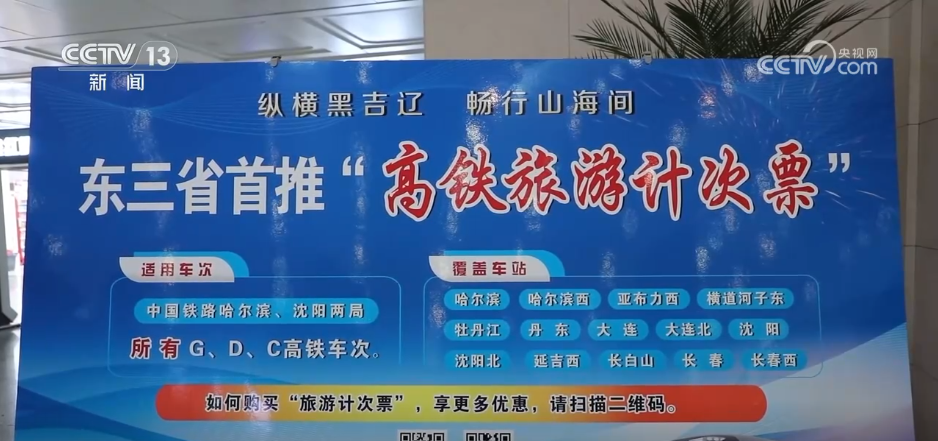
Group 1 - The core idea of the news is the introduction of a new tourism ticket by China Railway Harbin Bureau and Shenyang Bureau, aimed at enhancing winter tourism in Northeast China through a "high-speed rail + tourism" model [1] - The newly launched 15-day valid cross-province tourism ticket covers 14 stations including Dandong, Shenyang, Changbai Mountain, and Harbin West, connecting cities like Harbin, Mudanjiang, and Changchun for a flexible travel experience [1] - The ticket allows travelers to purchase once and travel in segments over 15 days, promoting a "quick entry, slow travel" approach to popular ice and snow destinations in Heilongjiang, Jilin, and Liaoning provinces [1][5] Group 2 - Travelers can book their tickets through the 12306 website, app, or automatic ticket machines, with the option to add 2 to 10 segments to their itinerary [3] - The ticket must be activated within 30 days of purchase, and if not used, it will be fully refunded; it remains valid for 15 days after the first trip, with features like free cancellation for itinerary changes [5] - The introduction of this ticket is expected to convert transportation "flow" into consumer "retention," thereby empowering the ongoing ice and snow economy in Northeast China [5] Group 3 - In Jilin Province, students in compulsory education are granted a special ice and snow holiday from December 3 to 7, allowing them to enjoy free ice and snow activities [8] - During this holiday, students can access free entry to designated venues for three hours of ice and snow activities daily, along with free admission to A-level scenic spots [8] - Similar initiatives are observed in Xinjiang, where students in Urumqi and Altay can enjoy a snow holiday from December 1 to 5, potentially extending to a nine-day break [10]

冰雪运动咋就“热”了起来
Xin Hua Wang· 2025-12-03 23:48
Core Insights - The article highlights the rapid growth and popularity of ice and snow sports in China, transitioning from niche activities to mainstream participation [2][4][5] - Economic development, particularly the increase in GDP, has played a crucial role in making ice and snow sports more accessible to the general public [5][9] - The successful hosting of the Beijing Winter Olympics has significantly boosted the ice and snow sports industry, leading to increased participation and investment [6][7] Economic Impact - The ice and snow industry in China has seen substantial growth, with the total scale increasing from 270 billion yuan in 2015 to an expected 980 billion yuan by 2024, and projected to surpass 1 trillion yuan in 2025 [9] - The development of ice and snow sports has stimulated related sectors, including tourism, equipment manufacturing, and cultural activities, creating a comprehensive industry ecosystem [8][9] - The rise in participation has led to increased consumer spending, with venues like the Yao Xue Ice and Snow World in Shanghai generating 200 million yuan in economic benefits within a year [8] Participation Trends - Ice and snow sports have become increasingly popular among various demographics, including families and young adults, with many seeking to learn and engage in these activities [3][4] - The accessibility of ice and snow sports has improved, with indoor facilities emerging in southern regions, making these activities available year-round [4][8] - Events and competitions, such as the Jiangsu Province Alpine Skiing Open, are being organized in non-traditional regions, further promoting participation [4]
地方“雪假”试点再添新例 “加热”新雪季激活消费新活力
Zheng Quan Shi Bao· 2025-12-03 22:15
Core Viewpoint - Jilin Province has introduced a "snow holiday" from December 3 to December 7, 2025, for all students in the compulsory education stage, aimed at promoting ice and snow sports and enhancing local consumption in the ice and snow sector [1][2][3]. Group 1: Policy Implementation - The "snow holiday" will not overlap with winter or summer vacations, allowing students to engage in ice and snow activities without academic pressure [1][5]. - Students can enjoy free access to designated ski and ice rinks for three hours, along with free admission to winter tourist attractions [3][4]. - The policy aims to create a sustainable mechanism for ice and snow culture and industry development, transitioning from a temporary measure to a long-term initiative [2][8]. Group 2: Economic Impact - The introduction of the "snow holiday" is expected to activate local ice and snow consumption potential, benefiting related industries such as accommodation, dining, and transportation [2][7]. - The initiative is part of a broader strategy to position Jilin as a prominent ice and snow destination, enhancing its brand recognition both nationally and globally [6][7]. Group 3: Comparison with Other Regions - Xinjiang has also implemented a "snow holiday," but Jilin's approach is more inclusive, offering the holiday to all students without regional restrictions [5][6]. - While Xinjiang's holiday is designed to connect with weekends for longer breaks, Jilin's holiday is a fixed period, emphasizing participation in ice and snow activities [5][6]. Group 4: Challenges and Future Directions - There are concerns about the actual participation rates of students, as the policy is largely advisory and may face practical challenges in implementation [7][8]. - Experts suggest that the "snow holiday" should evolve into organized activities, integrating ice and snow education into regular school curricula to ensure long-term engagement [8].
新闻1+1丨人气爆棚的雪假,点燃了怎样的冰雪经济?
Yang Shi Wang· 2025-12-03 22:11
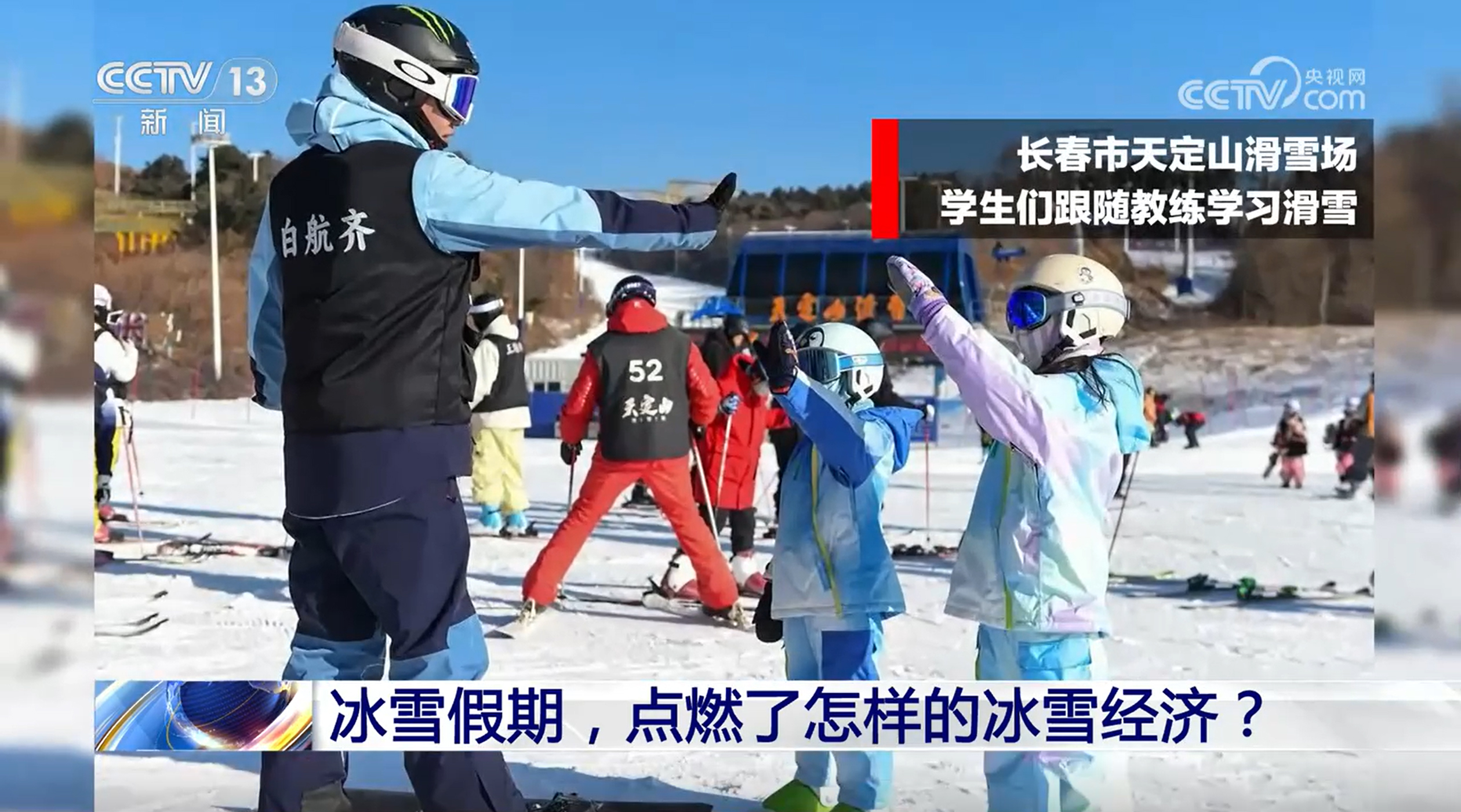
Core Points - The introduction of a winter "snow holiday" in Jilin Province aims to stimulate the ice and snow economy by encouraging family participation in winter sports and activities [1][11] - The first day of the snow holiday saw a significant increase in visitor numbers at key ice and snow venues, indicating a strong market response [3][4] Group 1: Economic Impact - The snow holiday has led to over 50,000 visitors at major ski resorts, with a 100% year-on-year increase in visitor numbers at some locations [3] - Public cultural venues, such as museums and libraries, have also seen increased participation from students during the holiday [4] Group 2: Family Engagement - The snow holiday encourages flexible vacation arrangements for working parents, allowing them to spend time with their children [5][7] - Families are encouraged to engage in local ice and snow activities, promoting physical health and enjoyment among children [7] Group 3: Long-term Strategy - The snow holiday is viewed as a long-term initiative, with plans to extend the holiday period in future years to enhance ice and snow service capabilities [9] - There is a focus on developing local ice and snow facilities and training professional instructors to support the initiative [9] Group 4: Policy Innovation - The snow holiday is seen as a significant policy innovation that aligns with local resources and aims to boost tourism and leisure consumption [11] - The initiative is expected to enhance the geographical brand image of Jilin and Xinjiang as key destinations for winter sports [11] Group 5: Business Model Challenges - Ice and snow businesses face operational pressures despite the rapid growth of the ice and snow economy, necessitating innovative business models [13] - Free or low-cost access to snow activities is viewed as a strategy to cultivate future consumers, while businesses must also diversify their offerings to include related services [13]
冰雪经济持续升温
Shang Hai Zheng Quan Bao· 2025-12-03 18:46
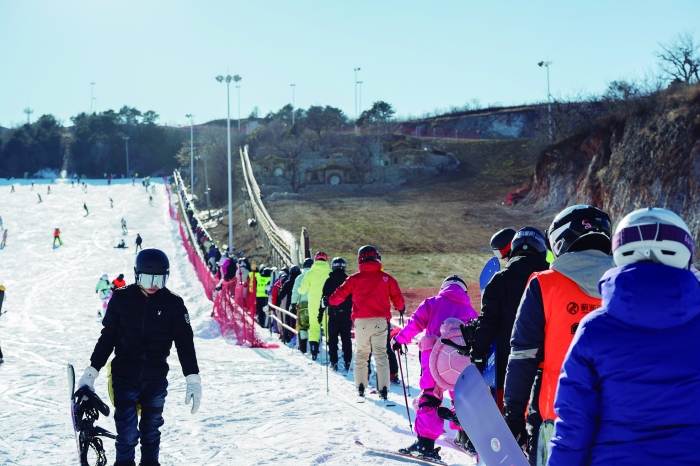
Core Viewpoint - The opening of the new snow season at the Jizhou International Ski Resort in Tianjin has attracted numerous visitors, boosting the local ice and snow economy [2] Group 1: Industry Development - The Jizhou District in Tianjin is actively exploring unique ice and snow cultural tourism resources [2] - There is an ongoing effort to improve the infrastructure of the ice and snow industry in the region [2] - The transformation of "cold resources" into a "hot economy" through ice and snow tourism is being promoted [2]
地方“雪假”试点再添新例“加热”新雪季激活消费新活力
Zheng Quan Shi Bao· 2025-12-03 17:38
Core Viewpoint - Jilin Province has introduced a "Snow Holiday" from December 3 to December 7, 2025, for all students in compulsory education, aimed at promoting ice and snow sports and boosting local consumption in the ice and snow sector [1][2][3]. Group 1: Policy Implementation - The "Snow Holiday" will not overlap with winter or summer vacations, allowing students to engage in ice and snow activities without academic pressure [1][2]. - Students can enjoy free access to designated ski and ice rinks for three hours, along with free admission to winter tourist attractions [3][4]. - The initiative is part of a broader strategy to cultivate a culture of ice and snow sports in China, transitioning from a "big ice and snow country" to a "strong ice and snow country" [4][6]. Group 2: Economic Impact - The introduction of the "Snow Holiday" is expected to activate local ice and snow consumption potential, benefiting related industries such as accommodation, dining, and transportation [2][7]. - The program aims to create a positive cycle of "education empowerment + consumption stimulation + industry linkage" [7][8]. - Jilin Province plans to enhance its ice and snow brand nationally and globally, promoting the local ice and snow economy and education [6][8]. Group 3: Comparison with Other Regions - Xinjiang's "Snow Holiday" is being piloted in Urumqi and Altay, with a longer holiday period of nine days, while Jilin's holiday is more structured and accessible to all students [5][6]. - The focus of Xinjiang's initiative is on leveraging local ice and snow resources, while Jilin aims to establish a comprehensive ice and snow culture and economy [6][8]. Group 4: Challenges and Future Directions - There are concerns about the actual participation of students in ice and snow activities, as many parents may not have the time to accompany their children [7][8]. - Experts suggest that the "Snow Holiday" should evolve into organized activities rather than remain a casual break, integrating ice and snow education into the regular curriculum [8].
多地出实招促冬季文旅消费市场“热气腾腾”
Zheng Quan Ri Bao· 2025-12-03 16:26
Group 1 - Various regions in China are launching consumer promotion initiatives to boost tourism and consumption as the year-end approaches, including a 15 million yuan "Winter Travel Tibet" card in Tibet [1] - Cities like Yinchuan are planning a series of unique consumer activities from December 2025 to March 2026, with over 500,000 yuan allocated for tourism benefits [1] - Northern cities such as Beijing and Harbin are initiating diverse winter consumption activities, leveraging their ice and snow resources to stimulate spending [1] Group 2 - The rise of the ice and snow economy reflects a shift in consumer behavior in China, moving from material consumption to experiential consumption, with health and spiritual needs becoming central [2] - Many cities, including Chongqing and Guangzhou, are starting winter consumption seasons, utilizing "ticket roots" as a key strategy to activate the market [2] - Changchun is innovating with an "ice and snow joint ticket" that integrates various resources, promoting cross-regional collaboration and discounts [3] Group 3 - The "ticket root economy" is seen as a more precise and efficient way to stimulate consumption compared to traditional subsidies, linking tickets to create a multi-industry win-win scenario [3] - The shift from single subsidies to multi-industry integration in winter consumption activities enriches consumer experiences and continuously releases consumption potential [3] - As holidays like New Year's and Spring Festival approach, more integrated and quality-driven consumer offerings are expected to emerge, further heating the winter consumption market [3]
亚布力冰雪经济“进阶记”:从“滑雪胜地”向“四季文旅”的产业突围
Xin Hua Cai Jing· 2025-12-03 16:22
Core Insights - The 26th China Entrepreneurs Forum Annual Meeting will be held from March 17 to 19, 2026, in Yabuli, which is recognized as a leading example of China's ice and snow economy [1] - Yabuli is transitioning from a "single-season ski resort" to a "four-season cultural tourism destination" through a combination of events, IP, vacation offerings, and unique experiences [1][4] Event Economy - Yabuli boasts seven ski resorts with 56 ski trails totaling over 100 kilometers, including trails certified by the International Ski Federation, enabling it to host over 80% of international A-level snow events [3] - Visitor numbers have exceeded 1.1 million and 1.21 million in the past two seasons, making it the first ski resort in China to surpass one million visitors in a single season [3] - For the 2025-2026 season, Yabuli plans to host one international, seven national, and eight provincial-level skiing events, enhancing its international profile and driving tourism-related consumption [3][4] Business Model Upgrade - To address the seasonal dependency of the ice and snow economy, Yabuli initiated a "four-season cultural tourism industry transformation" in 2025, introducing summer events and unique experiences to boost off-season consumption [4] - Summer visitor numbers increased by 19% due to events like stargazing camping festivals and volleyball competitions [4] Smart Empowerment - Yabuli is implementing a "smart scenic area" initiative to enhance visitor experience by monitoring key environmental data and managing visitor flow and parking intelligently [8] - The resort is also focusing on service quality by collaborating with universities to train professional ski instructors and service personnel [8] Regional Synergy - Yabuli's location near Harbin and Mudanjiang allows it to leverage rich surrounding tourism resources, enhancing its appeal as a central hub for ice and snow tourism [9] - The Harbin Ice and Snow World and other attractions are expected to complement Yabuli's offerings, creating a "snow tourism corridor" for resource sharing and customer exchange [9][10] Future Development - The Heilongjiang provincial government is promoting a "China No.1 Ice and Snow Tourism" route, enhancing core products like Yabuli and other key attractions [10] - Yabuli aims to become a world-renowned ice and snow sports tourism destination and an international conference venue, with plans for an airport and high-quality outdoor sports facilities [10][11]
燕山脚下 冰雪经济持续升温
Ren Min Wang· 2025-12-03 15:43
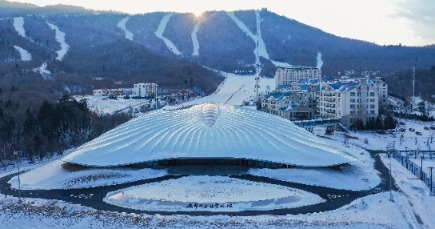
Core Viewpoint - The opening of the new snow season at the Jizhou International Ski Resort in Tianjin has attracted numerous visitors, boosting the local ice and snow economy [2][4][6]. Group 1: Economic Impact - The Jizhou International Ski Resort is driving the local ice and snow economy, which is experiencing continuous growth as more tourists engage in winter sports [2][4][6]. - The region is transforming its "cold resources" into a "hot economy" through the development of ice and snow tourism [2][4][6]. Group 2: Infrastructure Development - In recent years, Jizhou District has actively explored unique ice and snow cultural tourism resources and improved the infrastructure of the ice and snow industry [2][4][6]. - The enhancement of infrastructure is aimed at releasing the economic potential of the ice and snow sector [2][4][6].
