
绿色转型

Search documents
硬核!迁安钢铁发展大动作不断!
Xin Lang Cai Jing· 2025-12-05 12:48
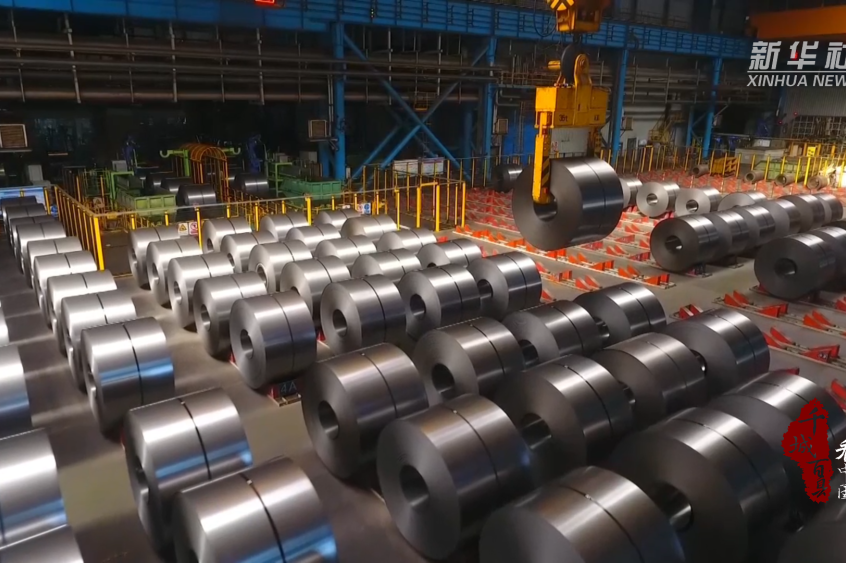
在共享与互联的基础上,迁安市进一步强化知识产权驱动与绿色转型,为产业集群注入更可持续、更具竞争力的新动 能。 迁安构建"钢铁-氢能"双产业链! 自今年4月被纳入河北省知识产权强链增效重点产业链以来,河北省迁安市精品钢铁产业迎来全新发展局面,知识产权 正成为驱动产业转型升级的核心引擎。截至目前,全市有效发明专利总量达461件,万人口发明专利拥有量达5.91件,同 比增长10.82%,展现出知识产权在创造与运用方面的强劲动能。 作为河北省特色产业集群,迁安市先进钢铁制造产业集群和通用设备制造产业集群坚持创新引领、数字赋能,依托工业 互联网平台,打造了集"互联网+物联网+大数据配套"于一体的迁安钢铁共享经济产业园,围绕共享生产制造、集采集 销、物流贸易等方面,以"共享智造"推动县域特色产业向新而行。 为全面推进精品钢铁产业全链条升级,迁安市创新构建全国首个县域级"钢铁-氢能"双产业链知识产权协同发展模式。该 模式以知识产权为核心驱动力,依托焦炉煤气制氢等关键技术,发展零碳运输,实现产业延伸与能源结构优化的双赢。 同时,以知识产权服务战略科技引导项目试点为抓手,重点培育河北鑫达钢铁、首钢智新电磁等龙头企业,通过精准帮 ...


施耐德电气赵国华:创新与合作是全球可持续发展核心动能
Guo Ji Jin Rong Bao· 2025-12-05 12:21
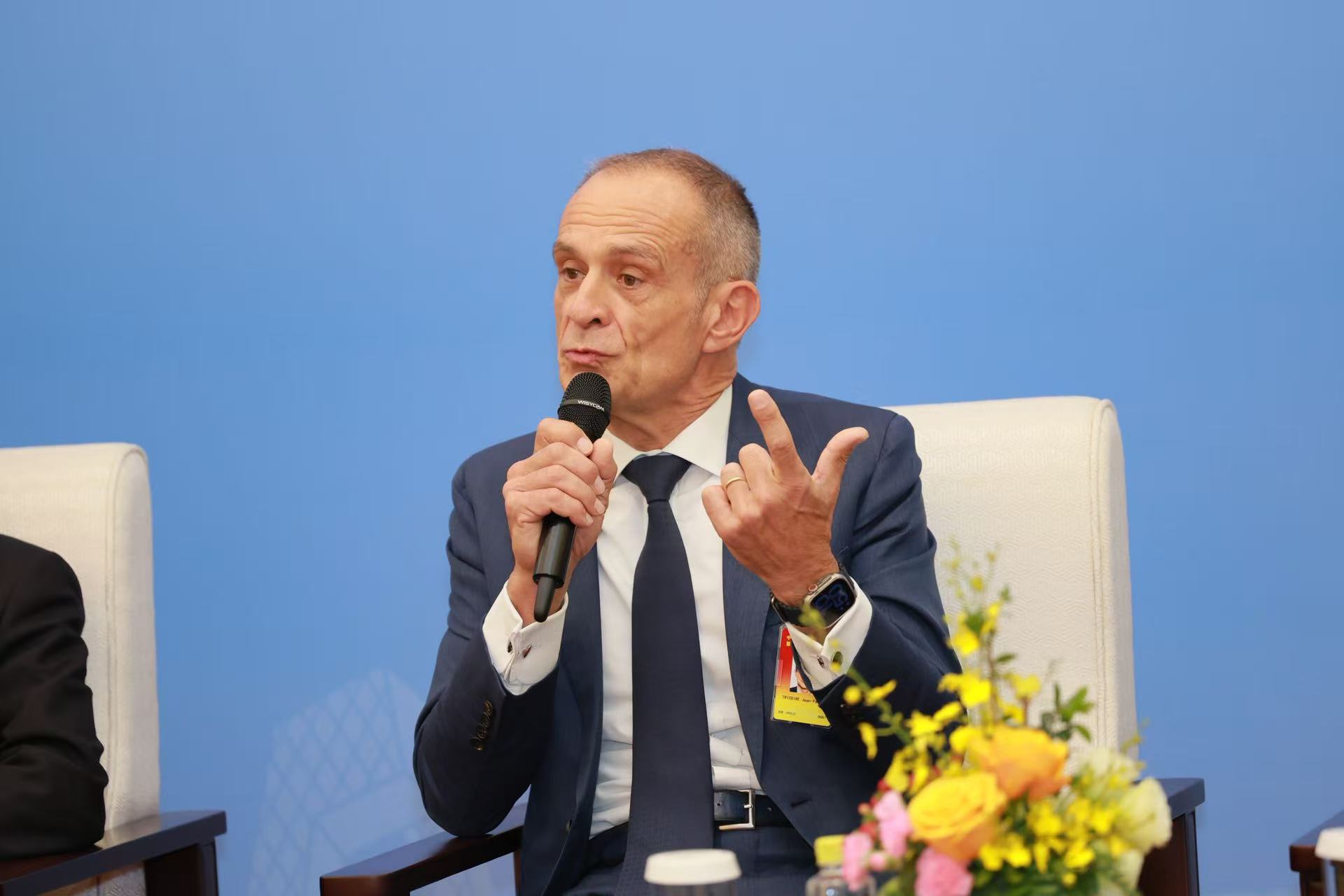
Group 1 - The core viewpoint emphasizes the strong economic ties between China and France, advocating for collaboration between companies to leverage their respective advantages and create value together [1] - There is significant potential for cooperation in technology innovation and green transformation, particularly in four key areas: energy transition, climate governance, industrial upgrading, and digital economy [1] - Schneider Electric is recognized as a global leader in energy technology, focusing on the integration of electrification, automation, and digitalization to promote efficiency and sustainability [3] Group 2 - Schneider Electric has established five R&D centers and AI innovation labs, along with 30 factories and logistics centers in China, reflecting its commitment to investment in the region over the past 38 years [3] - The company collaborates with Chinese enterprises like China Power Construction and China National Machinery Group to explore third-party markets in the Middle East and Southeast Asia, providing advanced energy infrastructure [4] - Schneider Electric's "China-centric" strategy positions China as its second-largest global market and a key supply chain base, contributing to its innovation and growth [4]

钢材市场:互联网浪潮下,钢材市场的破局与新生
Sou Hu Cai Jing· 2025-12-05 10:01
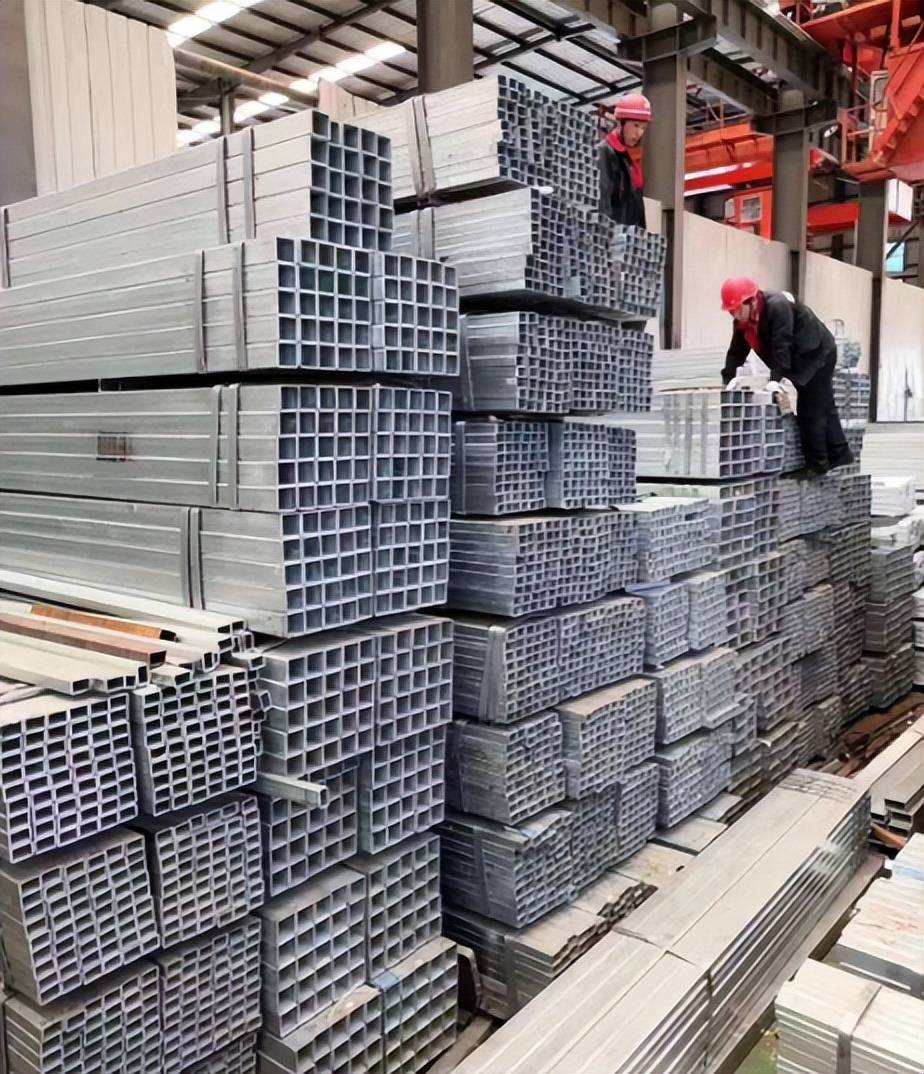
过去,钢材价格受地域、渠道限制,波动大且信息滞后。采购商需多方比价、反复议价,耗时耗力。如今,互联网平台通过实时数 据整合,让价格透明化——全国钢材价格走势、区域差价、历史波动曲线一目了然。采购商足不出户,就能掌握市场动态,精准决 策,避免买贵或断货风险。 二、交易线上化:效率革命的起点 传统钢材交易依赖线下谈判、合同签订、物流对接,流程繁琐且易出错。互联网平台将交易环节搬到线上,从询价、下单到支付、 开票,全程数字化操作。采购商一键下单,供应商快速响应,物流信息实时追踪,交易周期从数天缩短至几小时。效率提升的背 后,是人力、时间成本的双重降低。 三、供应链协同:从单打独斗到抱团发展 传统印象里,钢材市场是堆满钢筋铁骨的重工业场景,但今天,一场由互联网引发的变革正在重塑这个行业。当钢材遇上互联网, 不是简单的线上卖货,而是一场从交易模式到供应链效率的全面升级。 一、信息透明化:打破价格迷雾 正是在这样的背景下,钢材市场负责人对行业进行了深入的思考,并决定借助互联网进行转型升级,以线下为基础,互联网为渠 道,通过小程序搭建商城,通过公众号进行推广,通过社群进行精准营销,最终实现"互联网化营销"。 钢材行业涉及生 ...
驭“碳”乘风,2025年度绿色仪器奖限时申报
仪器信息网· 2025-12-05 09:07
摘要 : 工信部推动科学仪器绿色转型,2025年度"3i奖-科学仪器行业绿色仪器奖"申报启动,助力企业提升绿色竞争力。 特别提示 微信机制调整,点击顶部"仪器信息网" → 右上方"…" → 设为 ★ 星标,否则很可能无法看到我们的推送。 随着工信部机电产品再制造规范企业名单的陆续公布,标志着中国科学仪器行业的绿色转型已从倡议走向了实 质性的规范与引领。 这 是 一 份 来 自 仪 器 信 息 网 的 诚 挚 邀 请 —— 我 们 正 处 在 一 个 行 业 深 刻 变 革 的 十 字 路 口 。 工 业 和 信 息 化 部 发 布 的 《机电产品再制造行业规范条件》已正式实施,该规范明确指出,再制造是指对旧件进行专业化修复或升级改 造,使其性能和质量达到或超过原型新品的过程,是循环经济的高级形式。与制造新品相比,再制造可节约生 产成本5 0%、节能6 0%、节材7 0%、减少污染物排放8 0%以上。 在"双碳"目标和"大规模设备更新"国家战略的强力驱动下,科学仪器的"绿色含量"正迅速成为衡量企业核心竞 争力和未来生存空间的新标尺。在此背景下,2 0 2 5年度 " 3 i奖-科学仪器行业绿色仪器奖" 申报工作 ...

安盛集团应邀出席中法企业家委员会第七次会议
Sou Hu Cai Jing· 2025-12-05 08:13
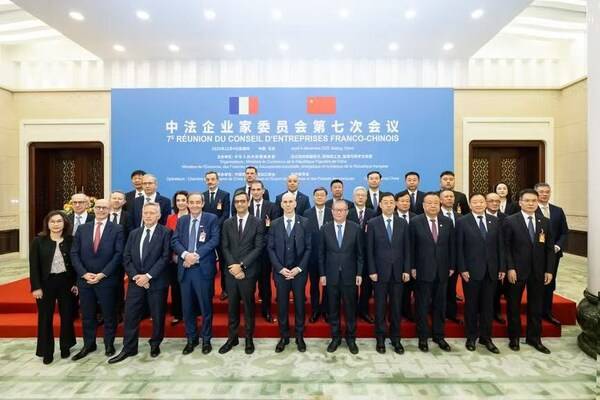
Core Insights - AXA and Industrial and Commercial Bank of China (ICBC) signed a strategic cooperation memorandum to enhance collaboration in various financial sectors [3] - The partnership signifies an upgrade in the relationship between the two financial institutions and reflects the ongoing deepening of Sino-French economic and financial cooperation [3] - The collaboration aims to leverage opportunities in green transformation and digital economy, providing improved comprehensive financial services to clients [3] Summary by Categories Strategic Cooperation - AXA and ICBC agreed to deepen cooperation in insurance, cross-border financial services, green finance, asset management, and risk protection [3] - The memorandum emphasizes resource sharing and market opportunity expansion between the two entities [3] Economic and Financial Cooperation - The partnership is a vivid representation of the continuous deepening of economic and financial ties between China and France [3] - The Sino-French Entrepreneurs Committee, established in January 2018, aims to promote economic exchanges and diversified development between the two countries [3] Future Opportunities - Both parties will actively seize opportunities in green transformation and digital economy development [3] - The collaboration is expected to inject new momentum into sustainable economic development in China, France, and globally [3]


在希望的田野播种 向丰收的征程奋进
Zhong Guo Hua Gong Bao· 2025-12-05 06:53
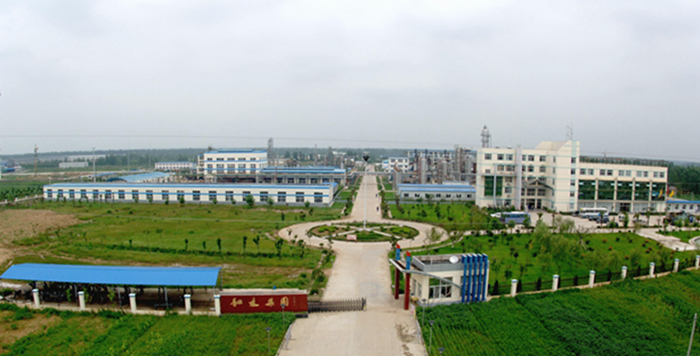
Core Viewpoint - Jiangsu Heyou Chemical Co., Ltd. has successfully navigated 55 years of challenges and transformations, evolving from a small nitrogen fertilizer enterprise to a comprehensive chemical company, while actively responding to national calls and embracing social responsibilities [3][4][22]. Group 1: Company History and Transformation - Founded in 1970 as a local state-owned fertilizer plant, the company has undergone three significant reforms, transitioning from survival to growth without experiencing bankruptcy [4][5]. - The first reform involved shifting from a planned economy to a market economy, where the company adopted a proactive development strategy to improve production and market presence [5][6]. - The second reform marked the transformation from a state-owned enterprise to a limited company, establishing a modern corporate structure that revitalized the business [6][7]. - The third reform transitioned to a shareholding system, fundamentally changing the company's development philosophy and enhancing its market competitiveness [7][8]. Group 2: Green Transformation and Technological Advancements - The company has committed to green development, implementing various projects aimed at energy conservation and environmental protection, including a 200,000 tons/year ammonia energy-saving and emission-reduction upgrade project [10][11]. - Notable technological advancements include the development of low-temperature, low-pressure ammonia synthesis technology, breaking a 30-year foreign monopoly and significantly reducing energy consumption and emissions [10][11]. - The company has achieved impressive results, such as reducing ammonia synthesis system pressure from 31.2 MPa to below 12.7 MPa and cutting CO2 emissions by approximately 11.6 million tons annually [11][14]. Group 3: Social Responsibility and Employee Welfare - Heyou Chemical emphasizes social responsibility, prioritizing community welfare and environmental sustainability while ensuring stable growth and profitability [22][23]. - The company has implemented various employee welfare programs, including skill training, insurance systems, and financial assistance for families in need, ensuring that employees benefit from the company's success [24][23]. - The commitment to safety and quality has earned the company numerous accolades, reinforcing its reputation as a trustworthy partner in the industry [23][24].
注塑机行业呈现结构性增长态势 浙江华业推动塑机绿色化转型
Quan Jing Wang· 2025-12-05 00:46
Core Insights - The injection molding machine industry is undergoing structural transformation driven by both policy and market forces, with China's market expected to exceed 100 billion yuan by 2025 [1] - The industry is focusing on intelligent upgrades and green transitions, particularly in the automotive and electronics sectors [1] Industry Overview - China's production of plastic molding equipment accounts for over 50% of global output, making it the largest producer, consumer, and exporter in the world [1] - The market for injection molding machines in China is projected to grow from 35.2 billion yuan in 2023 to over 55 billion yuan by 2025, with a compound annual growth rate of 7%-9% [3] Company Profile - Zhejiang Huaye has over 30 years of experience in the plastic machinery components sector, focusing on core components like screws and barrels, and has developed a strong technological advantage [1] - The company has been recognized as one of the top seven enterprises in the Chinese auxiliary machinery and components industry by the China Plastics Machinery Industry Association [2] Product Innovation - The company has developed high-efficiency energy-saving screws that improve energy efficiency and lifespan by over 20% compared to standard screws [2] - The HPT series of screws and HK bimetallic barrels are designed to meet the injection requirements for advanced materials like PEEK, which are crucial for the humanoid robot industry [3] Market Position - Zhejiang Huaye's market share in the screw and barrel products segment was 12% in 2022, increasing to 13.2% by 2024, maintaining the top position in the market [2] - The company aims to enhance its global market penetration through stable partnerships with leading domestic and international manufacturers [3]
瞄准绿色、智能等优势 中国电动船产业加速发展
Xin Hua Cai Jing· 2025-12-05 00:40
Core Viewpoint - The electric shipping industry in China is entering a phase of rapid development, driven by green emissions reduction and intelligent efficiency, as demonstrated by the launch of the "ship, shore, cloud" zero-carbon shipping and smart port integration solution by CATL's electric shipping technology company [1] Group 1: Industry Development - The electric shipping industry in China is accelerating its development, with demonstration routes being opened in various regions, such as the green smart demonstration route from Shanghai's Pudong Waigaoqiao Port to Suzhou Port, which is approximately 200 kilometers long [1] - The operation of electric vessels on this route can reduce carbon dioxide emissions by 6.37 tons per round trip, leading to an annual reduction of over 400 tons of CO2 emissions [1] Group 2: Challenges Faced - The electric shipping industry faces several challenges, including the separation of power, refueling, and maintenance responsibilities among different suppliers, leading to inefficiencies and unclear accountability [1] - Other systemic issues include high initial purchase costs, insufficient refueling infrastructure, range anxiety, complex water conditions, and a lack of unified technical standards, which create operational difficulties for shipowners [1] Group 3: Integrated Solutions - CATL's "ship, shore, cloud" integrated solution aims to address these challenges by providing a comprehensive system that includes onboard power systems, shore-based refueling networks, and cloud-based intelligent management [1][2] - The onboard systems integrate battery systems, power systems, and intelligent navigation systems to ensure stable and long-term operation of vessels [2] Group 4: Market Adoption - CATL has delivered nearly 900 electric vessels, including passenger ships, research vessels, and tugboats, with various regions in China exploring pilot applications for electric vessels [3] - The Pudong New District in Shanghai is actively promoting the digital, intelligent, and green transformation of shipping, while Fujian Province is exploring the gradual replacement of traditional fishing auxiliary vessels with electric ones [3] - The shipping industry in China is increasing its focus on digitalization, intelligence, and greening, with expectations for broader and more systematic growth in the electric shipping sector as battery swap technology and intelligent systems advance [3]

马克龙访华 以中法韧性促中欧合作
Zhong Guo Qing Nian Bao· 2025-12-04 22:23
12月3日,北 京,法国总统马克龙(右)和夫人布丽吉特乘机抵达首都国际机场,开启为期3天的访华之行。视觉中 国供图 12月3日傍晚,法国总统马克龙及夫人布丽吉特乘专机抵达北京,开启为期3天的访华之行。这既是马克 龙时隔两年半再次访华,也是他自2017年就任法国总统以来第四次对中国进行国事访问,更是对习近平 主席在去年中法建交60周年之际对法国进行历史性国事访问的回访。 "马克龙多次访华本身就体现了中法关系在传统基础上的韧性。这是在面对复杂多变的国际局势时,中 法关系始终保持稳定的重要因素。"北京外国语大学欧盟与区域发展研究中心主任崔洪建在接受中青报· 中青网记者采访时表示,马克龙及其代表的精英群体在法国政治中具有代表性,他们希望长期保持对中 国的高度关注与合作需求。"只要中法关系保持稳定并继续深化,就意味着中欧关系中相当重要的一部 分能够维持合作与稳定的态势。" 将"竞争力焦虑"转化为合作动力 法国是第一个与新中国建立大使级外交关系的西方大国,中法同为联合国安理会常任理事国。在全球局 势更趋动荡的大背景下,中法元首外交的重要性愈发凸显。上海外国语大学法语系副研究员、上海全球 治理与区域国别研究院法国与法语国家 ...

中国共产党武汉市第十四届委员会第十二次全体会议公报
Chang Jiang Ri Bao· 2025-12-04 14:35
Core Viewpoint - The 12th Plenary Session of the 14th Committee of the Communist Party of China in Wuhan emphasizes the importance of the "15th Five-Year Plan" for economic and social development, aiming to build a modernized Wuhan and enhance its role as a strategic hub in central China [2][5][17] Group 1: Economic and Social Development Goals - The "15th Five-Year Plan" period is identified as a critical time for achieving socialist modernization and enhancing Wuhan's strategic position in central China [5][6] - The main goals include significant improvements in development capacity, production quality, social civilization, and living standards, with a vision for Wuhan to rank among the top cities in China by 2035 [8][12] - The plan aims to establish a modern industrial system, focusing on intelligent, green, and integrated development, while promoting new and traditional industries [8][9] Group 2: Innovation and Reform - The session highlights the need for deep integration of technological and industrial innovation, with a focus on enhancing the innovation ecosystem and supporting high-level self-reliance in technology [9][10] - Emphasis is placed on expanding domestic demand and improving the investment environment to stimulate economic growth [9][10] - Key reforms will target state-owned enterprises, the private sector, and market mechanisms to foster a conducive environment for high-quality development [9][10] Group 3: Urban Development and Governance - The session outlines plans for urban renewal and enhancing the quality of urban functions, aiming for a modern, resilient, and livable city [11][12] - There is a focus on rural modernization and urban-rural integration to ensure balanced development and improve living conditions in rural areas [12][13] - The governance model will be modernized to enhance public safety and social stability, ensuring effective management of urban challenges [14][16] Group 4: Cultural and Social Initiatives - The importance of cultural innovation and the promotion of social values is emphasized, aiming to enhance Wuhan's cultural influence and tourism appeal [12][14] - Efforts will be made to improve public welfare and ensure a higher quality of life for residents, with a focus on education, healthcare, and social security [13][14] - The session calls for a collective effort to achieve the goals set forth in the "15th Five-Year Plan," reinforcing the need for unity and commitment among party members and the public [15][17]