中小学生心理健康

Search documents
警惕学生心理健康新趋势!“问题孩子”不一定出自“问题家庭”
2 1 Shi Ji Jing Ji Bao Dao· 2025-10-29 04:46
Core Viewpoint - The increasing attention to mental health issues among middle and primary school students has prompted the Ministry of Education to issue "Ten Measures to Further Strengthen Mental Health Work for Middle and Primary School Students," addressing key challenges and proposing various initiatives [3][4]. Group 1: Key Measures - The measures aim to alleviate students' anxiety related to exams and academic pressure, ensure daily physical activity of at least 2 hours, guarantee sufficient sleep, and promote healthy internet usage habits [3][6]. - The document emphasizes the need to control the total amount of written homework, prohibit repetitive and punitive assignments, and encourage a "no homework day" each week [6][9]. - It also calls for a reduction in the frequency of daily tests, reasonable exam difficulty settings, and the prohibition of ranking students based on exam scores [6][9]. Group 2: Emerging Trends in Mental Health Issues - A study covering 420,000 adolescents revealed that approximately 14.8% of the sample exhibited varying degrees of depression risk, highlighting the negative effects of mental health issues [4]. - The phenomenon of "four no's" among some adolescents—lack of motivation for learning, disinterest in the real world, social incapacity, and feelings of boredom—has raised concerns [4][5]. - The issues are not limited to students from "problematic families," as many students from well-educated and economically stable families also experience school aversion [5]. Group 3: Educational Ecosystem Improvement - The measures aim to address the key issue of exam-related anxiety, which disrupts the educational ecosystem, by focusing on major contradictions to alleviate students' psychological burdens [6][7]. - Future education should respect and stimulate students' intrinsic interests rather than impose strict measures, as emphasized by educational leaders [7]. Group 4: Reducing Over-Reliance on Technology - The measures include innovative approaches to incorporate physical exercise, sleep management, and scientific internet usage into the mental health framework for students [9]. - There is a call for schools to manage the use of electronic devices, prohibiting smartphones in classrooms and encouraging "screen-free" activities with parents [9][10]. Group 5: Comprehensive Mental Health Education - The implementation of a "full staff mental health education" system is proposed, which includes training teachers to enhance their awareness and ability to address students' psychological needs [11]. - Schools are encouraged to create a supportive environment for mental health, including establishing interest groups and regular collective activities to foster diverse interests among students [11][12].

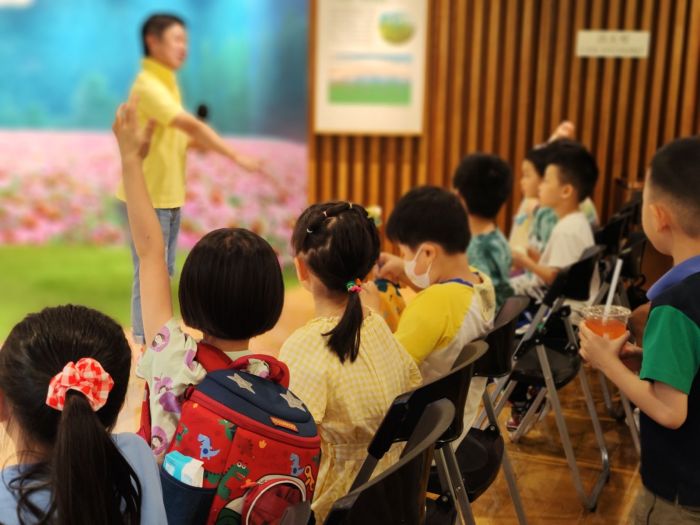
十条“心”措施 护航成长时
Ren Min Ri Bao Hai Wai Ban· 2025-10-28 22:57
Core Viewpoint - The Ministry of Education has introduced ten measures to enhance the mental health of middle and primary school students, addressing various issues such as homework burden, sleep quality, and online environment [5][6][10]. Group 1: Measures to Alleviate Academic Pressure - The measures include reducing homework loads, controlling the total amount of written assignments, and prohibiting repetitive or punitive homework [6][8]. - Schools are encouraged to implement a "no homework day" each week and to standardize exam management to reduce the frequency of tests and avoid ranking students based on exam scores [6][8]. - The initiative aims to alleviate anxiety related to exams and school transitions by reforming the middle school entrance examination system and expanding quality high school enrollment [6][9]. Group 2: Enhancing Sleep and Physical Health - The measures emphasize the importance of adequate sleep for students, mandating reasonable school hours and ensuring students have time for necessary rest [8][9]. - Regular physical activity is highlighted as crucial for mental health, with a commitment to ensure all students engage in physical education classes and participate in school sports events [9][10]. Group 3: Monitoring and Intervention Mechanisms - A national student mental health monitoring and early warning system will be established, with annual sampling to assess students' mental health status [7][12]. - Local authorities are urged to develop their monitoring systems to promptly identify and address mental health issues among students [7][12]. Group 4: Digital Environment and Online Behavior - The measures address the issue of students' excessive reliance on digital devices, prohibiting the use of personal smartphones and tablets in classrooms [10][11]. - Schools are encouraged to promote healthy online habits and collaborate with parents to reduce screen time, while also regulating online content to protect students' mental health [10][11]. Group 5: Support for Vulnerable Student Groups - Special attention will be given to vulnerable groups such as left-behind children and those from single-parent families, with personalized mental health records established for these students [12]. - The initiative includes improving living conditions in boarding schools and ensuring proper care and safety for boarding students [12].
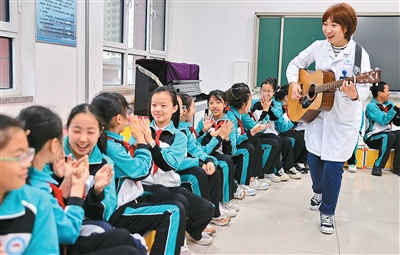
进一步加强中小学生心理健康工作
Ren Min Ri Bao· 2025-10-26 22:19
Group 1 - The core viewpoint of the article emphasizes the importance of enhancing mental health work for primary and secondary school students through a set of ten measures issued by the Ministry of Education [1][2] - The measures aim to alleviate academic exam anxiety by managing homework, regulating exam management, and reforming the high school admission process to reduce competition anxiety [1] - Special attention is given to vulnerable student groups such as left-behind children and orphans, with the establishment of personalized mental health records and improved living conditions in boarding schools [1] Group 2 - Family education plays a crucial role in student mental health, with initiatives to strengthen school-family collaboration and provide psychological health training for parents [2] - The measures call for a coordinated protection mechanism among departments to promote mental health knowledge and create a supportive societal atmosphere for student mental health [2]
“无作业日”和“息屏行动”强规之后,关键看家长了
Di Yi Cai Jing· 2025-10-25 11:44
Group 1 - The core viewpoint of the article emphasizes the urgent need for measures to address the psychological health of middle and primary school students, particularly through the implementation of "no homework days" and "screen-free actions" [1][2] - The "no homework day" regulation aims to reduce the heavy homework burden on students, strictly controlling the total amount of written homework and prohibiting repetitive or punitive assignments [1][3] - The "screen-free action" regulation seeks to manage the use of electronic devices in schools, prohibiting smartphones in classrooms and encouraging families to engage in activities that reduce reliance on the internet [1][6] Group 2 - The article highlights that alleviating the excessive homework burden fundamentally requires addressing the anxiety surrounding school admissions, with measures to reform the high school entrance examination system and expand quality high school enrollment [2][3] - It points out that vocational high schools are also a significant pathway for success, and there is a need to expand access to general high school education [3][4] - The article discusses the importance of parental involvement in both the "no homework day" and "screen-free action," emphasizing that parents should not exacerbate the situation by increasing extracurricular pressures on their children [4][5][6]
教育部发布进一步加强中小学生心理健康工作十条措施
Jing Ji Guan Cha Bao· 2025-10-25 10:29
Core Viewpoint - The Ministry of Education has released ten measures to enhance the mental health work of primary and secondary school students, focusing on alleviating exam anxiety, promoting physical activity, ensuring adequate sleep, and fostering healthy online habits among students [1][2][3]. Group 1: Alleviating Exam Anxiety - Measures include reducing homework burdens, controlling the total amount of written assignments, and prohibiting repetitive or punitive tasks [1] - Schools are encouraged to implement "no homework days" and reduce the frequency of tests while ensuring reasonable exam difficulty [1] - The initiative aims to ease the pressure of academic competition and enhance students' resilience and emotional regulation [1] Group 2: Promoting Physical Health - Schools are mandated to provide at least two hours of physical activity daily for students, including class competitions and community sports collaborations [2] - The introduction of "15-minute breaks" during classes is encouraged to increase outdoor activity time [2] - Pilot programs for healthy school initiatives will address issues like nearsightedness, obesity, and mental health [2] Group 3: Ensuring Adequate Sleep - Schools must arrange schedules to ensure students have sufficient sleep, including possible afternoon naps [3] - Parents are guided to establish healthy sleep routines for their children, and schools are to monitor sleep conditions as part of health assessments [3] Group 4: Healthy Internet Usage - Education on internet literacy and safety is emphasized, with restrictions on bringing electronic devices into classrooms [4] - Initiatives like "screen-free actions" are promoted to reduce dependency on the internet [4] - The government will regulate online content to prevent harmful information from reaching students [4] Group 5: Support for Special Student Groups - Special attention is given to vulnerable groups such as left-behind children and those from single-parent families, with tailored psychological support [5] - Regular monitoring of emotional and behavioral changes in these groups is mandated, along with family engagement [5] Group 6: Monitoring and Intervention Mechanisms - A national psychological health monitoring system will be established, with annual assessments of student mental health [6] - Local systems will be developed for early detection and intervention of psychological issues [6] Group 7: Comprehensive Mental Health Education - Training for teachers on mental health education is prioritized, integrating it into regular teaching [7] - Schools are encouraged to establish a three-tiered support system involving teachers, mental health professionals, and medical staff [7] Group 8: Creating Supportive Environments - Initiatives to prevent bullying and promote a harmonious school atmosphere are emphasized [8] - Schools are encouraged to form various interest groups and clubs to foster community and engagement among students [8] Group 9: Fostering Family Relationships - Schools are to enhance collaboration with families through regular educational activities focused on mental health [9] - Parents are encouraged to be more involved in their children's lives to support their mental well-being [9] Group 10: Interdepartmental Collaboration - A comprehensive support system involving various governmental and social organizations will be established to address students' psychological needs [10] - Community platforms for mental health services will be developed to enhance support for children and adolescents [10]
【教育部发布“中小学生心理健康十条”】提升中小学生心理素质 促进健康成长
Yang Shi Wang· 2025-10-24 20:16
Core Viewpoint - The Ministry of Education has issued a notification to enhance mental health initiatives for primary and secondary school students, aiming to improve their psychological well-being and promote healthy growth [1] Group 1: Key Measures - Effective measures to alleviate students' anxiety related to exams and academic progression [1] - Implementation of "two hours of physical activity daily" for students [1] - Assurance of sufficient sleep time for students [1] Group 2: Support and Monitoring - Development of healthy internet usage habits among students [1] - Attention and care for special student groups [1] - Establishment of monitoring, early warning, and intervention mechanisms [1] Group 3: Holistic Development - Promotion of a comprehensive "heart cultivation" system involving all staff [1] - Optimization of the psychological support environment on campuses [1] - Fostering harmonious parent-child relationships within families [1] Group 4: Collaborative Protection - Improvement of inter-departmental collaboration for protective measures [1]
中国官方要求网站平台坚决遏制“贩卖焦虑”等违规行为
Zhong Guo Xin Wen Wang· 2025-10-24 11:42
Core Points - The Chinese Ministry of Education has issued measures to strengthen mental health work for primary and secondary school students, emphasizing the need for online platforms to curb harmful content and anxiety-inducing practices [1][2] Group 1: Regulatory Measures - Online platforms are required to optimize algorithm recommendation mechanisms and prevent the dissemination of harmful information to students [1][2] - The measures aim to alleviate students' anxiety related to exams and reduce excessive homework burdens, including strict controls on written assignments and the introduction of "no homework days" [1] Group 2: Examination and Training Regulations - The measures call for standardized exam management, including reducing the frequency of tests and avoiding ranking students based on exam scores [1] - Continued regulation of extracurricular academic training is mandated, particularly for compulsory education stages, with a focus on preventing hidden variations in academic training [1] Group 3: Student Well-being and Environment - The measures stress the importance of adequate sleep for students, enforcing sleep management regulations to prevent excessive study hours and competition that encroaches on sleep time [1] - Specific initiatives are proposed to promote healthy internet usage habits among students, including restrictions on electronic devices in classrooms and the promotion of a "minor mode" for online content [2]
教育部:严禁将手机等电子产品带进课堂 严禁布置机械重复、惩罚性作业
Qi Lu Wan Bao· 2025-10-24 08:59
Core Viewpoint - The Ministry of Education has issued a notification outlining "Ten Measures to Further Strengthen Mental Health Work for Primary and Secondary School Students" aimed at alleviating student anxiety and enhancing mental well-being [1][4][10] Group 1: Measures to Alleviate Anxiety and Stress - Effective measures to reduce exam and admission anxiety include controlling homework loads, prohibiting repetitive and punitive assignments, and encouraging "no homework days" [4] - The notification emphasizes the need for standardized exam management, reducing the frequency of tests, and preventing ranking based on exam scores [4] - It aims to alleviate the pressure of high school admissions by expanding quality high school enrollment indicators and implementing balanced allocation trials [4] Group 2: Physical Health and Sleep - The initiative mandates that students engage in at least 2 hours of physical activity daily, promoting sports competitions and outdoor activities [5] - Schools are encouraged to ensure adequate sleep for students by managing school hours and promoting healthy sleep habits [5] Group 3: Internet Usage and Special Student Groups - The measures include fostering healthy internet habits among students and regulating the use of electronic devices in schools [6] - Special attention is given to vulnerable student groups, such as left-behind children and orphans, with tailored psychological support and regular home visits [6] Group 4: Monitoring and Intervention - A national mental health monitoring and early warning system for students will be established, with annual psychological health assessments [7] - The initiative promotes a comprehensive approach to mental health education, integrating it into the curriculum and enhancing teacher training [7] Group 5: Supportive Environment and Family Engagement - Schools are encouraged to create a supportive environment to prevent bullying and promote peer support [8] - The initiative emphasizes the importance of family involvement in mental health education, with regular communication between schools and parents [9] Group 6: Collaborative Protection Mechanisms - The establishment of psychological counseling centers in schools and collaboration with various departments to address significant mental health issues is highlighted [10] - The initiative aims to create a community-based support system for mental health services, involving social workers and volunteers [10]
“中小学生心理健康十条”如何守护健康成长路?这些务实举措一起了解!
Yang Shi Wang· 2025-10-24 06:40
Core Points - The Ministry of Education has issued ten measures to enhance the mental health of primary and secondary school students, aiming to improve their psychological well-being and promote healthy growth [1][4][9] Group 1: Measures to Alleviate Academic Pressure - The measures directly address the root causes of educational anxiety, proposing to effectively alleviate students' exam and admission-related stress [4] - Specific strategies include strengthening homework management, controlling total homework volume, and encouraging "no homework days" to reduce daily pressure [4] - The measures also call for standardized exam management, reducing test frequency, and prohibiting ranking based on exam scores to lessen competitive anxiety [4] Group 2: Physical Health and Well-being - The initiative emphasizes the importance of physical health, mandating that students engage in at least 2 hours of comprehensive physical activity daily [9] - Schools are encouraged to implement class and grade-level sports competitions to enhance students' enjoyment of physical activities and build psychological resilience [11] - Adequate sleep is prioritized, with regulations to ensure students are not required to arrive early for classes and that necessary nap times are provided [13] Group 3: Support for Special Student Groups - The measures include targeted support for vulnerable groups such as left-behind children, orphans, and those from single-parent families, with personalized mental health guidance [8] - A national mental health monitoring and early warning system will be established to implement a comprehensive monitoring, warning, and intervention mechanism [8] Group 4: Internet Usage and Mental Health - The initiative aims to cultivate healthy internet usage habits among students, regulating the use of smart devices in schools and enhancing oversight of online platforms [13] - Measures will be taken to prevent the dissemination of harmful content to students, addressing issues like "anxiety selling" and "induced competition" [13]
教育部发布10条措施
21世纪经济报道· 2025-10-24 06:06
Core Viewpoint - The Ministry of Education has introduced 10 measures aimed at addressing the psychological health of middle and primary school students, including the implementation of a "no homework day" each week to alleviate exam-related anxiety [1][2]. Group 1: Measures to Alleviate Academic Pressure - The measures propose reducing the burden of homework by strictly controlling the total amount of written assignments and prohibiting repetitive or punitive tasks, while encouraging a weekly "no homework day" [1]. - Examination management will be standardized, with a reduction in the frequency of daily tests and a reasonable setting of exam difficulty, prohibiting ranking students based on exam scores [1]. - The initiative aims to consolidate the achievements in regulating off-campus training, continuing to strictly control subject-based training during compulsory education, and regulating non-subject training [1]. Group 2: Enhancing Student Well-being - The measures include a push for comprehensive health and safety education in school curricula, mandating at least one comprehensive educational practice activity per month to enhance students' resilience and emotional regulation [1]. - The initiative emphasizes the importance of physical activity, advocating for "two hours of physical activity every day" and encouraging schools to collaborate with communities to provide sports facilities for after-school activities [1]. - There is a focus on ensuring adequate sleep for students by strictly enforcing sleep management regulations and incorporating sleep status into health monitoring and educational quality assessment systems [2]. Group 3: Support for Special Student Groups - The measures call for attention to special student groups, establishing monitoring and intervention mechanisms, and promoting a comprehensive approach to nurturing students' mental health [2]. - The initiative includes optimizing the psychological support environment on campuses and fostering harmonious parent-child relationships [2]. - There is a requirement for inter-departmental collaboration to enhance protective mechanisms for students [2].