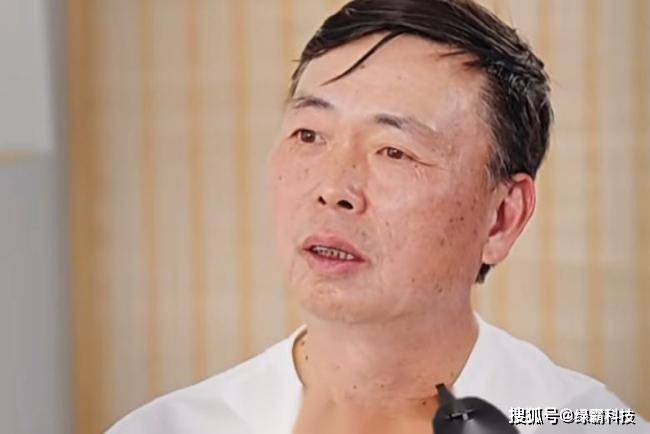
买股票就是买公司

Search documents
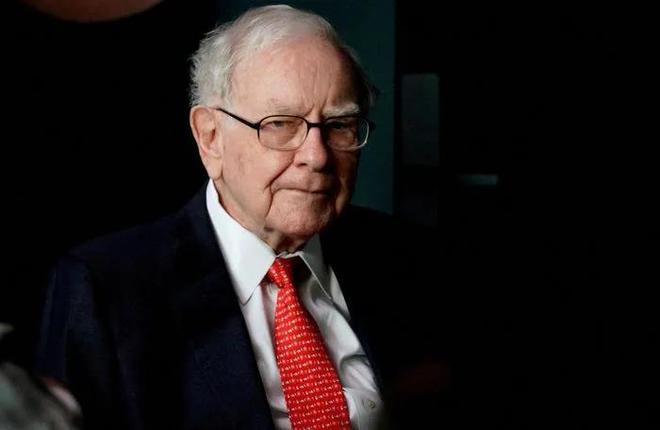
95岁巴菲特正式退休,卸任伯克希尔-哈撒韦首席执行官,63岁阿贝尔接棒,两人风格大有不同
Xin Lang Cai Jing· 2026-01-01 01:16
Core Viewpoint - Warren Buffett officially retired as CEO of Berkshire Hathaway on December 31, 2025, after a long tenure, but will continue as chairman of the board and retain a significant stake in the company [1][3]. Group 1: Retirement Announcement - Buffett, aged 95, announced his retirement in a letter to shareholders on November 10, 2025, stating that he would no longer write the annual letter or speak at the shareholder meeting [3]. - He plans to hold onto his Class A shares until investors are satisfied with his successor, Greg Abel, who will take over as CEO in January 2026 [3]. Group 2: Succession Planning - Greg Abel, 63, has been designated as Buffett's successor for many years and is known for his cautious and detail-oriented management style, contrasting with Buffett's more hands-off approach [6]. - Buffett's long-time partner, Charlie Munger, has endorsed Abel as the most suitable successor, suggesting that Abel may excel in areas where Buffett is less proficient [6]. Group 3: Philanthropic Efforts - Buffett has donated over $60 billion to various charities since 2006 and has revised his will to allocate 99.5% of his assets to a charitable foundation managed by his three children after his passing [4]. - On the same day as his retirement announcement, Buffett donated 2.7 million shares of Berkshire Hathaway Class B stock, valued at approximately $1.3 billion, to four family foundations [3][4].

段永平的突然“回归”,引发一个尖锐问题
财富FORTUNE· 2025-12-15 13:06
Core Viewpoint - The article emphasizes the investment philosophy of Duan Yongping, highlighting his commitment to long-term value investing and his unwavering support for Kweichow Moutai despite market fluctuations [1][3]. Group 1: Investment Philosophy - Duan Yongping reiterates the principle that "buying stocks means buying companies," showcasing his belief in the intrinsic value of businesses rather than short-term market movements [1][3]. - He maintains a significant holding in Apple, with a proportion close to 80%, based on his conviction in the company's strong business model and competitive advantages [3][4]. Group 2: Kweichow Moutai Investment - Duan's investment in Kweichow Moutai serves as a classic example of "contrarian investment and long-term holding," where he first invested during a crisis in 2012 and has continued to buy during market downturns [4][5]. - The stock price of Kweichow Moutai has faced pressure, dropping from around 1600 yuan to a low of 1426 yuan, reflecting broader challenges in the high-end consumer market [4][5]. - Despite the stock price decline, Duan has not sold any shares and has continued to buy at lower prices, viewing the market's short-term fluctuations as opportunities [5][6]. Group 3: Market Dynamics and Investor Behavior - The article warns that ordinary investors may misinterpret Duan's actions, as they lack his unique financial position and long-term investment horizon, which could lead to significant risks if they attempt to mimic his strategy without understanding the underlying principles [5][6]. - Duan advises against blindly following his investment decisions, encouraging investors to analyze the fundamental data and market conditions before making their own investment choices [6][7].


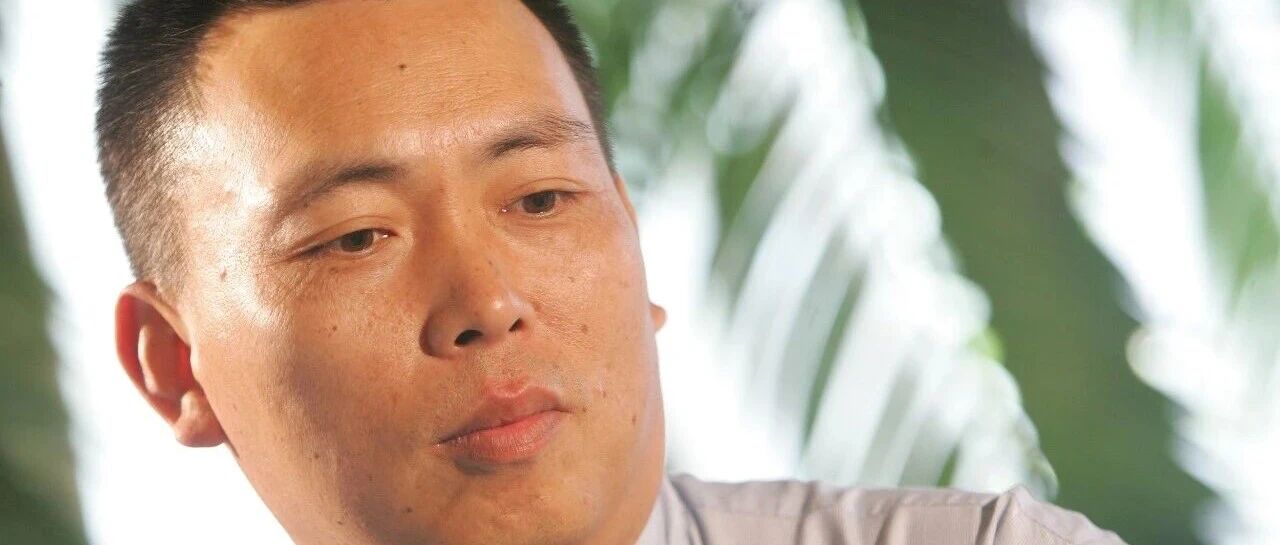
段永平用“两个字”赚了千亿
创业家· 2025-11-20 10:10
Core Insights - The article highlights the investment philosophy and business strategies of Duan Yongping, a prominent figure in both the manufacturing and investment sectors, often referred to as "China's Warren Buffett" [3][19]. Group 1: Investment Philosophy - Duan emphasizes that investing is fundamentally about understanding the company rather than merely speculating on stock prices, stating "buying stocks is buying companies" [17]. - His successful investment in NetEase, where he bought shares at a time when the stock was undervalued, exemplifies his approach of understanding the business model and market potential [18]. - Duan has only truly understood a few companies over the years, including Apple and Moutai, indicating a selective and informed investment strategy [18]. Group 2: Business Principles - Duan advocates for a principle-based approach to business, focusing on doing the right things and maintaining a calm mindset, which he refers to as "本分 + 平常心" (being principled and having a calm heart) [13]. - He established a "not-to-do list" for his company, which includes avoiding OEM production and not engaging in dishonest practices, thereby streamlining operations and reducing errors [14][15]. - His experience with the company Step by Step (步步高) illustrates the importance of brand building over competing in low-margin OEM markets [14]. Group 3: Personal Background and Career - Duan Yongping's journey began in Jiangxi, China, and he faced various challenges in his early life, which shaped his decision-making and independence [9]. - After a successful career in manufacturing, he retired early to focus on family and investment, believing that financial freedom comes from doing what one loves without being driven solely by money [10][11]. - His transition from CEO to investor reflects a strategic shift towards leveraging his expertise in understanding business dynamics rather than managing day-to-day operations [10][11].


段永平用两个字赚了千亿
36氪· 2025-11-18 09:53
Core Viewpoint - The article emphasizes the importance of understanding business fundamentals and maintaining a grounded approach in both entrepreneurship and investment, as exemplified by Duan Yongping's career and philosophy [2][5][11]. Group 1: Duan Yongping's Background and Career - Duan Yongping is recognized for his dual success in both the real economy and investment, founding brands like Xiaobawang and establishing BBK Electronics, which later evolved into companies like OPPO and Vivo [5][7]. - After retiring at the age of 40, Duan Yongping moved to the United States, prioritizing family and personal interests over corporate ambitions, which he believes allowed for a more balanced life [7][9]. - He attributes his early retirement to the capabilities of his team, stating that he stepped back to allow younger talents to lead [9]. Group 2: Investment Philosophy - Duan Yongping's investment strategy is centered around the principle that "buying stocks means buying companies," emphasizing the need to understand the underlying business rather than focusing solely on stock price fluctuations [15][16]. - His notable investment in NetEase, where he purchased shares during a market downturn, exemplifies his belief in understanding the business model and long-term value rather than succumbing to market panic [15][16]. - He has invested in a limited number of companies over the past two decades, including Apple and Moutai, indicating a preference for deep understanding over chasing trends [16][17]. Group 3: Business Principles - Duan Yongping advocates for a "not-to-do list," which includes avoiding OEM production, not engaging in price negotiations, and maintaining integrity in business practices, which he believes helps minimize errors [13][11]. - He emphasizes the importance of doing the right things and having a calm mindset, especially in the face of temptations, to ensure sound decision-making [11][12]. - His approach to business is characterized by a focus on brand building and long-term vision rather than short-term gains, as demonstrated by his refusal to take on large orders that did not align with his company's goals [13].
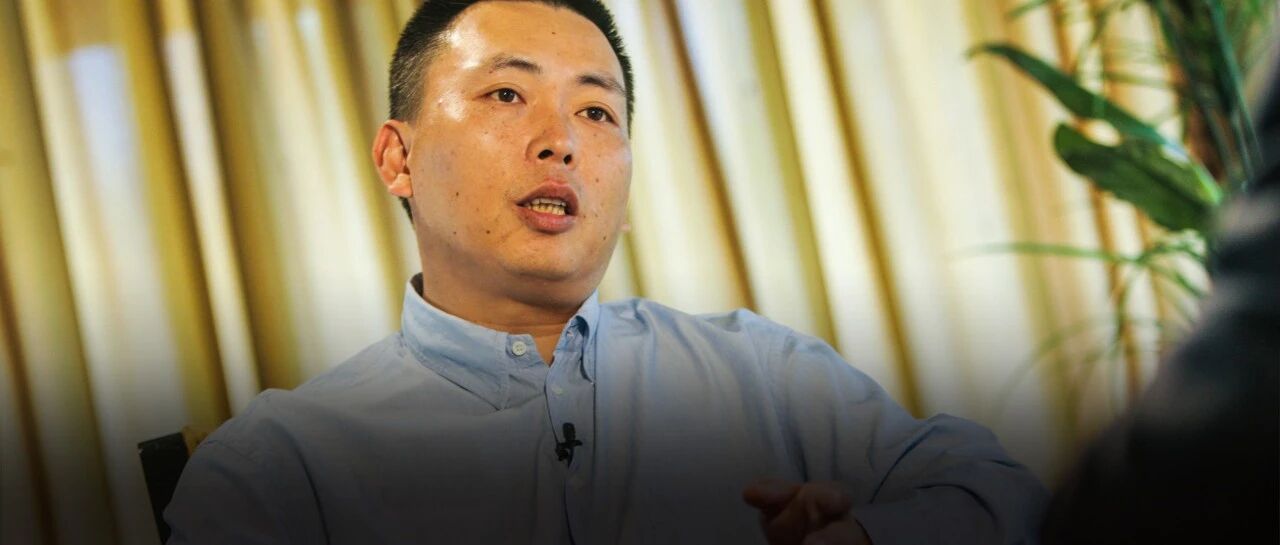
段永平用两个字赚了千亿
3 6 Ke· 2025-11-16 21:59
Group 1 - The core viewpoint of the articles revolves around Duan Yongping's humble approach to success in both business and investment, emphasizing his belief in understanding the companies he invests in rather than chasing market trends [1][12] - Duan Yongping's background includes founding the Xiaobawang brand and later establishing the BBK Electronics Company, which led to the creation of several successful brands like OPPO and Vivo [4][9] - His investment philosophy is characterized by a focus on understanding the business model and value of the companies he invests in, such as NetEase, Apple, and Moutai, rather than merely speculating on stock prices [11][12] Group 2 - Duan Yongping's "not-to-do list" includes avoiding OEM production, which he believes would hinder brand development and competitiveness [8][9] - He emphasizes the importance of making decisions based on what is right rather than solely on financial gain, which he considers a key to achieving financial freedom [5][6] - His notable investment in NetEase during the internet bubble, where he bought shares at a low price, showcases his ability to remain calm and rational in the face of market panic, leading to significant returns [11][12]
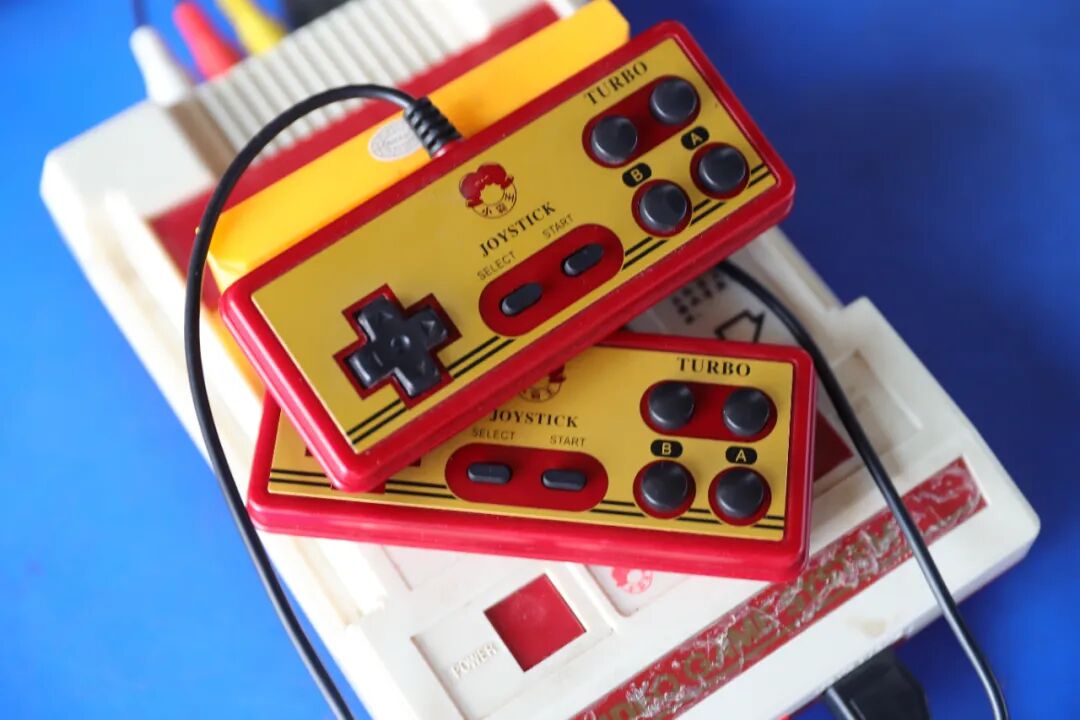
巴菲特&段永平:只有1%的人能“看懂”,10倍增长的核心理念几乎一模一样
Sou Hu Cai Jing· 2025-11-16 16:04
Group 1 - Warren Buffett's farewell letter emphasizes the importance of learning from past mistakes and the value of kindness over wealth and fame [1] - Buffett donated $1.3 billion worth of stock to a charity foundation, reflecting his commitment to philanthropy [1] - Investor Duan Yongping highlights the challenge of truly understanding companies, stating that only a few companies are worth significant investment [1] Group 2 - Dan Sullivan and psychologist Benjamin Hardy propose that setting 10x goals is more achievable than 2x goals, as it forces individuals to rethink their strategies [2] - The research indicates that 10x thinking encourages a future-oriented mindset, while 2x thinking is rooted in past experiences [2]

段永平用两个字赚了千亿
凤凰网财经· 2025-11-16 13:10
Core Viewpoint - The article highlights the entrepreneurial spirit and investment philosophy of Duan Yongping, emphasizing his humility and practical approach to business and investment [3][4]. Group 1: Personal Background and Career - Duan Yongping was born in Nanchang, Jiangxi, and faced challenges during his childhood, which instilled a sense of independence in decision-making [4]. - He left unsatisfactory jobs quickly, including a brief stint at Beijing Electronic Tube Factory and a small company in Guangdong, before finding success at Xiaobawang [4][7]. - After leaving Xiaobawang due to unfulfilled promises of equity, he founded BBK Electronics in Dongguan [7]. Group 2: Business Philosophy - Duan emphasizes a grounded approach to business, stating that true financial freedom comes from doing what one loves without being driven by money [8]. - He believes in a principle of "doing the right thing" and maintaining a calm mindset, which he refers to as "本分 + 平常心" (being principled and having a normal heart) [9][10]. - The "not-to-do list" established by BBK includes avoiding OEM production, which he believes would hinder brand development [12][13]. Group 3: Investment Strategy - After retirement, Duan shifted focus to investing, realizing that understanding a company is more important than stock price fluctuations [14]. - He made a significant investment in NetEase during the dot-com bubble, purchasing shares at a low price, which later yielded a return of over 100 times [16][17]. - Duan's investment philosophy centers on understanding the business deeply, as demonstrated by his investments in companies like Apple and Moutai, which he believes have unique value propositions [18][19].

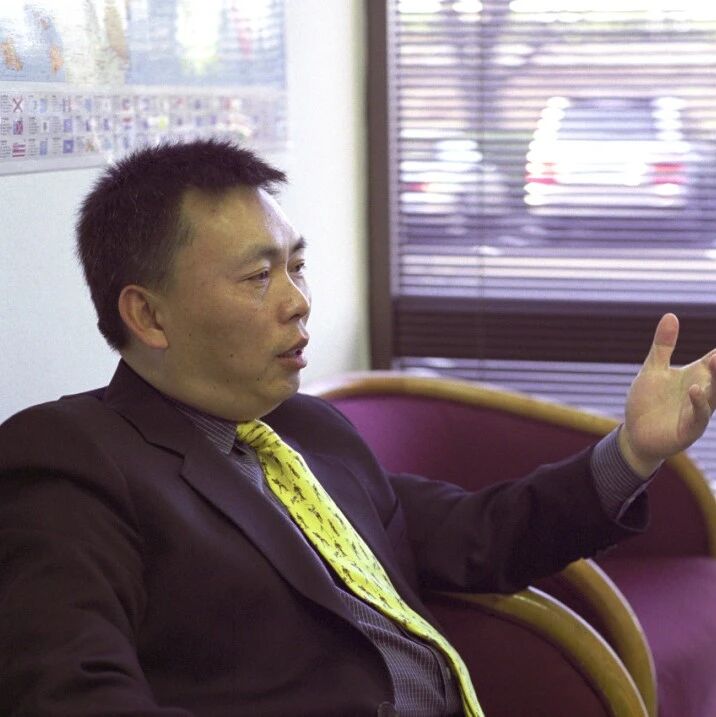
“投资很简单但是不容易”,段永平:投资的终极答案,就这一句话
2 1 Shi Ji Jing Ji Bao Dao· 2025-11-15 15:02
Core Insights - Renowned investor Duan Yongping, who has been "retired" for over 20 years, recently shared his investment philosophy in an interview, emphasizing the importance of understanding companies when buying stocks [2] - Duan believes that while the principle of investing is simple—buying stocks means buying companies—the challenge lies in truly understanding these companies and their business models [2] - He highlighted that even understanding the phrase "buying stocks means buying companies" is difficult, and true comprehension significantly influences investment behavior [2] - Duan noted that not understanding a company does not necessarily equate to not making money, as luck can play a role in investment success [2] Investment Recommendations - Duan suggested investing in the S&P 500 index, indicating that it is likely to yield profits in the long run, although this does not imply a full understanding of the market [3]
段永平:普通人不要炒股!
Sou Hu Cai Jing· 2025-11-15 04:10
Core Insights - The core message emphasizes that investing in stocks is fundamentally about understanding the underlying companies, with a significant majority of retail investors failing to achieve profitability in both bull and bear markets [1][3][9] Investment Philosophy - The principle of "buying stocks means buying companies" is highlighted, with only about 1% of investors truly grasping this concept [3][4] - Understanding a company's business model and future cash flows is crucial, and the notion of "margin of safety" relates more to comprehension than price [3][5] - Segmenting investments into a few well-understood companies is preferred over diversifying into many unknowns [9][12] Core Holdings - The investor's primary holdings include Apple, Tencent, and Kweichow Moutai, chosen for their strong corporate culture and clear business models [4][5] - The investment in Apple was based on its transition from a hardware company to a comprehensive platform [6] - Kweichow Moutai is viewed as distinct from other liquor brands due to its unique flavor and cultural significance [7] Market Outlook - Caution is expressed regarding the electric vehicle industry, with a prediction that many current players will not survive due to minimal differentiation [7] - The investor acknowledges a past mistake in selling Tesla shares but cites personal values as a reason for not investing further in the company [7] Advice for Investors - A straightforward recommendation is made for those unfamiliar with investing: avoid participation [9] - The importance of understanding opportunity costs in investment decisions is stressed, along with the notion that long-term holding should not preclude selling when necessary [12][13] - Investors are advised to be prepared for significant price fluctuations, suggesting that if one cannot withstand a 50% drop, they should not invest in that stock [13]
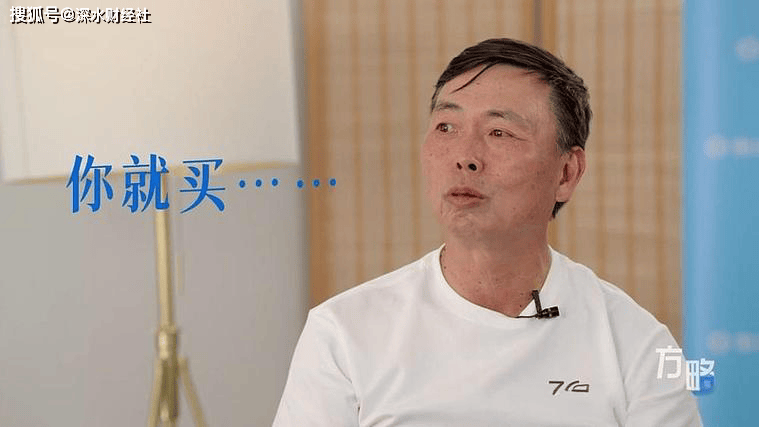
段永平二十载投资秘诀曝光!为何他一生只敢重仓这三家公司?
Sou Hu Cai Jing· 2025-11-14 20:49
Core Insights - The core investment philosophy emphasized by Duan Yongping is that "buying stocks is buying companies," a principle learned from Warren Buffett [1][3]. Group 1: Investment Philosophy - Investment is straightforward in theory but challenging in practice, requiring a deep understanding of companies and their future cash flows [3]. - Duan Yongping believes that an investor's significant decisions are limited, citing Buffett's "punch card" theory, suggesting that an investor will only make about 20 crucial investment decisions in their lifetime [3]. - Currently, Duan Yongping holds significant positions in only three stocks: Apple, Tencent, and Moutai, indicating a focused investment strategy [3]. Group 2: Company Analysis - Duan Yongping recognized Apple's transformative potential back in 2011, indicating a forward-looking investment approach [3]. - He views Moutai as distinct from other liquor brands, emphasizing its unique taste and consumer recognition as key factors for its success [3]. - The complexity of the market has increased with the presence of quantitative funds, making it harder to profit from stock trading [3]. Group 3: Corporate Culture - Corporate culture is likened to a "North Star" that guides a company towards its goals, with Apple being an example of a company that ultimately aligns with user needs despite initial missteps [4]. - Duan Yongping's companies prioritize values such as integrity and user orientation, which are essential for long-term success [4]. - The concept of "not to do" is highlighted as crucial, suggesting that knowing what not to engage in can prevent potential mistakes [4].