供应链冲击

Search documents
原油供应可能中断担忧加剧,韩国多地现垃圾袋“抢购潮”
中国能源报· 2026-03-27 04:33
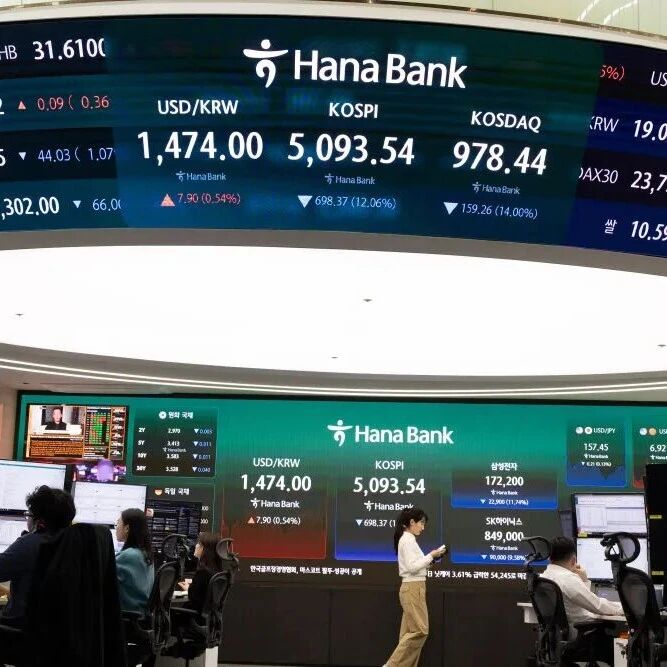
Core Viewpoint - The ongoing tensions in the Middle East have led to a surge in demand for garbage bags in South Korea, prompting concerns over the supply of polyethylene, a key raw material derived from crude oil [1][2][3]. Group 1: Supply and Demand Dynamics - South Korean citizens are experiencing a "panic buying" trend for garbage bags due to fears of a potential shortage of polyethylene, which is processed from naphtha extracted from crude oil [2][3]. - The South Korean government has stated that the current inventory of garbage bags is sufficient, with an average supply that can last over three months across 228 local governments, and some having reserves that can last more than six months [2][3]. - The government plans to classify garbage bags as a "core controlled item" and will form a joint task force with local governments to monitor supply and demand [3]. Group 2: Production Capacity and Future Outlook - The production capacity for recycled materials can produce approximately 1.83 billion garbage bags, exceeding the 1.78 billion bags sold nationwide last year, indicating that production can continue for over a year even if raw material supply is completely interrupted [3]. - Currently, about 55% of South Korea's naphtha demand is produced domestically, while 45% is imported, raising concerns for companies heavily reliant on imported naphtha due to potential supply disruptions from the Middle East [3]. - The South Korean government announced a restriction on naphtha exports starting from the 27th, aiming to safeguard domestic supply amid the ongoing geopolitical tensions [3].

伊朗战争加剧欧洲成本压力,巴斯夫大幅上调产品价格
Xin Lang Cai Jing· 2026-03-18 17:02
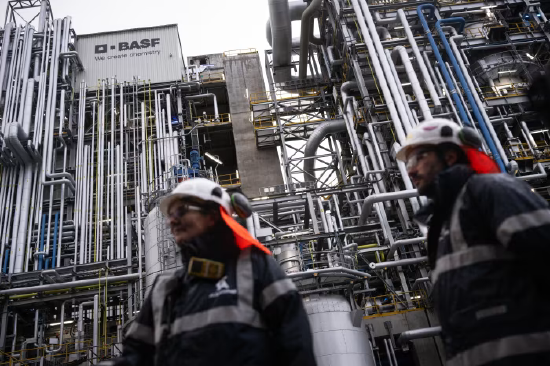
Group 1 - BASF announced a price increase of up to 30% for multiple products in Europe due to significant fluctuations in the prices and supply of key raw materials caused by the Middle East conflict [3][7] - The price adjustments will affect BASF's home care, industrial and institutional cleaning, and industrial formulation products, with some products seeing even higher increases [3][7] - The company stated that the price hikes are necessary to address rising domestic and cross-continental logistics costs, as well as surging packaging and energy costs [3][7] Group 2 - The German Chemical Industry Association (VCI) warned that the ongoing Middle East conflict is impacting industry supply chains, with rapidly rising oil and gas prices affecting other raw materials [4][8] - Key economic indicators in Germany have significantly declined, with deteriorating confidence in the chemical, pharmaceutical, and automotive sectors [4][8] - The escalation of the Middle East situation has led to increased energy prices, exacerbating inflationary pressures in Europe [4][8] Group 3 - The conflict has resulted in supply bottlenecks for critical raw materials such as ammonia, phosphates, helium, and sulfur, with companies like Norsk Hydro reporting reduced production capacity due to limited natural gas supplies [4][8] - The European Commission President stated that fossil fuel price increases following the Gulf conflict have cost European taxpayers an additional €3 billion (approximately $3.4 billion) in import costs within the first ten days [4][8] - The new round of challenges for European industry comes after a significant production decline earlier in the year, which had already dampened hopes for recovery through fiscal stimulus [5][8]

富饶的中东突然“生意断崖”
第一财经· 2026-03-17 15:35
Core Viewpoint - The escalation of the Middle East conflict has significantly impacted global supply chains, including those in China, leading to factory shutdowns, order delays, and cancellations of trade exhibitions [3][4]. Group 1: Impact on Manufacturing and Supply Chains - Manufacturers are experiencing a halt in production and order acceptance due to skyrocketing raw material prices, which have increased by approximately 40% since March [4][6]. - Companies are prioritizing existing orders from long-term clients while new orders are on hold, as suppliers are unable to provide stable pricing for raw materials [4][6]. - The uncertainty in raw material pricing is causing manufacturers to consider price increases for their products if the situation does not stabilize by the end of March [4][6]. Group 2: Trade Exhibitions and Market Expansion - Trade exhibitions in the Middle East have been largely canceled or postponed due to safety concerns and logistical challenges, affecting companies' market expansion efforts [8][9]. - Many businesses are opting to redirect their focus to other markets, such as Southeast Asia, instead of pursuing opportunities in the Middle East [9][10]. - The cancellation of exhibitions has led to a significant increase in requests to withdraw from Middle Eastern events, with companies seeking alternatives in markets like Vietnam and Poland [9][10]. Group 3: Strategic Responses from Companies - Some companies are proactively increasing their inventory levels to mitigate the impact of supply chain disruptions, allowing them to maintain a buffer for new orders [11][12]. - Manufacturers are exploring new markets and adjusting their sales strategies to adapt to the changing landscape, with some shifting focus to trial sales in Southeast Asia [13][10]. - The recent increase in shipping costs, particularly for routes to the Persian Gulf, has been noted, with the Shanghai export container freight index rising by 14.9% due to geopolitical tensions [13][14].

Gap CEO Wants to Control the Controllable
Youtube· 2026-03-06 21:52
Core Viewpoint - The company is navigating through external challenges, including oil price surges and supply chain disruptions, while maintaining a focus on strategic execution and brand relevance. Financial Performance - The company reported a successful fourth quarter with a 3% increase in revenue, marking the second consecutive year of top-line growth and the eighth consecutive quarter of comparable sales growth [7][10]. - Athleta brand is undergoing a rebuilding phase, and while there was a 10% decline in same-store sales for the quarter, the overall performance remains positive with growth in other brands [8][9]. Market Position and Strategy - The company has identified alternative sourcing options to enhance flexibility and is not making immediate sourcing changes despite external pressures [3][4]. - The management emphasizes controlling internal factors and executing their strategic plan effectively, which has shown positive results [6][24]. Consumer Behavior - The company is experiencing consistent customer behavior across all income cohorts, indicating resilience and relevance in its product offerings [14][15]. - There is a focus on creating great products and experiences to attract consumers, especially in uncertain times [22][23]. Tariff Management - The company has successfully navigated tariff challenges over the past year and has implemented various mitigation strategies to manage their impact on financial performance [18][19]. - Current outlook does not include benefits from recent tariff rulings, viewing the situation as evolving and will continue to monitor closely [19][20].

【专题】美委冲突对有色金属及贵金属市场的影响分析
Xin Lang Cai Jing· 2026-01-06 11:37
Core Insights - The conflict between the U.S. and Venezuela is fundamentally a result of geopolitical competition and resource contention, impacting both non-ferrous and precious metal markets [1] Group 1: Geopolitical Risk Transmission Mechanism - Venezuela's metal resources are highly concentrated, with the Orinoco iron ore belt holding 92% of the country's total iron ore reserves, estimated at 21 billion tons [2] - Historical U.S. sanctions have significantly disrupted global metal supply chains, with a 42% drop in Venezuela's metal exports in 2023 due to expanded sanctions on nickel, aluminum, and palladium [3] - Regional conflicts disrupt logistics, affecting transportation systems and increasing shipping costs, particularly for metals reliant on maritime transport [4][5] Group 2: Key Metal Supply and Demand Analysis - Aluminum and bauxite supply risks are heightened due to Venezuela's low production capacity and historical economic challenges, leading to negligible impact on global supply [6][7] - Copper production remains stable, but potential regional instability could disrupt output and exacerbate raw material shortages [10] - Nickel exports from Venezuela have plummeted, with production effectively at zero, reshaping the global nickel market dynamics [11] Group 3: Regional Market Differentiation Trends - The Venezuelan crisis has prompted a restructuring of metal trade patterns in Latin America, with China emerging as a key alternative partner for Venezuelan exports [22] - Asian buyers are increasingly cautious about Venezuelan metal supplies, leading to a shift towards sourcing from Africa and Australia due to political stability and resource availability [23][24] Group 4: Corporate Emergency Strategy Matrix - Companies are advised to establish safety thresholds for raw material inventories and apply force majeure clauses in long-term contracts to mitigate risks [4] - The use of futures hedging tools is recommended to optimize risk management strategies in response to market volatility [4]

美媒称美国皮革制品或将涨价22%
Xin Lang Cai Jing· 2025-12-27 12:30
Group 1 - The core viewpoint of the article highlights that U.S. tariff policies and supply chain disruptions are expected to increase the prices of leather goods, such as boots and handbags, by nearly 22% in the next one to two years due to inflation, supply chain bottlenecks, and high tariffs [1] - The American company Tapestry, which owns brands like Coach, has indicated that its tariff-related expenses could total approximately $160 million, warning that the negative impacts of tariffs will be greater than anticipated [1]

【环球财经】美媒:关税将推动美国皮革制品价格显著上涨
Xin Hua She· 2025-12-26 09:20
Core Insights - The article discusses the impact of U.S. tariff policies and supply chain disruptions on leather product prices, predicting significant price increases for boots, handbags, and other leather goods in the coming years [1]. Group 1: Price Increases - U.S. leather product prices are expected to rise significantly due to tariffs and a decrease in domestic cattle numbers over the next two years [1]. - The Yale University Budget Lab forecasts that leather product prices in the U.S. will increase by nearly 22% in the next one to two years due to inflation, supply chain bottlenecks, and high tariffs [1]. Group 2: Company Challenges - Texas-based footwear company, Texas Boot Company, faced chaos after the tariff announcement, with increased import costs and disrupted logistics affecting profit calculations [1]. - Other leather product retailers are experiencing similar challenges, with Coach's parent company, Tapestry, estimating tariff-related expenses could reach $160 million, impacting profits more than previously anticipated [1]. Group 3: Industry Responses - Industry experts indicate that as pre-tariff inventory is depleted, products on shelves will require more expensive leather materials, alongside rising foreign processing and shipping costs [1]. - Companies in the leather industry must decide whether to pass increased costs onto consumers or consider workforce reductions due to the financial strain caused by tariffs and supply chain issues [2].
美媒:关税将推动美国皮革制品价格显著上涨
Xin Hua She· 2025-12-26 08:56
Core Viewpoint - The article highlights that U.S. tariff policies and their impact on supply chains have led to increased prices for leather goods such as boots and handbags, with further significant price hikes expected in the next two years due to tariffs and a decrease in domestic cattle numbers [1] Group 1 - U.S. tariff policies are driving up prices for leather products, including boots and handbags, as of 2025 [1] - The prices of leather goods are projected to continue rising significantly over the next two years due to tariffs and a reduction in the domestic cattle population [1]
全球瞭望|美媒:关税将推动美国皮革制品价格显著上涨
Xin Hua Wang· 2025-12-26 08:55
Group 1 - The article highlights that U.S. tariff policies and supply chain disruptions are expected to significantly increase the prices of leather goods such as boots and handbags by 2025, with further increases anticipated in the next two years due to tariffs and a decrease in domestic cattle numbers [1] - Texas-based footwear company, known for its Western-style boots, faced chaos after the tariff announcement in April, with rising import costs and logistics disruptions forcing employees to constantly recalculate profit margins [1] - The parent company of Coach, a handbag brand, reported that tariff-related expenses could reach $160 million, indicating that the negative impact on profits would be greater than previously expected [1] Group 2 - Experts predict that as pre-tariff import inventories are depleted, products on shelves will require more expensive leather materials, alongside rising foreign processing and shipping costs, leading to higher retail prices for leather goods that are unlikely to decrease in the short term [1] - The Yale University Budget Lab forecasts that U.S. leather goods prices will rise by nearly 22% in the next one to two years due to inflation, supply chain bottlenecks, and high tariffs [1] - The price impact on the leather industry is expected to be more pronounced in 2026, prompting companies to decide whether to pass on increased costs to consumers or reduce workforce [2]
“整个汽车行业都看到了中国反制的威力,正极度恐慌”
Guan Cha Zhe Wang· 2025-06-10 08:50
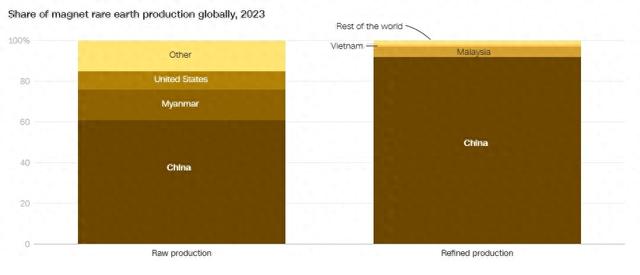
Core Viewpoint - China's export control on rare earth elements aligns with international practices and is not targeted at specific countries, but it has led to significant concerns in the Western automotive industry about potential supply shortages and the implications of "weaponizing" rare earths [1][2]. Group 1: Impact on Automotive Industry - The automotive industry is experiencing panic due to China's rare earth export restrictions, with manufacturers fearing a supply crisis that could lead to factory shutdowns by mid-July [1][5]. - Major automotive manufacturers are exploring alternative sources for rare earth magnets, but progress is slow, and many are considering stockpiling or temporarily closing production lines [1][5][12]. - The European automotive supply sector is already facing factory closures, with warnings that more shutdowns are imminent due to the ongoing supply chain issues [5][12]. Group 2: China's Dominance in Rare Earths - China controls over 70% of global rare earth mining, 85% of refining capacity, and approximately 90% of rare earth metal alloys and magnet production, indicating a near-monopoly in the sector [6][4]. - The reliance on Chinese rare earths is critical for various automotive components, including electric vehicle engines, with an average electric vehicle consuming about 0.5 kg of rare earth elements [6]. Group 3: Challenges in Finding Alternatives - Efforts by Western automakers to reduce dependence on Chinese rare earths are ongoing, but many initiatives will take years to materialize, and few companies can scale production to lower costs effectively [8][10]. - Some companies are developing products that do not require rare earth elements, but these innovations are not expected to be implemented in mainstream vehicles for several years [10]. Group 4: Broader Supply Chain Concerns - The ongoing trade tensions and supply chain disruptions have prompted automotive companies to reassess their supply chain strategies, prioritizing backup supplies for critical components [5][12]. - Analysts suggest that the supply shortages may force manufacturers to produce vehicles without certain components or to temporarily halt production, highlighting the fragility of the current supply chain [12].