
光伏反内卷政策

Search documents
工业硅、多晶硅日报-20260317
Guang Da Qi Huo· 2026-03-17 06:40
1. Research Views - On the 16th, industrial silicon fluctuated weakly. The main contract 2605 closed at 8,685 yuan/ton, with an intraday decline of 0.23%. The position decreased by 1,623 lots to 237,000 lots. The reference price of Baichuan's industrial silicon spot was 9,313 yuan/ton, remaining stable compared to the previous trading day. The price of the lowest delivery product rebounded to 8,800 yuan/ton, and the spot premium narrowed to 115 yuan/ton [2]. - Polysilicon also fluctuated weakly. The main contract 2605 closed at 41,705 yuan/ton, with an intraday decline of 4.03%. The position increased by 189 lots to 34,646 lots. The price of Baichuan's N-type recycled polysilicon material dropped to 46,000 yuan/ton, and the price of the lowest delivery product also fell to 46,000 yuan/ton. The spot premium widened to 4,295 yuan/ton [2]. - The hindered resumption of production in Xinjiang and the small - scale resumption in the southwest of industrial silicon formed a structural hedge. The increase in petroleum coke raw materials and Xinjiang State Grid electricity prices provided cost support. Downstream rigid - demand stocking was sufficient, but the willingness for incremental stocking was insufficient. The industrial silicon futures market fluctuated within a narrow range, and the spot price stabilized at the bottom [2]. - The actual transactions of polysilicon continued to move towards lower prices. In March, some large factories had plans to start production one after another, and the supply contraction situation came to an end. The newly - added inventory continued to be transferred to warehouse receipts to relieve the pressure of factory inventory backlog. The downstream silicon wafer procurement willingness was low, and polysilicon would mainly experience bottom - range shock adjustment in the short term. The market was waiting for the signal of the implementation of the anti - involution policy for photovoltaics after the Two Sessions to see if it could trigger the release of bullish sentiment [2]. 2. Daily Data Monitoring 2.1 Industrial Silicon - The futures settlement price of the main contract increased from 8,675 yuan/ton on March 13th to 8,685 yuan/ton on March 16th, an increase of 10 yuan/ton. Most of the spot prices of different grades and in different regions remained unchanged [4]. - The current lowest delivery product price remained at 8,800 yuan/ton, and the spot premium decreased from 125 yuan/ton to 115 yuan/ton [4]. - In terms of inventory, the industrial silicon warehouse receipts remained unchanged at 21,976. The inventory at Huangpu Port increased by 5,700 tons to 109,880 tons, at Tianjin Port increased by 1,000 tons to 74,000 tons, at Kunming Port decreased by 1,000 tons to 52,000 tons. The factory inventory increased by 14,300 tons to 269,150 tons, and the total social inventory increased by 15,300 tons to 452,650 tons [4]. 2.2 Polysilicon - The futures settlement price of the main contract decreased from 42,040 yuan/ton on March 13th to 41,705 yuan/ton on March 16th, a decrease of 335 yuan/ton. The near - month contract decreased by 1,950 yuan/ton to 41,750 yuan/ton. Most of the spot prices remained unchanged [4]. - The current lowest delivery product price remained at 46,000 yuan/ton, and the spot premium increased from 3,960 yuan/ton to 4,295 yuan/ton [4]. - In terms of inventory, the polysilicon warehouse receipts remained unchanged at 10,690. The Guangzhou Futures Exchange inventory increased by 10,000 tons to 320,700 tons, the factory inventory decreased by 3,000 tons to 357,000 tons, and the total social inventory decreased by 3,000 tons to 357,000 tons [4]. 2.3 Organic Silicon - The price of DMC in the East China market remained at 14,300 yuan/ton. The prices of raw rubber and 107 glue remained unchanged, while the price of dimethyl silicone oil increased by 1,000 yuan/ton to 15,800 yuan/ton [4]. 3. Chart Analysis 3.1 Industrial Silicon and Cost - end Prices - The charts show the prices of different grades of industrial silicon, grade spreads, regional spreads, electricity prices, silica prices, and refined coal prices [6][7][10]. 3.2 Downstream Product Prices - The charts display the prices of DMC, organic silicon products, polysilicon, silicon wafers, battery cells, and components [13][15][16]. 3.3 Inventory - The charts present the futures inventory of industrial silicon and polysilicon, the weekly industry inventory and inventory changes of industrial silicon, the weekly inventory of polysilicon, and the weekly inventory of DMC [18][19][22]. 3.4 Cost and Profit - The charts show the average cost and profit levels of industrial silicon, the weekly cost and profit of industrial silicon, the processing industry profit of polysilicon, the cost and profit of DMC, and the cost and profit of aluminum alloy [24][26][29]. 4. Team Introduction - Zhan Dapeng, a science master, is the director of non - ferrous research at Everbright Futures Research Institute, a senior precious metals researcher, and a gold intermediate investment analyst. He has more than a decade of commodity research experience, serves many leading spot enterprises, and has published dozens of professional articles in public newspapers and magazines. His team has won the Best Metal Industry Futures Research Team Award of Futures Daily & Securities Times for four consecutive sessions [32]. - Wang Heng, a master of finance from the University of Adelaide in Australia, is a non - ferrous researcher at Everbright Futures Research Institute, mainly focusing on aluminum and silicon research. He is the 18th Best Green Finance New Materials Futures Analyst of Futures Daily & Securities Times and an outstanding new analyst of the Shanghai Futures Exchange in 2022 [32]. - Zhu Xi, a master of science from the University of Warwick in the UK, is a non - ferrous researcher at Everbright Futures Research Institute, mainly focusing on lithium and nickel research. She is the 18th Best Green Finance New Materials Futures Analyst of Futures Daily & Securities Times [33].
工业硅:上游减产发酵,震荡偏强,多晶硅:关注市场消息提振盘面
Guo Tai Jun An Qi Huo· 2026-01-25 11:21
Report Date - The report is dated January 25, 2026 [1] Report Industry Investment Rating - Not provided Core Views - Industrial silicon inventory continues to accumulate, but upstream production cuts are driving supply reduction. The supply reduction is greater than the demand reduction, leading to a shift to de - stocking in the monthly balance. It is recommended to wait for low - valuation opportunities to go long. The expected trading range for the next week is 8200 - 9300 yuan/ton [6][7] - The polysilicon market is in a state of wide - range oscillation. The supply is weak while the demand is strong. The bottom of the market has support, but the market liquidity has been decreasing. It is not recommended to participate in futures, but options can be considered. The expected trading range for the next week is 48000 - 55000 yuan/ton [7] Summary by Directory 1. Market Data - The reference prices of mainstream consumption areas and the transaction prices of three major ports/warehouses for industrial silicon from January 6 to 23, 2026, remained stable. For example, the price of Si5530 in East China was 9250 yuan/ton during this period [10] 2. Industrial Silicon Supply Side - Smelting and Raw Materials - **Production and Inventory**: This week, the social inventory of industrial silicon increased by 0.1 million tons, and the factory inventory increased by 0.56 million tons, with a total industry inventory increase of 0.66 million tons. The overall weekly production decreased slightly. In the southwest, due to the dry season, the cost is 10000 - 10500 yuan/ton (converted to the futures price), and the local production has dropped to a very low level. Some factories in Xinjiang also have a driving force to cut production due to raw material issues [3][11] - **Price and Profit**: The report provides historical data and trends of industrial silicon's monthly opening rate, monthly production, export and import volume, trade - link inventory - to - sales ratio, and the prices of raw materials such as silica, petroleum coke, washed coking coal, charcoal, electrodes, and electricity in major production areas [13][15][17][22] 3. Industrial Silicon Consumption Side - Downstream Polysilicon - **Market Conditions**: The polysilicon market showed wide - range oscillation this week. The upstream price quotation may be loose, and attention should be paid to the downstream restocking node in late January. The short - term weekly production decreased, and the inventory increased. The average full - cost is about 45000 - 46000 yuan/ton. The silicon wafer production increased week - on - week, but there is a risk of inventory accumulation in the future [2][4][5] - **Data Trends**: The report presents historical data and trends of polysilicon's spot price, production volume and year - on - year change, industry opening rate, import and export volume, industry profit, single - crystal silicon wafer export volume, domestic photovoltaic monthly new - installed capacity, and new photovoltaic grid - connected capacity [18][19][21][23][25] 4. Industrial Silicon Consumption Side - Downstream Organic Silicon - **Market Conditions**: This week, the weekly production of organic silicon decreased, and the self - discipline plan may further cut production to support prices. The cancellation of export tax rebates after April 1 may lead to pre - emptive exports and some consumption increase [4] - **Data Trends**: The report shows historical data and trends of the average price, monthly opening rate, production volume and monthly year - on - year change, factory inventory, export volume and year - on - year change, and industry profit of domestic DMC [25][26] 5. Industrial Silicon Consumption Side - Downstream Aluminum Alloy - **Market Conditions**: Aluminum alloy ingot manufacturers stock up on industrial silicon at a reasonable level. They have a relatively high enthusiasm for purchasing at low prices and a high degree of wait - and - see sentiment during other periods. Overseas demand in the export market has not improved [4] - **Data Trends**: The report provides historical data and trends of the price seasonality, monthly opening rate, average profit of the recycled aluminum industry, and the seasonality of domestic automobile monthly sales [27][28][32]
多晶硅急速遇冷:会成为下一个动力煤期货吗?
经济观察报· 2026-01-18 10:02
Core Viewpoint - The article discusses the significant decline in polysilicon futures prices entering 2026, with a year-to-date drop of 13.92% as of January 16, 2026, erasing gains since August 2025 and repeatedly falling below the critical threshold of 50,000 yuan/ton [2][4]. Market Dynamics - The trading volume and open interest for polysilicon have sharply decreased, with the weighted index's open interest falling below 90,000 contracts, only about 20% of last year's peak of 444,400 contracts [2][12]. - The recent price drop is attributed to weak supply and demand dynamics, alongside panic selling triggered by rumors of antitrust actions affecting major polysilicon producers [2][4][6]. Policy Impact - A new policy from China's Ministry of Finance and State Taxation Administration, effective April 1, 2026, will eliminate VAT export rebates for photovoltaic products, which may lead to short-term export demand but is expected to benefit the photovoltaic industry in the long run [4][10]. - In anticipation of this policy, prices for various photovoltaic products have increased, but polysilicon futures have not followed suit, indicating market disruptions [4][8]. Supply and Demand Analysis - January 2026 polysilicon production is estimated at around 107,000 tons, while demand is projected to be less than 80,000 tons, indicating a continued oversupply situation [6][10]. - The production of downstream components, such as battery cells and modules, has also decreased, further exacerbating the supply-demand imbalance [6][10]. Market Sentiment and Speculation - Market rumors regarding antitrust measures have amplified market volatility, leading to a rapid exit of long positions and contributing to the price decline [5][6]. - Analysts suggest that market participants should verify the authenticity of such rumors and consider the fundamental supply-demand conditions before making investment decisions [6][9]. Industry Challenges - The article highlights that regardless of market rumors, polysilicon prices were likely to decline due to the unsustainable price increases seen in 2025, which have not been matched by price increases in other segments of the photovoltaic supply chain [8][9]. - Companies in the downstream photovoltaic sector, such as TCL Zhonghuan, have reported significant losses due to the rising costs of polysilicon, which have not been adequately passed down the supply chain [9][10]. Regulatory Environment - The recent tightening of trading regulations by the exchange aims to curb speculative trading, which has contributed to the decline in trading volume and open interest in polysilicon futures [12][13]. - There are concerns that polysilicon futures could become marginalized, similar to the fate of coal futures, but analysts believe that the strategic importance of the photovoltaic industry will prevent this outcome [12][13].


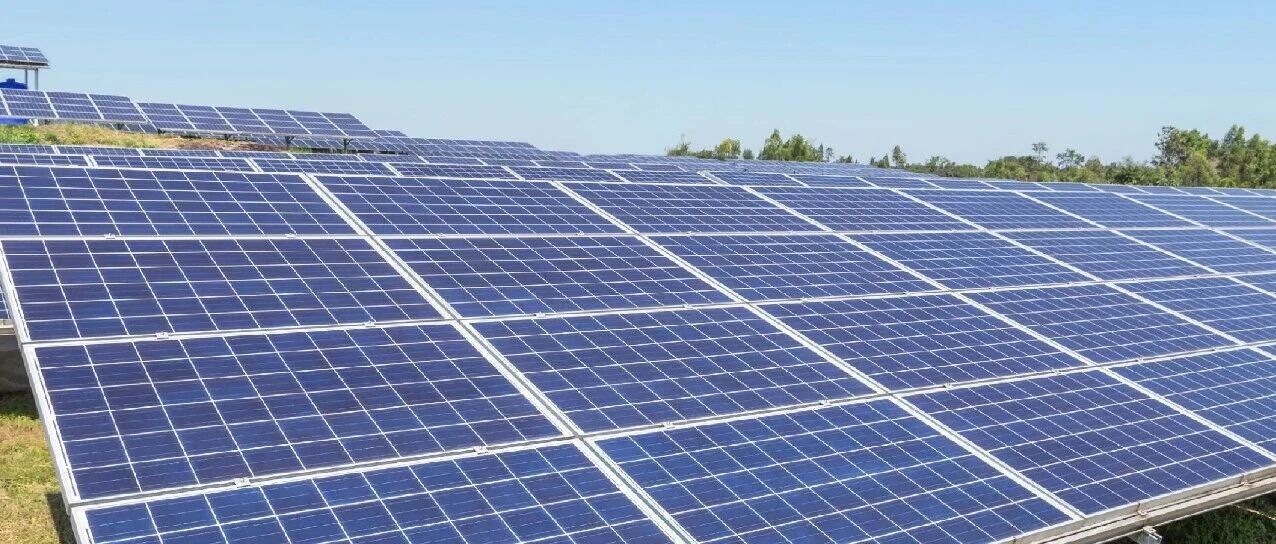
多晶硅急速遇冷:会成为下一个动力煤期货吗?
Jing Ji Guan Cha Bao· 2026-01-18 09:25
Core Viewpoint - The recent decline in polysilicon prices and trading volumes is attributed to weak supply-demand dynamics and market rumors regarding antitrust issues, leading to panic selling among investors [1][2][4]. Group 1: Market Dynamics - As of January 16, polysilicon futures have seen a year-to-date decline of 13.92%, erasing gains since August and frequently falling below the critical threshold of 50,000 yuan/ton [1]. - The trading volume and open interest for polysilicon have significantly decreased, with open interest dropping to around 84,296 contracts, only 20% of last year's peak [9]. - The recent market sentiment has been exacerbated by rumors of antitrust actions against leading polysilicon companies, causing further panic among investors [2][3]. Group 2: Supply and Demand - The supply of polysilicon remains high, with January production estimated at around 107,000 tons, while demand is projected to be less than 80,000 tons, indicating a continued oversupply [4]. - Downstream production rates for solar cells and modules have also decreased, reflecting weak end-user demand [4]. - The overall market is experiencing a supply-demand imbalance, which is pressuring prices and leading to inventory accumulation [4]. Group 3: Policy Impact - The Chinese government announced the cancellation of VAT export rebates for photovoltaic products starting April 1, 2026, which may create short-term export demand but is expected to benefit the industry in the long run [2]. - The "anti-involution" policy aims to alleviate price competition within the photovoltaic industry, but the recent price surge in polysilicon has not been matched by increases in other segments, leading to operational pressures on downstream companies [6][7]. Group 4: Trading Regulations - The recent decline in trading volumes is partly due to the exchange implementing stricter risk control measures to curb speculative trading, which has raised transaction costs and reduced arbitrage opportunities [9][10]. - Concerns have been raised about the potential for polysilicon futures to become a "zombie product" similar to coal futures if trading continues to cool [9]. - Despite current challenges, the futures market is expected to remain relevant due to the strategic importance of the photovoltaic industry in China [10].
工业硅:下游减产,反弹逢高布空,多晶硅:下周二市场情绪或有提振
Guo Tai Jun An Qi Huo· 2026-01-18 07:58
Report Industry Investment Rating - Not provided in the content Core Viewpoints - For industrial silicon, with inventory accumulation and expected downstream production cuts, the supply - demand logic is bearish. It is recommended to short at high prices, with a predicted price range of 8200 - 9000 yuan/ton next week [6][7] - For polysilicon, pay attention to the market sentiment boost next Tuesday. The supply is weak and demand is strong, and the price is expected to stay above the cost line of 45,000 yuan/ton. The predicted price range next week is 45,000 - 55,000 yuan/ton. Futures participation is not recommended, but options can be considered [7] Summary by Relevant Catalogs 1. Market Data - The reference prices of industrial silicon in mainstream consumption areas and the transaction prices in three major ports/warehouses have remained stable from December 25, 2025, to January 16, 2026 [10] 2. Industrial Silicon Supply Side - Smelting and Raw Material Ends - This week, the weekly industrial silicon inventory increased slightly. The social inventory increased by 0.3 million tons, and the factory inventory increased by 0.42 million tons, with a total increase of 0.7 million tons. The start - up in Xinjiang increased, while that in Sichuan and Inner Mongolia decreased [3][11] - The cost in the southwest region during the dry season is estimated to be 10,000 - 10,500 yuan/ton (converted to the futures price), and the local start - up has dropped to a very low level. Some factories in Xinjiang are still in the heat - preservation state, and some have slightly resumed production [3] 3. Industrial Silicon Consumption Side - Downstream Polysilicon - This week, the polysilicon futures fluctuated within a range, and the spot price was stable. The upstream spot price may be loosened, and attention should be paid to the next restocking node of downstream in late January [2] - The short - term weekly polysilicon output decreased. In January 2026, silicon material manufacturers cut production passively to relieve high - inventory pressure. The current manufacturer inventory is around 320,000 tons, and the industry inventory is about 500,000 tons, close to five months of consumption [4] - The silicon wafer production schedule increased week - on - week in January. The silicon wafer inventory is relatively reasonable, and price increases can be passed on to the downstream, supporting the increase in production. The component export tax rebate will be cancelled in April, which is expected to boost terminal demand [5] 4. Industrial Silicon Consumption Side - Downstream Silicone - This week, the weekly production of silicone decreased, and there are plans for further production cuts in the future to support prices. However, considering the off - season demand and medium - to - high inventory, the price - support logic is difficult to work. The export tax rebate for silicone will be cancelled after April 1, and the pre - emptive export may bring some consumption increments [4] 5. Industrial Silicon Consumption Side - Downstream Aluminum Alloy - Aluminum alloy ingot manufacturers stock up on industrial silicon reasonably. They are more active in purchasing at low prices and more wait - and - see at other times. The overseas demand in the export market has not improved [4]
工业硅:关注下游减产情况多晶硅:情绪端或有提振
Guo Tai Jun An Qi Huo· 2026-01-11 11:00
Report Industry Investment Rating - Not provided in the given content Core Viewpoints of the Report - For industrial silicon, the inventory has decreased. In the short - term, attention should be paid to whether downstream sectors will cut production. The fundamentals are in a state of weak supply and demand, with limited upward space for the futures price. However, short - term sentiment - driven speculation and the preference of funds for low - value varieties may limit the downward space. It is recommended to wait for the price to rebound to 9000 - 9200 yuan/ton to place short orders and set a stop - profit at 8300 - 8500 yuan/ton [7]. - For polysilicon, the futures price has fallen and adjusted. Attention should be paid to the production cuts of silicon material enterprises. The current supply - demand situation shows weak supply and strong demand. The bottom of the futures price has support, and it is expected not to fall below the full - cost line of 45,000 yuan/ton. However, since late December, the daily open interest has been decreasing, and market liquidity has been continuously lost, so it is not recommended to participate in futures trading. The recommended trading strategy is to place short orders for industrial silicon at high prices, with the expected futures price range for industrial silicon next week being 8500 - 9300 yuan/ton and for polysilicon being 45,000 - 55,000 yuan/ton. There is no recommendation for cross - period trading, and it is recommended that upstream industrial silicon plants conduct short - hedging [8][9]. Summary by Relevant Catalogs 1. Price Trends - Industrial silicon: The futures price has fallen from a high, with the Friday closing price at 8715 yuan/ton, partly due to the decline in polysilicon futures and the market's anticipation of downstream production cuts. The spot price has remained stable, with the SMM - reported price of Xinjiang 99 - grade silicon at 8700 yuan/ton (unchanged from the previous period) and Inner Mongolia 99 - grade silicon at 8950 yuan/ton (unchanged from the previous period) [1]. - Polysilicon: The futures price has fallen and adjusted, with the pre - holiday closing price at 57,920 yuan/ton. In the spot market, upstream prices are firm, downstream purchases are based on rigid needs, and there have been cases of high - price contract signings [1]. 2. Industrial Silicon Supply Side - Production: The weekly industry inventory has decreased slightly. In Xinjiang, the number of operating plants has decreased, and in the southwest, the operating rate has remained unchanged, with the overall weekly output decreasing slightly. In the southwest, due to the dry season, the cost in the dry season is estimated to be 10,000 - 10,500 yuan/ton (converted to the futures price), and the local operating rate has dropped to a very low level. Some plants in Xinjiang are in a heat - preservation state, resulting in a short - term marginal reduction in supply [2]. - Inventory: The SMM statistics show that the social inventory has decreased by 0.5 million tons this week, the factory inventory has increased by 0.09 million tons, and the overall industry inventory has decreased by 0.41 million tons. Future attention should be paid to the registration of futures warehouse receipts [2]. 3. Industrial Silicon Demand Side - Polysilicon: In the short term, the weekly production schedule of silicon materials has been reduced. Market news indicates that a large silicon material factory in Inner Mongolia plans to shut down completely from February to May to relieve inventory pressure. If implemented, it will lead to a marginal decrease in the demand for industrial silicon [3]. - Organic silicon: The weekly output of organic silicon has decreased this week. It is reported that the organic silicon industry also plans further production cuts to support prices. Considering the current off - season demand and high organic silicon inventory, the price - support logic is not yet smooth. However, since the export tax rebate for organic silicon will be cancelled after April 1st and exports account for 20 - 25% of domestic production, the pre - emptive export rush may bring some consumption increments. Attention should be paid to price transmission [3]. - Aluminum alloy: Aluminum alloy ingot manufacturers have made reasonable stockpiles in the industrial silicon market, with high enthusiasm for purchasing at low prices and a strong wait - and - see attitude at other times [3]. - Export market: Overseas demand has not improved [3]. 4. Polysilicon Supply Side - Production: The short - term weekly output has decreased month - on - month. In January 2026, it is expected that silicon material manufacturers will start passive production cuts to relieve high inventory pressure [4]. - Inventory: The SMM statistics show that the inventory of silicon material manufacturers has decreased month - on - month this week. After the market sentiment adjustment, downstream purchases are relatively cautious. Currently, the manufacturer's inventory is still around 3 million tons, and the industry inventory, including downstream raw material inventory, is about 5 million tons, approaching 5 - 6 months of consumption [4]. - Cost: Based on the current raw material prices, assuming no consideration of the increased costs due to production - cut depreciation sharing and state reserves, the overall average full cost may be in the range of 45,000 - 46,000 yuan/ton [4]. 5. Polysilicon Demand Side - Silicon wafer: In January, the silicon wafer inventory is relatively reasonable, and the price increase of silicon wafers has been transmitted downstream, supporting silicon wafer enterprises to increase production schedules. Therefore, the silicon wafer production schedule has increased month - on - month [6]. - Terminal demand: In the first quarter, due to factors such as the cancellation of the component export tax rebate starting from April, the component industry will face a peak season for pre - emptive exports, which is expected to boost terminal demand. Future attention should be paid to the price increase of components [6].
工业硅:关注下游减产情况、多晶硅:情绪端或有提振
Guo Tai Jun An Qi Huo· 2026-01-11 10:05
1. Report Industry Investment Rating - Not provided in the given content 2. Core Viewpoints of the Report - For industrial silicon, the inventory has decreased. The overall supply has declined marginally as some northwest factories have reduced production. The downstream demand for industrial silicon remains weak, with polysilicon planning to cut production and silicone factories likely to reduce their loads in January, leading to a decrease in demand for industrial silicon. The market presents a situation of weak supply and demand, with limited upside potential for the futures price. However, short - term sentiment factors such as "component rush for exports" and a warming macro - environment may support the price floor. It is recommended to short at high prices, with a suggested short - selling range of 9000 - 9200 yuan/ton and a stop - profit range of 8300 - 8500 yuan/ton. The expected futures price range next week is 8500 - 9300 yuan/ton [7][8]. - For polysilicon, the futures price has adjusted downward. The price increase of silicon materials has gradually been transmitted to downstream sectors, providing short - term support for the spot price of silicon materials. The supply is weak while the demand is strong. The supply has shrunk due to the dry season and high upstream inventory, leading to production cut expectations. The demand is expected to be boosted by the component rush for exports in the first quarter. Considering the full - cost line of 45,000 yuan/ton, the futures price is expected to remain above this level. However, the market liquidity has been decreasing since late December, and it is not recommended to participate in futures trading. The expected futures price range next week is 45,000 - 55,000 yuan/ton [8]. 3. Summary by Relevant Catalogs 3.1 Price Trends This Week - Industrial silicon: The futures price has dropped from its high, partly due to the decline in polysilicon futures. The Friday futures price closed at 8715 yuan/ton. The spot price has remained stable, with the Xinjiang 99 - grade silicon quoted at 8700 yuan/ton (unchanged from the previous period) and the Inner Mongolia 99 - grade silicon at 8950 yuan/ton (also unchanged) [1]. - Polysilicon: The futures price has fallen, and the pre - holiday futures price closed at 57,920 yuan/ton. The upstream spot price has remained firm, with downstream rigid demand for restocking and some high - price orders [1]. 3.2 Supply and Demand Fundamentals 3.2.1 Industrial Silicon - Supply: The weekly industry inventory has decreased slightly. The Xinjiang region has reduced its production, while the southwest region's production has remained stable. The total weekly production has decreased marginally. The southwest region has entered the dry season, with a calculated cost of 10,000 - 10,500 yuan/ton (converted to the futures price). The local production has dropped to a very low level. Some factories in Xinjiang have also reduced production, resulting in a marginal decrease in short - term supply. The SMM statistics show that the social inventory has decreased by 0.5 million tons, the factory inventory has increased by 90,000 tons, and the overall industry inventory has decreased by 0.41 million tons. Future attention should be paid to the registration of futures warehouse receipts [2]. - Demand: The downstream rigid demand is weak. In the polysilicon sector, the weekly production schedule has decreased, and there are plans to shut down a large silicon - material factory in Inner Mongolia from February to May to relieve inventory pressure, which may lead to a marginal decrease in demand for industrial silicon. In the silicone sector, the weekly production has decreased, and there are plans for further production cuts to support prices. However, due to the off - season demand and high inventory, the price - support logic is difficult to implement. The export tax rebate for silicone will be cancelled after April 1st, and the pre - emptive export rush may bring some consumption growth. In the aluminum alloy sector, aluminum alloy ingot manufacturers have stocked up reasonably, with higher purchasing enthusiasm at low prices and a wait - and - see attitude at other times. The overseas demand in the export market has not improved [3]. 3.2.2 Polysilicon - Supply: The short - term weekly production has decreased month - on - month. In January 2026, silicon - material manufacturers are expected to cut production passively to relieve high - inventory pressure. The SMM statistics show that the inventory of silicon - material manufacturers has decreased month - on - month. After the market sentiment adjustment this week, downstream purchasing has been relatively cautious. The current manufacturer inventory is around 30 million tons, and the industry inventory, including downstream raw - material inventory, is around 50 million tons, approaching 5 - 6 months of consumption. The overall average full cost is estimated to be in the range of 45,000 - 46,000 yuan/ton, assuming no consideration of increased costs due to production cut depreciation and state reserves [4]. - Demand: The silicon - wafer production schedule has increased week - on - week. In January, the silicon - wafer inventory is relatively reasonable, and the price increase has been transmitted to downstream sectors, supporting silicon - wafer enterprises to increase production. The component rush for exports in the first quarter is expected to boost terminal demand due to the cancellation of the export tax rebate for components starting from April. Future attention should be paid to the price increase of components [6]. 3.3 Futures Research - Unilateral trading: It is recommended to short industrial silicon at high prices. The expected futures price range for industrial silicon next week is 8500 - 9300 yuan/ton, and for polysilicon, it is 45,000 - 55,000 yuan/ton [8]. - Inter - period trading: No recommendations are provided [9]. - Hedging: It is recommended that upstream industrial silicon factories conduct short - selling hedging [9]. 3.4 Market Data - The report provides the reference prices of mainstream consumption areas and the transaction prices of three major ports/warehouses for industrial silicon from December 19, 2025, to January 9, 2026, with prices remaining relatively stable during this period [11]. 3.5 Industrial Silicon Supply - Side (Smelting and Raw Materials) - The report provides multiple graphs, including the domestic industrial silicon social inventory and factory inventory trends, monthly production, monthly production seasonality, monthly production capacity utilization rate, monthly production capacity utilization rate seasonality, profit calculations for different regions and grades of industrial silicon, monthly export and import volumes of industrial silicon, trade - link inventory and inventory - to - sales ratio, prices of raw materials such as silica, petroleum coke, washed coking coal, charcoal, electrodes, and electricity prices in major production areas [12][13][15][19]. 3.6 Industrial Silicon Consumption - Side (Downstream Polysilicon) - The report provides multiple graphs, including the spot price of polysilicon, domestic polysilicon production and year - on - year growth, polysilicon industry production capacity utilization rate, polysilicon import and export volumes, polysilicon industry profit calculation, single - crystal silicon wafer export volume and year - on - year growth, domestic photovoltaic monthly new installed capacity, and domestic new photovoltaic grid - connected capacity [23][24]. 3.7 Industrial Silicon Consumption - Side (Downstream Silicone) - The report provides multiple graphs, including the average price trend of domestic DMC, DMC industry monthly production capacity utilization rate, DMC production and monthly year - on - year growth, DMC factory inventory seasonality, primary - form polysiloxane export volume and year - on - year growth, and DMC industry profit calculation [24][25]. 3.8 Industrial Silicon Consumption - Side (Downstream Aluminum Alloy) - The report provides multiple graphs, including the seasonal price chart of recycled aluminum ADC12, recycled aluminum industry monthly production capacity utilization rate, recycled aluminum alloy profit calculation, and monthly automobile sales [29][31][34].
南华期货光伏产业周报:波动率有所下降,基本面逐渐生效-20260105
Nan Hua Qi Huo· 2026-01-05 11:36
1. Report Industry Investment Rating No relevant content provided. 2. Core Views of the Report - This week, the polysilicon futures price showed a wide - range oscillation, and it was difficult to judge the trend. The core logic of the price trend focused on factors such as supply - side maintenance and shutdown, downstream demand - side production scheduling, anti - involution policies in the photovoltaic industry, and warehouse receipt registration [2]. - The industry's fundamentals presented a "weak supply and demand" characteristic. The polysilicon production was on a downward trend, and the expansion of industry supply slowed down significantly. The production of downstream silicon wafers, cells, and components was also under pressure, and the overall industrial chain was contracting. The polysilicon inventory remained at a recent high without an obvious inflection point. The component tendering market was weak this week, with a decline in both the tendering quantity and the average transaction price [2]. - The subsequent trading logic was recommended to be based on the technical analysis supported by price trends and volume - energy changes, as the fundamentals were temporarily ineffective [2]. 3. Summary by Relevant Catalogs 3.1 Chapter 1: Core Contradictions and Strategy Recommendations 3.1.1 Core Contradictions - The core factors affecting the polysilicon futures price included supply - side maintenance and shutdown, downstream demand - side production scheduling, anti - involution policies in the photovoltaic industry, and warehouse receipt registration [2]. - The near - term trading logic (before the Spring Festival in 2026) involved warehouse receipt registration, supply - and - demand side reduction and shutdown, and technical - side long - position holdings. The long - term trading logic (after the Spring Festival in 2026) included observing the progress of "anti - involution" policies, photovoltaic policies, and downstream and overseas photovoltaic demand [7]. 3.1.2 Industry Operation Suggestions - The polysilicon futures price was expected to oscillate widely, with a current 20 - day rolling volatility of 28.63% and a historical percentile of 83.6% over three years [8]. - For polysilicon sales, to prevent price drops and profit losses, enterprises could sell far - month futures contracts according to production plans (20% recommended hedging ratio) or use a combined option strategy (10% recommended hedging ratio). For polysilicon procurement, different hedging strategies were recommended based on different procurement models, with recommended hedging ratios ranging from 10% to 20% [8]. 3.2 Chapter 2: Market Information - On December 26, the two ministries stated that by 2030, the power grid would accept 900GW of distributed new energy, with an expected increase of 400GW. - On December 30, Zhonglai Co., Ltd.'s subsidiary won the bid for a photovoltaic component project [9]. 3.3 Chapter 3: Market Interpretation 3.3.1 Price - Volume and Capital Interpretation - This week, the polysilicon weighted index contract closed at 58,145 yuan/ton, with a week - on - week decrease of 4.53%. The trading volume was 36,300 lots, a week - on - week decrease of 76.92%, and the open interest was 136,500 lots, a week - on - week decrease of 76,300 lots. The month - spread between PS2602 and PS2605 was in a back structure, with a week - on - week increase of 720 yuan/ton. The number of warehouse receipts was 4,030 lots, a week - on - week increase of 70 lots [11]. - Technically, the polysilicon futures price ran near the 20 - day line, showing a "long - and - short position reduction and oscillation" feature. It also ran near the middle of the Bollinger Band, and the bandwidth of the Bollinger Band oscillated and narrowed [12]. - The 20 - day historical volatility of polysilicon was still in a strong - oscillation state, the implied volatility of at - the - money options showed a weak - oscillation trend, and the PCR of option open interest was in a weak - oscillation state, indicating a decreasing bearish sentiment in the market. The net long - position scale showed signs of reduction, and the futures term structure was in a chaotic state [14][16][18]. 3.3.2 Futures and Price Data - The prices of various types of polysilicon, silicon wafers, cells, and components showed different degrees of change this week. For example, the price of N - type re -投料 increased by 1.72% week - on - week, and the price index of silicon wafers increased by 10.00% week - on - week [24]. 3.4 Chapter 4: Valuation and Profit Analysis - Currently, the overall profitability of polysilicon enterprises was stable. The spot profit of polysilicon showed a stable trend, and the profit of the silane method was higher than that of the improved Siemens method. The gross profit margin of polysilicon futures was about 35.42% [25]. 3.5 Chapter 5: Fundamental Data 3.5.1 Polysilicon Supply - Domestic polysilicon production showed different trends. SMM's weekly production was 24,000 tons, a week - on - week decrease of 5.14%, while Baichuan's weekly production was 26,580 tons, a week - on - week increase of 1.14%. The total domestic polysilicon inventory was 537,000 tons, a week - on - week increase of 0.60% [30][35]. 3.5.2 Silicon Wafer Supply - The weekly production of silicon wafers was 10.18GW, a week - on - week decrease of 1.45%, and the weekly inventory was 23.19GW, a week - on - week increase of 6.92% [38]. 3.5.3 Cell Supply - The weekly inventory of photovoltaic cells was 8.63GW, a week - on - week decrease of 14.21% [48]. 3.5.4 Photovoltaic Component Supply - The weekly inventory of photovoltaic components was 31.2GW, a week - on - week decrease of 1.58% [54]. 3.5.5 Bidding - The photovoltaic winning bid capacity was 361.73MW, a week - on - week decrease of 78.55%, and the average winning bid price was 0.74 yuan/watt, a week - on - week decrease of 1.33% [56]. 3.5.6 Installation and Application - No specific data analysis was provided in the text, but there were charts related to China's monthly new photovoltaic installation volume and green power generation [59][62].

多晶硅:预计盘面宽幅震荡态势:工业硅:逢高布空思路,关注供应扰动
Guo Tai Jun An Qi Huo· 2025-12-21 12:51
Report Industry Investment Rating No relevant content provided. Core Viewpoints - Industrial silicon: Adopt a strategy of shorting at high prices and pay attention to supply disturbances. The market is expected to be in a situation of weak supply and demand, with short - term emotional speculation potentially driving up the price, but the upside space is limited [1][7]. - Polysilicon: The futures market is expected to experience wide - range oscillations. The supply - demand pattern is also weak, and although the establishment of a platform company boosts market confidence, the upside is restricted due to weak demand [2][7]. Summary by Directory 1. Market Data - Industrial silicon: From December 1 to December 19, 2025, the reference prices of mainstream consumption areas and the transaction prices of three major ports/warehouses for different grades of industrial silicon remained relatively stable, with only minor price adjustments on a few days [11]. 2. Industrial Silicon Supply Side - Smelting and Raw Material Ends - Supply: This week, the weekly production of industrial silicon decreased slightly. In December, the reduction in production in the southwest region increased, and although some factories in Xinjiang resumed production, the overall production from November to December decreased. The social inventory decreased by 0.8 million tons, the factory inventory increased by 0.55 million tons, and the overall industry inventory decreased by 0.25 million tons [3]. - Demand: The downstream demand for industrial silicon is weak. In the polysilicon sector, the weekly production schedule has decreased; in the organic silicon sector, although the weekly production has increased and some monomer plants have resumed production after maintenance, the price - support logic is difficult to sustain due to the off - season and high inventory; in the aluminum alloy sector, the procurement behavior is rational; the export volume in the fourth quarter has shrunk significantly [3]. 3. Industrial Silicon Consumption Side - Downstream Polysilicon - Supply: The weekly production of polysilicon decreased slightly in the short term. In December, some manufacturers reduced production, while others resumed production, so the monthly production did not show a significant decrease. The inventory of silicon material manufacturers has reached 300,000 tons, and the cost may continue to rise [4]. - Demand: The weekly production schedule of silicon wafers decreased. In December, the production schedule decreased due to the decline in terminal demand, but the silicon wafer price is expected to stabilize and rise [4]. 4. Industrial Silicon Consumption Side - Downstream Organic Silicon - The average price of DMC has shown a certain trend of change, and the monthly operating rate of the DMC industry has also fluctuated over time. The monthly production of DMC and its year - on - year change, as well as the factory inventory, all have their own seasonal characteristics. The export volume of primary - form polysiloxane and its year - on - year change, and the profit calculation of the DMC industry also reflect the industry's operating conditions [27][31]. 5. Industrial Silicon Consumption Side - Downstream Aluminum Alloy - The price of recycled aluminum ADC12 has seasonal characteristics, and the monthly operating rate of the recycled aluminum industry has also changed over time. The profit calculation of the recycled aluminum industry and the monthly sales volume of domestic automobiles also show certain trends [31][33].
南华期货光伏产业周报:技术面为主-20251221
Nan Hua Qi Huo· 2025-12-21 12:19
Report Industry Investment Rating - Not mentioned in the report Core Viewpoints of the Report - This week, the polysilicon futures price showed a volatile and weakening trend. The core logic guiding the price trend focuses on factors such as supply - side maintenance and shutdown, downstream demand - side production scheduling, anti - involution policies in the photovoltaic industry, and warehouse receipt registration [3]. - From a fundamental perspective, the industry currently shows a feature of "weak supply and weak demand". The polysilicon production has a downward trend, and the downstream silicon wafer, cell, and component production is also under pressure. The polysilicon inventory remains at a recent high, and the terminal demand in the component bidding market is weak. It is expected that the weak - balance state of the fundamentals will continue [3]. - In terms of trading sentiment, the market has reacted to platform companies, and subsequent actual implementation actions need attention. The subsequent trading logic is recommended to be mainly based on the technical logic supported by price trends and volume - energy changes [3]. Summary by Directory Chapter 1: Core Contradictions and Strategy Recommendations 1.1 Core Contradictions - **Fundamental factors**: The industry shows "weak supply and weak demand". Supply - side production expansion has slowed down, downstream production is under pressure, inventory is high, and the component bidding market is weak [3]. - **Trading logic**: Near - end trading logic (before the end of the year) focuses on warehouse receipt registration and supply - demand side reduction and shutdown. Distant - end trading logic (after the end of the year) involves observing the progress of "anti - involution" policies and the implementation of new photovoltaic installed capacity in 2026, as well as downstream and overseas photovoltaic demand [5][6]. 1.2 Industry Operation Suggestions - **Polysilicon futures price range**: The polysilicon futures price is expected to have wide - range fluctuations, with a current 20 - day rolling volatility of 28.63% and a historical percentile of 83.6% over three years [8]. - **Risk management strategies**: Different strategies are proposed for various scenarios such as sales, procurement, and inventory management of polysilicon, silicon wafers, and cells, with recommended hedging ratios ranging from 10% to 40% [8]. Chapter 2: Market Information - On December 12, a 1 - gigawatt photovoltaic power generation project in Wusu City, Xinjiang, started an open tender for engineering procurement and construction (EPC), with a construction period of no more than 360 calendar days [9]. - On December 17, SEG Solar, a US - based solar component manufacturer, started the construction of a 3 - gigawatt monocrystalline silicon and silicon wafer production base in Indonesia, which is expected to expand to 5 gigawatts and be put into operation in Q3 2026. The company has a cumulative photovoltaic component shipment of over 6 gigawatts and a global solar cell installation capacity of 5 gigawatts [9]. - On December 18, *ST Haiyuan announced that its subsidiary would purchase a second - hand 150MW TOPCON photovoltaic component production line and upgrade it to a 300MW production line [9]. Chapter 3: Market Analysis 3.1 Price - Volume and Capital Analysis - **Market review**: The polysilicon weighted index contract closed at 60,521 yuan/ton this week, up 4.84% week - on - week. The trading volume was 362,864 lots, down 19.17% week - on - week, and the open interest was 247,847 lots, down 21,847 lots week - on - week. The PS2602 - PS2605 spread was in a back structure, down 575 yuan/ton week - on - week, and the number of warehouse receipts increased by 20 lots week - on - week [13]. - **Technical analysis**: The polysilicon futures price ran above the 5 - day moving average, showing a "long - position increasing and price rising" feature. It reached the upper edge of the Bollinger Band, and the bandwidth of the Bollinger Band showed a volatile trend [14]. - **Option situation**: The 20 - day historical volatility and the implied volatility of at - the - money options of polysilicon were in a volatile state. The option open interest PCR was in a volatile and strengthening state, indicating a rising bearish sentiment in the market [16]. - **Capital flow**: The net long - position scale of key profitable seats in polysilicon showed an increasing sign [18]. - **Spread structure**: The polysilicon futures term structure showed a phased back structure, and the basis of the main contract showed a volatile and weakening trend [20][23]. 3.2 Futures and Price Data - **Polysilicon prices**: The prices of N - type polysilicon materials such as N - type re - feeding materials, N - type dense materials, etc., showed little change, with only a slight increase in N - type re - feeding materials by 0.19% week - on - week [26]. - **Silicon wafer prices**: The silicon wafer price index increased by 2.00% week - on - week, and the prices of some N - type silicon wafers also increased [26]. - **Cell and component prices**: The prices of some cell and component products showed small changes, with the prices of some Topcon cells increasing by 3.53% - 6.12% week - on - week [26]. Chapter 4: Valuation and Profit Analysis - The overall profitability of polysilicon enterprises is stable. The spot profit of polysilicon shows a stable trend, and the profit of the silane method is higher than that of the improved Siemens method [27]. - From the futures perspective, the gross profit margin of polysilicon futures is about 39.89% under the accounting model with industrial silicon and electricity as the main cost components [27]. Chapter 5: Fundamental Data 5.1 Polysilicon Supply - **Domestic production**: The domestic polysilicon weekly production decreased, with SMM - reported production at 25,000 tons, down 0.40% week - on - week and 7.75% month - on - month, and Baichuan - reported production at 26,330 tons, down 0.53% week - on - week and 7.35% month - on - month. The Baichuan - reported weekly operating rate was 41%, down 0.0238 week - on - week and 8.89% month - on - month [35]. - **Overseas production**: Overseas polysilicon monthly production and operating rate data are provided, showing certain trends [37]. - **Inventory**: The domestic polysilicon weekly inventory was 512,000 tons, with a slight decrease of 0.03% week - on - week but an increase of 2.08% month - on - month. The inventory of production enterprises increased, while that of silicon wafer enterprises decreased [40]. 5.2 Silicon Wafer Supply - **Production and inventory**: The domestic silicon wafer weekly production was 10.67GW, down 12.18% week - on - week and 16.51% month - on - month. The weekly inventory was 21.5GW, down 7.73% week - on - week but up 14.85% month - on - month [43]. - **Export**: Data on the monthly net export of domestic silicon wafers are provided, showing seasonal trends [46]. 5.3 Cell Supply - **Production and inventory**: The monthly production and operating rate data of domestic cells are provided, showing seasonal trends. The weekly inventory of photovoltaic cells was 9.44GW, up 4.08% week - on - week but down 7.54% month - on - month [50][53]. - **Export**: Data on the monthly export of domestic photovoltaic cells are provided [52]. 5.4 Photovoltaic Component Supply - **Production and inventory**: The monthly production and operating rate data of photovoltaic components are provided, showing seasonal trends. The weekly inventory of photovoltaic components was 31.2GW, up 2.63% week - on - week and 2.97% month - on - month [56][59]. - **Export**: Data on the monthly net export of photovoltaic components are provided [58]. 5.5 Bidding - The weekly data of photovoltaic component winning bids show that the winning bid capacity was 4,322.84MW, up 162.03% week - on - week and 439.36% month - on - month, and the winning bid average price was 0.76 yuan/watt, up 2.70% week - on - week and 5.56% month - on - month [61]. 5.6 Installation and Application - Data on the monthly new installed capacity of domestic photovoltaics, green power generation, and the proportion of photovoltaic power generation in green power are provided, showing seasonal trends [64][67].