全链路赋能

Search documents
ITE集团深度解码俄罗斯市场:全链路赋能中国企业出海新航程
Jin Tou Wang· 2025-12-29 05:17
Group 1 - ITE Group is transitioning from merely organizing exhibitions to becoming a comprehensive ecosystem service provider for Chinese companies entering the Russian market [1][2] - The company hosts over 20 professional exhibitions annually across key industries such as construction materials, food, and energy, serving as the initial entry point for Chinese enterprises into the Russian market [2] - ITE Group's new strategy emphasizes the need for a full-cycle strategic partner that encompasses market access, brand building, channel expansion, and localized operations [2] Group 2 - The "Go Russia Strategic Alliance" was launched to facilitate collaboration among key partners, highlighting the importance of cooperative efforts in navigating the unique Russian market [3] - The alliance includes significant partners like Kuguo Technology and Zhong'an Smart Logistics, providing a one-stop solution for online promotion and logistics services from China to Moscow [3] - ITE Group's leadership in the Russian market is demonstrated through its ability to connect industry insights and resources effectively [4] Group 3 - The MEEM Conference featured a dedicated session on "GO RUSSIA Development Strategies and Full-Link Implementation Solutions," showcasing ITE Group's commitment to practical resource alignment and industry collaboration [4] - ITE Group has over 30 years of experience in the Russian market, which has enabled it to evolve from an exhibition giant to an ecosystem builder [4] - The company's strong commitment to reducing risks for Chinese enterprises and enhancing market entry efficiency is underscored by its tailored "Go Russia" service ecosystem [4]
客易云数字人贴牌:以技术普惠重构AI商业新生态
Sou Hu Cai Jing· 2025-12-11 02:44
Core Insights - The article discusses how AI technology is reshaping business logic in the context of the deep integration of digital and physical economies by 2025, highlighting the challenges faced by small and medium enterprises (SMEs) in accessing AI commercialization due to high R&D costs and technical barriers [1] Group 1: Technology Breakthrough - Traditional digital human development requires large teams and significant investment, taking 12-18 months to launch a basic product, while the company has reduced this to just 3 days using its "Tian Gong Digital Human Technology Platform" [2] - The platform integrates three key technologies: ultra-realistic digital human generation, a multi-modal interaction engine, and an industry knowledge graph, enabling high precision and efficiency in creating digital humans [2] Group 2: Practical Application - The technology is transformed into reusable "production tools" through standardized API interfaces and low-code development kits, allowing rapid upgrades and significant efficiency improvements for businesses [3] - The company adheres to a "technology neutrality" principle, allowing partners to customize digital human attributes, which facilitates easy integration and application across various business scenarios [3] Group 3: Scene Understanding - The company's digital human white-label strategy creates an ecosystem that connects technology, scenarios, and operations, enhancing customer retention in finance, efficiency in government services, sales in retail, and patient management in healthcare [4] Group 4: Industry Pain Points - The digital human hosts address limitations of human hosts in e-commerce, providing instant responses and personalized recommendations, significantly reducing costs and improving sales performance for brands [5] Group 5: Ecosystem Development - The company aims to build an open ecosystem rather than merely providing technology, launching three major plans to support SMEs, collaborate with industry leaders, and empower individual developers [6] Group 6: Market Adaptation - The ecosystem model allows partners to maintain autonomy while promoting industry standardization, with various pricing strategies leading to substantial revenue for both the company and its partners [9] Group 7: Future Vision - The company positions digital humans as value engines for digital transformation, showcasing successful applications in broadcasting, cultural heritage, and virtual environments, leading to increased viewership and sales [10][11] - The essence of AI commercialization is not just about reducing costs but enabling every enterprise to have its own "AI factory," fostering innovation and business implementation [11]



有实力的深圳短视频代运营公司怎么选择
Sou Hu Cai Jing· 2025-12-10 04:16
Core Insights - The article discusses the challenges faced by manufacturing companies in leveraging short video marketing for customer acquisition, highlighting a "triple dilemma" that includes difficulties in retaining inquiries, converting leads into sales, and replicating successful strategies across different product lines [1][2][3][4]. Group 1: Challenges in Short Video Marketing - Manufacturing marketing logic differs significantly from consumer goods, characterized by a long decision-making chain, high customer prices, and strong professionalism, making typical entertainment or generic content ineffective [1]. - Many manufacturing companies struggle to convert online inquiries into actual sales due to a lack of professional sales empowerment and trust-building mechanisms, leading to high lead loss rates [2]. - Even when some companies achieve good conversion rates, they often rely on individual talents or accidental viral content, failing to establish standardized content production and conversion processes, resulting in unsustainable growth [3][4]. Group 2: Key Solutions for Improvement - The first key to breaking through is AI-driven strategies that ensure precise targeting of decision-makers, moving away from the traditional "shoot and post" model to a focus on accurate positioning and content strategy [5]. - The second key involves providing comprehensive services that go beyond content creation, including designing professional lead magnets, establishing efficient lead management systems, and offering sales team training to support every stage of the customer journey from interest to purchase [6][8]. - The third key is the implementation of standardized models that allow for scalable growth, requiring service providers to offer methodologies and standard operating procedures (SOPs) that empower internal marketing teams and enhance market coverage [9]. Group 3: Future Outlook - The future of manufacturing marketing will be a battleground for technology and deep industry integration, with service providers that can transform short videos from a cost center into a measurable, optimizable, and replicable growth engine being essential for the digital transformation of the manufacturing sector [11][13].

美食纪录片《主厨湘遇记》亮相索尼进博会展台
Bei Ke Cai Jing· 2025-11-10 08:16
Core Insights - Sony (China) Co., Ltd. collaborated with Hunan Broadcasting System to launch a 4K food documentary titled "Chef's Encounter with Hunan" during the 8th China International Import Expo, showcasing traditional Chinese culinary culture and its industrial value [1][2] Group 1: Documentary Overview - "Chef's Encounter with Hunan" consists of ten episodes, narrated from the perspective of French chef Dai Guangtan, exploring various locations in Hunan such as Changsha, Chenzhou, Xiangtan, Huaihua, Zhangjiajie, and Yongzhou, highlighting local street food and banquet dishes [1] - The first episode achieved a national audience rating of second place, with 10 million viewers and a total online exposure of 200 million, receiving 220,000 exposures through recommendations on Sony TV's homepage [1] Group 2: Technological and Creative Collaboration - The documentary exemplifies Sony's full-chain empowerment from content co-creation to global distribution, utilizing flagship cinema cameras like CineAlta B, FX6, and FX3 for filming, and incorporating 4K HDR and AI smart focus technology for a cinematic visual experience [1] - Sony Pictures is deeply involved in the planning and will handle the international distribution of the program, aiming to promote Chinese Hunan cuisine globally [1] Group 3: Strategic Vision - Sony China's President, Yoshida Takeshi, stated that "Chef's Encounter with Hunan" is a significant practice of Sony's creative entertainment vision in China, emphasizing the company's commitment to supporting local creators and content partners through technology and resources [2]

解码大卖孵化中心:全景资源+实战陪跑,如何成为中小卖家跨境突围的“加速度”?
Sou Hu Cai Jing· 2025-11-07 12:38
Core Insights - The article discusses the challenges faced by individual sellers in the cross-border e-commerce sector and how a centralized incubation center is addressing these issues through systematic empowerment [1][2]. Group 1: Seller Growth Case Study - A seller named Liu shared her journey from zero to a GMV of tens of millions within 90 days, showcasing the effectiveness of the incubation center's empowerment model [2]. - Liu highlighted key growth milestones, including successfully launching her store in the Thai women's clothing niche, achieving a sales record of 4,442 orders in a single day, and maintaining a healthy profit structure [4]. Group 2: Resource and Operational Support - The incubation center demonstrated its backend support capabilities through live connections, showcasing a daily inventory of 150,000 items and the ability to scale up to 300,000 during peak periods [7]. - The center employs a flexible production model, allowing for small batch orders, which is essential for cross-border sellers [7]. Group 3: Market Localization and Data-Driven Management - The team has established localized resources in Thailand, including warehouses and logistics, to support sellers [9]. - A detailed annual operational plan is created for sellers, divided into four strategic phases with specific GMV targets and operational strategies [10][11]. Group 4: Success Metrics and Competitive Advantages - Five participating stores in the incubation program reported over 200% growth in GMV, with the best-performing store exceeding one million in monthly GMV [13]. - The incubation center has built a comprehensive service platform that integrates supply chain, production, logistics, and payment systems, creating a competitive barrier [14][15]. Group 5: Future Outlook - The Southeast Asian e-commerce market is growing, with Thailand's GMV projected to reach $5.45 billion by mid-2025, positioning the incubation center as a key player in building a new ecosystem for cross-border e-commerce [21].

Babycare与艾利丹尼森深化战略合作,共促母婴行业品质升级与可持续发展
Sou Hu Wang· 2025-07-04 07:15
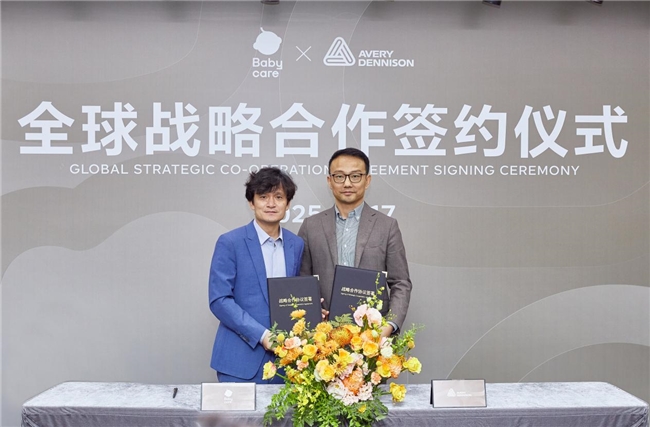
Core Viewpoint - Babycare and Avery Dennison have signed a strategic cooperation agreement to deepen their collaboration in logistics and digital management of the value chain, building on their previous partnership [1][2]. Group 1: Company Background - Babycare aims to redesign the experience of maternal and infant products, having served over 69 million families globally [2]. - Avery Dennison has over 90 years of experience in adhesive materials development and is known for its global supply chain and stringent quality control systems [2]. Group 2: Previous Collaborations - The partnership between Babycare and Avery Dennison began in 2021, with the first strategic cooperation agreement signed on June 13, 2022 [2]. - Babycare has utilized Avery Dennison's eco-friendly adhesive materials in its diaper products, which have been tested under various conditions to ensure stability [2]. Group 3: Future Cooperation - The new agreement will expand collaboration beyond material supply to include research and development, supply chain, market strategies, and product quality control [2]. - Both companies emphasize their commitment to user experience and product quality as the foundation of their strategic partnership [3]. - The collaboration signifies a shift from single-category cooperation to comprehensive strategic synergy, enhancing the overall value chain [3].
上汽集团: 上汽集团2024年年度股东大会资料
Zheng Quan Zhi Xing· 2025-06-18 10:21
Core Viewpoint - The Shanghai Automotive Group Co., Ltd. (SAIC) is preparing for its 2024 Annual General Meeting (AGM), focusing on maintaining order, ensuring shareholder rights, and discussing various proposals related to financial audits, corporate governance, and strategic initiatives. Group 1: Meeting Procedures and Regulations - Shareholders must register in advance to attend the AGM, and registration will close before the meeting starts [1][2] - The AGM will follow a structured process where shareholders will review and vote on various proposals, with the results announced on the same day [2][7] - Photography, videography, and audio recording are prohibited during the meeting to protect the rights of all participants [2] Group 2: Key Proposals and Voting - Proposals include the reappointment of PwC as the financial auditor, approval of related party transactions, and various guarantees provided by subsidiaries [3][4][16] - The AGM will also address amendments to the company's articles of association and the establishment of a three-year shareholder return plan [14][16] Group 3: Financial Performance and Strategic Initiatives - In 2023, the company sold 4.013 million vehicles, with a retail figure of 4.639 million, marking a nearly 30% year-on-year increase in new energy vehicle sales [10][11] - The company aims to enhance its core competitiveness by focusing on independent brand development and optimizing its business structure [10][11][23] - SAIC is committed to improving its governance structure and risk management, with a focus on ESG (Environmental, Social, and Governance) initiatives [12][13][14] Group 4: Shareholder Returns and Corporate Governance - The company plans to distribute cash dividends totaling 4.232 billion yuan, representing 30% of the net profit attributable to shareholders [14][30] - The board has implemented reforms to enhance the role of independent directors and improve decision-making processes [12][35] - The company has maintained a high standard of information disclosure, receiving an "A" rating for its disclosure practices [27][29]

战略不落地?问题在系统
Sou Hu Cai Jing· 2025-06-07 12:35
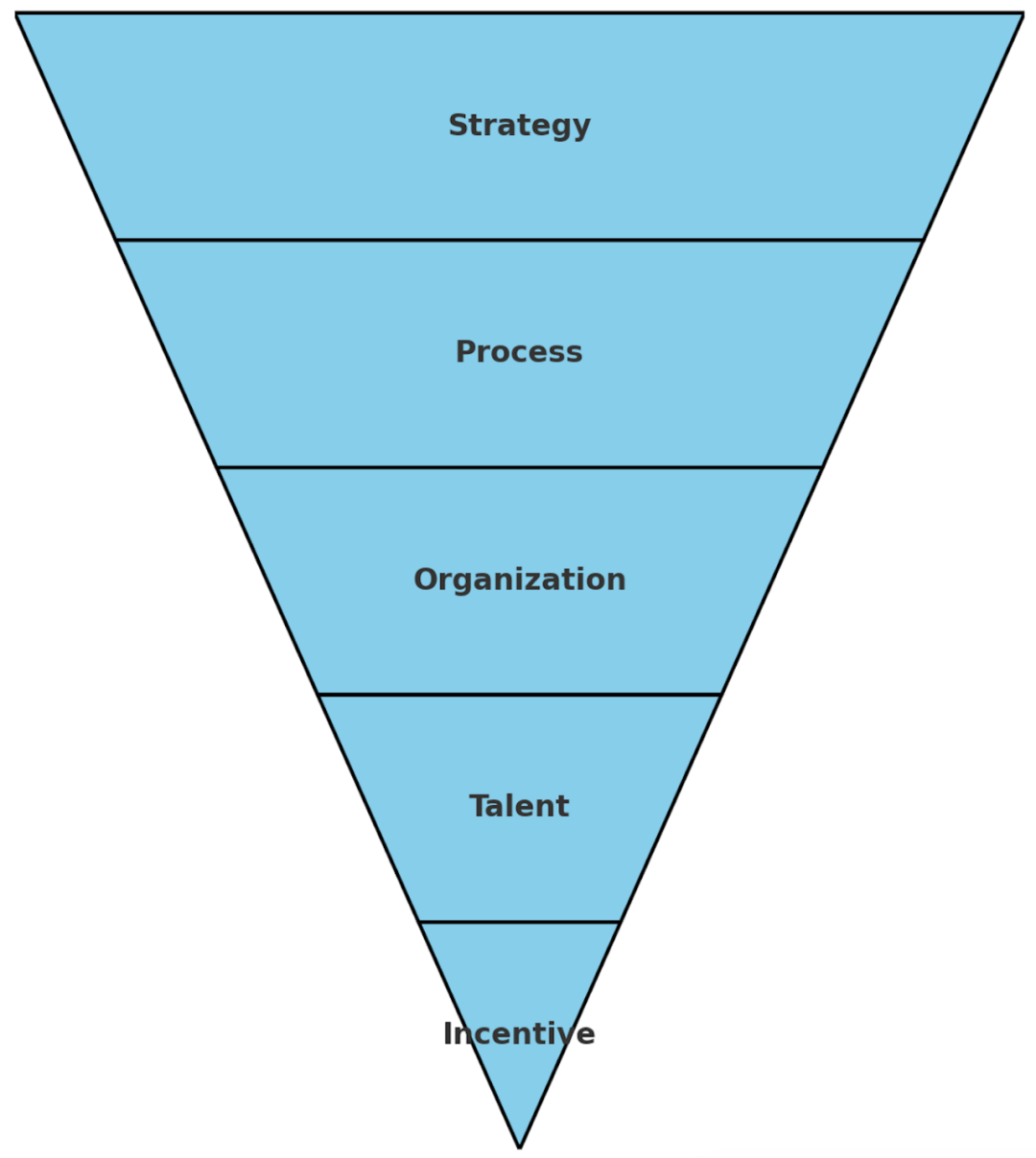
Core Insights - The main issue for many companies is not the strategy itself but the lack of a complete system to implement it effectively [2][3][6] - A successful strategy requires a full chain of processes, organization, talent, and incentives to translate into actionable results [5][24] Strategy Implementation Challenges - Many companies treat strategy as a top-level concern while execution is seen as a departmental task, leading to disjointed efforts and poor outcomes [3][6] - The absence of a clear implementation pathway results in strategic goals remaining unfulfilled, despite clear communication from leadership [10][11] Full-Chain Empowerment - Full-chain empowerment involves transforming strategy into operational processes, organizational structures, and effective team dynamics [5][24] - Without this comprehensive approach, even the best strategies can fail to materialize into tangible results [6][11] Case Study: Company A - Company A, a consumer goods firm, faced significant challenges in executing its "high-end transformation" strategy due to a lack of systemic support [10][11] - After restructuring its strategic implementation framework, Company A saw a significant increase in high-end product sales from 5% to 40% of total revenue [13] Management Insights - Effective management requires a focus on the entire system rather than isolated departmental KPIs [16][19] - The success of a strategy is contingent upon the ability of management to create a cohesive and integrated operational framework [18][24]