太空资源开发

Search documents
中国矿业大学(北京)校长刘波:太空资源赋予能源更多可能
中国能源报· 2026-03-23 04:18
Core Viewpoint - The "14th Five-Year Plan" marks a critical period for China's space resource development, focusing on breakthroughs in extraterrestrial resource exploration, intelligent autonomous mining, in-situ utilization, and smart construction [1][11]. Group 1: Space Resource Potential - Various resources exist in space, particularly on celestial bodies like the Moon, which has abundant Helium-3, a clean nuclear fusion material rare on Earth. Near-Earth asteroids and Mars also contain rich reserves of precious metals and water ice [5]. - The ability to mine these resources in space could provide essential materials for technologies such as water electrolysis for hydrogen and oxygen production, significantly reducing material costs in related industries [6]. Group 2: Technological Advancements - Space resource development is expected to drive advancements in energy technology and equipment. The transition of technologies like autonomous navigation and intelligent decision-making from space to terrestrial mining can facilitate the automation and green development of mining operations [8]. - The high costs of transporting materials from Earth to extraterrestrial bodies necessitate the local extraction, transformation, storage, and utilization of resources, which will push the development of new mining technologies and high-end equipment [9]. Group 3: Systematic Layout and Strategic Development - China has established a systematic layout for space resource development, integrating national strategy with collaborative efforts from academia and industry. This comprehensive approach is crucial for advancing space resource technology [10]. - The "14th Five-Year Plan" outlines the implementation of various space exploration projects, including planetary exploration and the construction of an international lunar research station, aiming to transition from research to practical application in deep space resource utilization [11].

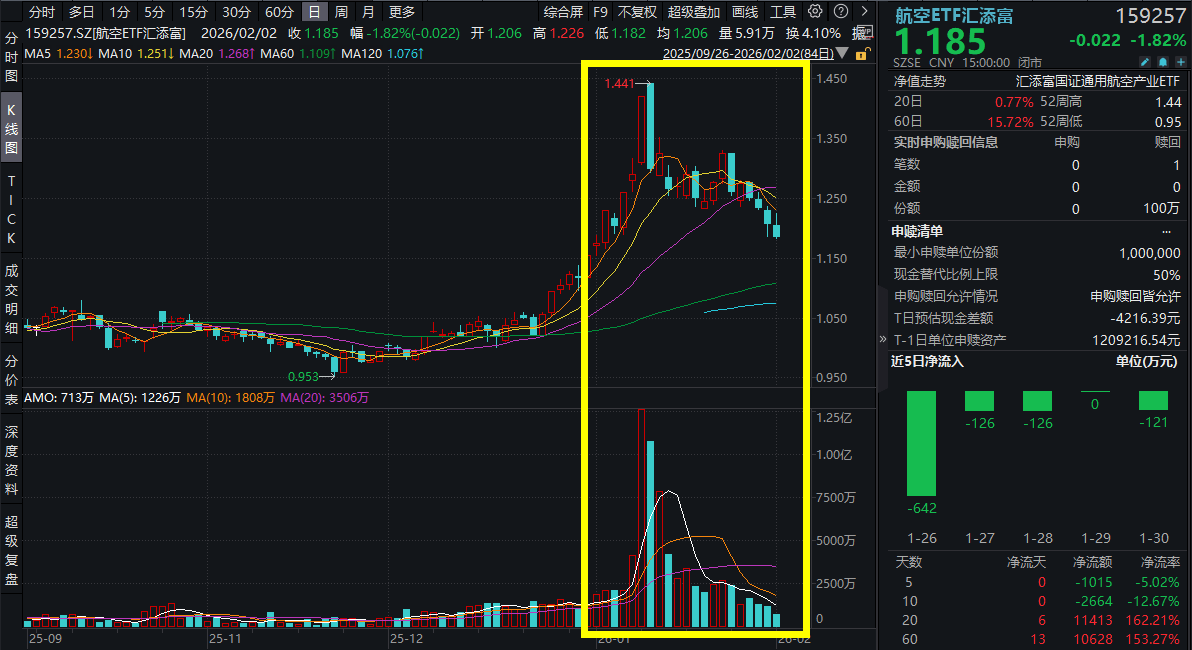
沪指跌超2%,商业航天主题冲高回落,航空ETF汇添富(159257)跌近2%,连续4日缩量,SpaceX申请部署100万颗卫星,打造太空数据中心!
Sou Hu Cai Jing· 2026-02-02 10:02
Core Viewpoint - The A-share market experienced a significant decline on February 2, with the aviation ETF Huatai (159257) falling by 1.82%, marking its fourth consecutive day of reduced trading volume [1]. Group 1: Market Performance - The aviation ETF Huatai (159257) saw mixed performance among its constituent stocks, with Tianyin Electromechanical rising over 8%, while China Satellite and Hongdu Aviation saw slight increases, and Aerospace Rainbow and AVIC Zhongzheng experienced pullbacks [3]. - The constituent stocks of the aviation ETF are primarily concentrated in the defense and military industry (61.6%), followed by computer (7.4%) and automotive (6.5%) sectors, indicating a strong focus on defense and military applications [7]. Group 2: Industry Developments - A major group announced plans for a new five-year period to develop a comprehensive experimental system for space resource development, focusing on key technologies such as small celestial body resource exploration and low-cost transportation, which signifies a shift towards systematic engineering in China's space resource development [5]. - SpaceX has applied to the FCC to launch and operate a constellation of up to 1 million satellites, aimed at meeting the growing demands of AI, machine learning, and edge computing [5]. - CITIC Securities maintains a bullish outlook on AI and commercial aerospace, highlighting SpaceX's progress towards an IPO and its plans to integrate AI into its satellite operations [6]. Group 3: Future Outlook - The commercial aerospace sector is expected to accelerate, with the successful recovery of reusable rockets potentially lowering launch costs, marking a pivotal point for industry growth [6]. - The aviation ETF Huatai (159257) is well-positioned to benefit from the burgeoning low-altitude economy, with 53% of its index weight attributed to low-altitude economic concept stocks [10]. - The commercial aerospace segment accounts for 30% of the ETF's holdings, covering satellite navigation and satellite internet, which presents significant opportunities in the trillion-dollar satellite market [11].
为重返月球铺路,美国绕月火箭开启关键测试
3 6 Ke· 2026-02-02 04:23
Core Points - NASA is making significant progress in its Artemis lunar program, with the upcoming Artemis 2 mission set to be the first crewed lunar flyby in over 50 years [1][4] - The Artemis 2 mission will involve four astronauts, including three from the U.S. and one from Canada, who will test the performance of the Space Launch System (SLS) rocket and the Orion spacecraft [1][4] - The mission aims to prepare for future lunar landings and long-duration space missions by verifying critical life support systems [4][5] Group 1: Mission Details - The Artemis 2 mission is scheduled for a 10-day journey, during which astronauts will perform system checks and manual control exercises [5] - The SLS rocket, standing at 322 feet (98 meters), has been transported to the launch pad, and a fuel loading test is crucial for determining the launch timeline [3][4] - If the fuel test is successful, NASA aims to attempt a launch within a week, with February 8 being the earliest possible launch date [3][4] Group 2: Global Lunar Exploration Competition - A new global lunar exploration race has begun, with the U.S. aiming to return to the Moon by 2028 and establish a permanent lunar outpost by 2030 [6] - China is also advancing its lunar exploration program, with plans for multiple missions, including sample collection and resource exploration [6] - The competition is not just about exploration but also involves strategic resource acquisition, including potential lunar resources like water ice and helium-3 [7][9] Group 3: Strategic Importance of Lunar Exploration - Lunar exploration is seen as strategically significant for future deep space exploration and economic development on Earth [7] - The Moon's south pole is believed to contain water ice, which is essential for sustaining life and can be used as rocket fuel [7] - The Moon is also rich in minerals and resources that could reshape energy and industrial landscapes on Earth, including helium-3 for clean nuclear fusion [7][9]

多视角解锁中国商业航天规划未来新图景 | 如何干?一文梳理↓
Yang Shi Wang· 2026-01-30 05:37
Core Viewpoint - The Commercial Space Industry Chain Conference held in Shanghai announced significant developments, including the potential reduction of launch costs, promotion of space tourism, resource development, and space traffic management [1] Group 1: Launch Cost Reduction - The vision report projects that by 2030, the low Earth orbit constellation will be largely established, and the cost of launching will decrease to below 10,000 yuan per kilogram, down from the current approximately 70,000 yuan per kilogram [7] - The advancement of reusable rocket technology and new applications could significantly expand the range of application scenarios in the commercial space sector [7] Group 2: Communication Coverage - The vision report highlights plans for achieving full communication coverage in remote areas, with further integration of Tian Tong and Bei Dou terminals to eliminate communication blind spots in oceans and deserts [9] - Centimeter-level positioning will be realized to ensure no blind spots in coverage, benefiting tourists and workers in remote areas [9] Group 3: New Development Areas - During the 14th Five-Year Plan period, the industry aims to promote new fields such as space tourism, space digital infrastructure, space resource development, and space traffic management [11] - The construction of gigawatt-level space digital infrastructure is planned to enable comprehensive data processing capabilities [11] Group 4: Space Resource Development - The "Tian Gong Kai Wu" major special project will focus on key technologies for resource exploration, intelligent autonomous mining, low-cost transportation, and in-orbit processing of small celestial bodies [12] - Recent discoveries of natural single-walled carbon nanotubes and graphite carbon in lunar samples suggest the potential for high-value materials on the moon and other celestial bodies [15] Group 5: Space Traffic Management - The industry will address the growing challenges of space traffic safety by developing key technologies for monitoring, warning, and clearing space debris [17] - This initiative aims to establish a solid foundation for China's active role in international space traffic management regulations and ensure the safe operation of space infrastructure [17]

多项重磅消息发布 勾勒中国商业航天未来新图景
Huan Qiu Wang Zi Xun· 2026-01-30 01:45
Core Insights - The conference highlighted significant developments in the commercial space industry, including reduced launch costs, promotion of space tourism, resource development, and traffic management in space [1][5]. Group 1: Launch Cost and Technology - The vision report anticipates that by 2030, the construction of low Earth orbit constellations will be nearly complete, and reusable technology will mature, reducing launch costs to below 10,000 yuan per kilogram, down from the current 70,000 yuan per kilogram [7]. - The advancement of reusable rocket technology and new applications will greatly expand potential use cases in the commercial space sector [7]. Group 2: Communication and Coverage - The report emphasizes achieving full communication coverage in remote areas, with the integration of Tian Tong and Bei Dou terminals to eliminate communication blind spots in oceans and deserts [9]. - The goal includes centimeter-level positioning to ensure no blind spots, benefiting tourists and workers in remote areas [9]. Group 3: New Development Areas - During the 14th Five-Year Plan period, the focus will be on developing new areas such as space tourism, digital infrastructure, resource development, and traffic management in space [11]. - The initiative "Tian Gong Kai Wu" will be launched to explore key technologies for resource exploration, autonomous mining, low-cost transportation, and in-orbit processing [13]. Group 4: Resource Exploration - Recent discoveries from the Chang'e 6 lunar samples, including natural single-walled carbon nanotubes and graphite, suggest the potential for high-value materials on the Moon and other celestial bodies [15]. - The "Tian Gong Kai Wu" initiative aims to unlock the potential for significant resource discovery on extraterrestrial bodies [15]. Group 5: Space Traffic Management - The conference addressed the increasing challenges of space traffic safety, with plans to develop key technologies for monitoring, warning, and clearing space debris [17]. - These efforts will establish a solid foundation for China's active role in international space traffic management regulations and ensure the safe operation of space infrastructure [17].
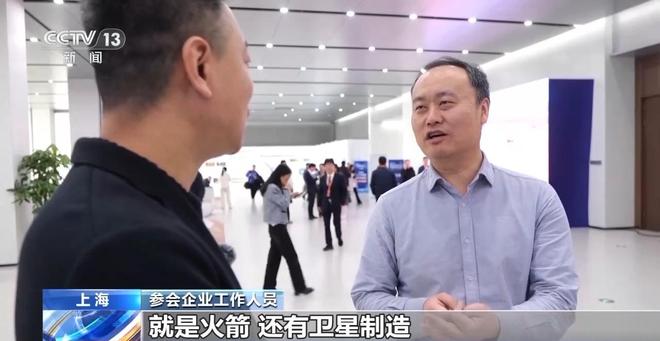
影响市场重大事件:航天国家队谋划“十五五”,旅游、采矿有望向太空进发;上海市商业航天“火箭星城”建设方案发布;国家航天局表态,持续优化商业航天发展政策环境
Mei Ri Jing Ji Xin Wen· 2026-01-29 22:26
Group 1: Aerospace Industry Developments - China Aerospace Science and Technology Corporation plans to promote the development of new fields such as space tourism, space digital infrastructure, space resource development, and space traffic management during the "14th Five-Year Plan" period [1] - The company aims to accelerate the iteration of suborbital and orbital space tourism vehicles, complete relevant unmanned or manned flight verification, and establish a comprehensive space tourism operation system [1] - Domestic commercial aerospace companies like Xinghe Power, Blue Arrow Aerospace, and CAS Space have expressed plans related to space tourism, indicating a strong expectation for the sector's growth [1] Group 2: Commercial Aerospace Policy and Standards - The "Chain Gathering Industry Synergy, Building a Strong Aerospace Nation" conference in Shanghai released several key documents, including the "14th Five-Year Plan" vision report for China's commercial aerospace industry and a major supply-demand information report [2][3] - The National Space Administration's Deputy Director emphasized the need for innovation-driven, collaborative, and safe development to enhance the core competitiveness of the industry chain and optimize the policy environment for commercial aerospace [3] Group 3: Gold Market Insights - The World Gold Council's report indicates that China's gold jewelry consumption may see a quarter-on-quarter rebound in Q1 2026, supported by seasonal purchasing during the Spring Festival [4] - The report also forecasts that global gold demand reached a record high of 5002 tons in 2025, driven by significant geopolitical and economic uncertainties, with total demand valued at $555 billion [6] - The report highlights that North America shows strong demand for gold ETFs, while Asia's demand is just beginning to grow, indicating potential for future increases in holdings [9]

中国航天科技集团:“十五五”将谋划推动太空旅游
证券时报· 2026-01-29 15:10
Core Viewpoint - China Aerospace Science and Technology Corporation plans to promote the development of new fields such as space tourism, space digital infrastructure, space resource development, and space traffic management during the 14th Five-Year Plan period [1]. Group 1: Space Tourism - The company aims to accelerate the iteration of suborbital and orbital space tourism vehicles, complete relevant unmanned or manned flight validations, and establish a comprehensive space tourism operation system to achieve regular suborbital space tourism flights and gradually develop orbital space tourism [2]. Group 2: Space Digital Infrastructure - The goal is to build gigawatt-level space digital infrastructure, creating a new type of space system architecture that integrates cloud, edge, and terminal, achieving deep integration of computing power, storage capacity, and transportation capacity, enabling "sky computing" and "earth computing" [2]. Group 3: Space Resource Development - The company will conduct major project demonstrations for "Heavenly Works and Earthly Materials," building a comprehensive experimental and ground support system for space resource development, focusing on breakthroughs in key technologies such as small celestial body resource exploration, intelligent autonomous mining, low-cost transfer transportation, and in-orbit processing [2]. Group 4: Space Traffic Management - Efforts will be made to tackle key technologies for monitoring, early warning, and removal of space debris, laying a solid foundation for China to take the initiative in the formulation of international rules for space traffic management and ensuring the safe operation of space infrastructure [3].
商业航天开启“太空+”时代:旅游、挖矿、智算将全面铺开
Nan Fang Du Shi Bao· 2026-01-29 12:13
Core Insights - The conference themed "Chain Gathering Industry Forces to Build a Strong Space Nation" was held in Shanghai, focusing on the development of commercial aerospace as part of national strategic deployment [1] - China Aerospace Science and Technology Corporation (CASC) plans to promote new fields such as space tourism, space digital infrastructure, space resource development, and space traffic management during the 14th Five-Year Plan period [1][2] Group 1: Space Tourism - The company aims to accelerate the iteration of suborbital and orbital space tourism vehicles, completing relevant unmanned or manned flight validations [1] - A comprehensive operational system for space tourism will be established to achieve regular suborbital space tourism flights and gradually develop orbital space tourism [1] Group 2: Space Digital Infrastructure - Plans include the construction of gigawatt-level space digital infrastructure, creating a new type of space system architecture that integrates cloud, edge, and terminal [1] - The goal is to achieve deep integration of computing power, storage capacity, and transportation capacity, enabling "sky computing" and "earth-sky computing" [1] Group 3: Space Resource Development - The company will conduct major project demonstrations for space resource development, focusing on breakthroughs in key technologies such as small celestial body resource exploration, intelligent autonomous mining, low-cost transfer transportation, and in-orbit processing [1] Group 4: Space Traffic Management - Key technology research will be conducted on space debris monitoring, early warning, and removal, laying a solid foundation for China's proactive role in formulating international regulations for space traffic management [2] - This initiative aims to ensure the safe operation of space infrastructure [2]

航天科技集团重磅官宣!“十五五”锁定四大新赛道,这三大赛道或迎业绩爆发期!
Jin Rong Jie· 2026-01-29 10:46
Core Viewpoint - China Aerospace Science and Technology Corporation (CASC) plans to promote the development of new fields such as space tourism, space digital infrastructure, space resource development, and space traffic management during the 14th Five-Year Plan period [1] Group 1: Space Tourism Development - CASC aims to accelerate the iteration of suborbital and orbital space tourism vehicles, completing relevant unmanned or manned flight validations and establishing a comprehensive space tourism operation system [1] - Domestic commercial aerospace companies like Xinghe Power, Blue Arrow Aerospace, and China Aerospace Science and Industry Corporation have expressed plans related to space tourism [1] - The "Lihong" series of reusable spacecraft, developed by China Aerospace Science and Industry Corporation, is the first fully reusable spacecraft in China aimed at space tourism, capable of over 30 flights [1] Group 2: Space Resource Development - CASC plans to conduct a major project called "Tiangong Kaiwu" to develop a comprehensive experimental and ground support system for space resource development, focusing on key technologies such as small celestial body resource exploration and intelligent autonomous mining [1] - The commercial aerospace sector is expected to drive advancements in upstream and downstream industries such as advanced materials and precision manufacturing, providing solid support for national strategies in space resource development [1] Group 3: Space Infrastructure and Traffic Management - The future "national team" will build gigawatt-level space digital infrastructure, creating a new type of space system architecture that integrates computing power, storage, and transportation [2] - Key technology breakthroughs in space debris monitoring, early warning, and removal will lay a solid foundation for China's proactive role in international space traffic management rule-making [2] Group 4: Market Trends and Investment Strategies - The commercial aerospace sector is experiencing increased policy and time catalysts, leading to a sustained rise in industry prosperity [2] - By 2026, significant events in commercial aerospace are expected, with policies elevating the sector to a strategic level comparable to semiconductors [2] - Investment strategies suggest a "barbell" approach, focusing on state-owned enterprises with core frequency resources and private leaders in commercial rockets and satellite components [3] Group 5: Related Market Segments - Rocket manufacturing and launch services are expected to see exponential growth in demand due to breakthroughs in reusable rocket technology and increased launch frequency [4] - Satellite manufacturing and operations are positioned as the largest and most certain market segment within the commercial aerospace industry, driven by the accelerated construction of low Earth orbit satellite constellations [5] - The demand for high-performance aerospace materials and 3D printing technology is increasing, driven by the need for lightweight, high-strength materials and cost reduction in manufacturing [6]
中国准备太空采矿
券商中国· 2026-01-29 07:20
Core Viewpoint - China Aerospace Science and Technology Corporation plans to promote the development of new fields such as space tourism, space digital infrastructure, space resource development, and space traffic management during the 14th Five-Year Plan period [1]. Group 1: Space Tourism - The company aims to accelerate the iteration of suborbital and orbital space tourism vehicles, complete relevant unmanned or manned flight validations, and establish a comprehensive space tourism operation system to achieve regular suborbital space tourism flights and gradually develop orbital space tourism [2]. Group 2: Space Digital Infrastructure - The construction of gigawatt-level space digital infrastructure is planned, creating a new type of space system architecture that integrates cloud, edge, and terminal, achieving deep integration of computing power, storage capacity, and transportation capacity, enabling "sky computing," "ground computing," and "joint computing" [3]. Group 3: Space Resource Development - The company will conduct major project demonstrations for "Heavenly Works and Material," building a comprehensive experimental and ground support system for space resource development, focusing on breakthroughs in key technologies such as small celestial body resource exploration, intelligent autonomous mining, low-cost transfer and transportation, and in-orbit processing [4]. Group 4: Space Traffic Management - Key technology research will be conducted for space debris monitoring, early warning, and removal, laying a solid foundation for China to gain initiative in the formulation of international rules for space traffic management and ensuring the safe operation of space infrastructure [5].