失眠治疗

Search documents
Global expansion of Idorsia's QUVIVIQ continues with EMS partnership for Latin America
Globenewswire· 2026-01-28 06:00
Core Viewpoint - Idorsia Ltd has entered into an exclusive license and supply agreement with EMS S.A. to commercialize QUVIVIQ™ (daridorexant) in Latin America, marking a significant step in the company's global expansion strategy [2][3]. Company Overview - Idorsia Ltd is focused on developing transformative medicines and aims to challenge existing medical paradigms [15][16]. - EMS S.A. is Brazil's largest privately-owned pharmaceutical company, with over 60 years of history and a strong market presence [13][14]. Product Information - QUVIVIQ is an innovative treatment for insomnia that selectively blocks orexin receptors, promoting restorative sleep without broadly suppressing brain activity [5][6]. - Clinical trials have shown that daridorexant significantly improves sleep onset, maintenance, and daytime functioning compared to placebo [6]. Market Potential - Insomnia affects millions in Latin America, with current treatments often leading to next-day drowsiness and dependence, indicating a clear unmet need for safer alternatives [4][11]. - The partnership with EMS is expected to enhance the availability of QUVIVIQ in Latin America, addressing the significant demand for effective insomnia treatments [3][7]. Financial Aspects - Idorsia is set to receive a total milestone compensation of USD 20 million for the execution of the agreement, along with supply prices and double-digit royalties on net sales in Brazil and Mexico [10].


Idorsia (OTCPK:IDRS.F) FY Conference Transcript
2026-01-14 19:32
Summary of Idorsia's Conference Call Company Overview - **Company**: Idorsia - **CEO**: Dr. Srishti Gupta - **Key Products**: Quvivic (daridorexant) and Tryvio (Jeraygo) - **Industry**: Healthcare, specifically pharmaceuticals focusing on insomnia and hypertension Core Points and Arguments 1. Strategic Focus - Idorsia is executing a balanced strategy to commercialize two assets and advance its pipeline in a disciplined manner, aiming to create value for patients and shareholders [2][3] 2. Product Highlights - **Quvivic (daridorexant)**: - A dual orexin receptor antagonist aimed at changing the standard of care for insomnia [3] - Addresses both nighttime and daytime functioning, with a focus on improving productivity and public health [5][6] - Significant global GDP loss of over $400 billion annually due to insomnia-related issues [5] - Unique in demonstrating improvement in daytime functioning, which is not claimed by existing insomnia treatments [6][8] - Global brand presence with increasing adoption in markets like Japan and Europe, with over 100,000 patients in China within months of launch [9][10] - **Tryvio (Jeraygo)**: - First approved antihypertensive therapy targeting the endothelin system, addressing uncontrolled hypertension [16][17] - Aimed at a significant market with 1.4 billion people affected by hypertension globally, with 26 million in the U.S. alone not adequately controlled [16] - Unique mechanism of action allows for safe addition to existing therapies without increased risk of hyperkalemia [19][21] 3. Market Potential - Quvivic has blockbuster potential with U.S. exclusivity until at least 2036, and a focus on pediatric insomnia, which is an unmet need affecting 10%-30% of children in the U.S. [13][14] - Tryvio has a projected peak year sales potential of $5 billion, targeting 8-13 million patients not well controlled [20] 4. Pipeline Development - Idorsia has multiple late-stage assets, including: - **Selatogrel** for acute myocardial infarction in partnership with Viatris [23] - **Cenerimod** for systemic lupus and lupus nephritis, with phase 3 interim results expected soon [24] - **Lucerostat** for Fabry's disease, with a market potential of $4 billion [25] 5. Financial Position - Idorsia has a cash runway into 2028, with liquidity of approximately $258 million and projected revenue of $262 million from Quvivic sales in 2026 [27] 6. Future Focus Areas - Continued support for Quvivic sales and new distribution models, including potential U.S. descheduling [28] - Expansion of partnerships for Tryvio and Jeraygo, and advancing the lucerostat registration [28][29] Additional Important Content - The company is addressing the public health crisis of inappropriate benzodiazepine use in insomnia treatment [5][8] - The unique design of Quvivic allows for improved sleep duration and quality without carryover effects, enhancing daytime alertness [41][42] - The synthetic glycan vaccine platform is being developed for Clostridium difficile and other bacterial infections, showcasing Idorsia's innovative approach beyond traditional pharmaceuticals [43][44][45] This summary encapsulates the key points discussed during the conference call, highlighting Idorsia's strategic direction, product offerings, market potential, and future initiatives.
Idorsia's daridorexant in women during menopausal transition age with insomnia
Globenewswire· 2026-01-05 16:45
Core Insights - Idorsia Ltd has published a study on the efficacy and safety of daridorexant for treating insomnia in women during menopausal transition, highlighting its potential benefits in this demographic [1][4]. Group 1: Study Findings - Daridorexant 50 mg significantly improved sleep and daytime functioning compared to placebo, with improvements in wake after sleep onset (WASO) by approximately 43 minutes, latency to persistent sleep (LPS) by about 34 minutes, and self-reported total sleep time by around 75 minutes [3][9]. - The incidence of somnolence and fatigue was low and comparable to placebo, with no increase in next-morning sleepiness observed [3]. Group 2: Clinical Implications - Insomnia disorder affects about one in four women during the menopausal transition, often remaining underdiagnosed and undertreated, emphasizing the need for clinicians to recognize and address this condition [4]. - The CELESTE study, which includes daridorexant as a treatment option, aims to compare its effectiveness and safety against other approaches for menopause-related insomnia, involving around 900 peri- and post-menopausal women [5][10]. Group 3: Company Commitment - Idorsia is committed to advancing sleep science and will provide daridorexant at no cost to support the CELESTE study [6]. - The company aims to challenge existing medical paradigms and develop transformative medicines, positioning itself as a leading biopharmaceutical entity [29][30].

华创医药投资观点&研究专题周周谈·第155期:失眠治疗蓝海大市场,看好上市新药销售表现-20251220
Huachuang Securities· 2025-12-20 12:16
Investment Rating - The report maintains a positive outlook on the insomnia treatment market, highlighting the potential for new drug sales performance in this sector [20][32]. Core Insights - The insomnia treatment market in China is characterized by a significant unmet need, with over 200 million individuals estimated to suffer from insomnia symptoms, representing a large consumer market potential [16][24]. - The report emphasizes the shift towards innovative insomnia medications, particularly focusing on new types of benzodiazepine receptor agonists (BZRAs) and dual orexin receptor antagonists (DORAs) as key areas for development [25][38]. - The introduction of new drugs like JY-202 (地达西尼) and DORA medications is expected to reshape the market dynamics, with a forecasted rapid increase in market share and sales [34][39]. Market Overview - The insomnia drug market in China has seen stagnant growth due to a lack of new effective treatments, with the market size in 2023 estimated at 31.62 billion yuan [24]. - The report outlines the historical sales performance of major insomnia medications, indicating a long gap since the last new product launch in 2007, which has contributed to the current market stagnation [24][25]. - The report projects a significant increase in the market size and sales for innovative insomnia drugs, particularly with the anticipated approval and market entry of new products [34][39]. Drug Development Trends - The report identifies two main directions for insomnia drug innovation: improvements on existing BZRAs and the development of DORAs, which are expected to have lower addiction risks and better patient compliance [25][38]. - The new drug JY-202 is highlighted for its selective action on the GABAA receptor, which may reduce side effects associated with traditional insomnia medications [34]. - The report also notes the successful clinical trial results for DORAs, which have shown significant improvements in sleep quality without the risk of addiction, making them suitable for broader consumer use [38][39]. Key Players and Recommendations - The report suggests focusing on companies like 京新药业 (JY-202) and 先声药业 (DORA medications) as they are positioned to capitalize on the emerging market opportunities in insomnia treatment [34][39]. - It recommends monitoring the sales performance of these new drugs as they enter the market, particularly in the context of changing consumer behavior and increasing awareness of sleep health [20][32].


华创医药周观点:失眠治疗蓝海大市场,看好上市新药销售表现2025/12/20
华创医药组公众平台· 2025-12-20 11:15
Core Viewpoint - The article emphasizes the significant market potential for insomnia treatment, highlighting the promising sales performance of newly listed drugs in this sector [16][22][24]. Market Overview - The current insomnia medication market in China is estimated at 31.62 billion yuan, with a large unmet demand due to existing medications failing to meet treatment needs [26]. - The proportion of individuals experiencing insomnia symptoms in China is reported at 16.8%, indicating a potential patient population exceeding 200 million [20][31]. Drug Development and Innovation - The development of insomnia medications has evolved through four generations, with the latest focusing on physiological regulation rather than merely sedative effects [21][32]. - New insomnia drugs, particularly novel benzodiazepine receptor agonists (BZRAs) and dual orexin receptor antagonists (DORAs), are gaining traction, with several products recently launched [24][34]. Specific Drug Insights - The newly launched drug, Dazadiline, is expected to capture a significant market share due to its unique mechanism of action and favorable safety profile, with projected peak sales of 15.6 billion yuan [33]. - Dazadiline's pricing is set at 13.88 yuan per day, making it competitive in the market [33]. - DORAs, such as Daridorexant, are noted for their non-addictive properties and potential for broader consumer acceptance, as they do not fall under strict regulatory controls [38]. Market Dynamics - The article discusses the competitive landscape, noting that the introduction of new insomnia treatments could disrupt the existing market dominated by older, less effective medications [26][27]. - The sales performance of insomnia drugs is expected to improve significantly as new products enter the market and address the needs of a large patient population [16][24]. Future Projections - The article forecasts a steady increase in the number of patients treated for insomnia, with the treatment rate projected to rise from 7.5% in 2024 to 12.1% by 2033 [31]. - The market for insomnia medications is anticipated to grow rapidly, driven by the introduction of innovative therapies and an increasing awareness of sleep health [16][24].
“失眠睡不着吃片褪黑素就能解决”是真的吗?
Yang Shi Xin Wen· 2025-12-16 21:35
Core Viewpoint - Melatonin is often perceived as a natural solution for insomnia, but its use carries significant health risks and is not a universal remedy for sleep disorders [2][6]. Group 1: Melatonin and Its Effects - Melatonin is a hormone secreted by the pineal gland, primarily increasing in production during the evening to promote sleep [4]. - Over-the-counter melatonin supplements are exogenous and act as "rhythm regulators," potentially effective for jet lag but not for insomnia caused by anxiety or other physical conditions [6]. - Long-term use of melatonin can suppress the body's natural production of the hormone, leading to rebound insomnia or dependency upon cessation [8]. Group 2: Risks of Self-Medication - Self-medicating with melatonin or combining it with other sleep aids, such as sedatives, can mask underlying conditions like depression or anxiety, delaying proper diagnosis and treatment [9]. - Anxiety and depression can exacerbate insomnia, and without addressing these root causes, sleep issues may persist, potentially leading to increased reliance on sleep medications [11]. Group 3: Recommendations for Sleep Improvement - For short-term insomnia, mild interventions like certain herbal supplements may be acceptable, but persistent symptoms lasting over two weeks should prompt a visit to a specialist for targeted treatment [12]. - A comprehensive approach to improving sleep includes timely medical consultation, adjustment of sleep habits, regular exercise, balanced diet, and emotional regulation [12][14].

中疾控:今年存在甲流乙流共同流行
Xin Jing Bao· 2025-11-21 11:49
Group 1 - The current influenza activity in China has entered a rapid rising phase, with most provinces reaching moderate epidemic levels and some provinces even reaching high epidemic levels [1][2] - The predominant strain for the 2025-2026 flu season is the H3N2 subtype, differing from the previous season which was dominated by the H1N1 subtype. There is also co-circulation of H1N1 and B type influenza viruses [2] - There has been a significant increase in reported outbreaks of influenza in childcare institutions and schools, with a notably higher positive rate of influenza virus detection in the 5-14 age group compared to other age groups [2] Group 2 - It is crucial to differentiate between common colds and influenza, as influenza typically presents with more severe systemic symptoms such as fever and muscle aches, while common colds are characterized by milder symptoms [3] - Rapid testing methods for influenza are available, allowing for diagnosis within half an hour, and early antiviral treatment is highly effective [3][4] - High-risk groups, including infants, the elderly, pregnant women, and those with chronic conditions, should seek medical attention promptly if diagnosed with influenza to prevent severe complications [4]
别数羊了,到底怎样才能睡个好觉?
Hu Xiu· 2025-10-13 11:04
Group 1 - Sleep is essential for survival and has several important functions, including promoting growth and development, restoring energy, clearing metabolic waste, and maintaining cognitive function [2][4][5] - Sleep is crucial for immune function, as insufficient sleep can lead to increased susceptibility to illness [5] - Continuous and deep sleep is necessary for cognitive health; fragmented sleep can lead to rapid cognitive decline [8][10] Group 2 - Individuals have different sleep needs based on their unique characteristics; understanding one's own sleep requirements is important for optimal functioning [11][13] - Insomnia is a common issue, with symptoms ranging from occasional sleeplessness to chronic insomnia disorders, which can significantly impact daily functioning [12][23] - Sleep quality can be affected by various factors, including lifestyle habits, age, and underlying health conditions [16][19][22] Group 3 - Sleep duration and quality are linked to overall health; both excessive and insufficient sleep can increase mortality risk and other health issues [19][18] - The importance of maintaining a regular sleep schedule and healthy lifestyle habits, including diet and exercise, is emphasized for better sleep quality [53][54] - Various methods, such as cognitive behavioral therapy for insomnia (CBTI), can be effective in treating sleep disorders [44][45]
近5成中国成人受失眠困扰,DORA新药能否引领百亿赛道?
2 1 Shi Ji Jing Ji Bao Dao· 2025-09-22 14:35
Core Insights - Sleep disorders have become a significant health issue affecting nearly half of the adult population in China, with a sleep disturbance rate of 48.5% among individuals aged 18 and above [1][2] - The average sleep duration for this demographic is between 7.06 to 7.18 hours, with women experiencing higher rates of sleep disturbances (51.1%) compared to men (45.9%) [1] - The prevalence of sleep disturbances increases with age, peaking at 73.7% among those aged 65 and above [1] Group 1: Health Implications - Insomnia is linked to various physical and mental health issues, including hypertension, diabetes, coronary heart disease, and cancer [1] - It also contributes to increased anxiety and a higher risk of suicide, as well as a rise in traffic accidents and decreased work efficiency, leading to greater socioeconomic burdens [1][2] Group 2: Treatment and Interventions - Multiple intervention methods for insomnia include lifestyle adjustments, psychological therapy, and pharmacological treatments, with a focus on cognitive behavioral therapy (CBT-I) as a primary approach [3][4] - New drug developments, particularly DORA (Dual Orexin Receptor Antagonists), aim to improve sleep quality without the side effects associated with traditional insomnia medications [5][6] Group 3: Market Potential - The sleep economy in China is projected to reach a market size of 534.93 billion yuan in 2024, with expectations to grow to 658.68 billion yuan by 2027, indicating strong growth potential [4] - The insomnia medication market was valued at 12.28 billion yuan in 2021, with forecasts of reaching 15.12 billion yuan by 2025 and 21.19 billion yuan by 2030 [5] Group 4: Regulatory and Accessibility Aspects - Recently approved DORA medications, such as Lemborexant and Daridorexant, have been included in the preliminary review list for the national medical insurance directory, enhancing their market accessibility [6] - These medications are not classified as controlled substances, which increases patient access and allows for innovative distribution channels, including e-commerce [6][7]
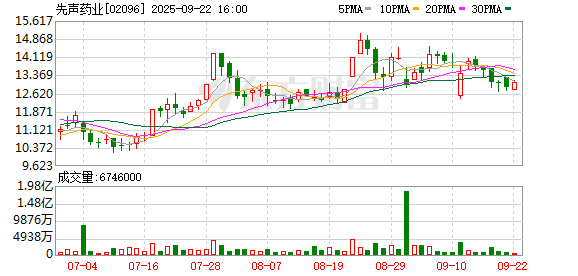
先声药业:未来三年拟投入3000万元 用于睡眠药物的进一步研究
Zheng Quan Ri Bao· 2025-09-22 14:07
Core Insights - Dalirelix, developed by Xiansheng Pharmaceutical in collaboration with Swiss Idorsia, was approved by the National Medical Products Administration in June 2023 for treating adult insomnia characterized by difficulty in falling asleep and/or maintaining sleep [1][2] - The drug has shown excellent performance in improving sleep onset time, nighttime awakening, self-reported sleep duration, sleep quality, and daytime functioning, with good safety and tolerability [1] - The prevalence of sleep disturbances among individuals aged 18 and above in China is reported at 48.5%, with symptoms including difficulty falling asleep, frequent awakenings, and early morning awakenings [1] Company Initiatives - Xiansheng Pharmaceutical plans to invest 10 million yuan annually, totaling 30 million yuan over three years, to further research the value of Dalirelix for patients [2][4] - The research will include subgroup studies on the efficacy and safety of Dalirelix for patients with insomnia combined with anxiety/depression, cancer, cardiovascular diseases, autoimmune diseases, obstructive sleep apnea, and stroke [2] - The "All Heavy Search Plan" aims to expand research in the field of neurology and insomnia, providing more real-world medication evidence for patients with comorbid neurological and psychiatric conditions [4]