
快递出海

Search documents
交通运输2026年投资策略:快递物流:掘金三大主线,把握分化与成长
GOLDEN SUN SECURITIES· 2026-02-01 07:50
Group 1: Industry Overview - In 2025, the express delivery volume growth slowed due to factors like e-commerce tax and "anti-involution" policies, with industry revenue per ticket initially declining before recovering[2] - The express delivery industry is expected to see a business volume growth rate of 8% in 2026, down from 14% in 2025[48] Group 2: Investment Strategies - Three main investment lines for 2026 are identified: overseas expansion, anti-involution, and cyclical recovery[2] - The overseas expansion line is driven by explosive growth in overseas e-commerce GMV, with Jitu Express expected to benefit significantly, achieving a 68% year-on-year growth in Southeast Asia in 2025[19] - The anti-involution line highlights the increasing market share and profitability of leading express companies, with recommendations to focus on Zhongtong Express, YTO Express, and Shentong Express[2] Group 3: Key Companies - Jitu Express is projected to maintain a strong growth trajectory, with Southeast Asia revenue increasing by approximately 30% to $1.97 billion in the first half of 2025, and adjusted EBIT growing by 74%[19] - SF Express is expected to benefit from a mild domestic economic recovery, with its business structure adjustments showing positive results, and its valuation at historical lows[3] Group 4: Market Dynamics - The express delivery market is experiencing significant differentiation, with leading companies gaining market share and profitability amid a backdrop of regulatory changes aimed at curbing price wars[41] - The competitive landscape is shifting, with major players like Zhongtong and YTO expected to outperform in terms of growth and profitability due to their superior management capabilities and network resilience[48]
多重因素扰动12月件量增速
HTSC· 2026-01-22 02:30
Investment Rating - The industry investment rating is "Overweight" [7] Core Views - December saw a slowdown in package volume growth and a narrowing of price declines, attributed to the diminishing effect of the "trade-in" subsidy and high base effects from the previous year [1][2] - The report recommends companies with strong overseas growth potential such as Jitu Express, and logistics leaders like SF Holding, while maintaining a long-term positive outlook on ZTO Express due to its strong cash flow and cost advantages [1][4] Summary by Sections Industry Overview - In December, retail sales growth slowed to +0.9% year-on-year, with commodity retail sales at +0.7%, primarily due to the high base effect from the previous year and the waning impact of the "trade-in" subsidy [2] - The online retail sales of physical goods also decreased to +0.5% year-on-year in December, down from +3.0% in the previous months [2] Package Volume and Pricing - The express delivery industry experienced a year-on-year package volume growth of +2.6% in December, down from +6.4% in the previous months, influenced by increased operational costs and a warm winter affecting winter clothing sales [2][3] - The average price per package saw a year-on-year decline of -1.0%, with a seasonal increase of 0.12 RMB compared to the previous months [2] Company Performance - Among major express companies, Shentong (Shunfeng) led with a package volume growth of +11.1%, followed by SF Holding at +9.3% and YTO Express at +9.0%, while Yunda Express saw a decline of -7.4% [3] - The report highlights that the price increase in express delivery has suppressed low-priced packages, benefiting leading companies in terms of market share [3] Strategic Developments - SF Holding and Jitu Express announced mutual shareholding, which is expected to enhance their cross-border business capabilities and network coverage [4] - The report emphasizes the potential for collaboration between Jitu's mature overseas delivery network and SF's resources in cross-border logistics [4] Stock Recommendations - Recommended stocks include: - SF Holding (002352 CH) with a target price of 53.10 RMB and a "Buy" rating [9] - Jitu Express (1519 HK) with a target price of 12.40 HKD and a "Buy" rating [9] - ZTO Express (2057 HK) with a target price of 185.90 HKD and a "Buy" rating [9]

京东物流(2618.HK):即配加速营收高增 海外及科技双轮驱动一体化供应链增长
Ge Long Hui· 2026-01-08 20:38
Core Viewpoint - The company's fundamental logic remains unchanged, with capability building driving growth in new business scenarios. The rapid growth of the express delivery business is expected to exceed revenue forecasts, but short-term pressures from labor costs, administrative expenses, and resource investments are constraining profit release. In the long term, integrating rider management under JD Logistics to handle "express + instant delivery" can maximize labor efficiency. The future operational capacity will leverage a pool of approximately 450,000 couriers and over 150,000 riders to enhance JD Logistics' urban delivery capabilities [1] Event Highlights - On December 26, JD Logistics successfully completed its first overseas drone test flight, marking the company's first use of drones for cargo transport abroad, which is a significant step in "express delivery going global" - On the same day, the company's first overseas intelligent warehouse officially commenced operations in the UK - Starting January 1, 2026, the consumer goods recycling subsidy officially launched, with JD Logistics completing the first order fulfillment of the 2026 "National Subsidy" on the same day. On January 5, the first order involving robot-assisted delivery was completed [1] Business Performance - Currently, international business accounts for less than 5% of the company's revenue, with expectations for international revenue to continue a high growth trend of 25% in 2026. The company is steadily advancing the deployment of automation equipment (such as unmanned vehicles and drones) and various robots, with capital expenditure expected to gradually increase year by year. However, the company will manage the balance between automation investment and the benefits of technological efficiency to drive long-term profit improvement [1] Risk Analysis - The expansion of integrated supply chain business may slow down, as the company's strategic focus is on integrated supply chain services. The recovery of the macro economy and market demand in China in 2025 will be crucial for the growth of this business segment, particularly for small and medium-sized clients [2] - Internal network integration for cost reduction and efficiency improvement may not meet expectations, as the merger with Debon Logistics in 2022 aimed to reduce capital expenditure and ongoing losses in express and large parcel delivery, but the integration process faces uncertainties due to the complexity of the national network [2] - Rising labor costs and supply-demand imbalances pose challenges, as the logistics industry is labor-intensive and faces recruitment pressures due to an aging population and competition from flexible employment sectors [3] - The pace of industrial upgrading and commercialization of technology may not meet expectations, as the national strategy during the 14th Five-Year Plan encourages high-end industrial development, which presents opportunities for JD Logistics but also involves risks during the transformation process [3]
加码新技术、摒弃“以价换量” 快递业将有发展新方向
Di Yi Cai Jing· 2026-01-08 12:28
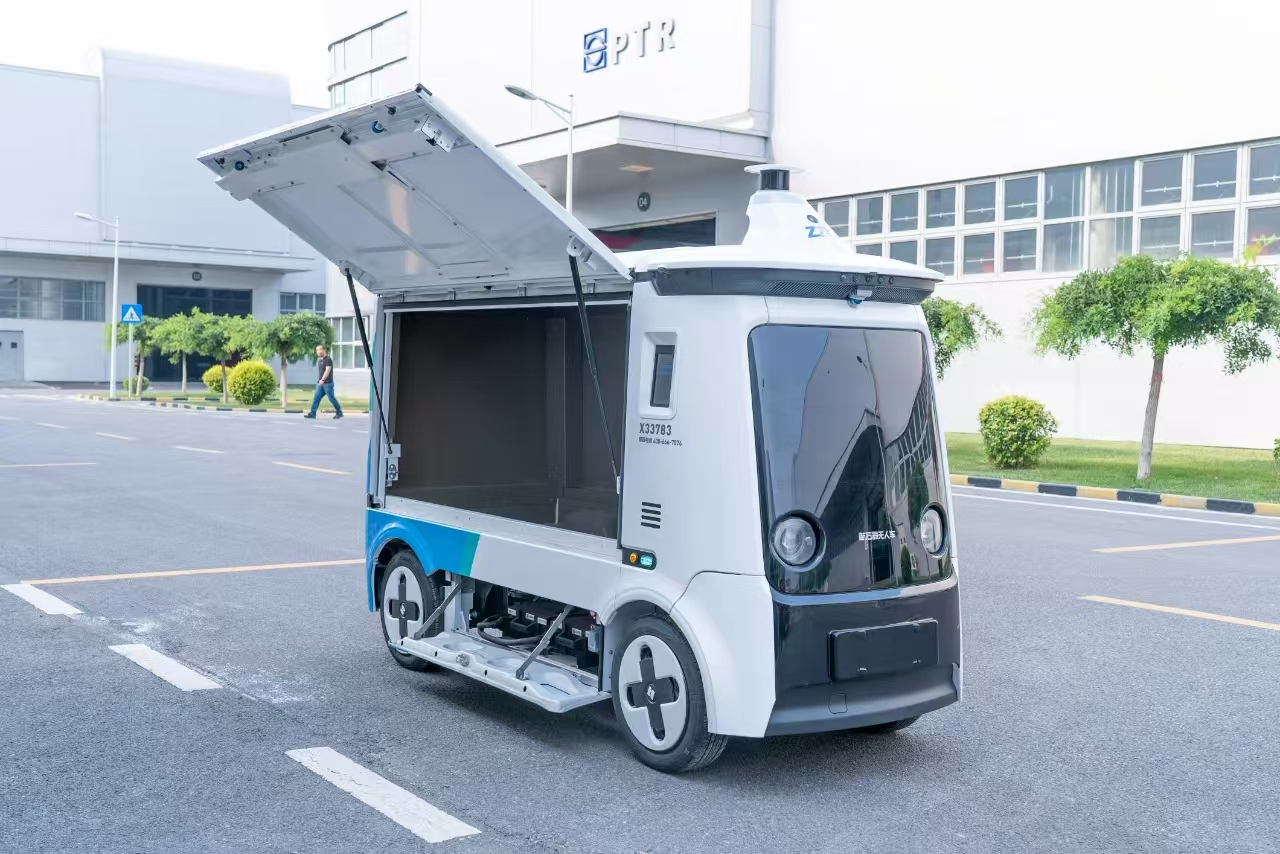
Core Viewpoint - The express delivery industry is transitioning towards high-quality development, focusing on compliance and rational competition while maintaining high growth rates in 2026 [1][2]. Group 1: Industry Growth and Trends - The 2026 National Postal Work Conference indicates that the express delivery industry will continue to grow, with an expected business volume of 2.14 billion packages, representing an approximate 8% year-on-year increase [3]. - In 2025, the national express business revenue reached 1.5 trillion yuan, with a year-on-year growth of 6.5%, while the business volume was 1.99 billion packages, growing by 13.7% [3]. - The industry is expected to maintain a double-digit growth rate in express volume due to policies aimed at boosting consumption [3]. Group 2: Pricing Strategies - The conference emphasized the need to shift from traditional reliance on scale and speed to qualitative improvements and reasonable growth, discouraging the "price for volume" model [2]. - In 2025, several regions in China raised express delivery prices, with increases ranging from 0.3 to 0.5 yuan per package, indicating a general acceptance among customers [3][4]. - The price adjustments are seen as necessary for the industry's healthy development, allowing for adequate profit margins to support investments in service quality [4]. Group 3: Technological Advancements - The industry is witnessing an increase in the application of technology, including the deployment of over 3,000 unmanned delivery vehicles, which have significantly reduced transportation costs by 50% [6]. - Companies like Yunda are investing in AI technologies to enhance customer service and operational efficiency, developing tailored solutions for the industry [6]. Group 4: International Expansion - The industry is encouraged to accelerate international expansion while adapting strategies to local market conditions, avoiding the direct replication of domestic pricing strategies [7]. - Jitu reported a 73.6% year-on-year increase in package volume in Southeast Asia, reaching 2.44 billion packages in Q4 2025, while also achieving significant growth in new markets [7]. - SF Express reported a 27% year-on-year growth in international express and cross-border e-commerce logistics revenue in Q3 2025, indicating a positive trend in international business [7].

加码新技术、摒弃“以价换量”,快递业将有发展新方向
Di Yi Cai Jing· 2026-01-08 11:20
Core Viewpoint - The express delivery industry is transitioning towards high-quality development, focusing on compliance and rational competition while maintaining high growth rates in 2026 [1][2]. Group 1: Industry Growth and Trends - The 2026 National Postal Work Conference indicates that the express delivery industry will shift its focus from traditional scale and speed to qualitative improvements and reasonable growth during the "14th Five-Year Plan" period [2]. - In 2025, the national express delivery business revenue reached 1.5 trillion yuan, with a volume of 199 billion pieces, showing year-on-year growth of 6.5% and 13.7% respectively. The industry is expected to maintain steady growth in 2026, with an estimated volume of 214 billion pieces, reflecting an 8% increase [3]. Group 2: Pricing and Market Dynamics - The express delivery pricing system is expected to rise this year, with various regions having already increased prices for e-commerce packages. Price increases ranged from 0.3 to 0.5 yuan per package in several cities [4]. - The adjustment in pricing is seen as necessary for the industry's healthy development, as it allows for adequate profit margins, which are essential for investments in service quality and operational efficiency [4][5]. Group 3: Technological Advancements - Companies are accelerating the application of technology, with over 3,000 unmanned delivery vehicles operating in more than 26 cities, significantly reducing transportation costs and delivery times [8]. - The industry is also investing in AI technologies, with companies like Yunda integrating advanced models to enhance customer service and operational efficiency [8]. Group 4: International Expansion - The trend of internationalization is gaining momentum, with companies like Jitu and SF Express accelerating their overseas operations, particularly in Southeast Asia and the Middle East [9]. - Jitu reported a 73.6% year-on-year increase in package volume in Southeast Asia for Q4 2025, while SF Express saw a 27% growth in international express and cross-border e-commerce logistics revenue [9].

聚焦一线网点生存战,2026快递行业六大趋势前瞻
3 6 Ke· 2026-01-05 12:39
Core Insights - The logistics industry is entering a phase of stock competition, with growth rates slowing to single digits due to various factors such as weak e-commerce growth and regulatory pressures [2][4] - The rise of instant retail is reshaping consumer behavior and threatening traditional logistics business models, with significant growth expected in the sector [15][18] - The integration of AI technology is revolutionizing operational efficiency in the logistics sector, enhancing service quality and operational management [9][11] Group 1: Industry Trends - Trend 1: The industry is shifting towards stock competition, leading to intensified price competition and a need for companies to innovate and improve service quality [4] - Trend 2: The challenge of increasing delivery fees persists due to ongoing price wars and a lack of motivation for fee increases among logistics providers [5][7] - Trend 3: AI is being embedded across all logistics processes, significantly improving efficiency and reducing complaint rates [9][10] Group 2: Market Dynamics - Trend 4: The elimination of underperforming logistics points is accelerating due to increased competition and regulatory pressures, with a focus on cost reduction and service improvement [12][14] - Trend 5: Instant retail is rapidly growing, with major platforms achieving significant daily order volumes, posing a threat to traditional logistics operations [15][17] - Trend 6: Chinese logistics companies are expanding internationally, driven by domestic competition and global opportunities, although they face challenges such as high operational costs and cultural differences [19][21]

反内卷、抢存量、谋海外……2025中国快递10大瞬间
3 6 Ke· 2025-12-30 11:29
Core Insights - The express delivery industry is transitioning from a high-growth phase to a focus on efficiency and service competition, indicating a need for independent thinking and adaptation to new challenges [1] - The industry is experiencing a slowdown in growth rates, with the overall business volume growth dropping to 5% in November, down from 20% earlier in the year, suggesting a shift towards a more mature and stable growth phase [3] Group 1: Industry Trends - The "anti-involution" campaign initiated by the State Post Bureau aims to address the industry's low-price competition, leading to improved profitability for express companies, although some frontline outlets still face challenges due to rising costs [2] - The double eleven shopping festival saw a total of 139.38 billion packages collected, marking a 9% increase from the previous year, but the growth rate is slowing, indicating a potential shift in consumer behavior and market saturation [3] - The introduction of tax reporting requirements for online platforms starting October 1, 2025, will expose fraudulent activities such as order brushing, pushing the industry towards compliance and authenticity [5] Group 2: Company Developments - YTO Express launched its strategic hub, the Dongfang Tiandi Port, with an investment of 12.2 billion yuan, marking a significant step in its internationalization strategy and aiming to enhance its competitive edge in the logistics sector [6] - Shentong Express completed the acquisition of Daniao Logistics for 362 million yuan, enhancing its operational capabilities and positioning itself in the "quality express" market while Alibaba shifts its focus towards core strategic areas [7] - JD Logistics and SF Express are expanding their international operations, with JD launching a new self-operated B2C brand in Saudi Arabia and SF establishing international air routes, indicating a strong push towards global market penetration [14] Group 3: Technological Advancements - The integration of AI technologies in the express delivery sector is transforming operations, with applications in route optimization and operational efficiency, exemplified by YTO's "smart routing" system [9] - The rise of robotics in the industry is being observed, with advancements in sorting and delivery processes, although challenges remain in achieving efficiency comparable to human workers [15] Group 4: Market Dynamics - The frequent switching of return logistics among various express companies highlights the competitive nature of the market, with companies vying for the more profitable return business as opposed to standard deliveries [10] - The emergence of "sheep shearing" tactics among consumers exploiting platform loopholes poses a challenge for express companies, necessitating stricter regulations to protect the integrity of the logistics chain [12]


机构:看好快递行业两条投资主线
Zheng Quan Shi Bao Wang· 2025-12-17 00:48
Core Insights - The Chinese postal industry has seen a significant increase in delivery volume and revenue in the first 11 months, with a total of 196.75 billion items delivered, marking a year-on-year growth of 12.9% [1] - The express delivery sector specifically achieved a volume of 180.74 billion items, reflecting a year-on-year growth of 14.9% [1] - Total revenue for the postal industry reached 1,632.73 billion yuan, with express delivery revenue at 1,355.06 billion yuan, showing growth rates of 6.7% and 7.1% respectively [1] Group 1: Investment Opportunities - Guosheng Securities identifies two main investment themes in the express delivery sector: 1) International expansion, driven by explosive growth in overseas e-commerce GMV, which is expected to boost delivery volumes significantly [1] 2) "Anti-involution" dynamics, where the slowing growth rate due to increased competition and rising prices is leading to a concentration of market share among leading companies, enhancing their competitive strength and profitability [1] Group 2: Industry Trends - Zhongtai Securities highlights that the combination of "anti-involution" and automation is improving operational quality in the express delivery industry, with expectations for enhanced profitability due to potential policy support [2] - The trend towards automation, particularly in the deployment of unmanned vehicles by major logistics players like JD, Cainiao, and SF Express, is anticipated to accelerate industry transformation, supported by policy initiatives, technological advancements, and capital investment [2]
专家会议:快递行业反内卷进展及竞争格局分析
2025-07-21 14:26
Summary of Key Points from the Conference Call on the Express Delivery Industry Industry Overview - The express delivery industry is projected to reach a business volume of 204 billion pieces by 2025, reflecting a growth rate of 16.6%. The growth rate for the first half of the year was 19.3%, while the second half is expected to be around 14% [1][5] - The average price decline for the year is anticipated to be -6.9%, indicating a slowdown in price competition due to the application of unmanned technologies that reduce costs [1][5] Core Insights and Arguments - The State Post Bureau has emphasized anti-involution policies to alleviate low-price competition during the summer off-peak season, similar to measures taken in 2021 [1][6] - E-commerce platforms are undermining express companies' data control capabilities through data privacy measures, which restrict their commercial development and service quality improvements [1][10] - The rise of instant retail may harm seller interests, prompting the State Administration for Market Regulation to address related platforms [1][11] - The changing global manufacturing landscape is impacting international express companies, with Chinese logistics firms expected to dominate the global market by 2035, with five out of the top ten express logistics companies projected to be from China [1][17][18] Regional Competition and Market Dynamics - There is a notable regional price competition phenomenon, particularly in Hebei and Henan, where aggressive pricing strategies are observed [1][7] - The express delivery market in Zhejiang is experiencing a decline in its national share, indicating a shift in business dynamics due to high labor and rental costs [1][12][15] Company-Specific Insights - J&T Express is recognized for its innovative internet-based approach, rapidly expanding market share through a unique shareholding model that combines direct sales and franchising [1][4][22] - SF Express reported a business volume growth of 25.7% in the first half of 2025, outperforming the industry average by 6.4 percentage points, attributed to operational model innovations [1][32][33] Future Outlook - The express delivery industry is expected to generate revenues of 1.52 trillion yuan in 2025, with potential growth to four to five trillion yuan in the future [1][29] - The anticipated growth in cross-border e-commerce and customized logistics services is expected to significantly contribute to the industry's expansion [1][29][30] Additional Important Insights - The impact of leadership changes in postal companies can significantly affect performance, with new leadership often driving positive results [1][35] - The performance evaluation systems differ between postal and private enterprises, with private companies focusing on profit maximization [1][36] This summary encapsulates the key points discussed in the conference call regarding the express delivery industry, highlighting growth projections, competitive dynamics, and the implications of regulatory policies.
上市快递企业全面盈利数智化助力降本增效
Shang Hai Zheng Quan Bao· 2025-05-05 18:18
Core Insights - The express delivery industry in China showed remarkable performance in 2024, with eight major listed companies achieving a total revenue of approximately 791.14 billion yuan, a year-on-year increase of 12.06%, and a net profit of 35.58 billion yuan, a significant increase of 93.67% [1][2] - The industry is benefiting from digital transformation and the introduction of intelligent systems, which enhance logistics efficiency and reduce costs [1][4] Financial Performance - Shentong Express reported the highest net profit growth rate, achieving a revenue of 47.17 billion yuan, up 15.26%, and a net profit of 1.04 billion yuan, up 205.24% [2] - JD Logistics followed with an adjusted net profit growth of 186.8% to 7.9 billion yuan, driven by revenue expansion and refined management [2] - SF Holding's net profit reached 10.17 billion yuan, marking a new high since its listing, supported by supply chain and international business growth [2] - Jitu Express turned around with a net profit of 1.1 billion USD (approximately 7.99 billion yuan) in 2024, recovering from a loss of 11.6 billion USD in 2023 [2] Industry Drivers - The "Express into Villages" initiative has significantly improved logistics networks, with 346,000 village-level logistics service stations established [3] - The rise of live e-commerce contributed to the express delivery sector, with retail sales reaching 4.3 trillion yuan from January to November 2024, accounting for 80% of e-commerce growth [3] Technological Advancements - The express delivery industry is undergoing a technological transformation, with over 90% of large-scale processing centers achieving automation [4] - SF Holding invested 4 billion yuan in automation and logistics infrastructure, increasing its automated sorting rate to 92% and reducing transit costs by 23% compared to three years ago [5] - Yunda Express is enhancing its management efficiency and service quality through continuous digital and intelligent transformation [5] International Expansion - SF Holding has deepened its global presence, winning over 100 overseas supply chain projects, with international revenue growing by 24.81% to 32.16 billion yuan [6] - Yunda Express has expanded its international network, covering over 150 countries, with overseas revenue increasing by 43.13% to 1.03 billion yuan [6] - Other companies like Yunda, Jitu, Zhongtong, and Debang are also accelerating their international strategies through various means [6]

